

Inside the Real Leather Market: What You Need to Know about Sourcing
Listen, I've been standing behind this counter in Guangzhou for over twenty years. While you might be reading this from a coffee shop in New York or a hotel room in London, my world is defined by the humidity of Baiyun District and the constant hum of trucks loading up at 4 AM. People always ask me about the margins on these high-end leather goods. They want to know exactly how much profit a seller makes when they buy here. The truth is, it's not a simple math problem like "buy for ten, sell for fifty." It's a complex ecosystem built on relationships, quality tiers, and knowing exactly wher to look so you don't get burned.
The Myth of the Single Price Tag
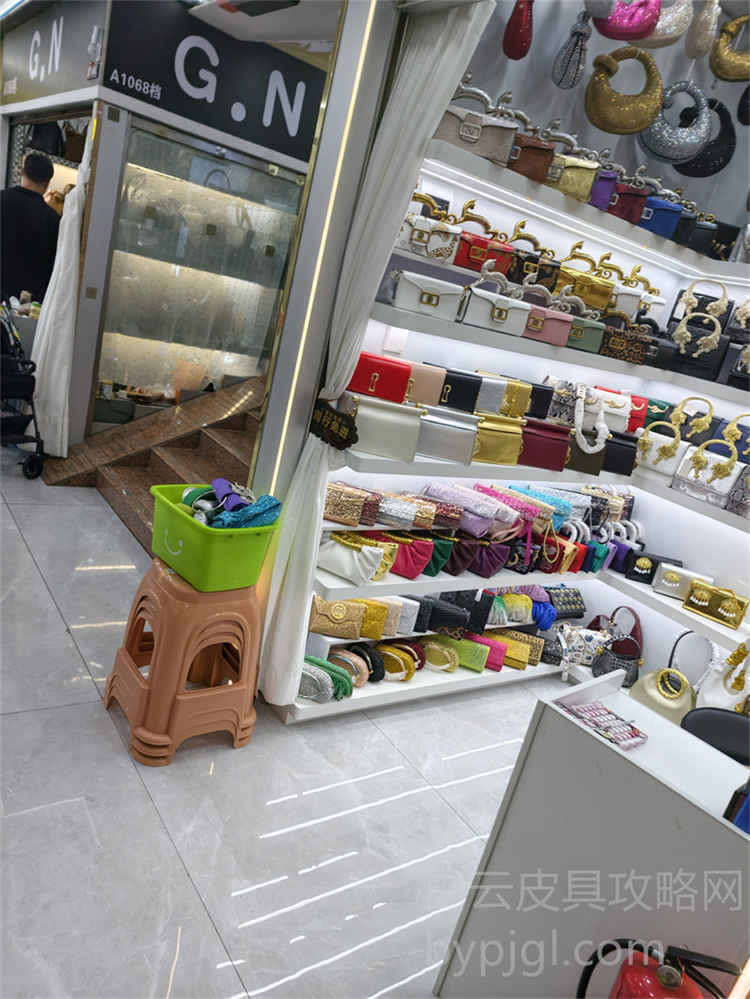
First, let's clear up a major misconception. There is no single price for a bag. When you walk into the massive wholesale hubs around Baiyun, you will see hundreds of stalls selling what looks identical. But the cost difference between them can be three hundred percent. If you are looking for the absolute bottom-tier fake, the material is often cheap PU leather that smells like chemicals and peels after a week. The margin there is tiny because everyone sells it. The real money, the kind that keeps a business running for decades, isn't in the junk. It's in the top-tier replicas that use genuine cowhide, imported hardware, and precise stitching. That is wher the profit lies, but only if you know how to spot the difference.
Navigating the Baiyun Leather City Maze
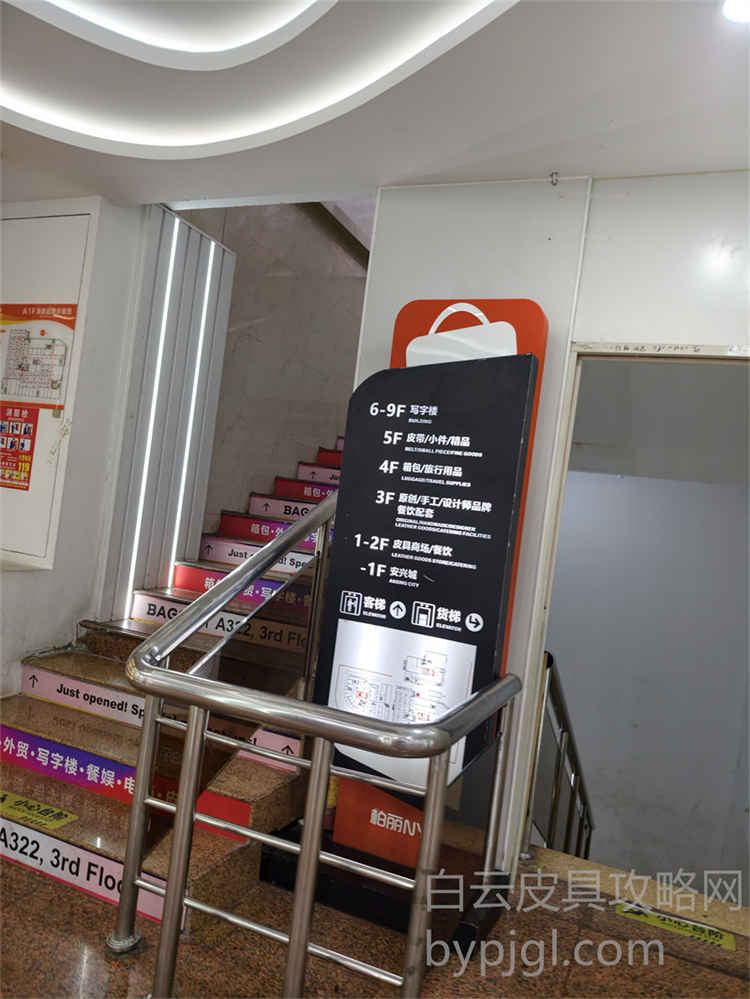
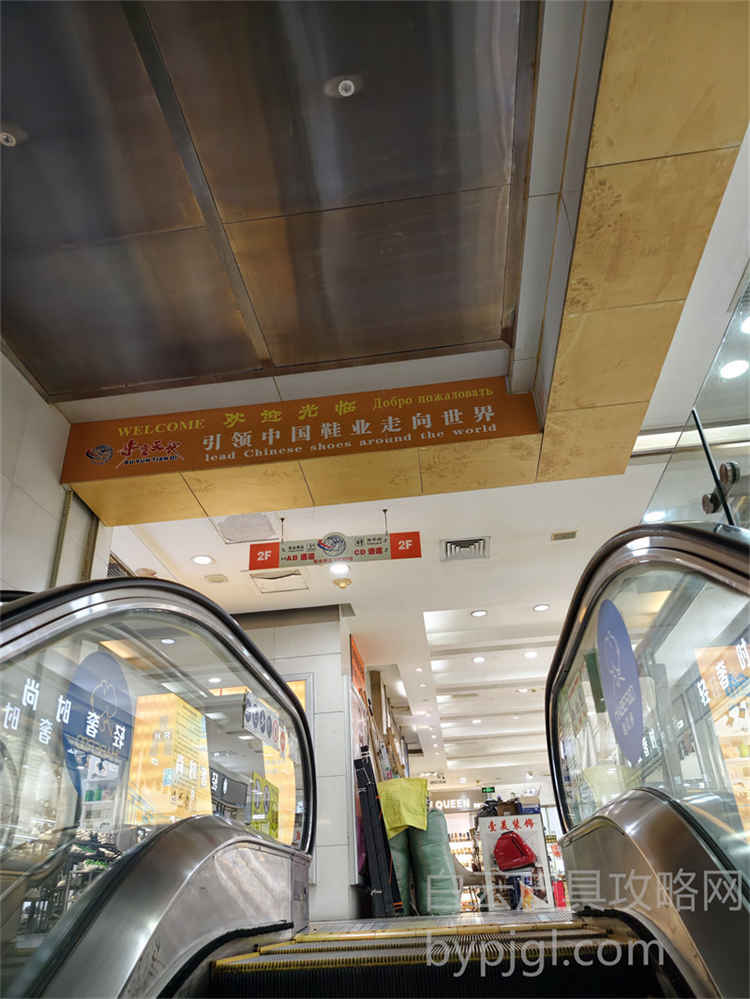
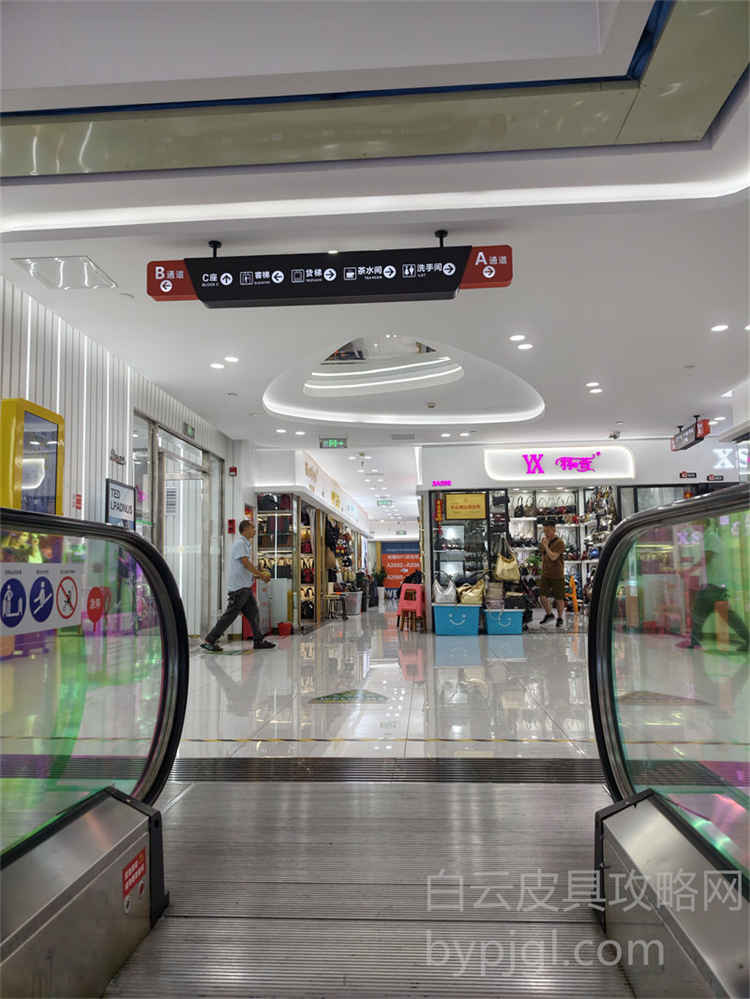
If you think you can just walk in and start buying, you are going to lose money before you even leave the parking lot. The layout of the Baiyun market is designed to confuse outsiders. There are dozens of buildings, each with its own specialty. Some floors are dedicated to low-quality goods, while others house the premium workshops. As a local owner, I tell every foreign buyer to skip the ground floor unless you are looking for souvenirs. Go straight to the upper levels or the specialized buildings further down the street.
Building Trust Before You Talk Numbers
You cannot negotiate a good deal if the stall owner thinks you are a tourist. In our culture, trust is everything. We don't care about your credit card limit; we care about whether you are serious. When you approach a booth, do not ask for the price immediately. Ask about the leather source. Ask who makes the hardware. Ask if they have a workshop nearby. When you speak the language of the trade, the dynamic changes. Suddenly, the owner stops treating you like a customer and starts treating you like a partner. This is the first step to unlocking the real wholesale prices. once they know you understand the craft, they will show you their best stock, which they never put out for casual browsers.
The Art of Selecion and Quality Control
This is wher most people fail. They see a picture online, send a deposit, and wait for a shipment. That is a recipe for disaster. You must physically inspect the goods. In Guangzhou, the saying goes, "The devil is in the details." A bag might look perfect from a distance, but up close, the stitching might be loose, or the lining might be wrong. I have seen buyers lose thousands of dollars because they didn't check the interior pockets or the zipper pullers.
What to Look For When Inspecting
When I am helping a client pick items, I teach them to focus on three things. First, the smell. Good leather has a distinct, earthy scent. Cheap materials smell like plastic or glue. Second, the weight. High-quality bags feel substantial. If it feels light as a feather, the leather is likely thin or synthetic. Third, the hardware. Run your finger over the metal parts. Is it smooth? Does it have a nice heft? Cheap plating scratches easily and turns green. In the Baiyun market, we have access to molds that are almost identical to the original designs. But the execution varies wildly. only by touching and feeling the product can you determine if it meets your standards.
Negotiating and Securing Your Order
once you have selected your items, the negotiation begins. Do not be afraid to haggle. In fact, it is expected. However, do not try to drive the price down to zero. If you push too hard, the seller will either give you inferior goods or simply stop talking to you. The goal is to find a middle ground wher both parties feel they won. A good strategy is to talk about volume. Tell them you plan to order regularly. If you commit to a larger quantity, the per-unit cost drops significantly. This is how you secure the best margins.
Avoiding Common Pitfalls
There are several traps that catch inexperienced buyers. One common issue is the "sample vs. bulk" discrepancy. Sometimes the sample you see is perfect, but the mass-produced batch is slightly different. Always insist on seeing a pre-production sample before the full order is made. Another pitfall is shipping. Many sellers offer free shipping, but it might take months via standard mail. Use a reliable freight forwarder who knows the customs regulations in your country. Trying to ship large quantities through regular post is risky and often leads to seizures. Also, never pay 100% upfront. A 30% deposit to start production and 70% upon inspection is the standard practice here. It protects you and shows you are serious.
The Future of Sourcing in Guangzhou
The market in Guangzhou is evolving. With stricter laws and better technology, the gap between high-end replicas and authentic goods is narrowing in terms of craftsmanship. However, the legal landscape is changing, and you need to stay informed. The days of blatant branding are fading. Smart buyers are focusing on unbranded, high-quality leather goods that rely on design and material rather than logos. This shift actually increases the value of the product because it stands on its own merit.
Why Local Knowledge Matters
Ultimately, the profit margin you achieve depends entirely on your ability to navigate this market. Without a local guide or deep experience, you will pay retail prices for wholesale goods. The information available online is often outdated or misleading. The real secrets are whispered in the back rooms of the Baiyun market, shared between owners who have known each other for years. If you want to succeed, you need to immerse yourself in the environment. Visit the market multiple times. Build relationships. Learn the nuances of the leather trade. That is the only way to ensure you are getting the best deal possible and turning a healthy profit.



 On-site Visits
 Free Sharing
 Avoid Scams
 Updated Frequently
 For Reference Only