

Walking the Floors: My Honest Guide to Sourcing in Guangzhou
I have been standing behind this counter for over fifteen years. While the world talks about online trends and droshipping, my life has always been defined by the dust, the noise, and the endless rows of leather goods in the Baiyun district. You might be reading this from a warehouse in New York or a boutique in London, wondering how to actually get your hands on the high-end stock that everyone whispers about but few know how to touch. Let me tell you, there is no magic button. There is only the walk, the talk, and the eye.
Many people think they can just order a thousand bags online and expect perfection. That is a mistake I see every single day. The real value, the real quality, and the real relationships are built face-to-face. If you want to succeed in this business, you need to understand the rhythm of the market here. It is not like shopping at a mall wher you pick up an item and pay. Here, you negotiate, you inspect, and you build trust with the factory owners who have been making these pieces since before you were born.
Navigating the Real Market: Beyond the Tourist Traps
Why You Must Skip the Street Stalls
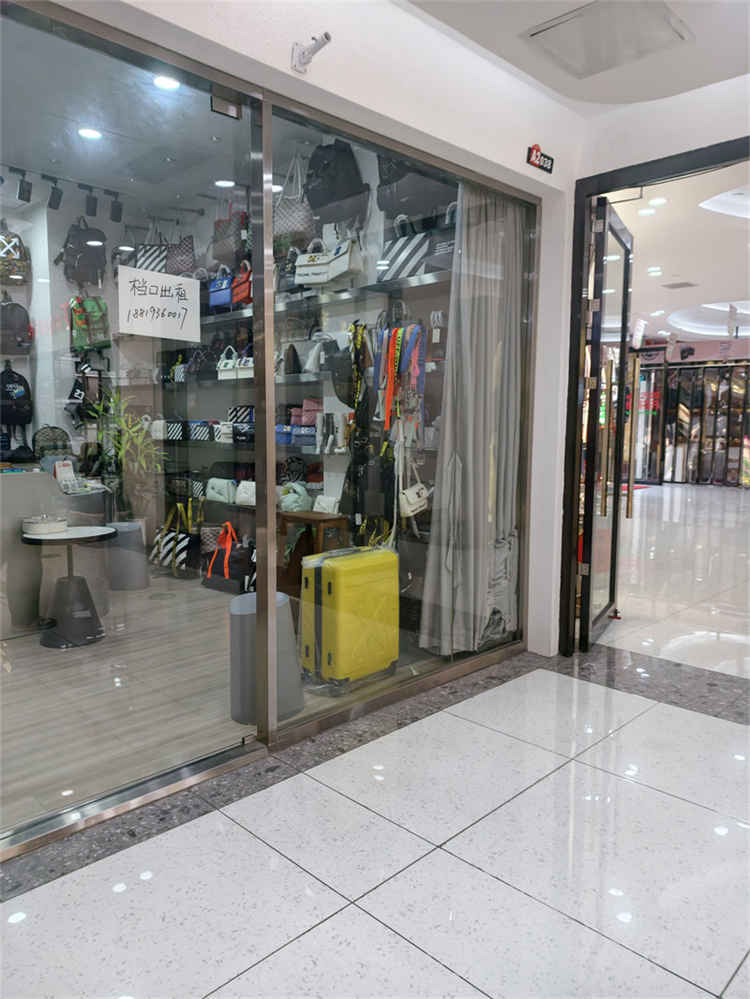
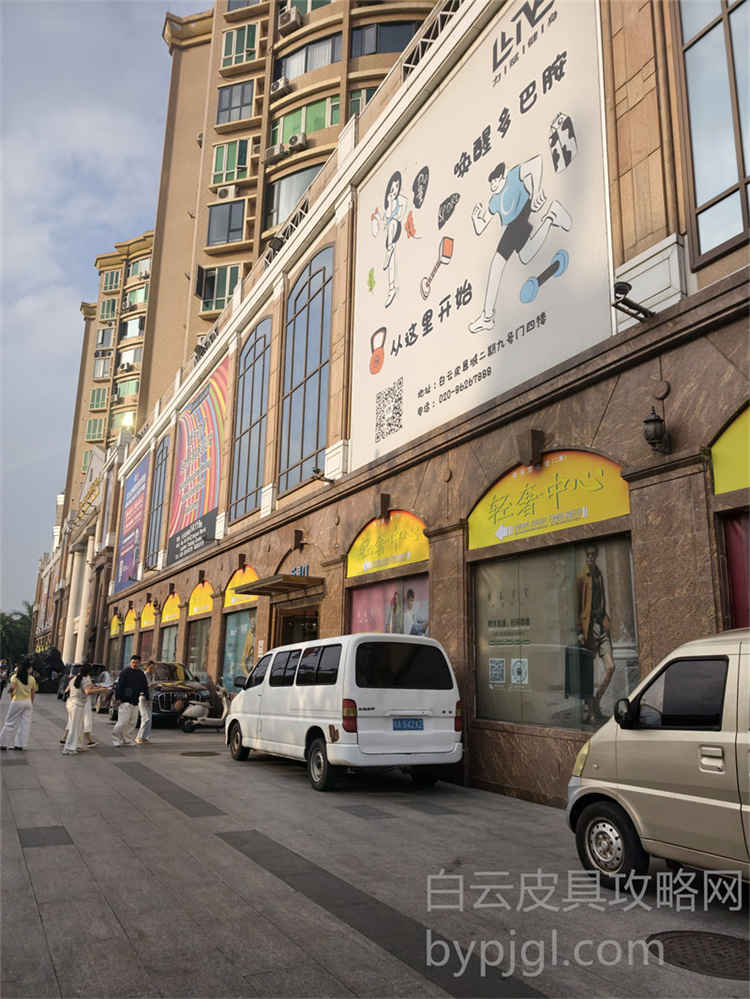
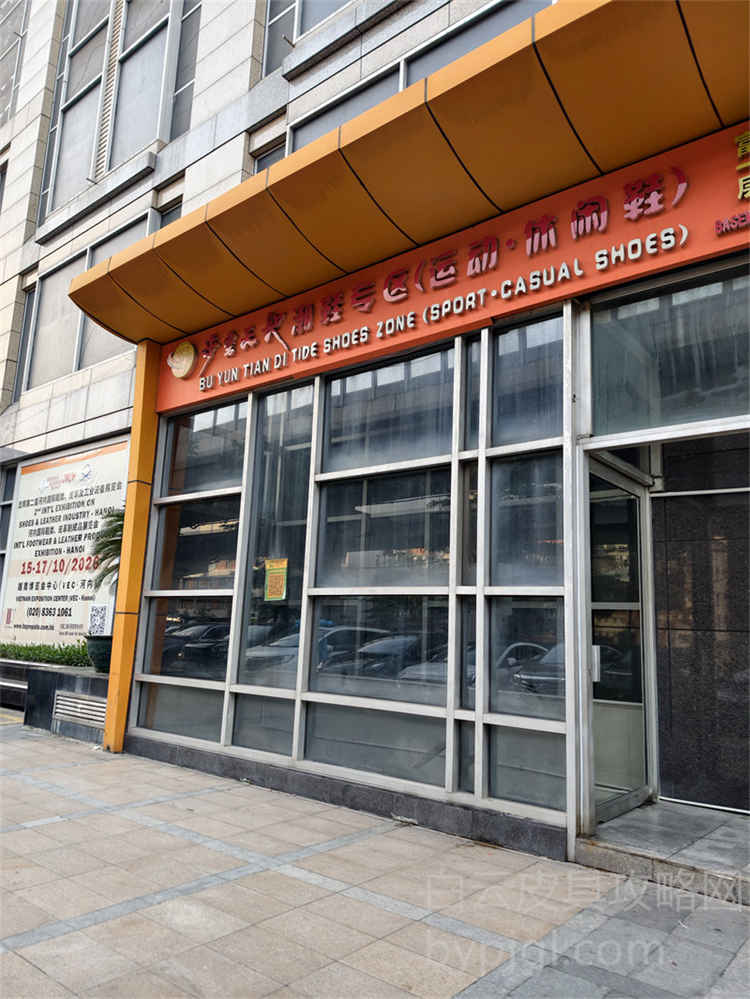
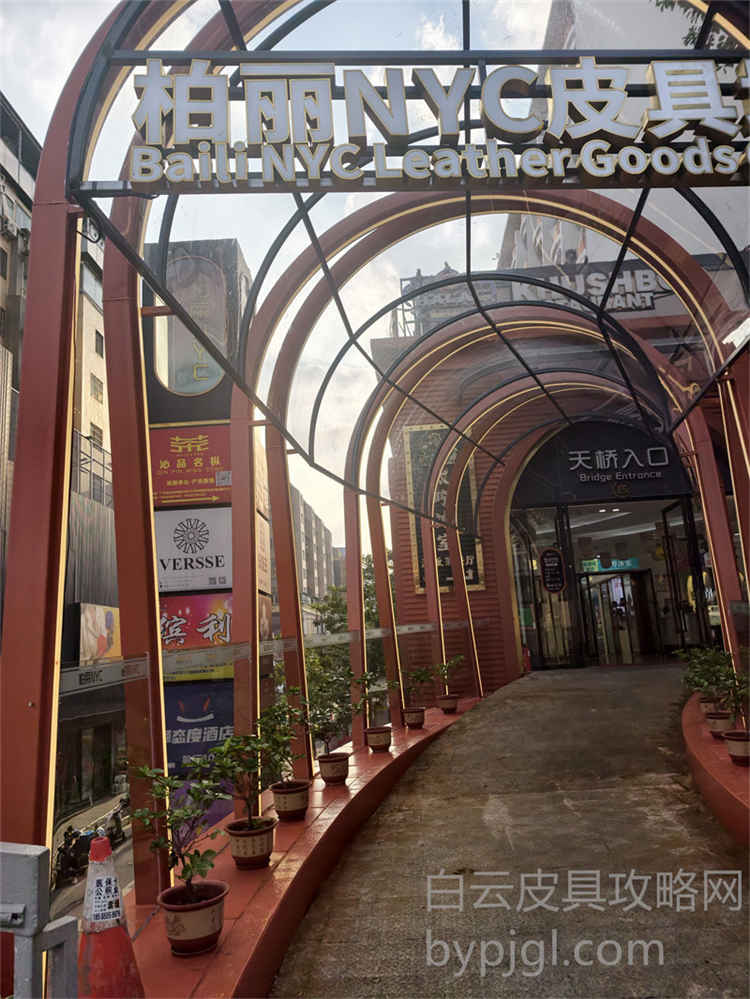
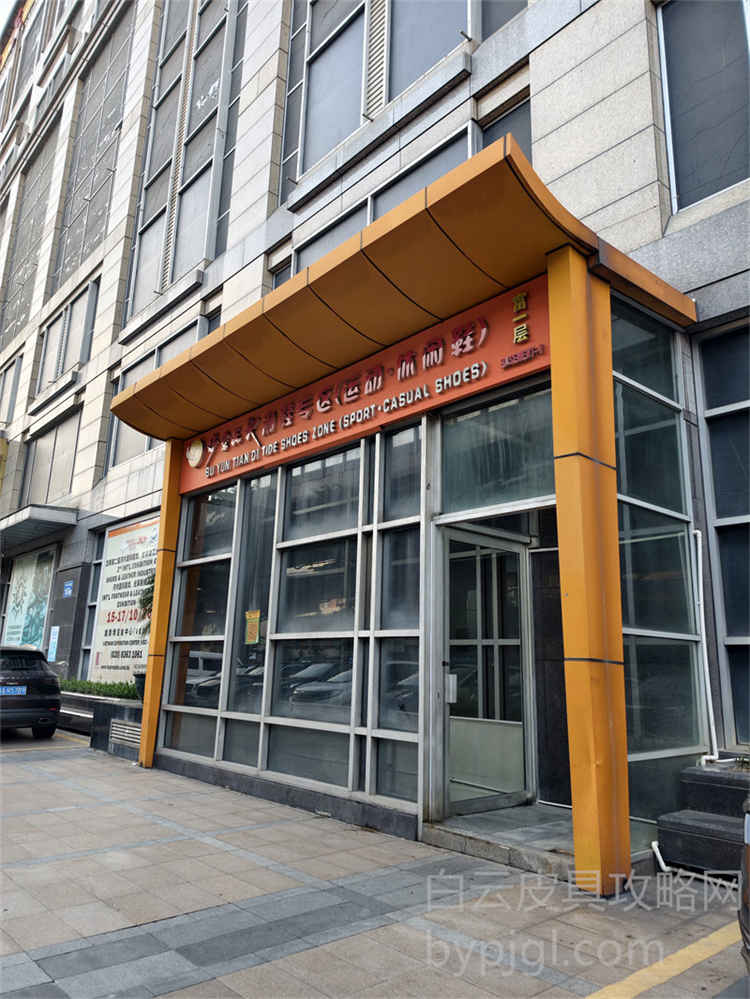
First things first: do not waste your time wandering around the street stalls near the main train station. Those are for tourists looking for cheap souvenirs, not for serious buyers. When I say "Guangzhou Baiyun Leather City," I am talking about specific buildings like the World Trade Center or the Qianwan Plaza. These are the hubs wher the actual wholesale trade happens. The air inside these buildings smells different; it smells of glue, fresh leather, and opportunity.
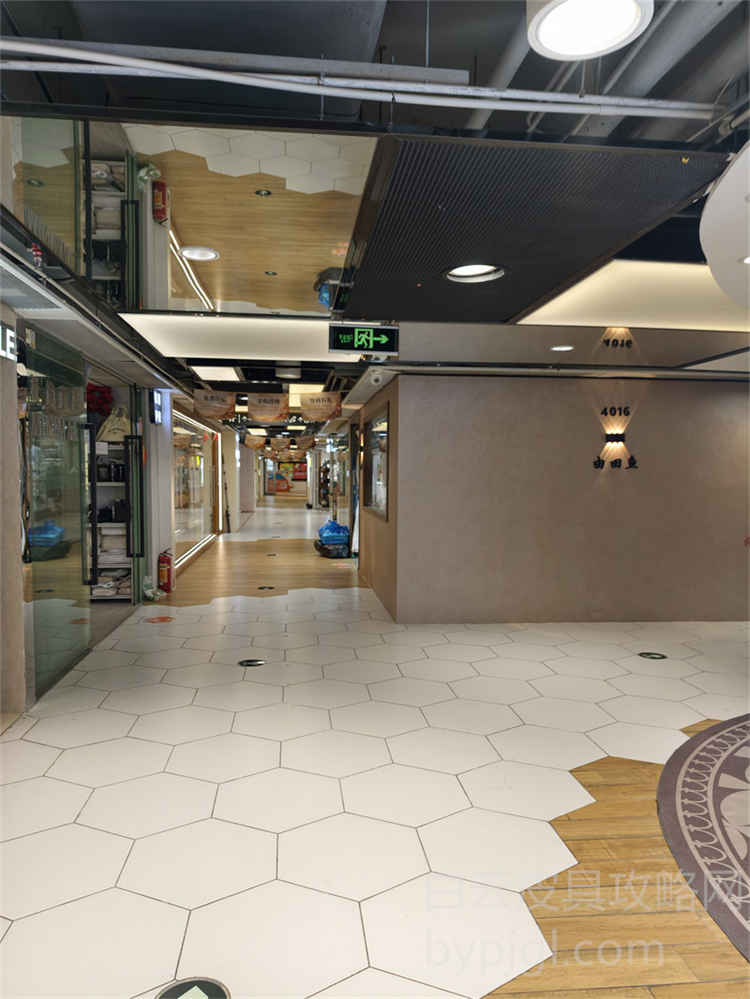
The layout can be confusing if you are new. The ground floor often displays the most basic items to catch the eye of casual passersby. But the real gold is hidden on the upper floors. You need to go up. The higher you go, the more specialized the vendors become. Some stalls focus entirely on top-tier materials, while others handle mid-range production. As a local owner, I advise you to spend at least three days just walking through the corridors without buying anything. Observe the foot traffic. See which shops have the steady stream of regular customers coming in and out. Those are the ones with good inventory and reliable supply chains.
The Art of Inspection: What Separates Good from Great
Touching the Grain and Checking the Stitch
once you find a stall that looks promising, do not just ask for the price list. That is amateur hour. Sit down, look them in the eye, and ask to see their latest batch. In our industry, we call this "checking the grain." You need to feel the leather. Is it soft? Does it smell like genuine cowhide or does it have that chemical tang of synthetic material? A good vendor will not mind you pulling at the stitching or pressing into the leather to test its resilience.
Pay close attention to the hardware. This is wher many sellers cut corners. Run your fingers over the zippers and clasps. Do they slide smoothly? Is the plating thick enough so it won't chip after a week of use? Look at the stitching lines. Are they straight? Is the thread tension consistent throughout the bag? If you see loose threads or uneven spacing, walk away immediately. We pride ourselves on precision here. If a shop cannot show you a bag with perfect stitching, they are not ready for wholesale orders. Remember, we are not selling toys; we are selling products that need to last.
Building Relationships and Securing Your Order
Negotiating Like a Pro and Avoiding Scams
When you are ready to talk numbers, keep in mind that everything is negotiable. However, do not try to lowball a reputable seller just because you saw a lower price online. Price is important, but consistency is king. Ask about their minimum order quantity (MOQ). Most of us require a certain number of units per style to start production, but if you are a returning customer, we can sometimes make exceptions. Build a relationship. Tell them you plan to come back next month or next season. Vendors love stability.
Beware of the "sample trap." Sometimes, a seller will show you a perfect sample but send you inferior goods when the bulk order arrives. To avoid this, insist on seeing the exact batch you will receive. Take photos of the serial numbers, the tags, and the specific details of the sample. Better yet, ask for a video call inspection before you ship anything. Trust is earned slowly in this market. If a vendor pushes you to pay 100% upfront without any proof of quality, that is a red flag. We operate on a system wher you pay a deposit, we produce, you verify, and then you pay the rest. This protects both of us.
Logistics and Taking Stock Home
Shipping Strategies for International Buyers
once the deal is done, the next challenge is getting the goods to your country. Many buyers panic about customs and shipping fees. Here is the truth: we have partners who specialize in international logistics. They know exactly how to pack the bags to prevent crushing and damage during transit. They also handle the documentation so that your shipment clears customs smoothly. Do not try to ship everything yourself via standard mail services; it is too risky and expensive.
Work with your supplier to choose the right shipping method. For heavy orders, sea freight is the most cost-effective option, though it takes longer. For urgent restocks, air freight is available but costs more. Always ask for a tracking number and insurance coverage. When the boxes arrive at your door, open them immediately and check against your packing list. If there are any discrepancies, contact us within twenty-four hours. We stand by our work. Being a local supplier means we are here to support you long after the transaction is complete. This is not a one-time hit-and-run business; it is a partnership built on mutual success.


 On-site Visits
 Free Sharing
 Avoid Scams
 Updated Frequently
 For Reference Only