
Walking the Floors: My Honest Guide to Sourcing in Guangzhou
Welcome to my world. If you are reading this, you probably know that the real money and the real deals aren't found on a website with a shopping cart. They are found here, in the concrete corridors of Baiyun District, wher the air smells like leather dust and fresh coffee, and wher the noise never really stops. I have been standing behind these counters for over fifteen years. I have seen thousands of tourists walk in looking confused, and I have watched them leave with stacks of boxes they didn't even know existed. Today, I want to tell you how to navigate this maze without getting ripped off or walking away empty-handed.
The Real Location: Beyond the Tourist Traps
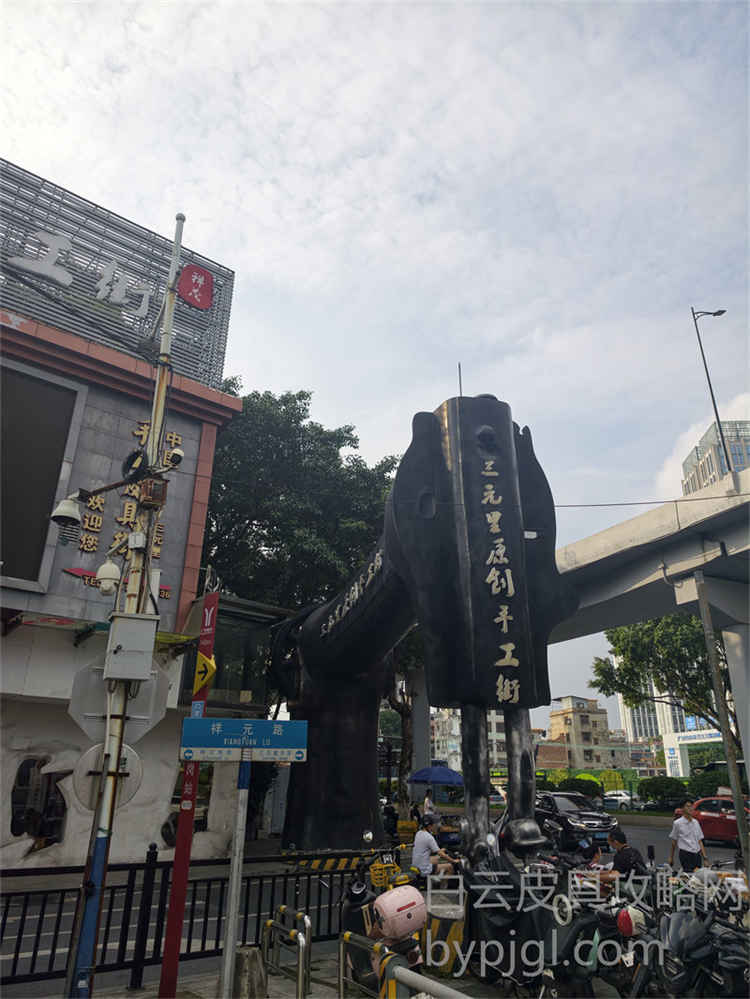
First things first, forget what your friends told you about finding "luxury" bags online. The truth is, the entire ecosystem lives in one specific cluster of buildings. When people talk about Guangzhou Baiyun Leather City, they usually mean the massive complex known as Shiqiao or the newer International Trade Center nearby. These are not just shops; they are warehouses stacked three stories high. You will see trucks loading and unloading all day long. This is wher the wholesale action happens. If you go to a small street stall far from this district, you are likely dealing with a middleman who has already marked up the price twice. To get the real factory-direct pricing, you need to be inside the main hubs wher the buyers and sellers meet face-to-face.
How to Spot the Good Goods Before You Buy
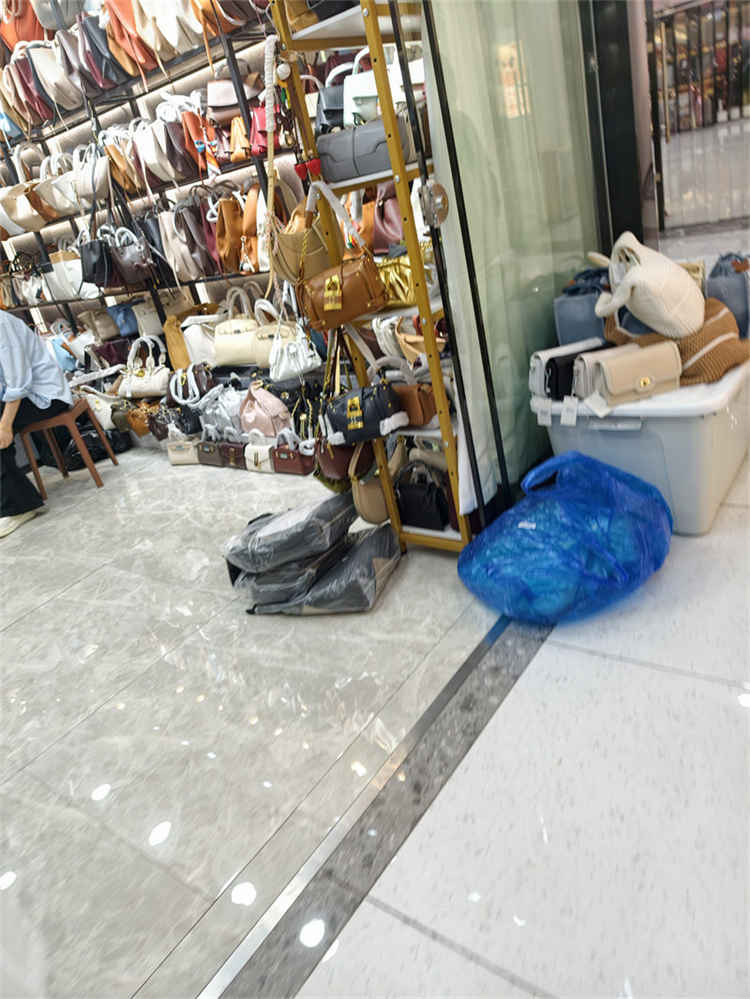
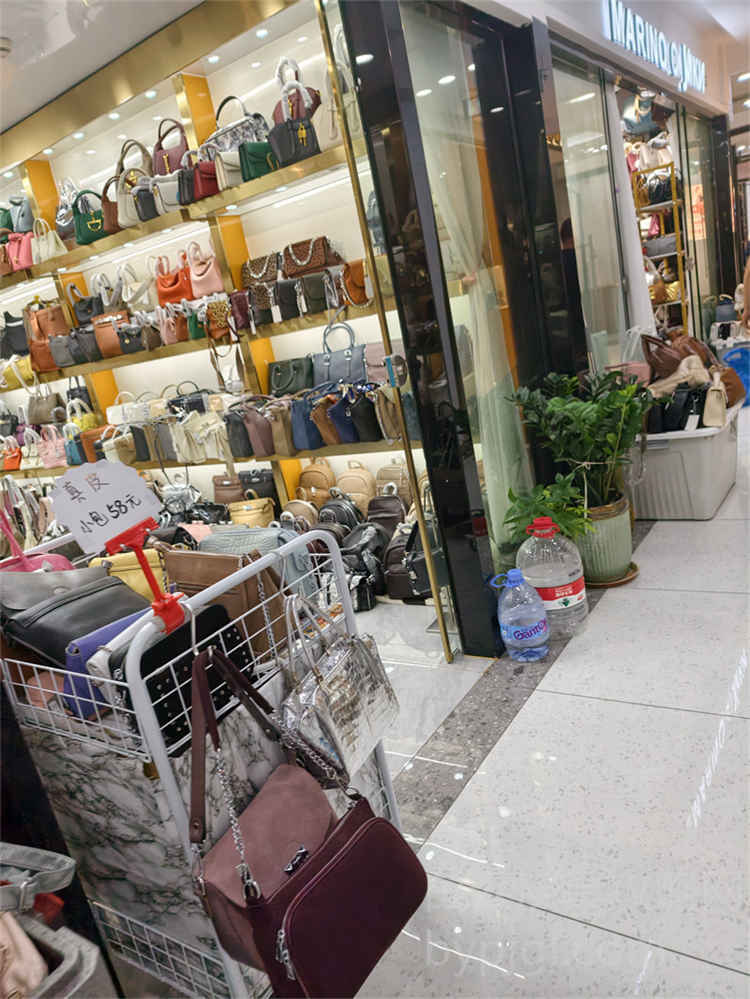
When you step into a booth, do not start by asking for the "best quality." That is a phrase that gets you nowher. Instead, look at the stitching. In my experience, the difference between a cheap knockoff and a top-tier piece is often invisible to the untrained eye but obvious to someone who knows leather. Look at the thread tension. Is it straight? Does it pull when you tug gently? Check the hardware. It should feel heavy, not hollow. A good supplier will show you their stock immediately because they know their product speaks for itself.
Reading the Room: Understanding the Hierarchy
You need to understand that not every counter is the same. Some booths are just showrooms for the big factories down the road. Others are the actual production lines wher workers are sewing right in front of you. When you enter a shop, look at the back. If you can hear machines humming or see piles of raw materials, you are close to the source. These are the places wher you can negotiate better prices because there is no middleman taking a cut. Ask to see the "master samples." These are the prototypes that define the shape and structure of the bag. If the master sample looks flimsy, the mass-produced version will be worse.
Negotiating Like a Local Buyer
This is wher most foreigners fail. They try to bargain like they are buying a souvenir at a market. Here, we deal in volume and relationships. If you walk in alone and ask for one bag, you will get the retail price, which is still high compared to what locals pay. But if you say you are opening a store or sourcing for a group, the game changes. Start by asking for the "wholesale tier" price. Do not mention a specific brand name; instead, describe the style, the material, and the hardware you want. A good vendor will understand exactly what you mean without needing a logo.
The Art of the Deal: Volume and Trust
My advice is simple: build trust before you buy. Tell me you are coming back next month. Tell me you plan to order fifty pieces if the quality holds up. In this business, consistency is king. once I know you are serious, I will open my best drawer and show you the goods that are reserved for my regular clients. We might discuss shipping terms, payment methods, and return policies for defective items. Never agree to pay 100% upfront unless you have done business with us before. A standard deposit of 30% to 50% is normal, with the balance paid upon inspection or before shipment. This protects both of us.
Inspection and Quality Control on the Floor
Never, ever ship a box without checking it yourself. I cannot stress this enough. Even the best factories make mistakes. When you are ready to finalize an order, take the time to inspect every single item. Check the lining. Feel the texture of the leather. Open and close the zippers ten times to ensure they don't stick. Look for any glue stains or uneven seams. If you find a flaw, point it out immediately. A reputable seller in Guangzhou Baiyun will replace the defective unit without argument. If they refuse, run. There are plenty of other booths willing to treat you fairly.
Dealing with Logistics and Shipping
once you have selected your goods, the next challenge is getting them home. Most vendors in the district have established relationships with freight forwarders who specialize in international shipping. They can handle customs clearance and consolidation for you. Do not try to arrange your own shipping unless you are an expert in logistics. Ask your supplier for a quote that includes door-to-door delivery. Be aware that shipping times can vary depending on the season and customs regulations in your country. Always keep a buffer in your timeline so you are not caught waiting for a delayed package.
Final Thoughts: Building Your Supply Chain
Buying in Guangzhou is not a one-time transaction; it is the beginning of a partnership. The market is vast, and the competition is fierce, which means the quality is constantly improving. By visiting the physical locations, talking directly to the owners, and understanding the nuances of the trade, you gain an advantage that online shoppers simply cannot match. Take your time, walk the floors, and trust your instincts. The people behind these counters are real, and they want to do business with honest partners. If you approach this process with respect and patience, you will find the best products at the best prices, turning your sourcing trip into a profitable venture for years to come.

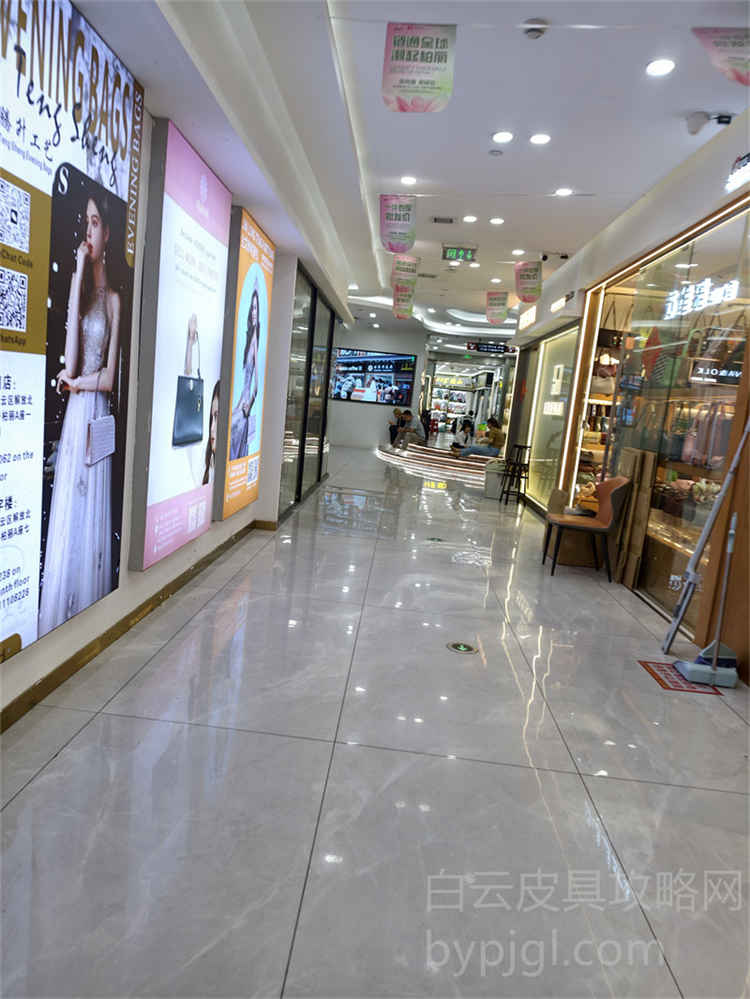
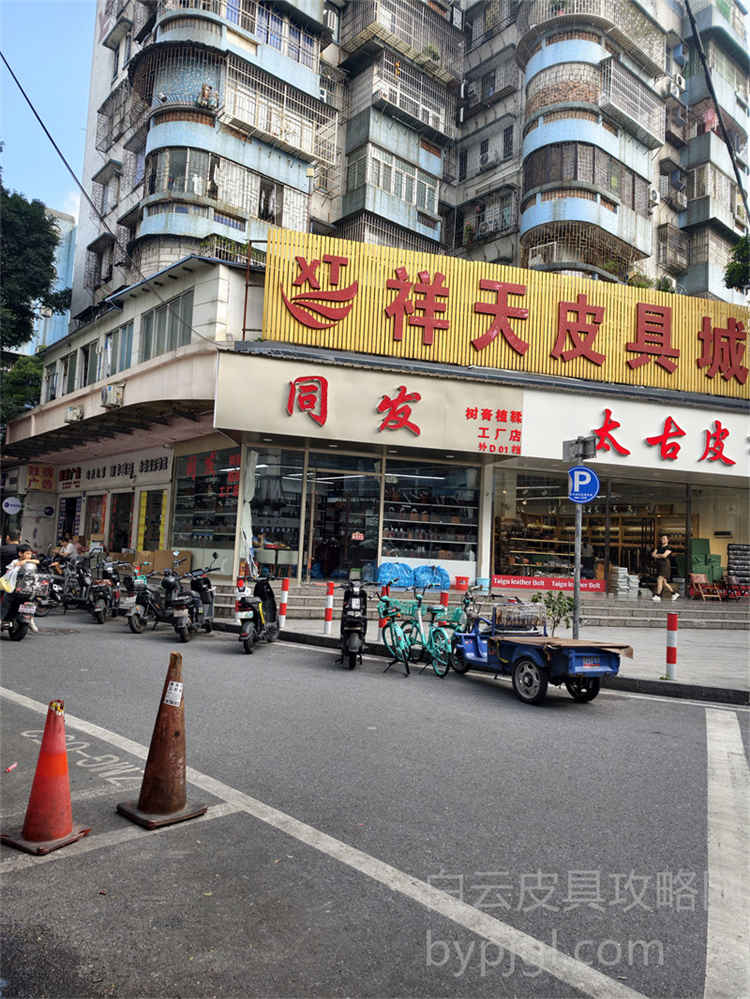
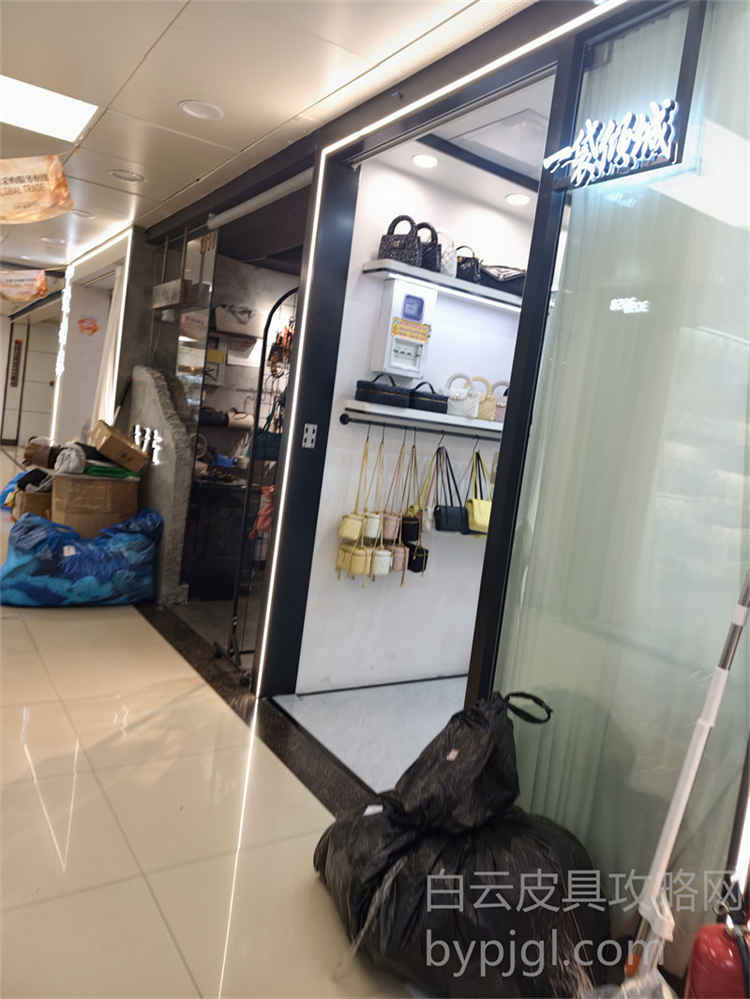
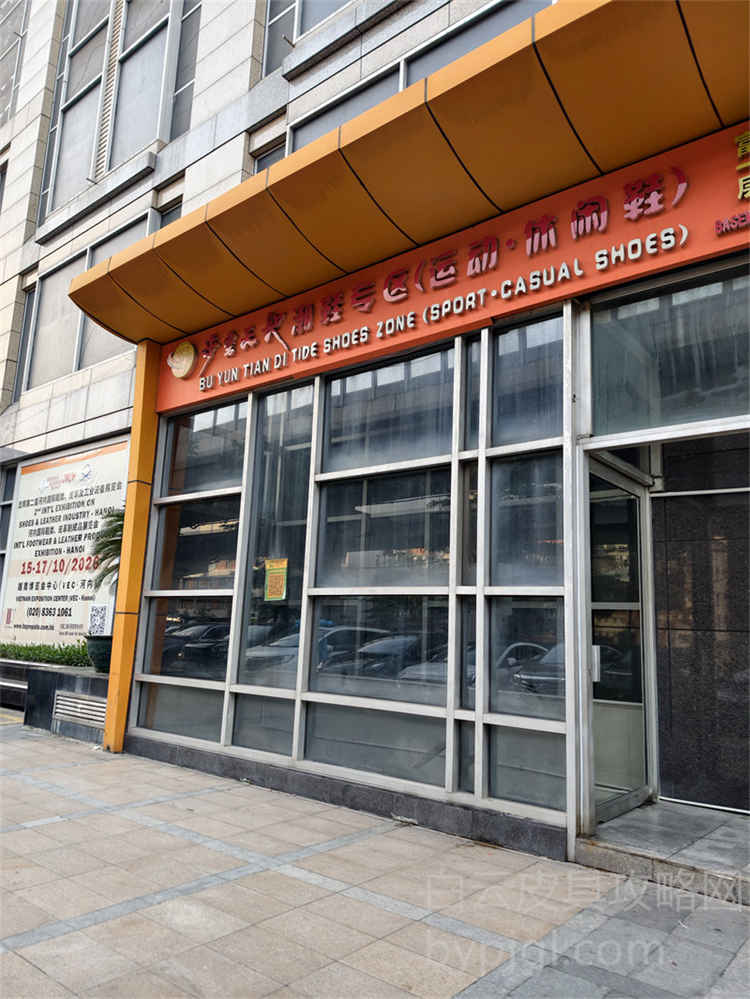
 On-site Visits
 Free Sharing
 Avoid Scams
 Updated Frequently
 For Reference Only