
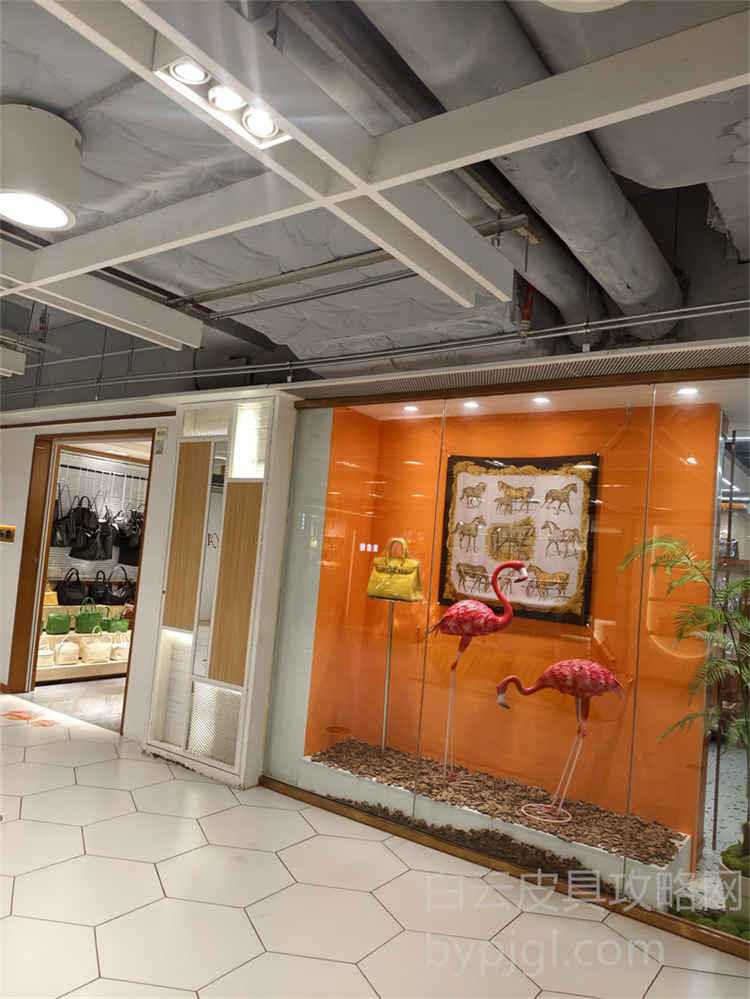
Walking the Floors: A Local's Guide to Sourcing in Guangzhou
I have been standing behind this counter for over fifteen years, watching the dust settle on the marble floors of the Baiyun Leather City. People come from all corners of the globe thinking they know what they are looking for, but most walk in with a checklist that is completely wrong for this specific market. If you are planning a trip to Guangzhou to source high-end leather goods, forget what you read on generic blogs. The real knowledge comes from the smell of fresh glue, the sound of haggling in Cantonese, and the way the light hits the stitching on a bag sitting on a velvet table.
The First Rule: Leave Your Expectations at the Door
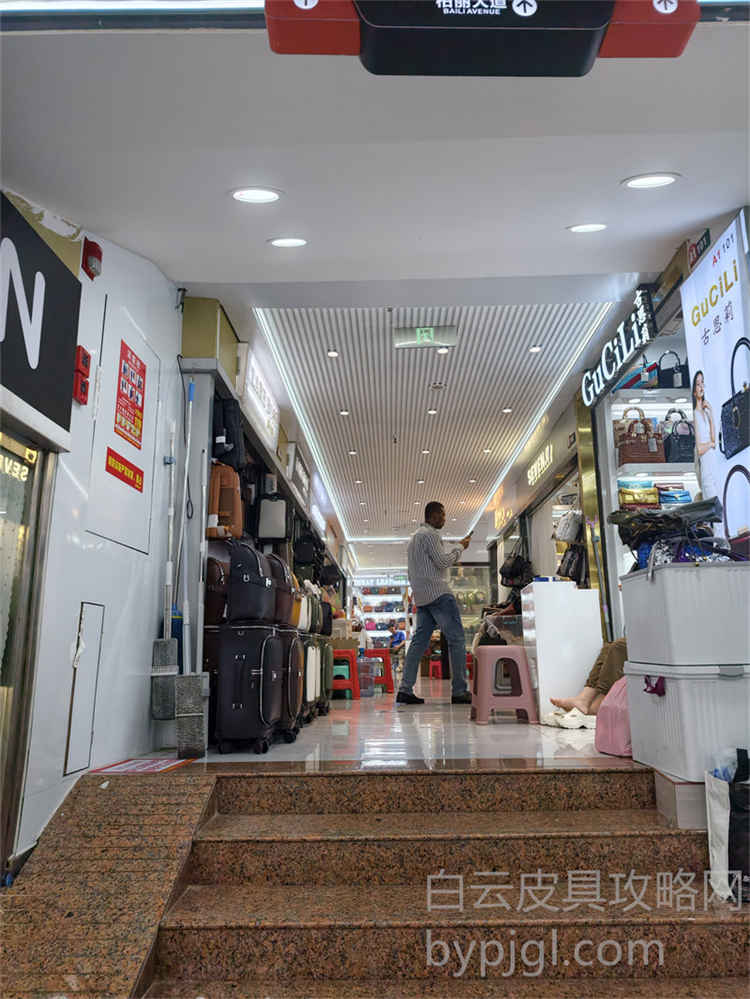
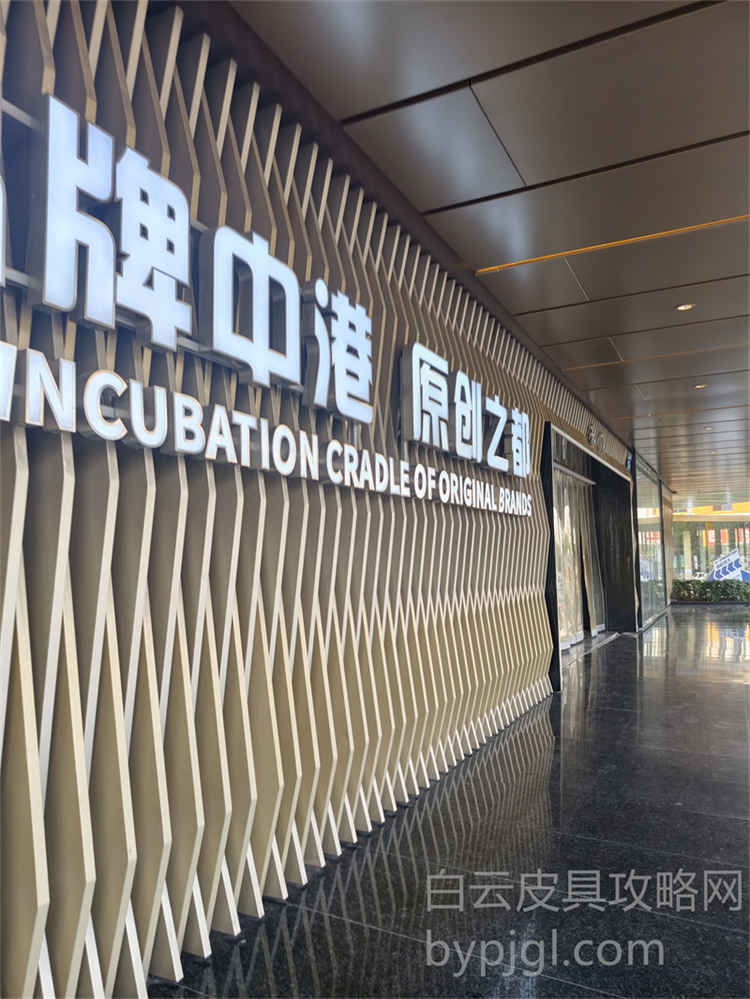
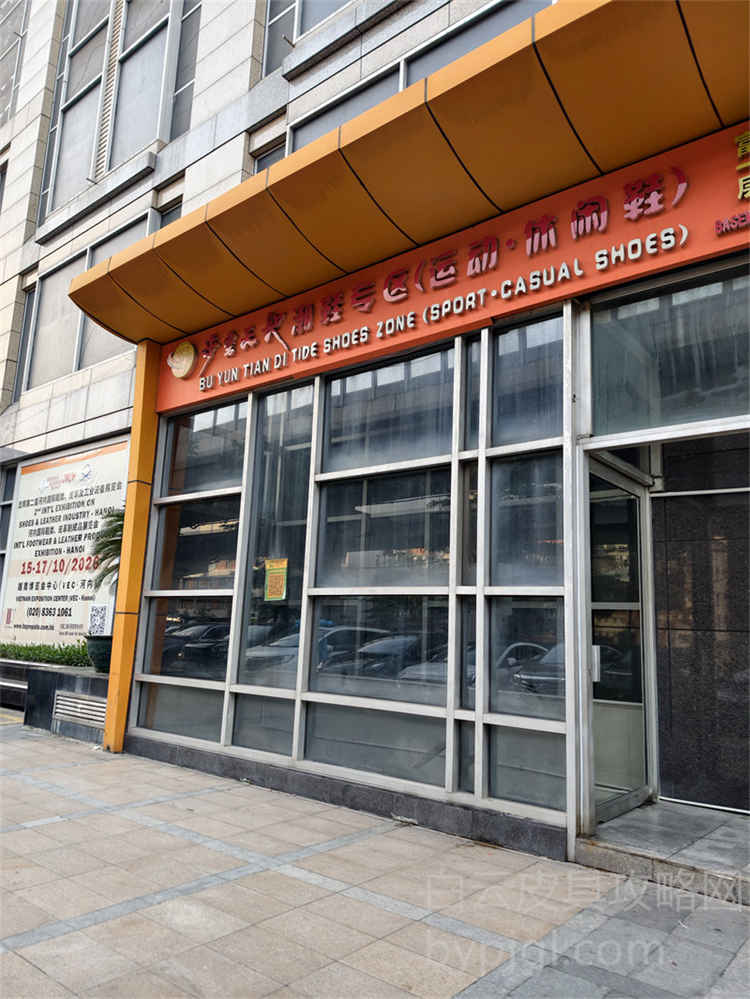
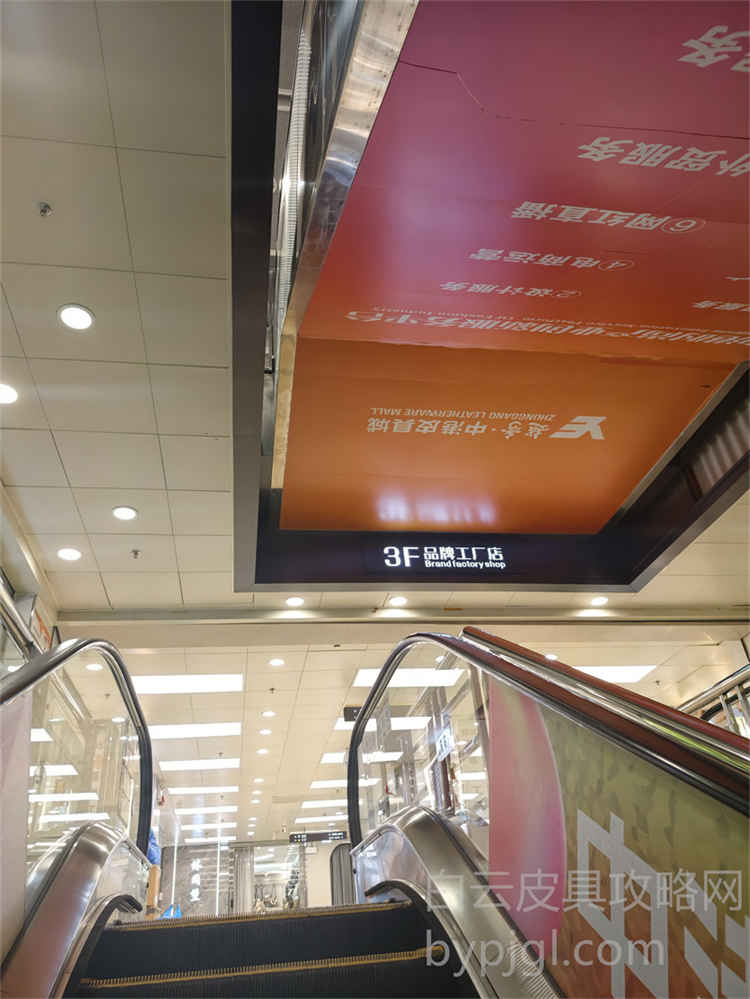
When I first started in the early 2000s, the scene was chaotic. Today, it is organized chaos. You will see tourists walking around with cameras, looking for "designer bags" at street stalls. They never find anything good because they are looking in the wrong place. The real action happens inside the massive complexes like the Baoma Plaza or the World Trade Center. These are not open-air markets; they are multi-story buildings wher every floor has a different specialty. Some floors are strictly for handbags, others focus on wallets, and some are dedicated to shoes. Do not waste your time wandering the streets outside unless you want to be sold low-quality junk that will fall apart after one week.
Navigating the Market Layout and Finding the Right Stall
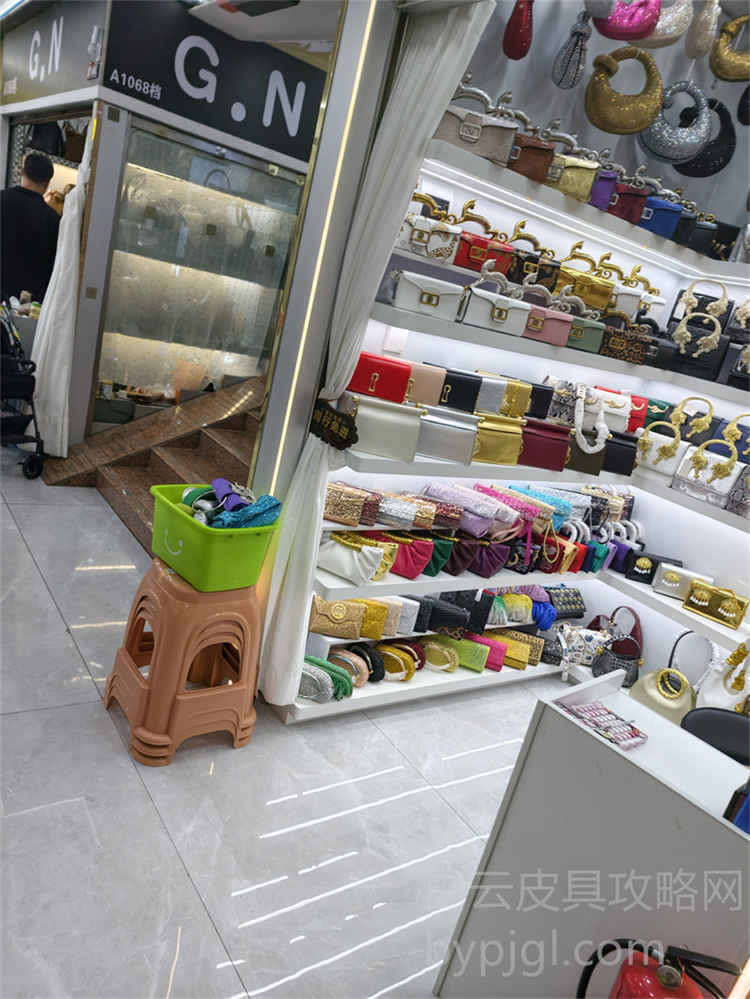
Getting into the building is easy, but finding the right stall is an art form. Most shops here do not display their best inventory on the front tables. That is just the window dressing. When you walk in, you will see rows of shiny bags that look okay but feel heavy and cheap. Ignore those. Ask the staff directly if they have access to the back room or the upper shelves. In my experience, the top-tier pieces are always kept off the main display. They are reserved for serious buyers who know how to talk.
Reading the Room: Who Are You Dealing With?
You need to identify the type of vendor immediately. There are the factory owners who run the show, the middlemen who just resell, and the small shopkeepers who buy from the big guys. If you want the best price and the highest quality, you must find the people who own the molds. They are usually older, more experienced, and speak a mix of English and broken Chinese. They do not smile too much; they are business-focused. If a seller is too eager to please and pushes you to buy immediately, walk away. The real wholesalers in Guangzhou wait for you to inspect the product before they even mention a price.
The Art of Inspection: What to Look For Under the Microscope
This is wher most overseas buyers fail. They look at the logo or the shape, but they miss the details that separate a premium item from a cheap imitation. When I am helping a client, the first thing we do is check the hardware. Is it solid brass or hollow zinc? Does the zipper glide smoothly or does it stick? We run our fingers along the edges. The stitching should be consistent, tight, and follow the grain of the leather perfectly. No loose threads, no uneven spacing.
Leather Quality and Smell Test
Smell is a dead giveaway. Real leather smells distinct, earthy, and rich. Cheap synthetic materials smell like chemicals or plastic. Even the best replicas use high-grade cowhide or lambskin that feels soft to the touch. Run your hand over the surface. It should have natural texture, not a perfect, machine-made uniformity. Check the interior lining as well. High-end sourcing means checking the fabric inside the pockets and the color matching. If the lining is flimsy or peeling, the whole bag is compromised. Never accept a bag without opening every single compartment and checking the zippers multiple times.
Negotiation Tactics and Building Long-Term Relationships
Pricing in Guangzhou is not fixed. It is a dance. The first number they give you is often double what they expect to sell for. Do not get angry; get curious. Ask them about the cost of materials, the labor involved, and why the price is so high. This shows you understand the industry. once you establish that you are a serious buyer who knows the difference between Grade A and Grade B, the conversation shifts. They will start showing you better options.
The Power of Volume and Repeat Business
If you are buying just one or two bags, you will pay retail prices. To get the wholesale rates, you need to talk about volume. Even if you are starting small, frame your order as the beginning of a long-term partnership. Tell them you plan to return next month with a larger order. This psychological trick works wonders. They will lower the price to secure your future business. Also, ask about shipping logistics. Many vendors in the Baiyun area have established relationships with international couriers. They can handle the packaging and customs declaration for you, which saves you a lot of headache later.
Avoiding Common Pitfalls and Scams
There are traps everywher. One common scam is the "rush job." A seller might promise you a custom order ready in three days. In reality, it takes weeks to produce high-quality items. Do not fall for the urgency tactic. Another issue is the payment method. Always use secure channels. Avoid sending money directly to personal bank accounts without a contract. Use platforms that offer buyer protection or meet in person to exchange cash for goods. Cash is king in these markets, but safety comes first.
Quality Control Before You Pay
Never pay the full amount until you have inspected the final batch. If you are ordering fifty bags, ask to see samples of each style before the full production starts. If you are picking up stock, take your time. Bring a friend or hire a local guide if you are not confident in your ability to spot defects. The last thing you want is to fly home with a suitcase full of subpar goods. Remember, the goal is to build a reputation for selling quality products, not to move cheap trash. Take photos of every detail, compare them with your notes, and only sign off when everything meets your standards.
Final Thoughts on the Guangzhou Experience
Shopping in Guangzhou is not just about buying things; it is about understanding the supply chain. The city is the heart of the global leather industry. From the raw materials to the finished product, everything happens within a few miles of the Baiyun district. If you approach this market with respect, patience, and a keen eye for detail, you will find treasures that you cannot get anywher else. The key is to treat the vendors as partners, not just sellers. Build trust, communicate clearly, and always prioritize quality over speed. That is the secret to success in this bustling, vibrant world of leather goods.

 On-site Visits
 Free Sharing
 Avoid Scams
 Updated Frequently
 For Reference Only