
Walking the Floors: My Honest Guide to Sourcing Top-Tier Bags in Guangzhou
I have been standing behind this counter in the Baiyun District for over fifteen years. While the world talks about online shopping and fast shipping, I still believe that nothing beats the smell of leather, the sound of zippers, and the face-to-face negotiation that happens right here on these bustling floors. You are asking about "A-grade" large bags, and let me tell you, if you think you can walk into a random shop and just grab the best stuff without knowing what you are looking for, you will leave empty-handed or with something that looks okay but feels cheap. The market is huge, the noise is loud, and the competition is fierce. But if you know how to navigate it, you can find quality that rivals anything you see in high-end department stores.
The Reality of "A-Grade" in the Real World
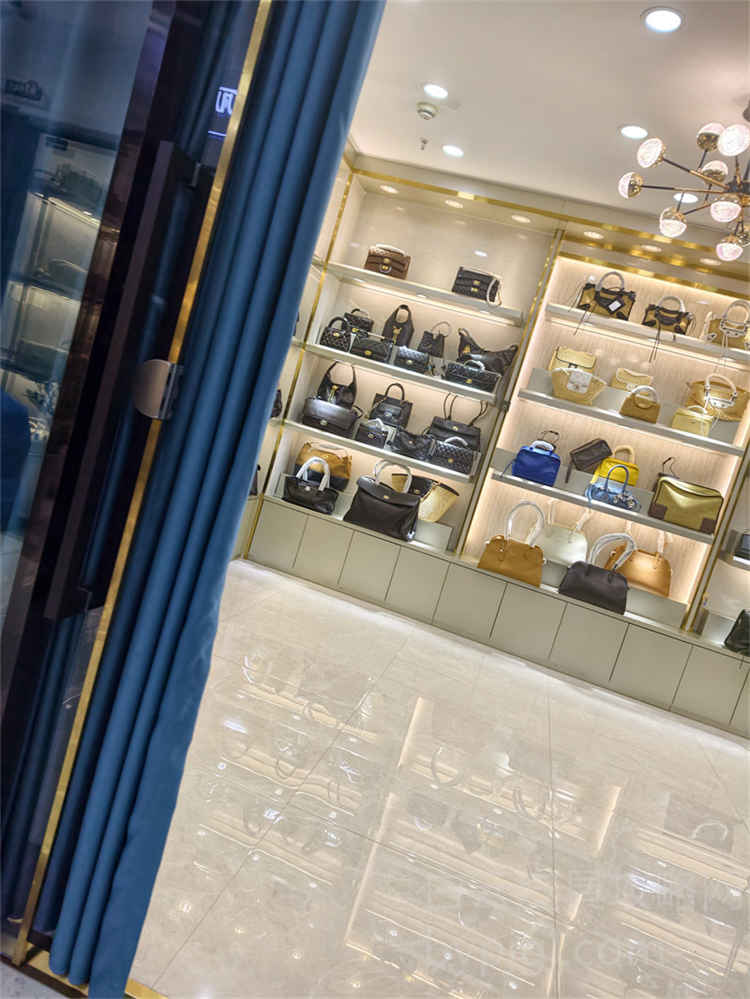
First, we need to clear up some confusion. When people ask for "A-grade," they usually mean the highest tier of production available outside of the official brand channels. In my shop, we don't use those flashy marketing terms you see on shady websites. We talk about materials, stitching, and hardware. A true top-tier bag starts with the hide. If the leather smells like chemicals or feels plastic-like, put it back immediately. We source from the same tanneries as the big names, but we cut out the middleman markup. For large bags, the structure is everything. It needs to hold its shape when you set it down, not sag like a wet towel. I always tell my regulars: touch the lining. Is it smooth? Does the zipper glide effortlessly? These small details separate the good from the great.
Navigating the Baiyun Leather City Maze
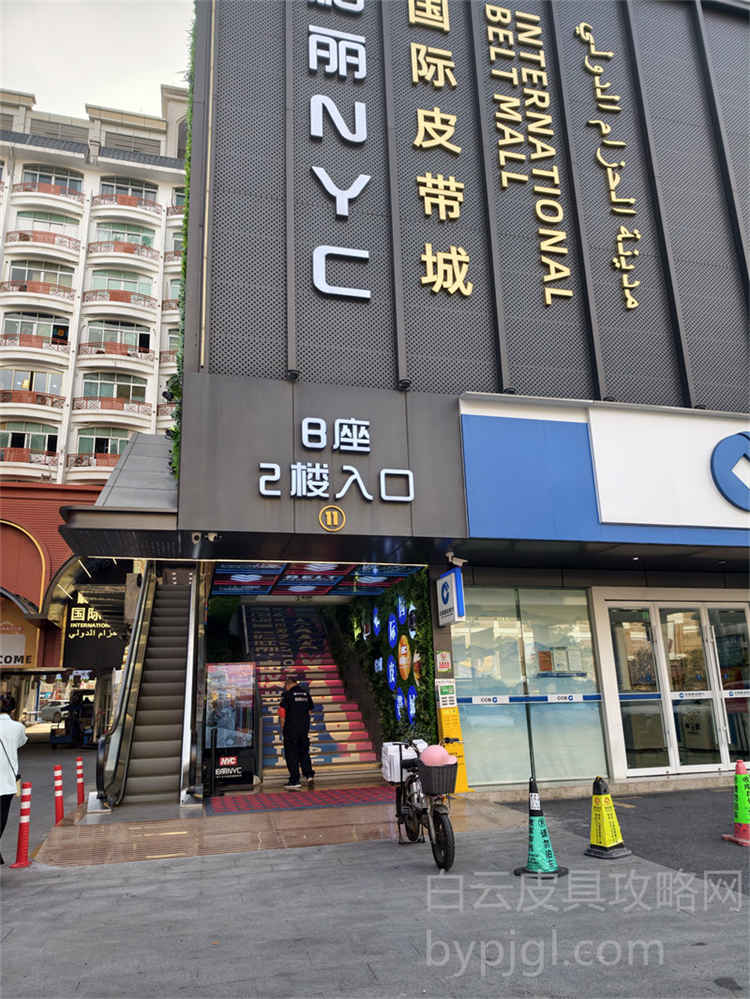
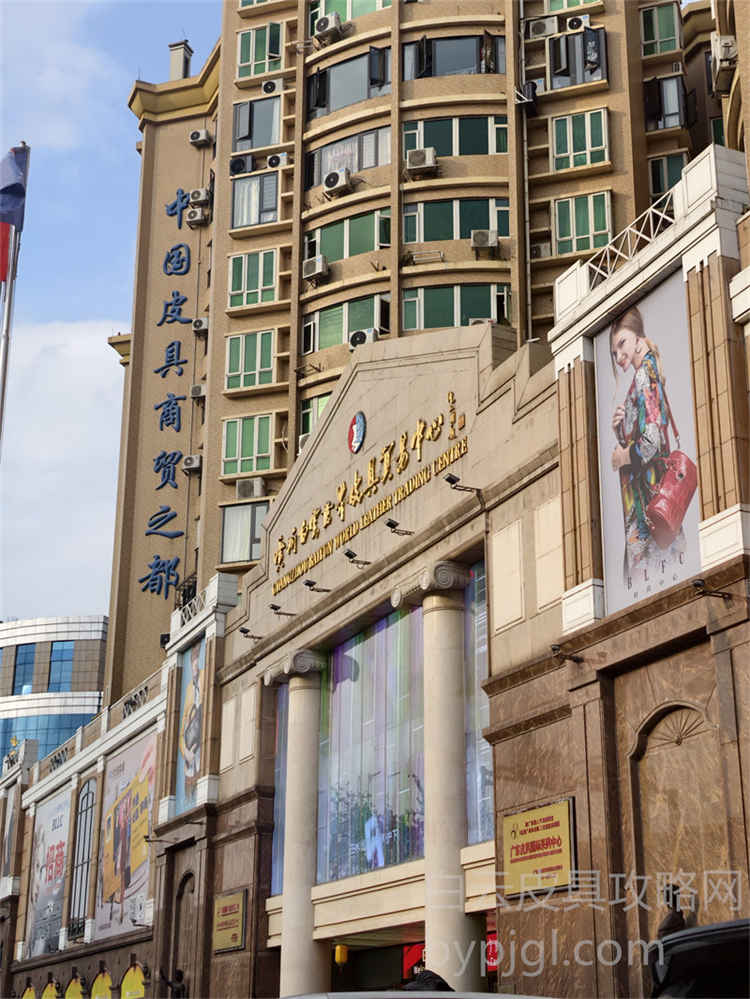
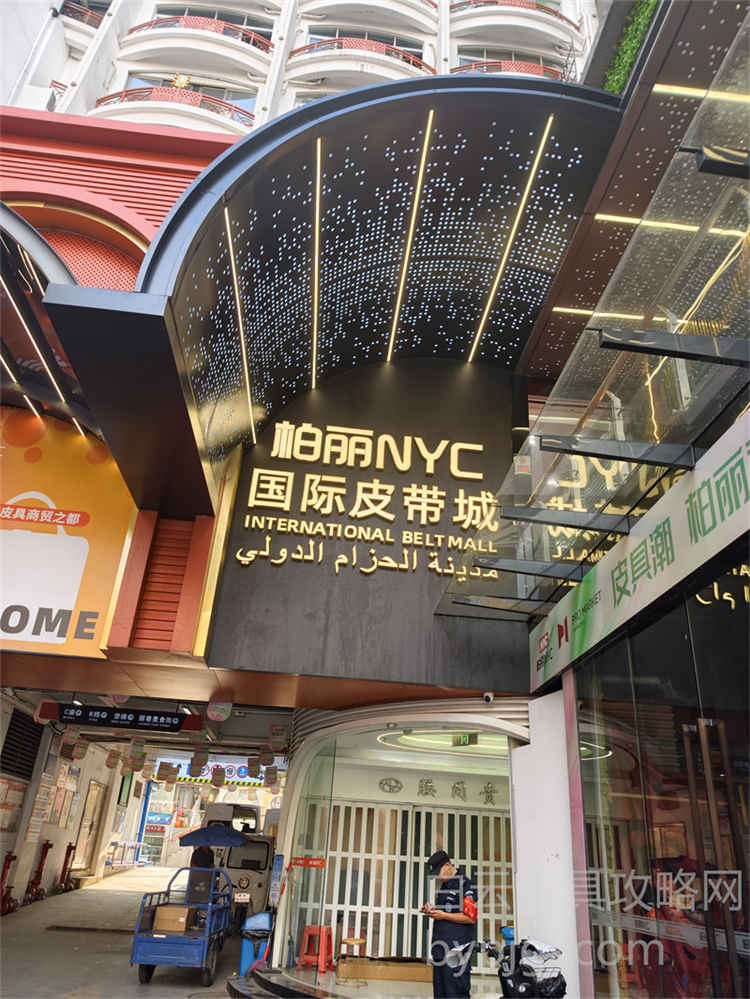
If you are coming from overseas, the first thing you need to understand is that Guangzhou's leather markets are not one single building. They are a cluster of massive complexes, each with its own vibe and price point. The famous Baiyun International Leather City is wher the heavy hitters are. It is a multi-story beast with thousands of stalls. Do not expect to find the absolute best stock on the ground floor; that is mostly for tourists and quick sales. The real gems are often tucked away on the upper floors or in the smaller alleys connecting the main buildings.
Finding the Right Stall Without Getting Lost
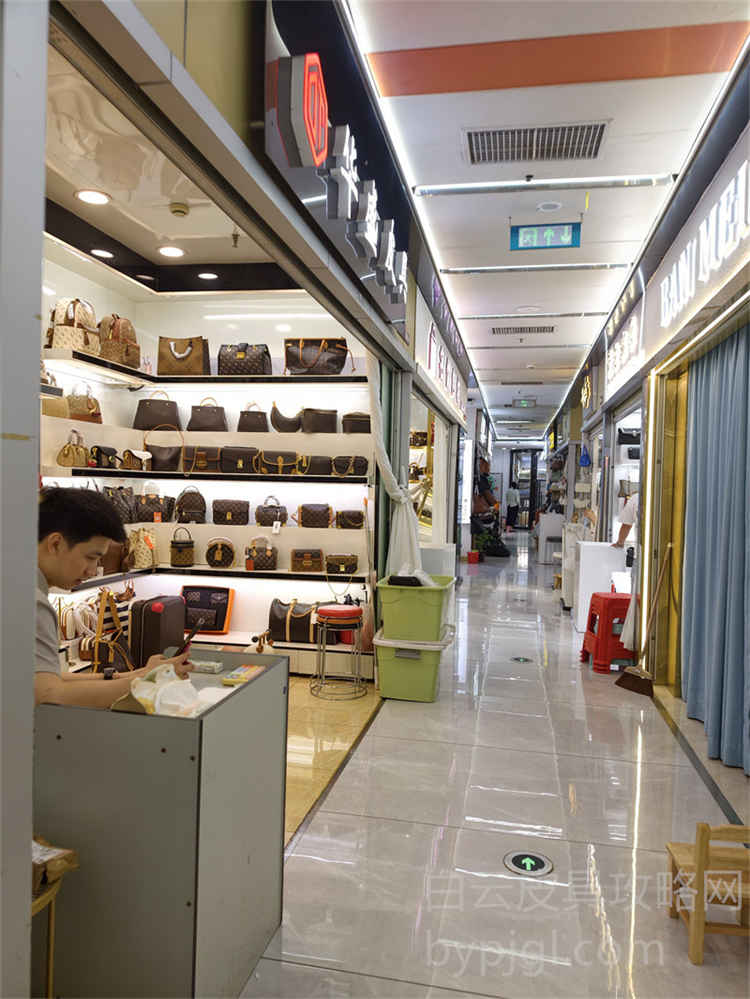
When you step onto the floor, ignore the flashy displays at the front. Walk past them. Look for the stalls that look slightly more organized, wher the staff isn't shouting at every passerby but is actually folding and inspecting their goods. These are the serious wholesalers. Ask for the manager or the person who handles the export orders. In my experience, the younger staff might show you the standard collection, but the boss knows which pieces are the "secret menu." Don't be afraid to ask, "Do you have the factory direct version?" or "What is the difference between this batch and the last one?" This signals that you know your stuff and aren't just a casual browser.
Inspection and Quality Control: What I Look For
once you find a stall that seems promising, the real work begins. I spend hours teaching my international clients how to inspect a bag before they even think about paying. For large bags, the stress points are critical. Check the handles. Are they reinforced? Can you feel the stitching density? Run your fingers along the seams. If you feel loose threads or uneven spacing, move on. Hardware is another major red flag. Cheap metal tarnishes quickly. High-quality brass or zinc alloy should feel heavy and cold to the touch. The plating should be thick and uniform. If you scratch it with your fingernail and it leaves a mark, it won't last long.
The Smell Test and Material Authenticity
There is no substitute for the nose test. Good leather has a distinct, rich scent. Bad leather smells like glue or synthetic rubber. Even if the bag looks perfect visually, if the smell is off, the durability will be compromised. I always open the bag and smell the interior. Sometimes, the exterior is fine, but the lining is glued poorly. Also, check the weight distribution. A well-made large bag should feel substantial but balanced. If it feels too light, the materials are likely inferior. I have seen many buyers get burned because they didn't check the inside pockets or the strap attachments. Make sure the D-rings are riveted securely, not just glued.
Negotiation and Logistics for Overseas Buyers
Now, let's talk business. Prices in Guangzhou are never fixed. They are a dance. If you walk in and ask for the lowest price immediately, you will get the lowest quality. Start by asking for the wholesale price for a specific quantity. If you are buying just one piece, expect to pay retail prices, but if you are building a stock, you can negotiate hard. I have seen deals dro significantly when the buyer shows they are willing to commit to a larger order or return next season. Cash flow is king here, so havin cash ready can sometimes get you a better deal than a credit card transaction.
Shipping and Packaging Considerations
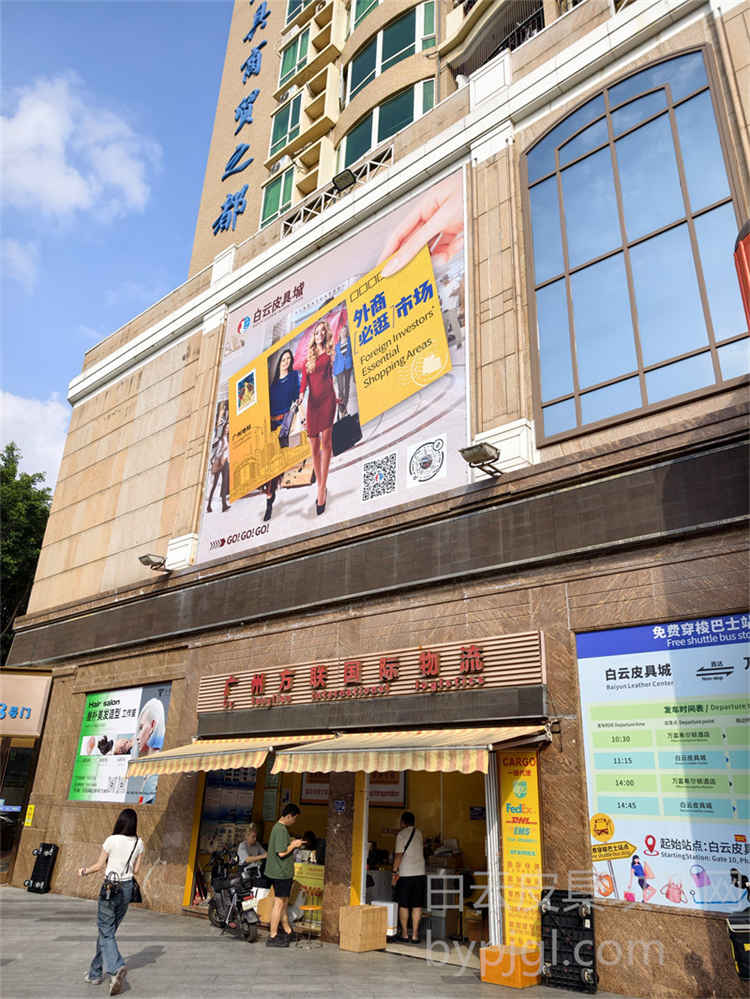
One of the biggest concerns for my overseas friends is shipping. Most of us in Baiyun are used to sending goods via air freight or express couriers. We can pack the bags securely to prevent crushing during transit. However, do not assume the seller will handle customs clearance for you. You need to know your local import laws regarding leather goods. We can provide invoices, but the responsibility lies with the importer. Always ask for a detailed packing list and photos of the actual items before they leave the warehouse. I have had clients send me photos of their received goods, and sometimes the packaging was damaged, leading to disputes. Clear communication prevents headaches later.
Avoiding Common Pitfalls in the Market
There are traps everywher in this market. Some sellers might try to swap a high-quality item with a lower-quality one after you pay. Others might claim they have "limited stock" to rush you into a decision. Trust your gut. If a deal sounds too good to be true, it probably is. Another common mistake is ignoring the after-sales support. Even though we sell high-quality goods, issues can arise. Establish a relationship with your supplier. If you buy from the same stall repeatedly, they will treat you better and keep the best items aside for you. Building trust takes time, but it pays off in the long run.
Building Long-Term Relationships
My advice is simple: come back. The market changes, new styles come out, and suppliers evolve. If you find a good partner, stay loyal. I remember a client from Europe who visited us three times a year. By the fourth visit, he knew exactly which shelves held the new arrivals, and we knew his sizing preferences perfectly. This level of familiarity allows for smoother transactions and better quality control. Don't just treat this as a one-time shopping trip. Treat it as building a supply chain. The deeper you dive into the Baiyun ecosystem, the more value you will extract from every dollar you spend.

 On-site Visits
 Free Sharing
 Avoid Scams
 Updated Frequently
 For Reference Only