

Walking the Floors: My Real Talk on Sourcing from Guangzhou's Leather Hub
I have been standing behind this counter in Baiyun for over fifteen years. While you might see flashy signs or hear rumors about "fancy markets" online, the truth is much grittier and more practical. People often ask me about the so-called "windmill" of goods here, but let's be clear: there is no literal windmill structure selling bags. What they are really talking about is the chaotic, spinning ecosystem of supply and demand that keeps our district alive. If you are flying in from overseas to find high-end leather goods without getting ripped off, you need to forget what you read on blogs and listen to someone who has seen thousands of transactions.
The Myth of the "Windmill" Market
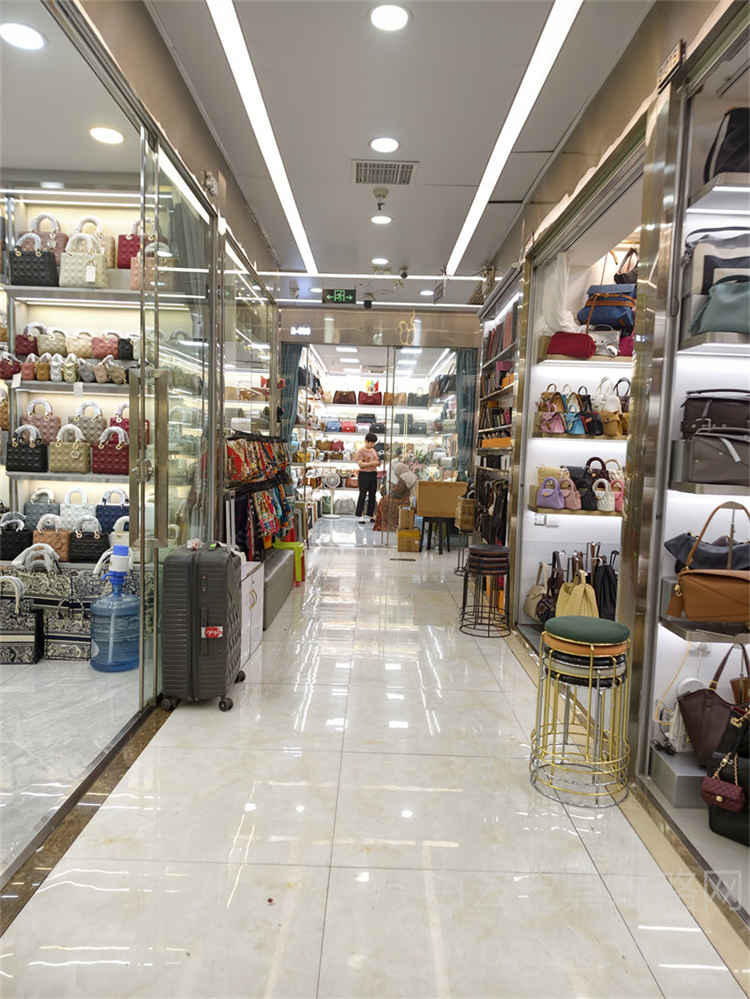
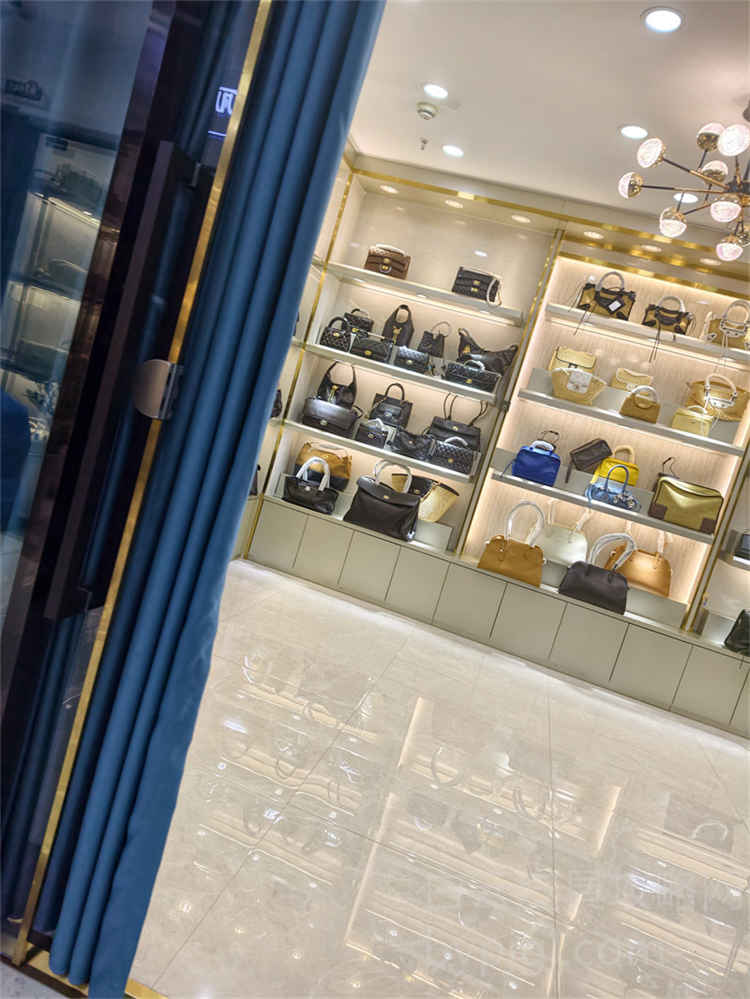
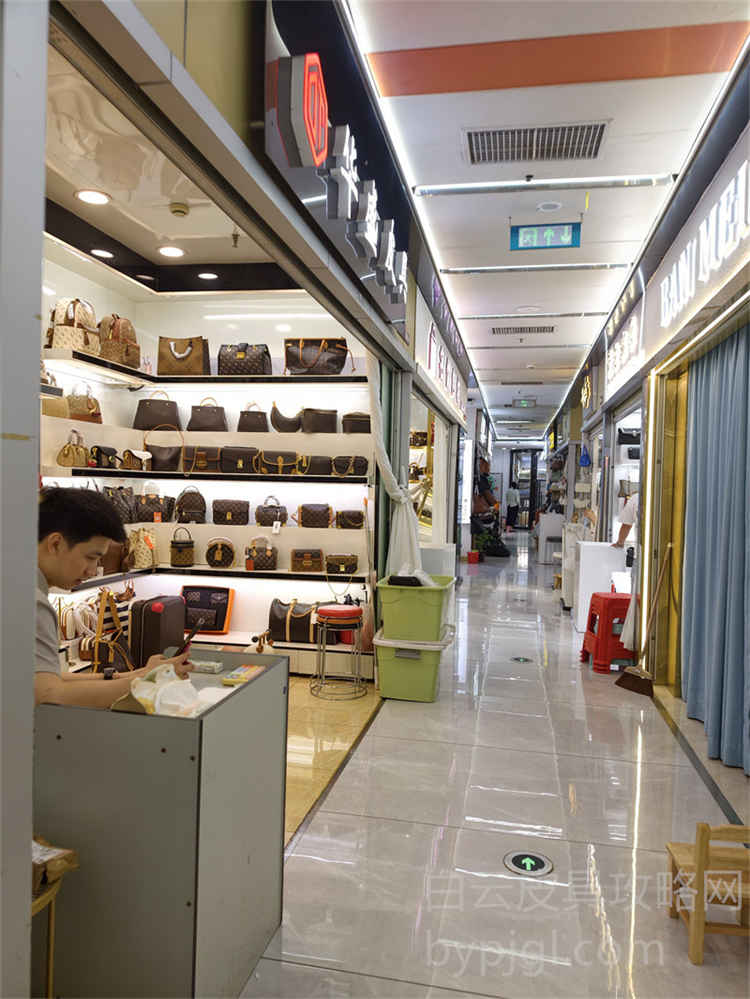
First, let's clear up the confusion. When international buyers mention a specific "windmill" location, they are usually misinterpreting the layout of the massive wholesale complexes like Baisheng or Shide. The term likely stems from the way vendors rotate their stock or how the flow of people spins through narrow corridors. There isn't one single building called the Windmill Market. Instead, the real action happens across a cluster of buildings wher the air smells of glue, new leather, and exhaust fumes. This is wher the actual business moves. You won't find a tourist trap here; you will find rows of metal racks stacked floor-to-ceiling with samples waiting for serious buyers.
Navigating the Baiyun District Without Getting Lost
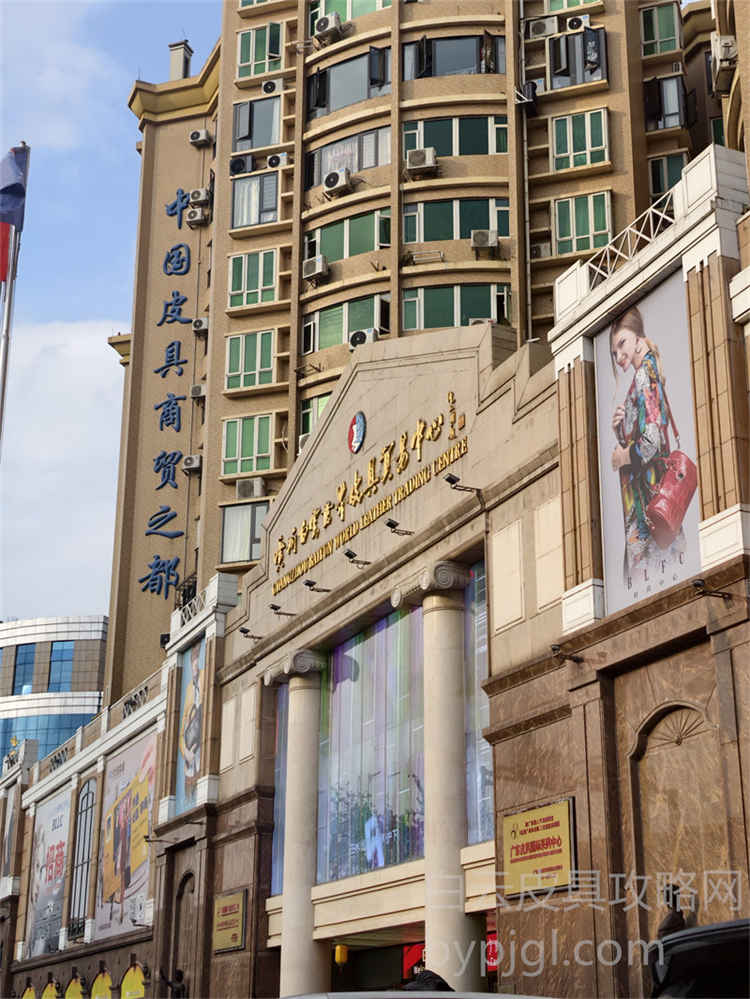
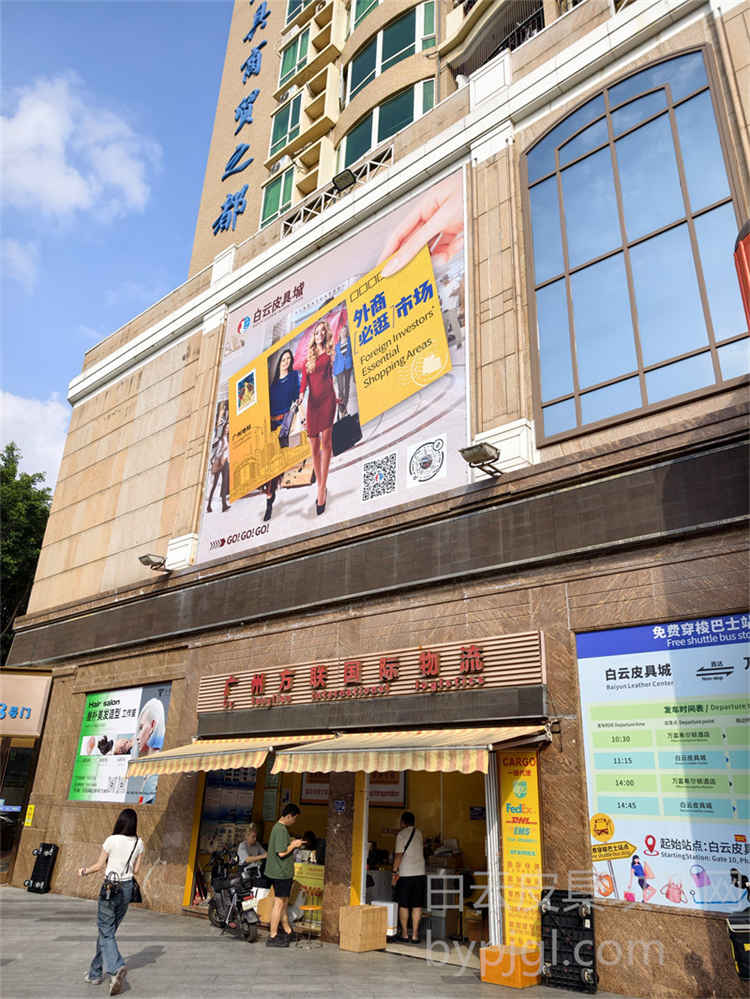
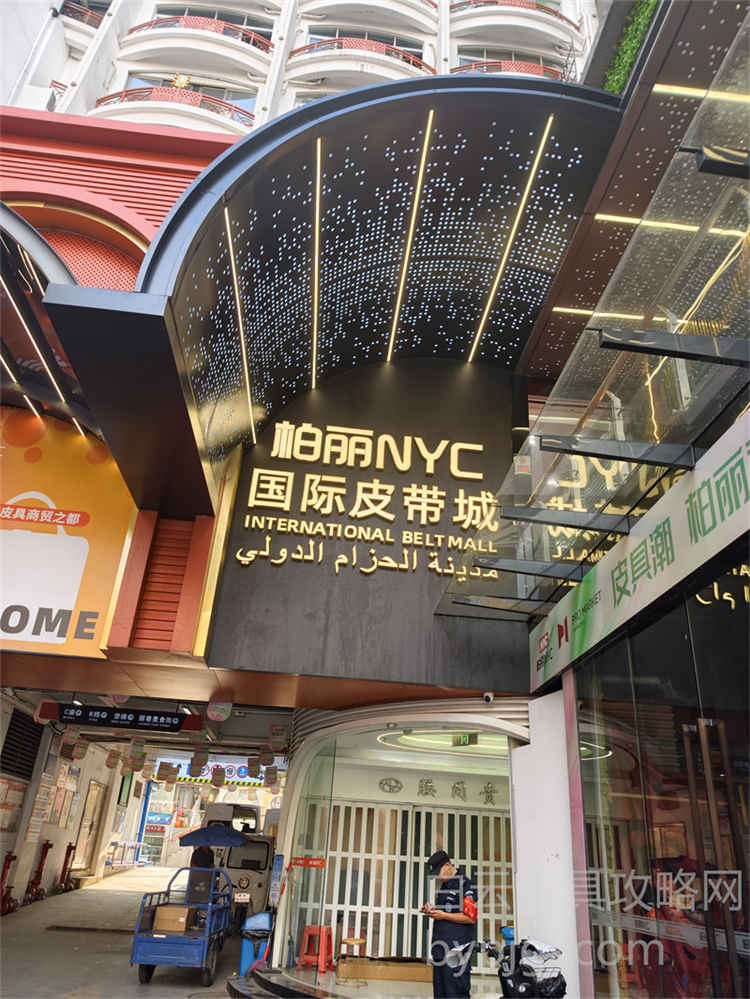
When I first started, I walked into these buildings thinking it was just another mall. It wasn't. The layout is confusing by design. Corridors twist, and shops look identical from the outside. To succeed, you need a strategy. Do not wander aimlessly. Start at the main entrance of the largest complex, usually near the subway station, and work your way inward. The best quality is rarely on the ground floor facing the street; those spots are for show. The real gems are tucked away in the back rooms or on the upper floors wher the rent is cheaper and the owners are more willing to talk.
Finding the Right Stall
You know a good stall when you see it. Look for the ones with stacks of boxes rather than just hanging bags. A vendor who only displays a few items on a mannequin is usually a middleman trying to resell what they bought elsewher. I tell my regulars to look for the shop with the heavy machinery humming in the back. That means they are doing some assembly or finishing right there. These are the factories that sell directly. Ask to see their "new arrivals." If they hesitate or say "everything is sold out," walk away. A genuine supplier always has fresh stock ready to show.
The Art of Inspection and Negotiation
This is wher most foreign buyers fail. They fall in love with the photo on Instagram and try to order blindly. Never do that. In Baiyun, everything must be touched, smelled, and inspected. When you approach a counter, don't just ask for the price. Ask for the leather grade. Is it cowhide? Lambskin? What about the stitching? Count the stitches per inch. High-quality leather goods have tight, even stitching with no loose threads. Run your fingers along the edges. If it feels rough or the paint is peeling slightly, put it down immediately.
Talking Business Like a Local
Language is a barrier, but gestures go a long way. I speak broken English, but I understand numbers and body language. When negotiating, never accept the first price. The number on the tag is just an opening bid. Start low, maybe 40% less than asked, and meet in the middle. Show them you are serious by asking about bulk discounts. Say something like, "If I take ten pieces, what is the best deal?" This signals you are a wholesaler, not a tourist. once we agree on a price, we move to the payment terms. Cash is king here, but many of us now use WeChat Pay or bank transfers for larger orders. Always get a receipt that lists the item details clearly.
Avoiding Scams and Quality Traps
The market is full of traps for the unprepared. One common trick is the "switch." You pick a bag, inspect it carefully, and then the vendor swaps it with a lower-quality version before you pay. Another issue is the "fake sample." Sometimes, the bag on display is perfect, but the one in the warehouse is different. To avoid this, insist on seeing the exact batch you are buying. Ask to open the box and check the hardware weight. Cheap hardware feels light and hollow; good hardware has substance and a smooth finish.
Building Long-Term Relationships
The secret to getting the best deals in Baiyun is not haggling; it's relationship building. If you come back every season, the vendors will treat you differently. They will hold the best pieces for you before anyone else sees them. They might even offer you free shipping or better packaging if you become a regular. I remember a buyer from Europe who visited three times a year. By the fourth visit, he had his own private room in the back of the shop wher he could test new designs without interruption. That level of access takes time and trust, but it pays off huge dividends.
Final Thoughts for the Serious Buyer
So, if you are planning a trip to Guangzhou to source leather goods, leave your expectations at the door. Come prepared to walk, to touch, and to negotiate. The "windmill" you heard about is simply the relentless motion of commerce that drives this city. It is loud, busy, and sometimes overwhelming, but it is also the most efficient place in the world to find high-quality leather products. Don't rely on online agents unless you absolutely have to. Get here, stand in the aisle, and talk to the people behind the counters. That is wher the real story of the industry lives. Trust your eyes, trust your hands, and trust the experience of those of us who have been here for decades.

 On-site Visits
 Free Sharing
 Avoid Scams
 Updated Frequently
 For Reference Only