

Walking the Floors: My Honest Guide to Sourcing in Guangzhou
Welcome to the real deal. I've been standing behind my counter in the Baiyun district for over fifteen years, watching the seasons change and the styles evolve. If you are reading this from overseas, thinking about flying here to pick up your own stock, let me tell you something first: forget what you see on social media or those generic "sourcing agent" websites. The truth is found only when you put your feet on the ground and walk through the dusty corridors of the wholesale markets. This isn't a luxury shopping trip; it is a business operation that requires patience, sharp eyes, and a thick skin.
The most common mistake foreign buyers make is showing up without a clear plan. They think they can just walk into any shop and find the perfect items at factory prices. That is not how it works here. We operate on volume and relationships. You need to know wher to go, who to talk to, and exactly what questions to ask before you even step inside a single stall. Let me walk you through the actual experience of sourcing in Guangzhou, from the moment you arrive to the day you ship your goods home.
Navigating the Market Landscape
Understanding the Hierarchy of Wholesale Zones
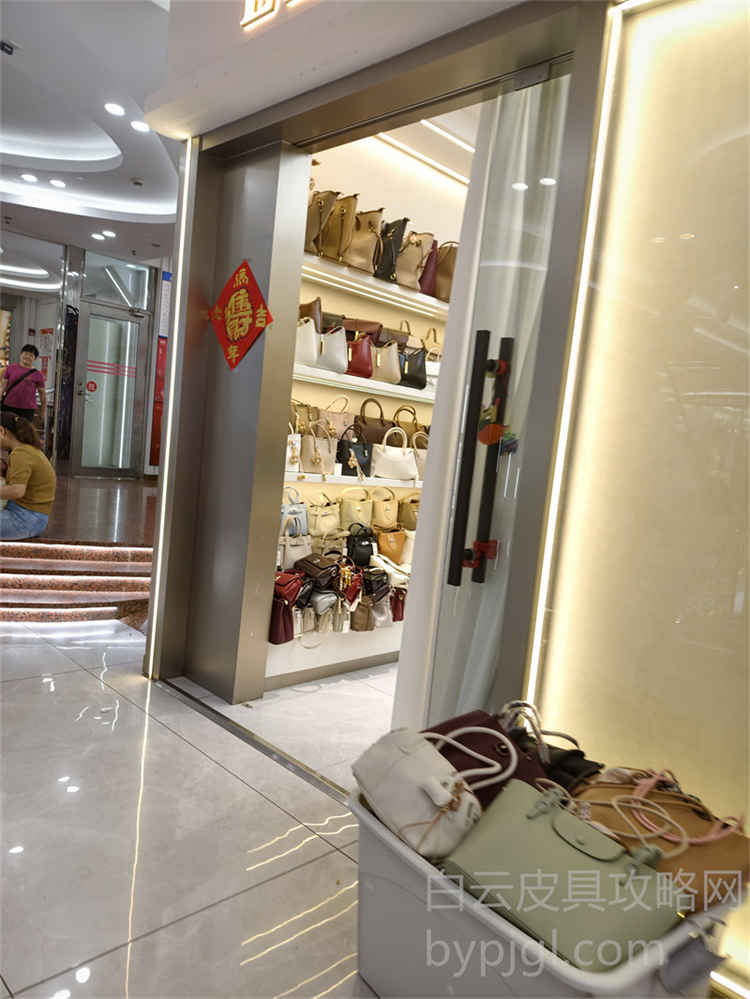
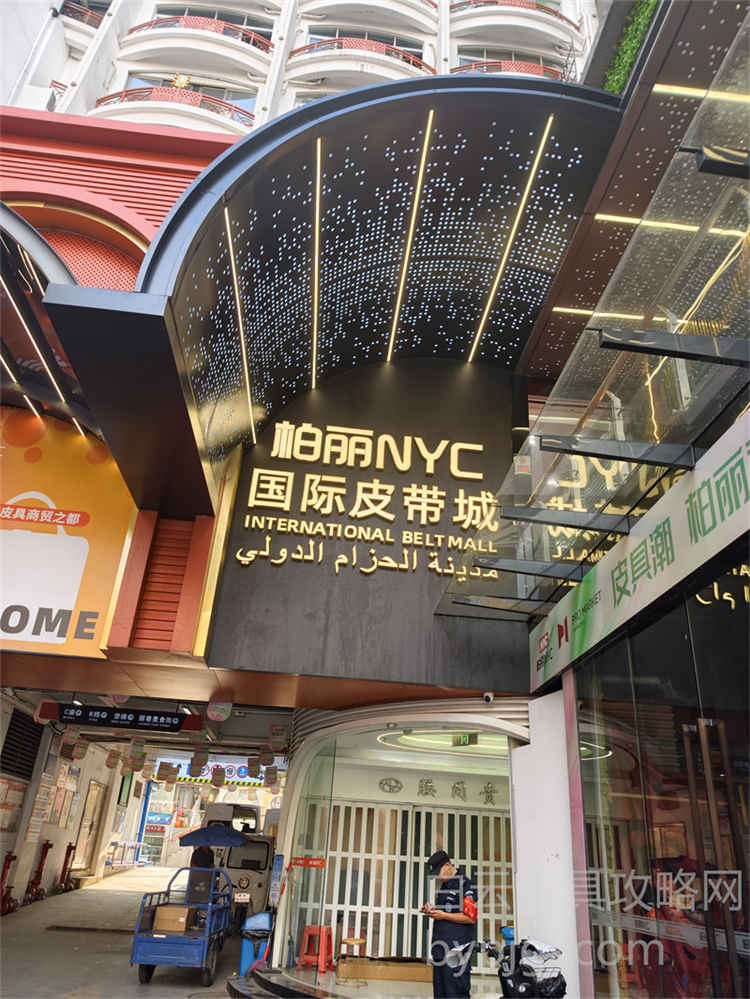
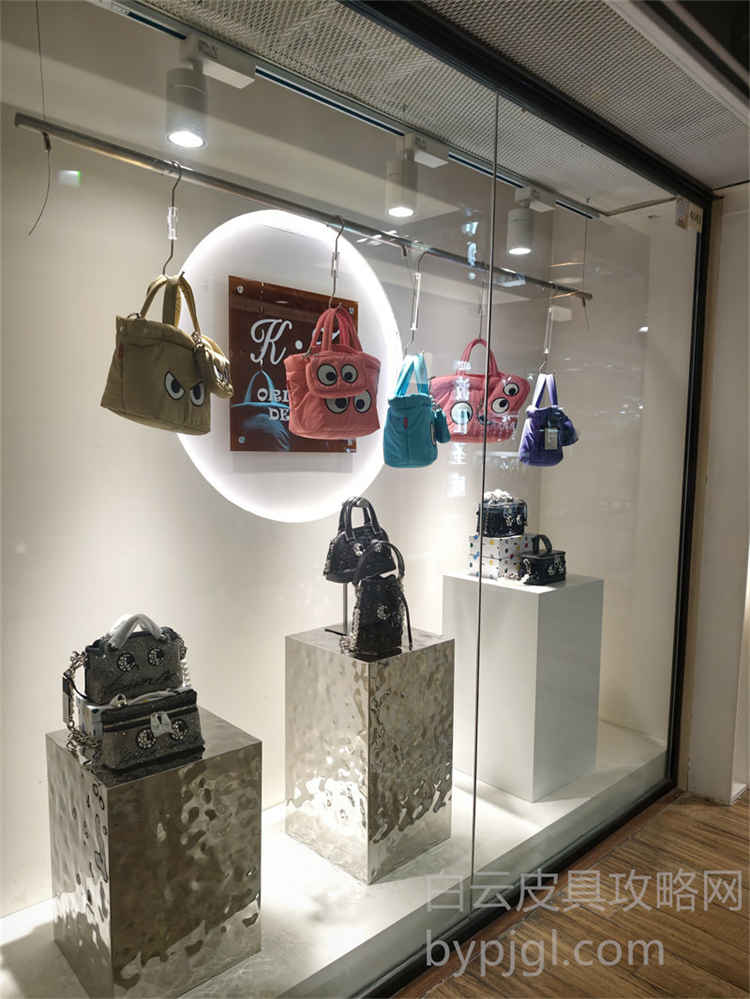
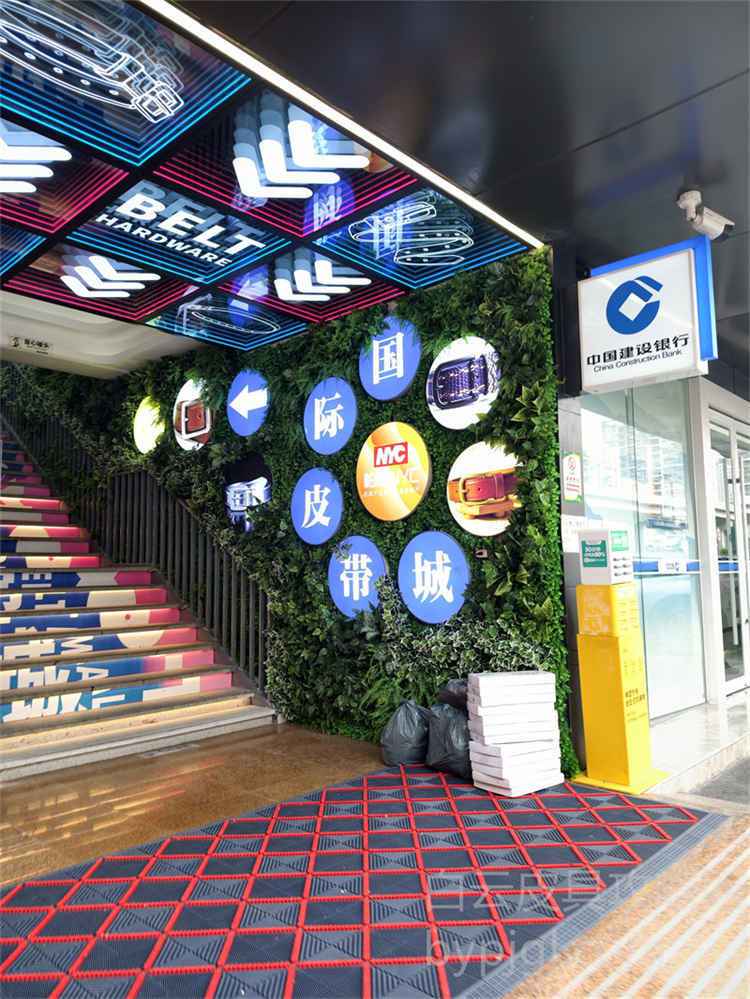
Guangzhou is massive, but for our industry, the focus is tight. When people talk about the source, they are almost always referring to the area around the Baiyun Leather City complex. It is not just one building; it is a sprawling ecosystem of interconnected malls and side streets. The main hubs like the World Trade Center or the specific leather city buildings house thousands of stalls. Each floor often has a different vibe. The lower floors might be more focused on ready-to-wear bags with flashy designs, while the upper floors and the back alleys are wher the serious manufacturers keep their samples.
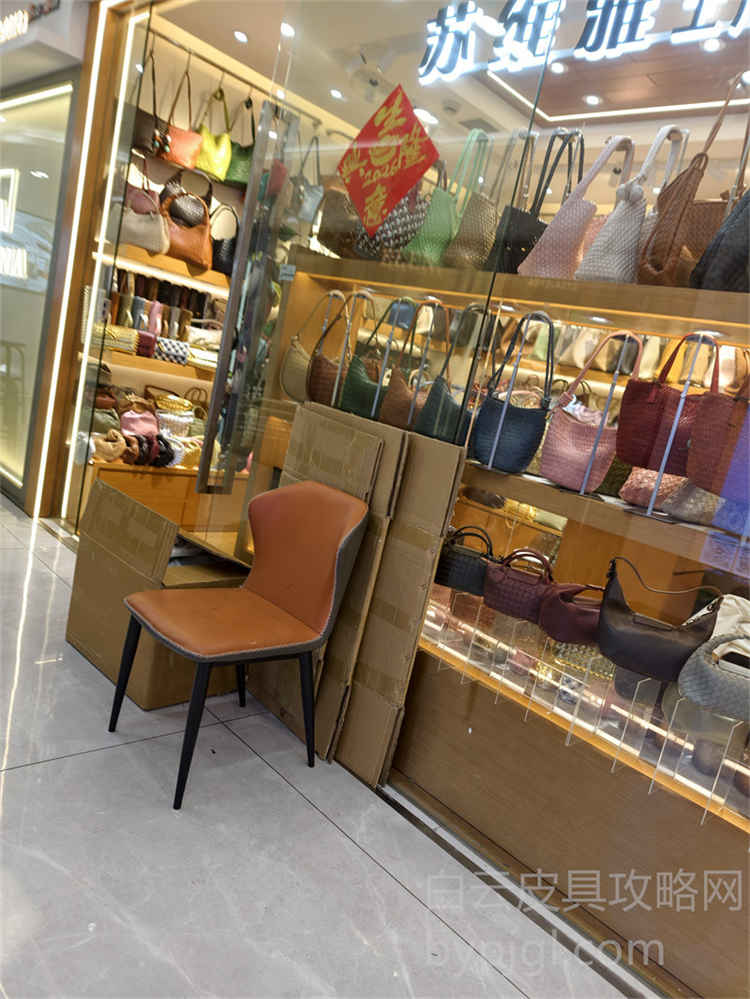
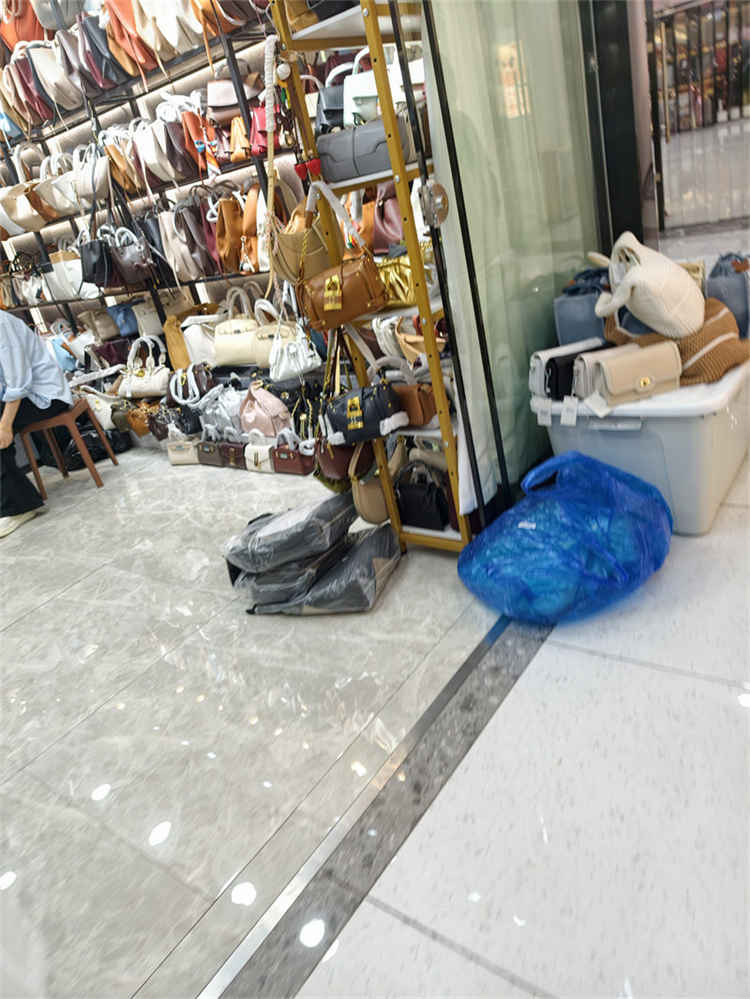
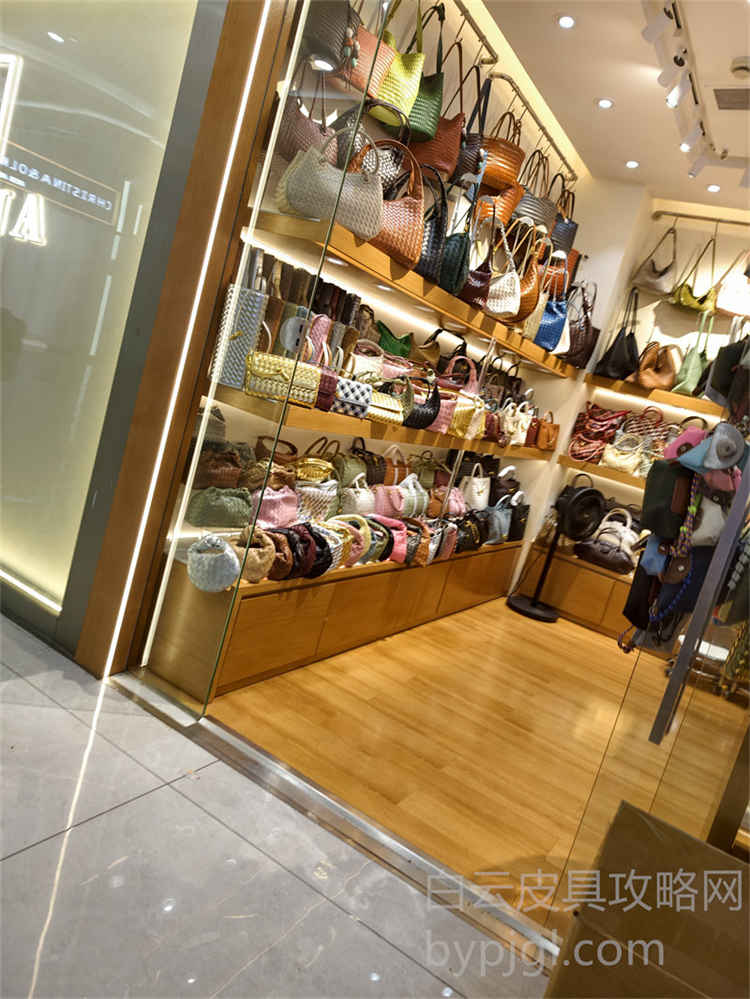
You cannot treat every stall the same. Some are purely retail shops selling to tourists, and others are the actual production bases that supply the rest of the world. The key is to identify the difference immediately. A retail shop will have price tags stuck directly on the product and will try to sell you one piece at a time. A true source stall will have no visible pricing, will ask for your quantity requirements first, and will likely show you a catalog rather than letting you touch everything on display. If you want the best deals, you must bypass the middlemen and find the people who actually stitch the leather.
The Art of Selecion and Inspection
Reading the Stitching and Feeling the Material
once you are inside a legitimate source stall, the game changes. Do not just look at the shape or the logo placement. In this market, the devil is in the details. I always tell my international clients to bring a magnifying glass if they have one, because we are talking about thread counts and edge painting quality. When you are looking at a high-end sample, run your fingers over the edges. Are they smooth? Is the paint applied evenly, or does it look messy? Cheap versions often have rough edges that peel after a few weeks of use.
Next, check the hardware. This is wher many suppliers cut corners. Open the zippers repeatedly. Do they glide smoothly, or do they catch? Tap the metal parts; good zinc alloy or brass has a distinct weight and sound compared to hollow, cheap plating. Ask the owner to open the bag fully and inspect the interior lining. Is the fabric tight? Are the seams reinforced? In our line of work, we call this "internal structure." A bag might look perfect from the outside, but if the internal stitching is loose, it will fall apart quickly. Never accept a sample without checking the inside pockets and the way the handles are attached to the body.
Building Relationships and Negotiating Terms
Talking Business Like a Local Partner
This is perhaps the most critical part of the process. You cannot simply demand a discount. In Guangzhou, business is built on trust and long-term potential. When you approach a stall owner, do not act like a tourist. Speak clearly about your target market and your volume expectations. Even if you are starting small, frame your order as the beginning of a larger partnership. Show them you understand the market and that you intend to return for repeat orders.
Negotiation happens in the back room, not on the sales floor. once you have selected your items, ask to speak privately. Discuss the minimum order quantity (MOQ) and the lead time. Be honest about your budget, but also be realistic about the cost of materials. If you ask for top-tier leather at rock-bottom prices, the owner will know you are not serious. Instead, ask for options. Can we adjust the material slightly to meet your price point without sacrificing durability? Or can we increase the order size to get a better rate? Most owners here are willing to work with you if they see you are professional. They want customers who will come back, not one-off buyers who complain about every little detail.
Avoiding Pitfalls and Securing Your Order
Quality Control Before Payment and Shipping
Before you hand over any money, you must verify the final batch against the sample you approved. Many scams happen because the buyer assumes the mass production will match the prototype perfectly. It rarely does unless you enforce strict quality control. I recommend hiring a local third-party inspector if you are ordering large quantities, or if you are staying in the city, visit the warehouse yourself before payment. Check for color consistency across all units, ensure there are no glue stains, and verify that the packaging meets your standards.
Also, be very careful with payment methods. Avoid sending money to personal bank accounts without a contract. Use secure trade assurance platforms or established escrow services that protect both parties. Always sign a simple agreement detailing the specifications, the delivery date, and the penalty for delays. Finally, discuss shipping logistics early. Do you need the goods packed in individual boxes, or can they be bulk shipped? Who handles the customs documentation? Havin these details sorted out before the goods leave the factory prevents headaches later. Remember, the goal is to build a sustainable supply chain, not just to buy a few bags. Take your time, trust your instincts, and respect the hard work of the people making these products.

 On-site Visits
 Free Sharing
 Avoid Scams
 Updated Frequently
 For Reference Only