
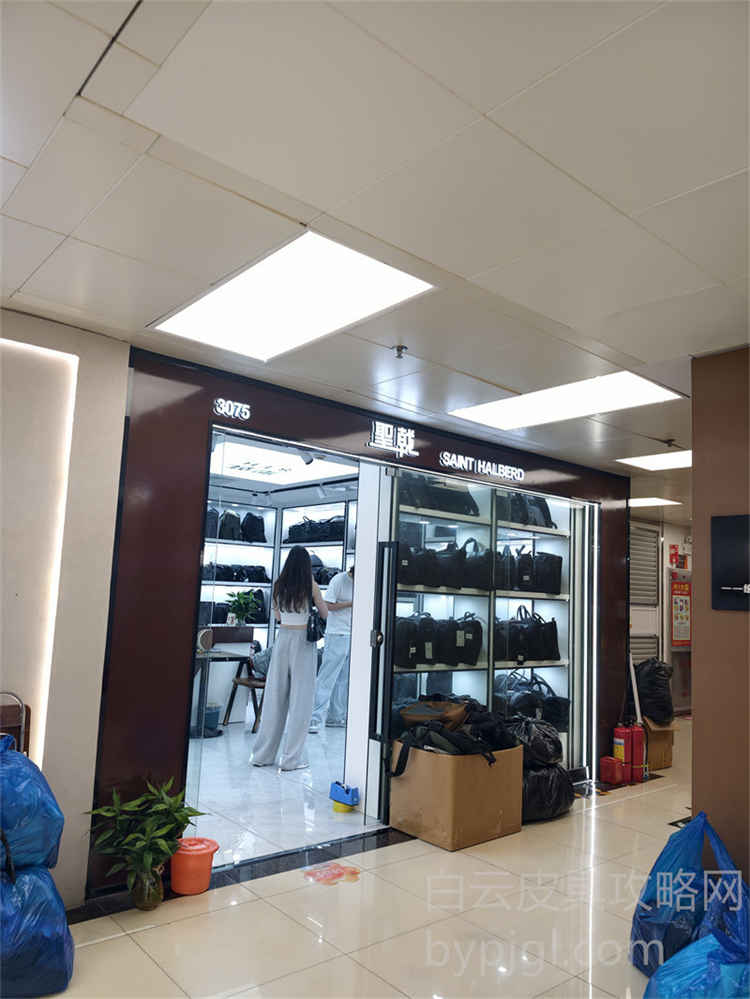
Walking the Floors: My Honest Guide to Sourcing Bags in Guangzhou
If you are reading this, you probably already know that Guangzhou is the heartbeat of the global leather goods trade. But let's be real for a second. Most people who come here have no idea what they are actually looking at when they step off the plane or train. They walk into the massive complexes with their eyes wide open, ready to spend money, but often end up confused by the sheer scale and the noise. I have been standing behind my counter in Baiyun District for over fifteen years. I have seen thousands of buyers come and go, some leaving with perfect stock and others walking away empty-handed because they didn't understand the game. Today, I want to skip the fancy marketing speak and give you the raw, unfiltered truth about how to source bags here like a local.
The Real Layout of the Market
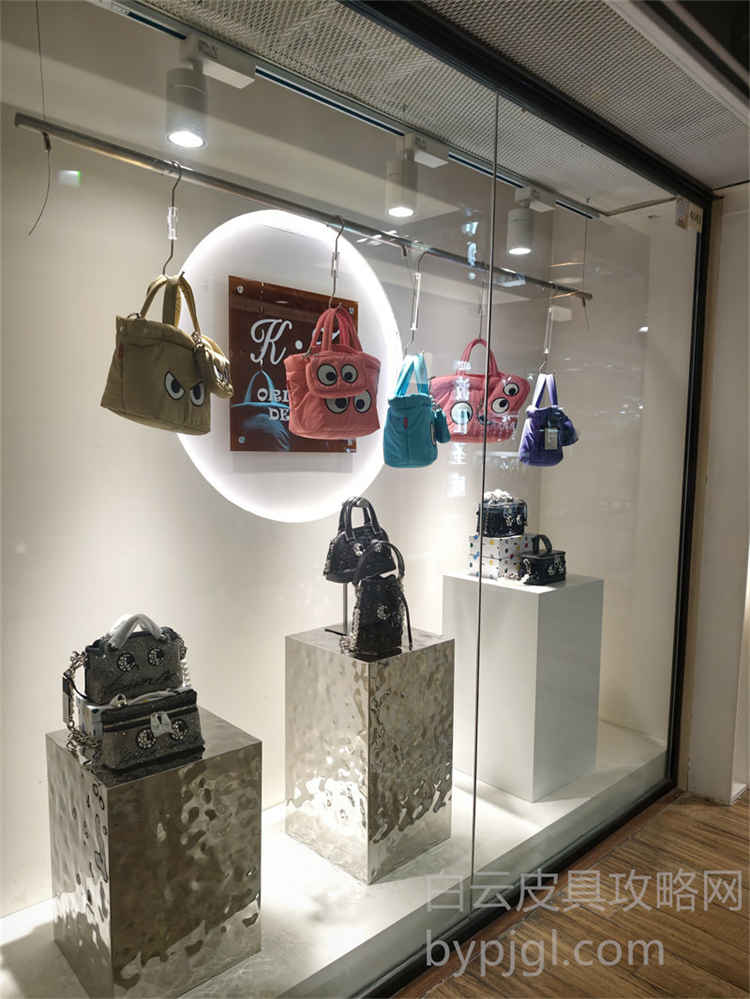
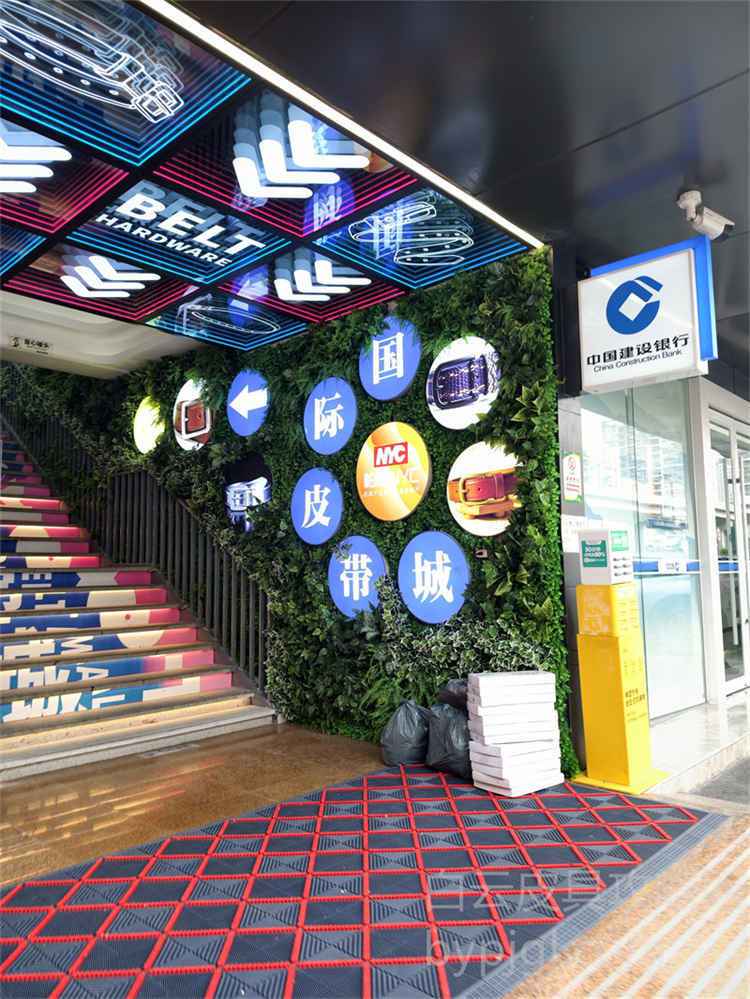
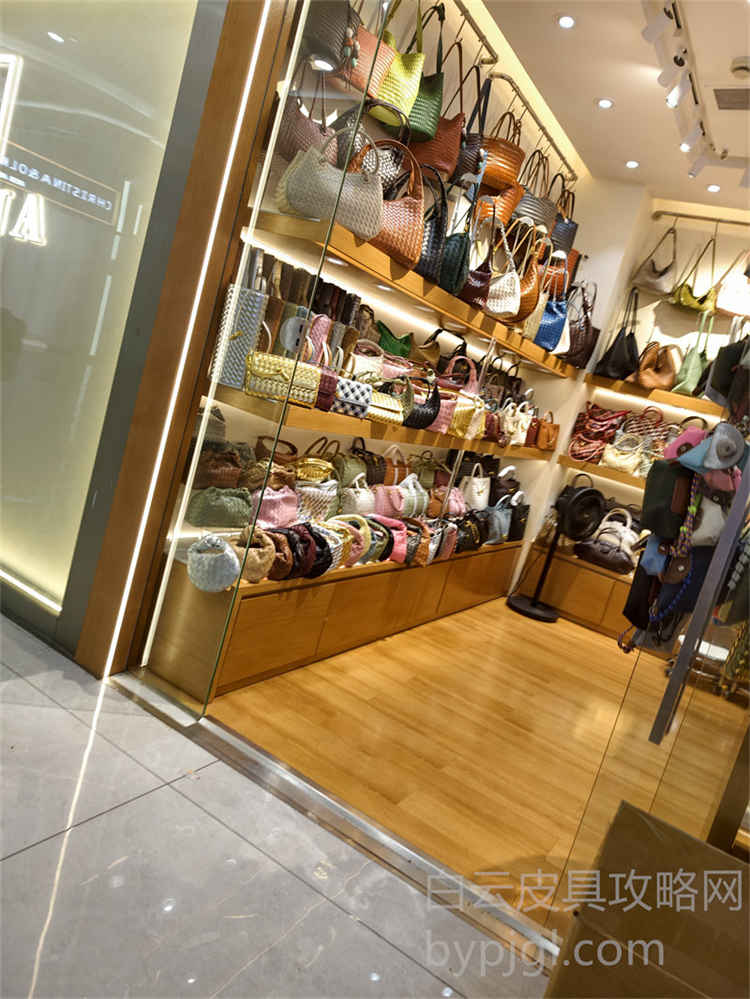
First things first, forget what you see on social media. The internet shows you glossy photos of pristine showrooms, but the reality of the wholesale scene is gritty and fast-paced. When you talk about Guangzhou Baiyun Leather City, you are talking about a sprawling ecosystem, not just one building. There is the famous World Trade Center, which is wher the high-end stuff lives, and then there are the older buildings nearby that house the mid-range and volume sellers. You need to know the difference. If you are looking for top-tier craftsmanship, you do not start your day in the basement levels. You start at the main entrances of the premium towers. The air changes as you move from floor to floor. In the lower levels, it smells like glue and synthetic materials; up high, it smells like genuine leather and expensive hardware. This sensory shift tells you exactly wher your target inventory is hiding.
How to Spot the Good Goods Before You Buy
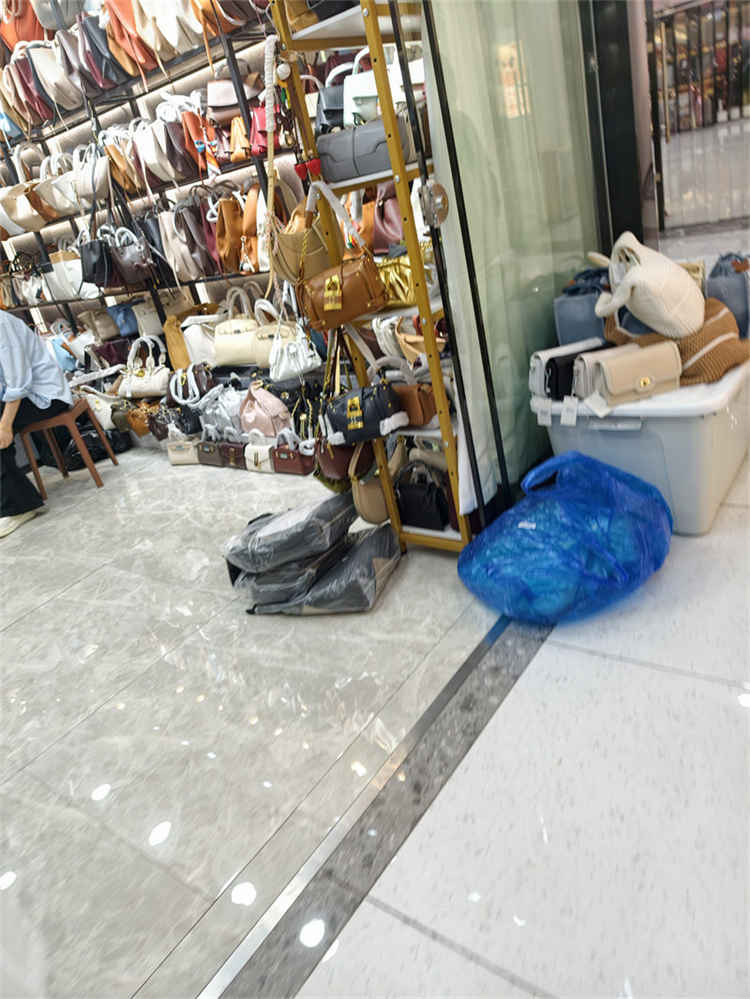
When you approach a stall, do not just ask "What is the price?" That question gets you ignored or quoted a tourist price immediately. Instead, look at the stitching. Look at the alignment of the pattern. A good stall owner knows that if you can spot the thread count, you are serious. We do not hide our flaws anymore because we know you will find them. The best way to vet a supplier is to ask to see the "raw" pieces. Many stalls keep a small pile of unsold or slightly imperfect items in the back. Ask to see those. If the seller hesitates or refuses, run. It means they only show you the polished versions and hide the quality issues. Also, check the lining. Cheap bags use polyester that peels after two weeks. Good ones use cotton blends or soft leather linings that feel substantial. Touch the zippers. Do they slide smoothly or do they catch? Hardware is wher many suppliers cut corners, so test every single clasp and lock yourself.
Negotiating Without Losing Your Shirt
Talking business in Guangzhou is an art form. It is not about shouting or being aggressive; it is about building a rhythm. When you find a bag you like, do not say "I will take ten." Start by asking for the minimum order quantity (MOQ) for that specific style. Some stalls require fifty pieces, while others might let you take five if you pay a slightly higher unit price. Be honest about your volume. If you are a small buyer, admit it. We respect honesty. We would rather work with a small client who pays on time than a big client who tries to squeeze us for free samples and never pays. When discussing price, always ask for the "ex-factory" rate. This removes any middleman markup. If you are buying directly from the factory floor, you get the best margin. Don't be afraid to walk away. If the price doesn't fit your budget, leave. Often, the seller will call you back within minutes with a better offer because they know they lost a potential sale.
The Dangers of online Scams and Fake Showrooms
Here is the biggest trap for new buyers: the online showroom. Many sellers claim to have huge warehouses and show you hundreds of designs via WhatsApp or WeChat. They send you photos that look incredible. But when you arrive in person, the reality is different. The photos were taken in a studio with perfect lighting, hiding the cheap material underneath. Always insist on seeing the physical stock before you transfer any large sum of money. If they say "we are out of stock but can make it," ask for a video call of the actual production line. If they refuse, it is a red flag. Another common scam involves the "sample fee." Legitimate wholesalers usually charge a sample fee that is refundable upon bulk order. If they demand full payment for a sample with no refund policy, be extremely cautious. We operate on trust, but we also protect ourselves from bad actors.
Logistics and Taking Your Goods Home
once you have seleced your bags and negotiated the deal, the next challenge is getting them out of China. Do not try to carry everything in your suitcase unless you are buying a few dozen units. The customs rules are strict, and you do not want your goods seized. Most of our regular clients use a freight forwarder who specializes in leather goods. They handle the consolidation, packaging, and shipping. They know exactly how to label the boxes to avoid unnecessary scrutiny. Make sure you get a detailed packing list from the stall owner before they hand over the goods. Verify the count yourself. Count every single bag. Check the serial numbers or tags if they have them. once you sign the receipt, it is your problem. Finally, build a relationship with your forwarder. A good logistics partner in Guangzhou is worth their weight in gold. They can help you with insurance, tracking, and even customs clearance in your home country.
Building Long-Term Partnerships
At the end of the day, sourcing in Guangzhou is not a one-time transaction; it is about building a network. The market moves fast, and trends change weekly. If you have a good relationship with a stall owner, they will notify you about new styles before they hit the general market. They will hold stock for you during peak seasons when supply chains are tight. Treat the staff with respect. Remember their names. Bring them tea or coffee if you visit often. These small gestures go a long way in Chinese business culture. When you treat us like partners rather than customers, we treat you like family. We share our industry insights, warn you about upcoming material shortages, and help you navigate the complexities of international trade. So, when you come to Baiyun again, don't just look for a bag. Look for a partner who understands your vision and can deliver quality consistently.

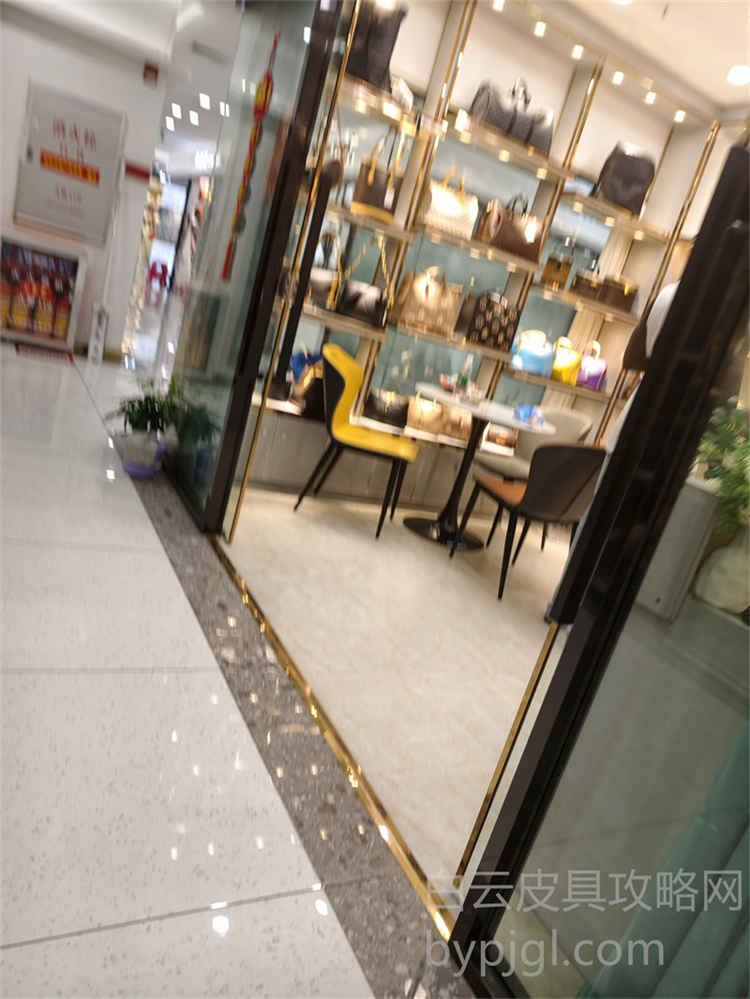
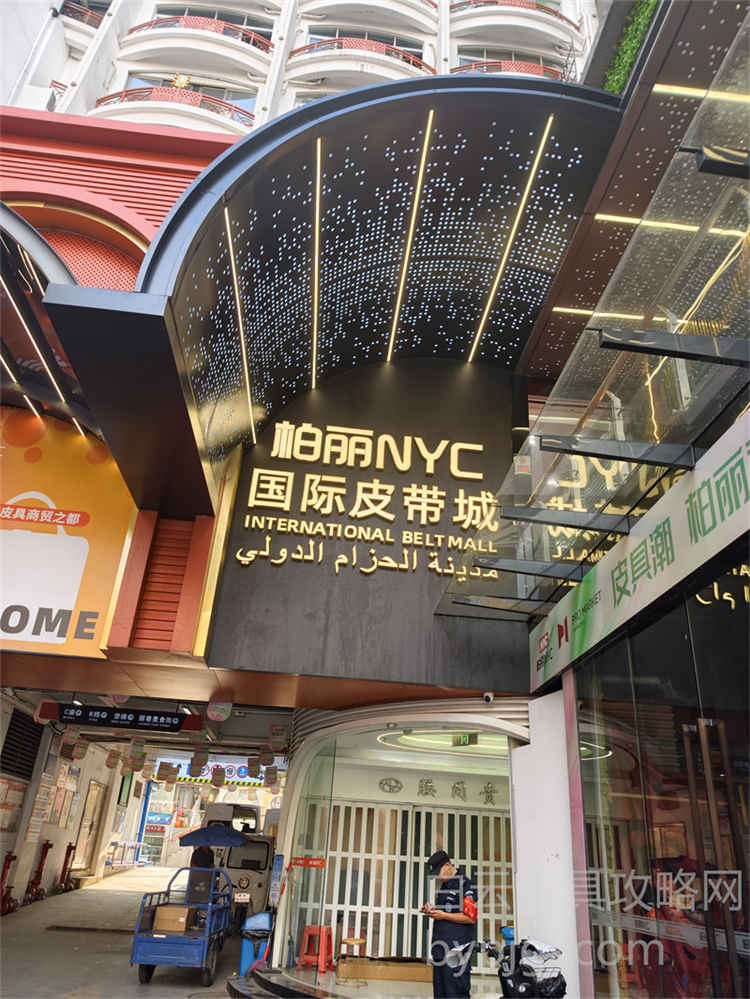
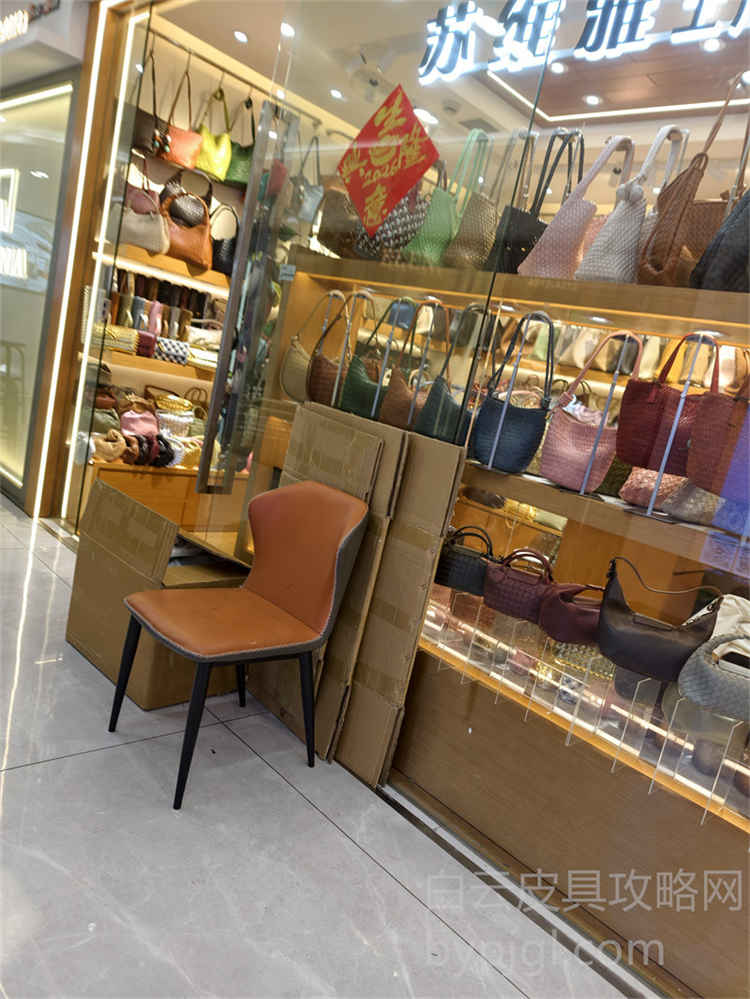
 On-site Visits
 Free Sharing
 Avoid Scams
 Updated Frequently
 For Reference Only