Stepping Into the Heart of Guangzhou Leather Trade
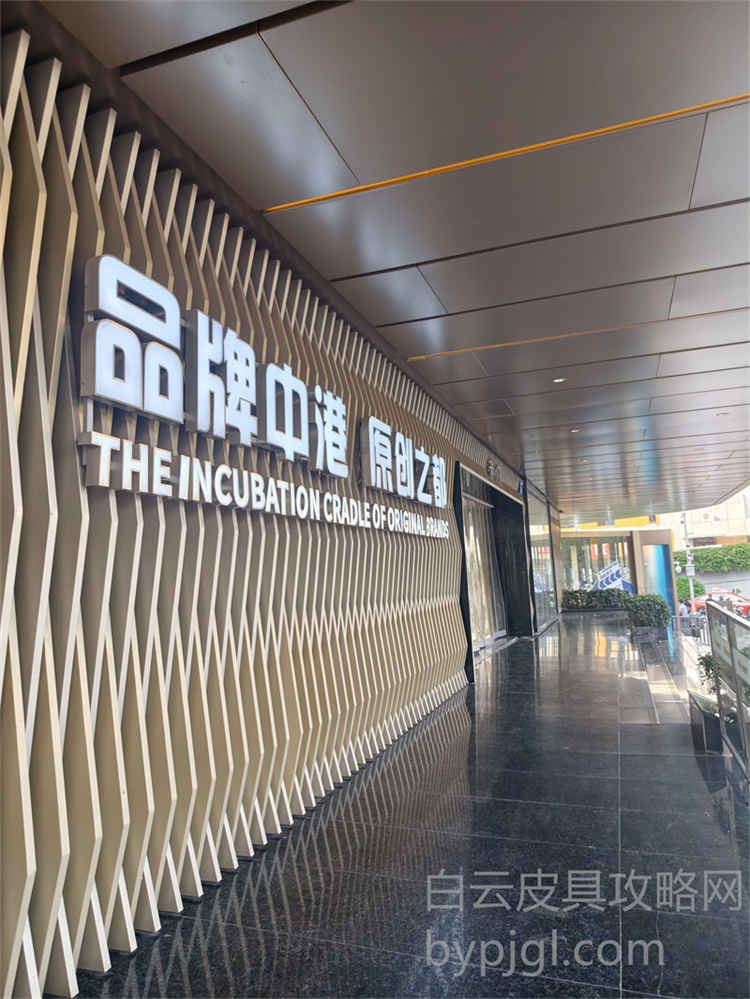
Listen, I've been standing behind this counter in the Baiyun district for over twenty years. While the internet is flooded with endless articles and "guides," nothing beats the smell of fresh leather and the chaotic energy of the actual market floor. If you are flying in from overseas to source bags, forget what you read on generic blogs. The real game happens here, in the concrete corridors where the air conditioning hums and the stacks of boxes reach the ceiling. You aren't just buying a product; you are building a relationship with the people who make it. Let me walk you through exactly how we operate down here, so you don't get lost in the maze.
The First Rule: Don't Go Alone
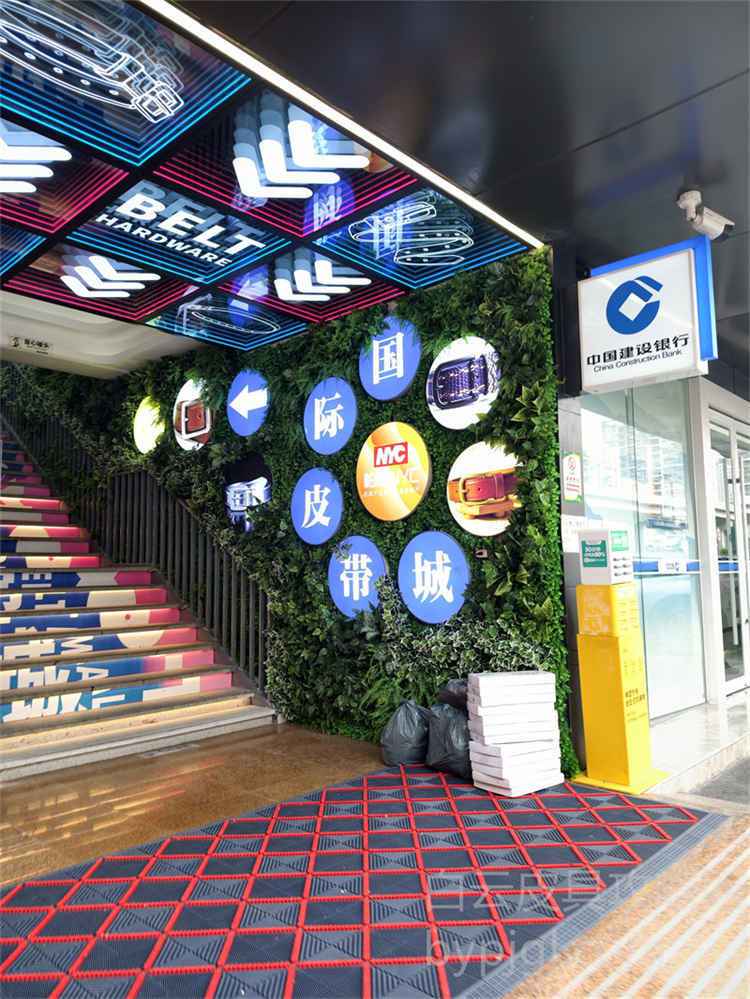
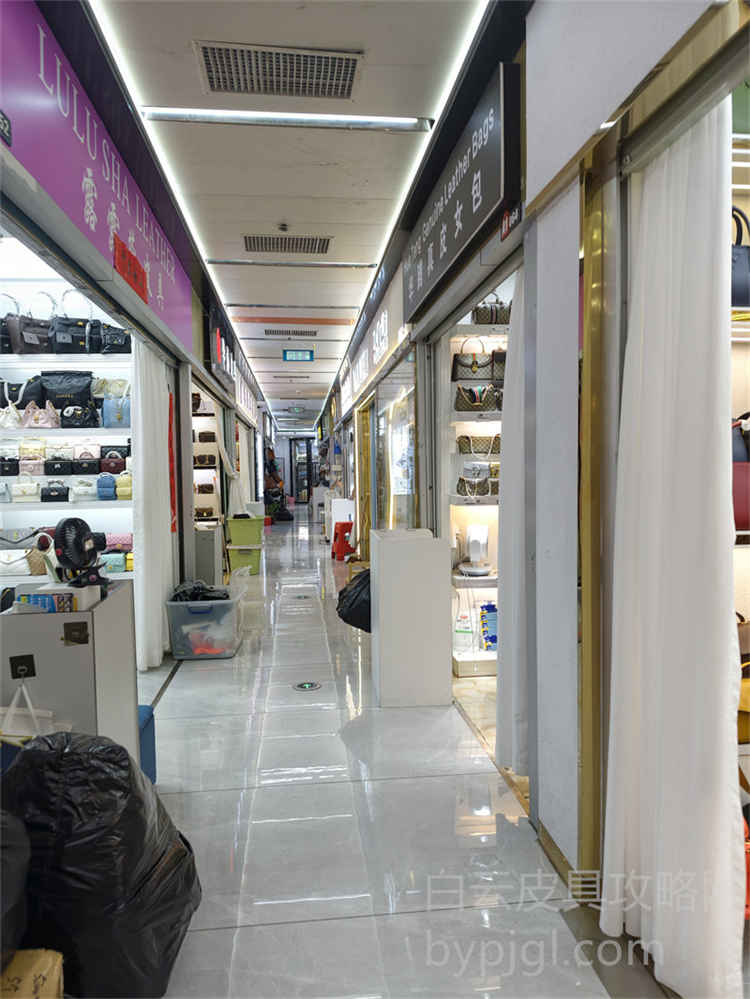
When I first started, I thought I could navigate the markets solo. Big mistake. The layout changes slightly every year as new buildings pop up, and the language barrier is thicker than the leather itself. Most of my regular customers come with a local fixer or a trusted translator. We speak a mix of Cantonese, Mandarin, and broken English. Without someone who knows the rhythm of the stalls, you will be led to the "tourist traps" where prices are inflated by three hundred percent. A good guide doesn't just translate words; they translate intent. They know which stall owner is honest about their materials and which one is just trying to move old stock. When you walk into the main halls of the Baiyun Leather City, keep your head up but stay alert. The best deals are never shouted; they are whispered between the buyer and the seller after a few rounds of tea.
Navigating the Market Floor Like a Pro
The sheer scale of the wholesale districts can be overwhelming. There are dozens of buildings, each specializing in different tiers of production. Some focus on high-end finishes, while others churn out basic styles. You need to know where to look before you even step off the elevator. The ground floors are usually filled with showrooms displaying the latest trends, but the real action happens on the upper levels where the workshops are attached to the sales rooms.
Reading the Stalls and the Signs
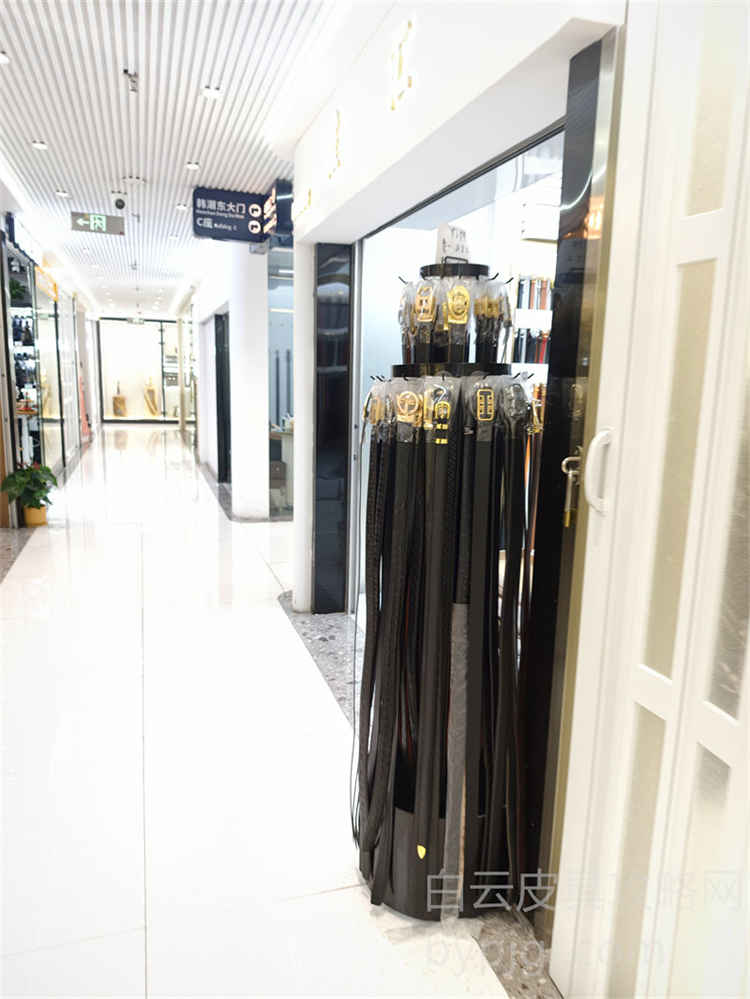
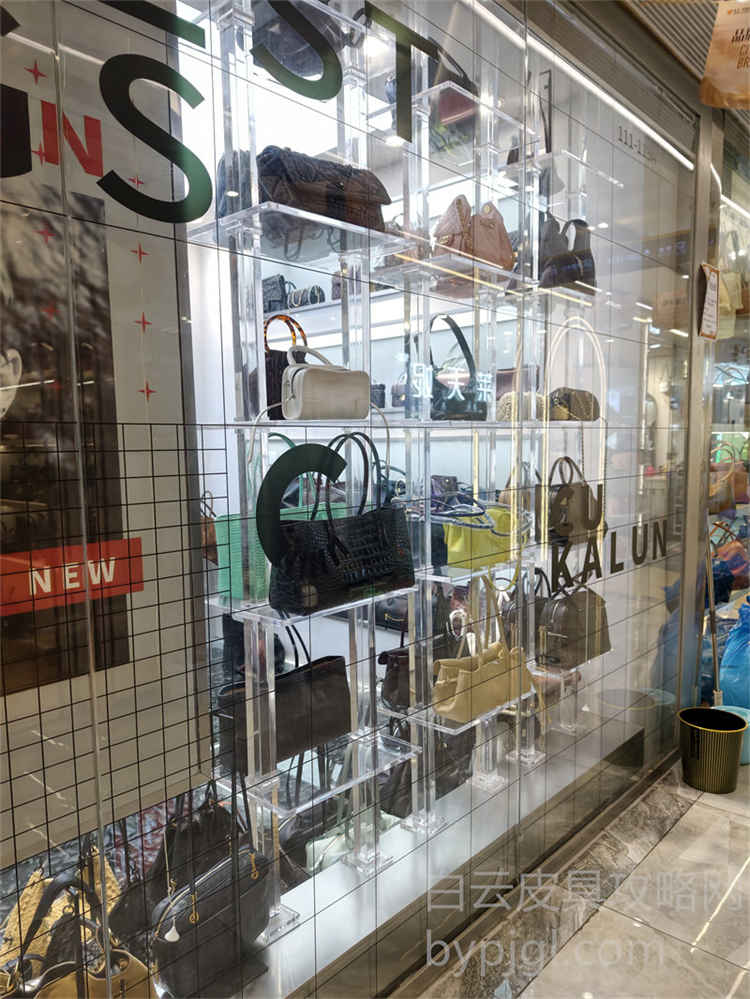
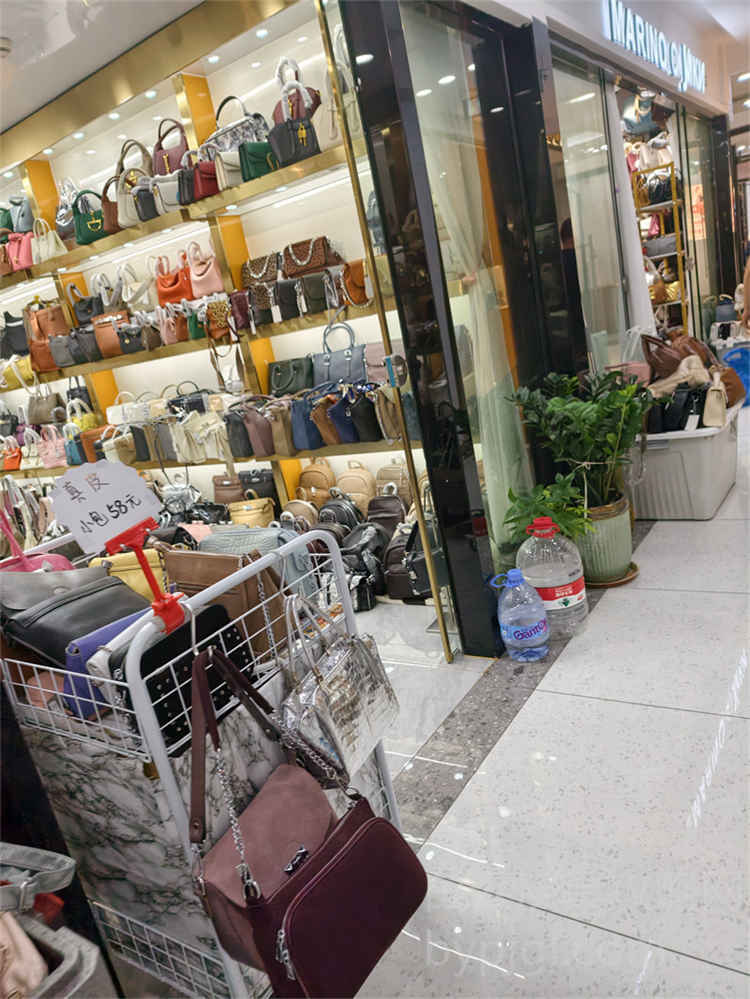
Walk slowly. Do not rush. Look at the tags on the bags hanging on the racks. In our trade, quality is often indicated by the stitching density and the weight of the hardware. If a bag feels too light, the leather is likely thin or synthetic. We have seen many buyers fall for shiny, cheap-looking items that promise the world but deliver dust. Ask to see the raw material samples. A genuine supplier will happily pull out a swatch of cowhide or lambskin to show you the grain. If they hesitate or say "it's all the same," walk away. That is a red flag. Also, pay attention to the packaging. High-quality goods come with dust bags, cards, and sturdy boxes. If everything looks flimsy, the craftsmanship inside is probably just as weak.
The Art of Sampling and Inspection
This is where most foreign buyers fail. They order based on photos sent via WhatsApp without ever touching the product. Never do that. once you find a stall that interests you, ask for a sample. We call this "taking a look." Inspect the zippers, check the lining, and smell the leather. Does it smell like chemicals or like real hide? Run your fingers along the seams. Are there loose threads? Is the glue visible? In our experience, the difference between a standard batch and a premium run is often in these tiny details. We have clients who spend hours in a single stall just checking the alignment of the handles. It sounds tedious, but it saves you from thousands of dollars in returns later. Remember, if you cannot verify the quality in person, you are gambling with your reputation.
Building Trust and Closing the Deal
once you have selected your items, the negotiation begins. This is not a battle; it is a dance. Price is important, but consistency is king. Many buyers try to drive the price down to the absolute minimum, only to receive inferior goods the next time. As an old shopkeeper, I tell you this: fair pricing ensures fair quality. If a deal seems too good to be true, it is because the materials were cut corners on.
Communication and Payment Security
Clear communication is vital. Be specific about your requirements. Do you need custom colors? Specific logo placements? Or perhaps a particular type of hardware finish? Write it down. Do not rely on memory. When it comes to payment, avoid sending money directly to personal accounts unless you have a long-standing relationship. Use secure channels or meet at a bank if possible. We have seen too many scams where the buyer sends funds and the seller disappears. For repeat orders, we always suggest a deposit system. It protects both sides. The buyer gets the assurance that the goods are being made, and the seller has the confidence to start production. Trust is built over time, not in a single transaction.
Avoiding Common Pitfalls
There are pitfalls everywhere in the Baiyun district. One common trick is the "switch." A seller might show you a perfect sample, then send you a different batch that looks similar but is made with cheaper materials. To avoid this, take photos of the serial numbers or unique markings on the sample you approve. Another issue is the shipping delay. Logistics can be tricky, especially during holidays. Always build in extra time for customs clearance and transport. Do not expect the goods to arrive the next day. Finally, be wary of sellers who refuse to provide a written agreement or invoice. Even if it is informal, having a record of what was agreed upon is essential for resolving any disputes. Stay sharp, stay curious, and treat every interaction with respect. That is how you survive and thrive in the Guangzhou leather trade.