Walking the Floors: My Honest Guide to Sourcing in Guangzhou
I have been standing behind this counter in the Baiyun district for over twenty years. While the world talks about online trends and dropshipping, my life is defined by the smell of leather, the hum of sewing machines, and the constant flow of buyers walking through these crowded corridors. If you are reading this, you are likely planning a trip to Guangzhou to source high-end bags, but you might be nervous about where to start or how not to get ripped off. Let me tell you, the experience here is nothing like what you see on social media. It is raw, it is fast-paced, and it requires a sharp eye. I am going to walk you through exactly how we operate in the real wholesale markets, away from the tourist traps.
The First Step: Leaving the Hotel Behind
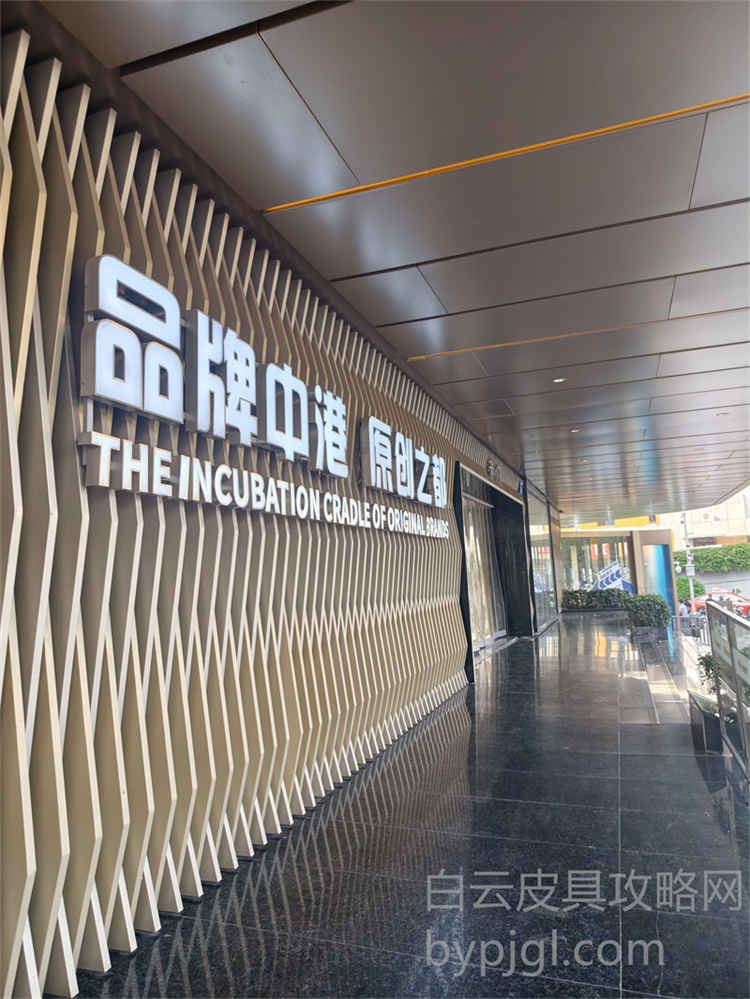
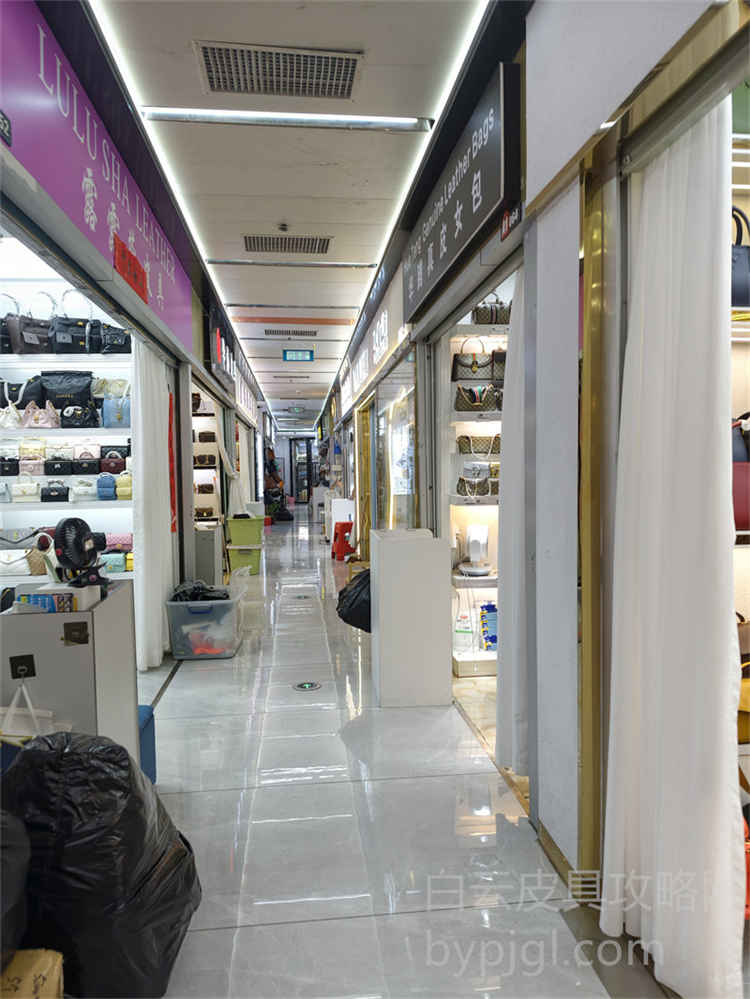
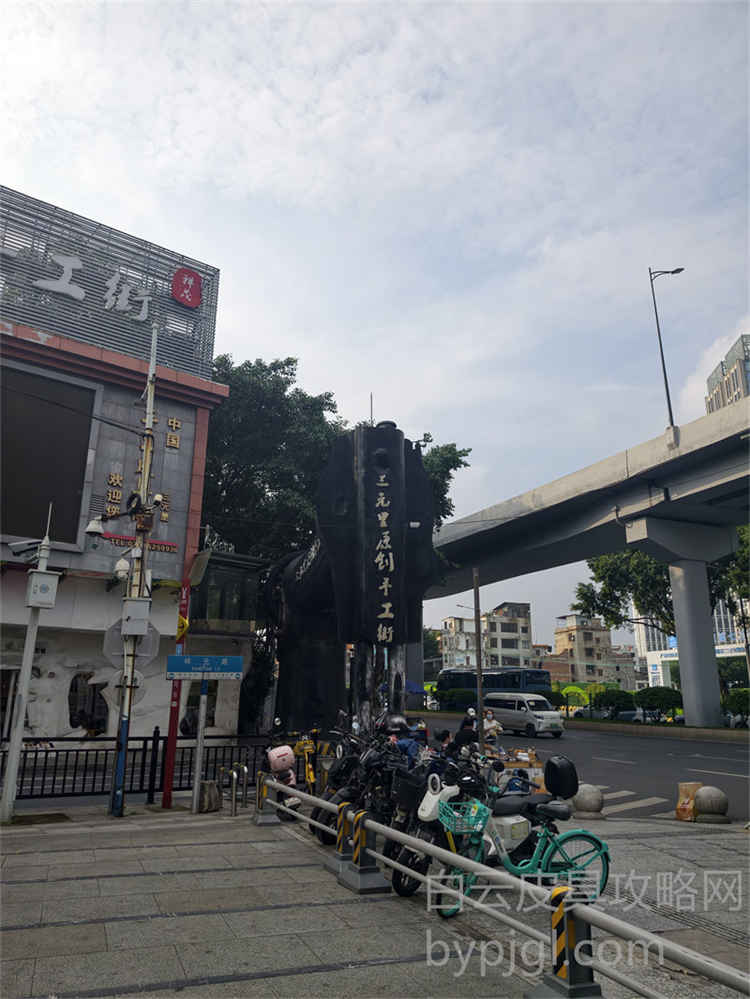
Many first-time visitors make the mistake of booking a hotel near the main train station and expecting to find everything within walking distance. That is a trap. The heart of the industry is the Baiyun International Leather City complex. When you arrive, do not look for a single "factory" building. In this city, factories are often hidden in industrial zones outside the city center, while the showrooms and sales offices are packed into these massive commercial buildings. You need to head straight to the Baiyun area. once you step inside the main lobby, the noise hits you. It is a sensory overload of voices in Cantonese, Mandarin, and broken English. This is where the real business happens. Do not be intimidated by the crowds; they are your competitors, but also your potential network.
Navigating the Showrooms and Finding the Right Counter
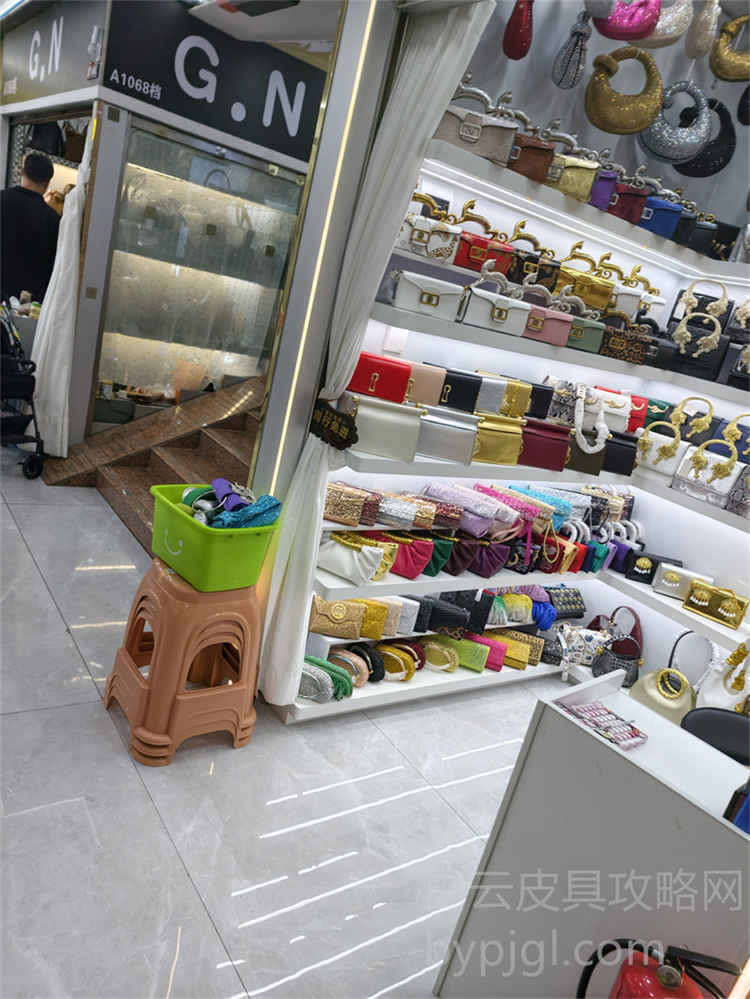
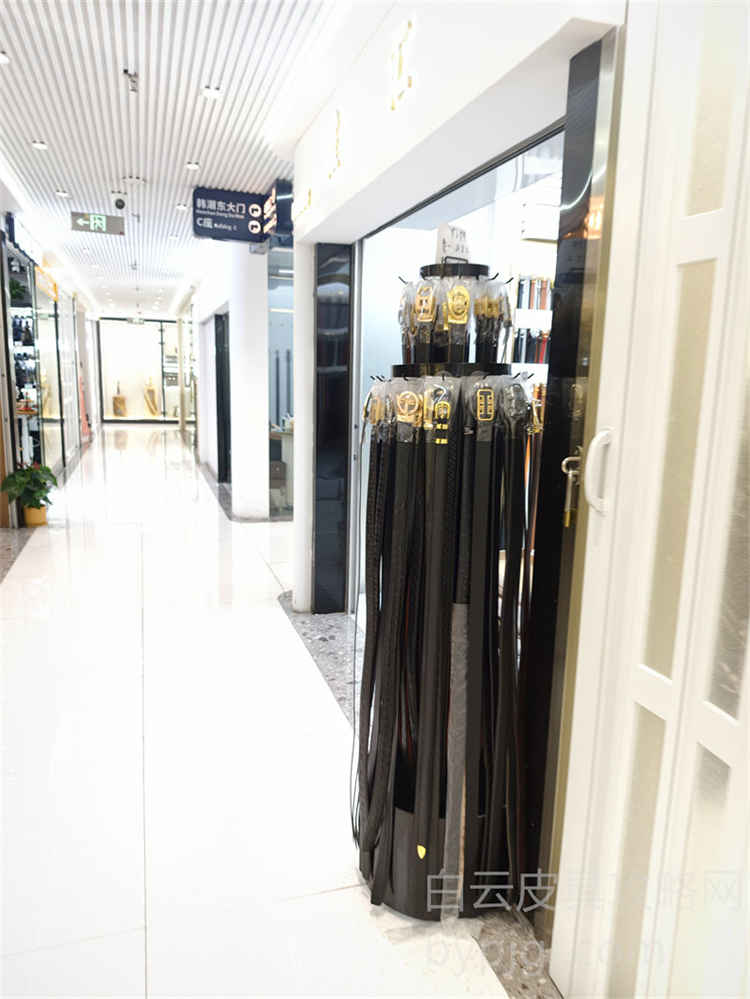
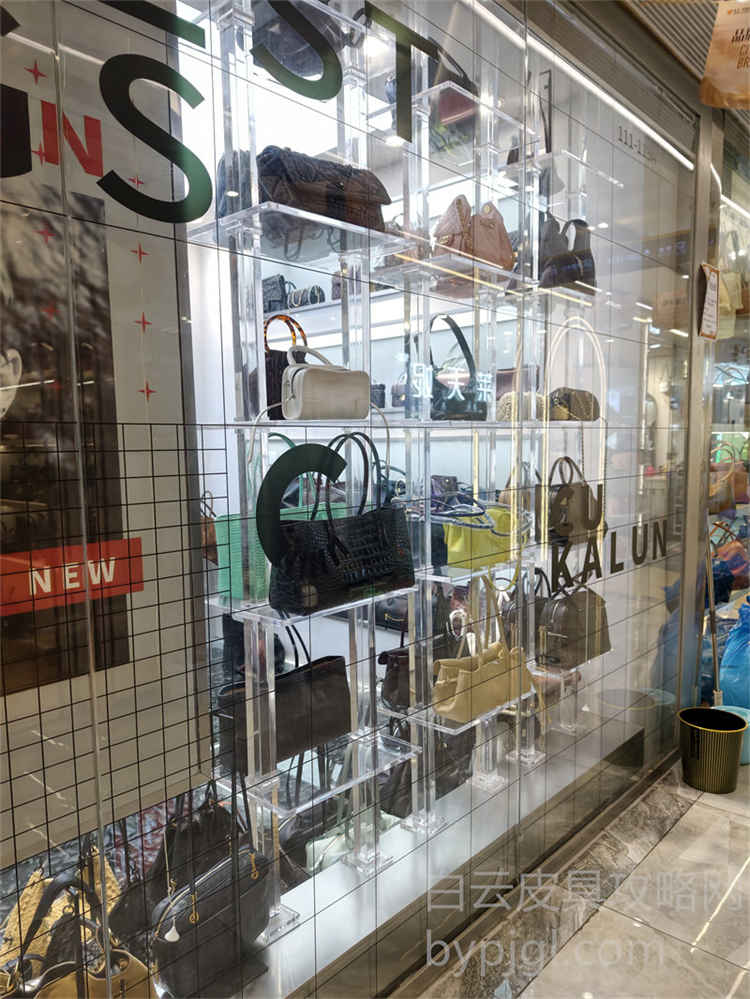
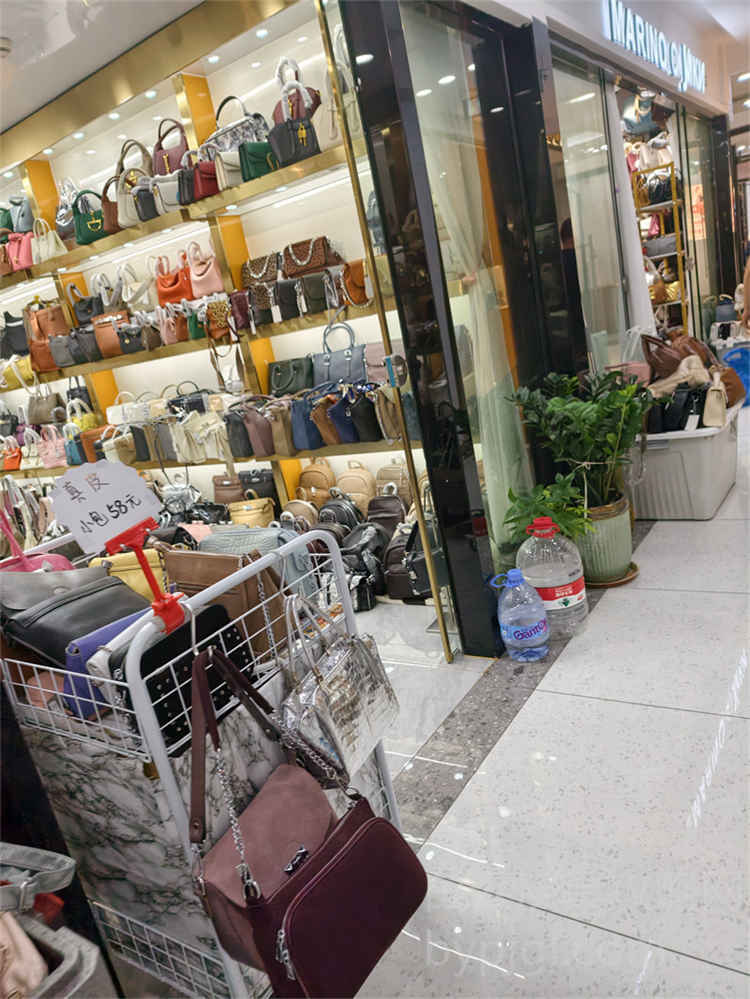
Inside these buildings, you will see rows upon rows of counters displaying hundreds of styles. A common question I hear is, "Where can I find the best quality?" The answer is never written on a sign. Quality is determined by who you talk to and how they present their goods. We do not put labels on our shelves saying "Grade A" or "Grade B." Instead, we rely on the reputation of our booth number. Experienced buyers know that the ground floor usually features the most expensive items with the highest markup, while the upper floors often house the same designs but at more competitive wholesale prices. However, the real gems are often found in the back rooms of the booths, not on the front display tables.
Reading the Room: What to Look For
When you approach a stall, observe the staff. Are they rushing you? Do they seem annoyed when you ask questions? Good partners want you to succeed because repeat business is the only way we survive. If a seller is aggressive and pushes you to buy immediately without showing you the details, walk away. Look for the ones who are willing to let you touch the material, inspect the stitching, and check the hardware. In our trade, we call this "checking the grain." You need to feel the weight of the leather. Is it soft or stiff? Does it smell like chemicals or natural hide? These tactile tests are the first line of defense against poor craftsmanship. Never settle for a photo on a phone screen; you must see the physical product in your hands.
The Art of Negotiation and Building Relationships
once you have identified a few promising stalls, the real work begins: negotiation. In the West, we are used to fixed prices or clear discount codes. Here, the price is fluid. It depends on your volume, your relationship, and even the time of day. If you come in as a solo buyer looking for one bag, you will pay the retail price. But if you speak confidently about taking ten pieces or fifty, the dynamic changes instantly. I always advise my international clients to bring a small notebook. Write down the style numbers, the prices quoted, and the minimum order quantities (MOQ) for each booth. This shows you are serious and organized.
Speaking the Language of Trade
You do not need to speak fluent Chinese, but you do need to understand the terminology. Ask about the "hardware," the "lining," and the "stitching count." When discussing pricing, use terms like "wholesale rate" or "bulk price." Be polite but firm. If a price seems too good to be true, it usually is. There is a reason why some sellers offer incredibly low prices; they might be using synthetic materials that look similar but wear out quickly. We pride ourselves on using top-tier materials that mimic the texture and durability of luxury standards. When you negotiate, focus on value, not just cost. Tell them, "I want the best version available," and watch how their eyes light up. They will then pull out the samples from the back room that are not shown to the general public.
Inspection and Finalizing the Order
This is the most critical stage where many people fail. After agreeing on a price and quantity, you must inspect the goods before you hand over any money. Do not trust the sample alone. Ask to see a batch of the actual stock you are buying. Check the zippers, the alignment of the patterns, and the glue marks. In our factory environment, we have strict quality control, but human error happens. If you spot a flaw, point it out immediately. A good supplier will fix it or replace it without argument. Remember, we are building a long-term partnership. If you accept bad quality now, you will lose trust later.
Logistics and Shipping Considerations
once the inspection is passed, discuss shipping. Most of us in Baiyun have established relationships with logistics companies that handle international freight. They can consolidate your orders from multiple booths into one shipment, which saves you a fortune on shipping costs. Do not try to arrange your own courier unless you have specific requirements. Ask for a quote that includes packaging, insurance, and customs documentation. Transparency is key here. Make sure you understand the timeline. Production might take a few days depending on the complexity of the design and the current workload of the workshop. Patience pays off in this industry.
Final Thoughts from an Old Shopkeeper
Coming to Guangzhou to source bags is an adventure that offers rewards far beyond just saving money. It gives you access to a supply chain that is unmatched anywhere else in the world. You get to see the craftsmanship firsthand, meet the makers, and build connections that last for years. But remember, success here comes from preparation, observation, and respect. Treat the sellers with kindness, ask the right questions, and never rush the process. The market is vast, and there is something for everyone if you know where to look. Whether you are a small boutique owner or a large retailer, the Baiyun leather market holds the keys to your next successful collection. Just keep your eyes open, trust your instincts, and enjoy the hustle of the city.