Why the Real Goods Are Still in Guangzhou, Not on Your Screen
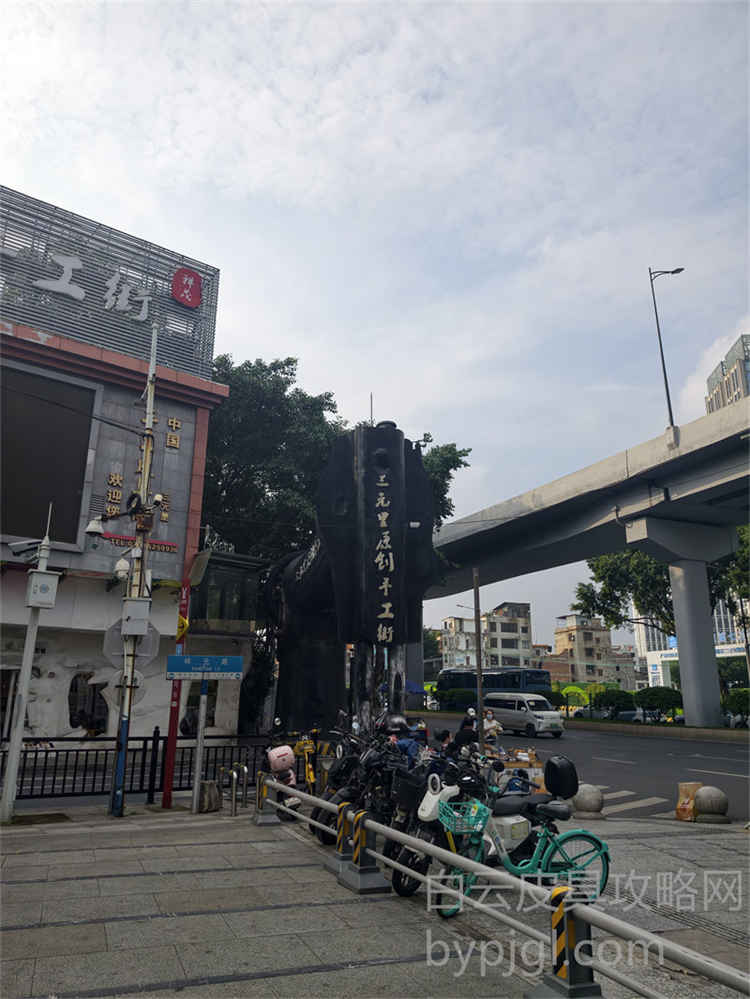
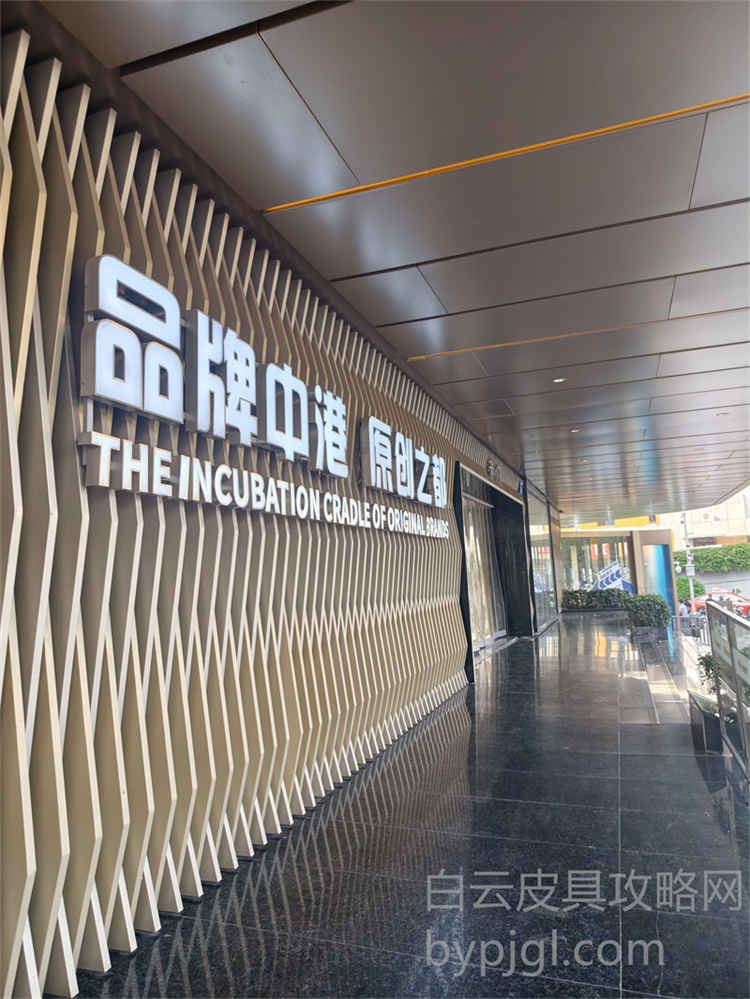
I have been standing behind this counter in the Baiyun District for over fifteen years. While you are scrolling through apps looking for "Guangzhou bag online sources," I am watching the morning rush at the main entrance of the market. Let me tell you something straight from the horse's mouth: if you think you can find the true quality just by clicking a link and sending a WeChat message, you are already losing money before you even start.
The internet is full of noise. There are thousands of sellers claiming to be the factory direct source, but most of them are middlemen reselling photos they stole from other shops. The real goods, the ones with the correct leather grain, the right stitching tension, and the hardware that feels heavy and solid, are hidden in the physical stalls. You cannot feel the weight of a zipper or smell the genuine cowhide through a screen. That is why I urge every overseas buyer to come here, walk these floors, and see what we actually have.
Navigating the Labyrinth of Baiyun Leather City
First Steps: Don't Trust the Map Apps
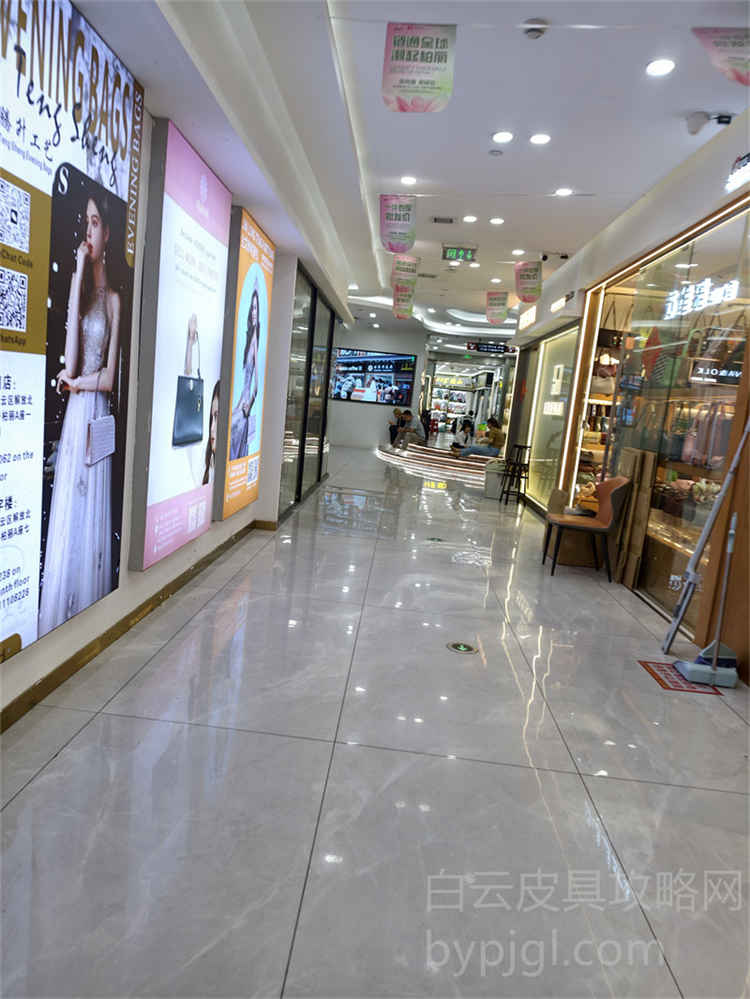
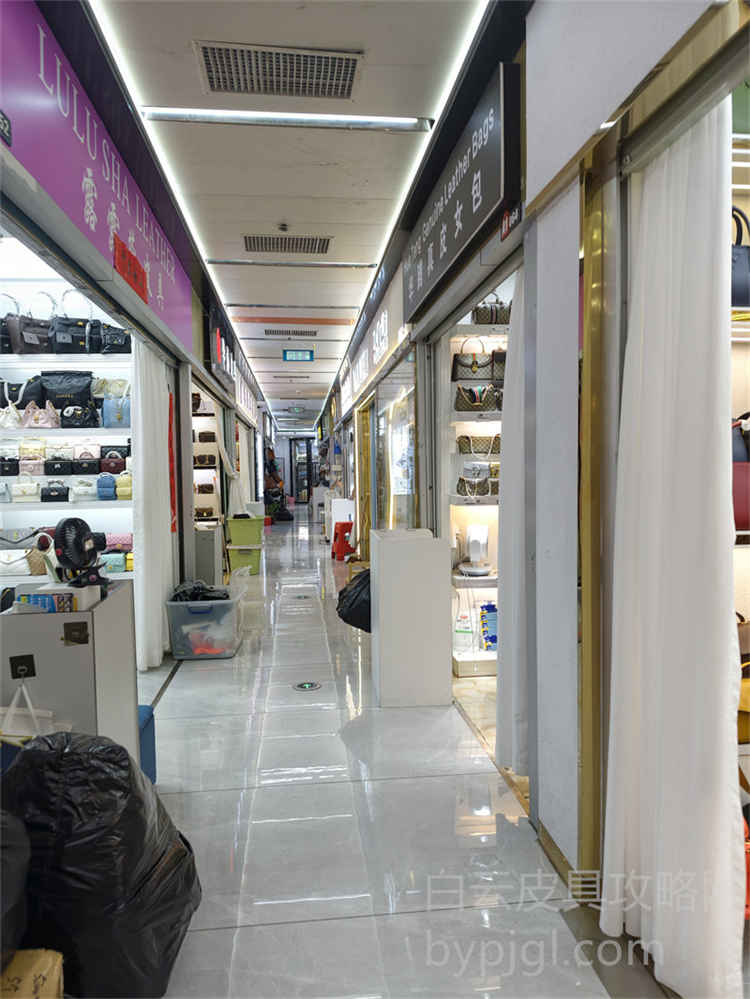
When you first arrive at the Baiyun Leather Market, do not rely solely on your phone map. These buildings are massive labyrinths. The ground floor is often filled with tourists and small retail buyers looking for cheap souvenirs. If you want serious wholesale deals, you need to go deeper. Head straight for the upper floors where the actual wholesalers operate. Look for the signs that say "Wholesale Only" or those with stacks of boxes piled high near the door.
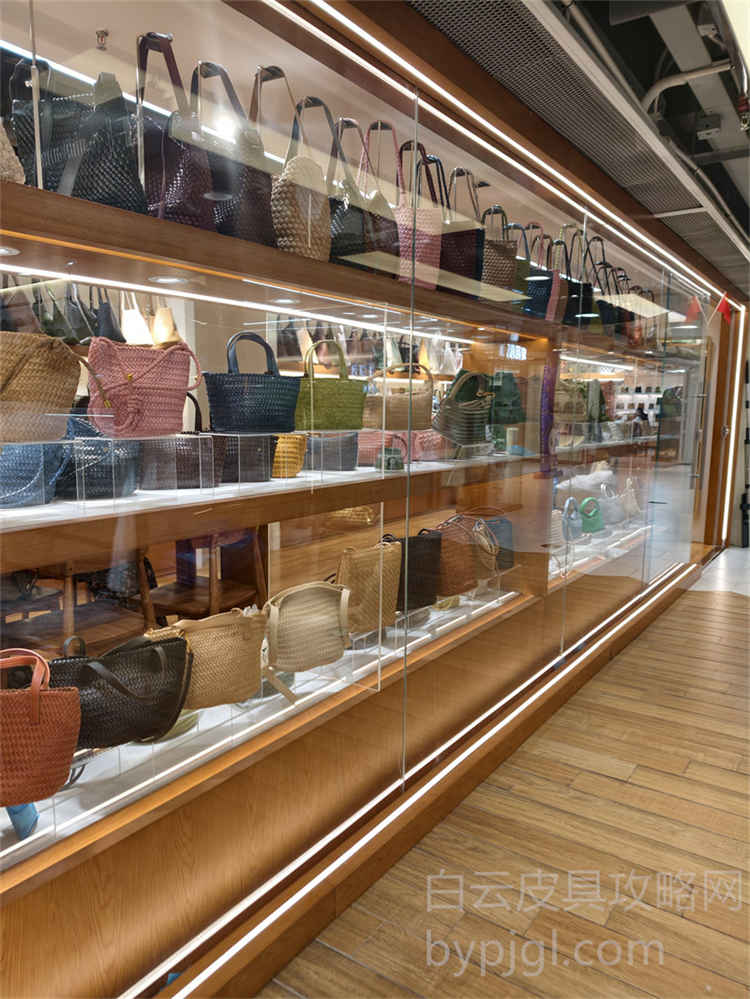
The layout changes slightly depending on which building you enter. Some buildings specialize in luxury-style bags, while others focus on fashion trends or canvas materials. Spend your first hour just walking without buying anything. Observe how the shop owners talk to their regular customers. Notice who has the cleanest display and who has the most organized back room. Those are the clues you need to identify the serious players versus the fly-by-night operators.
Identifying the Right Stall
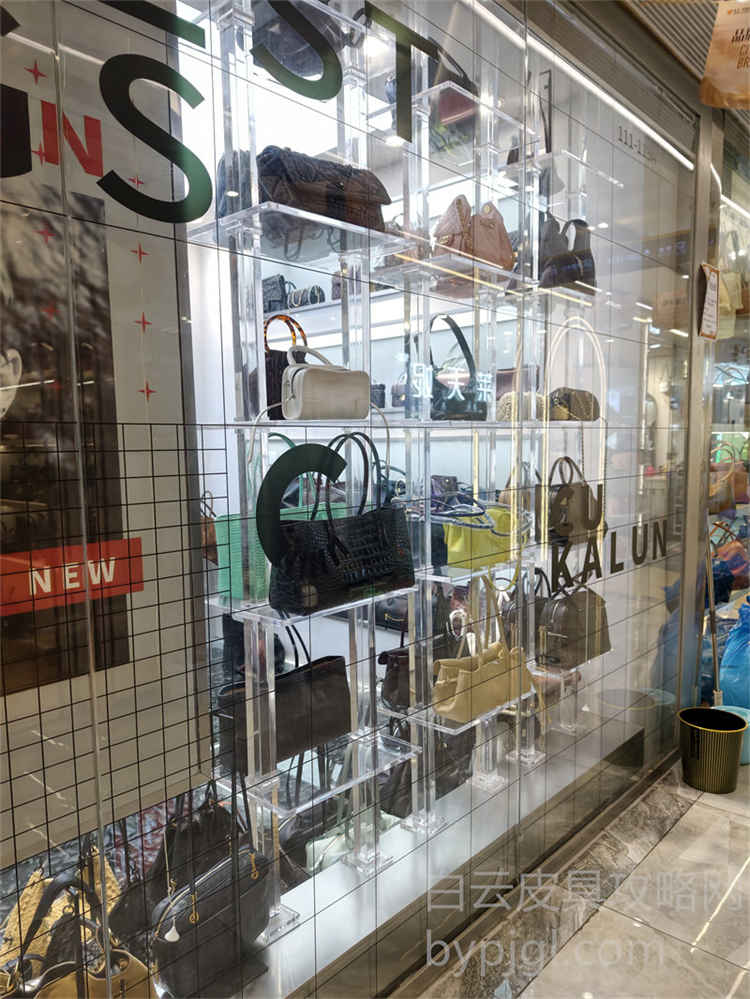
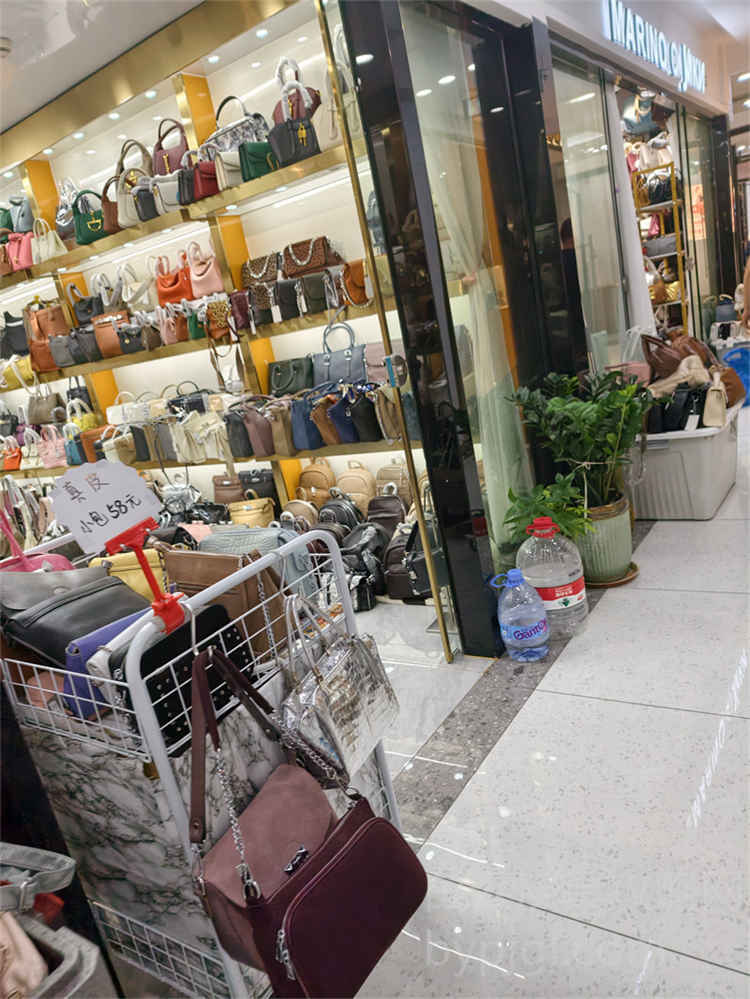
Not all stalls are created equal. In my experience, the best suppliers are usually located in the older sections of the market where the rent is lower but the reputation is higher. They don't need flashy neon lights because their repeat business keeps them busy. When you approach a stall, look at the samples on the table. Are they pristine? Do they show signs of wear? A good supplier will have a few "showroom" pieces that are perfect, but also keep a stock of items ready for immediate shipment.
If a seller tries to push you into a corner immediately or refuses to let you touch the product, walk away. The best vendors in Guangzhou know that trust is built on transparency. They want you to inspect the lining, check the zippers, and smell the material. This is the standard operating procedure for anyone dealing with authentic supply chains in this district.
The Art of Selection and Quality Control
Touching the Material Matters
You might ask why I insist on physical inspection when you are ordering online. It comes down to the leather. online photos can be color-corrected, lighting can be manipulated, and texture can be faked. But when you hold the bag, you know instantly if it is top-grain leather or a synthetic substitute. In our market, there are different grades of leather available. Some stalls offer premium Italian tanned leather, while others use high-quality domestic alternatives.
When selecting your inventory, run your fingers along the seams. Check the stitching density. Does the thread match the leather perfectly? Is the glue visible anywhere? These details separate a $50 bag from a $150 bag. As a local owner, I always tell my international partners: never order based on a single photo. Ask to see the raw material swatches. If they hesitate, that is a red flag. Real factories are proud of their materials and will show them without hesitation.
Hardware and Construction Details
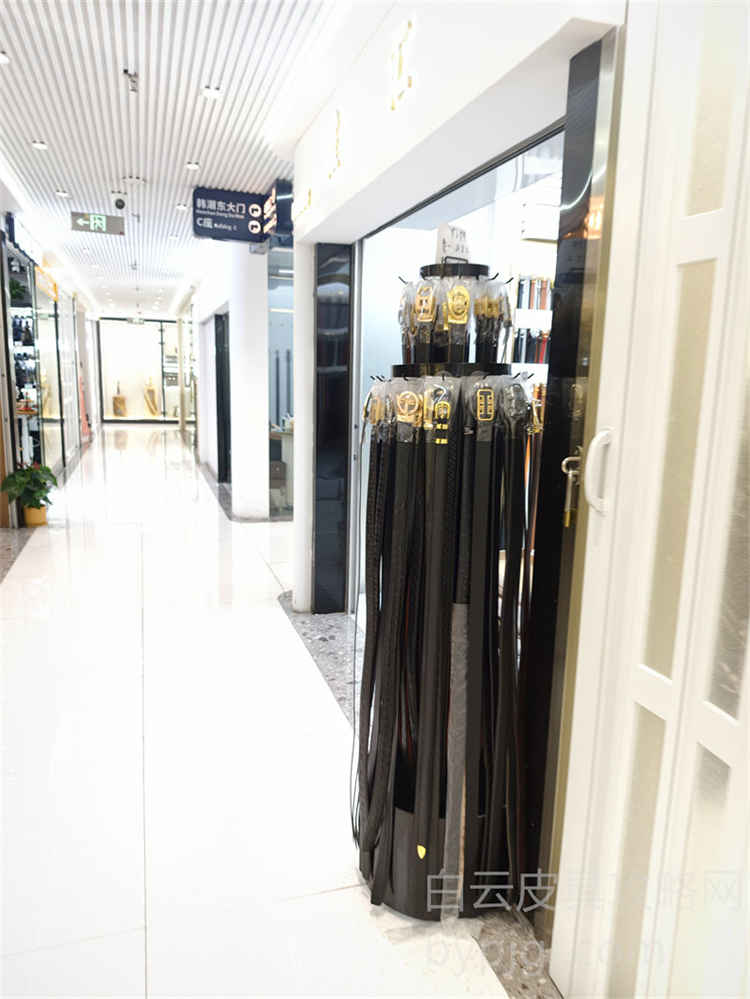
Let's talk about the metal parts. This is where many online scams fail. Cheap plating peels off after a week of use. In the Baiyun market, we deal with brass, zinc alloy, and stainless steel. The weight of the hardware tells you everything. Pick up a lock or a clasp. If it feels light as a feather, put it back. Good hardware has a substantial heft and a smooth finish.
Also, examine the interior. Is the fabric tight? Are the pockets reinforced? Many suppliers cut corners here to save costs. When you are negotiating, point out these specific areas. Show them you know what you are talking about. This shifts the dynamic from a simple transaction to a professional partnership. They will respect your knowledge and offer better prices because they know you won't accept subpar goods.
Negotiation Tactics and Avoiding Pitfalls
Building Relationships Over Transactions
In Guangzhou, business is personal. If you treat every interaction as a one-off deal, you will pay the highest price. Start by building a relationship with the stall owner. Buy a cup of tea, ask about their family, and show genuine interest in their craft. once they see you as a friend rather than just another customer, they will give you access to their best stock and the lowest prices.
Do not be afraid to negotiate, but do so respectfully. Instead of demanding a discount, ask for a better deal on volume or future orders. Mention that you plan to return next season with a larger order. Most suppliers in the Baiyun area are willing to work with long-term partners. They would rather sell you ten bags at a lower margin now than five bags at a high margin today.
Red Flags to Watch Out For
There are pitfalls everywhere if you are not careful. One common trick is the "sample vs. bulk" switch. They show you a perfect sample, but when you place the order, the bulk quality drops significantly. To avoid this, always request a pre-shipment video call where they show you the actual batch before shipping. Another trap is the fake factory tour. Some agents will take you to a small workshop that looks like a factory but is actually just a packaging station.
Always verify the location. If they claim to be a factory but are located in a residential apartment complex, be skeptical. Real production facilities in the surrounding areas of Guangzhou are industrial zones with large machinery and multiple workers. Trust your instincts. If something feels too good to be true, it probably is. Stick to established stalls with a physical presence and a track record of serving overseas clients.
Final Thoughts on Sourcing Locally
Coming to Guangzhou is not just about buying bags; it is about understanding the entire ecosystem of the leather industry. From the raw material suppliers to the final assembly lines, everything happens within a few miles of the Baiyun Market. By visiting in person, you gain insights that no website can provide. You learn the rhythm of the market, the quality standards, and the people behind the products.
So, if you are serious about sourcing high-quality bags, stop searching for "online sources" and start planning your trip. Walk the floors, touch the leather, and meet the people. The connections you make here will last for years and save you from countless headaches down the road. This is the only way to truly master the art of sourcing in China.