Walking the Floors: My Honest Guide to Sourcing in Guangzhou
I have been standing behind this counter for over twenty years. While the world outside talks about trends and seasons, my life here in Baiyun is measured by the flow of trucks arriving at dawn and the specific rhythm of buyers walking through these corridors. You might be reading this from a different continent, wondering how to navigate the maze of leather goods markets without getting lost or ripped off. Let me tell you, there is no magic button online that replaces the smell of fresh leather and the sound of bargaining in Cantonese. If you are serious about sourcing high-end goods, you need to come here, stand on the ground, and learn the trade.
The First Step: Leaving the Hotel and Entering the Zone
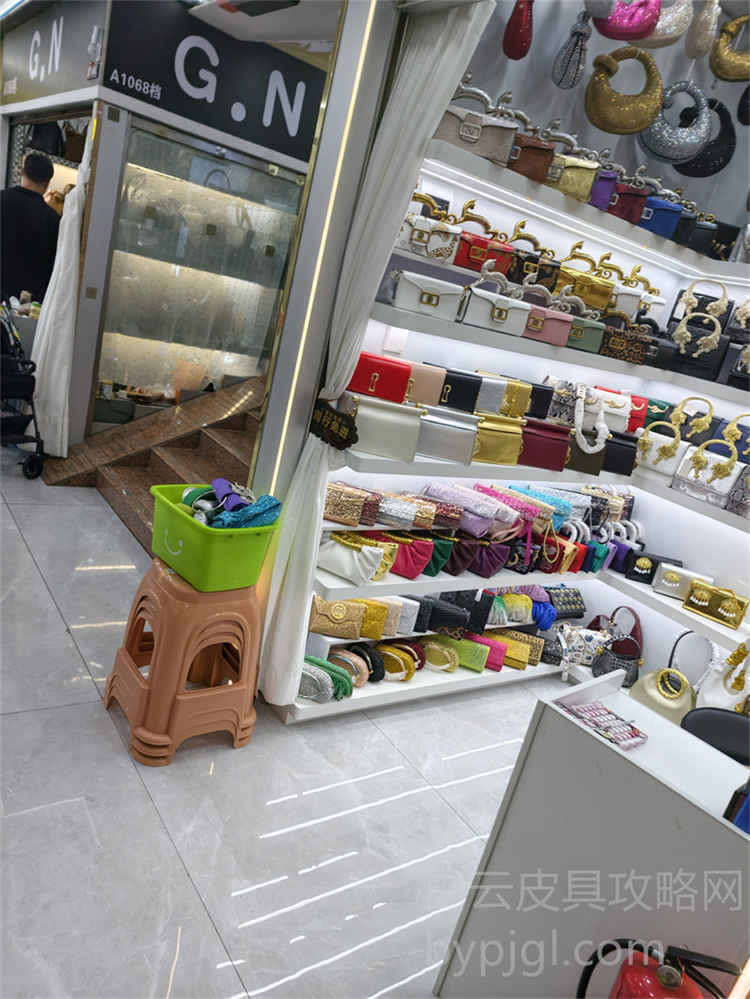
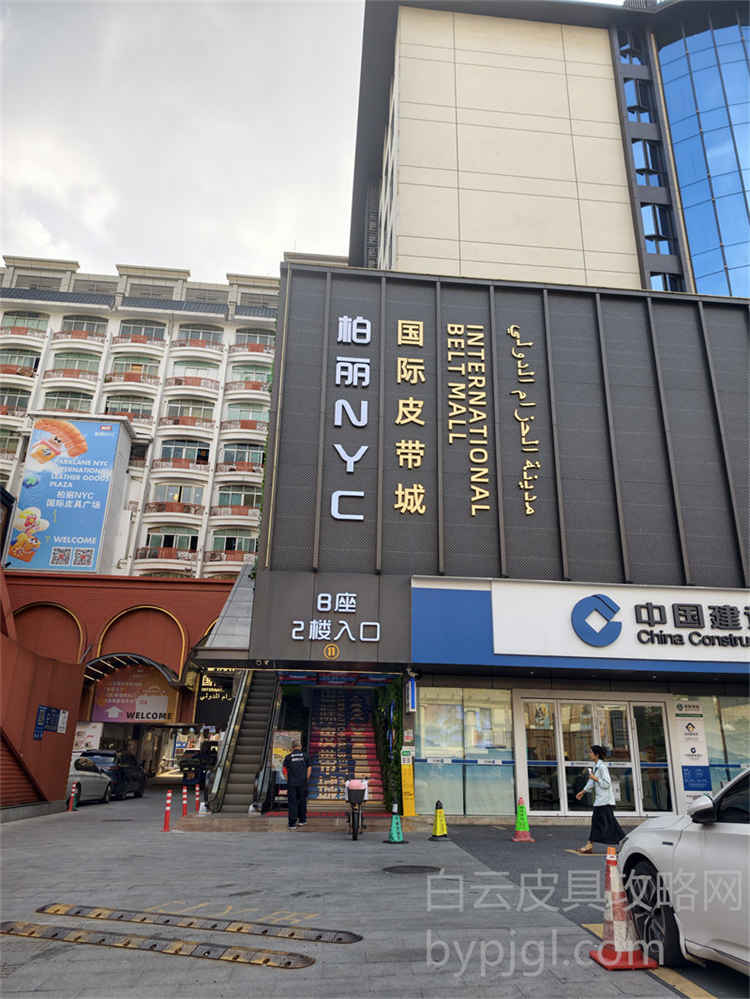
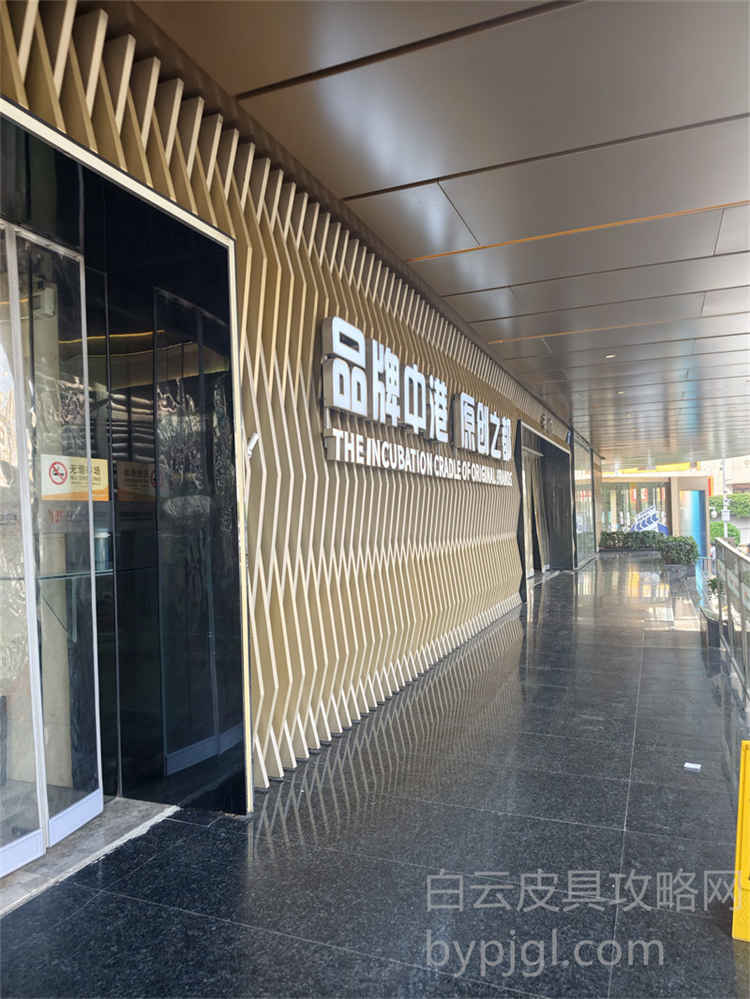
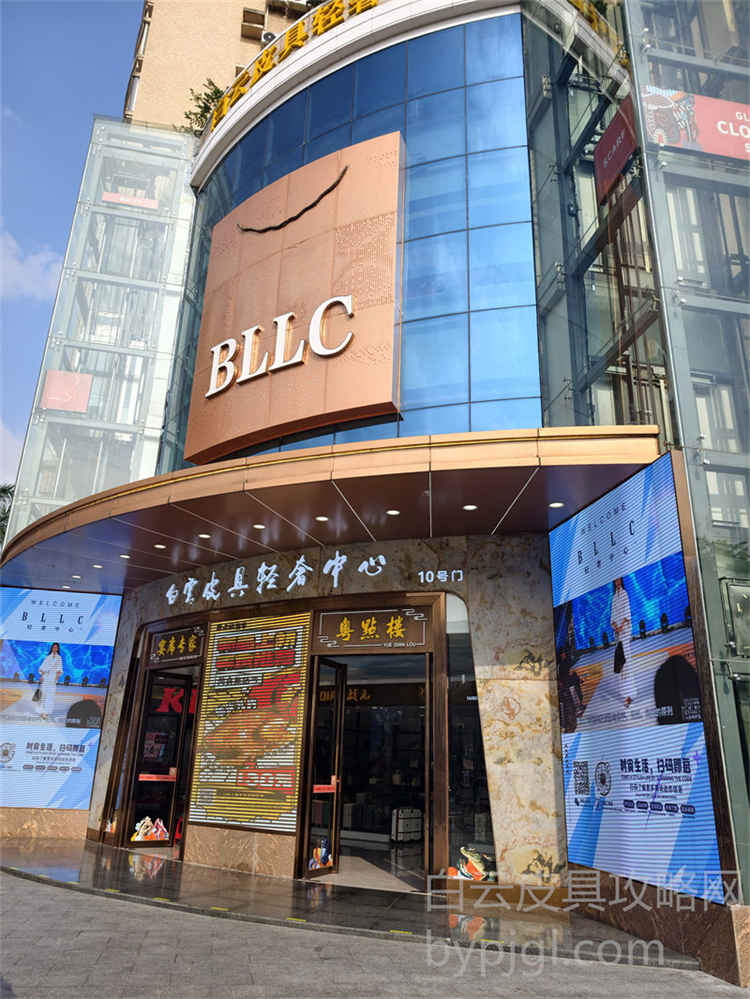
Most first-timers make the mistake of going straight to the big glass doors of the main building. They think that is where the best stuff is. I am here to tell you that is often just the showroom for tourists. The real action happens in the back alleys, the older buildings connected by covered walkways, and the smaller plazas tucked away near the metro stations. When you step out of your car or taxi, do not look at the fancy signs. Look at the people. Who is carrying heavy boxes? Who is talking on three phones at once? Follow them. That is where the supply chain lives. The air here is thick with dust and leather scent, a mix that tells you exactly where you are.
Navigating the Market Layout Without Getting Lost
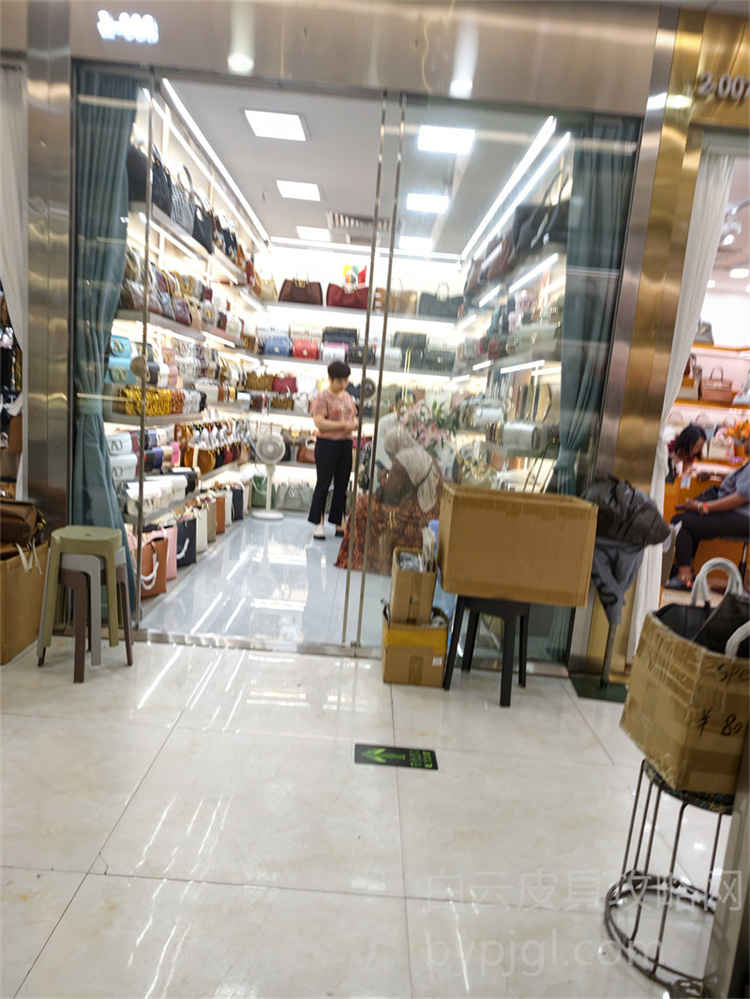
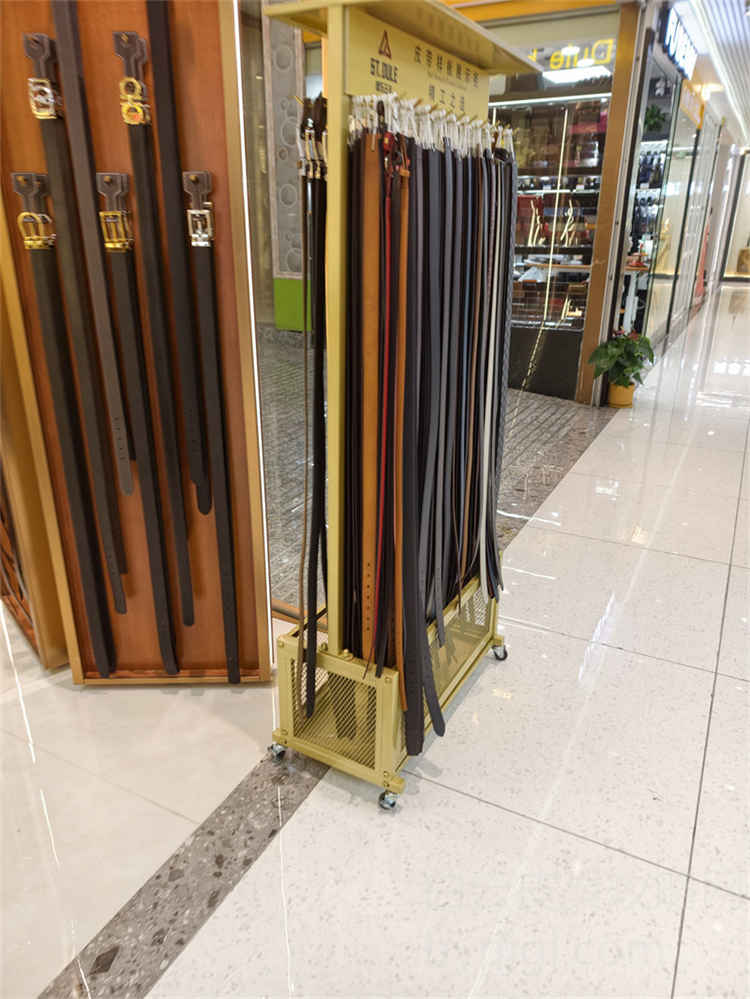
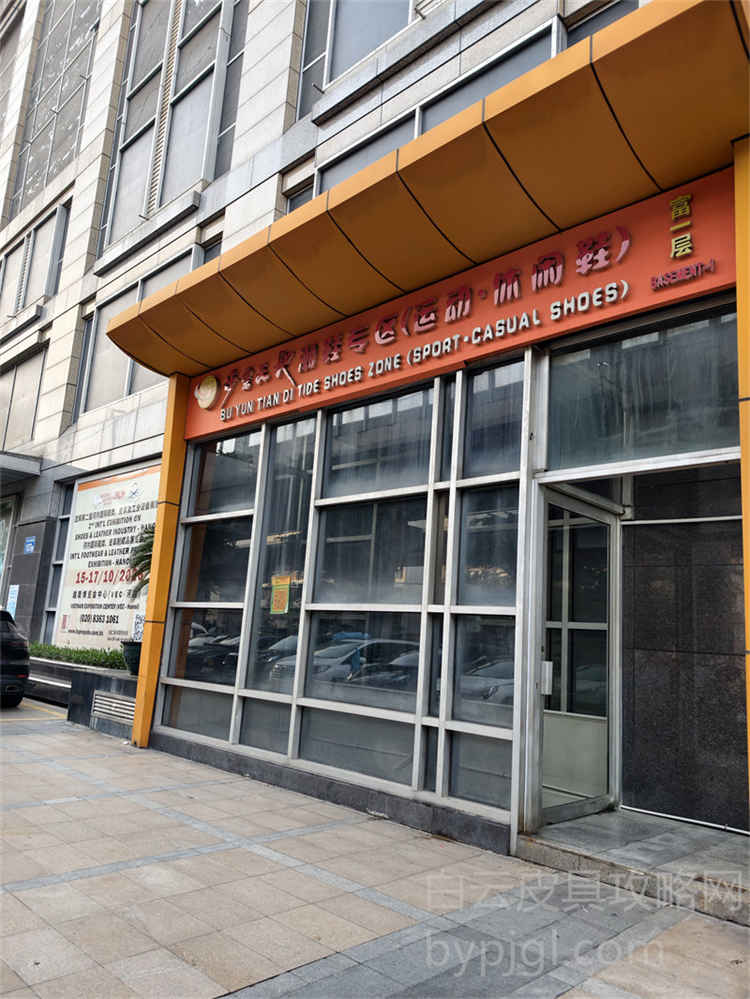
The layout of this district is not designed for maps; it is designed for foot traffic. You will see rows upon rows of stalls, each one shouting its own version of quality. Do not try to visit every single shop. That is a waste of time. Instead, pick a few key buildings known for their specific tier of production. Some floors are dedicated to lower-grade items meant for quick turnover, while others house the workshops that produce the top-tier pieces. Ask the security guards or even the tea sellers at the entrance which building houses the "top factory" lines. They know more than any guidebook.
Finding the Right Stall: It's about the Back Room
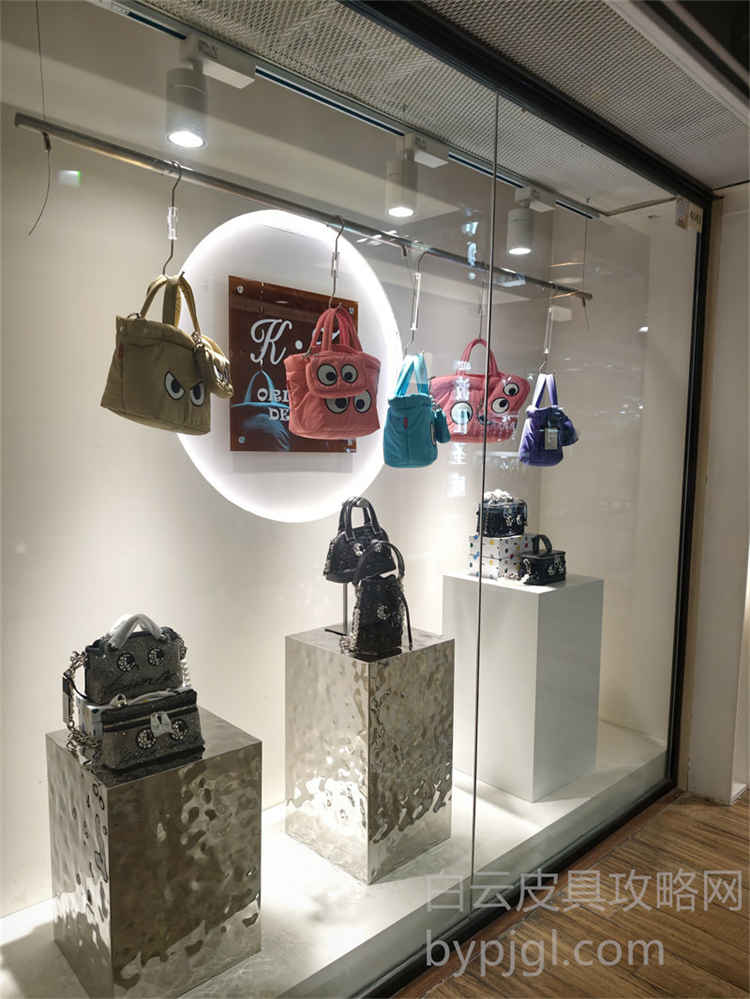
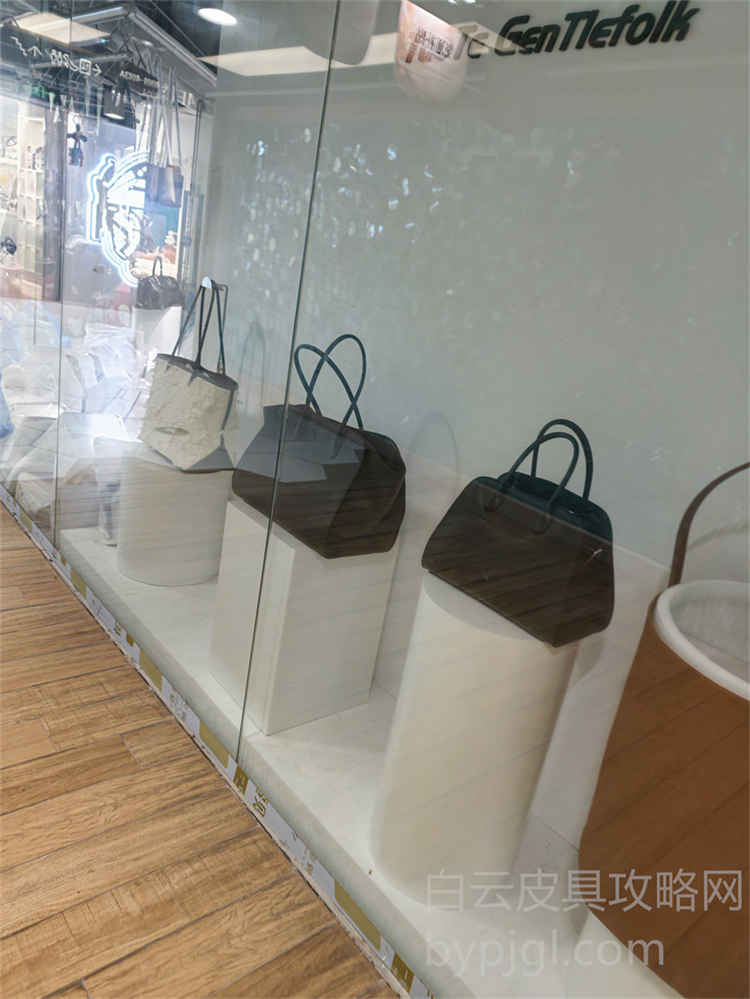
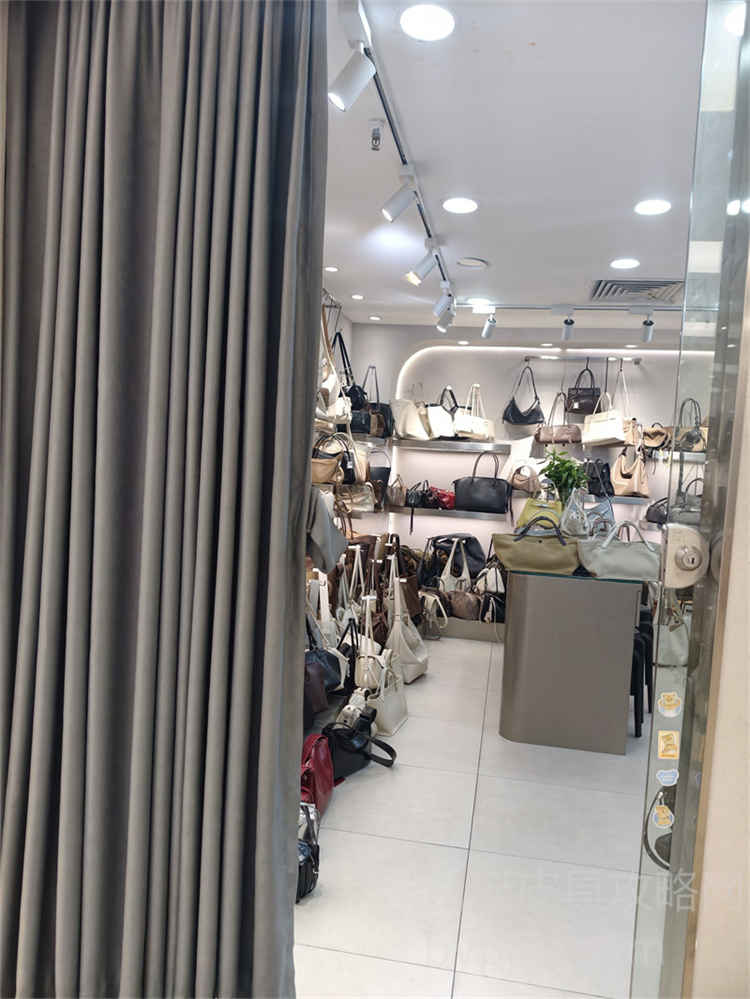
When you find a stall that looks promising, do not stop at the front display. The bags hanging on the wall are often just samples. The real inventory is in the back room, usually accessible only after you show some genuine interest. A good vendor will invite you inside, offer you tea, and pull out boxes wrapped in plastic. This is where you see the stitching, the hardware weight, and the grain of the material up close. If they refuse to show you the back room, move on. There is nothing to hide if the product is as good as they claim.
The Art of Selection: What to Look For Before You Buy
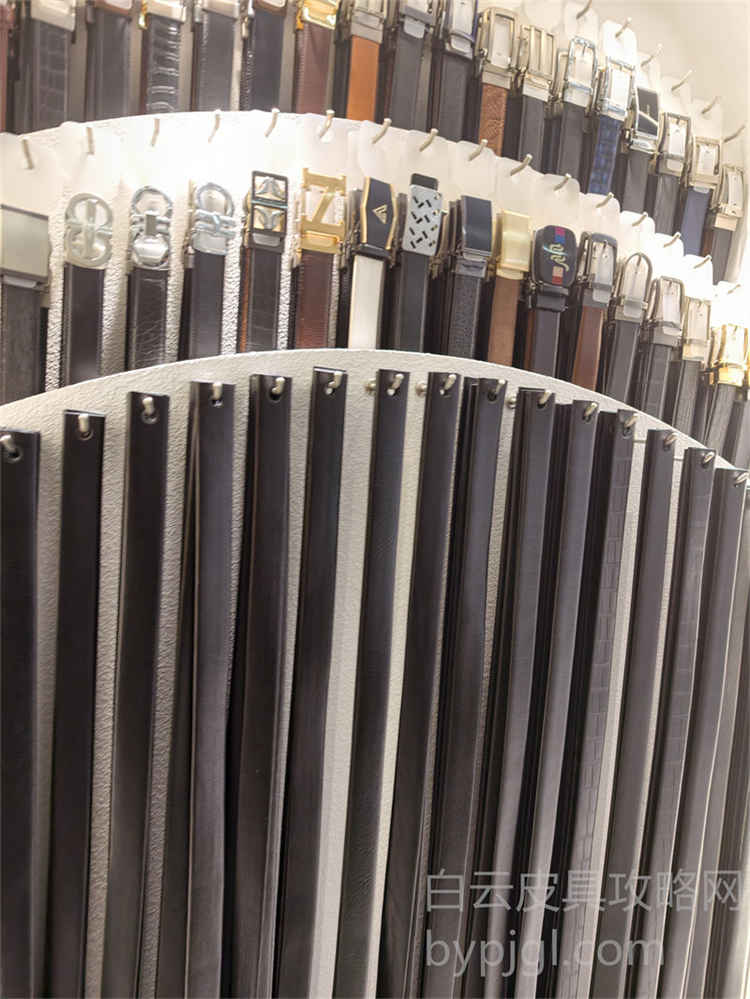
Selection is not just about picking a bag that looks pretty. It is about understanding the construction. In my decades of experience, I have learned that the devil is in the details. Check the alignment of the pattern. Does the stripe match perfectly when the bag folds? Look at the zipper pulls. Are they heavy brass or cheap aluminum that feels like foil? Listen to the sound the zipper makes. A smooth, silent glide is a sign of quality hardware. Also, check the interior lining. Is it tight? Are the seams reinforced? These small things separate a piece made for a week from one made for a lifetime.
Comparing Samples: The Side-by-Side Test
Never buy based on a single sample. Always ask to compare two or three versions. One might be the standard grade, another might be the premium version with better leather. Hold them side by side. Feel the difference in the texture. Smell the leather. High-quality materials have a distinct, rich aroma, whereas cheaper alternatives smell like chemicals or glue. This comparison process is crucial. It helps you understand the price gap and decide what fits your budget and your customer base. Do not be shy about asking the vendor to explain the differences between the grades. A honest seller will appreciate your knowledge.
Bargaining and Building Relationships
Price negotiation is an art form here. It is not about being rude; it is about showing that you know the market value. Start by looking at the item, nodding, and then mentioning a price that is slightly lower than what you expect to pay. Watch their reaction. If they laugh and say, "That is impossible," you are too low. If they hesitate and ask for your number, you are in the zone. Remember, the goal is not to crush them but to find a middle ground where both parties feel they won. once you establish a relationship with a vendor, the prices become more flexible, and they might give you priority during busy seasons.
Payment Terms and Logistics
Do not rush into payment until you have inspected the final batch. Many vendors accept deposits, but always insist on seeing the goods before the final transfer. For large orders, discuss shipping logistics early. Do you want them to handle the freight forwarding, or will you arrange your own agent? Most experienced buyers use a local consolidation warehouse in the area. This allows you to combine orders from multiple vendors into one shipment, saving significant money on international freight. Make sure the vendor knows exactly how to pack the items to prevent crushing or damage during transit.
Avoiding Pitfalls: Red Flags to Watch Out For
There are traps everywhere in this business. One common trick is the bait-and-switch. They show you a perfect sample, but when you order, they send something slightly different. To avoid this, take photos of the exact serial numbers, tags, and unique markings of the sample you approve. Another red flag is the vendor who refuses to meet face-to-face or insists on dealing only through WeChat without ever meeting. Trust your gut. If something feels too good to be true, it probably is. Also, be wary of vendors who push for immediate payment without a contract or clear terms. Take your time. The market is huge, and there is always another stall if this one does not feel right.
The importance of Patience
Finally, remember that patience is your greatest asset. Rushing leads to mistakes. Spend days walking the floors. Talk to other buyers. Learn the local slang. The more time you spend here, the more you understand the rhythm of the trade. This is not a place for quick fixes; it is a place for building a sustainable business. Come back often, keep your standards high, and treat your suppliers with respect. That is the secret to success in the heart of the leather world.