Stepping Into the Heart of Guangzhou Leather Goods
I have been standing behind my counter in the bustling wholesale markets of Guangzhou for over two decades. While the internet has changed how business is done, nothing can truly replace the smell of fresh leather, the sound of haggling in Cantonese and Mandarin, and the tactile experience of holding a bag before you commit to an order. If you are looking for authentic China Guangzhou Tianhong leather goods sources, you need to understand that this isn't just about finding a supplier; it is about navigating a complex ecosystem where quality varies wildly from one stall to the next.
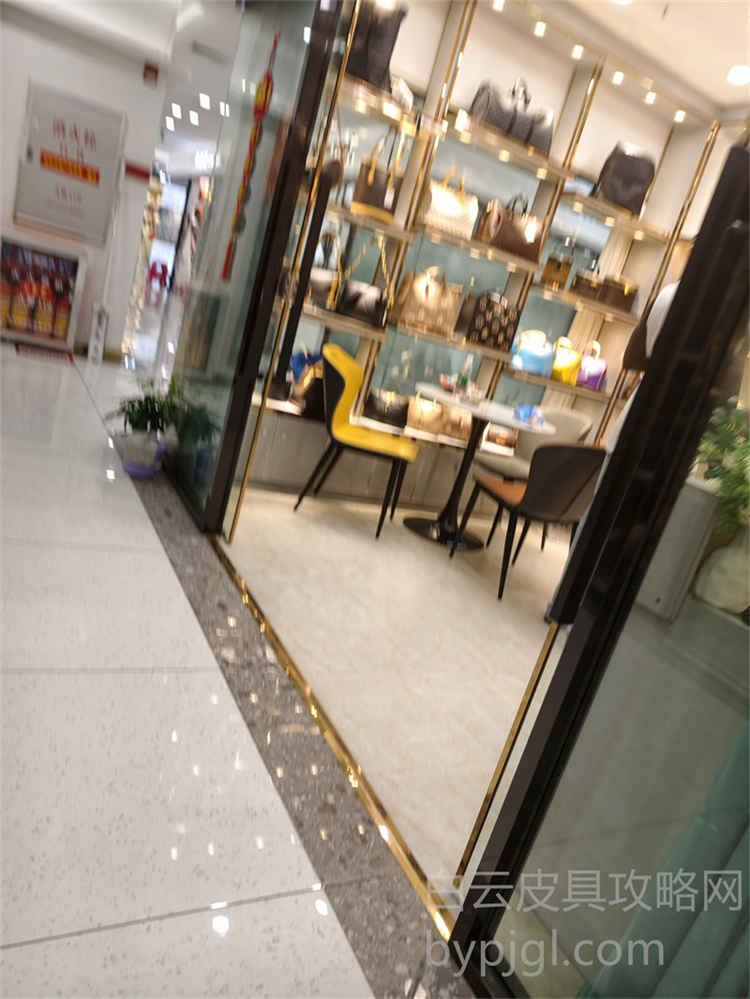
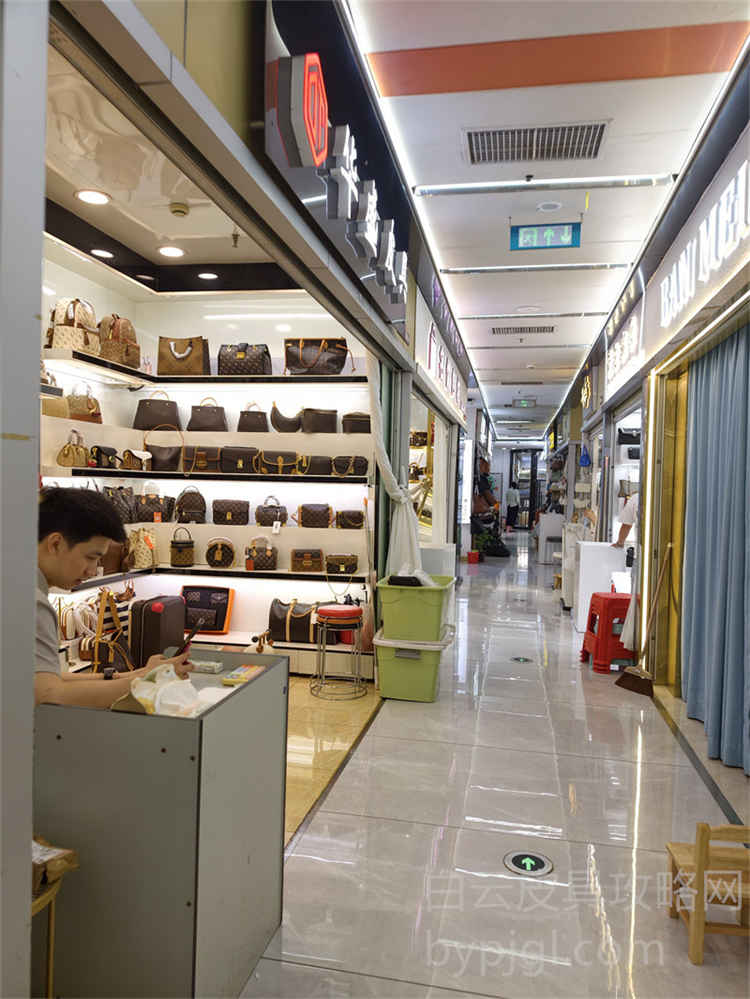
Many overseas buyers think they can simply Google a list of factories and place orders online. That approach often leads to disappointment. The real value lies in the physical presence at the Baiyun District markets. When I tell you about Tianhong, I am talking about a specific cluster of stalls that have built their reputation on consistency and speed. These aren't the flashy showrooms with glass doors; they are the busy, slightly cluttered spaces where the actual transaction happens. You walk in, see the racks, touch the zippers, and negotiate face-to-face. This direct interaction is what separates a successful importer from someone who gets stuck with low-quality stock.
Navigating the Market Landscape
The Reality of the Baiyun District
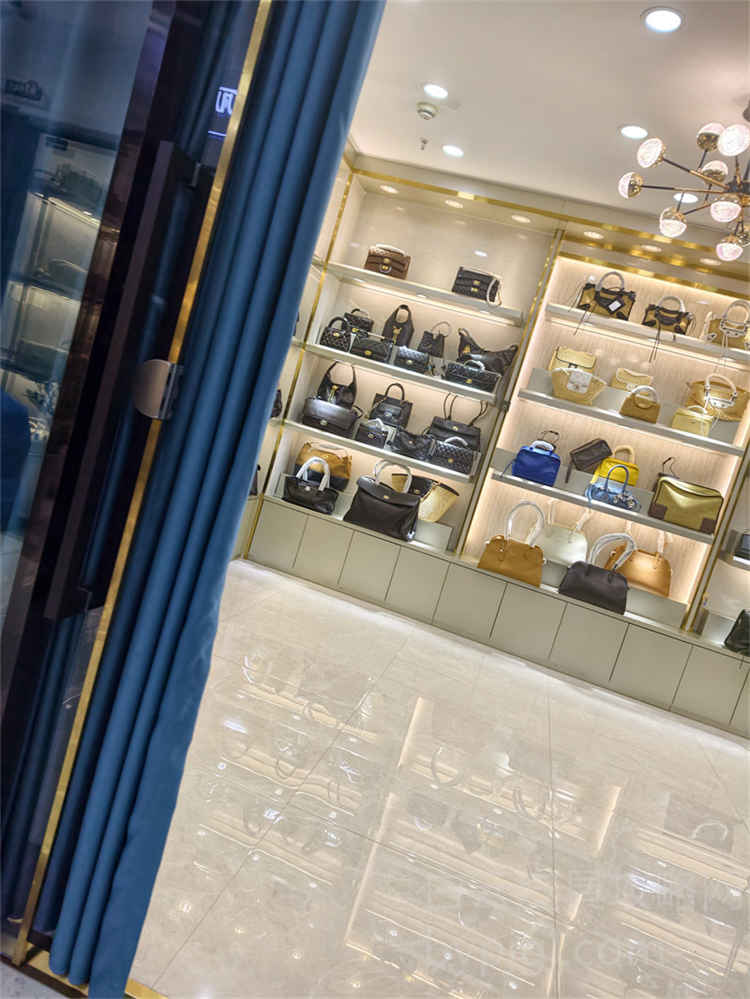
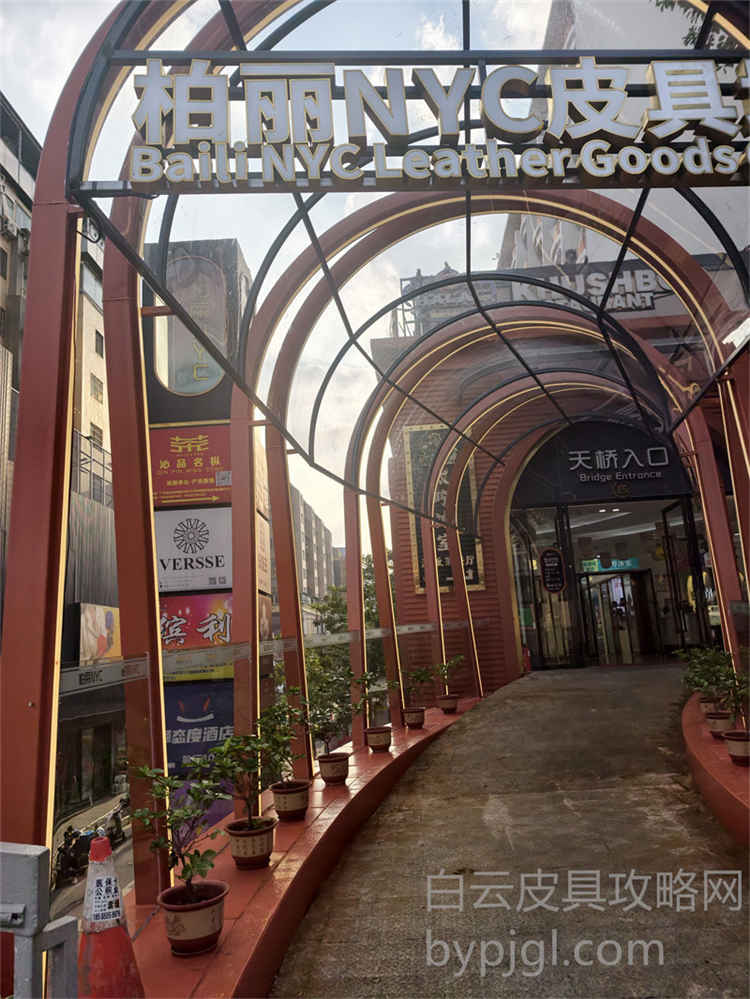
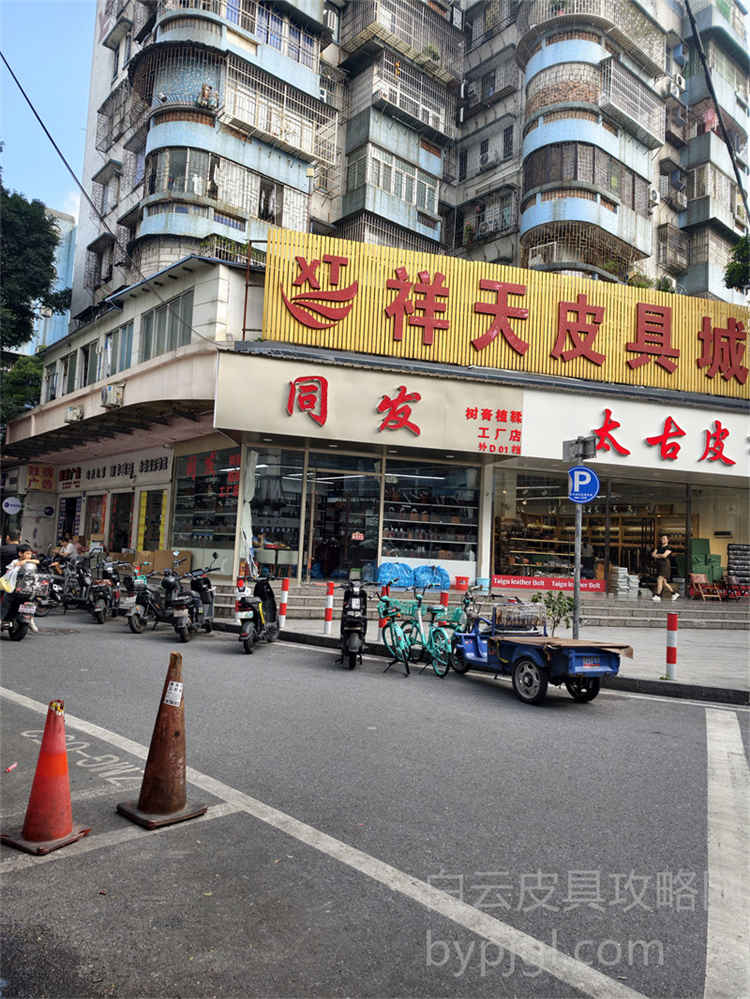
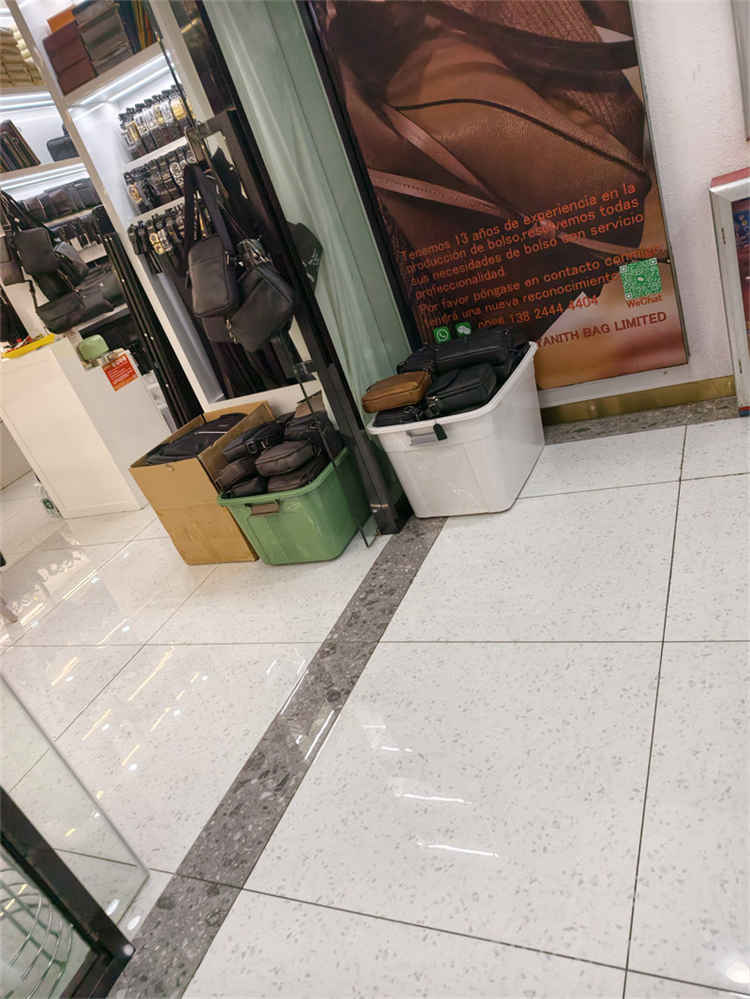
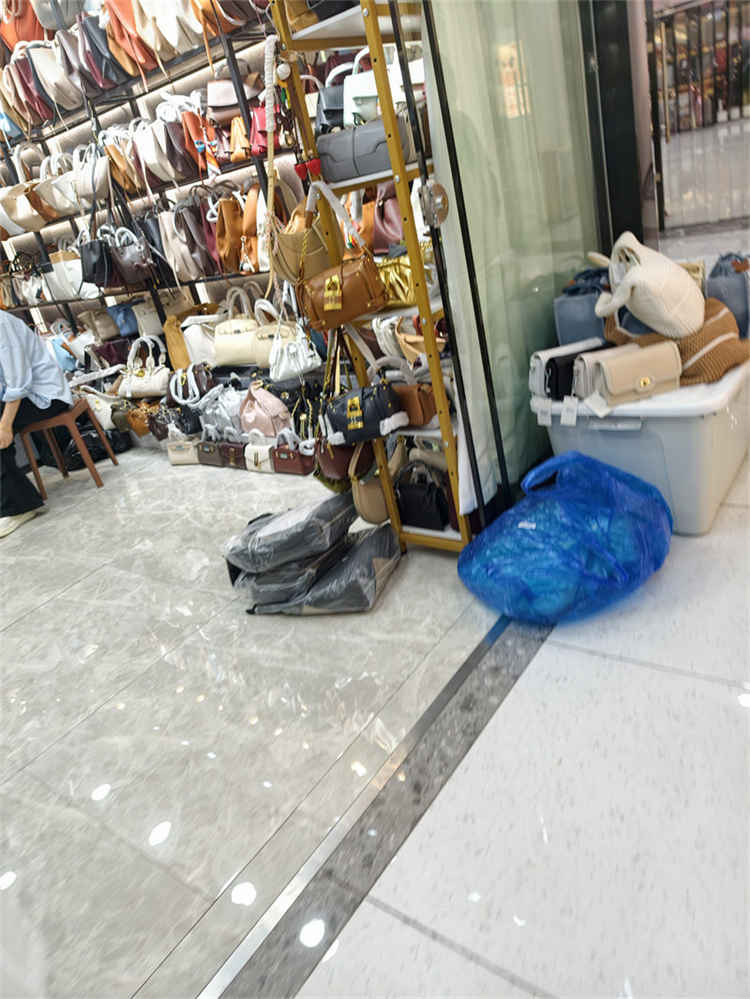
When you arrive in the Baiyun area, do not expect a quiet, organized shopping mall. It is a sensory overload. The air smells of glue, tanning chemicals, and new fabric. The streets are packed with delivery trucks moving pallets of boxes. This is where the Tianhong leather goods supply chain lives. There are several major buildings here, each specializing in different tiers of production. Some focus on high-end craftsmanship, while others churn out volume pieces. Understanding this distinction is crucial.
If you are hunting for the specific Tianhong source, you need to know that "Tianhong" often refers to a well-known cluster within the broader market network rather than a single monolithic building. It is a hub where experienced vendors gather. As a local owner, I advise you to spend your first day just walking. Do not rush into a deal. Observe how the locals talk to their customers. Notice which stalls have stacks of unsold inventory versus those with constant foot traffic. The flow of people tells you more about the quality of the goods than any brochure ever could.
Finding the Right Stall Among the Noise
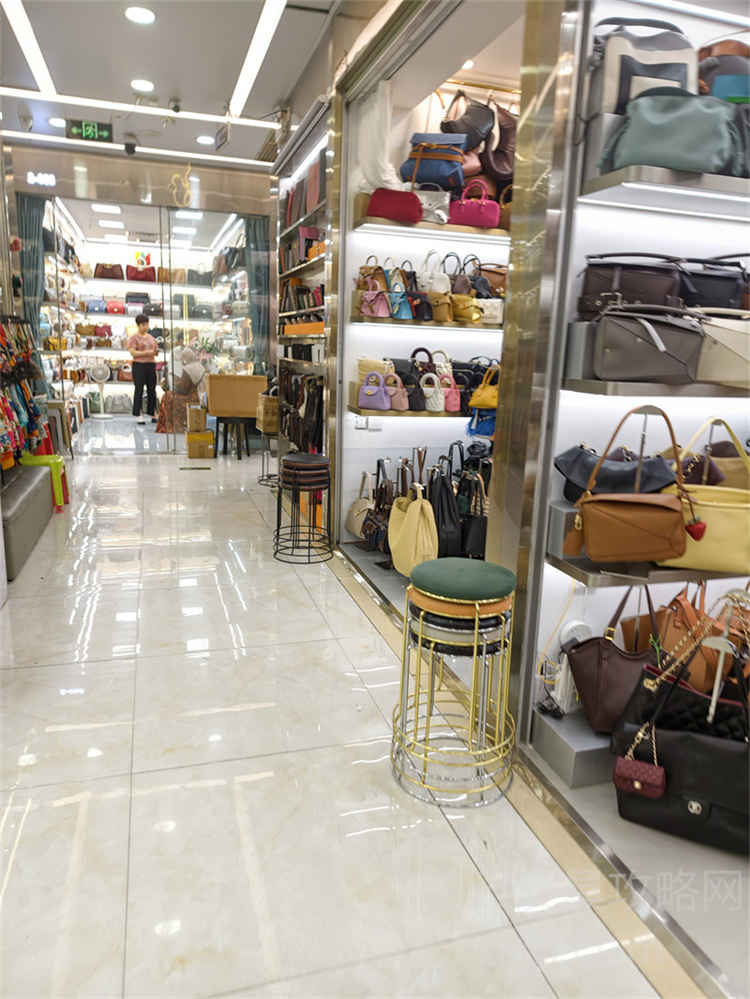
once you are inside the market, finding the right contact requires a strategy. Many stalls look identical from the outside. They all display similar bags hanging on metal racks. The trick is to look at the details. A genuine source will have a variety of materials on hand, not just one type of synthetic leather. They will be able to show you the interior lining, the stitching density, and the hardware weight without hesitation.
When you approach a vendor claiming to represent the Tianhong line, ask them about their production cycle. Do they keep finished goods in stock, or do they operate on a made-to-order basis? The most reliable suppliers usually maintain a small stock of best-sellers but can ramp up production quickly when you place a bulk order. If they seem unsure about their timeline or cannot answer basic questions about material sourcing, move on. In this market, confidence comes from experience, and experience comes from years of dealing with real clients.
The Art of Selection and Verification
Tactile Inspection: What to Look For
Never rely solely on photos sent via WhatsApp or WeChat. Those images can be heavily edited to hide flaws. When you are physically at the stall, you must inspect the bag yourself. Start with the leather grain. High-quality leather should feel supple yet firm, with a natural texture that varies slightly across the surface. If the pattern looks too perfect and repetitive, it is likely a lower-grade imitation. Check the edges of the straps and the bottom of the bag. Are they painted neatly, or is there glue residue? Good craftsmanship means clean edges.
Next, examine the hardware. Zippers should glide smoothly without catching. metal clasps should have a substantial weight to them, not feel hollow or cheap. Open the bag and look at the stitching. The thread should be straight, with consistent tension. Loose threads or uneven spacing are red flags. At the Tianhong market, I have seen buyers get burned because they didn't check the lining. A good supplier will use durable fabric inside, not flimsy polyester that tears easily after a few uses. Take your time. If the vendor gets impatient, that is a bad sign. A serious business owner wants you to verify every detail.
Negotiating Terms Without Losing Value
Price negotiation is an art form in Guangzhou. Do not start by asking for the lowest possible price. Instead, ask about the minimum order quantity (MOQ) and the lead time. once you establish that you are a serious buyer looking for long-term cooperation, you can discuss pricing tiers. Vendors are often willing to offer better rates if you commit to a larger volume or agree to a recurring order schedule.
Be clear about your payment terms. While many transactions happen via bank transfer or digital wallets, ensure you have a written agreement detailing the specifications, the deadline, and the return policy for defective items. Do not be afraid to ask for a sample before placing a full order. Most reputable stalls in the Tianhong area will allow you to buy a single unit to test the quality. This small investment saves you from massive losses later. Remember, the goal is not just to get the cheapest price, but to secure a partner who delivers consistent quality.
Avoiding Pitfalls and Building Trust
Red Flags to Watch Out For
Even in a mature market like Baiyun, there are pitfalls. One common issue is the "switch." A vendor might show you a high-quality bag initially, then send you a different, inferior product upon shipment. To avoid this, take detailed photos and videos of the specific item you select, including serial numbers or unique markings if available. Ask the vendor to seal the bag with a sticker that matches the photo before shipping.
Another trap is vague communication regarding shipping logistics. Ensure you understand who handles customs clearance and freight costs. If the vendor insists on using a courier that offers no tracking or insurance, walk away. Trust is built on transparency. A good supplier will provide you with a packing list and clear documentation for international shipping. They will also be honest about potential delays due to holidays or production bottlenecks.
Cultivating Long-Term Relationships
The most successful importers I know treat these market vendors as partners, not just transactional contacts. Visit them regularly. Bring gifts or snacks during the Lunar New Year. Show interest in their family and their business challenges. When you build a personal connection, you gain access to better deals and priority treatment during peak seasons. In the world of Guangzhou leather goods, relationships are currency. By understanding the nuances of the Tianhong supply chain and approaching it with respect and diligence, you can secure a steady stream of high-quality products that will satisfy your customers abroad.