Why the Real Goods Are Still in Guangzhou
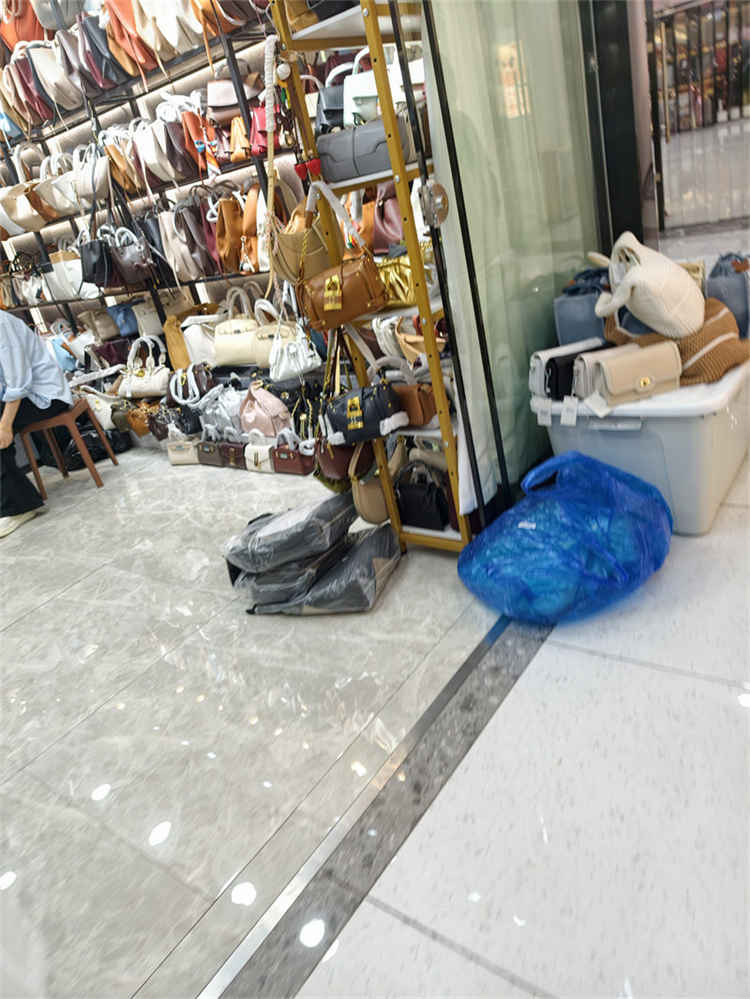
I have been standing behind my counter in the Baiyun Leather City for over fifteen years. I watch the seasons change, the crowds swell and shrink, and the trends shift from one style to another. Many people ask me online if they can just order a few bags from China without ever coming here. My answer is always the same: you can try, but you will miss the real story. The magic of sourcing high-end leather goods does not happen on a screen; it happens in the noise, the dust, and the smell of fresh hides that fills the air when you walk into these markets.
When I tell my overseas friends about the supply chain, I do not talk about factories or warehouses first. I talk about the people. The real source is not some anonymous website. It is the auntie who has been selling the same style for ten years, or the young guy who knows exactly which factory made the hardware for last season's hit. If you want to find the best deals, you need to be here, walking the floors of Baiyun and the surrounding districts. That is where the quality is verified, not by a photo, but by your own hands.
Navigating the Market Floor Like a Local
The First Step: Leave Your Phone Behind
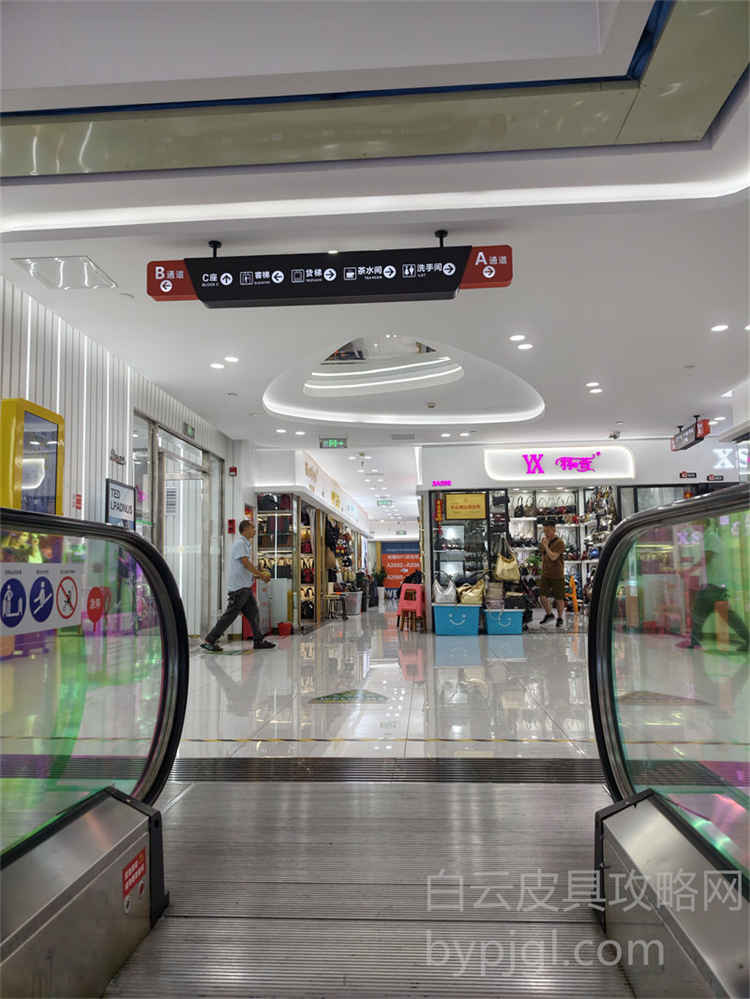
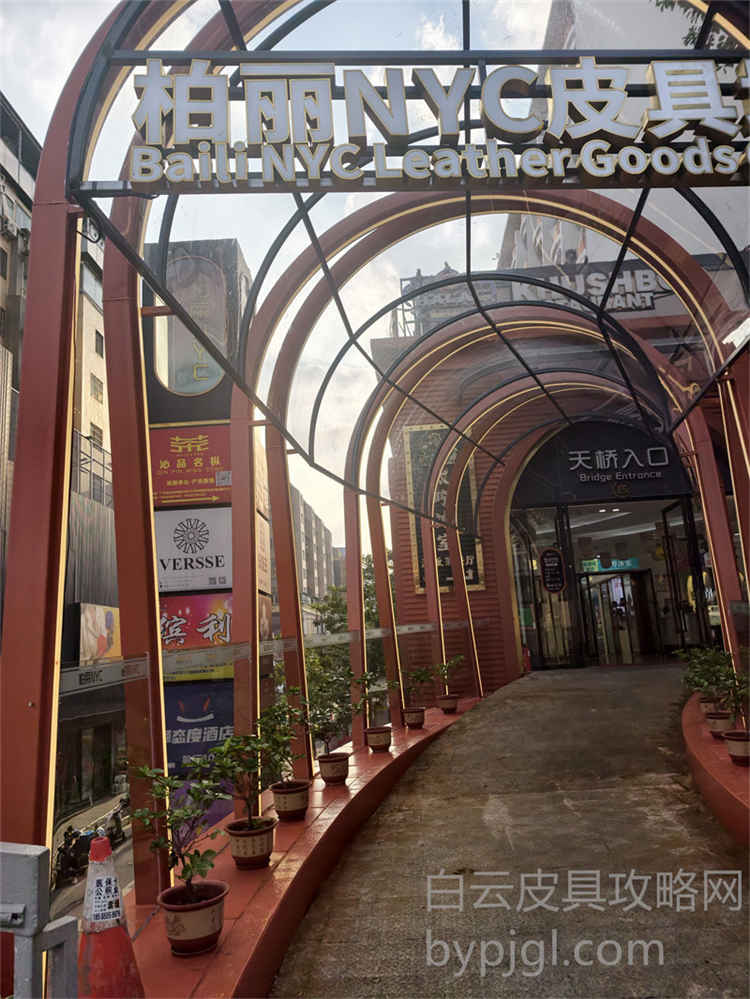
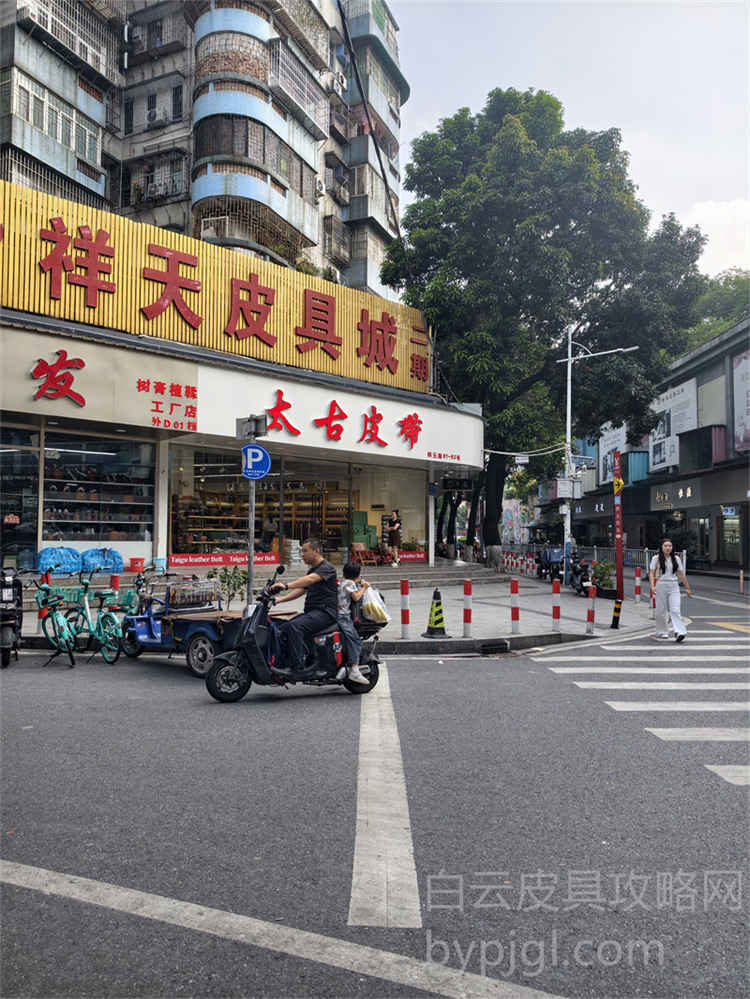
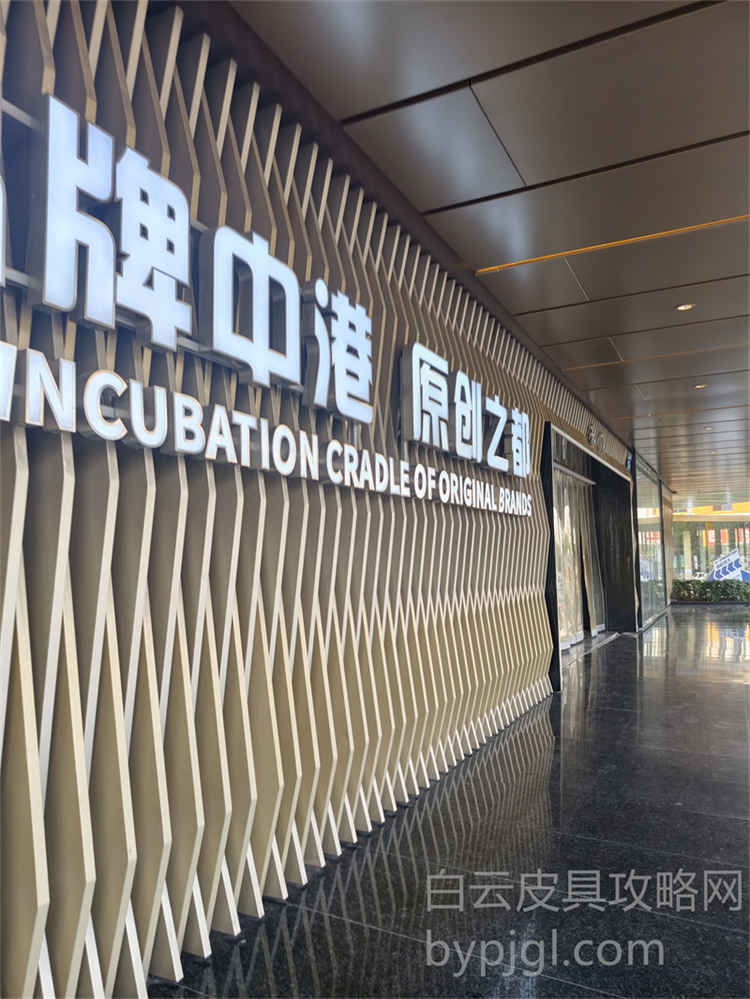
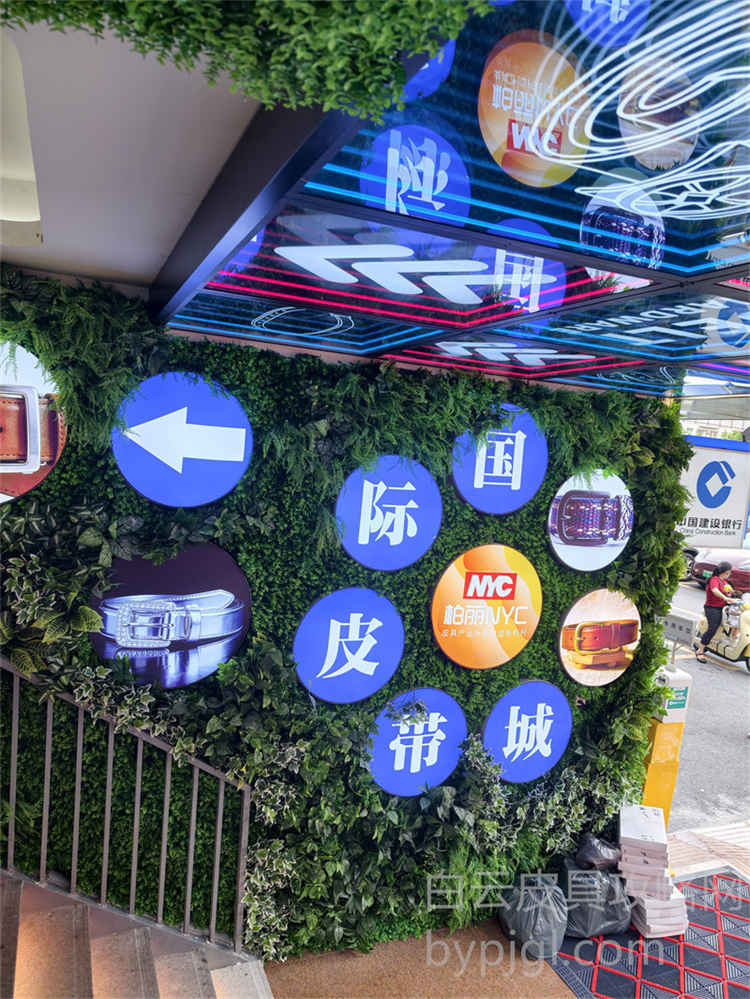
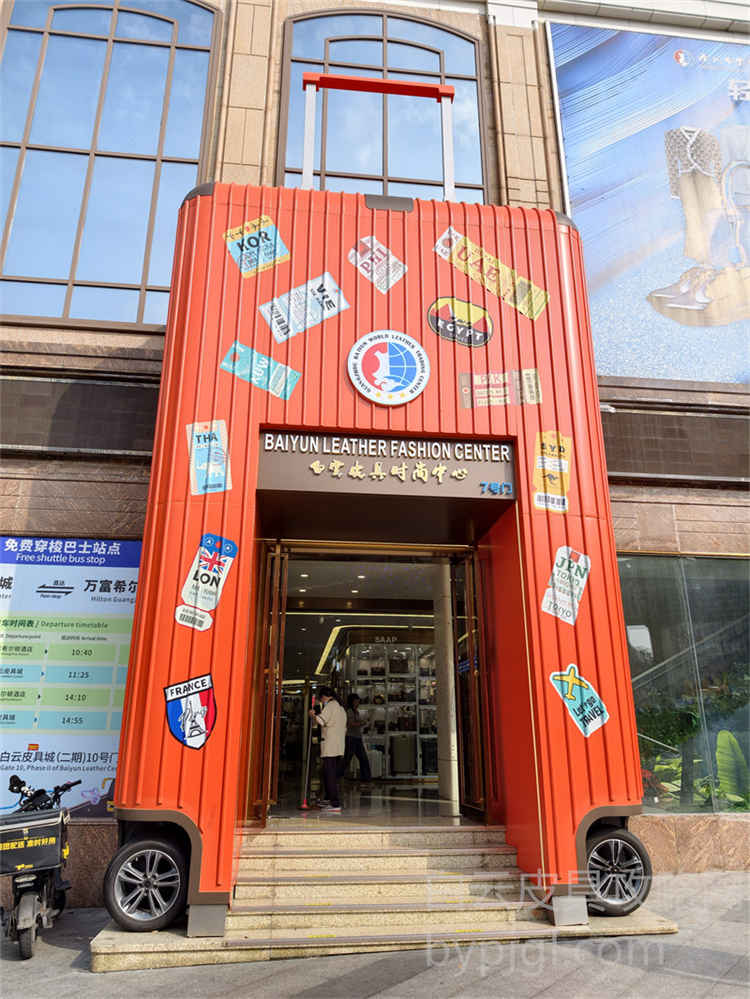
When you first step into the Baiyun Leather City, the sheer scale can be overwhelming. There are hundreds of stalls, each claiming to have the best. Do not get distracted by the flashy signs or the loud music playing from the speakers. The real gems are often tucked away in the back corners or on the upper floors where the foot traffic is lighter. I always tell my clients to start at the main entrance, look around, and then head straight for the deeper aisles. This is where the serious buyers go. They are not looking for cheap junk; they are looking for the top-tier production that feeds the global market.
You need to observe how the locals shop. They do not ask for prices immediately. They touch the leather, check the stitching, and feel the weight of the bag. This is the first rule of engagement. If you walk up to a stall and just ask for the price list, you will be treated like a tourist. But if you run your fingers along the grain and ask about the type of cowhide used, the owner will respect you. They know you are serious. In this business, respect is currency, and it opens doors to better stock that never gets shown to the general public.
The Art of Selection and Quality Control
Reading the Stitch and the Hardware
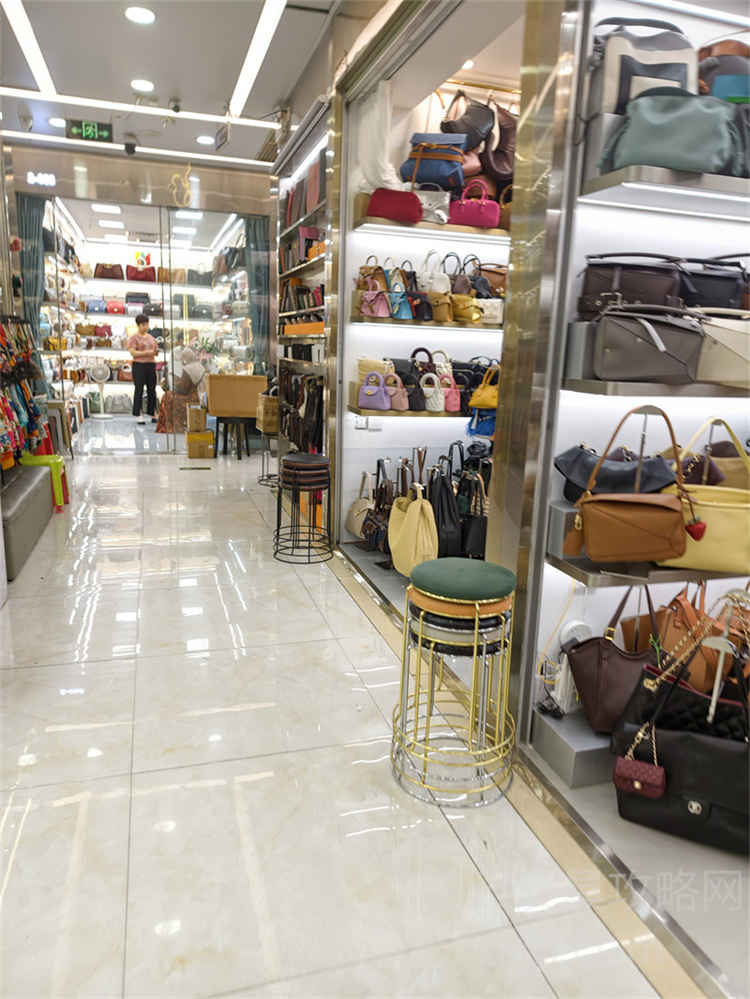
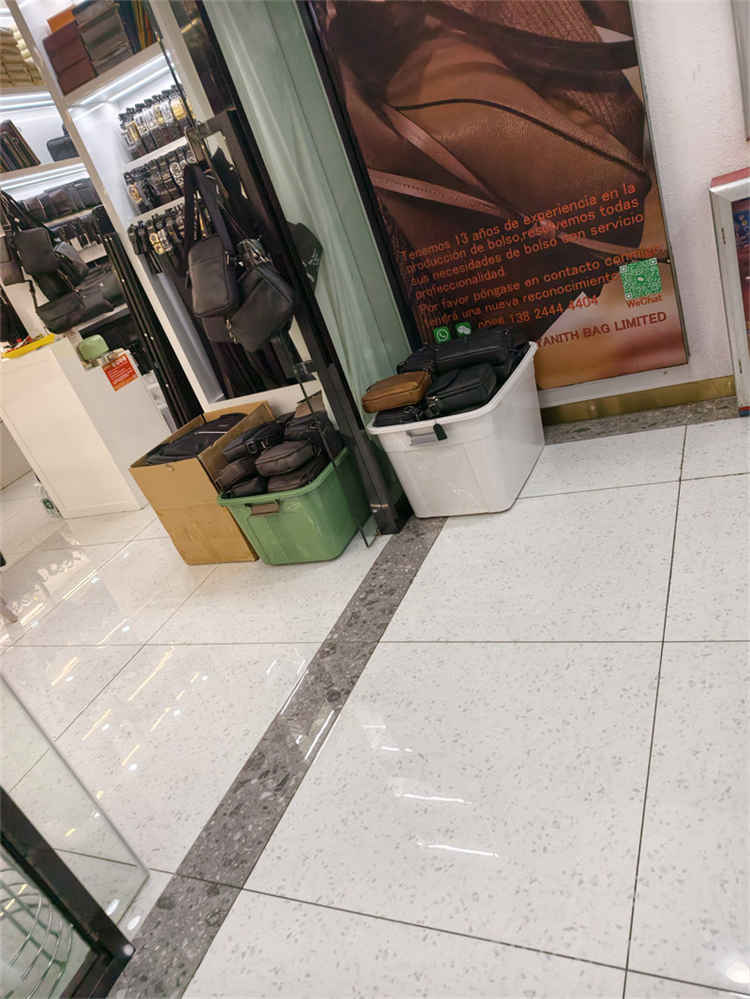
once you have found a stall that looks promising, the real work begins. You need to inspect every single detail. In Guangzhou, we pride ourselves on our craftsmanship. A good vendor will show you the inside lining, the zippers, and the stitching density. Look for consistency. The thread should be tight, with no loose ends. The hardware should feel heavy, not hollow. When I am helping a buyer select their inventory, I point out the difference between a machine-made finish and a hand-finished edge. The latter takes time, and it costs more, but it is what separates a good product from a great one.
Do not rely on the photos sent via WeChat. Those images are often edited to hide flaws. Bring a flashlight if you have to. Check the color under different lights. Sometimes a bag looks perfect in the bright showroom light but reveals a dull tone in natural sunlight. Also, pay attention to the smell. High-quality leather has a distinct, rich scent. If it smells like chemicals or glue, walk away. I have seen too many buyers make the mistake of trusting a picture only to receive a box full of inferior materials upon arrival. Trust your nose and your hands more than any digital image.
Building Relationships and Negotiating Terms
From Stranger to Partner
The biggest advantage of being here physically is the ability to build a relationship. In the West, transactions are often cold and final. Here, it is personal. When you come back to the same stall three or four times, the owner starts to treat you differently. They might pull out samples from the back room that are not on display. They might offer you better shipping rates or hold stock for you while you decide. This is the "guanxi" that makes the Guangzhou supply chain so powerful.
Negotiation is an art form here. Do not be afraid to haggle, but do it respectfully. Start by asking for the wholesale price, not the retail price. Explain your volume plans. If you are planning to buy fifty pieces, you have leverage. I always advise my clients to ask about the return policy for defective items. Even the best factories make mistakes. A reliable supplier will stand behind their product. If they refuse to discuss quality guarantees, that is a red flag. Find someone who is willing to work with you, not just sell to you. once you find that partner, you have secured your supply chain for the long haul.
Avoiding Common Pitfalls for Overseas Buyers
Shipping, Customs, and Reality Checks
Many people think that once they pick the bags, the job is done. It is not. The logistics are just as important as the product itself. Shipping from Guangzhou to the US or Europe requires careful planning. You need to understand the packaging standards. Good suppliers will reinforce the boxes to prevent crushing during transit. They also know how to handle customs documentation properly. Do not let them lie about the declared value. If you try to sneak goods through customs with false paperwork, you risk having everything seized. Work with a freight forwarder who understands the rules of both countries.
Another common mistake is ordering too much variety too quickly. New buyers often want to test ten different styles in small quantities. This wastes money on shipping and confuses the supplier. Instead, focus on a few core styles that you know will sell. Master the basics first. Build your reputation on quality before expanding your catalog. Also, be wary of scams. If a deal sounds too good to be true, it is. No one sells premium leather at rock-bottom prices unless there is a catch. Stick to the established markets like Baiyun, where the vendors have a physical presence and a reputation to protect. In the end, the best strategy is to visit, see, touch, and trust your instincts. That is how you win in this game.