Walking the Floors: My Real Talk on Sourcing from Guangzhou
I have been standing behind this counter in the Baiyun District for over fifteen years. While the internet has changed how we do business, nothing beats the smell of leather and the noise of the wholesale market when you want to understand what is actually moving off the shelves. Many overseas buyers ask me about finding high-end goods here, but they often come with a mindset that doesn't fit our reality. They expect a showroom experience, but what you get here is a raw, fast-paced trading floor where deals are made on handshake and sight.
If you are planning a trip to source bags, forget the glossy brochures. You need to know that this ecosystem runs on relationships and immediate visual verification. The market isn't just one building; it is a sprawling network of interconnected structures where every floor tells a different story. From the ground level to the upper stories, the quality and pricing shift dramatically. I see tourists walk in looking for specific names, only to leave confused because we don't talk about those names. We talk about materials, stitching, hardware weight, and the "grade" of the item. That is the language of trade here.
Navigating the Market Landscape
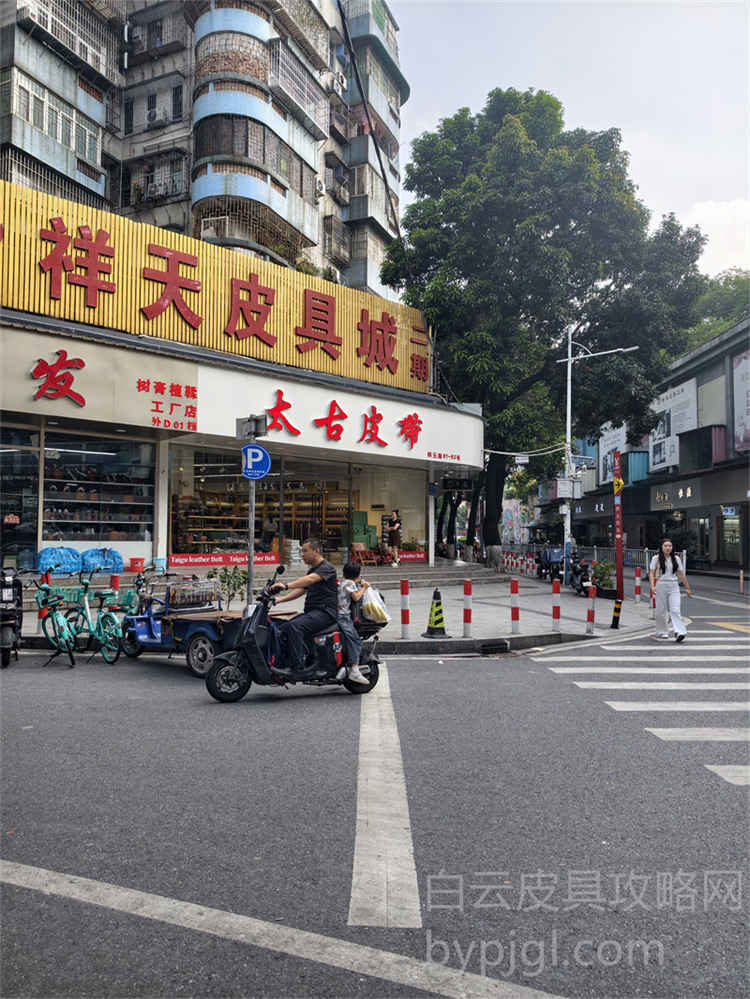
The Pulse of Baiyun皮具城
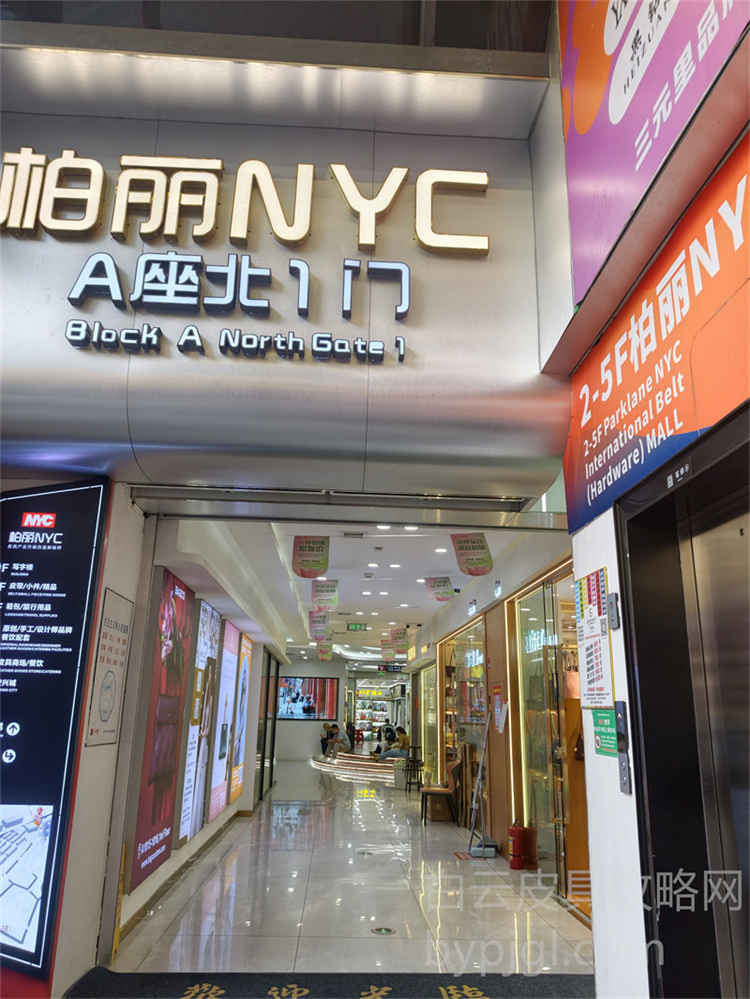
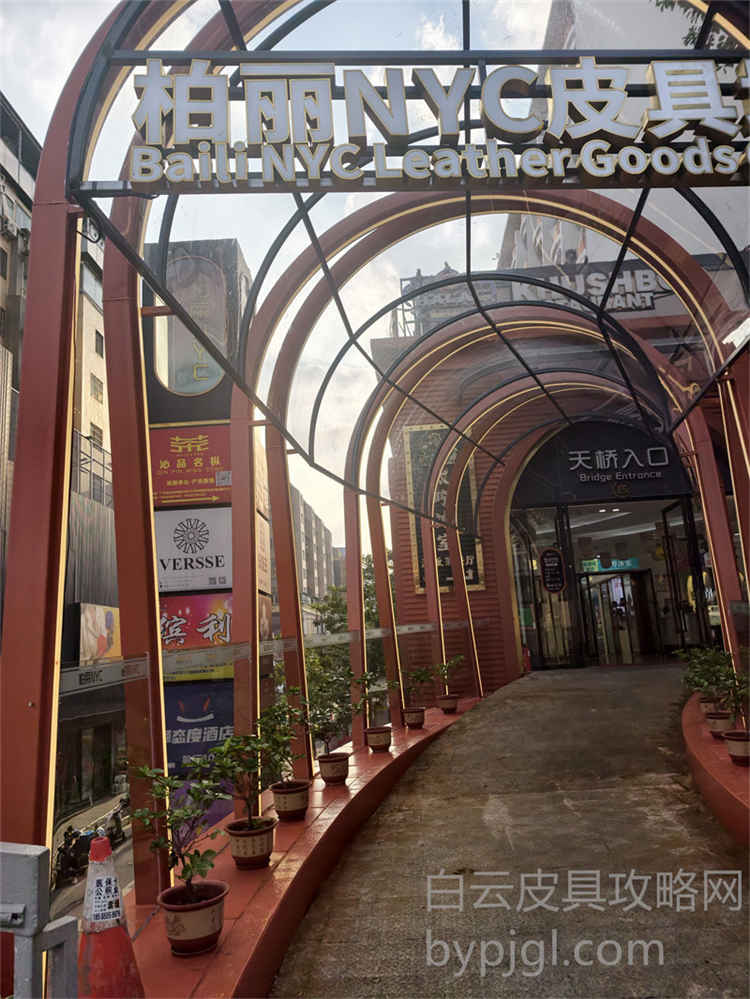
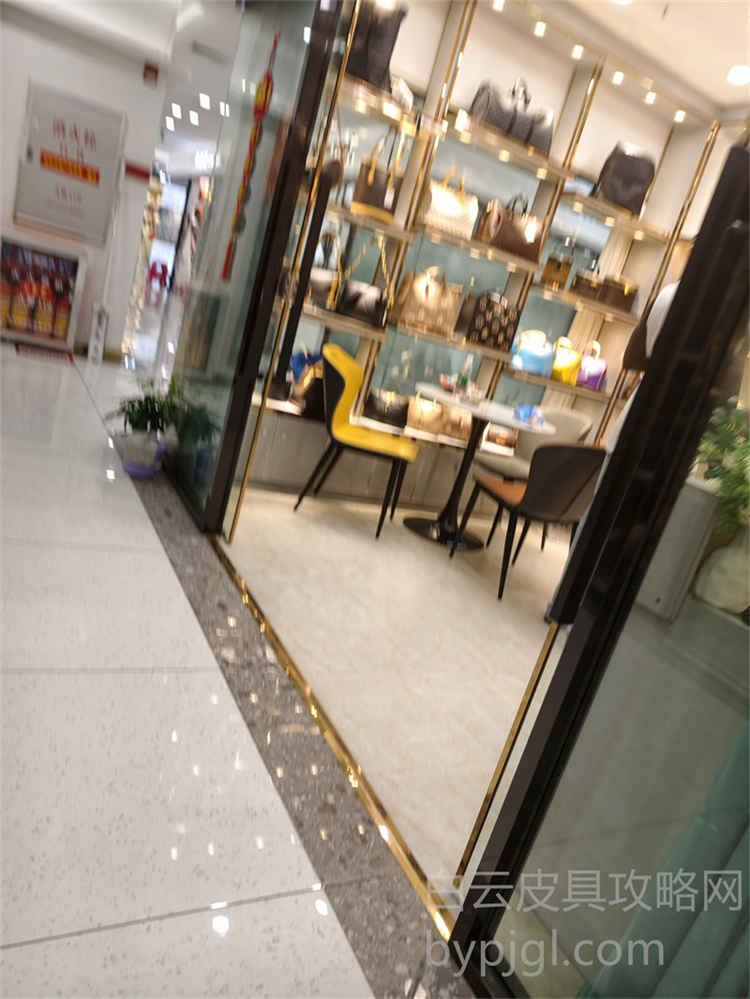
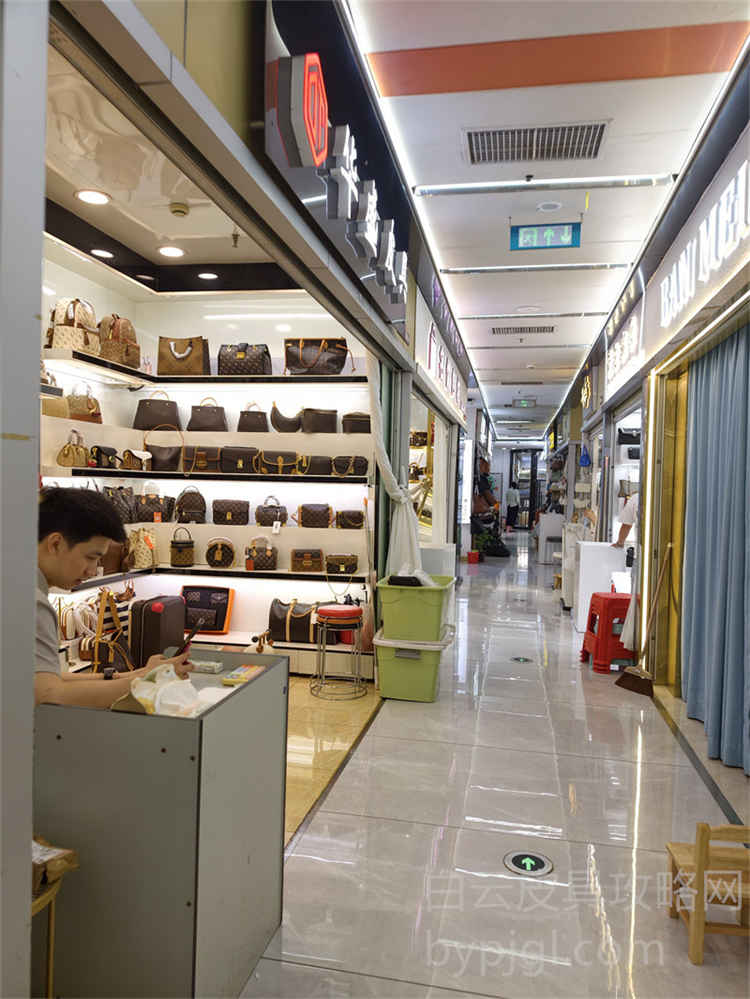
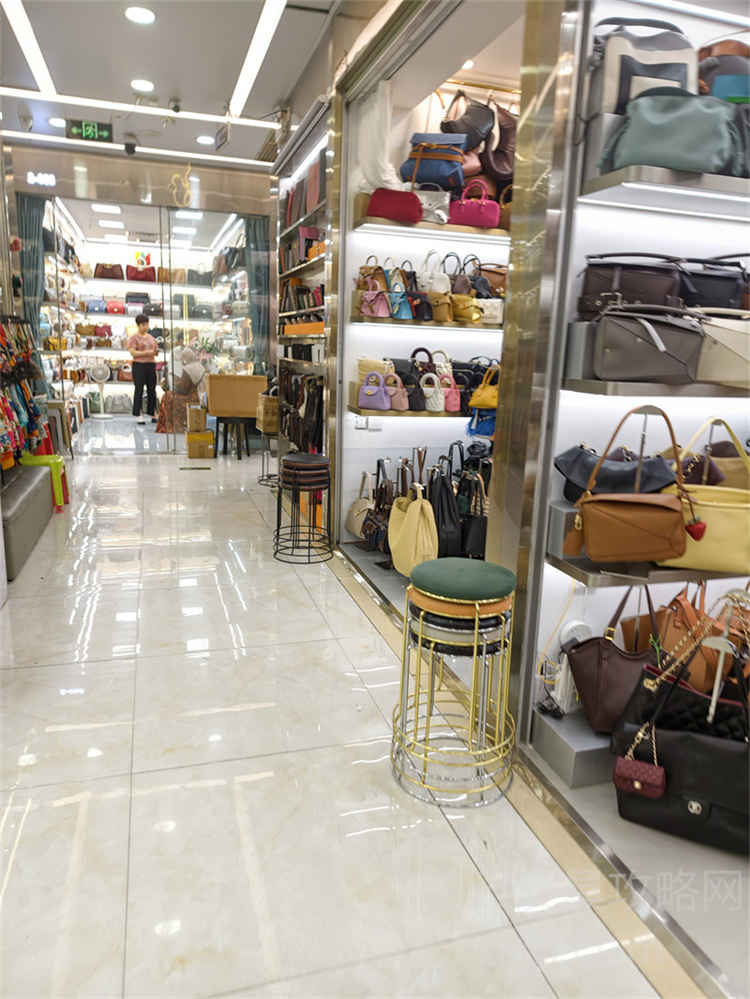
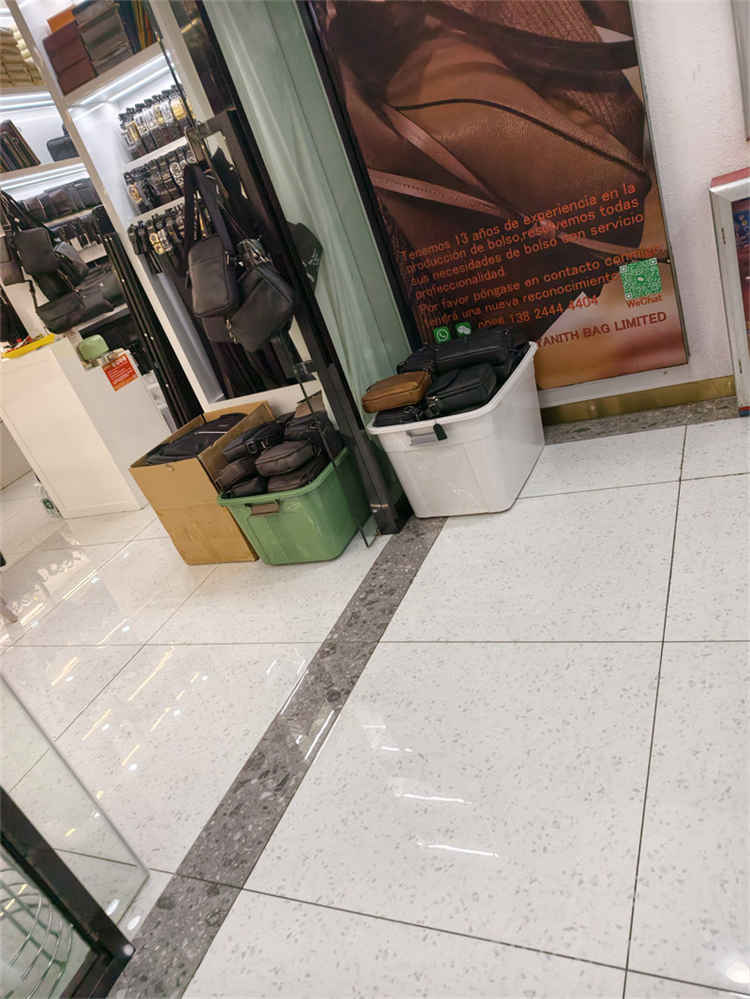
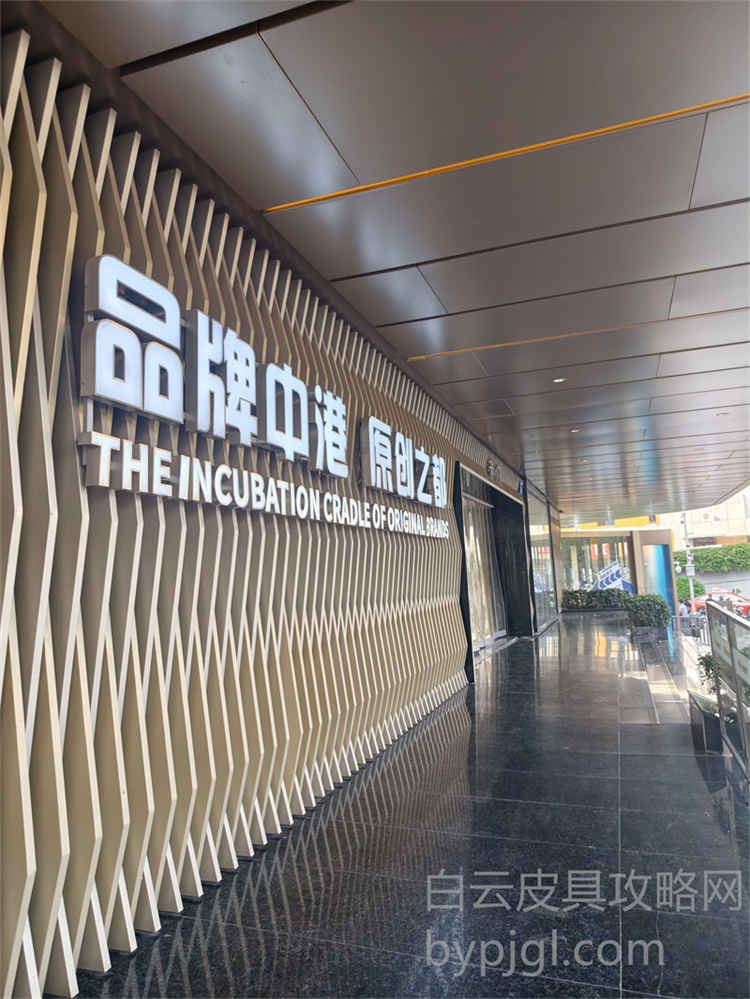
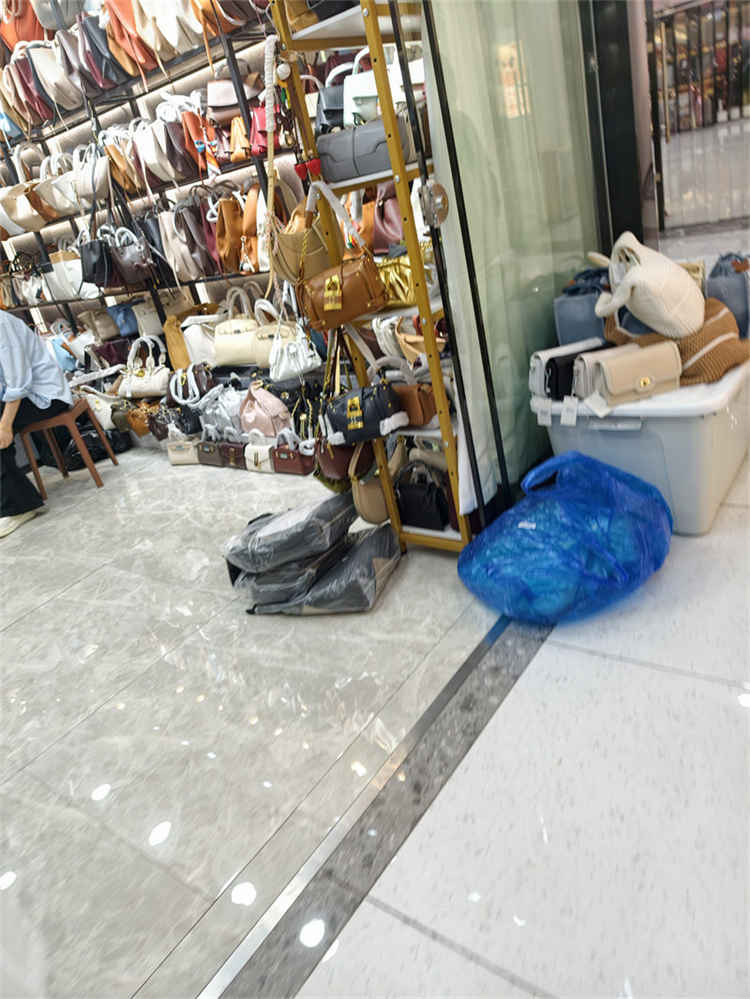
When you step into the main complex, known locally as the Baiyun Leather City, you are entering the heart of the operation. This is where the volume happens. The corridors are packed with stalls displaying rows of handbags, wallets, and accessories. It can be overwhelming if you don't know where to look. The first thing I tell my regular clients is to ignore the flashy displays at the very front. Those are often samples meant to attract attention. The real stock is usually tucked away in the back rooms or on the higher floors where the serious wholesalers operate.
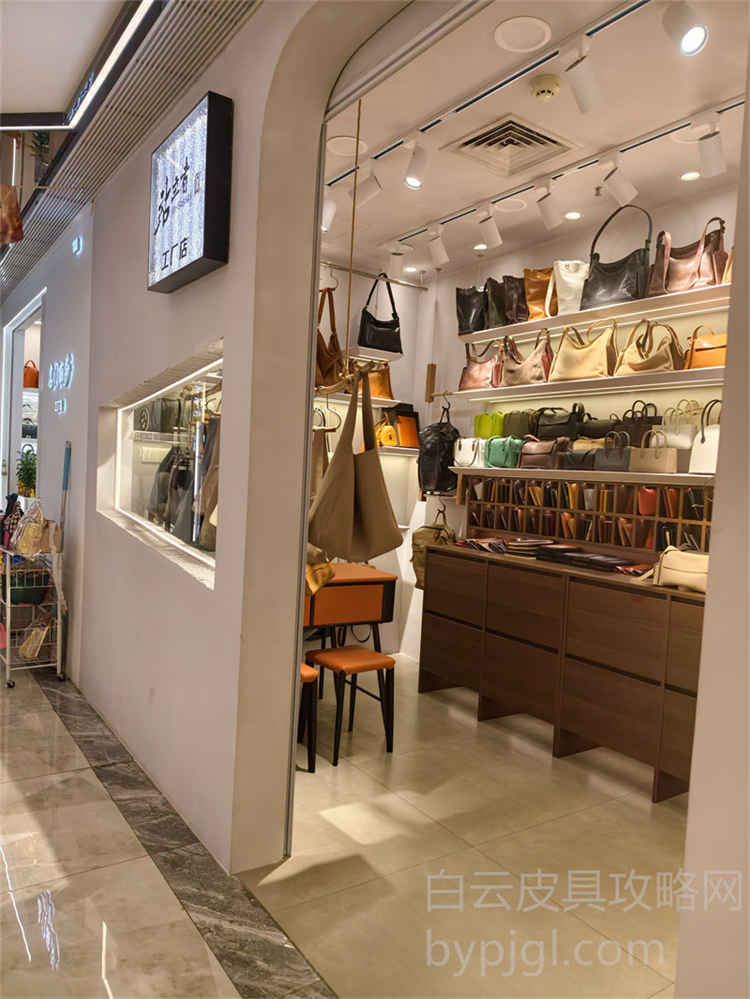
You will notice that some sections cater to quick turnover with lower price points, while others focus on premium craftsmanship. Understanding this distinction is crucial before you even start negotiating. If you are looking for items that mimic the latest trends with top-tier materials, you need to head to the specialized zones within the complex. These areas house factories that have their own production lines, allowing them to control the quality from the cut to the final stitch. Walking through these halls, you can hear the hum of machines and see workers inspecting zippers and handles. It gives you a sense of the scale involved.
The Art of Selection and Inspection
Seeing is Believing: A Hands-On Approach
In this business, you cannot buy based on a photo sent via WhatsApp. The lighting in a phone screen lies, and the texture of the leather feels completely different on a monitor. When you stand at my stall, I will pull out three versions of the same model. One might use genuine cowhide with solid brass hardware, another might use high-grade synthetic leather with plated metal, and the third could be a mix. Your job is to touch them, weigh them, and check the alignment of the stitching.
I always advise buyers to bring a magnifying glass and a small flashlight. Look closely at the edges of the bag. Are the edges painted smoothly, or is there glue residue? Check the lining inside. Does it feel soft and durable, or does it scratch your fingers? The hardware should not feel hollow or cheap. When you hold a piece that matches the standards of the original design, you will feel the difference immediately. It is about the weight, the sound of the clasp, and the smell of the material. If the leather smells like chemicals, put it down. If it smells rich and earthy, you are on the right track.
Negotiation and Building Trust
From First Greeting to Final Deal
Many foreigners make the mistake of asking for the lowest price immediately. In Guangzhou, that signals you are a novice who doesn't know the value of quality. Instead, ask about the grade of the leather and the origin of the hardware. Show that you care about the details. once we establish that you are serious, the conversation shifts to volume and long-term partnership. I have seen buyers walk away after getting a quote, only to return months later because they found inferior products elsewhere.
Building trust takes time. It starts with a simple cup of tea and a chat about the market trends. When you become a regular face, you get access to new designs before they hit the general floor. You also get better protection against defects. If something goes wrong with a batch, a trusted buyer gets a replacement quickly without arguing. For those sourcing from the Baiyun area, remember that the best deals are not found by haggling over pennies but by securing reliable supply chains. We prefer steady orders over one-off sales because it allows us to maintain consistent quality control.
Avoiding Pitfalls and Ensuring Success
Practical Tips for Overseas Buyers
There are traps everywhere in this market. Some sellers might show you a perfect sample but send you a different product later. To avoid this, insist on taking photos or videos of the actual items you are buying before payment is finalized. Ask for close-ups of the serial numbers, the interior tags, and the stitching patterns. Another common issue is shipping. Do not rely on the seller's default courier unless you have used them before. Arrange your own freight forwarder who knows how to handle customs clearance for this type of merchandise.
Also, be aware of the seasonal cycles. The market slows down during Chinese New Year, and prices fluctuate based on raw material costs. If you plan to visit, try to schedule your trip during the quieter months when vendors are more willing to negotiate and spend time with you. Finally, never rush. Take a day to explore different buildings, compare prices, and verify the quality. The effort you put into visiting the Baiyun Leather City personally will pay off tenfold compared to ordering blindly online. This is a place where you can build a business that lasts, provided you respect the process and the people behind the counters.