Walking the Floors: My Honest Take on Sourcing from Guangzhou
I have been standing behind a counter in this city for over twenty years. While the world talks about online trends and digital marketing, my life has always been defined by the smell of leather, the noise of the wholesale market, and the constant flow of people looking for that perfect bag. You might be hearing rumors about "high-end replicas" or seeing endless chatter online, but let me tell you what it is really like to walk the floors of Baiyun District as a local owner. It is not about selling fake goods; it is about understanding the supply chain, the craftsmanship, and the sheer scale of production that makes this place unique.
The Reality of the Market Floor
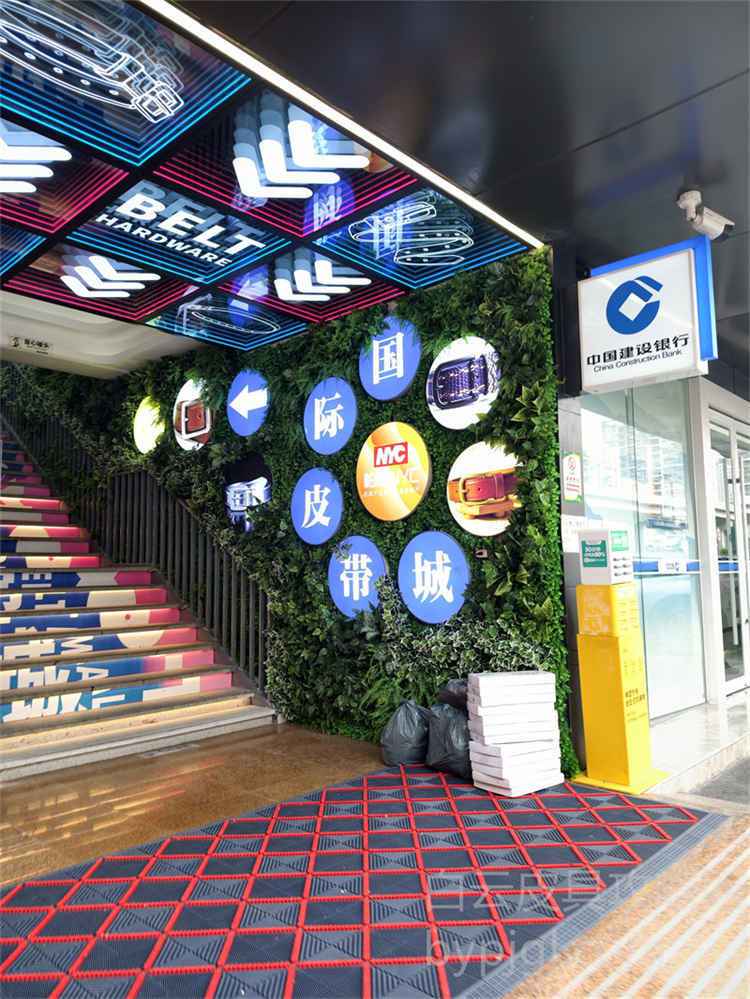
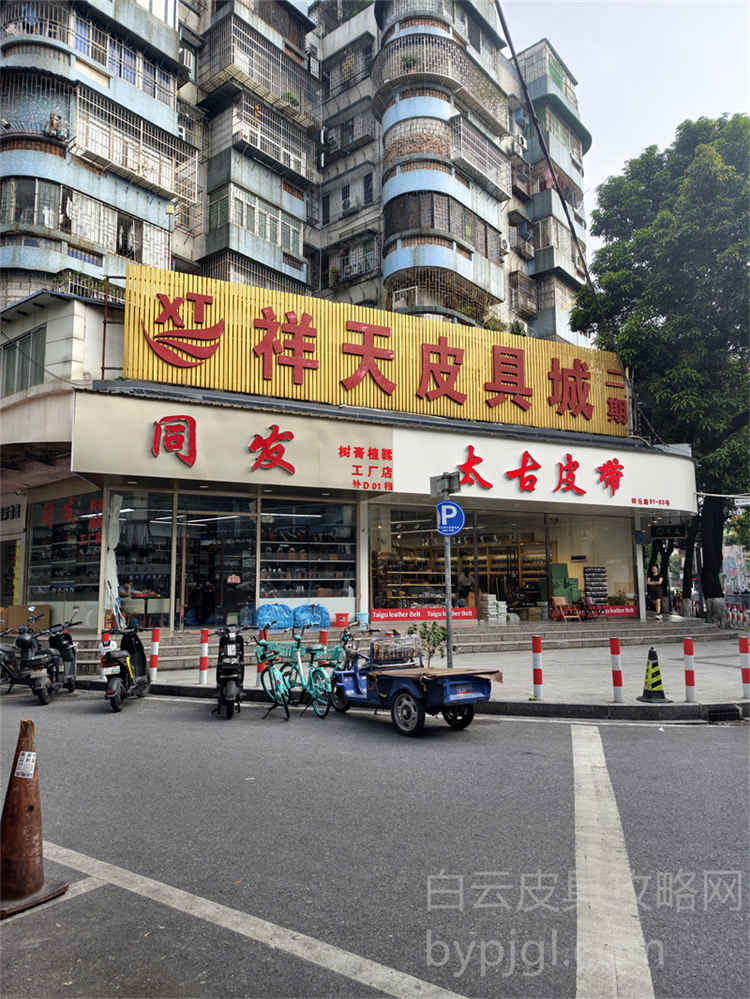
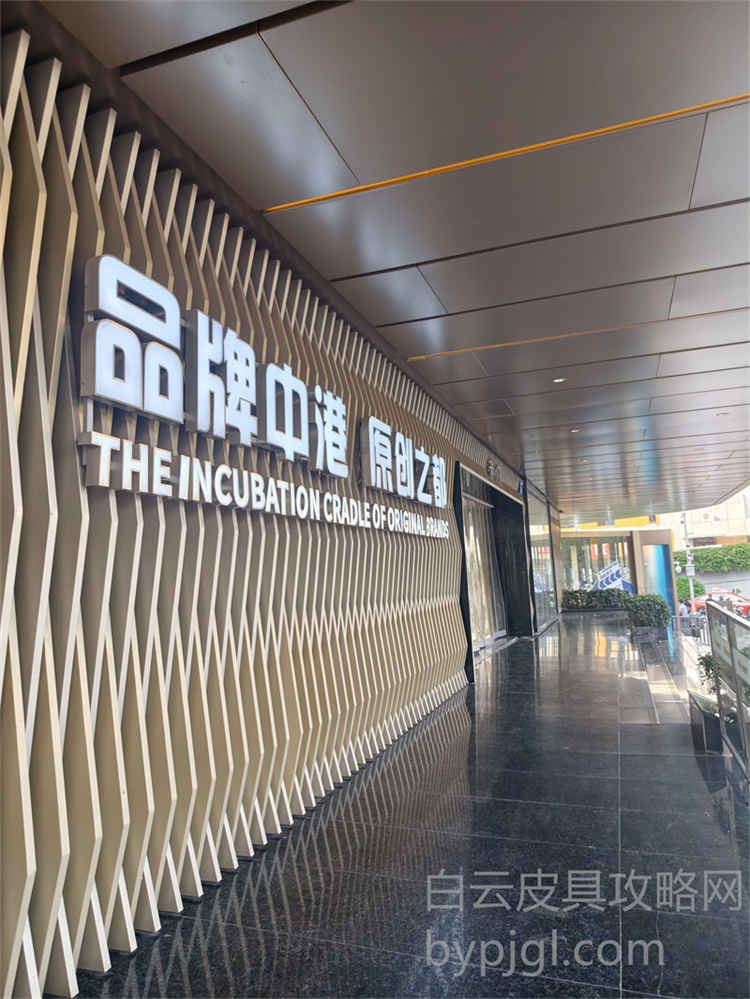
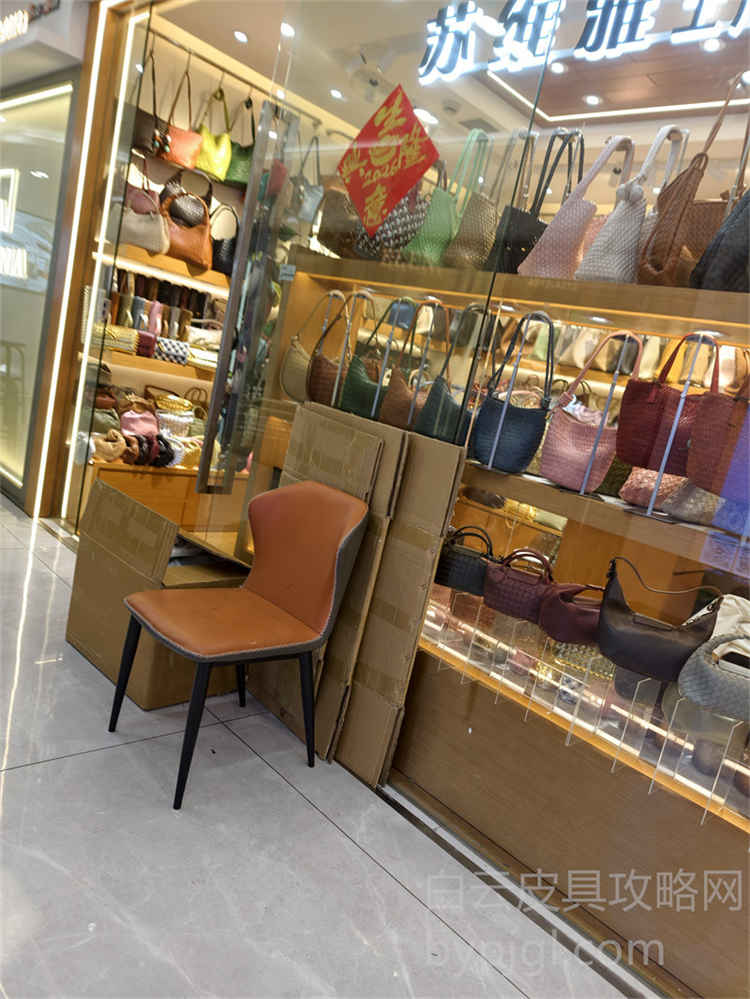
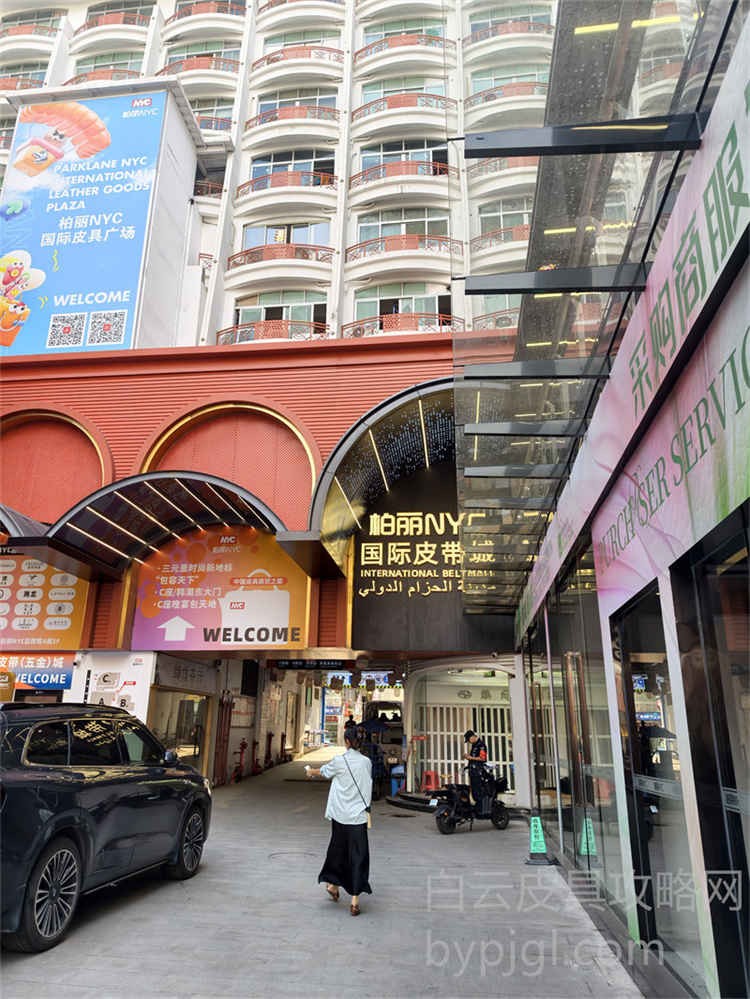
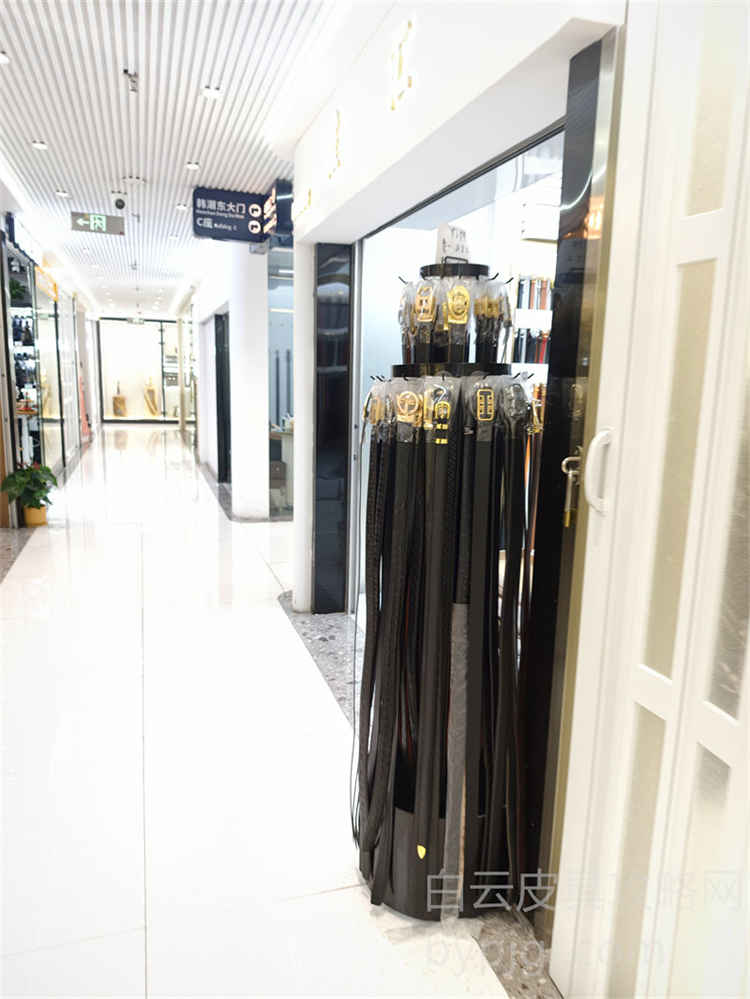
When you first step into the massive complexes here, especially around the area known for leather goods, you are immediately overwhelmed. The air is thick with dust and the scent of new materials. I see buyers from all over the globe walking through these corridors every single day. They are often confused by the sheer volume of options. Many think they need to find a specific "secret" shop to get the best quality. That is a myth. The real work happens right here in the open aisles where thousands of stalls line up side by side. You do not need a guide to survive; you just need your eyes and a willingness to ask questions.
Navigating the Showrooms and Finding Your Niche
My advice to anyone coming here for the first time is simple: do not rush. Spend at least three days just walking and looking. Every floor of these buildings has its own vibe. Some areas focus on high-volume, lower-cost items, while others cater to those looking for premium materials and intricate stitching. When I show my regular clients around, we start by identifying the style they want. Are they looking for something structured and formal, or casual and trendy? This distinction matters because different factories specialize in different things.
Reading the Stalls Like a Book
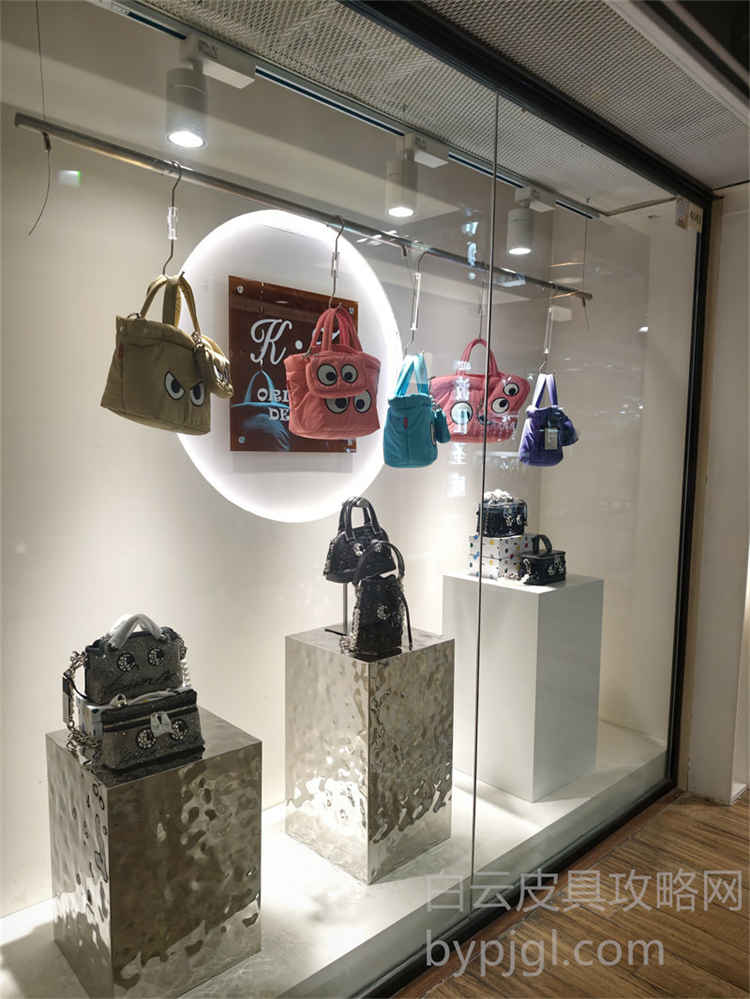
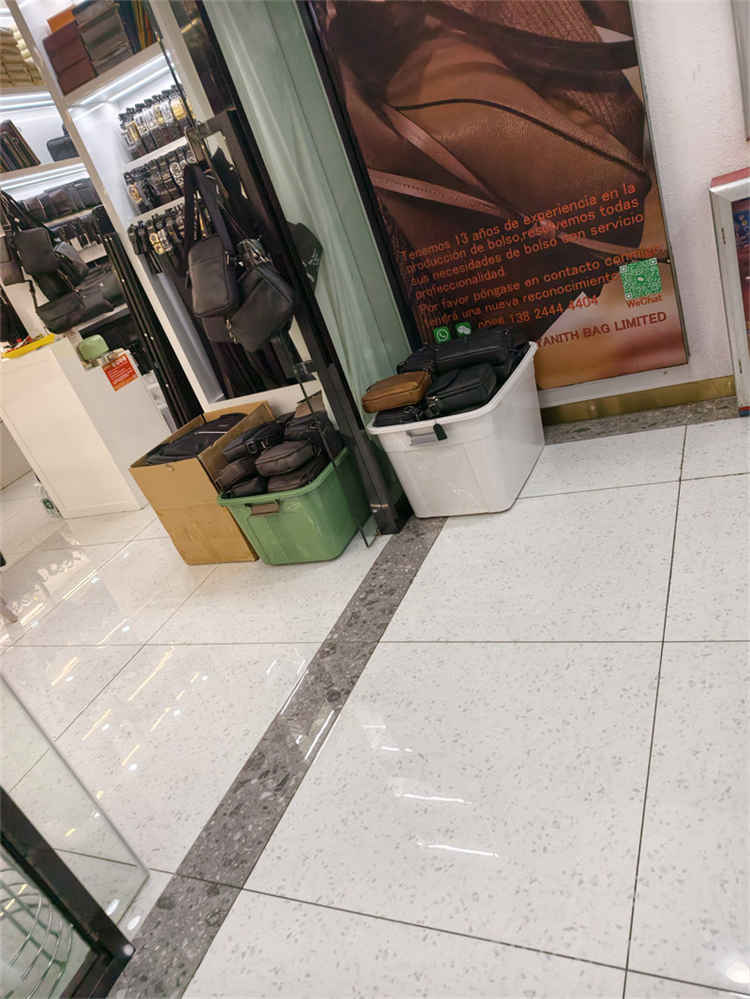
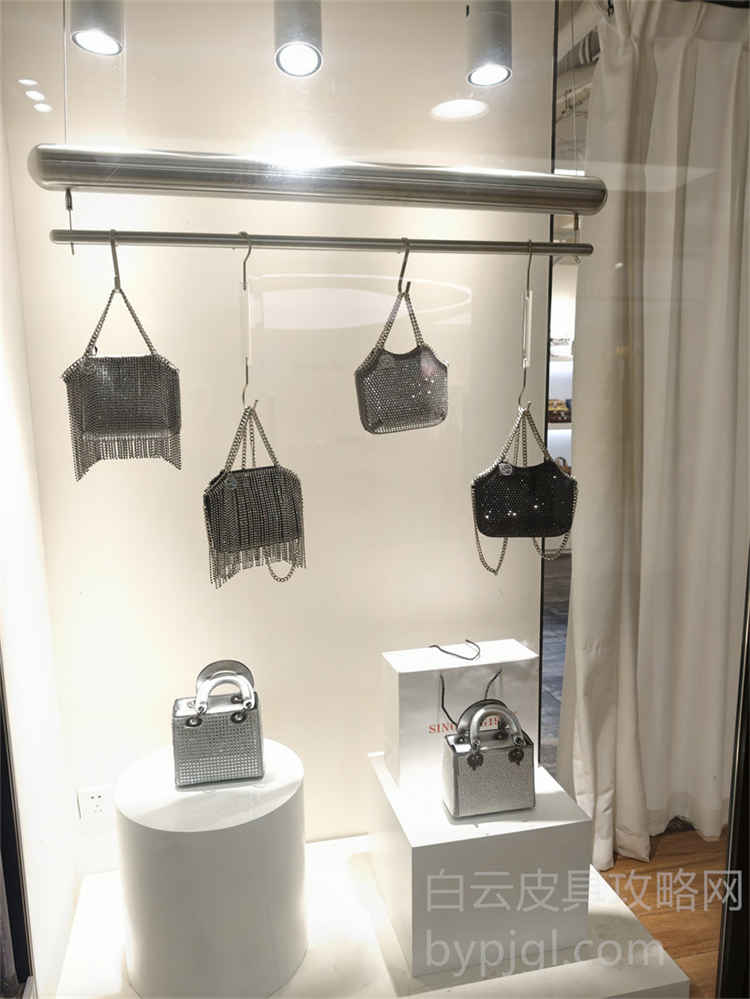
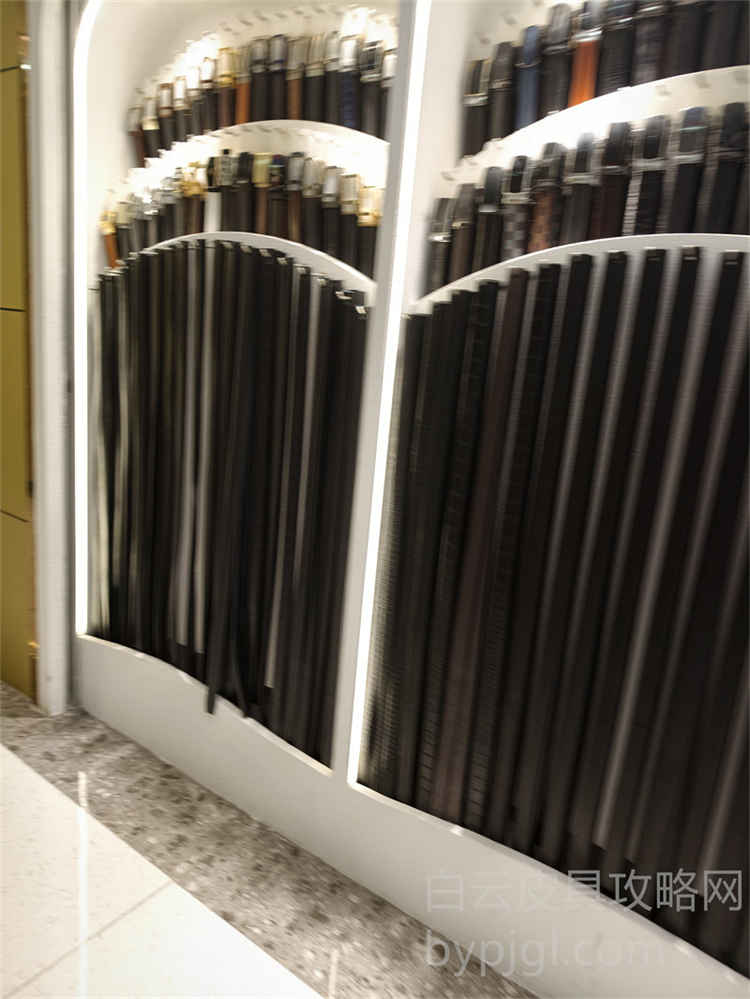
You will notice that some shops display only a few bags on the table, while others have racks full of them. Do not judge a stall by how many bags are on display. Often, the most impressive pieces are kept in the back room or under the counter. A good way to gauge a supplier's capability is to ask to see their "sample book." These books contain photos of their latest molds and designs. If a vendor hesitates to show you this, move on. We pride ourselves on our ability to produce various styles, so showing you the range is standard practice. Look closely at the hardware, the lining, and the texture of the leather. In this industry, details separate the amateurs from the pros.
The Art of Negotiation and Building Trust
once you find a stall that matches your vision, the real conversation begins. Price is important, but trust is everything. I have seen too many buyers get burned because they chased the lowest price without verifying the quality. When I talk to international partners, I always emphasize that we are building a relationship, not just making a one-time sale. We discuss the material composition, the order quantity, and the timeline. There is no hidden agenda here. If you want top-tier leather, you pay for top-tier leather. If you want synthetic blends, that is also an option, but the price point will reflect that difference.
Setting Expectations Before You Pay
Never agree to a deal based solely on a photo sent via WhatsApp or WeChat. Photos can be edited, angles can be misleading, and lighting can hide flaws. Always insist on seeing the actual product before finalizing the payment. This is non-negotiable for us. We encourage you to visit the warehouse or the showroom to inspect the item personally. During this inspection, check the stitching consistency, the alignment of patterns, and the strength of the zippers. If something feels off, speak up immediately. We prefer to fix issues on the spot rather than deal with complaints after shipping. This transparency builds the kind of long-term partnerships that keep our business running for decades.
Quality Control and Avoiding Common Pitfalls
One of the biggest mistakes foreign buyers make is assuming that "cheap" means "bad" or vice versa. Quality varies wildly even within the same category. In Guangzhou, we have factories that produce for major global brands, and we have smaller workshops that cut corners. Your job is to distinguish between the two. Ask about the source of the leather. Is it genuine cowhide, lambskin, or a high-grade PU? Ask about the hardware brand if applicable. Do not be afraid to ask technical questions. A confident seller will answer without hesitation.
The Inspection Process Matters
Before any goods leave the premises, we conduct a rigorous internal check. But you should also perform your own verification. Bring a magnifying glass if you have to. Look for glue marks, uneven seams, or loose threads. These small defects can ruin the entire batch. Also, be wary of sellers who promise "perfect quality" at rock-bottom prices. That usually means they are using inferior materials that will degrade quickly. In this market, value is king. We want you to sell products that your customers love, which means you need to source items that stand the test of time. By focusing on quality control and clear communication, you avoid the headaches of returns and damaged reputations.
Final Thoughts on Sourcing Success
Coming to Guangzhou is an adventure, but it requires preparation and patience. The market is vast, and the opportunities are endless if you know where to look. Whether you are looking for classic styles or the latest fashion trends, the resources are right here in Baiyun. My experience has taught me that success comes from understanding the process, respecting the craft, and treating every transaction with integrity. Do not rely on internet reviews alone. Come here, walk the floors, meet the people, and see the products with your own eyes. That is the only way to truly understand the pulse of this incredible industry and build a sourcing strategy that works for your business.