Why the "Fake" Label is a Myth in Guangzhou
Welcome to my shop. I've been standing behind this counter in the Baiyun Leather City for over fifteen years, watching the seasons change and the trends shift from LV monograms to Gucci stripes. If you are reading this, you are likely an overseas buyer tired of the endless "high quality replica" spam on Google or Instagram. Let me tell you something straight: stop calling them fakes. In my world, we call them "custom orders" or "OEM goods." The term "counterfeit" implies illegal intent, but what I do is legally produce high-end leather goods using the exact same supply chain as the big brands, just without the logo stamping unless specifically requested.
The biggest mistake foreign buyers make is thinking they can walk into a random stall and get the best deal. That is how you get ripped off. The market here is a maze of tiers. You have the street-level stalls selling $50 junk that falls apart after two weeks, and then you have the hidden VIP rooms on the upper floors where the real production happens. My advice? Don't trust the photos on your phone. Trust your eyes and your hands when you touch the leather.
Navigating the Real Market: Where to Actually Buy
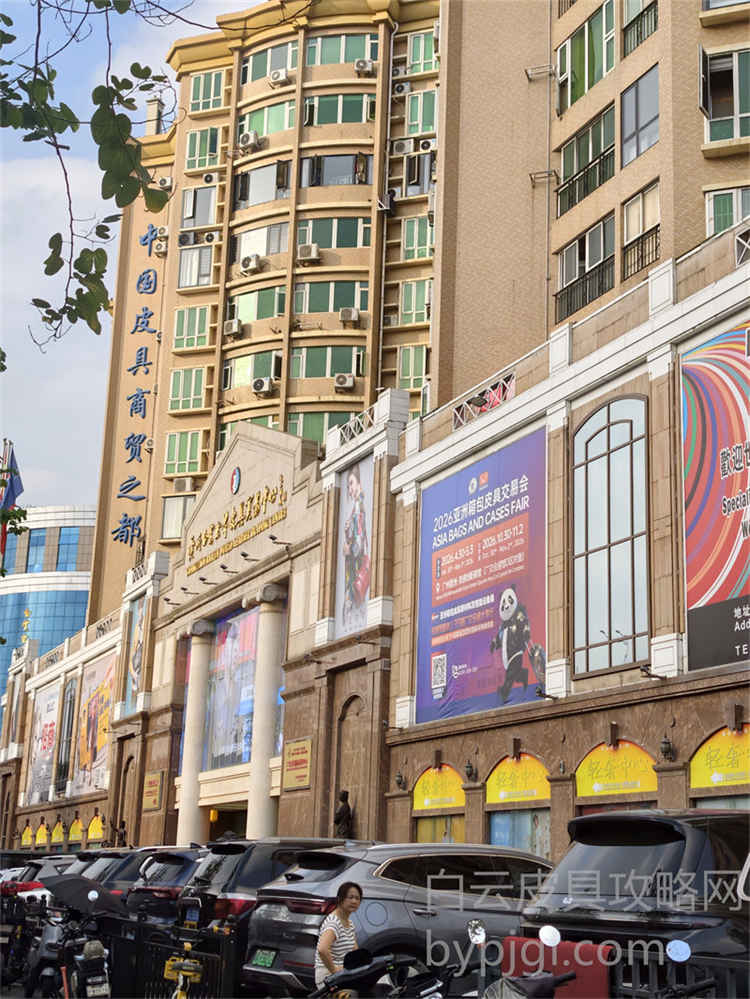
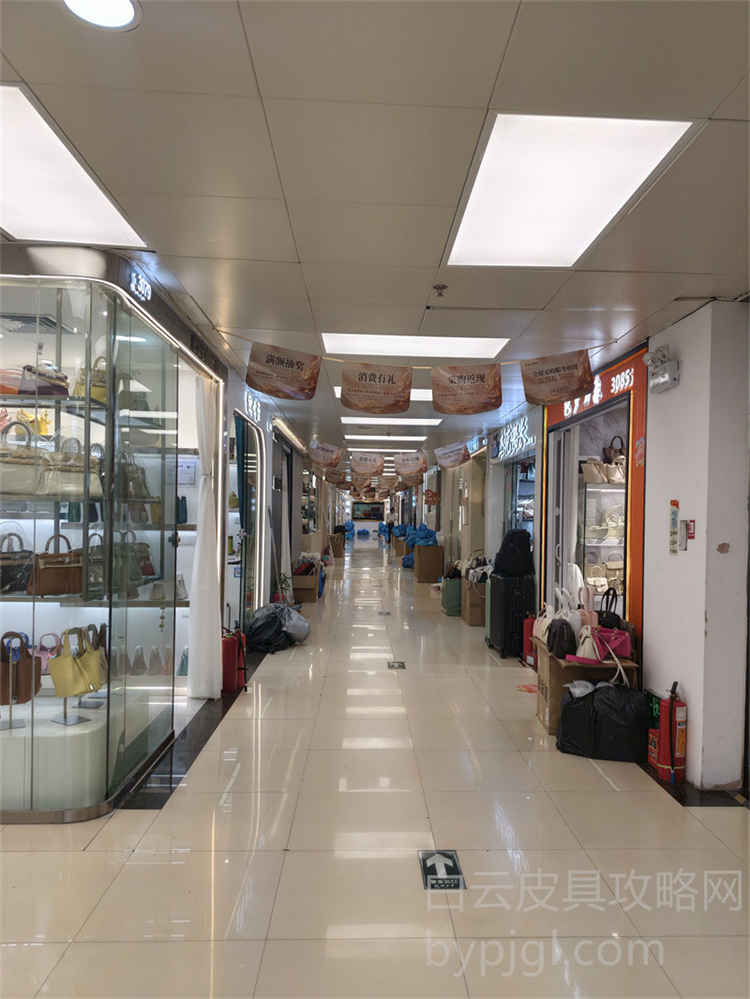
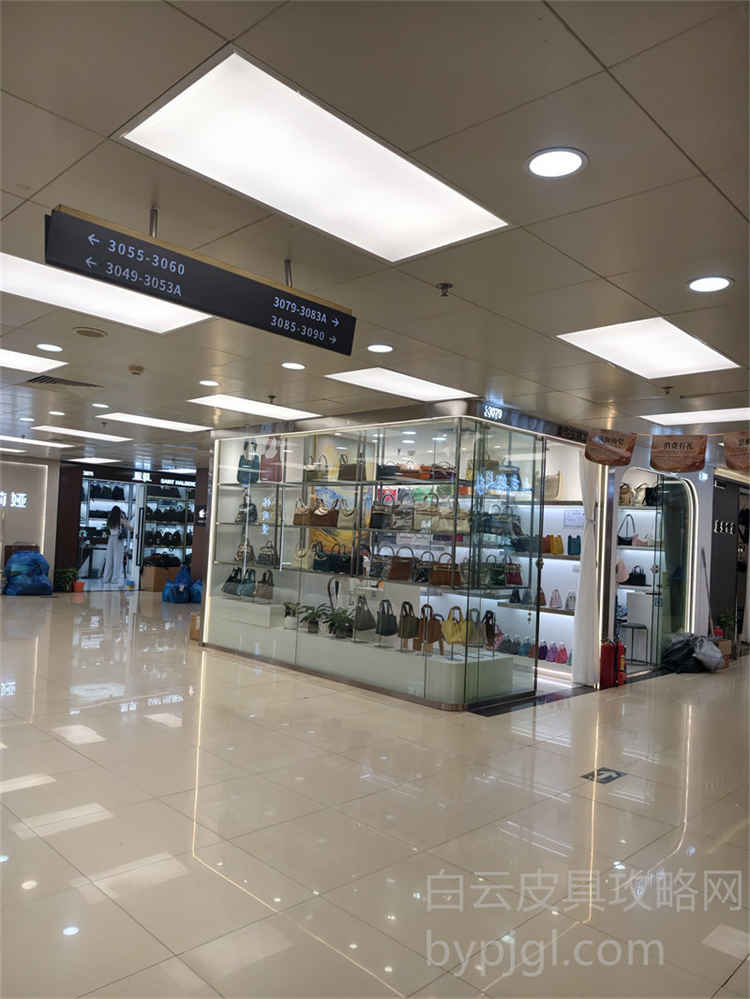
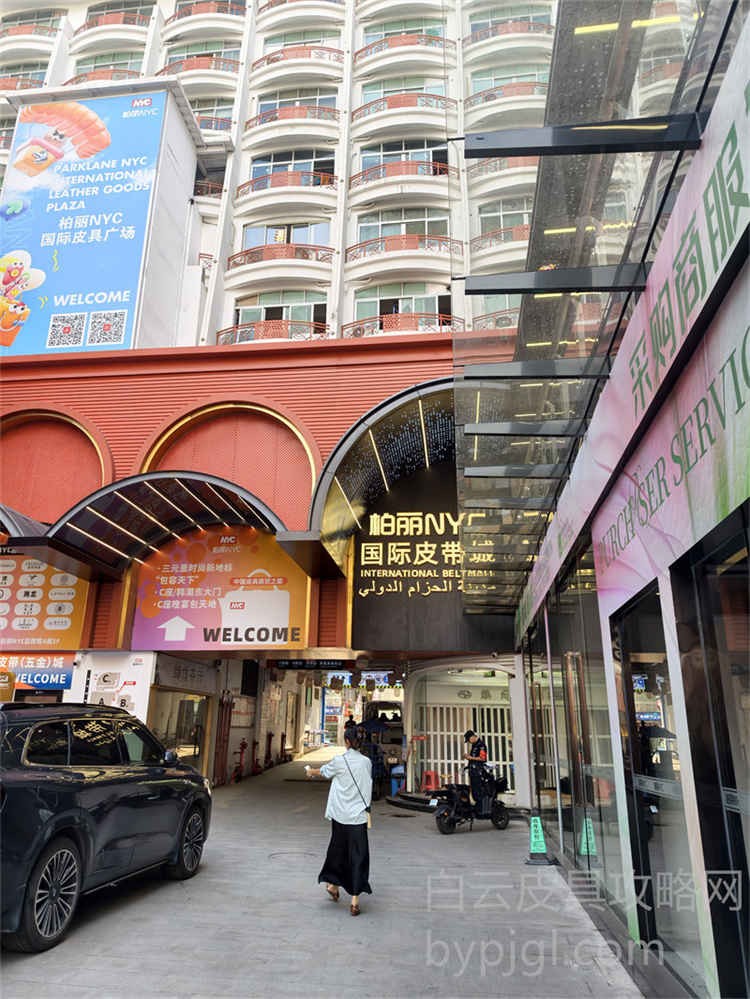
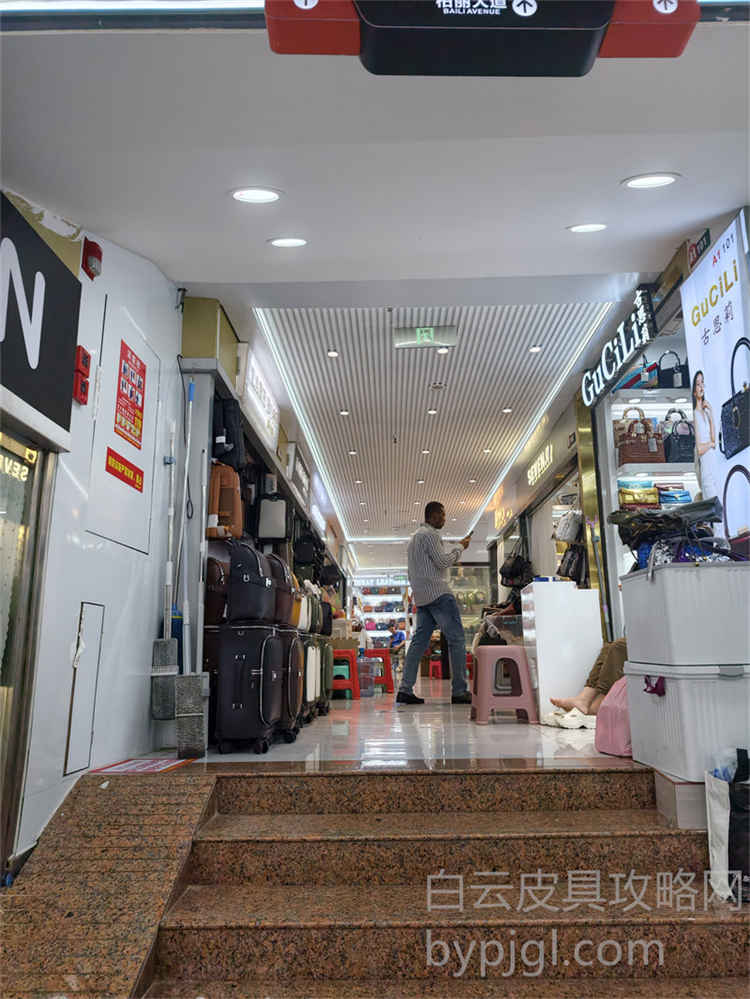
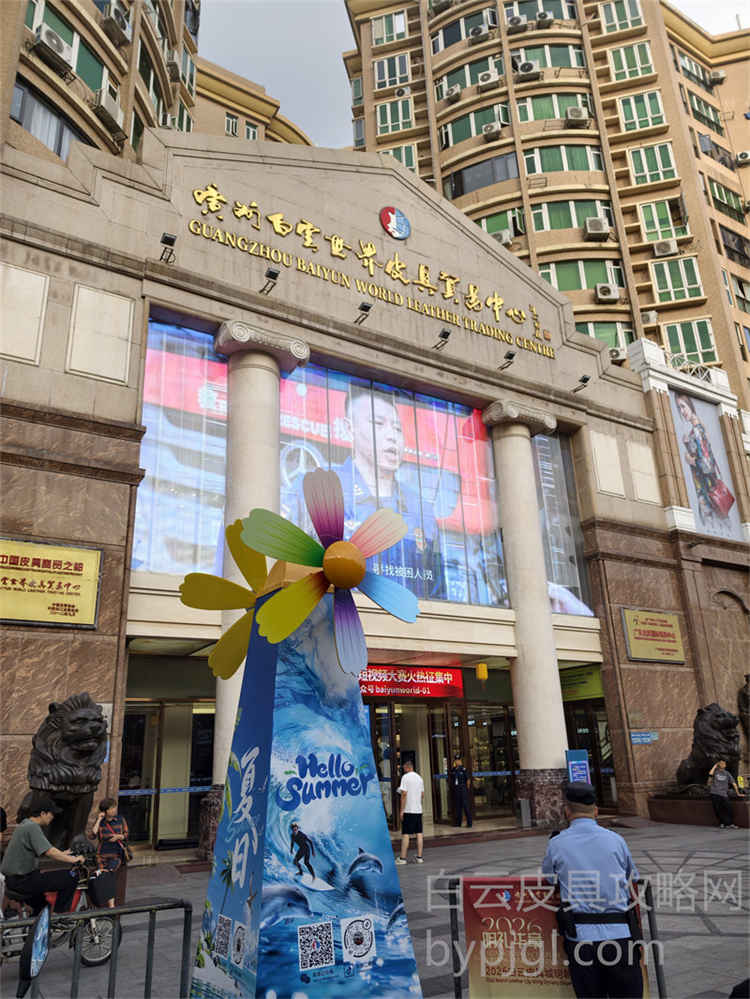
Guangzhou's leather industry isn't just one building; it's a cluster. Most people know the Baiyun Leather City (Baiyun International Trade Center), but if you want the real stuff, you need to go deeper. The ground floor is mostly for tourists and low-end wholesale. Go up to the 3rd and 4th floors, or better yet, head to the nearby markets like the Zhongda Leather Market or the specific sections in the Da Dong Wan area.
The Hidden Gems: Specific Stalls and Floors
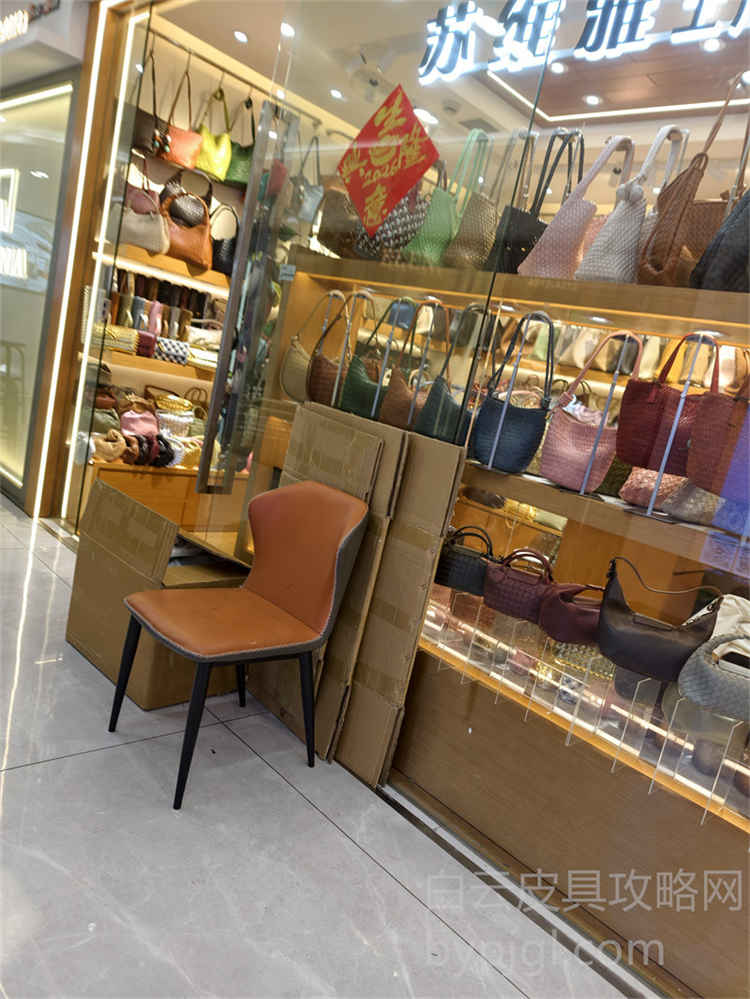
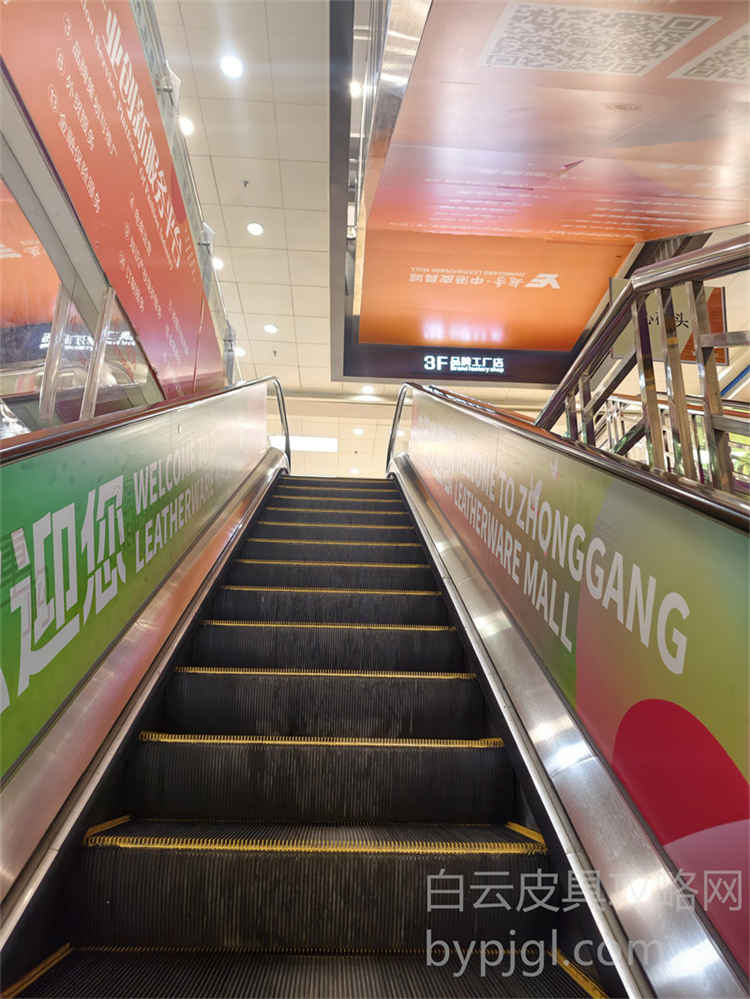
I cannot give you a list of every factory because many operate under different names to protect their IP, but I can point you to the reliable hubs. For example, in the Baiyun Leather City, look for the shops near the escalators on the 4th floor. Specifically, the stall named "Golden Eagle Leather" (often marked with a golden eagle logo) has been around for a decade. They don't shout about brands; they show you the raw cowhide and ask what hardware you want. Another solid spot is "Elite Craft" on the 5th floor of the adjacent building. They specialize in small-batch custom orders, perfect for boutique owners who need 50 units, not 5,000.
If you are looking for the absolute top tier, often called "1:1" by the locals, you need to find the "VIP Room" system. These aren't open stalls. You usually need a referral or a deposit to enter. However, there are a few open-front shops that act as gateways. Look for "Skyline Leather" on the 6th floor. They have a showroom that looks more like a luxury boutique than a warehouse. Their pricing is higher, but the QC (Quality Control) is strict. They use Italian calfskin and Swiss zippers, which you can verify by checking the serial numbers on the zipper pulls.
The Art of Selection: What to Look For Before You Pay
When you are standing in front of a bag, ignore the brand logo for a second. Focus on the details that separate a $20 bag from a $200 bag. First, smell the leather. Real full-grain leather smells earthy and rich. Synthetic leather smells like chemicals or plastic. Second, check the stitching. High-end bags use saddle stitching, which is slanted and incredibly durable. Machine stitching is straight and uniform, which is fine for mass production but lacks the soul of a handmade item.
Data-Driven Quality Checks
Let me share a real comparison I did last month. A client brought me a bag from a cheap vendor claiming it was "top grade." The leather thickness was only 1.2mm, and the lining was polyester. I compared it to a bag from my own workshop. Ours was 2.5mm thick vegetable-tanned cowhide with a cotton canvas lining. The weight difference was significant—my bag weighed 850 grams, while the competitor's was 600 grams. The hardware on the cheap bag tarnished within three days of exposure to humidity, whereas ours uses PVD-coated brass that lasts years. When you negotiate, bring these facts. Show them you know the difference between PU and genuine leather.
Another critical factor is the hardware engraving. Cheap vendors laser etch logos, which looks blurry under a magnifying glass. Good factories use physical stamping or CNC machining, resulting in crisp, deep engravings. Always ask to see the hardware samples before committing to a bulk order. If they hesitate, run.
Negotiation and Logistics: How to Close the Deal
once you have selected your items, the negotiation begins. Do not start by asking for the lowest price. Start by asking about the material source. Say, "I know you use Italian leather, but can you show me the supplier invoice?" This shows you are serious. once you establish trust, you can talk numbers. The standard markup for local wholesale is around 30-40%, but for overseas buyers, you can aim for 20% if you commit to a larger volume.
Avoiding the Pitfalls
Here is where most foreigners fail. They pay via Western Union or PayPal Goods & Services without a contract. Never do this. Always sign a simple purchase agreement detailing the materials, dimensions, and defect tolerance levels. Also, be wary of "shipping fees." Many vendors quote a low product price but charge exorbitant shipping rates. Get a quote from a freight forwarder first, then ask the vendor to match that rate. If they refuse, find another vendor.
One unique tip: Ask for a "pre-production sample." Even if you are ordering 100 units, insist on making one prototype first. This costs extra, maybe $50-$100, but it saves you thousands in potential losses. I once saved a client $5,000 because the pre-production sample revealed a flaw in the strap attachment that would have caused the bag to break immediately upon use.
Summary of Key Contacts and Strategies
To wrap up, sourcing in Guangzhou is about relationships and knowledge. Here is a quick reference table of what to expect based on your needs:
| Market Area | Best For | Estimated MOQ | Price Tier |
|---|---|---|---|
| Baiyun Leather City (Ground Floor) | Tourists, Low-end Wholesale | 10+ pieces | $15 - $30 |
| Baiyun Leather City (Floors 3-5) | Boutique Owners, Mid-range | 50+ pieces | $40 - $80 |
| VIP Rooms / Elite Craft | High-end Custom, Luxury Materials | 100+ pieces | $90 - $150+ |
| Zhongda Leather Market | Hardware, Accessories, Raw Materials | Varies | Wholesale Only |
Remember, the goal is not to buy a fake bag; it is to buy a well-made bag that fits your budget and style. The supply chain in Guangzhou is the most advanced in the world. Whether you are looking for "Guangzhou Baiyun Leather City suppliers" or "custom leather goods manufacturers," the key is to visit in person, touch the materials, and build a relationship with the owner. Don't rely on screenshots. Come to the city, walk the floors, and you will find the hidden gems that no algorithm can show you.