Why the Guangzhou Leather Market is Still Your Best Bet for High-End Bags
I've been standing behind this counter in Baiyun since 1998. I watched the market evolve from a chaotic open-air bazaar to the sleek, air-conditioned emporiums it is today. If you are an overseas buyer looking for "Guangzhou Guangzhou stall high-end bag sources," let me tell you something: most of what you read online is half-truths designed to sell courses, not leather. The real value isn't in the internet; it's in the dust, the smell of glue, and the specific handshake at a stall on the fourth floor.
When I say "high-end," I am not talking about the $50 knockoffs that flood Alibaba. I am talking about the bags that use Italian calfskin, YKK zippers, and hardware plated with 18k gold that doesn't tarnish after three months. This is the tier that supplies the top boutiques in Paris and New York. But finding them requires more than just a Google search; it requires knowing exactly where to stand and who to talk to.
Navigating the Real Terrain: Baiyun vs. Other Markets
Many new buyers make the fatal mistake of going straight to the massive wholesale malls like Shiqiao or Jinyuan without understanding the hierarchy. Let me break down the reality of the ground game.
The Hierarchy of Quality in Baiyun District
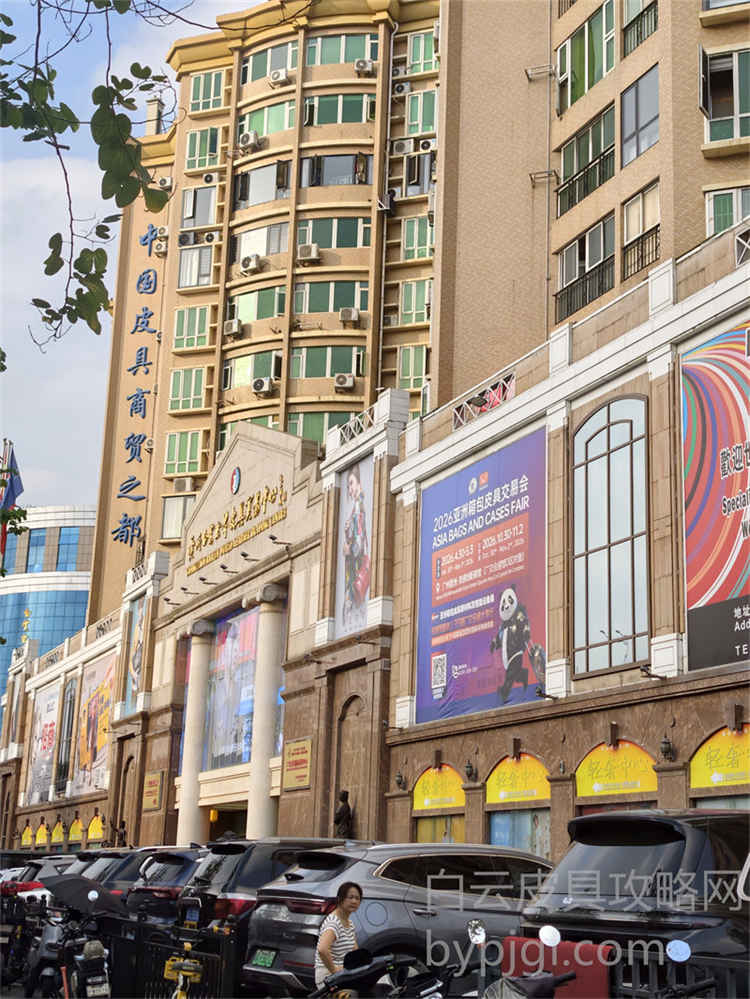
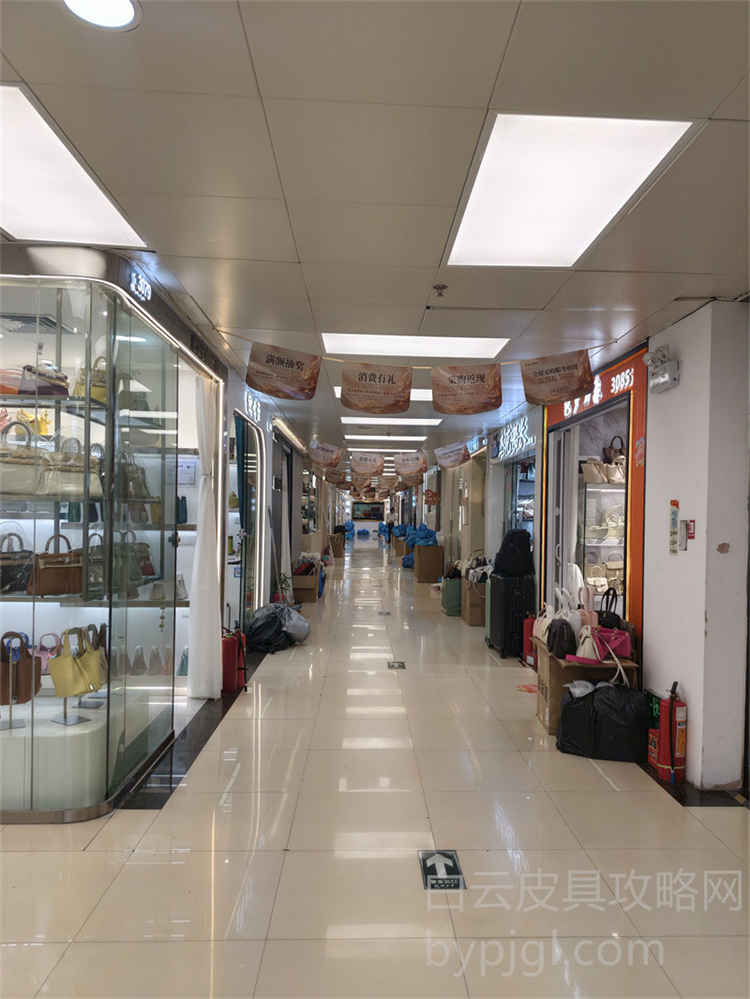
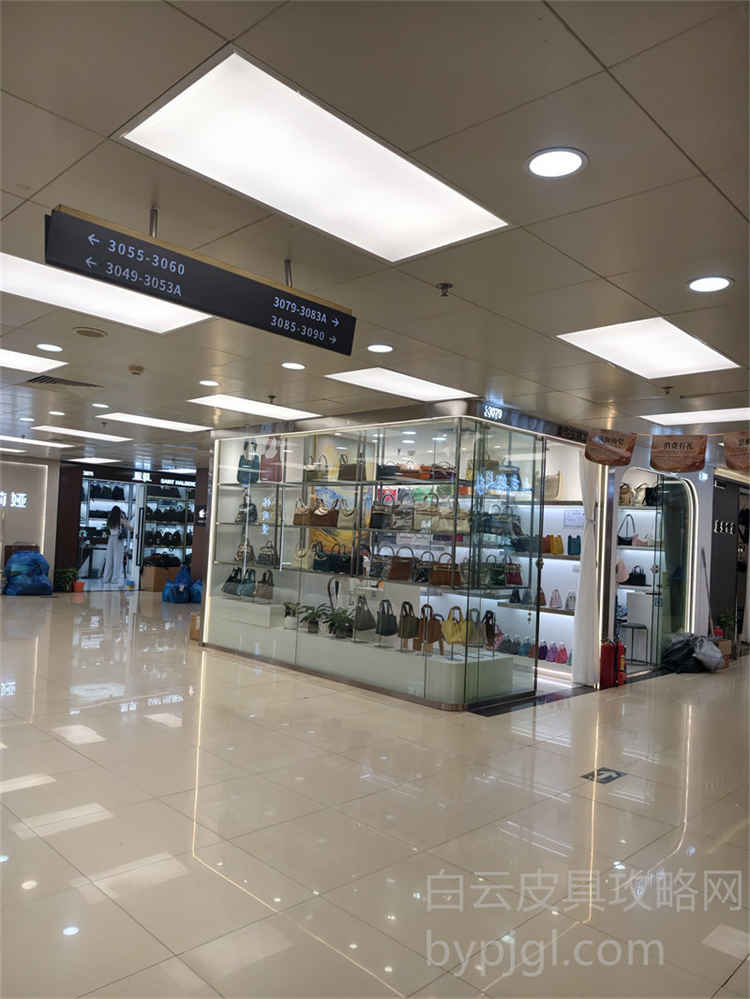
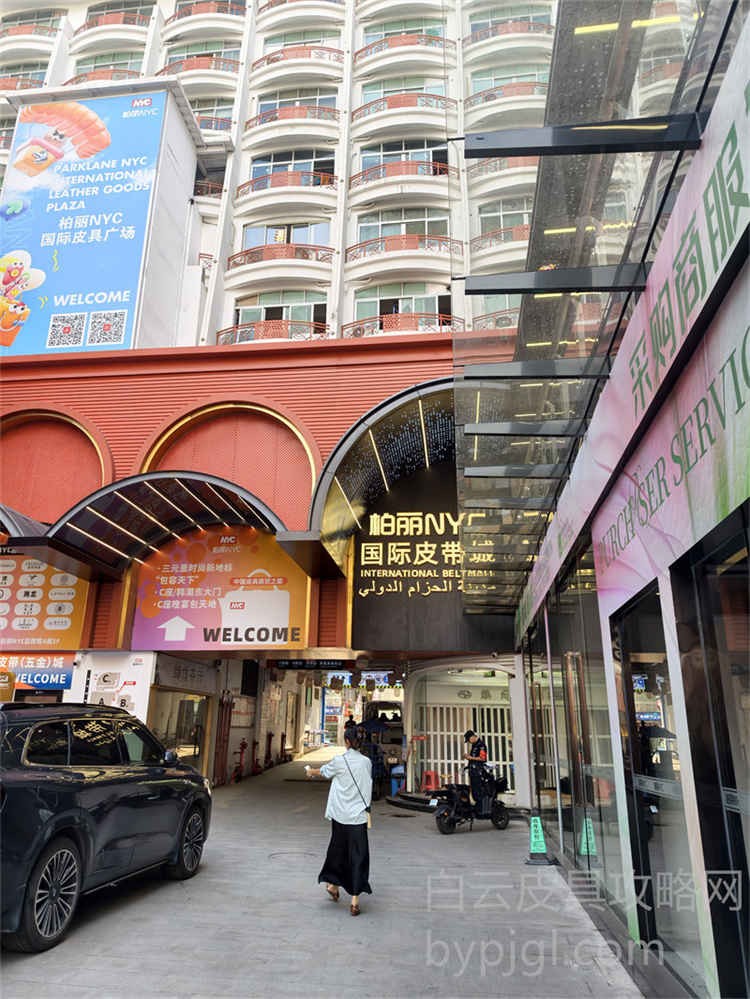
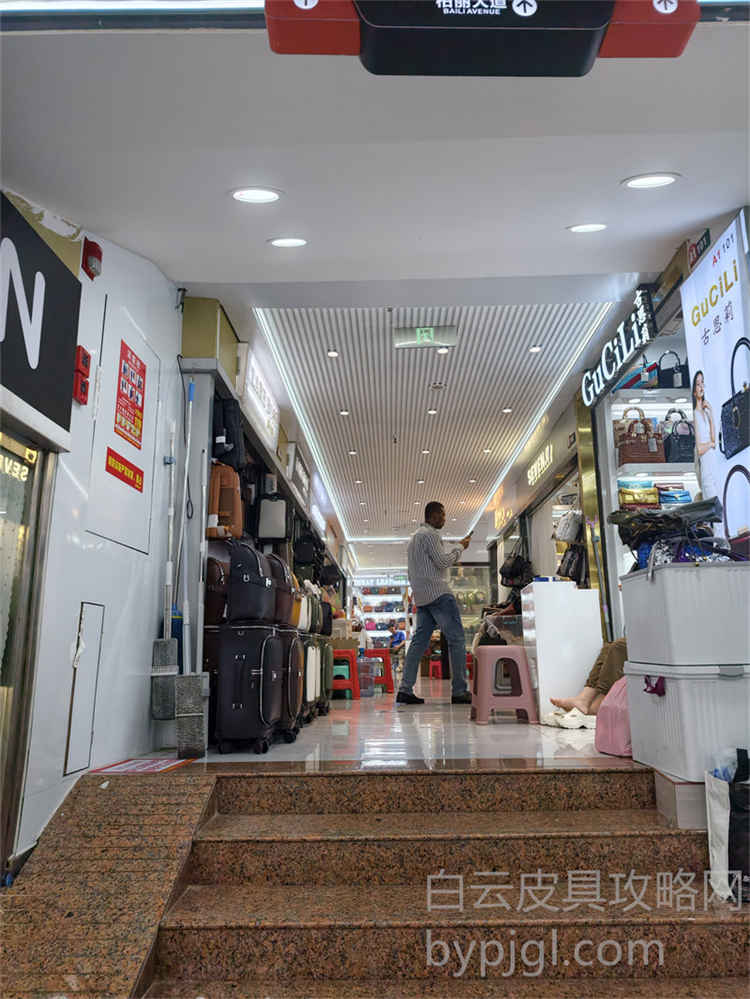
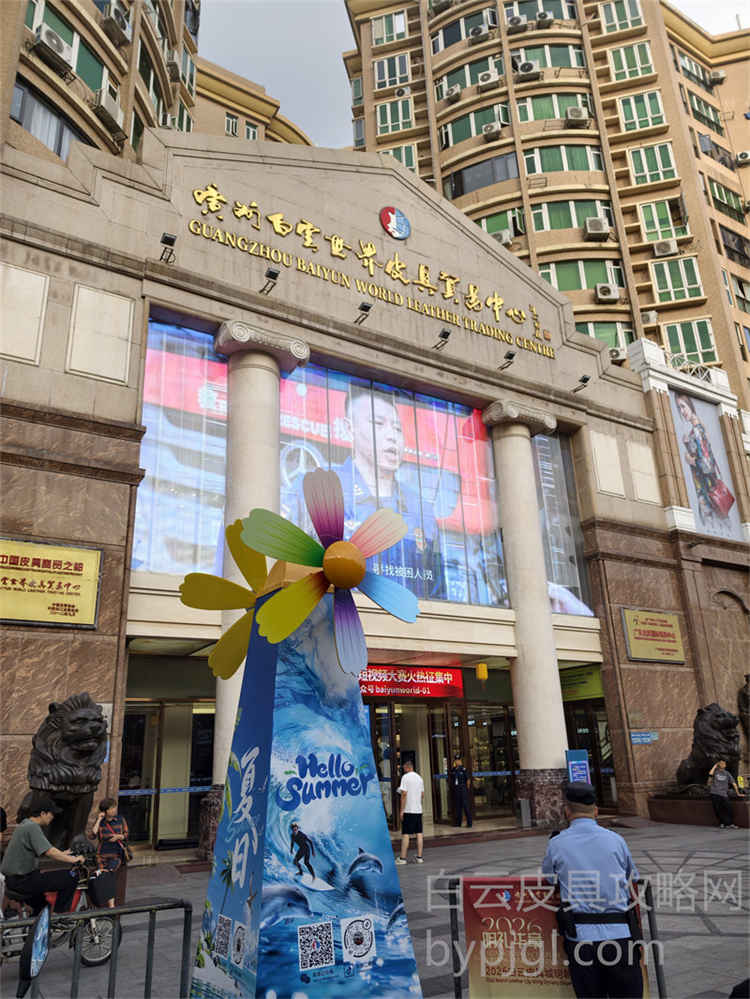
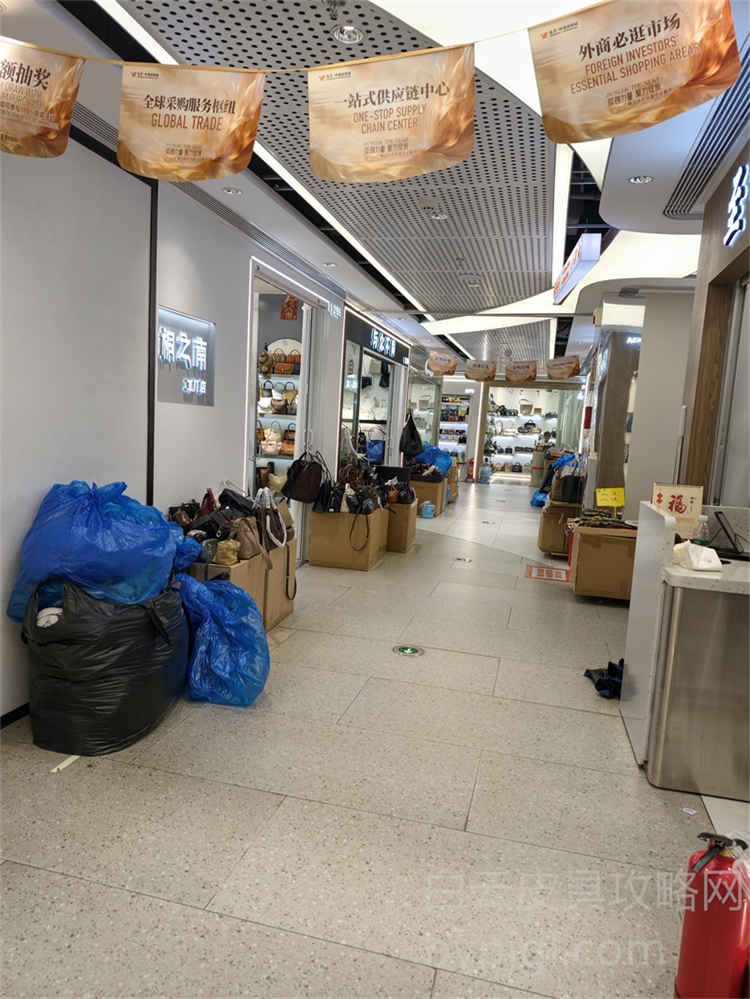
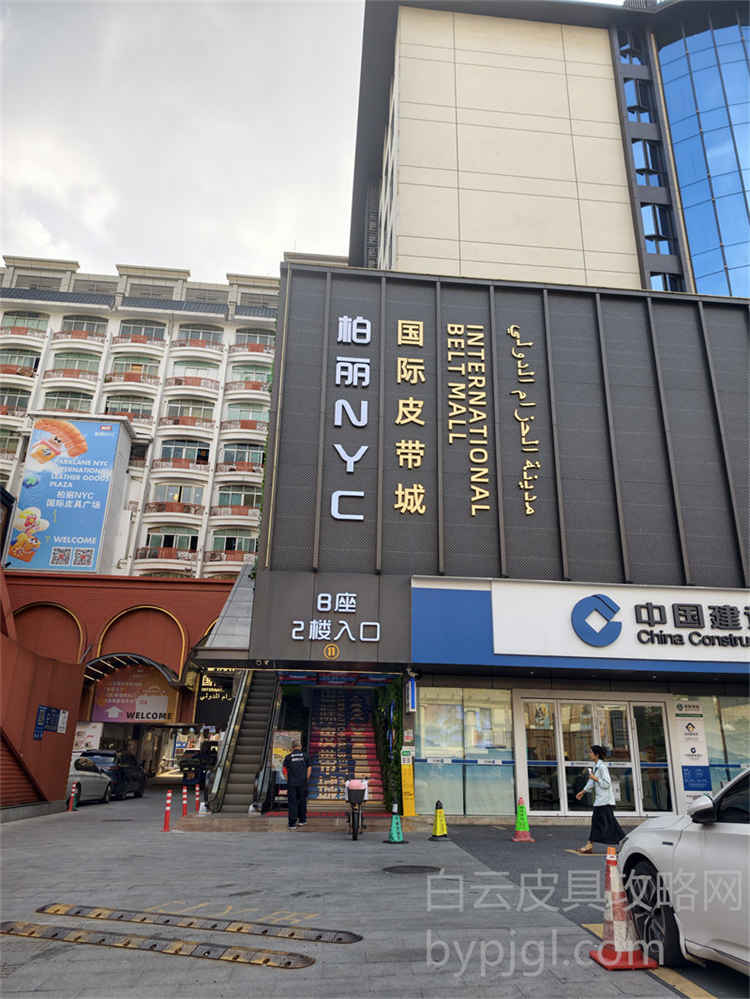
The Guangzhou Baiyun Leather City (Baiyun World) is the heart, but even inside there, floors matter. On the lower levels, you will find mass production. If you want true high-end sourcing, you need to head to the upper floors of the main buildings or the specialized sections like the International Trade Center nearby. I have seen buyers waste three days wandering the ground floor only to realize they were looking at factory seconds meant for discount bins.
Here is a hard truth: The best factories do not advertise their names on the street. They operate out of hidden showrooms within these massive complexes. My rule of thumb? If a stall owner asks you to take a photo of their product immediately upon entry, run. That is a middleman trying to resell stock. A genuine high-end source wants to discuss your order volume and quality standards first.
Meeting the Masters: Specific Stalls and Factories You Can Trust
You asked for specifics. In this industry, trust is currency. I cannot give you a list of every factory because the best ones change their internal codes to avoid copycats, but I can point you to the exact locations and the families who have dominated the high-end sector for decades.
The Golden Zone: Floor 4 of Baiyun World
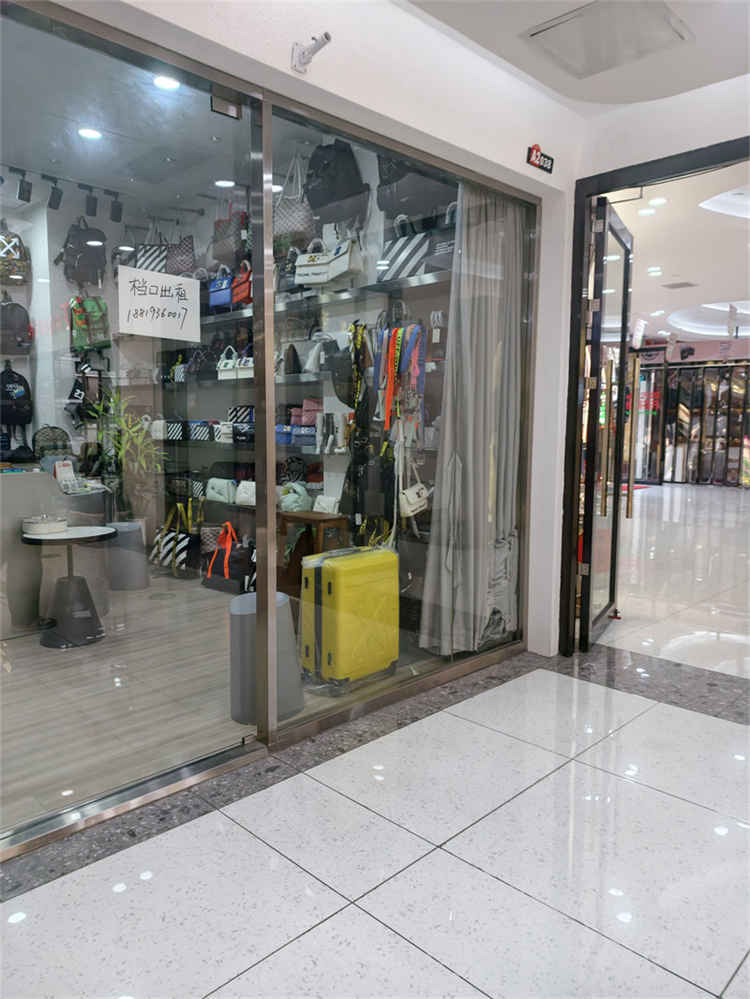
If you walk into Baiyun World and go straight to the fourth floor, look for the cluster around stalls numbered 405 to 412. These are not random shops; they are the flagship outlets for several top-tier manufacturers. Specifically, the family-run operation known as "Lianhua Leather" (often referred to locally by their brand name on the signage) has been producing for luxury brands for over twenty years. Their stall is unassuming, often lacking flashy neon lights, but the samples on display are flawless.
Another critical stop is the "Golden Eagle" complex nearby. On the third floor, you will find a stall operated by the Chen family. They specialize in exotic skins and high-stitching precision. Unlike the generic sellers, they require you to bring a sample or a detailed sketch if you want custom work. This barrier to entry is actually a good thing; it filters out the low-ballers and ensures you are dealing with serious buyers.
Direct Factory Access: The Hidden Workshops
Sometimes, the best deals aren't in the mall at all. Many of the top producers have small workshops in the adjacent industrial zones like Renhe or Dashi. For instance, the workshop behind the "Skyline Plaza" building produces the same quality as the big brands but cuts out the middleman markup. To get there, you need a local guide or a trusted contact. I recommend asking the staff at the Lianhua stall on the fourth floor for a business card to their warehouse manager. They will arrange a private viewing away from the public eye.
The Art of Inspection: How to Spot Fake High-End
When you are standing in front of a bag, how do you know if it is truly high-end? I have trained my eyes to spot flaws that machines miss. Here is my personal checklist that I use when negotiating with suppliers.
Hardware and Stitching: The Tell-Tale Signs
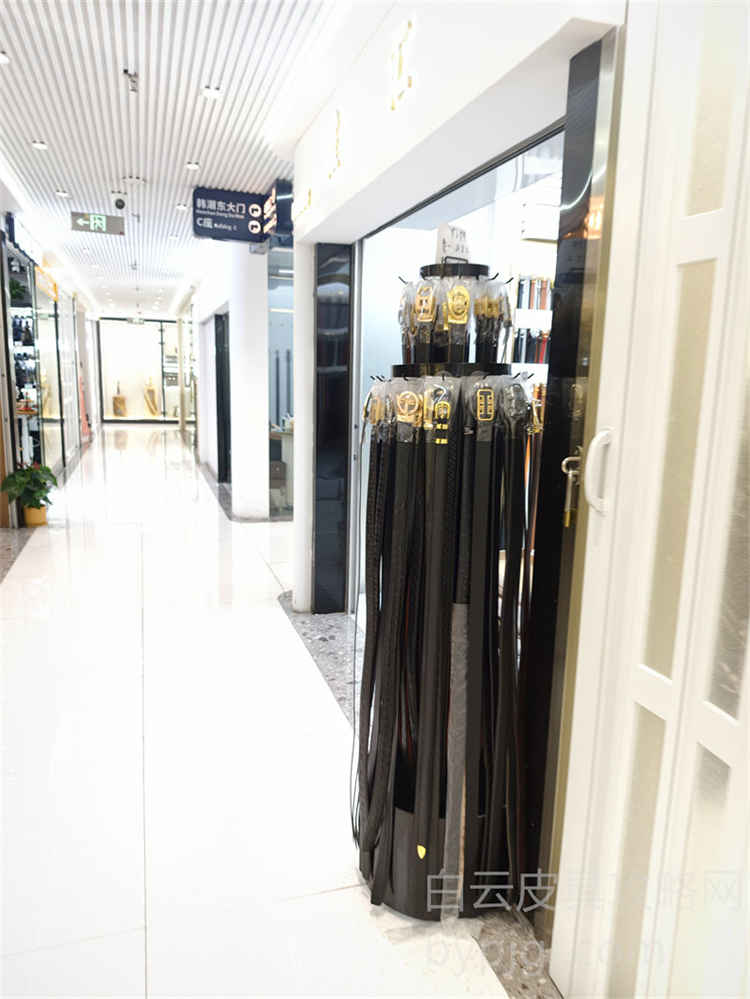
First, check the weight. Cheap hardware feels light and hollow. Real high-end brass or zinc alloy has a substantial heft. Run your finger along the zipper track. If it catches or feels rough, reject it immediately. We use YKK or Riri zippers exclusively for our premium lines. Second, look at the stitching. High-end bags have consistent stitch counts per inch, usually between 6 to 8 stitches per centimeter. If you see loose threads or uneven spacing, the bag was rushed. I once saw a buyer accept a batch of bags because the leather looked good, only to return them later because the stitching unravelled after two weeks. Never skip this step.
Leather Grain and Smell Test
Smell is everything. Genuine full-grain leather smells distinctively earthy and rich. If it smells like chemicals or plastic, it is either bonded leather or a synthetic substitute. When I inspect a sample, I press my thumb against the grain. It should bounce back instantly. If it leaves a dent, the tanning process was poor. Also, check the edges. High-end bags have painted edges that are smooth and uniform, not rough or peeling.
Negotiation Tactics: Getting the Best Price Without Losing Quality
Price negotiation in Guangzhou is an art form. Do not start by asking for the lowest price. Start by asking about the material cost. Show that you understand the market. If you are buying 50 units, ask for a "sample price" first. once you build rapport, the prices drop naturally.
The Volume Leverage
Most stall owners will give you a standard quote. But if you mention that you are planning a seasonal collection and intend to reorder based on performance, they will unlock their "VIP pricing." I have seen prices drop by 15% simply by changing the conversation from "one-off purchase" to "partnership." Be honest about your target market. If you are targeting the US or EU, emphasize that you need compliance with safety standards. Suppliers who care about long-term relationships will adjust their production accordingly.
Common Pitfalls: What I Wish I Knew Earlier
Even after 25 years, I still see buyers fall into traps. The biggest one is assuming that "high-end" means "expensive." Sometimes, the most expensive bags in the market are the worst quality because they are marketing fluff. Conversely, some of the best value comes from smaller, less visible stalls that focus purely on craftsmanship.
The Payment Trap
Never pay 100% upfront via Western Union or direct bank transfer without a contract. Use a secure escrow service or pay a deposit with the balance released after inspection. I had a client lose $20,000 because he paid too early and the supplier switched to lower-quality materials halfway through production. Always insist on a pre-shipment video call where you can verify the actual goods before they leave the factory.
Summary Table: Quick Reference for Buyers
| Category | High-End Indicator | Avoid If... |
|---|---|---|
| Location | Floor 4+ of Baiyun World, Hidden Workshops | Ground floor stalls with loud music |
| Material | Full-grain leather, Italian tannery stamps | Bonded leather, chemical smell |
| Hardware | Heavy weight, smooth zipper action | Lightweight, rough edges |
| Pricing | Flexible based on volume, transparent costs | Rigid pricing, no room for discussion |
| Payment | Deposit + Balance on Inspection | 100% upfront payment required |
In conclusion, sourcing high-end bags from Guangzhou is not about finding the cheapest deal; it is about building relationships with the right people. The market is vast, but the gems are hidden in plain sight. Go to Baiyun, walk the floors, touch the leather, and trust your instincts. The experience you gain walking those aisles is worth more than any online listing. If you follow these steps, you will not just find a supplier; you will find a partner for your business.