Why You Need to Walk the Floor: My 15 Years in Guangzhou Leather
Listen, I've been standing behind a counter in this city since before you were born. While everyone else is scrolling through apps and dreaming of "Guangzhou bag factory addresses" on their screens, they are missing the real story. The truth is, there is no single magic address where every high-quality bag is made. If you think you can just Google a list and walk into a factory to buy directly, you will get burned. The leather industry here is a maze of showrooms, satellite workshops, and hidden production lines that don't even have street signs.
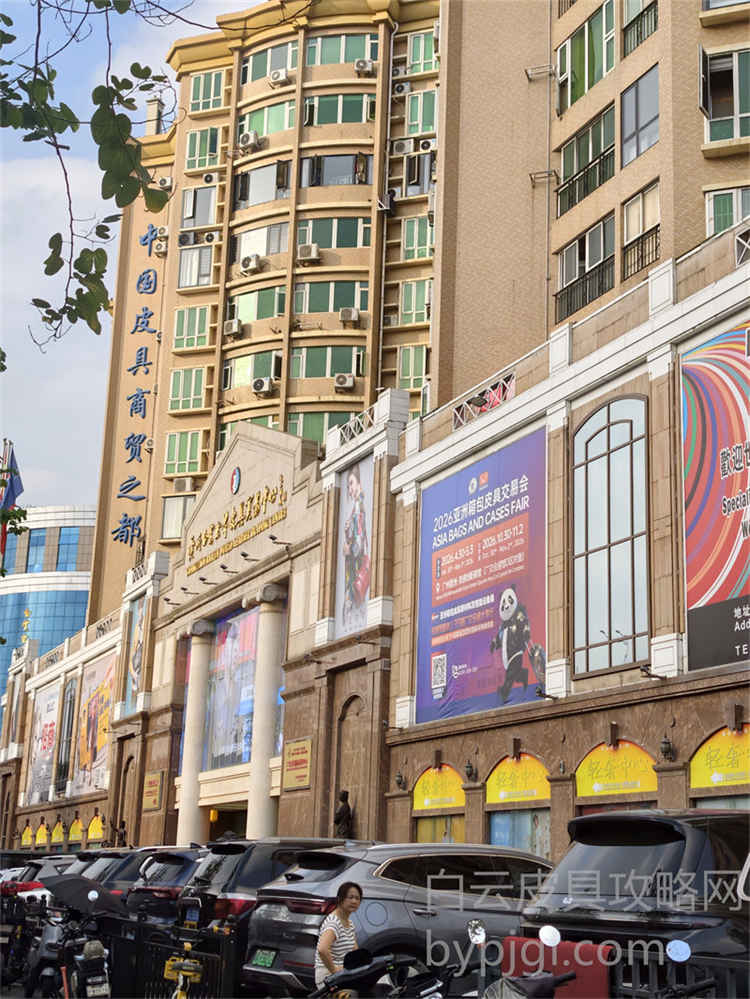
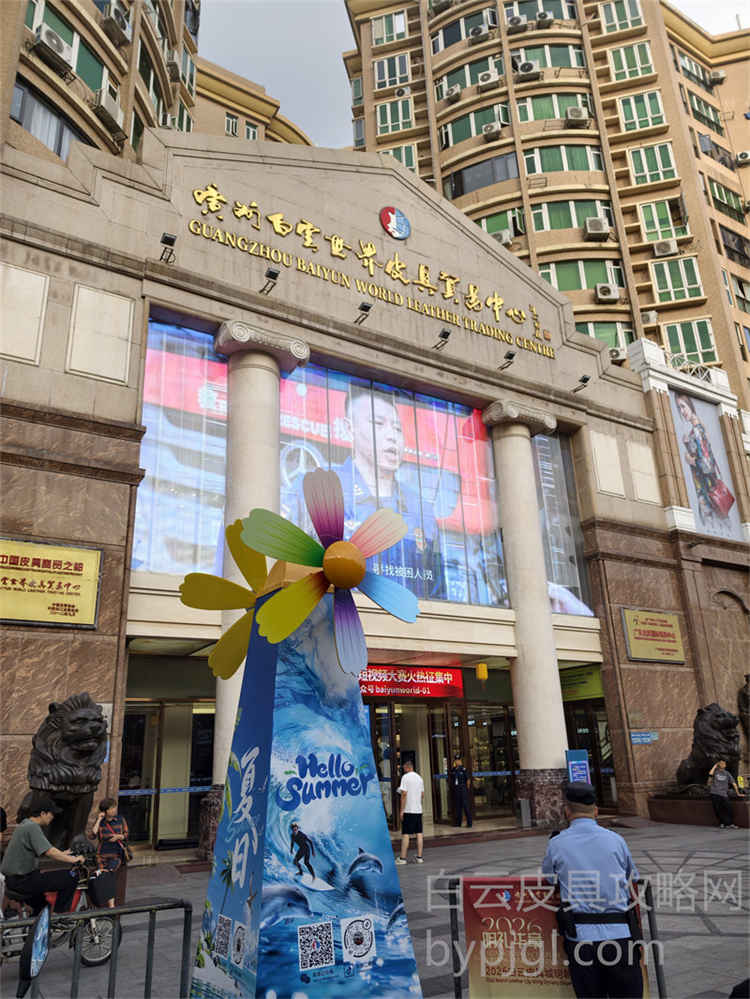
I'm talking about the real pulse of the trade, the places where the deals happen when the sun goes down. Most foreign buyers come to Baiyun International Leather City, but they only see the shiny front doors. They miss the back alleys where the actual craftsmanship lives. Let me tell you what I've learned after fifteen years of watching thousands of tourists walk right past the best opportunities because they didn't know how to look.
Navigating the Giants: Baiyun and Beyond
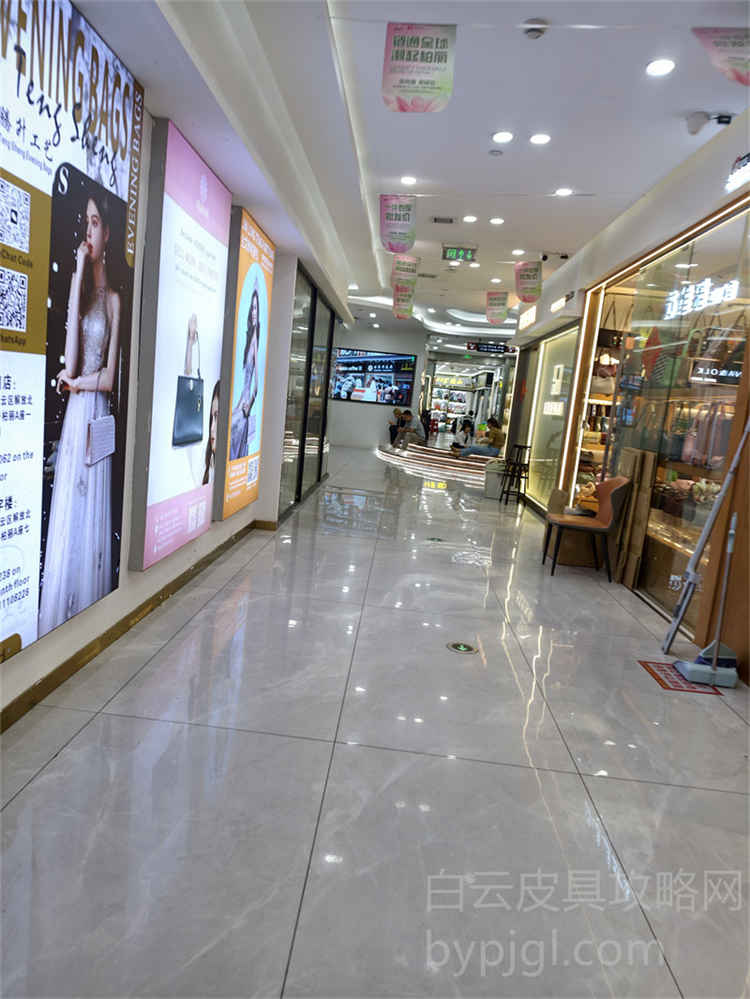
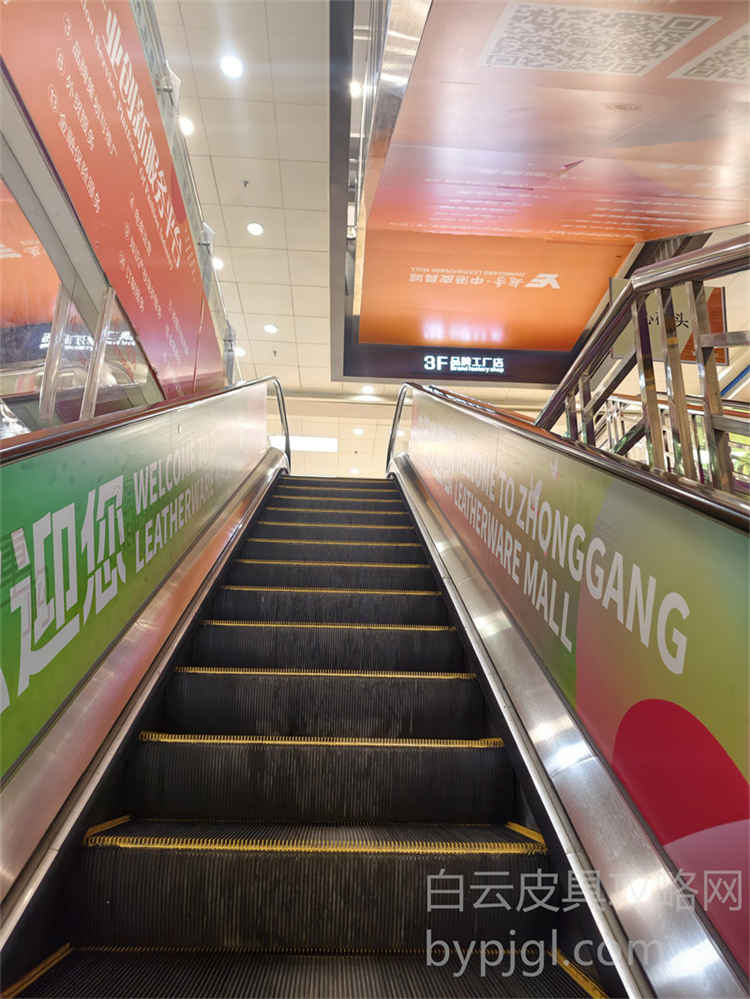
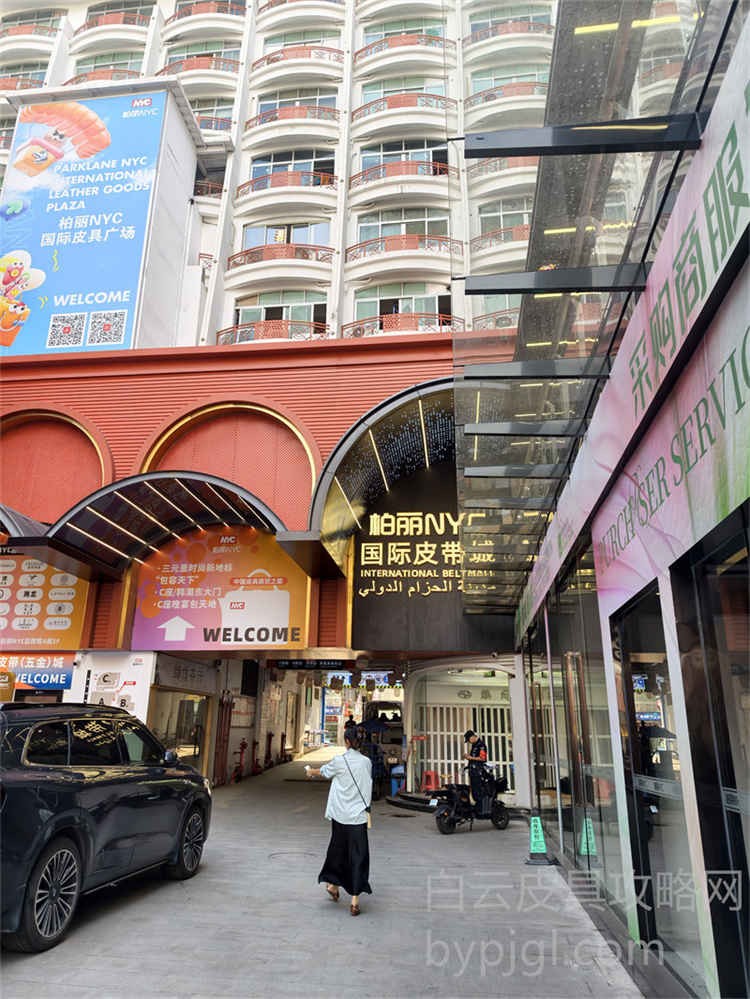
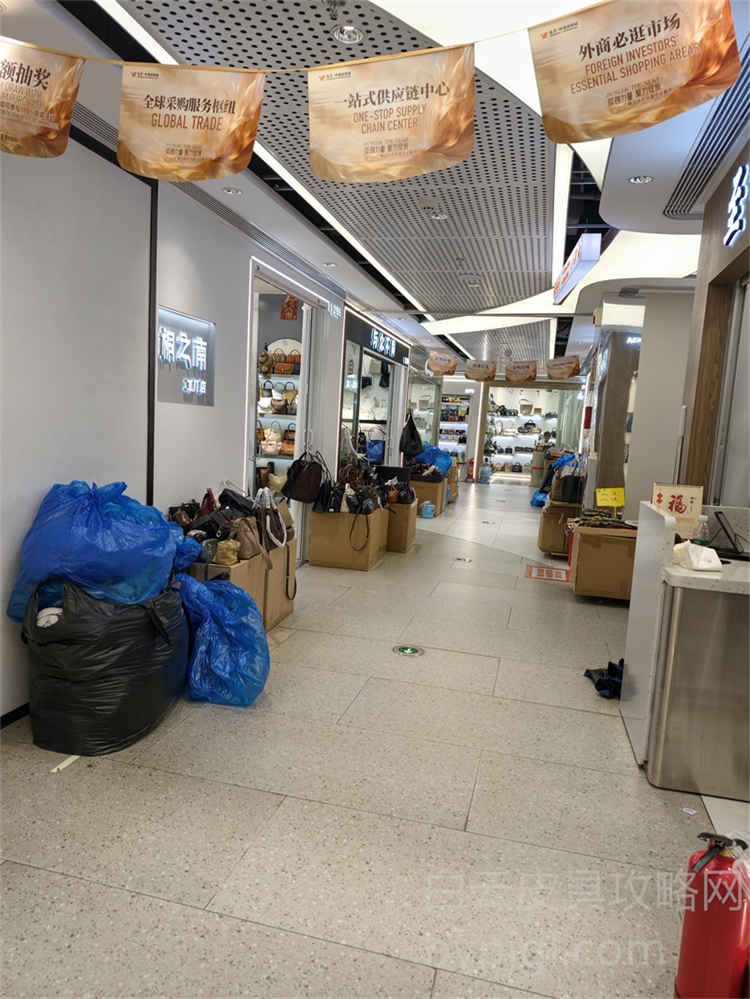
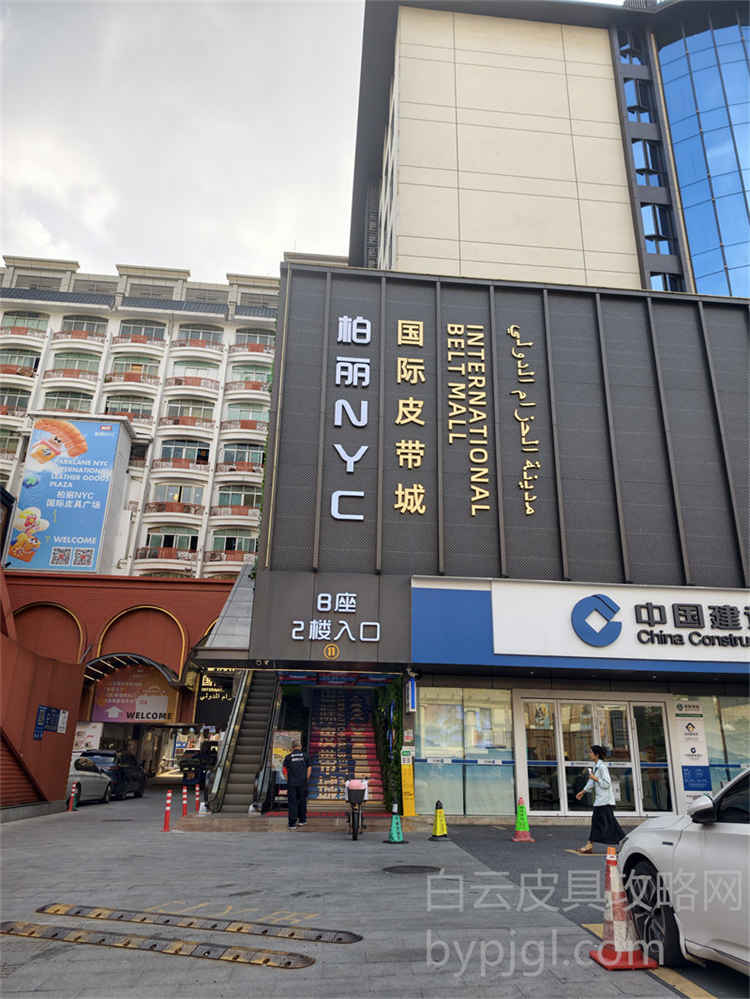
The first thing you need to understand is that the "factory" isn't always where you think it is. In Guangzhou, the term "factory" often refers to a showroom that has a small workshop attached, or worse, a middleman who rents space in a massive building. The heart of this ecosystem is the Baiyun International Leather City complex. It's not just one building; it's a sprawling network of structures connected by skywalks and underground tunnels.
The Real Powerhouses: Building 1 vs. Building 4
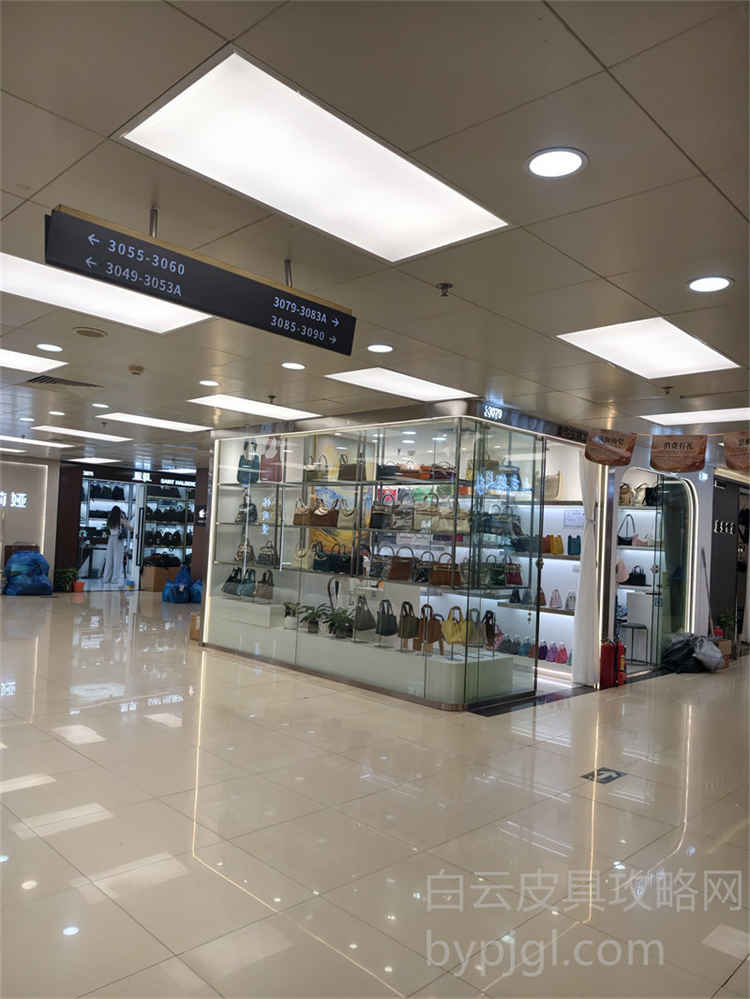
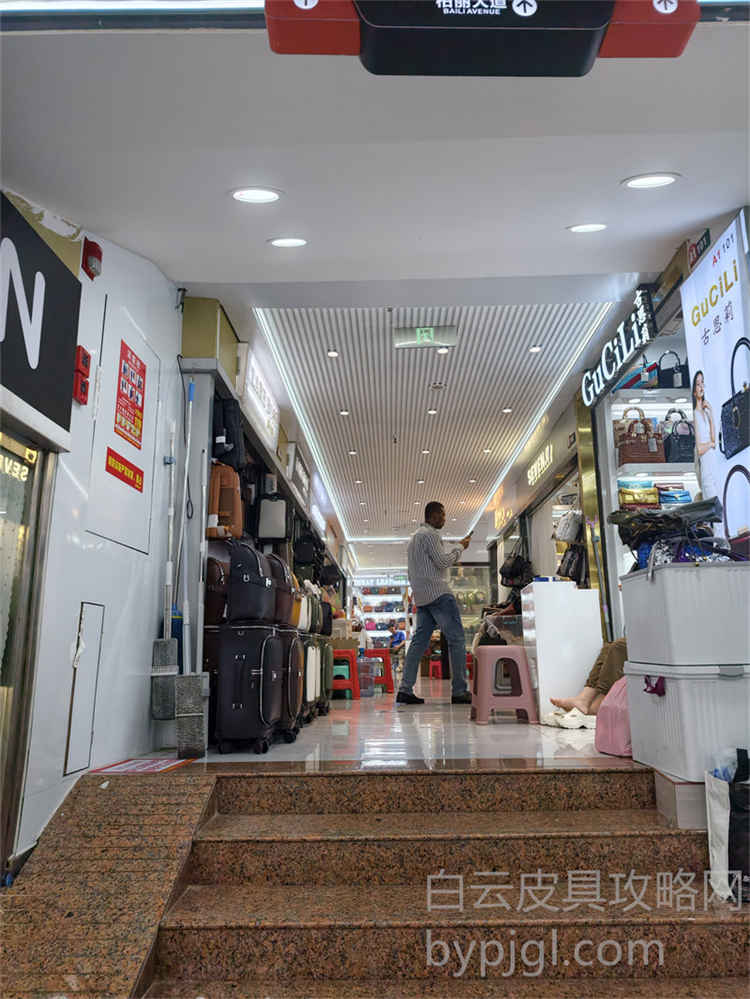
If you want to find serious volume and competitive pricing, you need to ignore the flashy ground floor of Building 1. That area is for the big brands and the tourists with deep pockets. Go straight to Building 4, specifically the upper floors. This is where the heavy hitters operate. I remember a client last month who wanted to source luxury-style handbags. He was stuck on the first floor paying retail prices. I dragged him up to the fourth floor, and we found a stall called Golden Eagle (Jin Ding). They don't advertise online, but their booth number is 4B089. They supply factories in Huadu District, which is the true manufacturing hub.
Here is a hard fact: A bag selling for $150 on the first floor might be available for $65 from the same production line if you go to the fourth floor. The difference isn't quality; it's rent. The landlords on the lower levels charge premium rates for foot traffic. The manufacturers on the upper floors are willing to cut margins to move inventory. When you ask for the "Guangzhou bag factory address," the answer is often "Building 4, Floor 4." But you must be ready to negotiate.
The Hidden Gem: Zhongda and Shiqiao
Baiyun is great, but it's not the only game in town. For those looking for specific materials or smaller batch production, you need to head to the Shiqiao area near the metro. There is a cluster of warehouses there that function as direct factories. One name you should write down is Shengda Leather Workshop. They are located in an industrial compound off Jiefang Road, not in the main mall. Their contact info is rarely online, but if you ask around at the Baiyun market, specifically at the hardware stalls near the east exit, you'll get directions. They specialize in custom molds. If you have your own design, this is where you go. They don't sell off-the-shelf; they build exactly what you need.
The Art of Sourcing: What to Look For Before You Pay
Walking into a stall is easy; knowing what to look for is the skill. When I take clients to these locations, I teach them to check three things immediately: the stitching density, the smell of the glue, and the weight of the hardware. Many new buyers focus on the logo, but that's the easiest part to fake. The real value is in the details.
Stitching and Glue: The Tell-Tale Signs
In my experience, the biggest mistake overseas buyers make is trusting photos. Photos can be edited. only touch the product. At the Yiwan Leather Showroom on the third floor of Building 2, I once saw a buyer reject a bag because the lining felt cheap. The owner laughed and showed us the inside. It was genuine cowhide, but the buyer had never seen raw leather before. We compared two bags side by side. One cost $80, the other $120. The $120 one had double-stitched seams with waxed thread that didn't fray. The $80 one used standard polyester thread. The difference in durability? Massive. Always ask to see the "raw edge" of the leather. If it's painted over to hide imperfections, walk away.
Also, smell the bag. High-quality leather has a distinct, earthy scent. If it smells like chemical solvents or strong plastic, the tanning process was rushed. This is common in the cheaper sections of the market. I've seen entire batches rejected because the glue fumes were too strong, causing allergic reactions for end-users. Don't risk your brand reputation on bad materials.
Hardware and Zippers: The Silent Killers
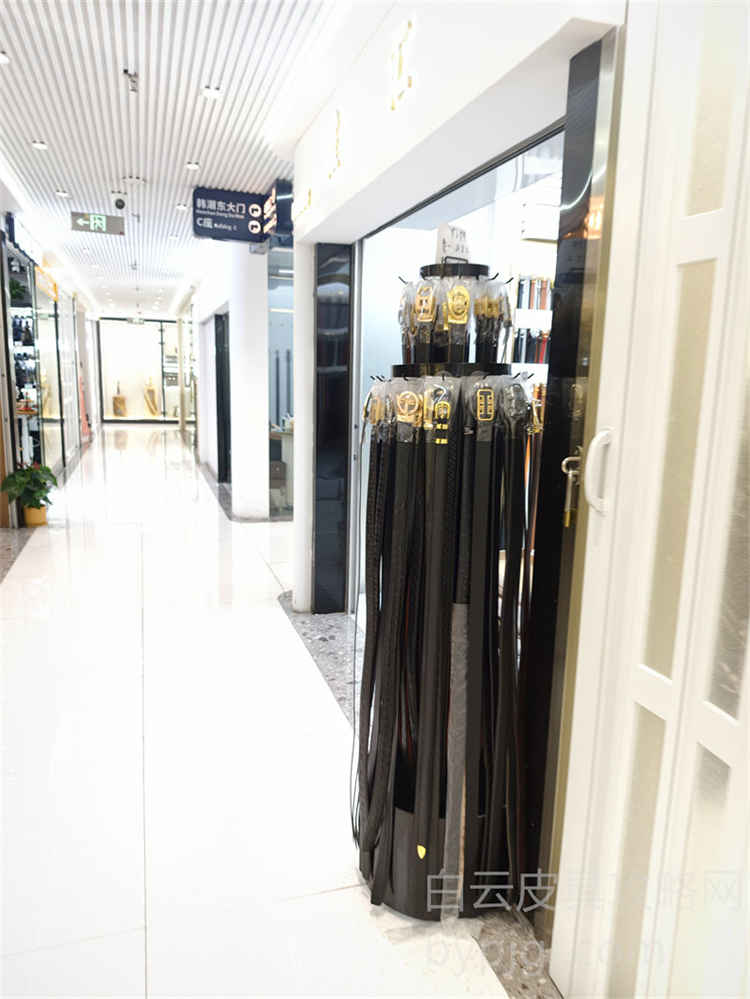
Hardware is where many suppliers cut corners. A bag with beautiful leather but a zipper that jams after ten uses is useless. When visiting the Haoyuan Factory Outlet in the basement level of the Baiyun complex, I always test the zippers myself. I pull them open and closed five times. If they feel sticky or the teeth misalign, it's a red flag. The best suppliers use YKK or Riri zippers. If they claim to use these but the finish looks cheap, they are lying. Ask to see the packaging of the hardware components. Legitimate factories keep these boxes on hand.
Dealing with MOQs and Negotiation Tactics
This is where most people fail. They expect to buy one bag at factory price. That simply doesn't work in Guangzhou. The concept of Minimum Order Quantity (MOQ) is strict here. However, it's negotiable if you play your cards right.
The "Sample First" Strategy
Never place a bulk order without seeing a physical sample. Even if you are buying 100 units, start with one. I recommend asking for a "development fee" rather than a full sample price. Some stalls, like Top Quality Leather Co. on the second floor of Building 3, will waive the sample fee if you promise a future order of over 500 pieces. This is a standard practice. Be honest about your volume. If you say you want 1,000 units but only bring cash for 10, they will treat you like a tourist. Lie about your volume, and you will get ripped off later. Honesty builds trust, and trust gets you better prices.
Understanding the Price Gap
Let's talk numbers. A similar bag in a boutique in New York might sell for $300. In Baiyun, the wholesale price ranges from $40 to $80 depending on the grade. The "Grade A" version costs $60, while the "Grade AAA" (which looks identical to the original) might be $75. The difference is the leather grain consistency and the precision of the stitching. Do not chase the cheapest option. The $30 bags are usually made with synthetic PU that peels within months. Invest in the mid-range. It offers the best balance of quality and margin for your business.
Summary of Key Locations and Tips
To wrap this up, here is a quick reference guide based on my years of experience. Use this table to plan your trip so you don't waste time wandering aimlessly.
| Location Name | Specific Area/Address | Best For | Estimated MOQ |
|---|---|---|---|
| Baiyun Int'l Leather City (Building 4) | Floors 3-4, Booth 4B089 (Golden Eagle) | Volume orders, Luxury styles | 50-100 pcs |
| Baiyun Int'l Leather City (Building 2) | Floor 2, Top Quality Leather Co. | Custom designs, Sample development | 100+ pcs (waived sample fee) |
| Shiqiao Industrial Zone | Jiefang Road, Shengda Leather Workshop | Small batches, Custom molds | 20-50 pcs |
| Baiyun basement Level | Haoyuan Factory Outlet | Hardware sourcing, Budget options | 100+ pcs |
Remember, the "Guangzhou bag factory address" isn't a single coordinate on a map. It's a network of relationships. The best deals aren't found by searching online; they are found by shaking hands, smelling the leather, and understanding the local culture. Come prepared, be respectful, and don't be afraid to ask questions. The owners here respect knowledge. If you walk in acting like a tourist, you pay tourist prices. If you walk in like a partner, you get partner rates. That is the secret of the Guangzhou leather market.