Why Your "Official" Supplier is Lying to You: A Veteran's Truth about Guangzhou Bags
Welcome to the real deal. I've been standing in this same spot at Baiyun Leather City for over fifteen years, watching the industry shift from small workshops to massive supply chains. If you are an overseas buyer looking for high-end replicas, you have probably heard the stories about "fake factories" and "scam agents." Let me tell you something straight: those stories are half-true because they come from people who don't know how to walk the floor. The problem isn't that the goods aren't there; it's that you are asking the wrong questions at the wrong counters.
I see too many buyers trying to order via WeChat without ever seeing the leather grain or the stitching tension. They think a photo on a screen is enough. It isn't. In my experience, the difference between a $50 bag and a $300 bag lies entirely in the details you can only verify by touching the material with your own hands. This guide is not for the casual browser; it is for serious buyers who want to cut out the middleman and get the best price directly from the source.
Navigating the Maze: Where to Actually Find Quality
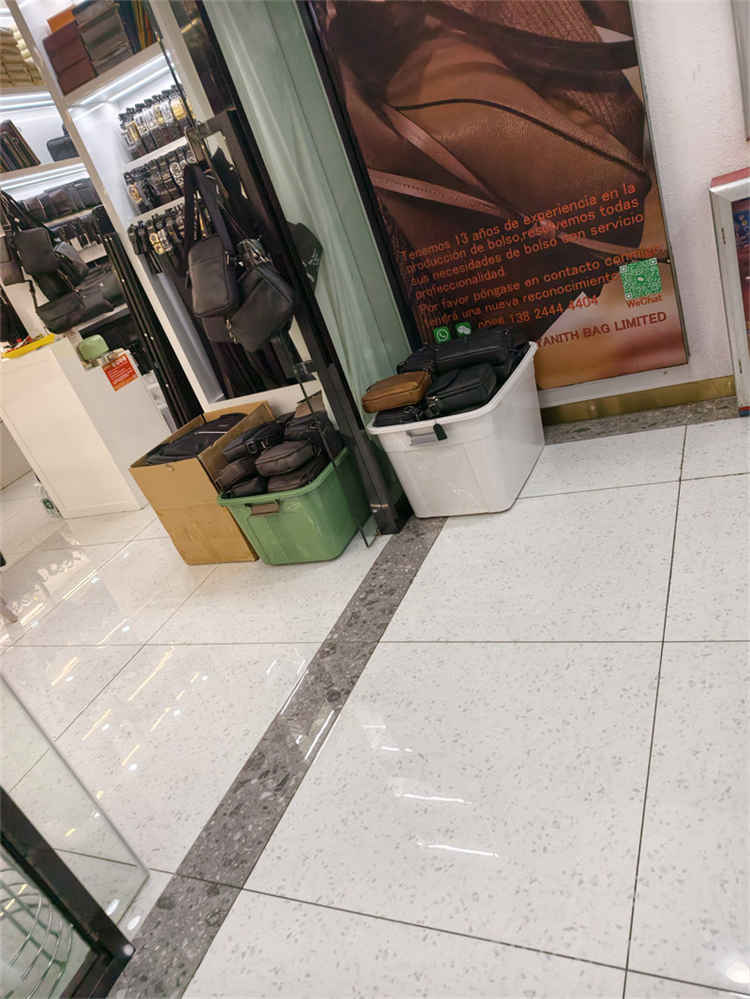
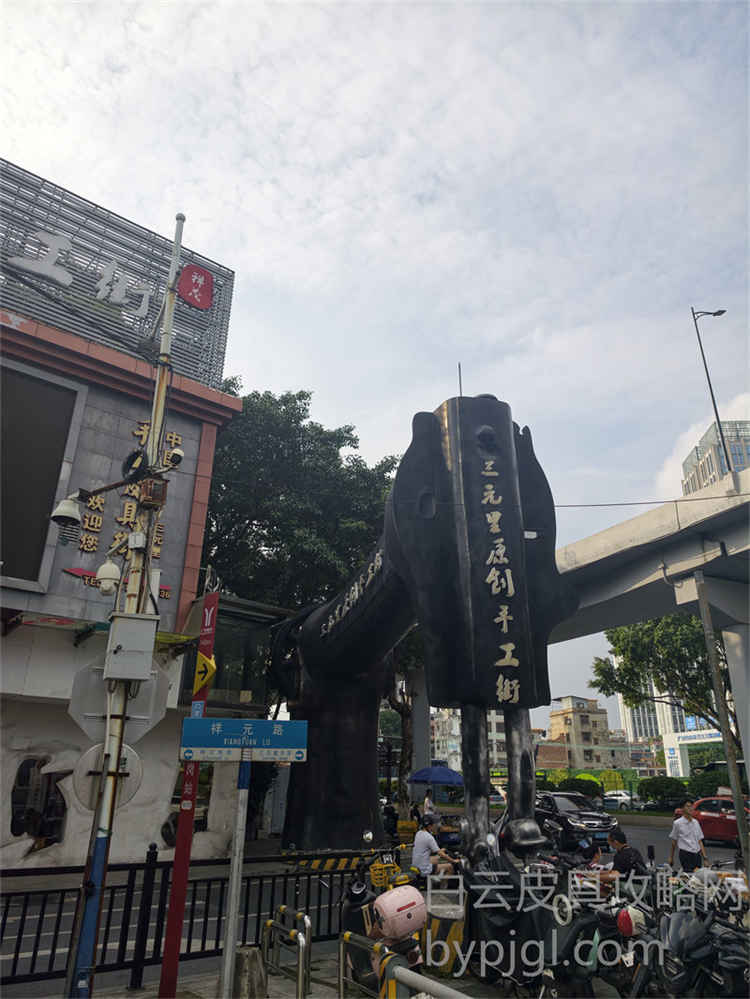
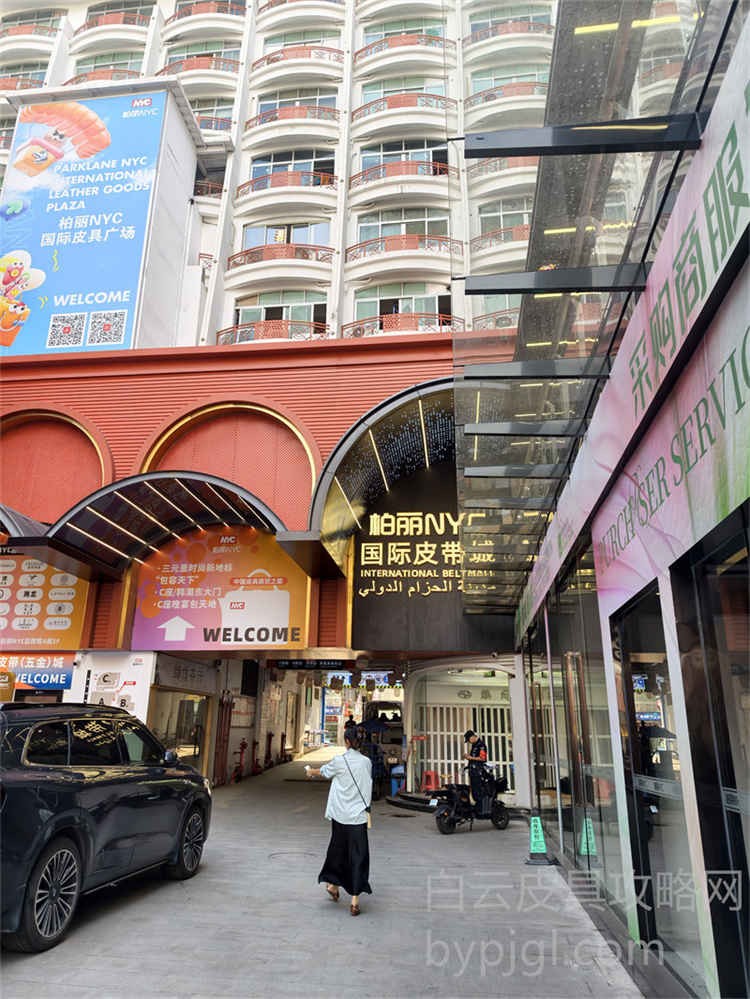
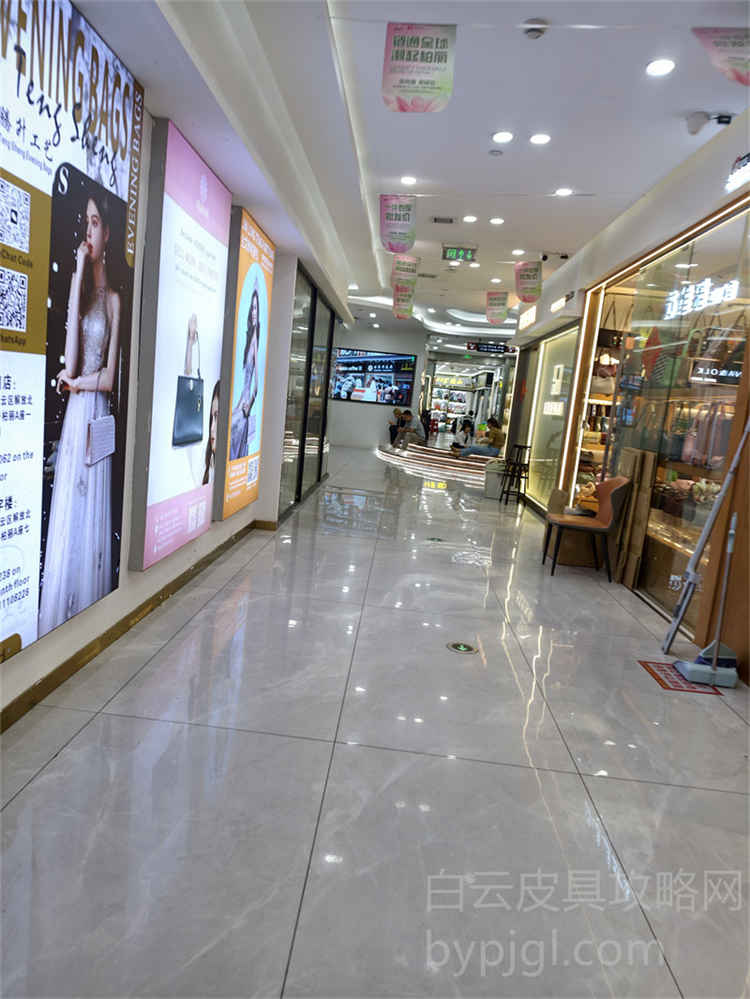
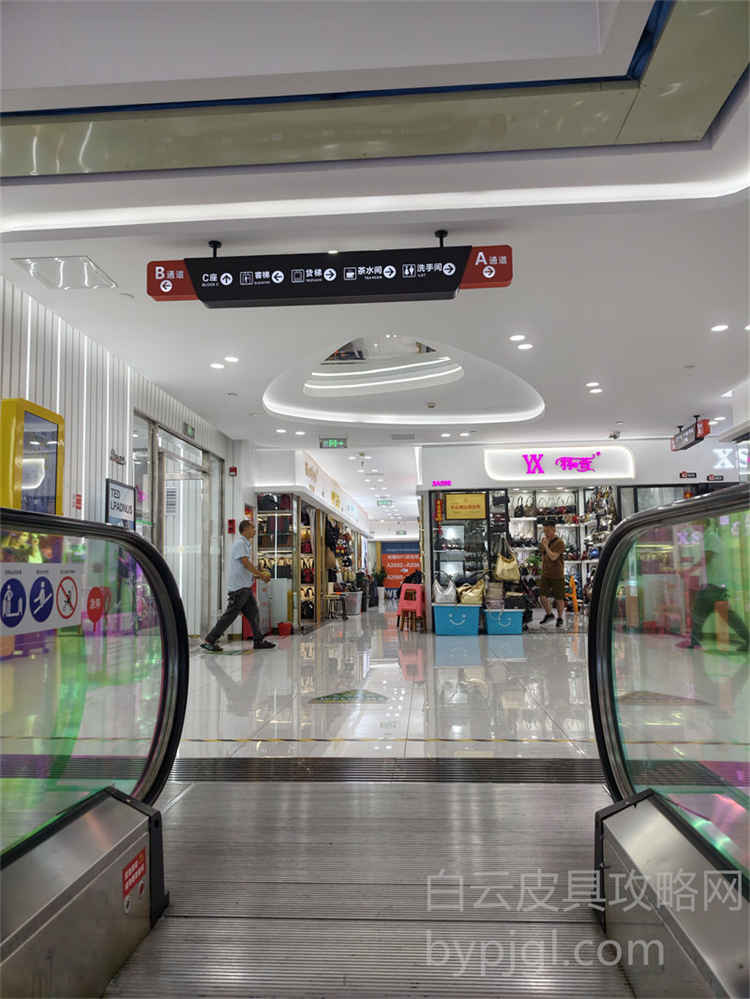
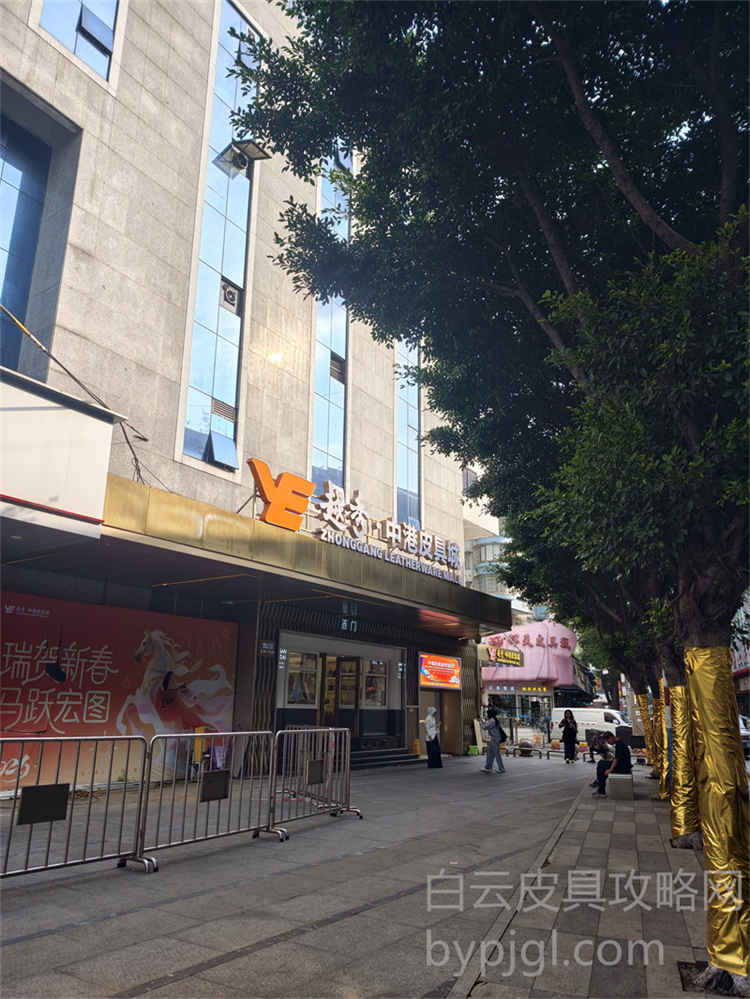
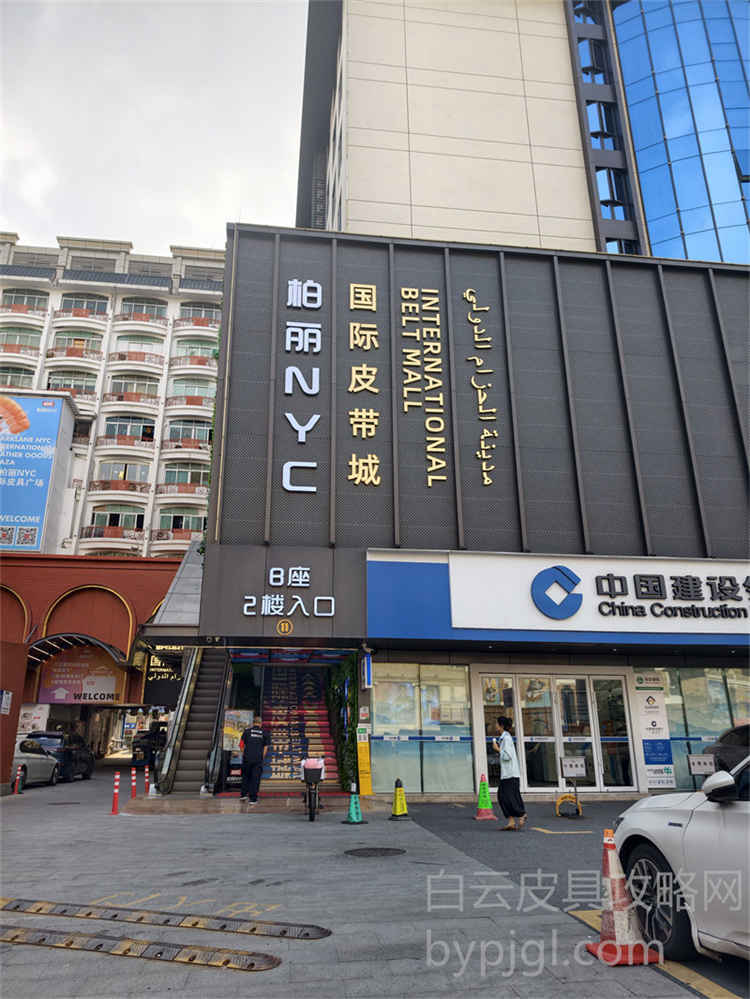
Guangzhou has dozens of markets, but if you want the top-tier replica goods, you need to focus on specific zones. Most tourists get lost in the cheap stalls selling low-quality fakes. You need to go where the big players operate. The core of this ecosystem is the Baiyun International Leather Trade City (Baiyun Pijiu Cheng), specifically the older buildings like Building 1 and Building 2, which house the most established manufacturers.
The Golden Floor Strategy
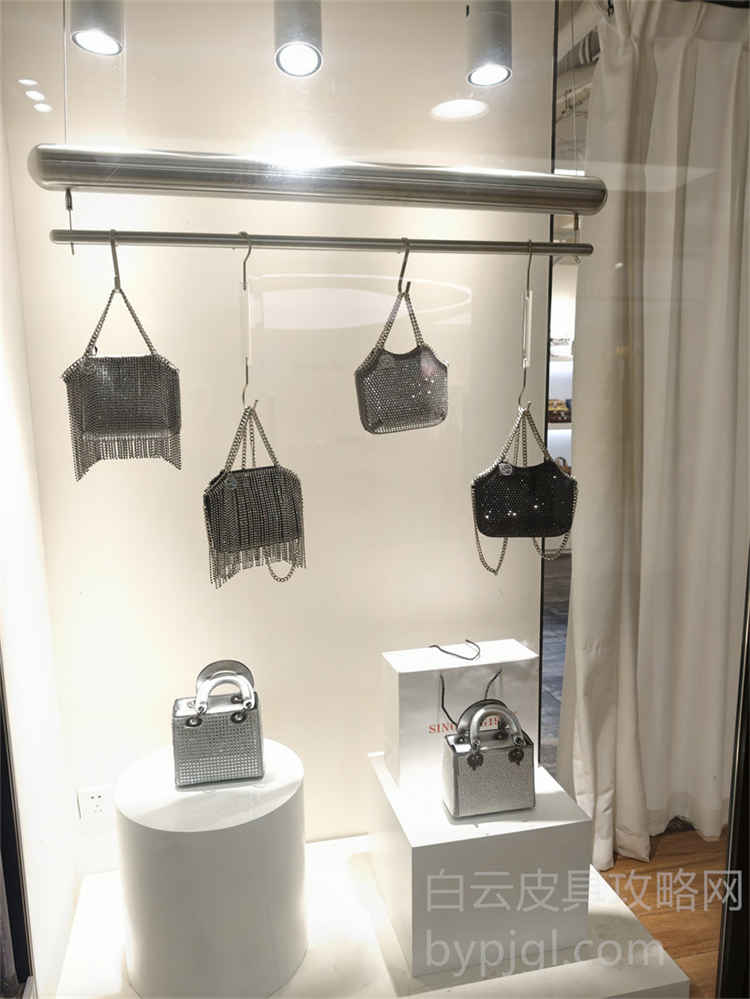
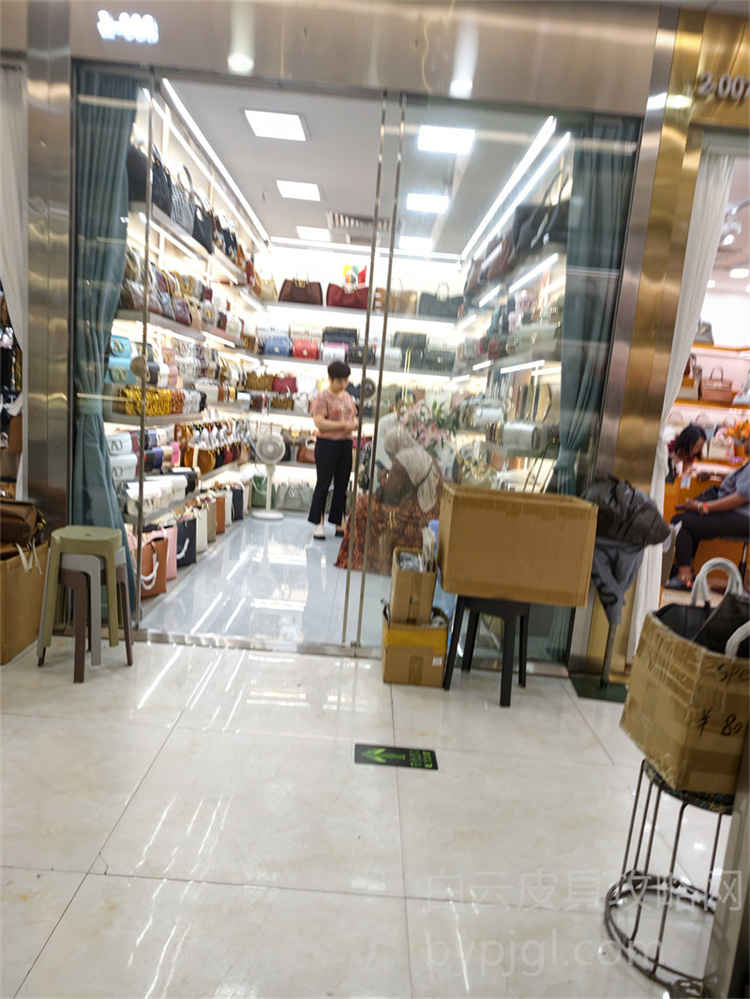
Here is a hard truth: the ground floor is mostly for tourists and low-end bulk orders. If you want quality, you must head to the third and fourth floors. That is where the real factories keep their sample rooms. For example, if you are looking for luxury-style handbags, do not waste time on the first floor. Go straight to the 4th floor of Building 1. There, you will find counters like Shengda Leather Goods and Jinlong Factory Direct. These are not just resellers; they often have their own production lines nearby in Renhe or Shiqiao.
I remember a client last month who wanted to buy a specific model. He went to a random stall on the second floor and got quoted $85. I took him to the 4th floor, showed him the exact same model from Golden Eagle Leather, and we negotiated down to $65 because he was buying five pieces. The difference? The 4th-floor vendors know the wholesale market dynamics. They speak English better, they understand international shipping, and most importantly, they show you the "original mold" versions, not the knock-offs made from leftover scraps.
Inspection Protocol: How to Spot the Fakes Before You Pay
When you are standing in front of a counter, do not just look at the bag. Look at the hardware, the smell, and the lining. I have seen buyers get scammed because they didn't check the zipper pull. Here is my personal checklist that I use every single day when vetting new stock for my clients.
The Hardware and Stitching Test
First, pick up the bag. Real high-end replicas use solid zinc alloy or brass hardware, not hollow plastic painted gold. Tap the lock. If it sounds thin and tinny, put it back. Second, count the stitches per inch. On a standard luxury style bag, the stitching should be tight, consistent, and slanted. If you see loose threads or uneven spacing, that is a sign of a rushed batch. At Top Grade Leather Co. on the 3rd floor, they pride themselves on having 14 stitches per inch. Anything less than 12 is usually a lower grade.
Third, check the smell. High-quality PU leather or genuine cowhide used in these markets smells distinctively different from the chemical stench of cheap vinyl. If the bag makes your eyes water, it is likely using toxic glues and dyes. I once rejected a shipment of fifty bags from a vendor on the 2nd floor simply because the smell lingered even after airing them out. My client saved thousands of dollars because he trusted his nose.
Negotiation Tactics: Getting the Real Wholesale Price
This is where most foreigners fail. They treat the transaction like a retail purchase. You are here to buy wholesale, so act like it. Never ask "How much?" immediately. Instead, ask "What is your best price for 10 pieces?" or "Can you match the price of the factory next door?"
The Volume Leverage
In my shop, we have a tiered pricing structure. One piece might cost $90, but ten pieces drop to $75. Twenty pieces drop to $65. If you try to buy one piece at the "wholesale" price, the vendor will laugh at you. However, if you say, "I am planning a store opening and need 20 units to start," the dynamic changes completely. They will open their private catalog and show you the "A+ Grade" items that are not displayed on the main rack.
Also, never pay the full amount upfront unless you have a long-term relationship. For new buyers, I always suggest paying 50% deposit and 50% upon inspection before shipping. Many vendors in Baiyun accept Alipay or bank transfers, but for international safety, use a platform that offers buyer protection. I have seen too many buyers lose money because they sent wire transfers to unknown accounts. Stick to the counters that have a physical presence in the market.
Logistics and Shipping: Avoiding Customs Traps
once you have selected your goods, the next challenge is getting them to your country. Do not let the vendor handle everything blindly. They might ship via a slow, untracked courier to save costs. You need to insist on a reliable express service like DHL, FedEx, or UPS, even if it costs a bit more. Why? Because speed reduces the risk of customs seizure.
The Declaring Game
Here is a secret: many vendors in Baiyun are experts at declaring goods as "leather samples" or "accessories" to avoid high tariffs. However, if you are ordering large quantities, the declaration value matters. I recommend working with a forwarder who specializes in China-to-world shipping. They can help you consolidate multiple orders from different stalls into one package, saving you significant freight costs. For instance, if you buy from Shengda and Jinlong, a good forwarder can combine them in their warehouse in Guangzhou and ship one box to New York or London.
Summary of Top Vendors and Locations
To make your trip easier, here is a quick reference table of the most reliable spots I have verified over the years. Remember, the market changes, so always verify the current location before heading there.
| Vendor Name | Location | Specialty | Best For |
|---|---|---|---|
| Shengda Leather Goods | Baiyun Market, Bldg 1, 4th Floor | Luxury Handbags, Wallets | High-volume orders, A+ Grade |
| Jinlong Factory Direct | Baiyun Market, Bldg 2, 3rd Floor | Travel Bags, Backpacks | Durable materials, Custom logos |
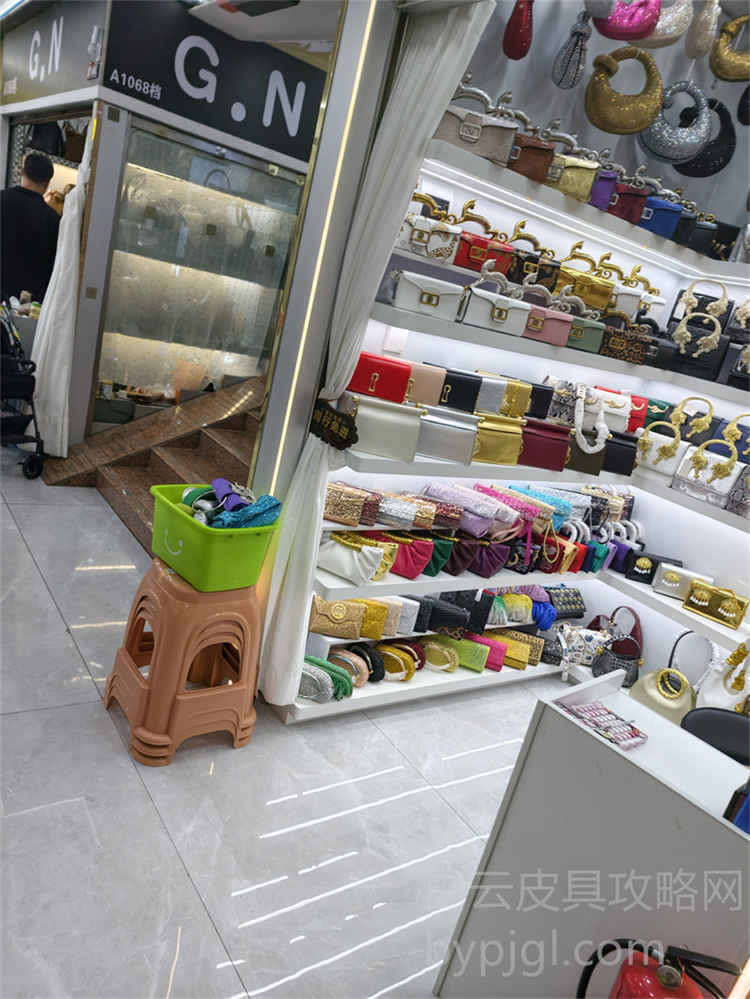
| Golden Eagle Leather | Baiyun Market, Bldg 1, 4th Floor | Crossbody Bags, Clutches | Trendy styles, Fast turnover |
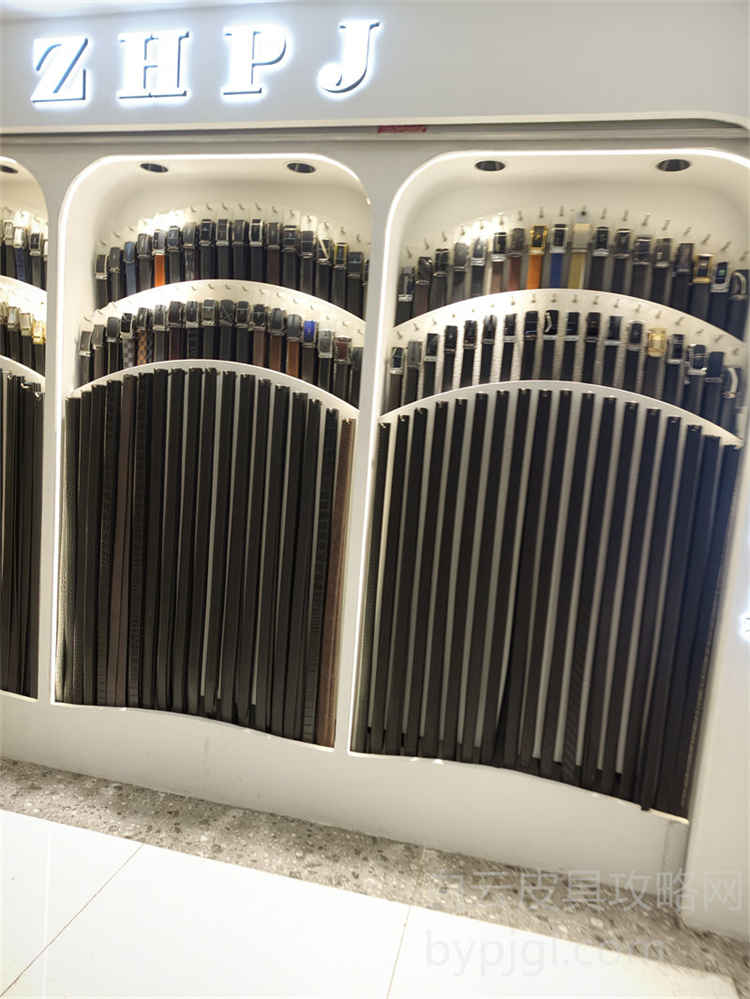
| Top Grade Leather Co. | Baiyun Market, Bldg 3, 2nd Floor | Men's Accessories, Belts | Leather quality, Hardware focus |
Buying from Guangzhou is not just about finding a product; it is about building a relationship. When you walk into these markets, dress professionally, speak confidently, and show that you know what you are looking for. The vendors respect knowledge. If you treat them like partners rather than customers, you will unlock the true potential of the Baiyun Leather City. Don't settle for mediocrity. Go to the 4th floor, touch the leather, and negotiate like a pro. That is how you win in this game.