Why Guangzhou is Still the only Place to Source Bags
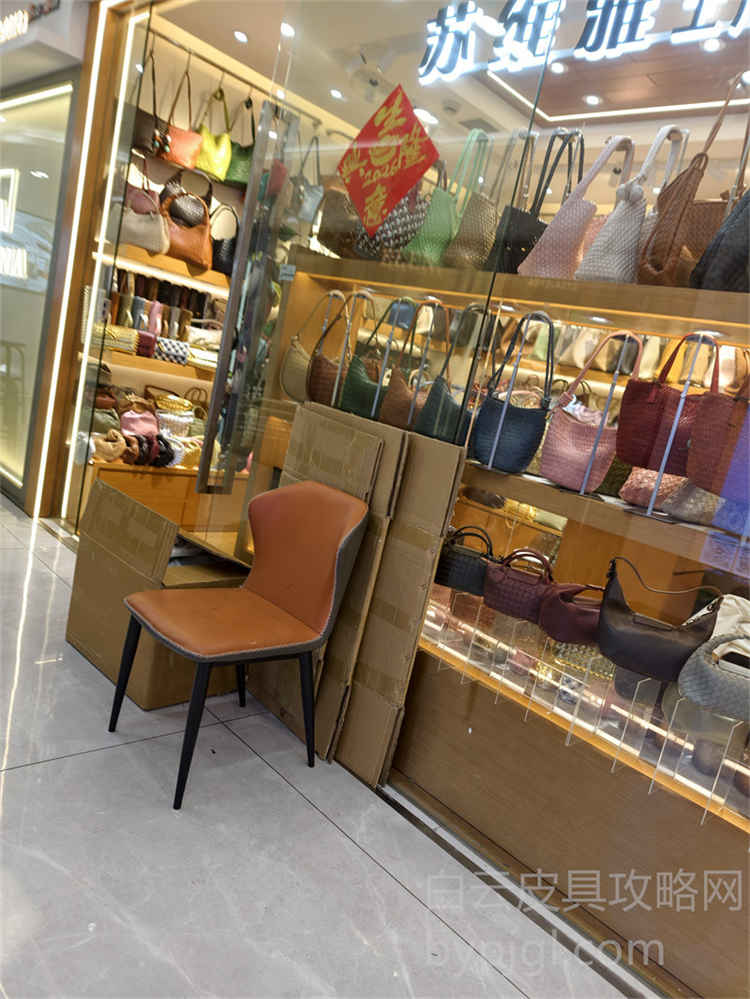
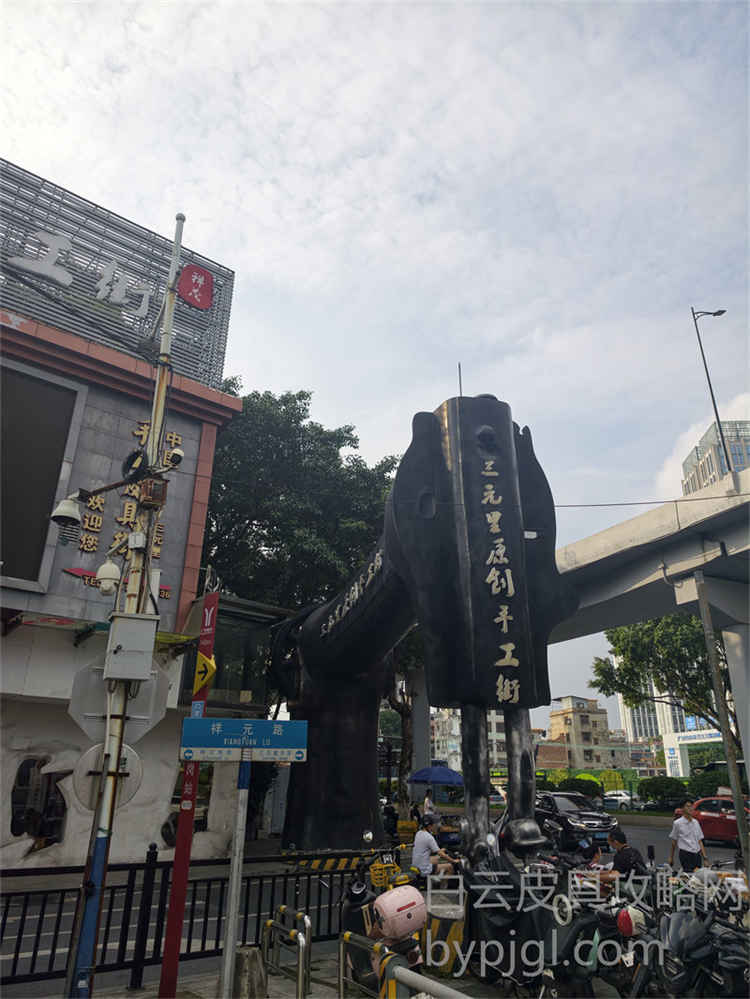
I have been standing behind my counter in the Baiyun Leather City for over twenty years. While everyone talks about "Made in China" on Amazon or Alibaba, they rarely understand the pulse of the actual factory floor. If you are an overseas buyer looking for real leather goods, stop scrolling through generic listings. The real money and the real quality are found only when you step into the concrete corridors of Guangzhou's皮具 markets. I've seen thousands of buyers come and go, some leaving with gold mines of inventory, others walking away with nothing but a headache. Let me tell you exactly where the货源 (sources) are, how to find them, and why your online search will fail without this local knowledge.
The Real Geography: Beyond the Main Entrance
Where the Big Players Actually Hide
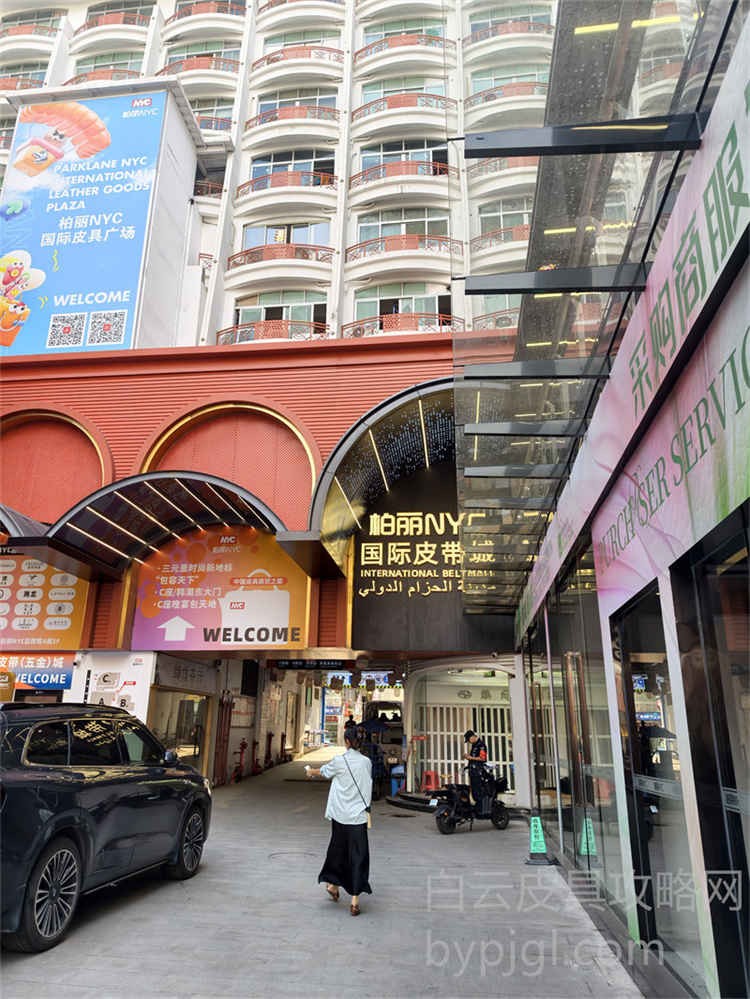
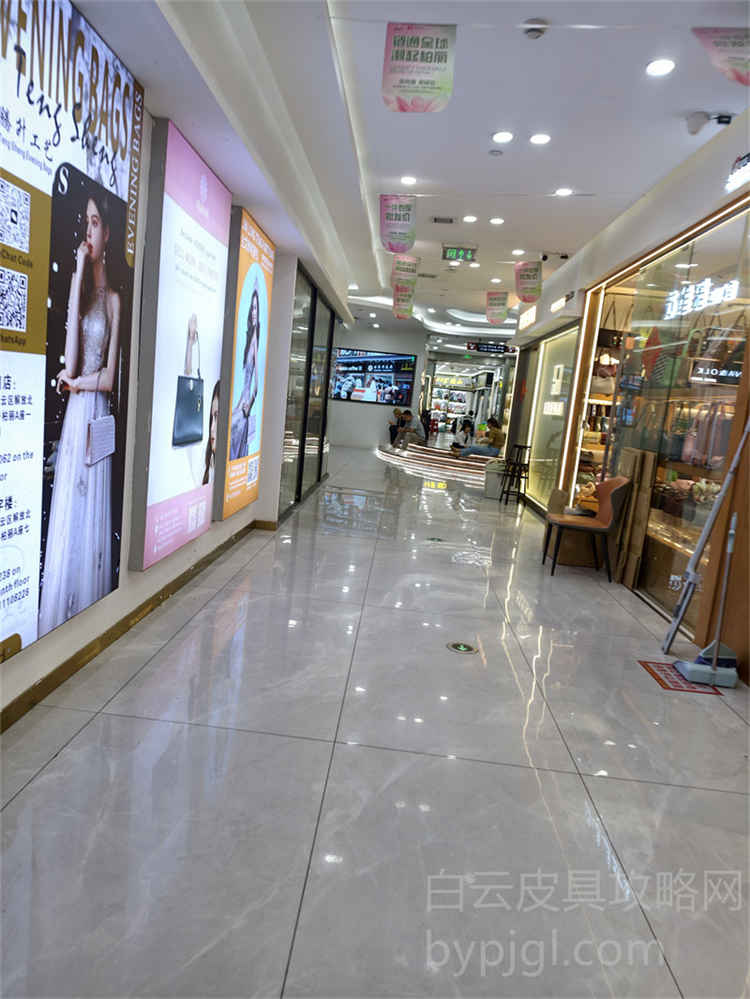
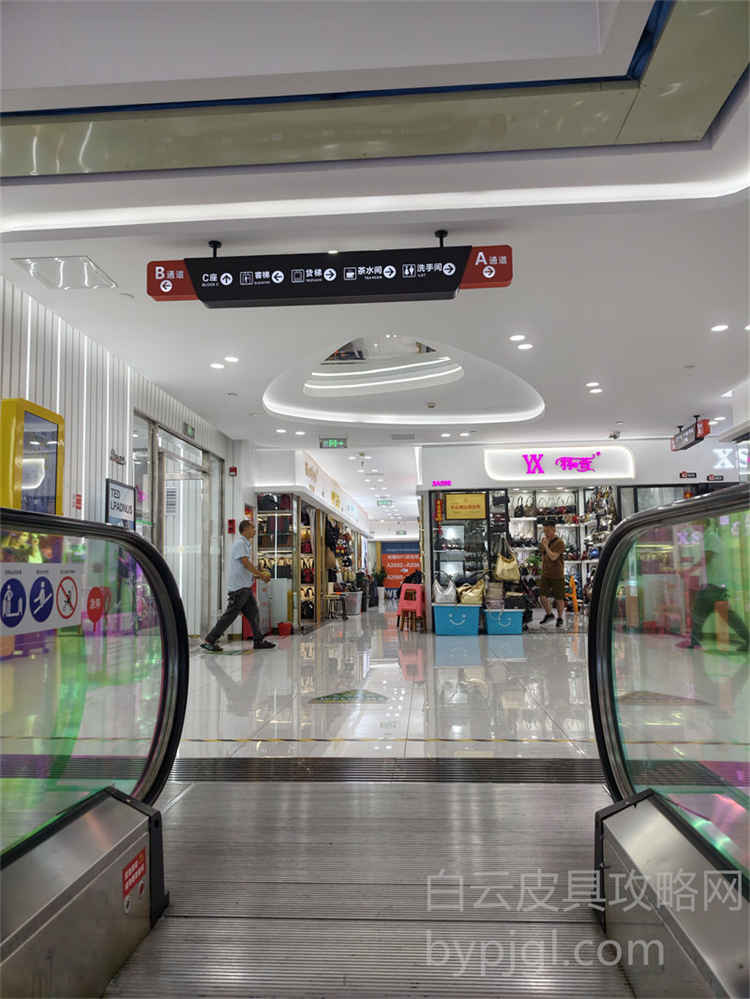
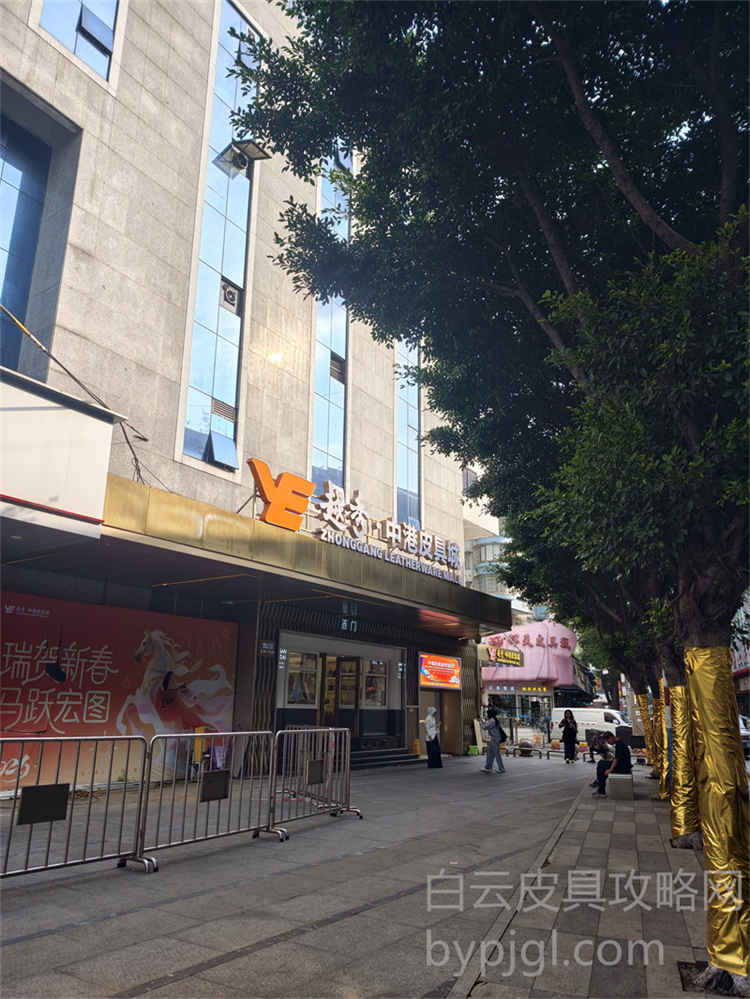
Most tourists and new importers walk straight into the main hall of the Baiyun Leather World (Baiyun Pijia Cheng), expecting to find everything. That is a mistake. The high-end factories that supply brands like Louis Vuitton or Gucci do not put their best stock in the front row. They operate from specific floors and side wings. For instance, if you want top-tier craftsmanship, head to the 4th floor of the New Baiyun Leather City. This is where the "master workshops" are located. You won't see flashy displays here; instead, you will see stacks of raw cowhide and skilled artisans stitching by hand.
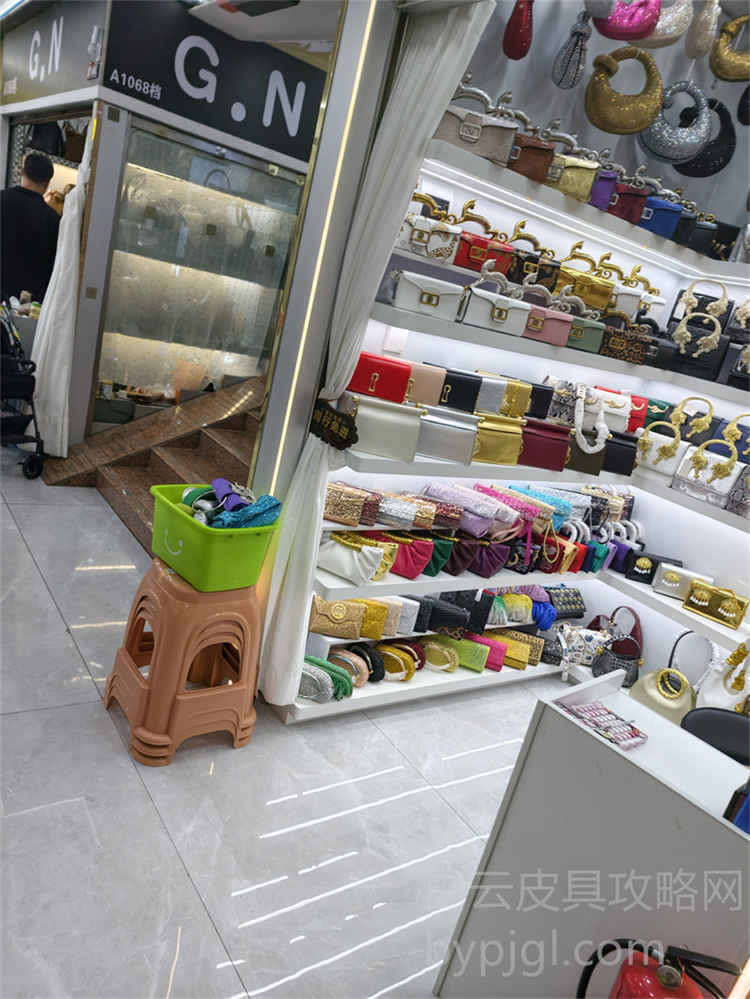
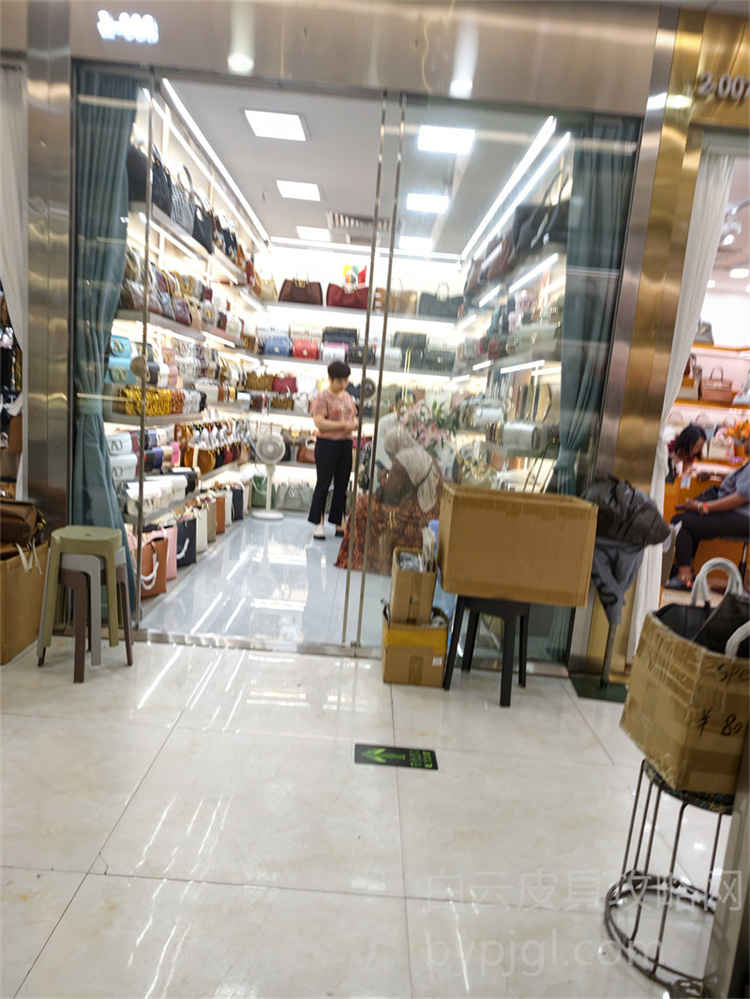
However, if you are looking for volume and trend-driven designs, the Golden Plaza (Jinxiu) is your battlefield. Specifically, look at the east wing, floors 2 and 3. Many of my regular clients know that the shop number 2056 in the East Wing belongs to a factory that specializes in luxury replicas and high-quality OEM bags. They don't advertise online because they rely on word-of-mouth. Another critical spot is the Zhongda International Trade Center nearby. It is less crowded than Baiyun but houses many smaller, agile factories that can handle small MOQs (Minimum Order Quantities). When I guide my foreign friends, I always say: skip the ground floor of the main building unless you want to pay retail prices disguised as wholesale.
How to Spot Quality vs. Scams: A Veteran's Checklist
The Smell Test and Stitching Count
When you walk into a stall, do not just ask for the price list. That is what the sales staff wants you to do. Instead, pick up the bag. Feel the weight. Genuine full-grain leather has a specific density and smell that synthetic PU cannot mimic. In my experience, a common scam involves selling "top grade" PU as genuine leather. I once saw a buyer spend $500 on a bag that looked perfect until he rubbed it with alcohol; the color came off immediately. Always bring a small bottle of rubbing alcohol or a leather tester pen if you are unsure.
Look at the stitching. High-quality bags from factories in the Shiqiao area usually have 12-14 stitches per inch. Cheap knockoffs often have loose threads or uneven spacing. I remember a client who ordered 500 units from a supplier claiming to be in the "Golden District." When the goods arrived, the stitching was inconsistent. Why? Because the supplier had outsourced the production to a sub-par workshop in a different province. To avoid this, always ask to see the factory floor. If they refuse, walk away. Real factories in Guangzhou are proud of their machinery and workers. They will show you the cutting room and the sewing line. This transparency is the biggest indicator of trust.
Negotiation Tactics and Pricing Secrets
Understanding the Price Layers
Pricing in Guangzhou is not fixed; it is a dance. The first price you hear is the "tourist price," which can be double the actual wholesale cost. For example, a high-quality tote bag might be quoted at $80 initially. But if you mention you are buying 100 pieces and paying cash, the price drops to $45. If you are willing to take the risk on a slightly lower margin for a larger order, you can get it down to $35. This is the reality of the Baiyun market. The markup depends entirely on your relationship and volume.
Here is a data comparison I keep in my notebook from last month's transactions:
| Item Type | Initial Quote ($) | Final Negotiated Price ($) | MOQ Required |
|---|---|---|---|
| Luxury Handbag (Top Tier) | $95 | $62 | 50 pcs |
| Trendy Tote Bag | $45 | $28 | 100 pcs |
| Small Wallet Set | $12 | $7.50 | 200 pcs |
Notice the difference? The negotiation power increases significantly with volume. Also, never agree to pay 100% upfront. A standard deal in Guangzhou is 30% deposit, 70% before shipment. If a supplier demands 100%, run. It is a red flag for fraud. I have seen too many buyers lose their deposits to fake factories that disappear after receiving payment.
Logistics and Shipping: Getting Your Goods Home
The Hidden Costs of Export
once you have selected your bags, the next challenge is shipping. Many buyers forget that the price of the bag does not include freight. In Guangzhou, there are dozens of forwarders right outside the market exits. Do not use the courier service recommended by the stall owner unless you trust them completely. Instead, ask for a contact of a reliable freight forwarder who specializes in air or sea freight to your country. They can consolidate your orders from multiple stalls into one container, saving you significant money.
For example, if you buy from three different shops in the Baiyun Leather City, each might charge you separately for packaging and handling. A good forwarder can bundle these into one shipment. I recommend using a forwarder based in the Huangpu port area for sea freight, as it is cheaper for large volumes. For urgent orders, air freight from Baiyun Airport is fast but expensive. Always calculate the total landed cost, including customs duties, before finalizing your budget. Many overseas buyers underestimate the customs fees in their own country, leading to unexpected costs upon arrival.
Conclusion: Build Relationships, Not Just Transactions
Sourcing bags from Guangzhou is not just about finding a product; it is about building a network. The best deals come from long-term relationships. If you visit the same stall every season, the owner will give you priority access to new designs before anyone else sees them. They will also offer better credit terms and faster production times. Remember, the Baiyun Leather City is a living ecosystem. It changes daily, with new trends emerging and old suppliers fading away. Stay flexible, stay curious, and always verify your sources. With the right approach, you can source high-quality bags directly from the heart of the industry, bypassing middlemen and maximizing your profit margins.