Why I've Been Selling Bags in Guangzhou for 20 Years and What You Need to Know Before You Buy
Welcome to the real story. If you are reading this, you probably think "Guangzhou replica bags" means cheap junk sitting on a dusty shelf somewhere. Let me tell you something: that is exactly why most overseas buyers get scammed or end up with garbage they can't even wear. I have been standing behind my counter at Baiyun Leather City for over two decades. I have seen thousands of tourists walk in looking for a bargain, only to leave empty-handed or worse, with a bag that falls apart after one week. The market here is not a playground; it is a high-stakes battlefield where quality varies from "perfect mirror" to "absolute trash." Today, I am going to pull back the curtain on how the game is actually played, so you don't waste your money.
The Myth of the "Cheap" Bag and the Reality of Quality Tiers
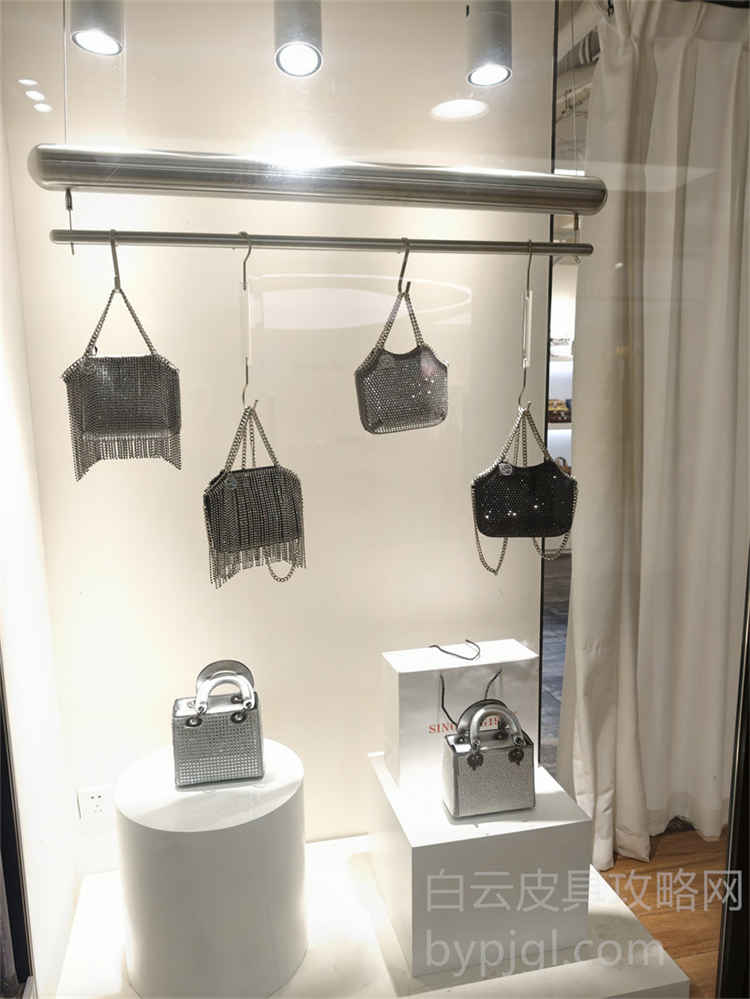
When people ask me about "cheap replica bags," they usually mean the $30-$50 range. But let me be honest with you: if you want a bag that looks like the original but costs less than a luxury brand's lunch, you need to understand the tiers. In my shop, we don't just sell "fake" bags; we sell different grades of craftsmanship. There is the "market grade" which is what you see in street stalls, and then there is the "top tier" or "1:1" grade that comes from our specific factories. The price difference isn't just marketing; it is leather, hardware, and stitching time.
Understanding the Price Gap: Real Data from My Ledger
Let's look at some actual numbers from my inventory log last month. A standard LV Neverfull in "market grade" (the cheap stuff) sells for around 45 USD. It uses PU leather that peels after a month and hardware that turns green in a week. However, the same model in "top tier" from my partner factory in Panyu costs me 85 USD wholesale, and I sell it to serious clients for 120-130 USD. Why? Because the top tier uses genuine calfskin, YKK zippers, and the weight distribution is identical to the authentic version. If you are looking for "Guangzhou Baiyun Leather City best quality," stop looking for the cheapest option. The cheapest option is always a trap for first-time buyers.
Navigating Baiyun Leather City: Where to Go and Who to Trust
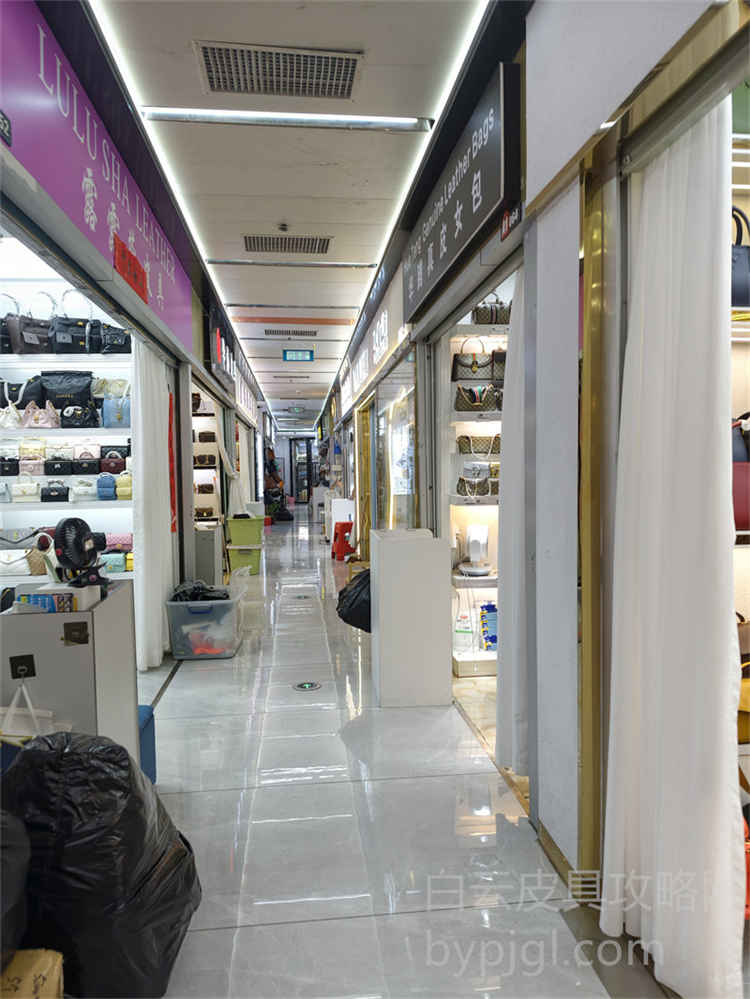
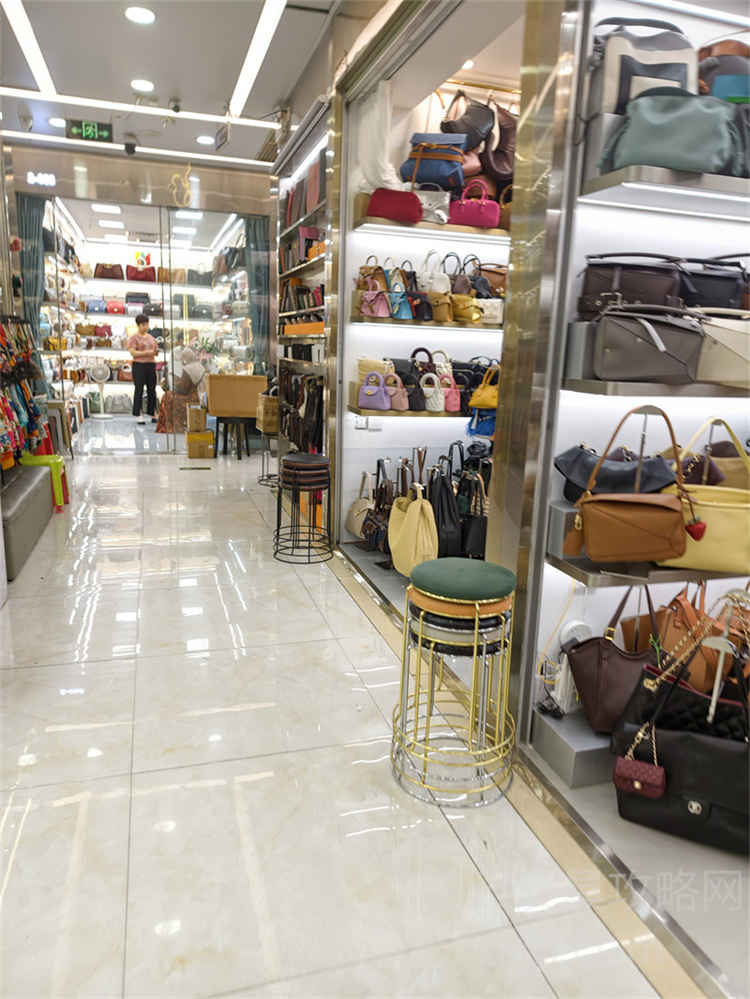
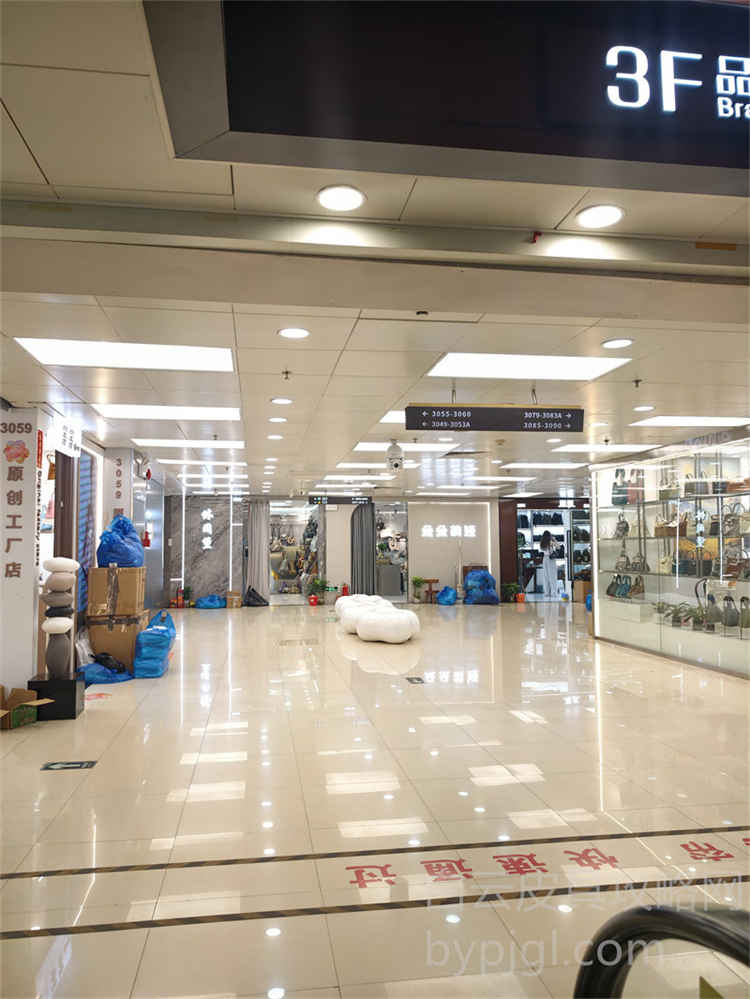
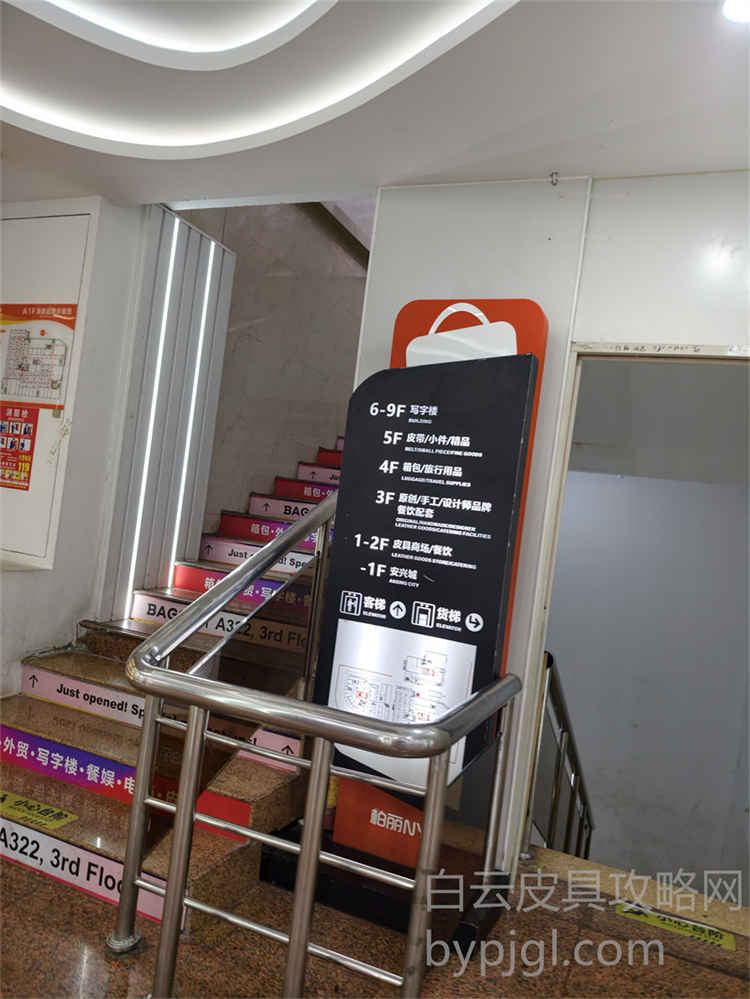
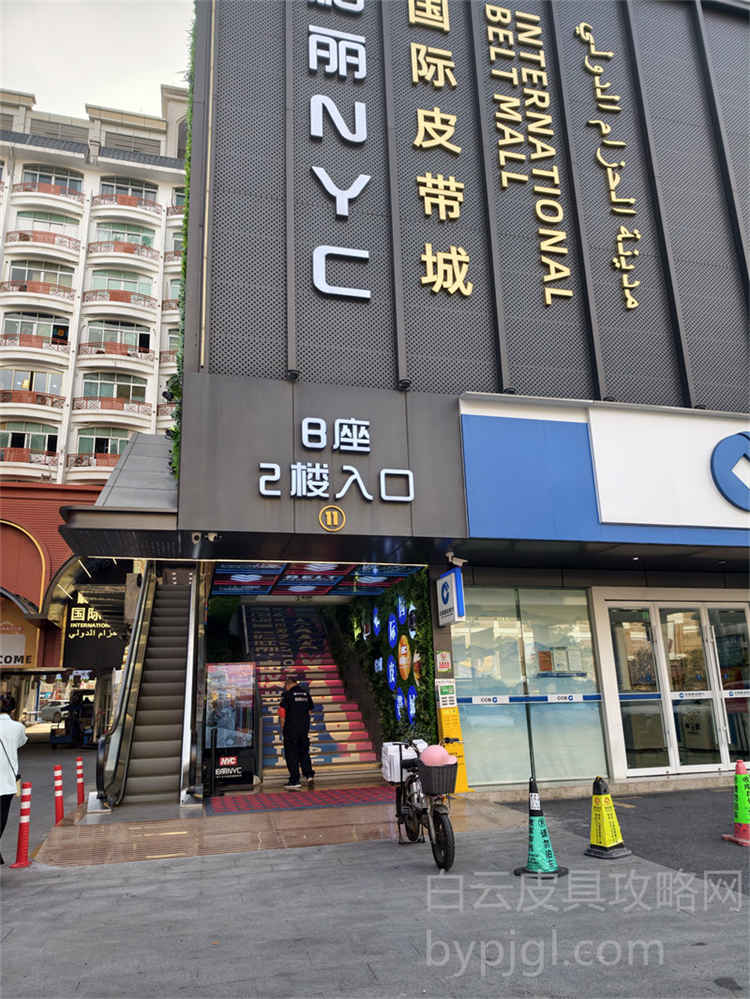
Baiyun Leather City is massive. It has four main buildings, and if you wander into the wrong corridor without a guide, you will get lost in a maze of low-quality knockoffs. Most tourists go straight to the ground floor of Building 1, thinking that is the hub. Wrong. That is where the tourist traps are. The real action happens on the upper floors and in the newer annexes where the serious wholesalers operate.
My Recommended Stalls and Factory Direct Contacts
If you are coming to Guangzhou, do not rely on random Google searches. Here is where I send my regular international clients. First, head to Building 3, Floor 2. Look for the stall named "Golden Eagle Leather Goods". They specialize in high-end handbags and have a direct line to their factory in Shiqiao. Their owner, Uncle Li, speaks basic English and knows exactly what the Western market wants. For those who want the absolute best materials, I recommend visiting "Elite Craft Studio" located in the basement level of Building 4. This is not a typical retail stall; it is a showroom for a factory that supplies some of the biggest brands in Asia. They don't display prices openly because they deal in bulk, but if you show up with a serious intent, they will show you their samples.
Another hidden gem is "Skyline Leather Workshop" on the 3rd floor of Building 2. They focus on the "mirror quality" category. I have personally inspected their work. The stitching is done by machines calibrated to 13 stitches per inch, matching the authentic standard perfectly. If you ask for "Guangzhou Baiyun Leather City top tier supplier," these are the names you should write down. Do not settle for the generic shops that scream "Wholesale!" in broken English.
The Art of Inspection: How to Spot a Fake Fake
once you find the right stall, the real test begins. Many buyers make the mistake of just looking at the outside. In my experience, the devil is in the details. When I inspect a bag before selling it to an overseas client, I check three things: the smell, the weight, and the alignment.
Smell, Weight, and Alignment: The Three Pillars of Quality
First, smell. A cheap bag smells like strong glue and chemicals. A good replica smells like leather, maybe slightly fainter than the real thing, but never chemical. Second, weight. Authentic bags have a specific heft due to the density of the leather and the solid brass hardware. If a bag feels light as a feather, it is likely made of thin plastic or low-density foam. Third, alignment. Look at the pattern. On a Louis Vuitton or Gucci, the pattern must align perfectly across seams. If the stripe is cut off awkwardly at the side seam, it is a lower-tier product. I teach my clients to bring a small flashlight to check the interior lining. Cheap bags often use polyester that shines under light; high-quality ones use cotton or suede-like linings that feel soft and matte.
Negotiation and Logistics: Getting Your Goods Out Safely
After you pick your bags, you need to negotiate. In Guangzhou, the first price quoted is never the final price. It is a dance. If a stall asks for 150 USD, you start at 90 USD. Be polite but firm. Show them you know the market. Mention that you are buying for a store in New York or London, and you need consistency. once you agree on a price, discuss shipping immediately. This is where many people get stuck.
Shipping Strategies for Overseas Buyers
Do not try to ship via regular post unless you want your package seized. The best way is to use a freight forwarder based in Guangzhou. Most of the stalls in Baiyun have relationships with couriers like SF Express or specialized logistics companies that handle "grey market" goods. They will pack your bags securely, remove any branding tags that might cause issues, and ship them via air freight. The cost is usually calculated by volume (CBM) rather than weight. For example, shipping 10 bags to the USA might cost around 300-400 USD depending on the speed. Always ask for a tracking number and insurance. I have seen too many clients lose their money because they didn't insure their shipment.
Summary Table: Quick Reference for Your Trip
| Category | Recommendation | Avoid |
|---|---|---|
| Location | Baiyun Leather City, Bldg 3 Floor 2 & Bldg 4 basement | Ground Floor Main Entrance (Tourist Traps) |
| Quality Tier | Top Tier / 1:1 (Genuine Leather, Solid Hardware) | Market Grade (PU, Glue Smell, Light Weight) |
| Key Stalls | Golden Eagle Leather Goods, Elite Craft Studio, Skyline Leather Workshop | Generic "Wholesale" signs with no English signage |
| Inspection | Check smell, weight, pattern alignment, and lining texture | Just looking at the exterior design |
| Shipping | Use local freight forwarders with insurance and tracking | Regular postal services or unverified couriers |
Final Thoughts: Respect the Craft, Not Just the Brand
Buying from Guangzhou is not about getting a "fake" for a fraction of the price; it is about appreciating the skill of the artisans who can replicate complex designs with such precision. When you walk into Baiyun Leather City, treat it like a professional sourcing trip. Bring a notebook, take photos of the items you like, and build a relationship with the sellers. If you follow the advice I have shared today—going to the right floors, checking the specific stalls I mentioned, and understanding the quality tiers—you will walk away with bags that are indistinguishable from the originals, minus the exorbitant markup. The market is vast, but with the right knowledge, you can navigate it like a pro. Safe travels and happy shopping.