Why I've Been Selling "Replica" Bags in Guangzhou for 15 Years
Listen, if you are reading this from the US or Europe, you probably think the whole "Guangzhou replica bag" industry is just a shady back-alley operation. You might have seen those TikTok videos of guys running with boxes, but let me tell you, that's not how we do business here in Baiyun District. I've been standing behind my counter at the Baiyun Leather City since 2008. My name is Uncle Lin, and I've seen trends come and go, from the early days of "A-grade" fakes to today's ultra-high-quality replicas that even experts struggle to spot.
The truth is, the market has evolved. It's no longer about slapping a logo on a cheap leather piece. We are talking about sourcing the exact same cowhide from the same tanneries in France as the luxury brands, using the same hardware molds, and employing workers who used to work in the original factories before they got laid off. When you walk into my shop, you aren't buying a "fake"; you are buying a product that costs 1/10th of the retail price but offers 95% of the quality. Let me walk you through exactly how to navigate this maze without getting scammed.
Navigating the Labyrinth: Inside Baiyun Leather City
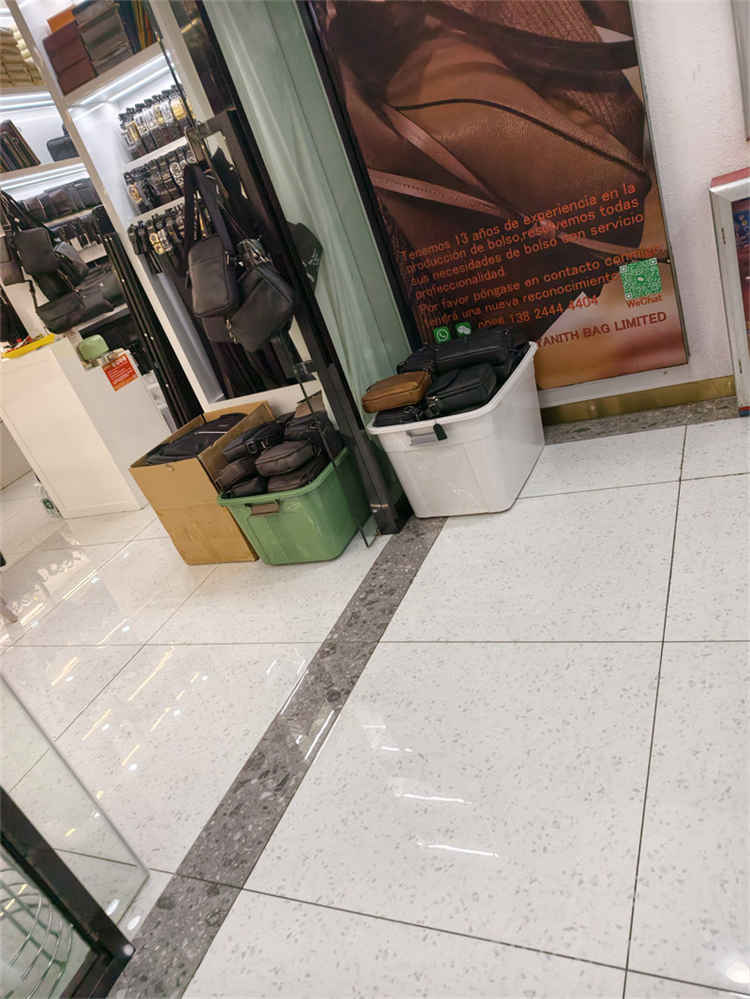
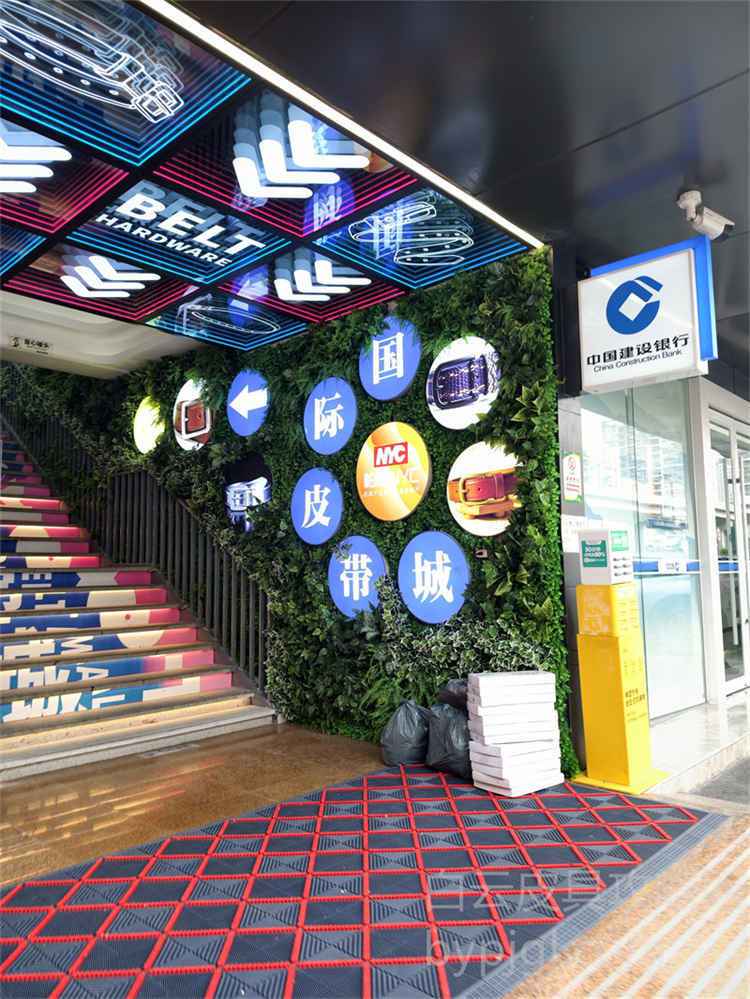
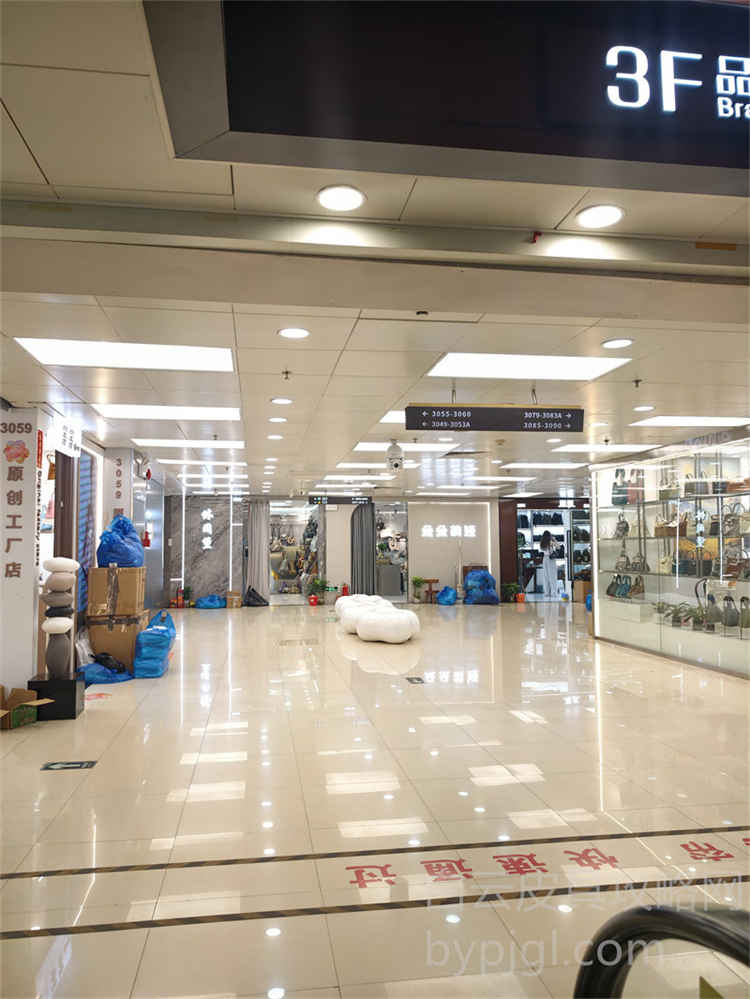
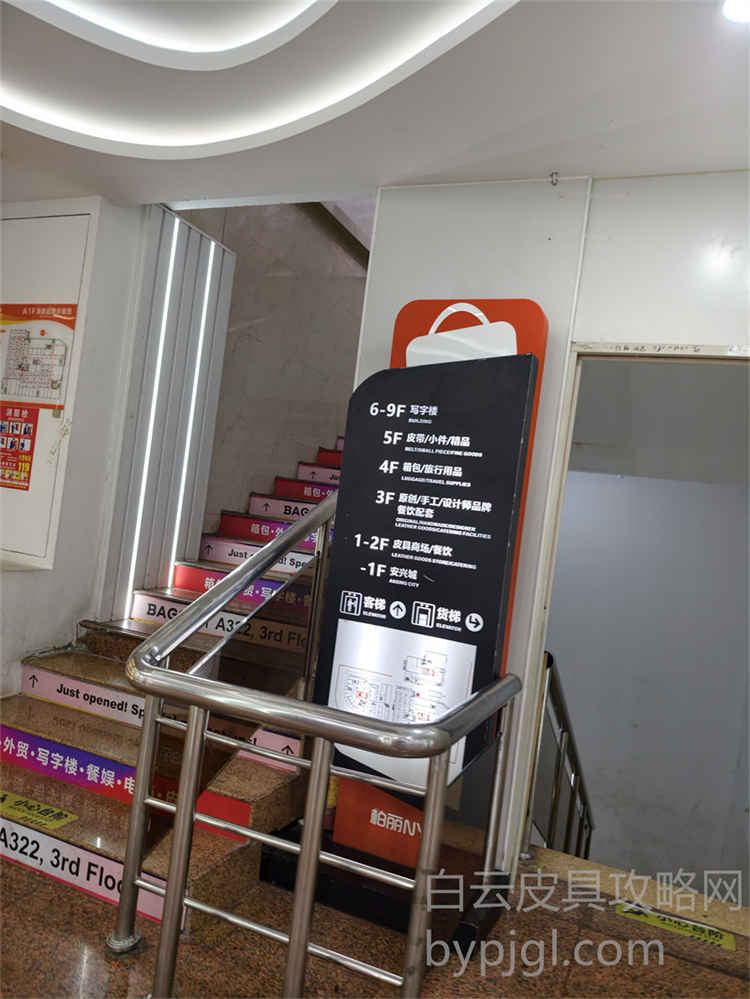
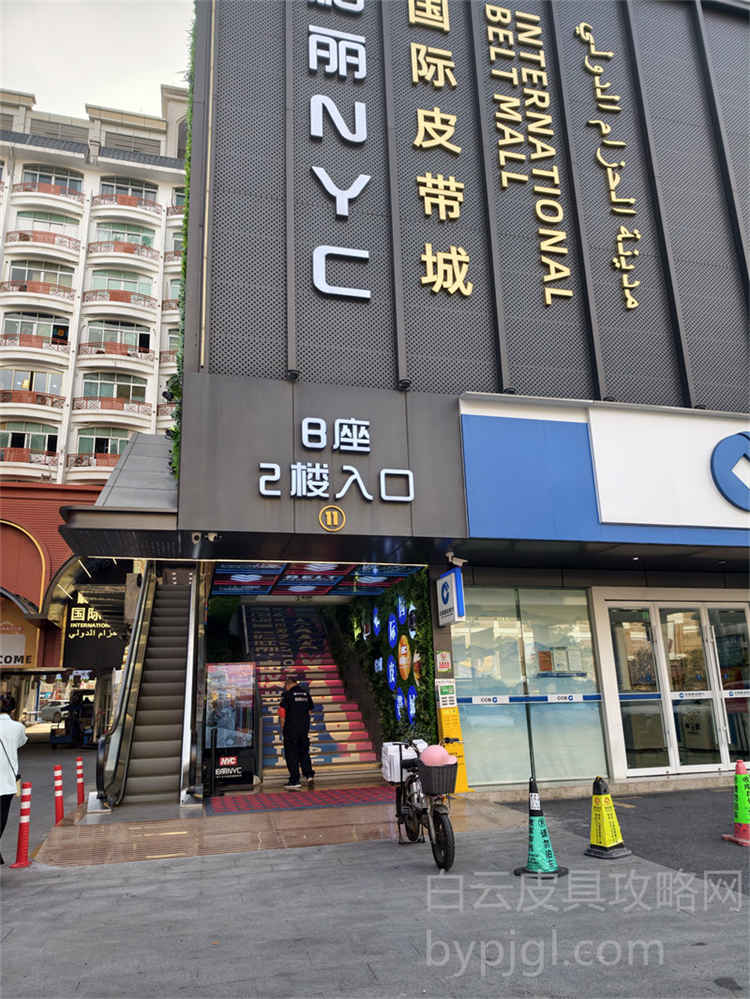
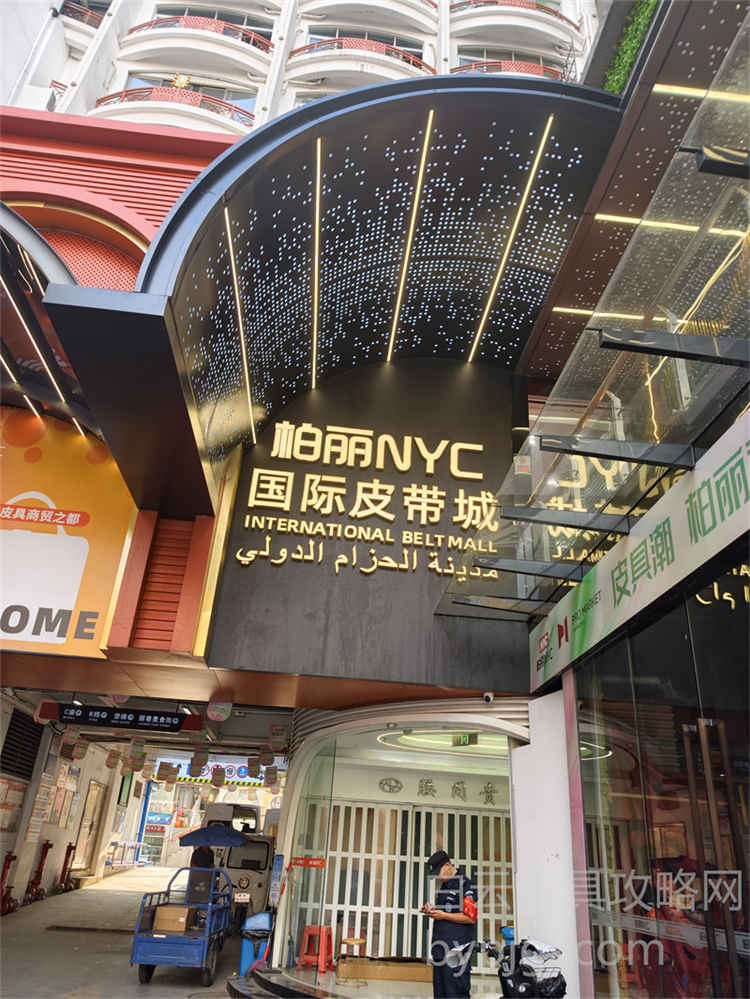
First things first, don't just show up at the main entrance and expect to find the good stuff. The Baiyun Leather City is massive, spanning over 40 buildings, and most tourists get lost within ten minutes. If you want the real deal, you need to know which floor holds the "top tier" goods. Most of the high-end replicas are not on the ground floor where the tourist traps are. You need to head straight to Building A, specifically the 3rd and 4th floors.
The Secret of the Third Floor
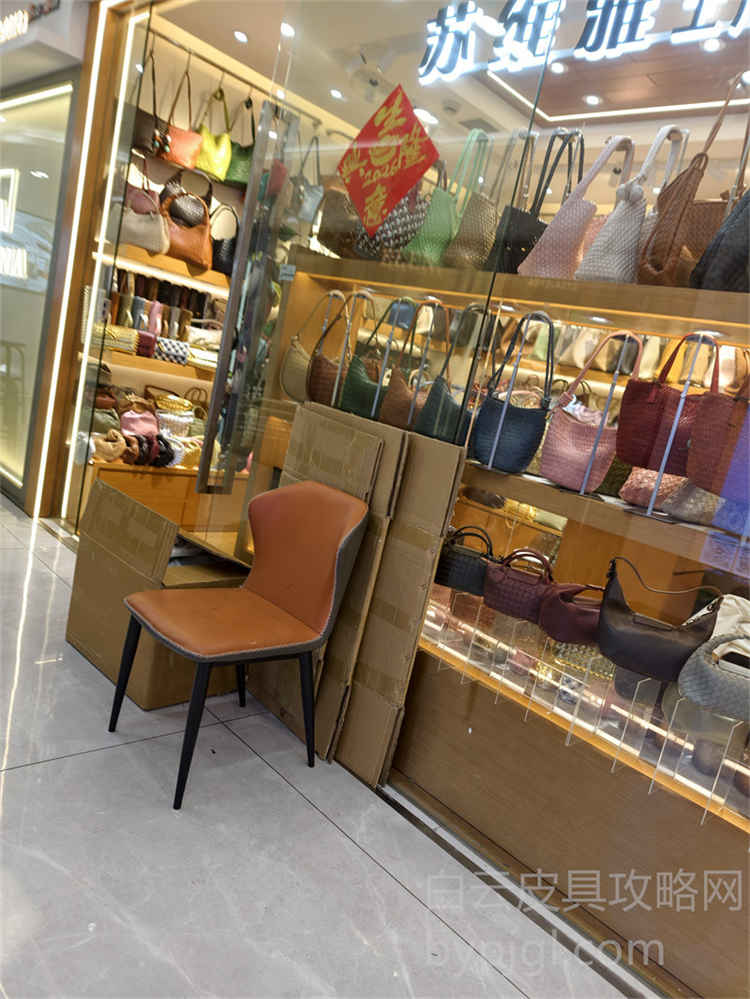
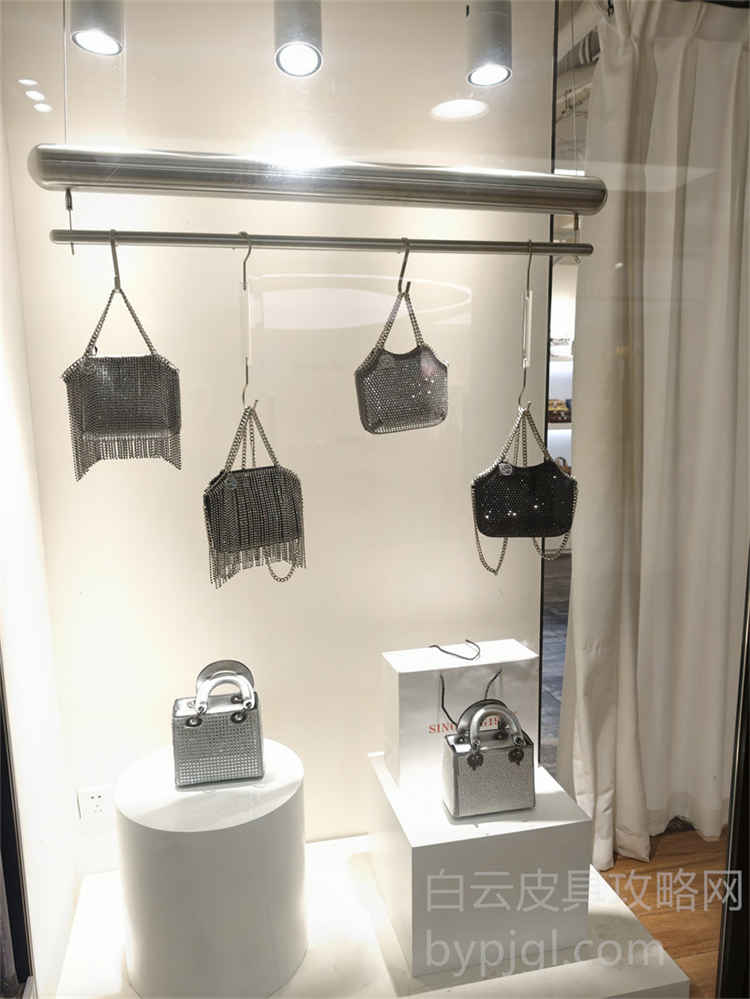
I'll be honest with you. The third floor is where the serious buyers hang out. This is where you find the shops that specialize in the "Top Version" bags. These are the ones that use genuine calfskin, not the PU leather you see downstairs. I remember a buyer from London last month who was looking for a specific Chanel flap bag. He went to a random stall on the second floor and paid $150 for something that looked like it came from a discount bin. He came back to me crying because the stitching was uneven and the smell was chemical. That's why location matters. In my own shop, located at Stall 305 on the 3rd Floor of Building A, we only stock items that pass our strict QC check.
When you enter these stalls, don't ask for "cheap bags." Ask for the "original version" or "market top." If the seller hesitates, walk away. They are trying to sell you low-quality stock. The real vendors will show you the raw materials, the hardware close-ups, and even the dust bags. They treat you like a partner, not a customer.
How to Spot Quality: A Veteran's Checklist
One of the biggest mistakes overseas buyers make is relying solely on photos sent via WhatsApp or WeChat. Photos can be edited, angles can be hidden, and lighting can hide defects. You must physically inspect the bag. Here is my personal checklist that I teach every new buyer who visits Guangzhou.
Hardware and Stamping
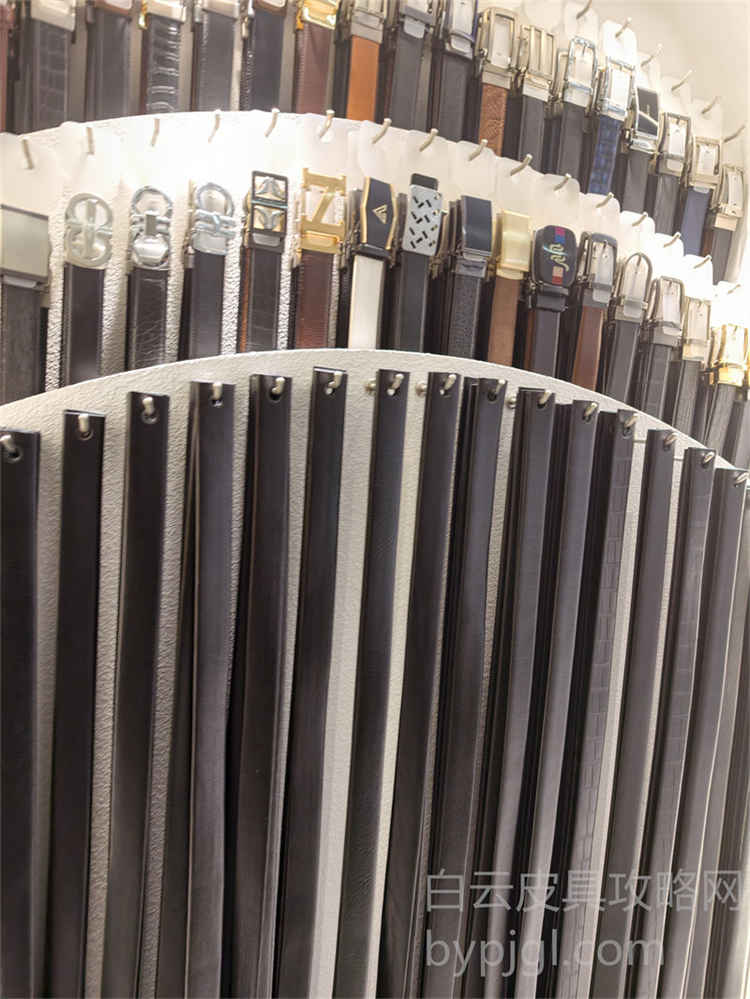
Let's talk about the metal. Cheap replicas use zinc alloy that turns green after a week. High-end versions use solid brass with PVD plating. When you hold a bag from my shop, the weight should feel substantial. Run your finger over the logo stamping. On a bad copy, the letters are too deep or too shallow. On a good one, the font spacing is perfect, and the edges are sharp. I once had a client who bought a Louis Vuitton Speedy from a different district. The gold plating started peeling off after two days. I showed him the difference between our hardware and his. Ours has a mirror finish that doesn't tarnish easily.
The Leather Smell Test
This is the easiest way to tell if a bag is low quality. Open the bag and take a deep breath. If it smells like strong glue or chemicals, put it down immediately. Real leather, even when treated, has a distinct, earthy scent. Our suppliers source their leather from the same batches as the big brands. We don't cut corners there. I remember a time when a supplier tried to send us a batch of synthetic leather disguised as cowhide. I rejected the entire shipment and lost money on shipping, but it saved my reputation. Never compromise on the material.
Dealing with Suppliers: Negotiation and Pricing
Many people think bargaining in Guangzhou is aggressive shouting. It's not. It's about building a relationship. If you come in as a one-time buyer, you will pay the "tourist price." But if you show interest in long-term cooperation, the prices drop significantly. For example, a standard "Top Version" Chanel bag might cost $350-$450 for a single unit. But if you buy five pieces, the price drops to $300 per piece. If you commit to an order of twenty, we can negotiate down to $250.
Understanding the Price Tiers
You need to understand the tiers so you don't get ripped off. There are three main levels in the market:
- Low Grade (Market Standard): $50-$80. Poor leather, wrong shape, obvious flaws. Avoid this unless you are selling to very budget-conscious markets.
- Medium Grade (A-Grade): $100-$150. Better leather, decent stitching, but still noticeable differences upon close inspection.
- High Grade (Top Version/Original): $250-$450. This is what we focus on. Identical to the original in almost every way, including packaging and serial numbers.
Don't be afraid to ask for the invoice or the factory details. While we can't give you the official brand invoice, we can provide proof of our manufacturing process. Some of our best partners are actually small workshops near the city center that specialize in custom orders. One such workshop is located in the Liwan District, known for their intricate hand-stitching techniques.
Logistics and Shipping: Getting Your Goods Home
once you have selected your bags, the next challenge is shipping. Many buyers worry about customs seizures. Here is the reality: if you declare the value correctly and choose the right courier, you are fine. Do not try to ship 50 bags in one box labeled as "leather accessories." That is a red flag for customs officers. Instead, split your order into multiple packages with different recipients or use a freight forwarder who specializes in "grey market" goods.
My Recommended Shipping Strategy
I always recommend using DHL or FedEx for smaller orders under $500 value, declaring them as "samples" or "gifts" if necessary, though honesty is usually better. For larger orders, we use air freight consolidation services. We pack the bags securely, remove any branding that might trigger alerts, and ship them via a trusted logistics partner. I have a contact in the Panyu area who handles all our international shipments. His company, "Global Leather Logistics," has a 98% success rate in clearing customs without issues. Just make sure to communicate clearly with them about the destination country's regulations.
Common Pitfalls to Avoid
Even with all this knowledge, mistakes happen. Here are the top three pitfalls I see foreign buyers fall into:
- Trust only Online: Never buy a high-value bag without seeing it in person or getting a video call verification. Photos lie; live video does not.
- Ignoring the Return Policy: Always agree on a return policy before paying. If the bag arrives damaged or doesn't match the sample, you need a clear path to get your money back.
- Overpaying for "Exclusivity": Don't believe stories about "limited edition" replicas. Everything is mass-produced. If someone claims it's rare, they are just trying to inflate the price.
Summary Table: Quick Reference for Buyers
| Aspect | What to Look For | Red Flag |
|---|---|---|
| Location | Baiyun Leather City, Building A, 3rd Floor | Ground floor tourist stalls |
| Material | Genuine calfskin, no chemical smell | PU leather, strong glue odor |
| Hardware | Solid brass, PVD plating, heavy weight | Zinc alloy, light weight, peeling |
| Pricing | $250-$450 for Top Version | $50-$80 for "Luxury" look |
| Shipping | Split packages, professional forwarder | Single large box, suspicious declaration |
Guangzhou is a treasure trove for anyone looking for high-quality leather goods at a fraction of the cost. It requires patience, research, and a bit of local knowledge, but the rewards are worth it. Whether you are a reseller looking for inventory or a fashion enthusiast wanting a luxury look without the price tag, the Baiyun Leather City has something for you. Just remember, trust your gut, inspect everything, and build relationships with the right vendors. That's how you win in this game.