Stepping Into the Heart of Leather: A Veteran's Guide to Guangzhou Sourcing
Welcome to the real deal. I've been standing behind my counter in the bustling corridors of Guangzhou for over two decades, watching the leather trade evolve from small family stalls to massive international hubs. If you are reading this, you are likely an overseas buyer tired of the endless online scams and the vague promises of "high quality" that never arrive. You want the truth about where the actual goods come from, how to navigate the chaos of the wholesale markets, and most importantly, how to secure authentic supply chains without getting burned. Let me take you on a virtual tour of what it really looks like to source here, not as a tourist, but as someone who knows every corner of the leather district.
Navigating the Labyrinth: Where the Real Action Happens
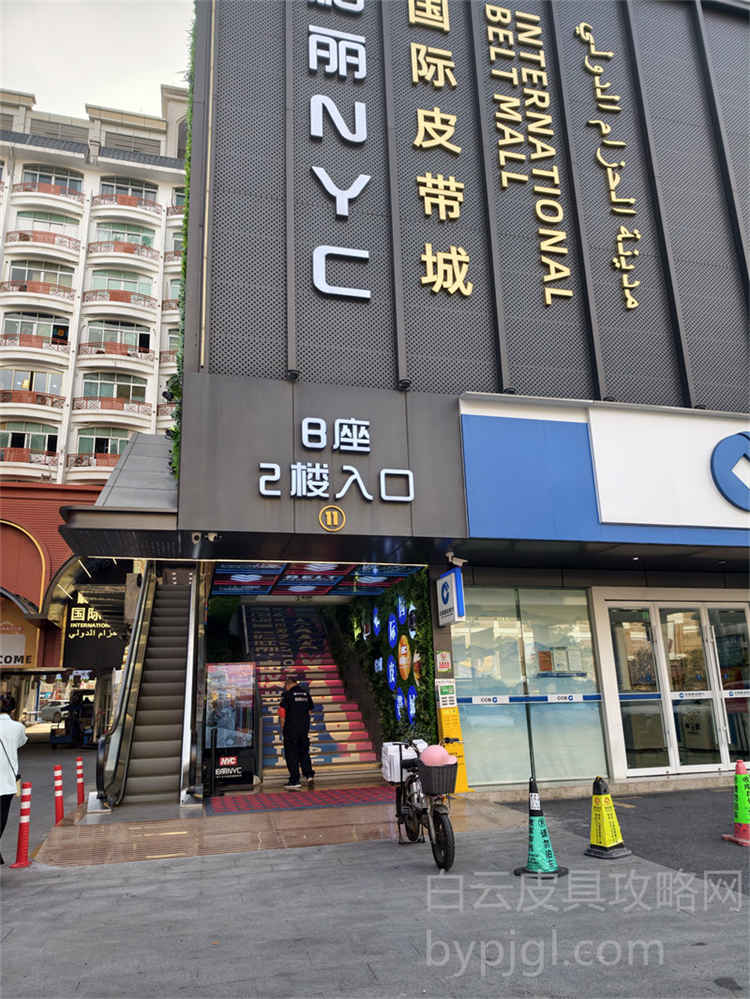
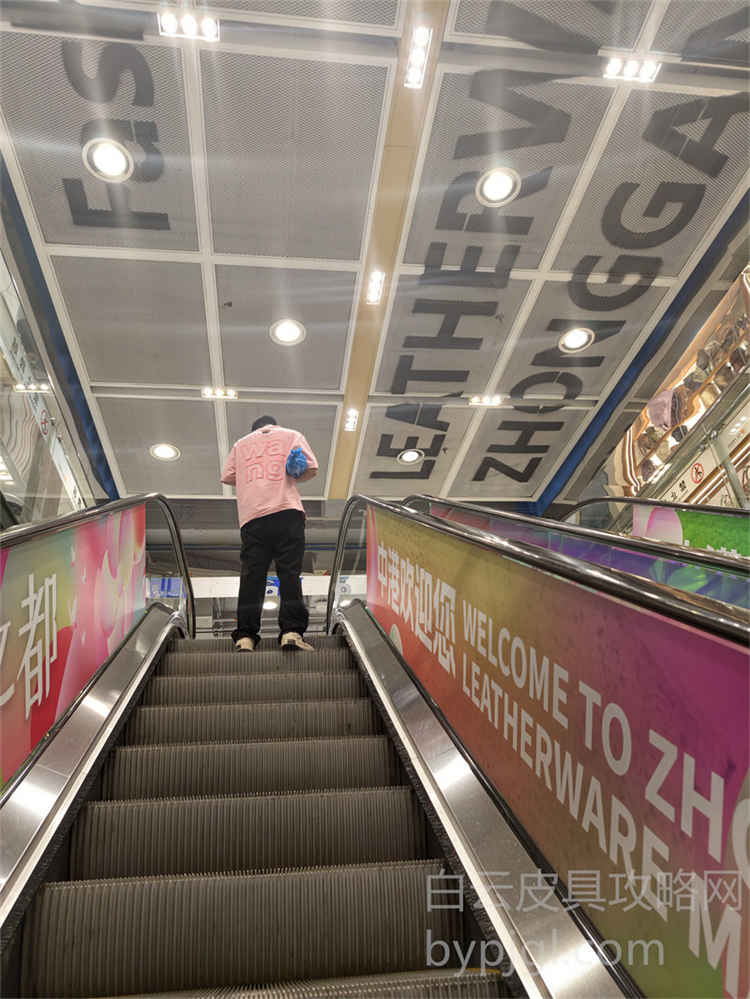
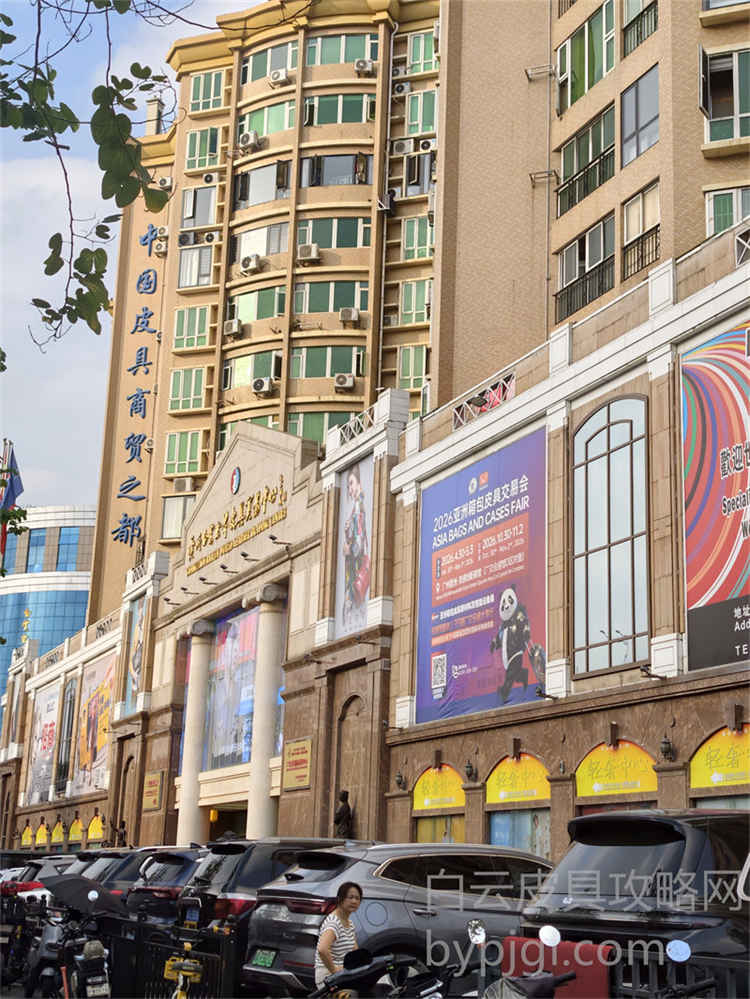
First things first, forget the fancy hotels in the city center. The magic happens in Baiyun District, specifically around the皮具城 (Leather City) complex. When I tell people to go to Guangzhou Baiyun Leather Market, I am talking about a specific ecosystem. It is not just one building; it is a sprawling network of interconnected structures like the International Trade Center, the World Leather Trading Center, and the countless smaller alleys tucked behind them. These places are the nerve centers for genuine leather goods sourcing in China. Walking into these buildings feels like entering a different world. The air smells faintly of high-quality leather and glue, and the noise level is deafening with vendors shouting prices in Cantonese, Mandarin, and broken English.
The Difference Between Showrooms and Workshops
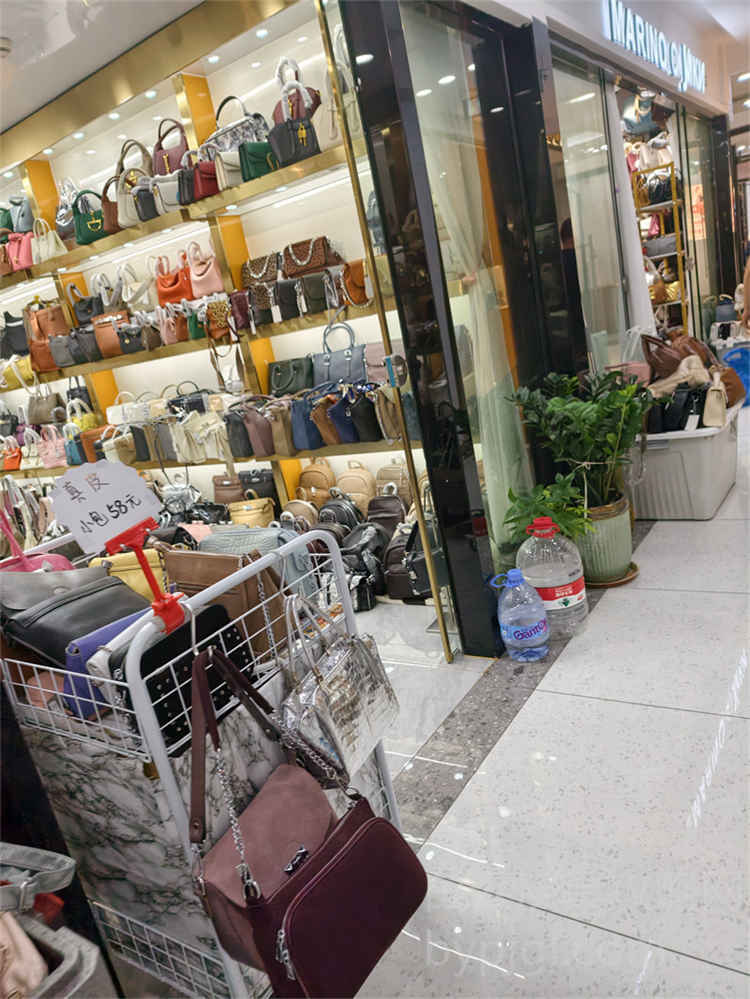
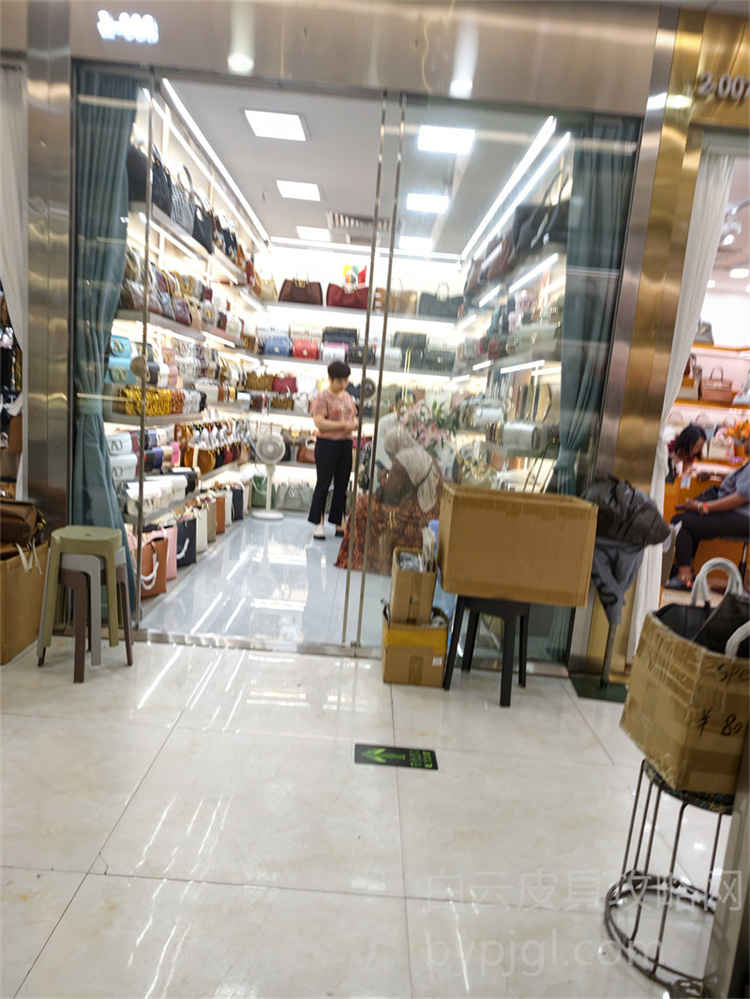
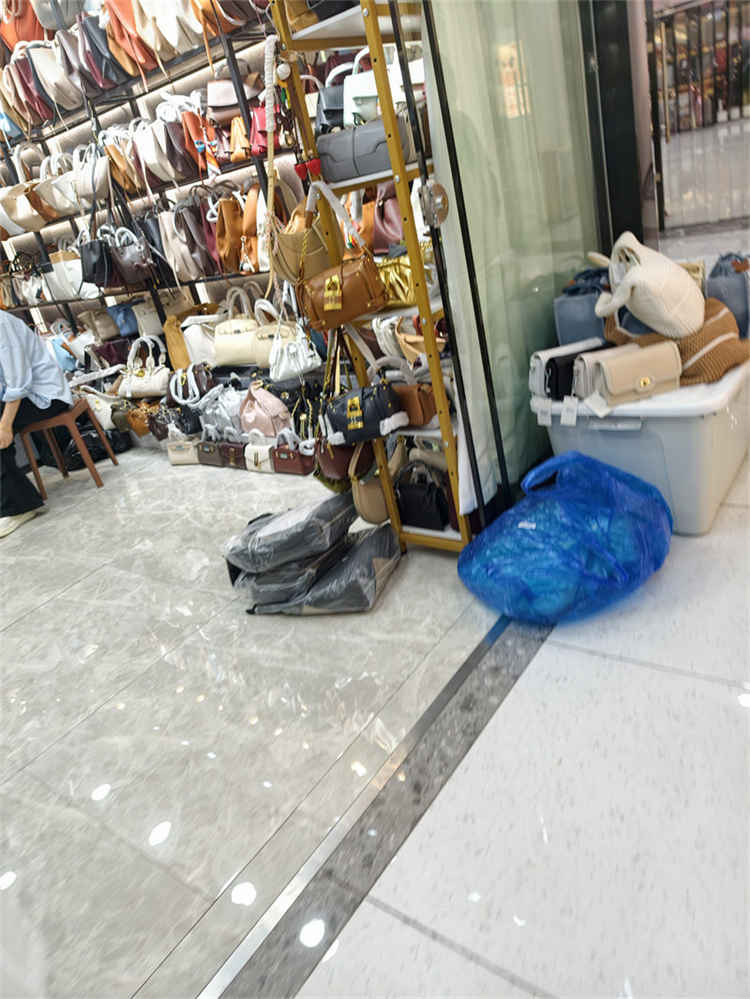
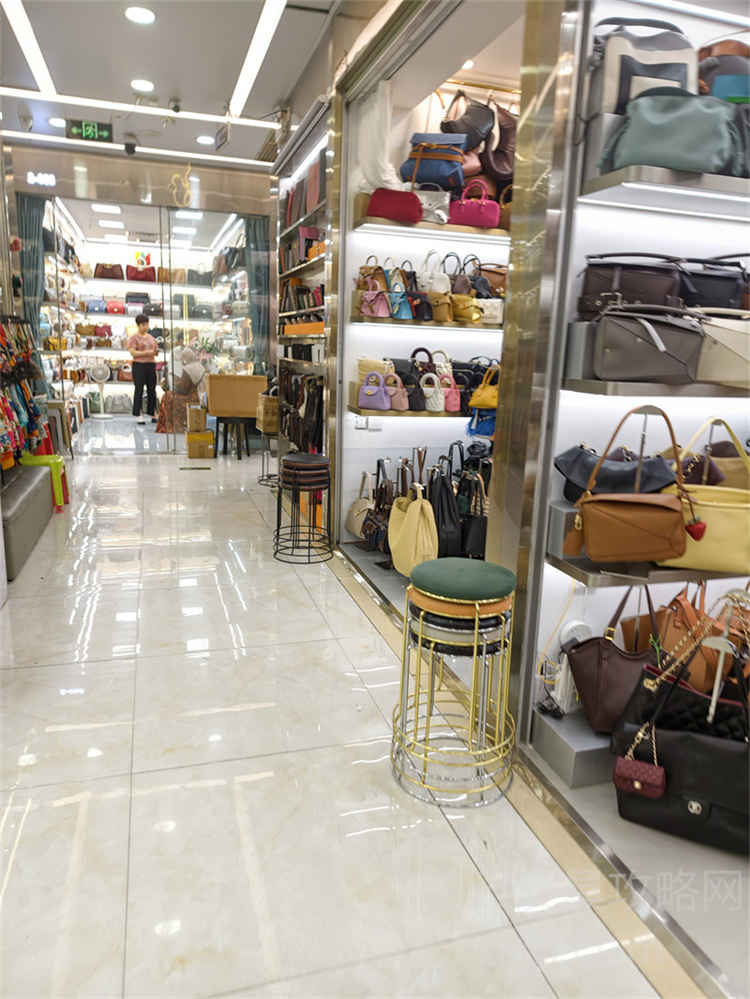
You need to understand the layout before you even step out of your car. The ground floors of the major buildings are often showrooms designed to impress tourists or casual buyers. They display beautiful bags with perfect lighting and polished floors. But if you are looking for serious volume and competitive pricing, you have to dig deeper. My advice? Skip the flashy displays and head straight for the upper floors or the back corridors. That is where the workshops are located. Here, you see the raw materials, the cutting machines humming away, and the skilled artisans stitching by hand. This is where the real production happens. When you walk through these areas, you are seeing the direct link between the factory floor and the final product. It is here that you can verify the authenticity of the materials and the craftsmanship firsthand.
The Art of Selection: How to Spot Quality Without Getting Scammed
One of the biggest mistakes foreign buyers make is walking into a stall and asking for "designer bags." That immediately marks you as a target for low-quality replicas. Instead, we talk about specifications. When I meet a buyer at my stall, I ask them exactly what they need. Do they want full-grain cowhide? Is it calfskin? What kind of hardware do they prefer? We discuss zippers, thread types, and lining materials. In Guangzhou, there are tiers of quality, and understanding them is crucial. There are top-tier options that rival anything found in luxury boutiques, mid-range options that offer great value, and budget-friendly choices. The key is knowing which tier fits your business model.
Touch, Smell, and the Hardware Test
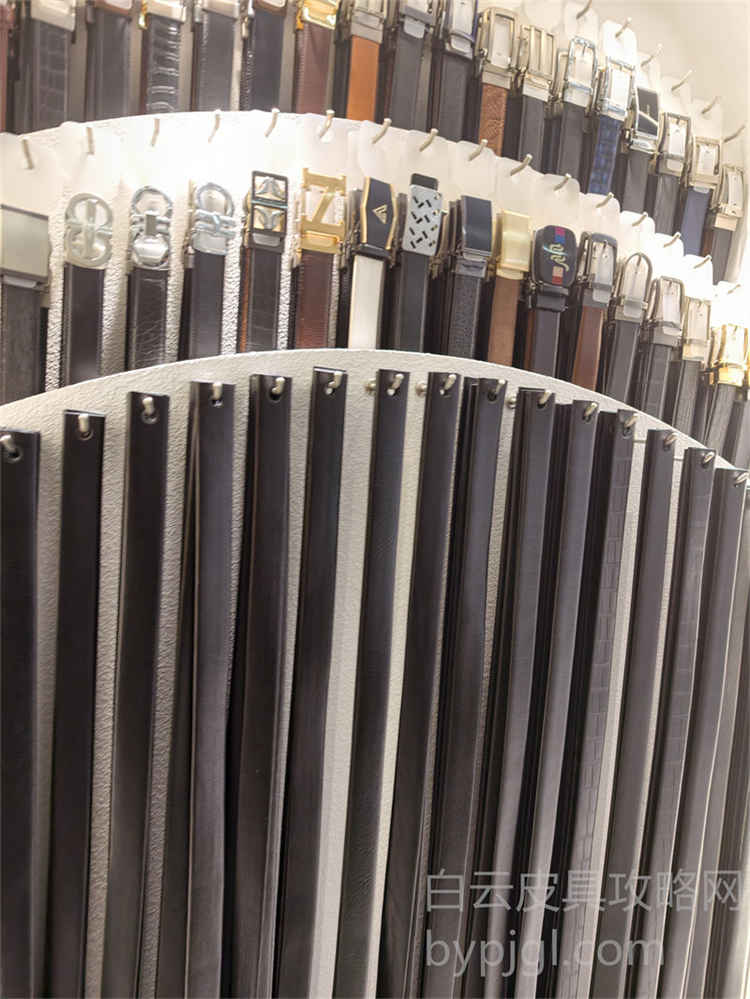
Never rely on photos sent via WhatsApp or WeChat. Those images can be edited, color-corrected, and taken under studio lights that hide flaws. You must touch the leather. Run your fingers over the surface. Does it feel soft and supple, or stiff and plastic-like? Smell it. Good leather has a distinct, rich aroma, while cheap synthetic materials smell chemical or artificial. Then, look at the hardware. Pick up the bag. Check the weight. High-quality metal zippers should glide smoothly and feel substantial. Cheap ones will feel light and flimsy. Inspect the stitching. Are the stitches even? Is the thread thick enough to hold the weight of the bag? At my stall, I encourage buyers to pick up multiple bags, compare them side by side, and ask questions. If a vendor gets defensive when you ask to inspect the inside lining or the stitching details, walk away. Honest suppliers welcome scrutiny because they know their product can withstand it.
Building Relationships and Closing the Deal
Sourcing in Guangzhou is not a transaction; it is a relationship. Many overseas buyers try to negotiate a price in five minutes and leave. That rarely works here. To get the best deals and ensure consistent quality, you need to build trust. Come back to the same stall multiple times. Bring a local contact if you can, or learn a few basic phrases in Cantonese. When you return, the vendor recognizes you. They start treating you differently, offering you access to new samples before they hit the general market, and giving you better margins. This is the secret sauce of the Guangzhou leather industry. It is built on face-to-face interaction and long-term partnership.
Negotiation Tactics and Logistics
When it comes to pricing, remember that the lowest price is often the most expensive in the long run. If a deal seems too good to be true, it usually is. Negotiate based on volume. Ask for a discount if you commit to a larger order size. Also, discuss the logistics early. Shipping from Guangzhou to the US or Europe involves customs, duties, and potential delays. A reliable supplier in Baiyun will help you navigate these issues. They can recommend trusted freight forwarders who specialize in handling leather goods. Don't let the vendor handle the shipping alone unless you trust them implicitly. Always insist on a detailed packing list and clear labeling to avoid customs headaches. once you agree on the terms, get everything in writing, even if it is just a simple email confirmation or a WeChat message summary. This protects both parties and ensures everyone is on the same page regarding delivery timelines and payment schedules.
Avoiding Pitfalls: What Every Buyer Must Know
The market is full of traps for the unprepared. One common scam is the bait-and-switch. A vendor shows you a perfect sample, takes your deposit, and then sends you a inferior version. Another issue is the "rush order" promise. Some vendors claim they can produce hundreds of units in three days, but the reality is that quality leather goods take time. If they rush, the quality suffers. Always allow enough lead time for production and inspection. Furthermore, be wary of vendors who refuse to meet in person or only communicate through messaging apps. While digital communication is convenient, nothing beats the security of meeting face-to-face in the physical market. If you cannot visit, hire a trusted third-party inspector or agent who knows the terrain well. Do not send money to a bank account that does not match the company name on the invoice. Protect your capital, and always prioritize transparency over speed.
Final Thoughts: Your Gateway to Authentic Supply
Guangzhou remains the undisputed capital of leather goods manufacturing in the world. The depth of knowledge, the variety of materials, and the sheer scale of production here are unmatched. Whether you are looking for custom designs or ready-to-ship inventory, the opportunities are endless. But success requires patience, observation, and a willingness to engage with the local culture. By stepping into the Baiyun Leather Market, touching the leather, and building genuine relationships with the vendors, you unlock a world of possibilities. Remember, the goal is not just to buy a bag, but to establish a sustainable supply chain that grows with your business. Trust your instincts, do your due diligence, and let the experience of the veterans guide you. Welcome to the heart of the leather trade.