
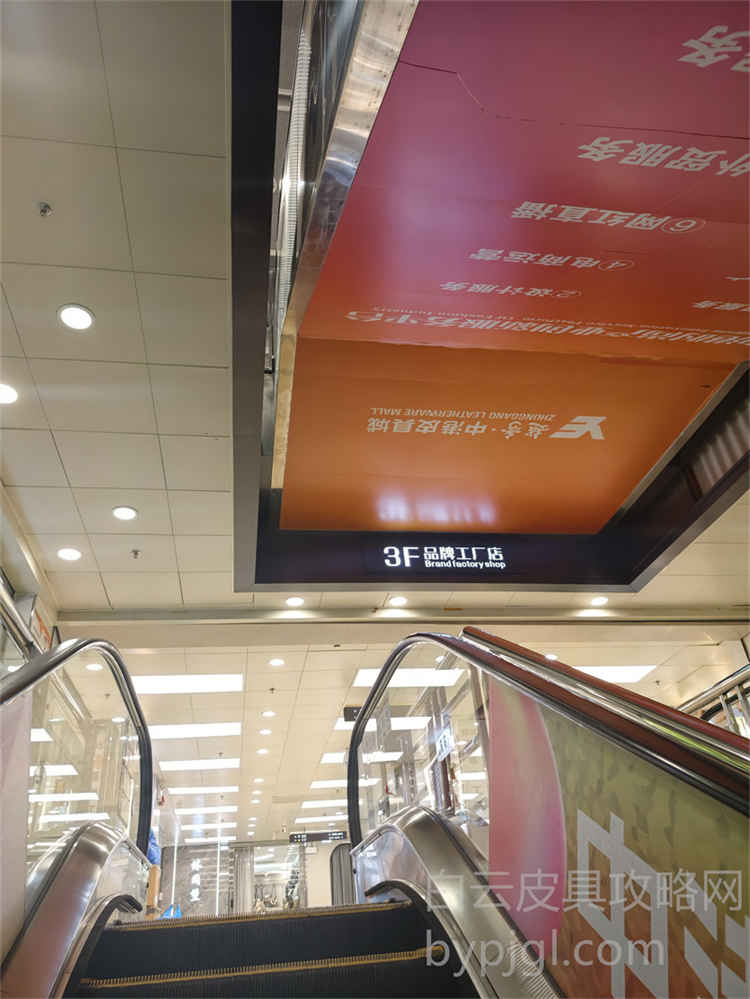
Walking the Floors: My Honest Take on Sourcing from Guangzhou
I have been standing behind this counter in the Baiyun district for over twenty years. While the world outside talks about trends and social media, my life is measured in boxes of leather, stacks of invoices, and the constant hum of trucks loading up at dawn. You might be reading this wondering how to find high-quality goods here without getting scammed or wasting a week of your trip. Let me tell you, the secret isn't just about finding a "good deal." It is about knowing wher to look, who to talk to, and how to read the quality before you even sign the contract.
The Real Layout of the Market
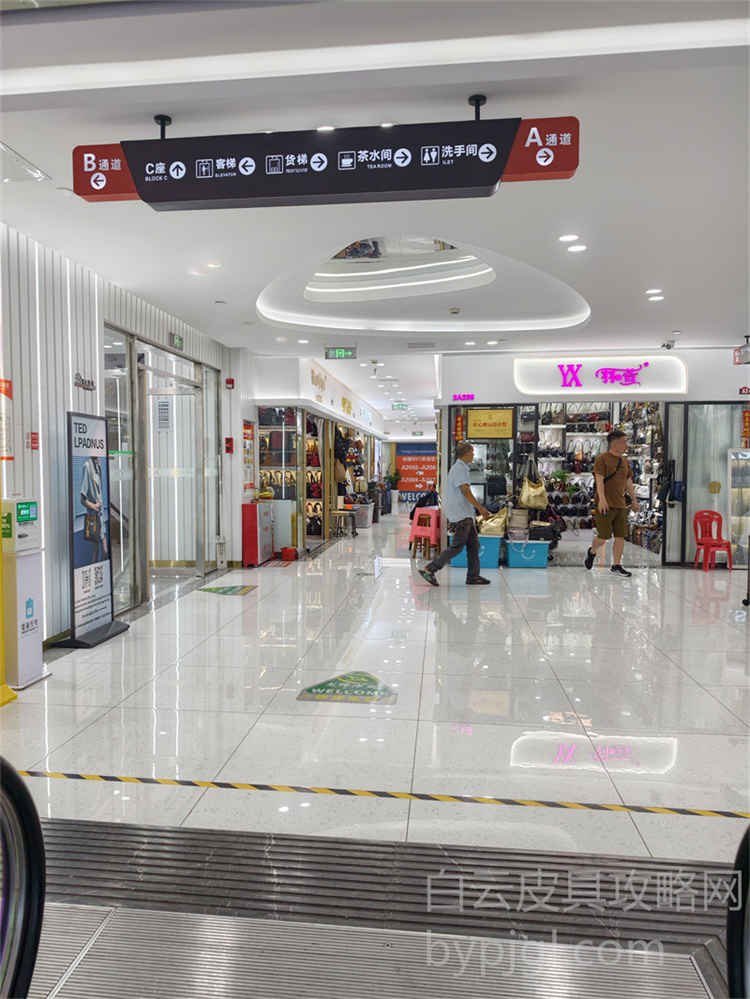
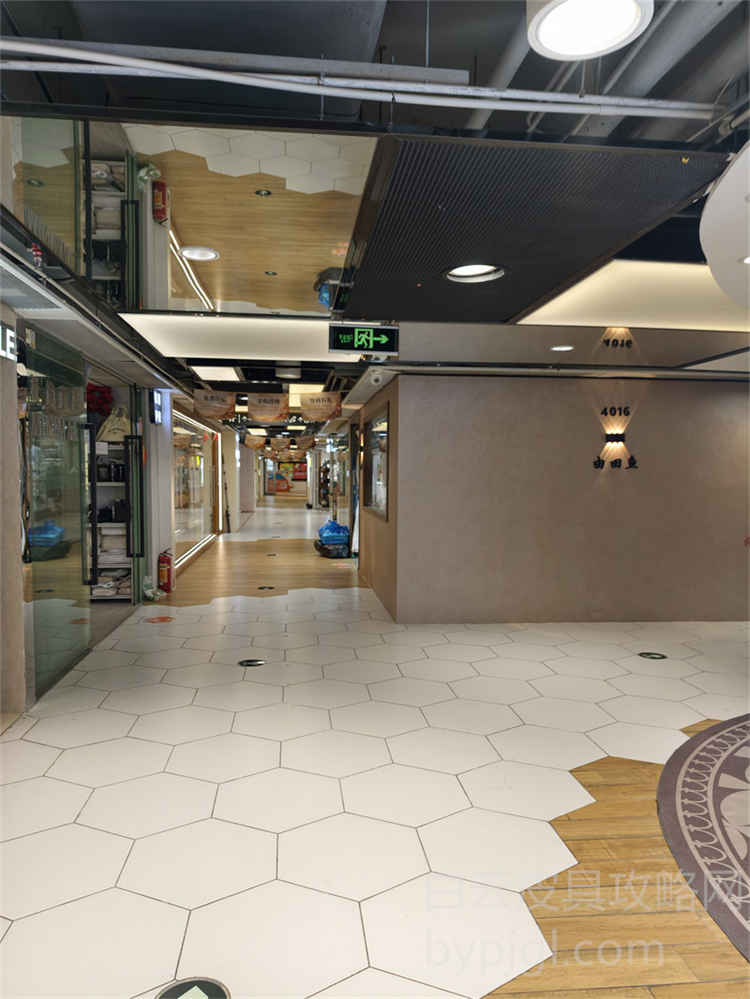
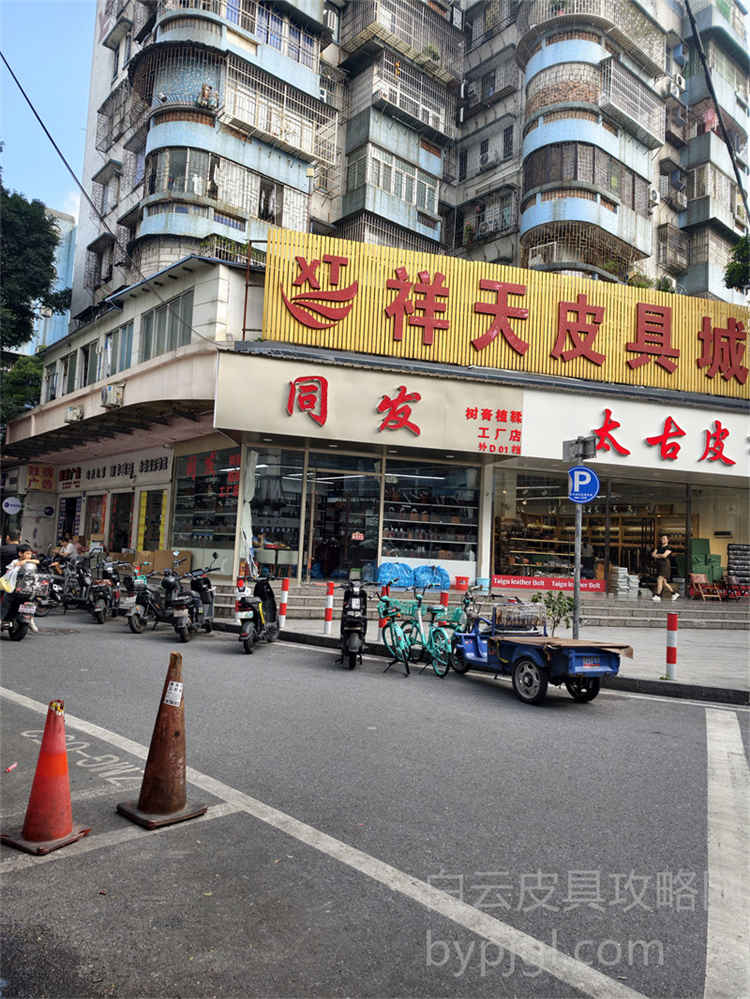
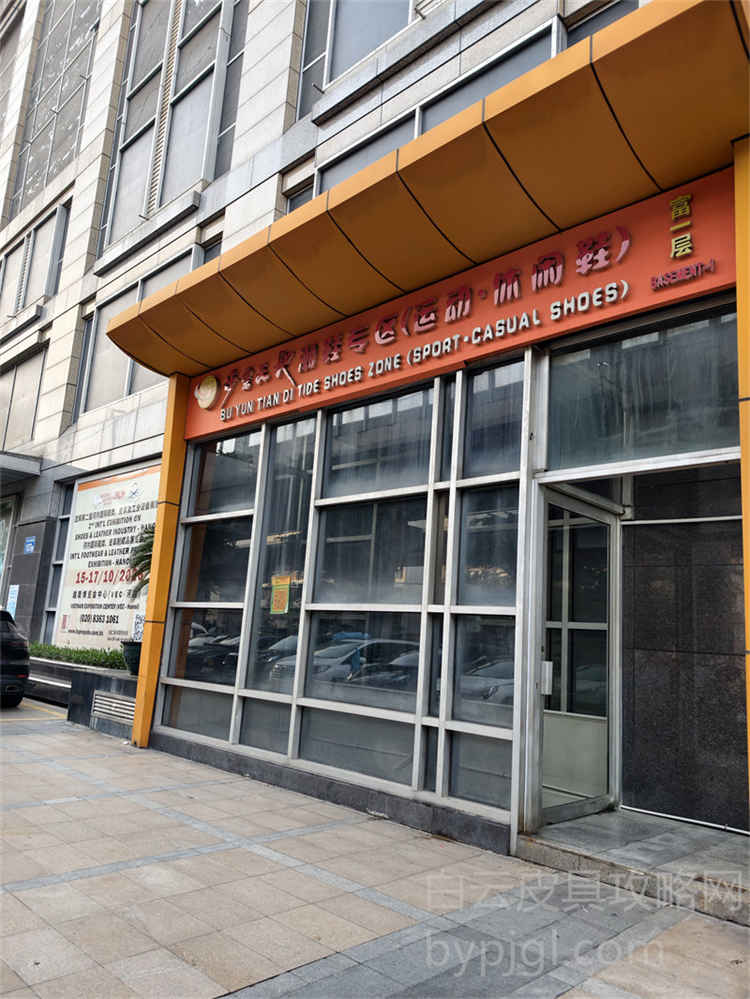
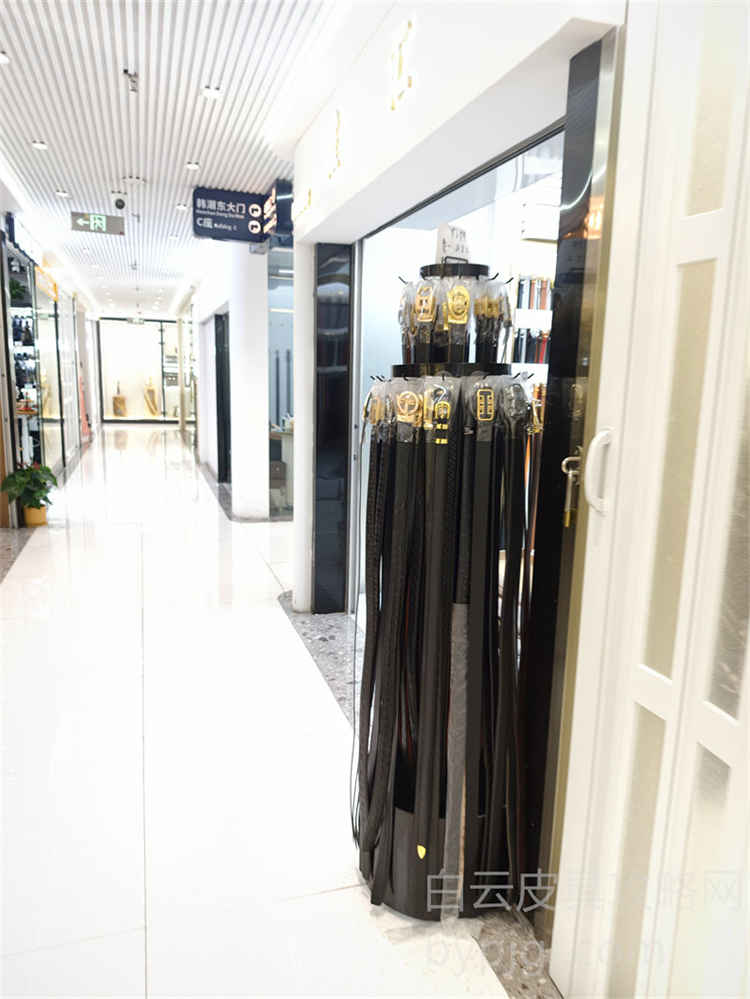
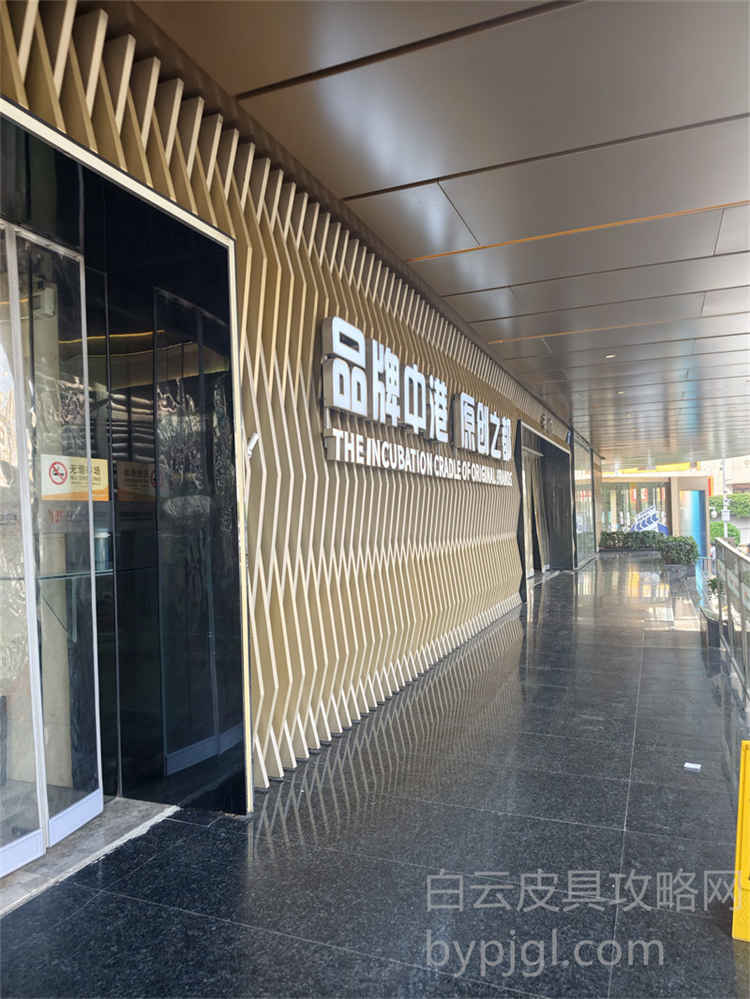
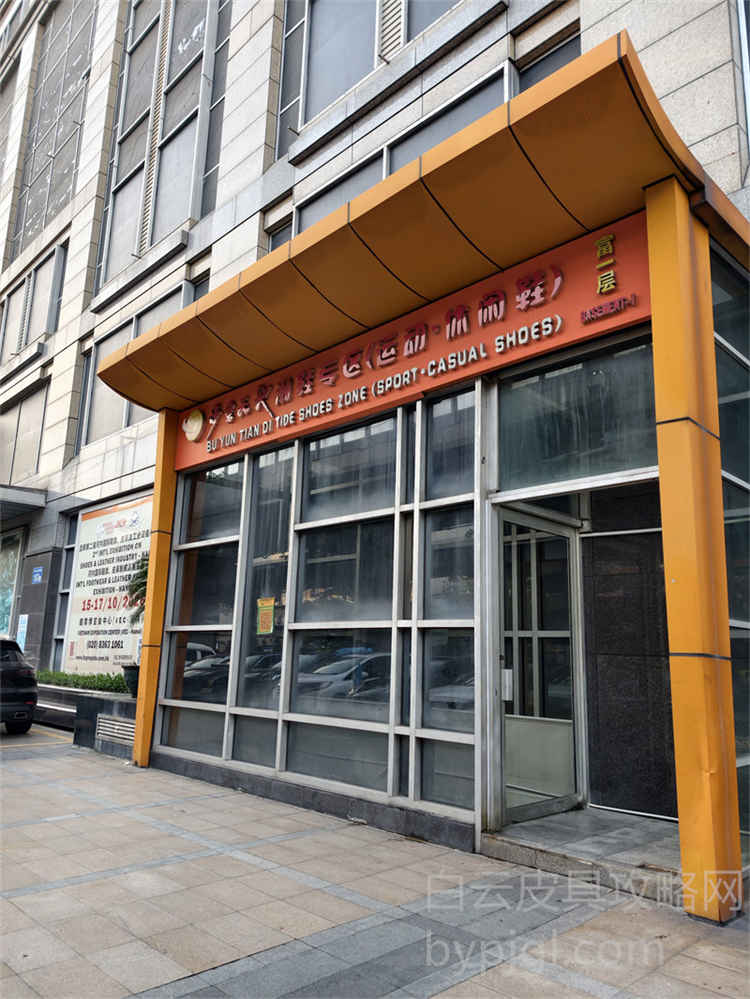
First things first, stop looking for a single building that sells everything. The reality of the Baiyun Leather City area is a sprawling network of interconnected buildings, each with its own vibe. There are the flashy showrooms on the ground floors that look like luxury boutiques but often hide lower-tier stock inside. Then there are the upper floors and the side alleys wher the real action happens. These are the places wher the factories keep their samples and wher the serious buyers go. If you walk in expecting to see a price tag on every item, you will leave disappointed. This is wholesale territory. Prices change based on volume, material choice, and your relationship with the boss.
Navigating the Showrooms and Finding the Right Stock
When I first started, I thought the best way to buy was to pick the flashiest bag on display. That was a mistake. The bags sitting on the velvet stands are often the "entry-level" versions meant to attract tourists or casual shoppers. They look good from a distance, but the stitching might be loose, and the hardware could tarnish after a few months. To find what you are actually looking for, you need to ask for the "sample room."
Asking for the Hidden Inventory
Do not be shy. When you approach a stall, skip the small talk about the weather and get straight to business. Ask the owner, "Show me your top tier options." Most of these bosses speak enough English to understand that you want the premium line. They will unlock a cabinet or lead you to a back room filled with bags that never make it to the front display. These are the pieces made with better cowhide, heavier zippers, and precise alignment. In this industry, we call them the "top grade" items. They are not cheap, but they are worth every penny if you plan to sell them as genuine or high-end replicas.
The Art of Inspection: What to Look For
once you have the sample in your hands, do not just nod and smile. You need to inspect it like a detective. I teach my staff to check three specific things before we even discuss price. First, smell the leather. Cheap synthetic materials have a distinct chemical odor that lingers. Good leather smells earthy and rich. Second, check the lining. Is it smooth? Does it feel like fabric or plastic? Third, and most importantly, look at the stitching. Use your fingers to run along the seams. Are the stitches even? Do they pull when you tug gently? If the thread breaks easily, the bag will fall apart in a month.
Hardware and Details Matter
The hardware is often the giveaway. Cheap metal feels light and hollow. High-quality hardware has weight to it and a solid finish. Check the engraving on the clasps and zippers. It should be crisp, not blurry. In the Baiyun market, we have seen thousands of designs come and go. The ones that last are the ones wher the attention to detail matches the original inspiration. If you are sourcing for a boutique, you cannot afford returns due to poor craftsmanship. That is why I always advise my international clients to bring a magnifying glass or use the zoom function on their phone cameras to inspect the grain of the leather up close.
Negotiating and Building Relationships
Many foreigners think negotiation is about haggling over a few dollars. It is not. It is about establishing trust. If you try to squeeze the price too hard on your first visit, the seller will know you are a one-time buyer and will give you the lowest quality stock. Instead, focus on volume. Tell them you are planning a large order or that you intend to return regularly. This signals that you are a partner, not a tourist.
The Power of Repeat Business
When you build a relationship with a stall owner, you gain access to new arrivals before anyone else. We often hold back the newest styles for our regular customers until the general public sees them. This gives you a competitive edge. Also, do not be afraid to ask for a discount on shipping or packaging. Many sellers in the Baiyun area can arrange direct shipping to your warehouse or home country. Just make sure you clarify who pays for customs duties beforehand. A good supplier will help you navigate these logistics because they want you to succeed.
Avoiding Common Pitfalls
There are traps everywher in this market. One common mistake is paying 100% upfront without seeing the final product. Always insist on a deposit and then a balance payment after you verify the goods. Another pitfall is assuming all stalls in the same building offer the same quality. Some buildings specialize in budget items, while others cater to the luxury segment. Do your homework before you arrive. Visit multiple locations, compare the leather texture, and talk to different owners.
Trust Your Instincts
If something feels off, walk away. There are hundreds of other stalls right next door. The market is huge, and competition is fierce. No single seller holds a monopoly on good quality. If a seller pushes you to buy quickly or gets angry when you ask questions, that is a red flag. The best deals come from calm, professional interactions wher both parties respect each other's time and money. Remember, I am an old hand here, and I have seen many buyers lose money because they rushed. Take your time, inspect thoroughly, and build connections that last beyond a single transaction.

 On-site Visits
 Free Sharing
 Avoid Scams
 Updated Frequently
 For Reference Only