
Walking the Floors: My Honest Guide to Sourcing in Baiyun
I have been standing behind this counter in Guangzhou for over twenty years. While the tourists come and go, chasing the latest trends with their cameras, I am here watching the real trade happen. You might be reading this from New York or London, wondering how to navigate the chaotic but incredibly efficient world of leather goods sourcing without getting ripped off. Let me tell you something straight from my shop floor: the magic isn't in the fancy websites you see online; it is in the dust, the noise, and the smell of fresh leather that fills the corridors of the Baiyun district.
Many buyers think they can just order a few bags online and get high-end quality. That is a myth. If you want the real deal, the kind of craftsmanship that makes people do a double-take on the street, you need to be here. You need to walk the floors. The market here is not a single building; it is a sprawling ecosystem of interconnected malls, each with its own personality and price point. When I say "Guangzhou Baiyun leather goods," I am talking about the heartbeat of the global supply chain for premium leather accessories. But walking into these buildings without a plan is like walking into a maze blindfolded.
Navigating the Market Labyrinth
Understanding the Hierarchy of Malls
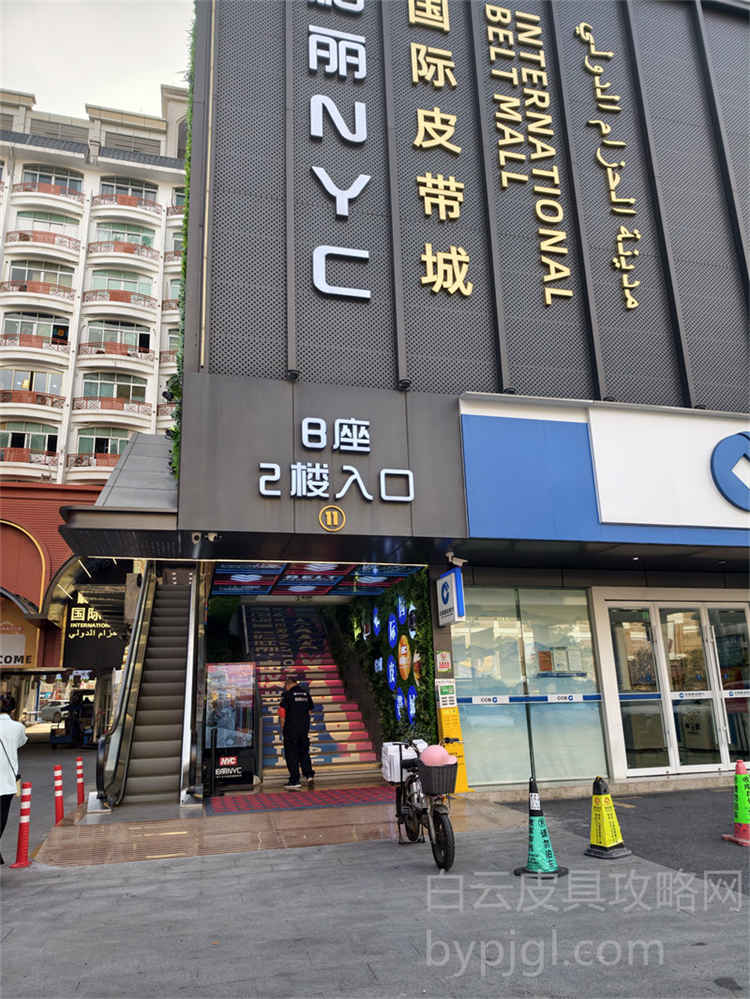
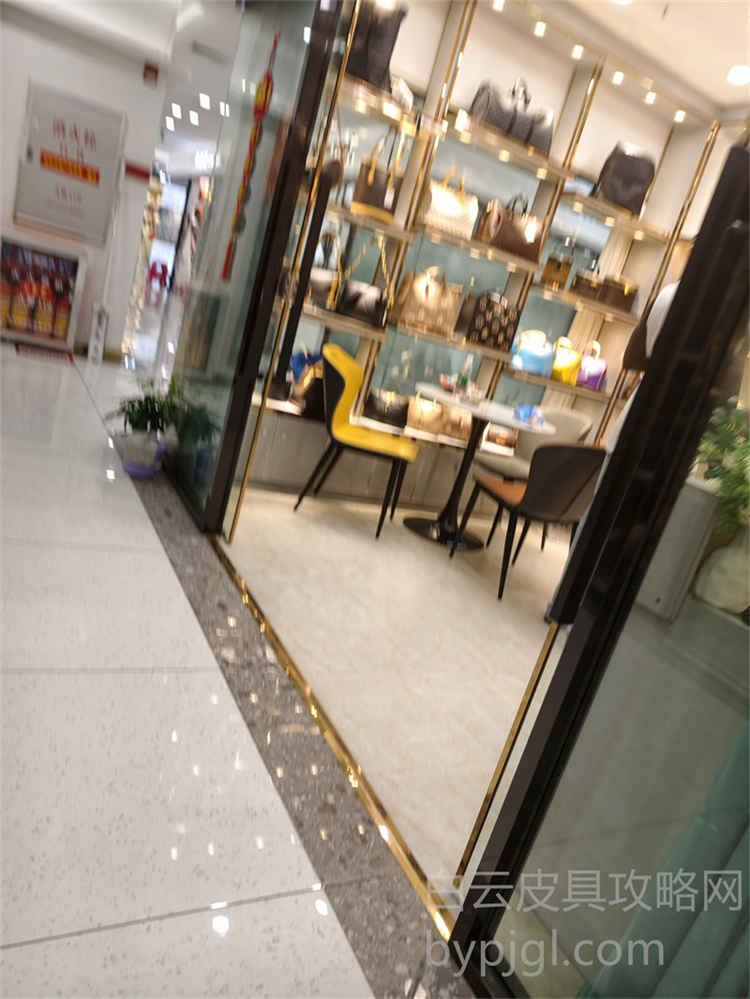
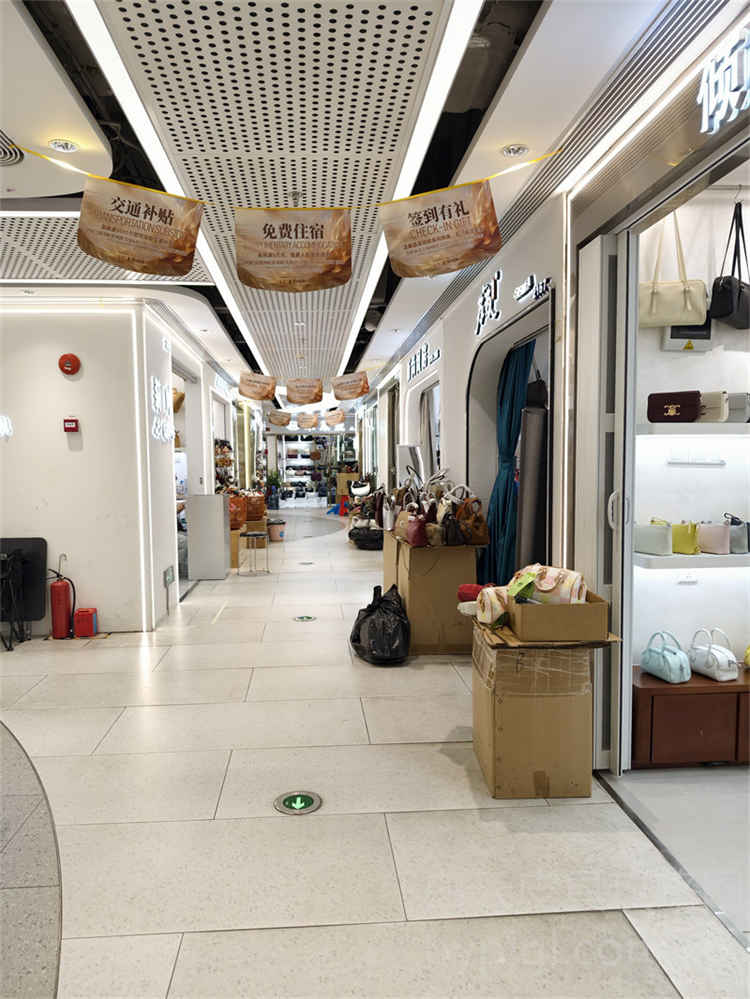
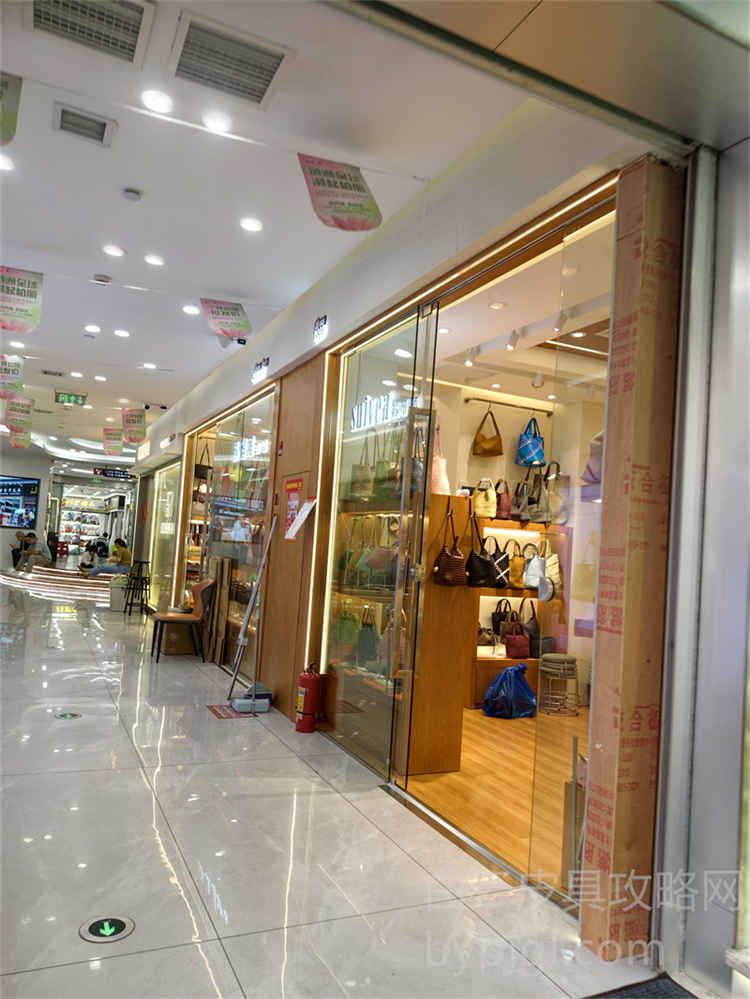
The first thing you must realize is that not all buildings are created equal. There is the famous World Leather Trade Center, which is wher the big players operate. This is wher you find the top-tier production lines. Then there are the older, more crowded buildings nearby wher the mid-range goods flow. As a local owner, I always advise my overseas clients to start at the World Leather Trade Center if they are looking for the absolute best materials. The architecture alone tells you the story; the marble floors, the bright lighting, and the spacious aisles indicate that the goods inside are meant for serious buyers who understand value.
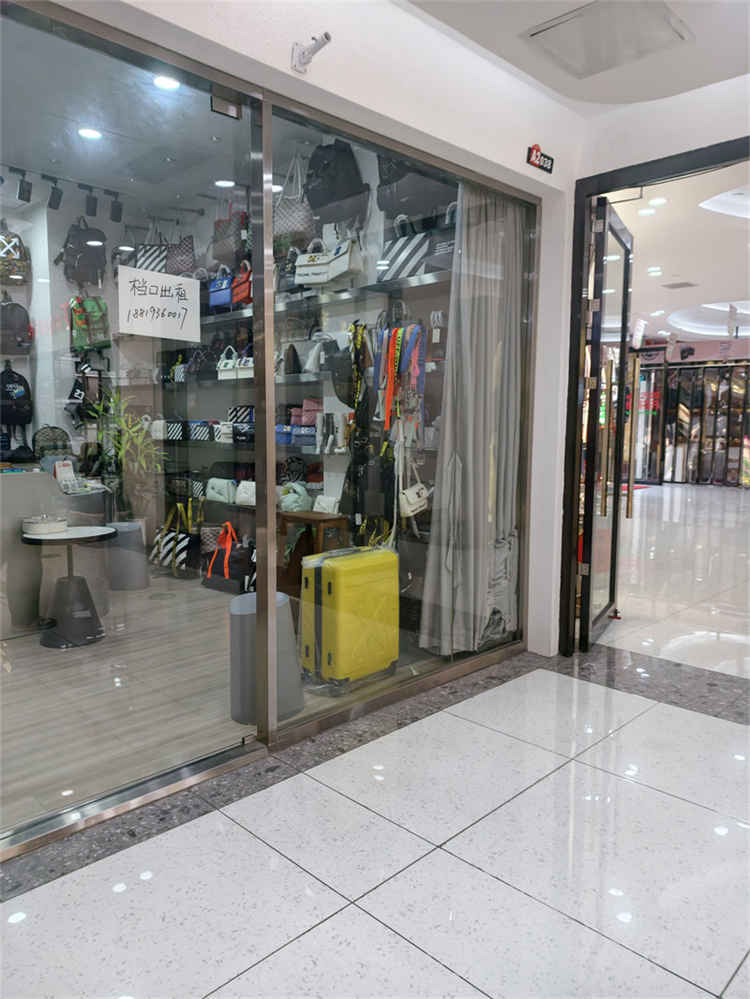
However, do not ignore the smaller alleys and side streets connecting these main hubs. Sometimes, the most exclusive items are not displayed in the front windows but kept in the back rooms. These are the "hidden gems" that only regular customers know about. The layout changes slightly every year as new renovations happen, so relying on an old map from five years ago will lead you astray. My advice? Arrive early in the morning. The energy is different then. The owners are fresh, the stock is fully replenished, and they are more willing to spend time explaining the nuances of the leather grain or the stitching technique.
The Art of Selecion and Inspection
Touching the Material Before Buying
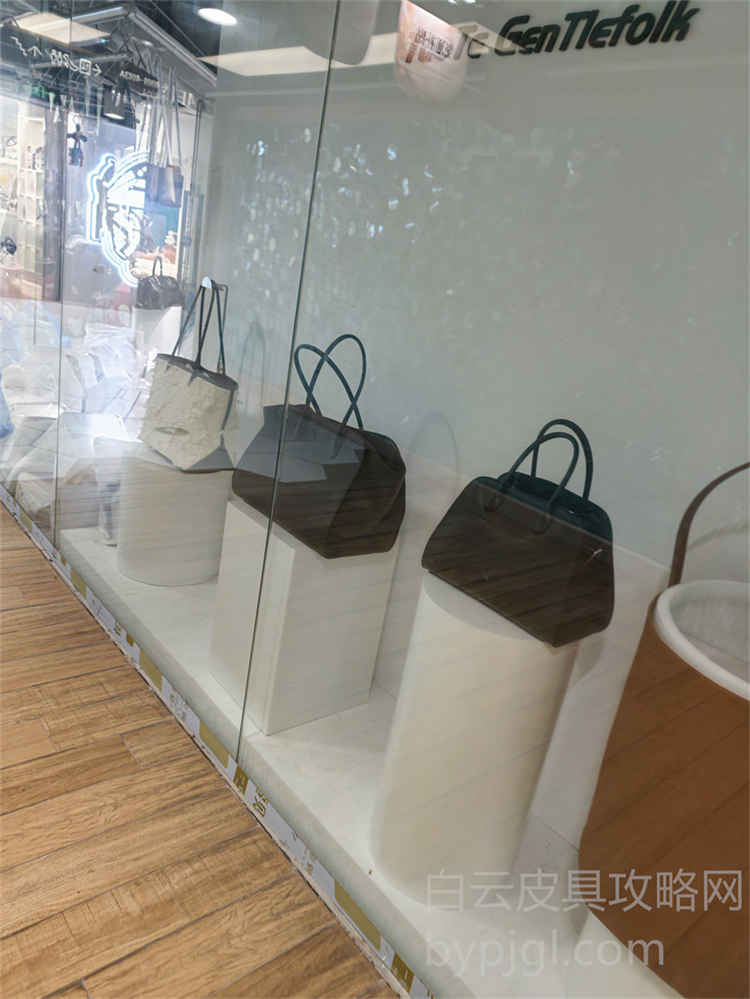
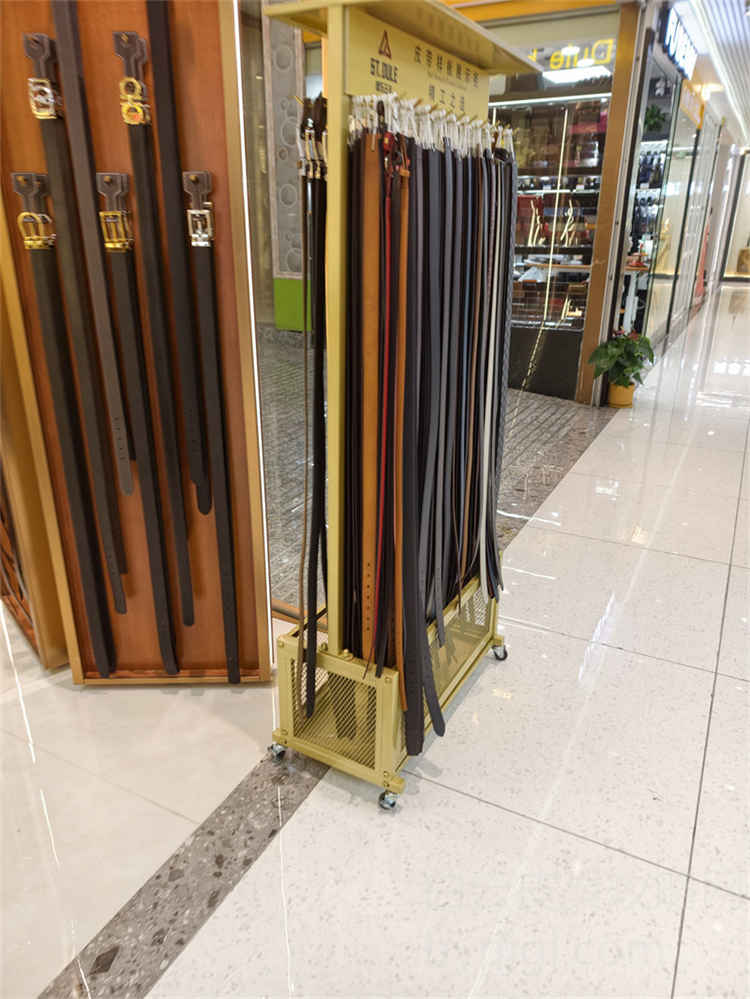
You cannot judge quality by a photo on a screen. In my shop, we have hundreds of samples, but the real test happens when you hold the bag in your hand. When you visit us, do not just look at the exterior. Ask to see the interior lining. Check the hardware weight. Is it solid brass or hollow plastic? Does the zipper glide smoothly or does it catch? These details separate the mass-produced junk from the items that rival the luxury brands in durability and feel.
We use specific types of cowhide and lambskin that are sourced directly from tanneries in the south of China. The smell of genuine leather is distinct; it is rich and earthy, not chemical. When you are inspecting a sample, run your fingers along the edges. Look at the stitching. Are the stitches even? Do they pull tight? A good stitch should be consistent, almost invisible from a distance but strong enough to hold up under stress. If you see loose threads or uneven spacing, put it down immediately. We pride ourselves on precision, and our customers expect nothing less.
Building Trust and Closing the Deal
Negotiating Like a Local
One of the biggest fears for international buyers is communication. They worry about language barriers or being charged inflated prices. Here is the truth: we speak many languages, but we also speak business. When you walk into a stall, be direct but polite. Do not pretend to be a tourist; let them know you are a buyer looking for long-term partnerships. This shifts the dynamic immediately. Instead of seeing you as someone to squeeze money out of, they see you as a potential partner who brings volume.
Negotiation is part of the culture here. It is not aggressive; it is a dance. Start by asking for the wholesale price, not the retail markup. Explain your volume expectations. If you are planning to buy fifty pieces, you have leverage. If you are buying one, the price will be higher. Be honest about your budget. We would rather give you a lower-quality item within your range than sell you something you cannot afford and regret later. Building trust takes time, but once established, the relationship becomes seamless. We will send you photos via WhatsApp before shipping, and we will ensure the packaging meets your standards.
Avoiding Pitfalls and Ensuring Safety
Logistics and Quality Control
There are scams everywher, but the smartest way to avoid them is to stick to the reputable buildings in the Baiyun district. Avoid random stalls in dark alleyways that promise "miracle" deals. If a price seems too good to be true, it usually means the material is fake or the construction is weak. Always ask for a sample first. Pay for it if necessary. It is better to spend a little extra upfront to verify quality than to lose thousands on a bad batch.
When it comes to shipping, work with a freight forwarder who specializes in this region. They know the customs regulations and can help you navigate the paperwork. Do not try to ship large quantities through standard courier services without declaring them correctly. We have helped many clients set up reliable logistics chains that move goods safely from our warehouse in Guangzhou to their doors in Europe or America. The key is transparency. Keep your records clear, communicate frequently, and never rush the process. Good things take time, especially when crafting high-quality leather goods.


 On-site Visits
 Free Sharing
 Avoid Scams
 Updated Frequently
 For Reference Only