
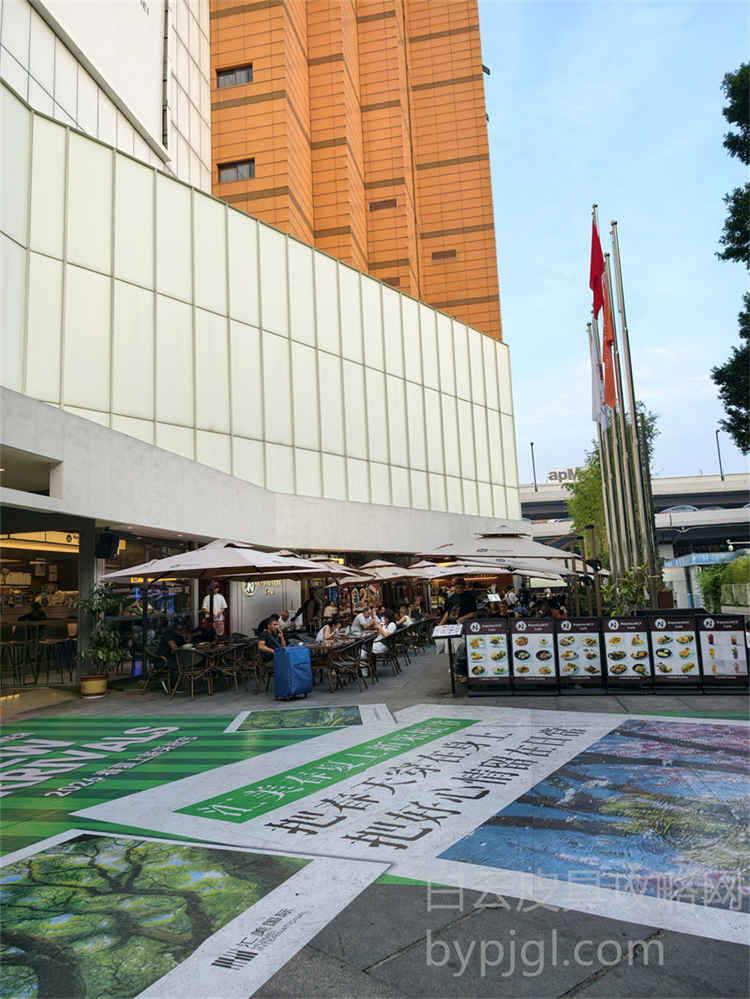
Walking the Floors: A Veteran's Guide to Guangzhou's Leather Goods Market
Welcome to the real deal. I have been standing behind my counter in Guangzhou for over fifteen years, watching the dust settle on the floors of Baiyun and seeing the same faces come back year after year. You might be reading this from a warehouse in New York or a boutique in London, wondering how to navigate the maze of leather goods markets without getting burned. Let me tell you straight: there is no magic button online that replacs walking the floor. The secrets of this industry are not in the glossy catalogs; they are in the way a vendor holds their sample, the tone of their voice when you ask about pricing tiers, and the specific alleyways wher the best stock hides.
The First Rule: Leave Your Expectations at the Door
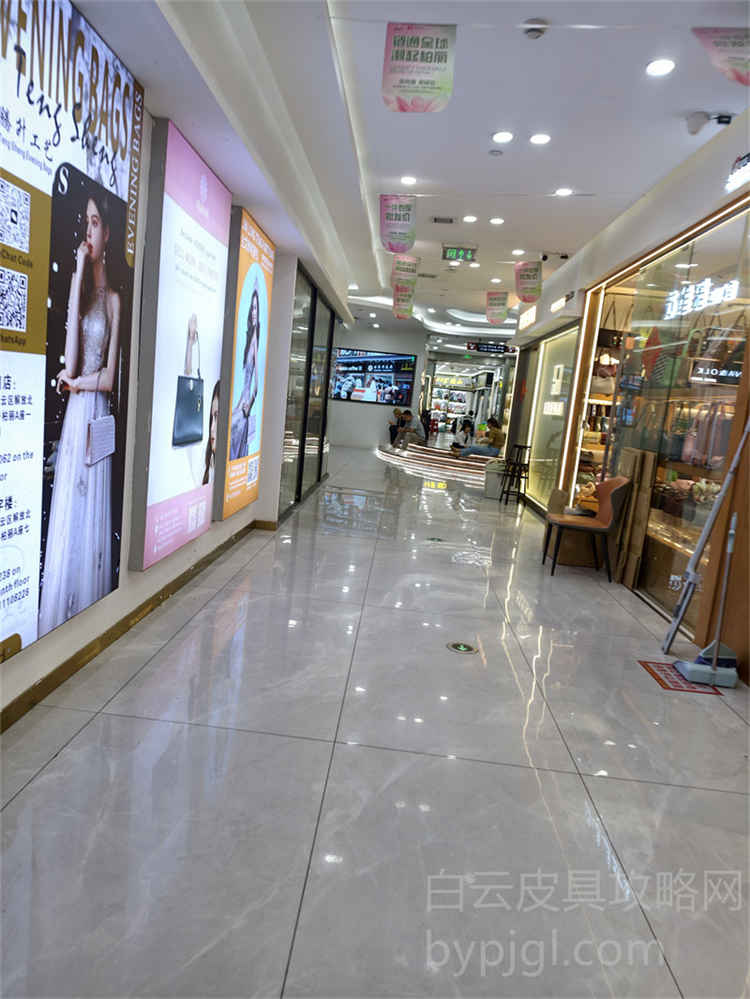
When you first step into the massive complexes around Baiyun District, you will feel overwhelmed. It is loud, chaotic, and smells intensely of new leather and glue. Do not expect the polite, sterile environment of a Western department store. This is a battlefield of commerce. Many overseas buyers make the mistake of treating every stall like a retail shop. They walk in asking for "one piece" with a smile, expecting a discount. That is a rookie mistake. In these halls, we operate on volume. If you want to see the true quality and get the real price, you need to speak the language of wholesale. Start by observing. Watch how the locals talk. Notice which stalls are packed with customers and which ones are empty. The busy ones usually have the freshest stock and the most reliable supply chains.
Navigating the Giants: Wher to Actually Go
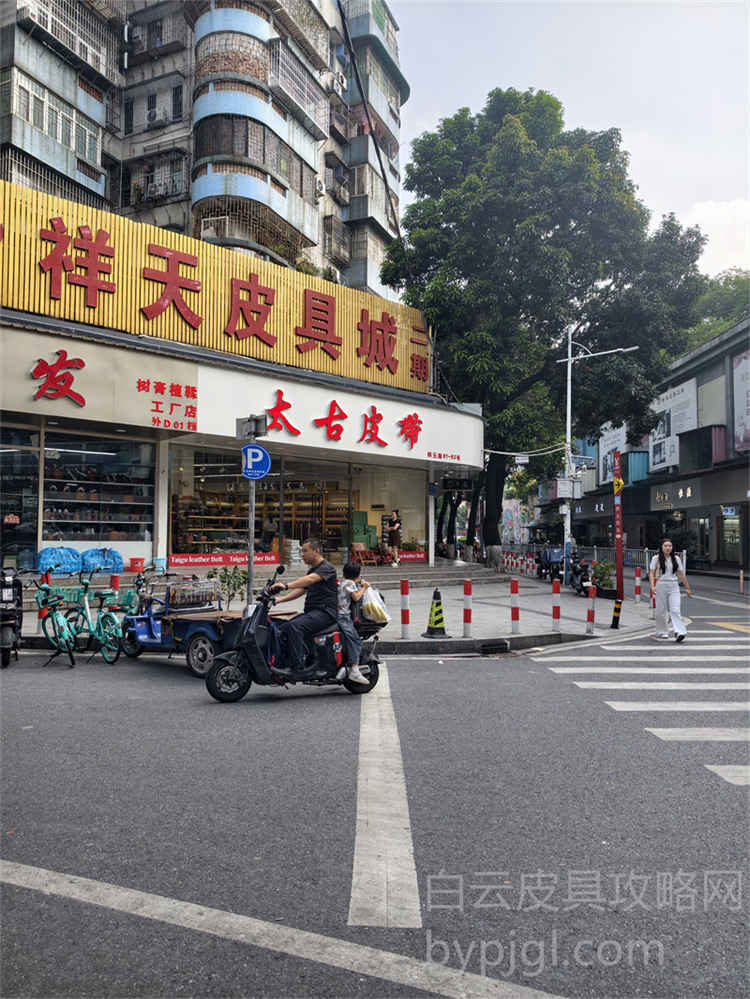
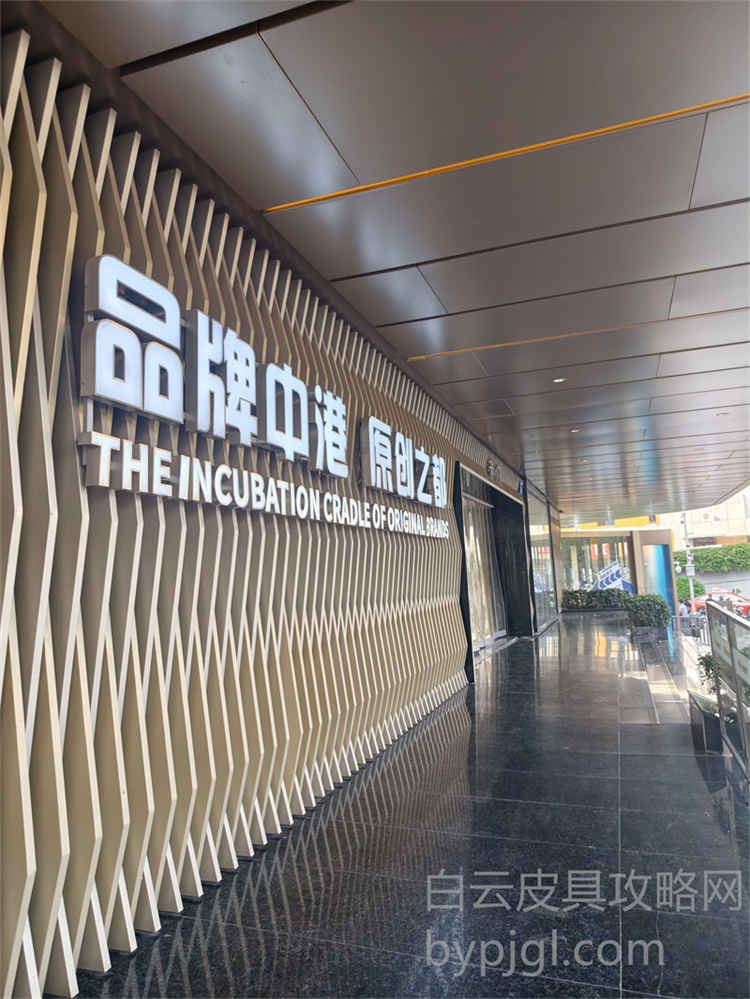
You hear people talk about "Guangzhou leather market," but that is too vague. There are dozens of buildings, each with its own personality. If you are looking for high-end craftsmanship, you need to head straight to the core of the Baiyun district. This is wher the heavy hitters are located. These buildings are not just malls; they are vertical cities dedicated entirely to leather goods. The architecture is functional, often crowded, and the corridors are narrow because the vendors maximize every inch of space to display their inventory.
Finding the Right Stall Amongst the Noise
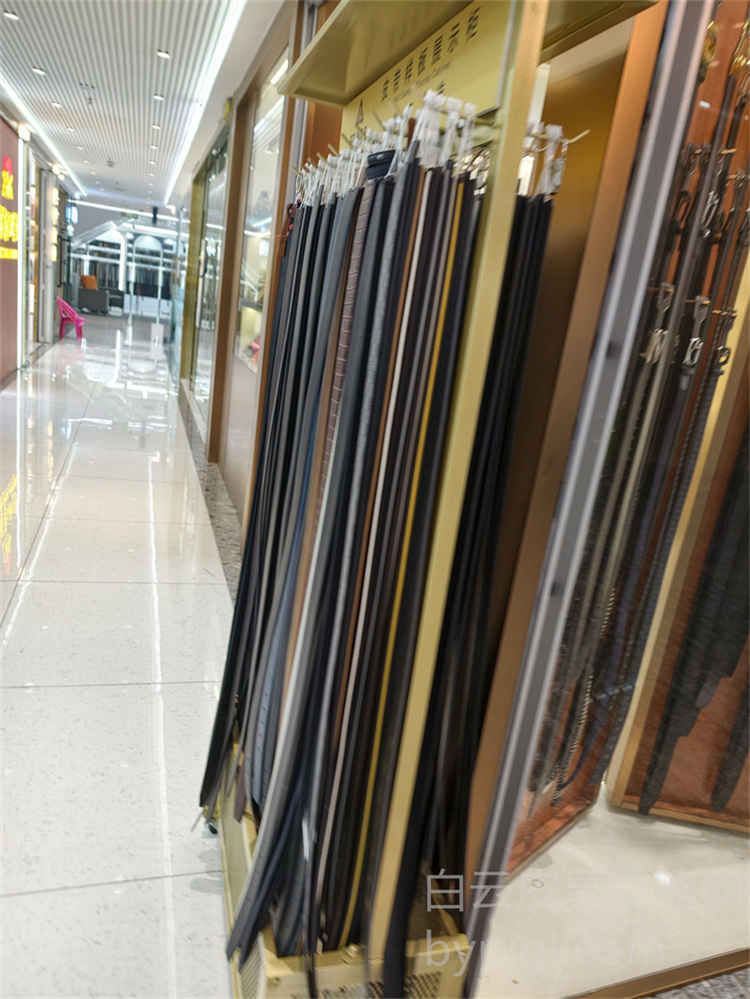
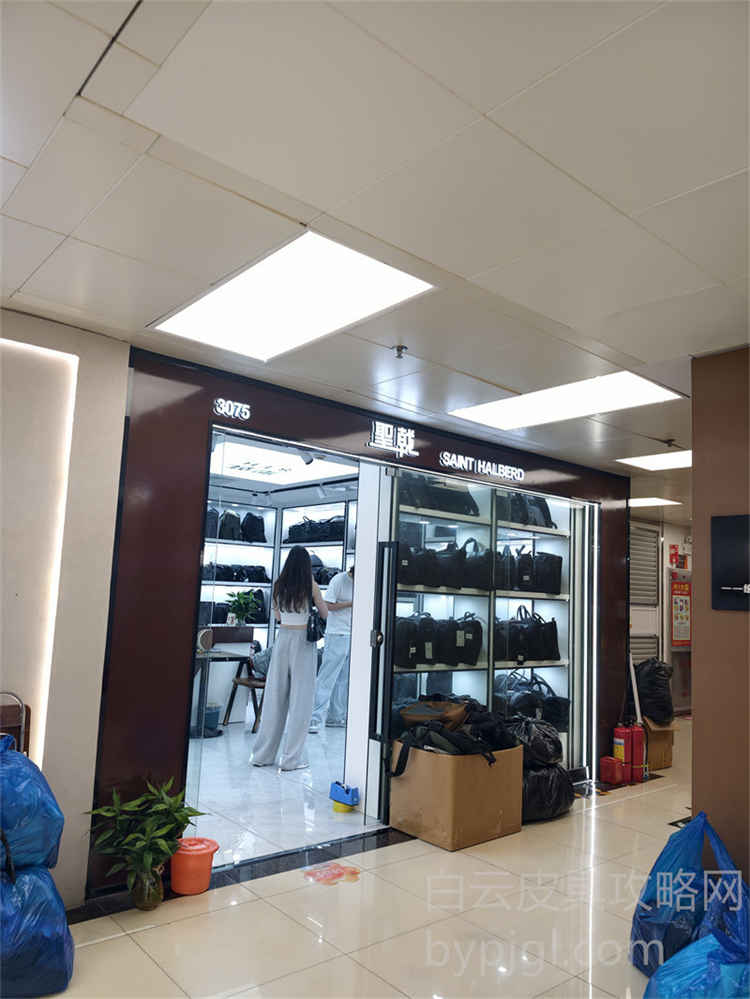
once you are inside, do not just wander aimlessly. Look for the signs. Some stalls have stacks of boxes labeled with codes rather than brand names. This is a good sign; it means they are serious about production. When you approach a counter, look at the samples on display. Are they pristine? Or do they show signs of wear? A veteran vendor knows that if they can't keep their own display clean, they probably won't care about your order. Ask to see the "internal structure." Don't just look at the outside stitching. Open the zippers. Feel the lining. Check the hardware weight. Cheap materials feel light and flimsy; good materials have substance. If a vendor gets defensive when you ask to inspect the interior, walk away immediately. Confidence comes from quality.
The Art of Negotiation and Building Relationships
This is wher the real work begins. Pricing in Guangzhou is not fixed; it is fluid. It depends on your relationship, your volume, and your ability to spot value. Never accept the first number thrown at you. But also, do not insult them with an offer that is absurdly low. We know our costs. We know the price of leather, the cost of labor, and the overhead of running a factory. If you try to drive the price down to zero, you will be shown the door. Instead, focus on building a rapport. Buy a few items first. Pay cash if possible. Show up consistently. When a vendor sees you as a regular customer who respects the business, the prices dro naturally. They start giving you access to the "new arrivals" before anyone else sees them.
Understanding the Tiers of Quality
You will hear terms used to describe different levels of production. It is crucial to understand what these mean so you don't pay premium prices for mid-range goods. There is the entry-level tier, which is fine for mass-market distribution but lacks durability. Then there is the mid-tier, which offers better stitching and hardware. Finally, there is the top-tier production, often referred to locally as the "master grade." This is wher the finest leathers are sourced, and the attention to detail matches the original designs almost perfectly. However, even within the top tier, there are variations. Always ask for a physical comparison between two different batches. One batch might use Italian leather while another uses a local alternative that looks similar but ages differently. Taste the difference with your hands.
Logistics, Inspection, and Avoiding Pitfalls
Getting the goods out of China is only half the battle. The biggest risk lies in the gap between the showroom and the shipping container. Many overseas buyers fall victim to the "switch" scam, wher the sample you approved is perfect, but the bulk shipment contains inferior materials. To avoid this, you must implement a strict inspection protocol. Hire a third-party inspector if you are ordering large quantities. Do not rely on photos sent via WhatsApp. Those images are often edited or taken under studio lighting that hides flaws. Insist on video calls wher you can zoom in on specific details in real-time. Ask the vendor to record a video of the packaging process. Ensure that every item is individually wrapped and that the quality control tags are attached.
The Hidden Costs of Shipping
Do not forget the logistics. Shipping leather goods internationally involves complex customs regulations. Different countries have different tariffs on synthetic versus natural leather. Work with a freight forwarder who specializes in this region. They will know how to classify your goods correctly to avoid delays at the port. Also, consider the lead time. Just because a vendor says "ready now" does not mean it is ready. Production schedules fluctuate based on raw material availability. Always build a buffer into your timeline. If you need stock for a holiday season, start planning three months in advance. Rush orders always come with a premium price and a higher risk of errors.
Final Thoughts from the Floor
Guangzhou is a living, breathing ecosystem of trade. It changes every day, but the fundamentals remain the same. Success here requires patience, observation, and respect. Do not treat the vendors as enemies to be beaten down; treat them as partners. When you build trust, you unlock the best of what this city has to offer. The streets of Baiyun are filled with opportunity, but only for those willing to put in the work. Walk the floors, touch the leather, and listen to the stories behind the products. That is how you find the gems that others miss. Come back next season, and let's see what new trends we have brought to the table.


 On-site Visits
 Free Sharing
 Avoid Scams
 Updated Frequently
 For Reference Only