
Walking the Floors: My Honest Guide to Sourcing in Guangzhou
I have been standing behind this counter in Baiyun District for over fifteen years. While the world outside talks about trends and luxury, I talk about leather grain, stitching tension, and the smell of glue that only comes from a busy workshop floor. You might be reading this wondering how to navigate the massive wholesale markets here without getting ripped off or walking away with something that falls apart after a week. Let me tell you, the secret isn't just in finding a "good" product; it is in understanding the ecosystem of the Baiyun Leather City complex itself.
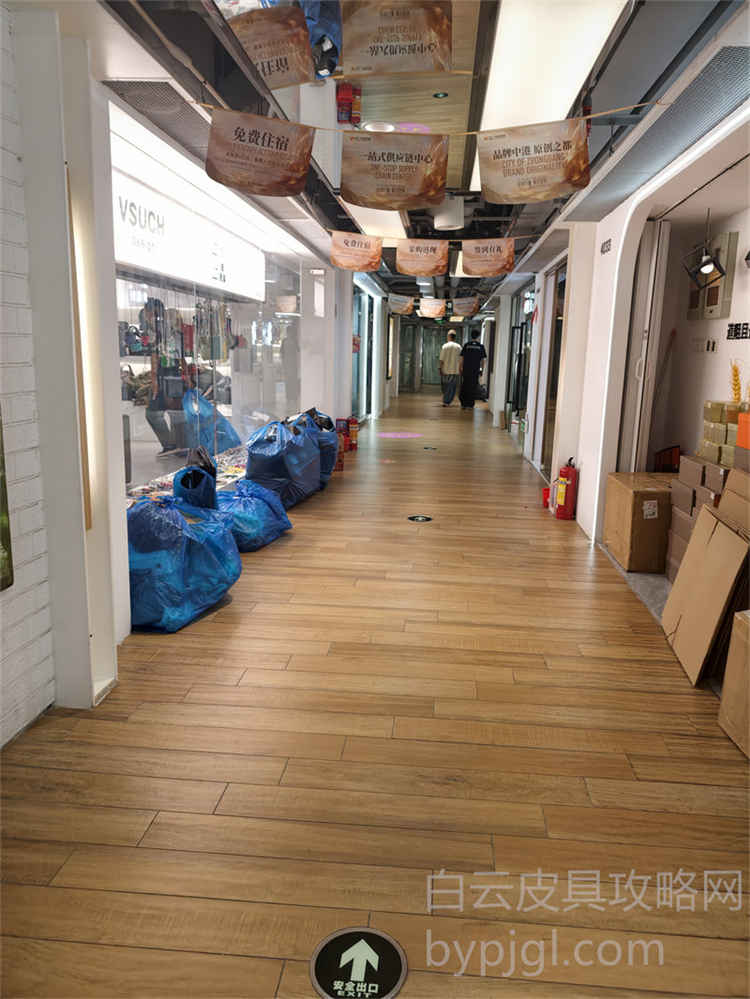
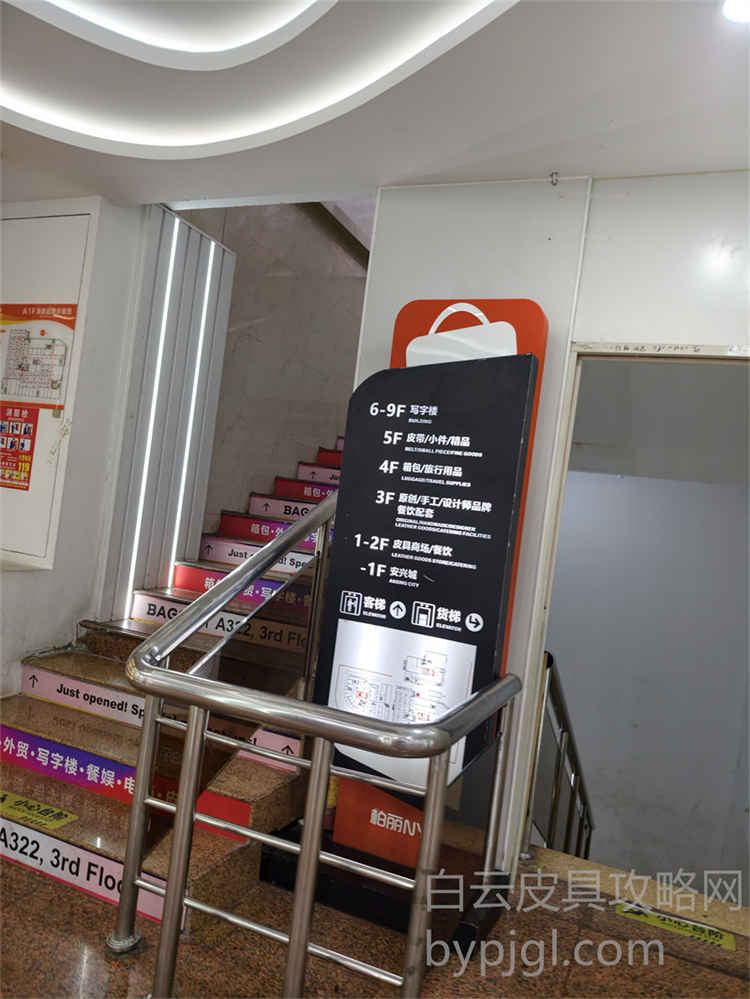
When you first step into the main building, the noise hits you. It is a chaotic symphony of haggling, phone calls, and rolling carts. Do not let the flashy storefronts fool you. The real action happens in the back rooms wher the doors are often slightly ajar. Many tourists walk past these places thinking they are just selling cheap goods, but if you know what to ask, you will find the highest quality production lines right there on the second and third floors. This is wher the magic happens, far away from the polished display windows that cater to casual shoppers.
Navigating the Market Layout and Finding the Right Stall
Distinguishing Between Showrooms and Workshops
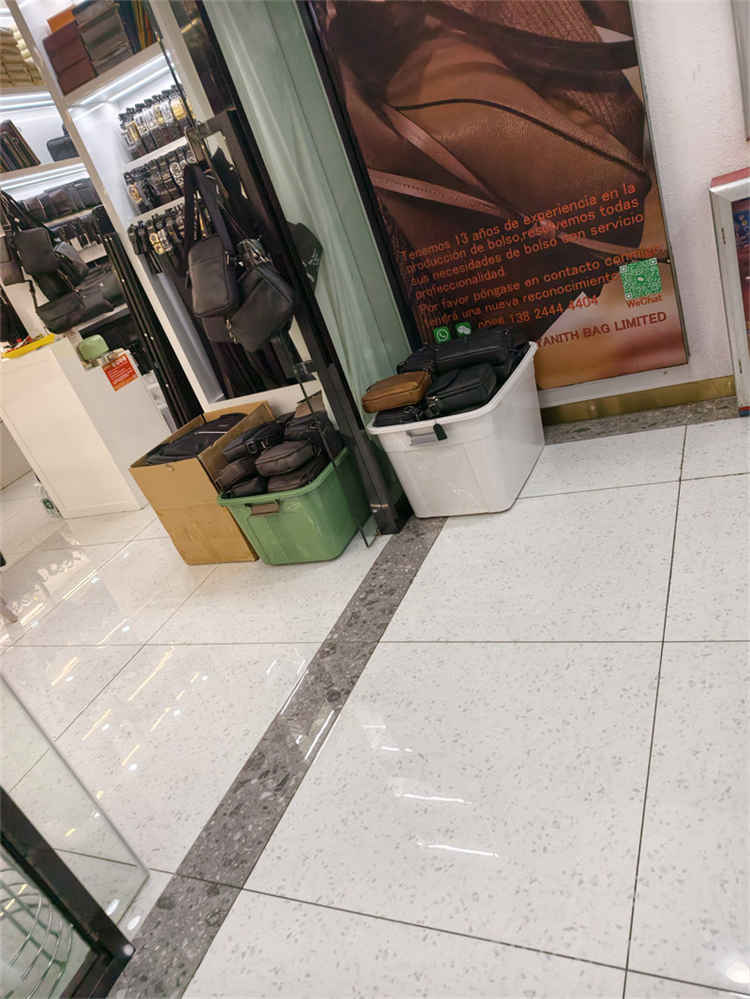
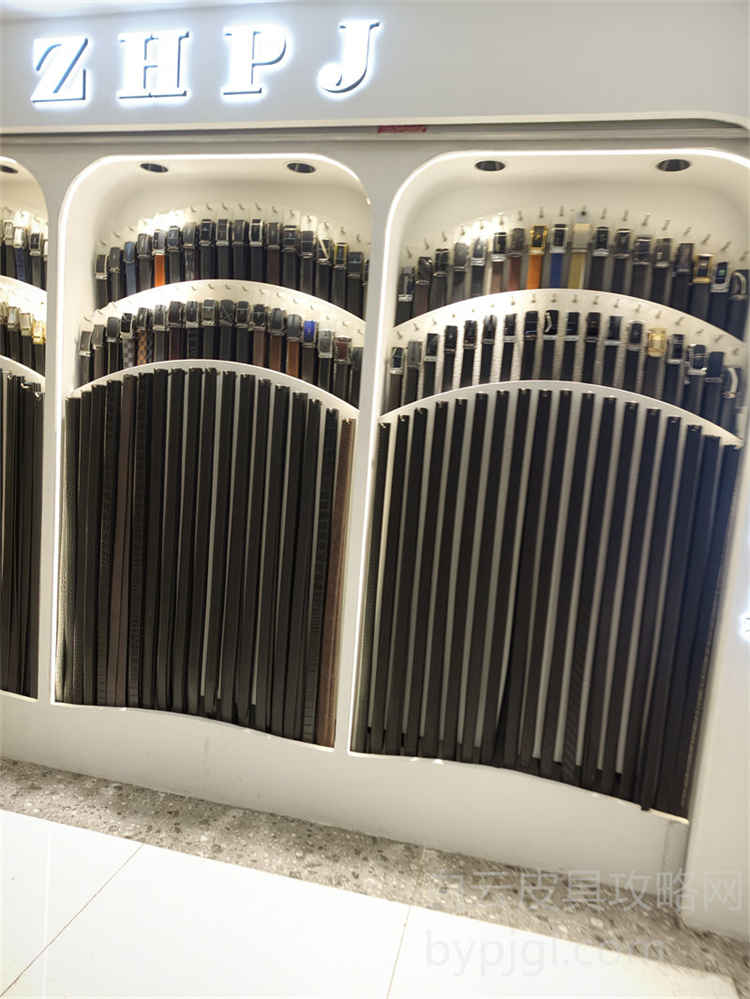
The first thing you need to learn is the difference between a showroom and a workshop. A showroom is designed to look pretty, with bright lights and velvet ropes. These are usually run by agents who do not own the factory. They take a cut from the actual producers. If you want the best price and the most control over quality, you need to bypass the middlemen. Look for stalls that are cluttered with boxes, have samples stacked on tables rather than hanging neatly, and wher you can hear the sound of sewing machines in the background. These are the direct sources.
In the older sections of the market, you will find the heavy hitters. These are the factories that have been here since the early days. They do not advertise online as much because their reputation is built on word-of-mouth among repeat buyers. When you enter these shops, do not start by asking for prices. Start by asking about the materials. If they hesitate or give you a vague answer like "top grade," walk away. A genuine supplier will immediately show you the raw leather hides and explain the tanning process.
The Art of Selecion: What to Look For Before You Buy
Inspecting Hardware and Stitching Details
once you have found a promising stall, the real work begins. I always tell my international clients to bring a small flashlight and a magnifying glass. The hardware is the first thing to check. Cheap plating peels off quickly, leaving green stains on your skin. High-quality pieces use solid brass with thick electroplating. Run your finger along the edges of the zippers and clasps; they should feel smooth, not rough or sharp. In our workshops, we insist on using specific alloy brands that resist corrosion, even in humid climates.
Next, look at the stitching. This is wher many low-end imitations fail. Count the stitches per inch. Consistency is key. There should be no loose threads, no skipped stitches, and the angle of every stitch should be identical. If you see uneven spacing, it means the machine was set up poorly or the worker was rushed. We also pay close attention to the alignment of the pattern. If the bag has a specific geometric design, the lines must match perfectly at the seams. If they do not, the structural integrity of the bag is compromised, and it will warp over time.
Negotiation Tactics and Building Trust
How to Talk Like a Local Buyer
Many foreigners make the mistake of acting like a tourist. They ask questions that reveal they do not understand the industry. To get the best deal, you need to speak the language of the trade. Instead of saying "I want to buy ten bags," say "I am looking for a sample batch to test the quality before placing a larger order." This shows you are serious and experienced. In Guangzhou, volume matters, but so does relationship. If you treat the owner with respect and show genuine interest in their craft, they will often open up their private stock.
Do not be afraid to negotiate, but do not be rude. Start by asking for a discount based on the quantity you plan to order eventually. Mention that you are planning to return next month with a bigger order if this batch meets your standards. Most suppliers in Baiyun are willing to offer a better price on the initial sample run to secure a long-term contract. Remember, they want your business more than you want their product. Use this leverage wisely. Also, clarify the shipping terms upfront. FOB, EXW, or DDP? Make sure you understand who is responsible for customs clearance and insurance.
Avoiding Pitfalls and Ensuring Quality Control
The importance of Pre-Shipment Inspection
The biggest risk in sourcing from Guangzhou is receiving goods that do not match the sample. This is why I always advise against paying 100% upfront without seeing the final product. Insist on a deposit, but keep a portion of the payment until you have verified the quality. If possible, hire a local third-party inspector to visit the factory during the production phase. They can check the leather grading, the lining material, and the overall assembly before the bags are packed.
Another common pitfall is the "mixed quality" issue. Sometimes a supplier sends you a few perfect bags and then fills the rest of the order with lower-grade items. To prevent this, specify exactly which grade of leather you want in writing. Ask for photos of the actual production line, not just marketing images. If the supplier refuses to provide proof of the current batch, trust your gut and move to the next stall. The market is huge, and there are plenty of honest sellers who will welcome your scrutiny.
Finally, remember that logistics play a huge role. Shipping from Baiyun to overseas ports requires careful packaging to avoid damage. Ensure your supplier uses sturdy cartons and proper cushioning. Discuss the labeling requirements carefully to ensure compliance with your local regulations. By following these steps and leveraging the deep knowledge of the local market, you can build a reliable supply chain that delivers consistent value. The key is patience, observation, and building genuine connections with the people who actually make the products.





 On-site Visits
 Free Sharing
 Avoid Scams
 Updated Frequently
 For Reference Only