

Walking the Floors: My Honest Guide to Sourcing in Guangzhou
I have been standing behind this counter for over twenty years. While the world outside talks about trends and seasons, my life here in Baiyun District is measured by the flow of people through these narrow corridors and the specific rhythm of a busy afternoon. You might be reading this from New York, London, or Sydney, wondering how to actually get your hands on the goods without getting scammed or wasting weeks of travel time. Let me tell you, the secret isn't just in finding a supplier; it is in knowing how to walk the floor like a local.
The First Step: Leaving the Hotel Behind
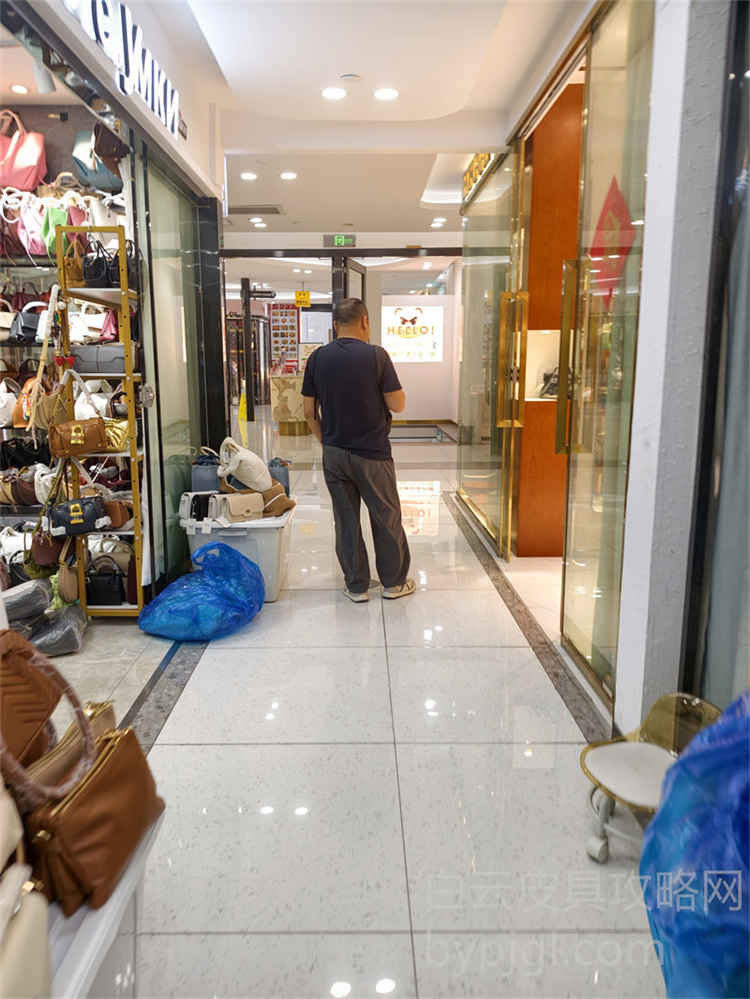
Most first-timers make the mistake of trying to book appointments online before they even arrive. That is a trap. The real action happens when you step out of your car and into the chaotic energy of the market. When you enter the main complex, do not look at the glossy brochures. Look at the people. Notice who is carrying heavy boxes, who is arguing with a driver, and who is quietly inspecting a zipper pull. That is wher the serious business is done. I always tell my overseas friends to skip the fancy hotels near the airport and stay somewher closer to the hub. The distance between your bed and the factory floor matters more than you think.
Navigating the Market Layout and Finding the Right Stall
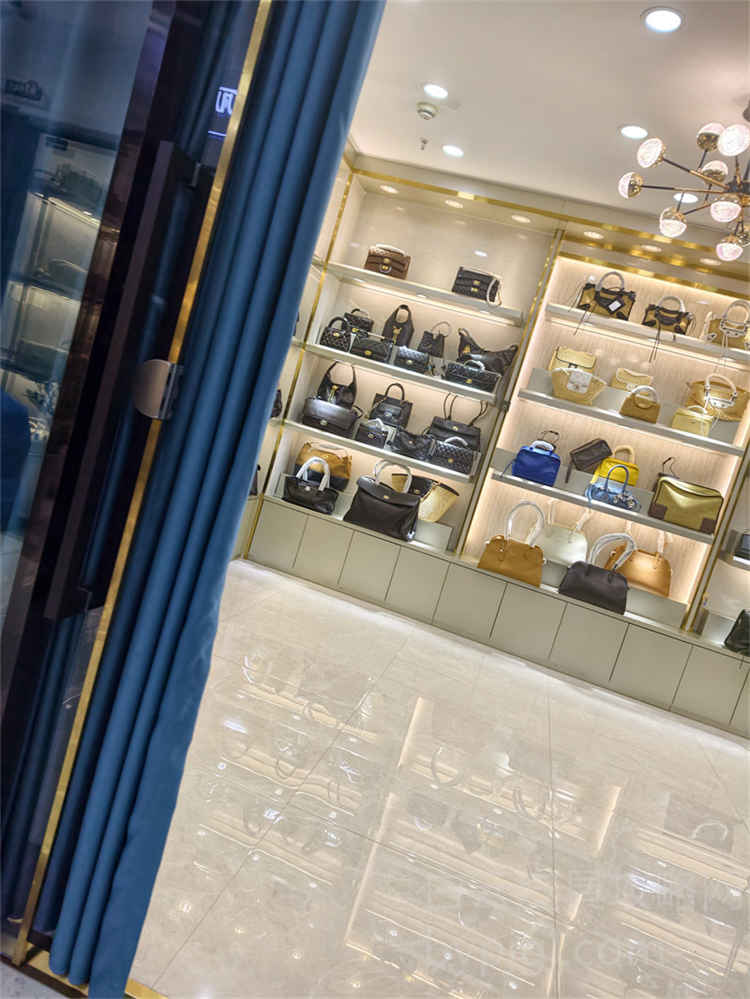
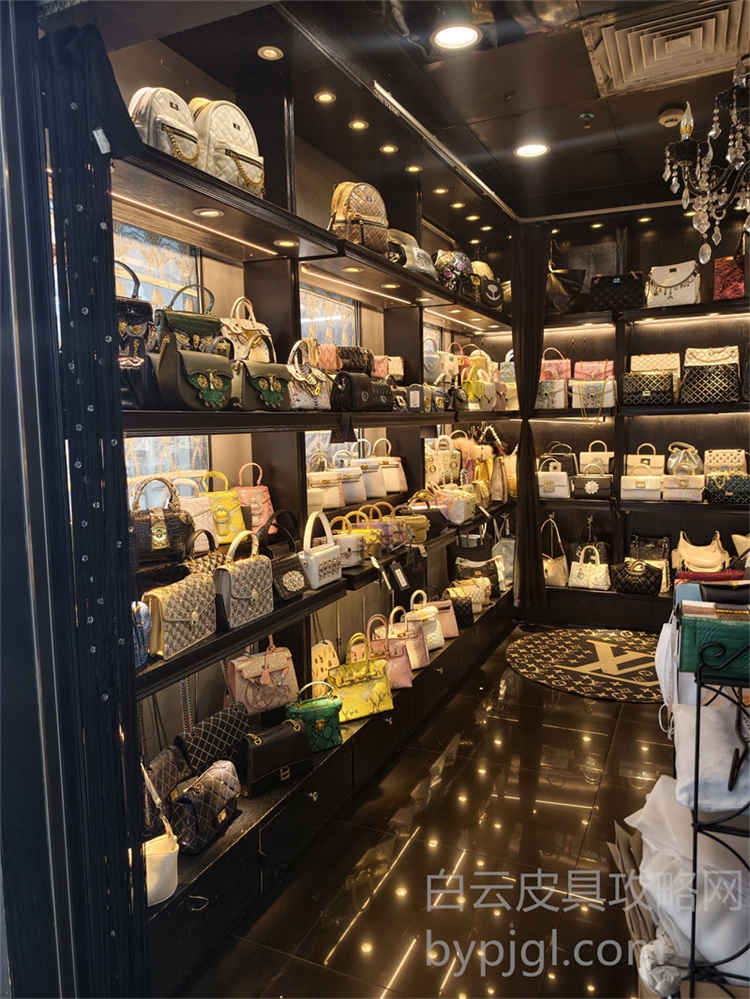
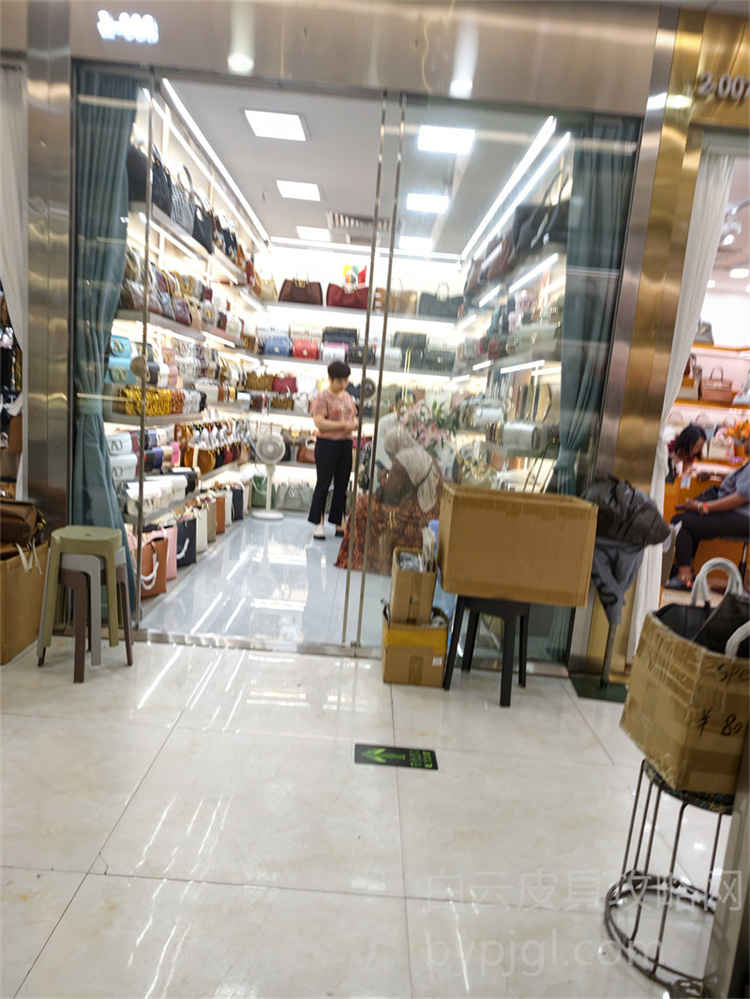
once you are inside, the sheer size can be overwhelming. There are thousands of stalls, but only a few hundred that actually hold the quality we are talking about. Do not wander aimlessly. Start on the lower floors wher the general merchandise is, but keep moving up. The higher levels, especially around the middle sections, are wher the top-tier production lines operate. These are the places wher the leather feels substantial and the stitching is tight enough to hold a handshake.
Reading the Room Before You Speak
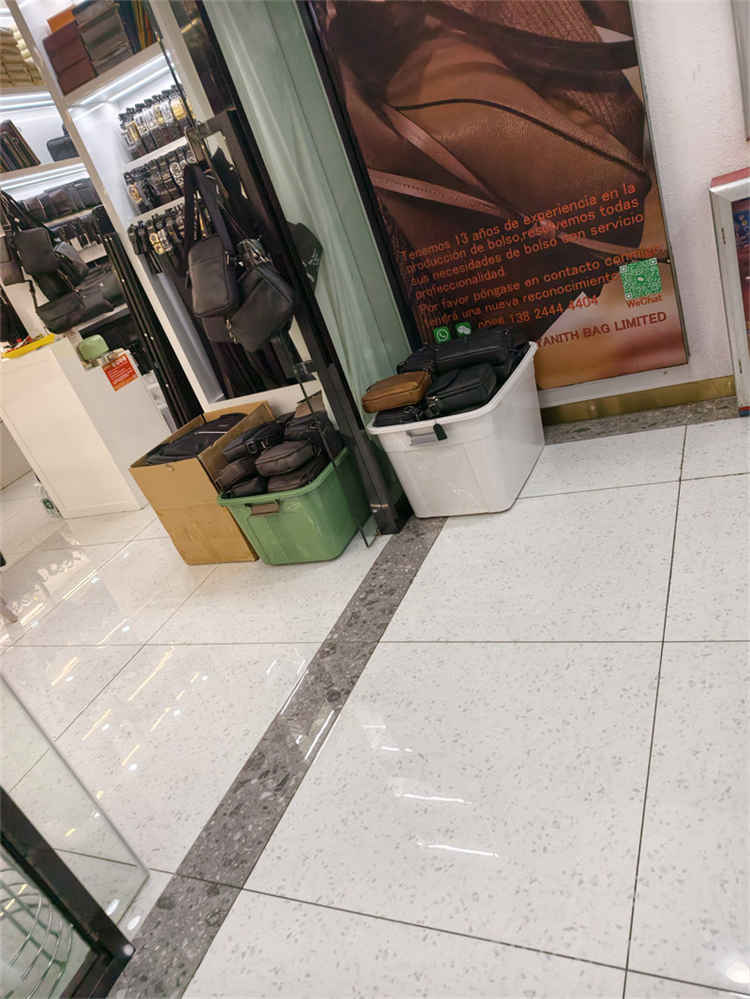
When you approach a stall, observe first. Is the owner rushing? Are there customers waiting? If a stall is empty and the owner looks bored, they might be selling low-quality stock that has been sitting for months. But if you see a cluster of buyers, some looking at phones, others checking bags, that is a sign of turnover. High turnover means fresh designs and active supply chains. In our district, the best sellers are often the ones who don't talk much until you show genuine interest. They know their product speaks for itself. This is why we call them "hidden gems" – they rely on reputation rather than flashy signs.
The Art of Inspection: What to Touch and Feel
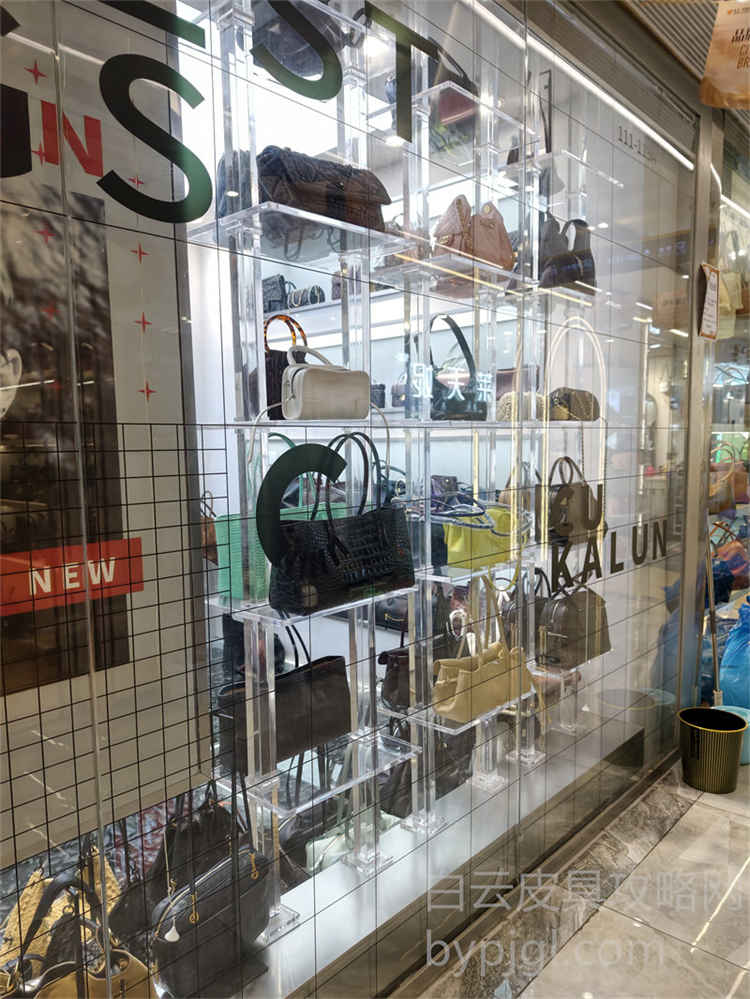
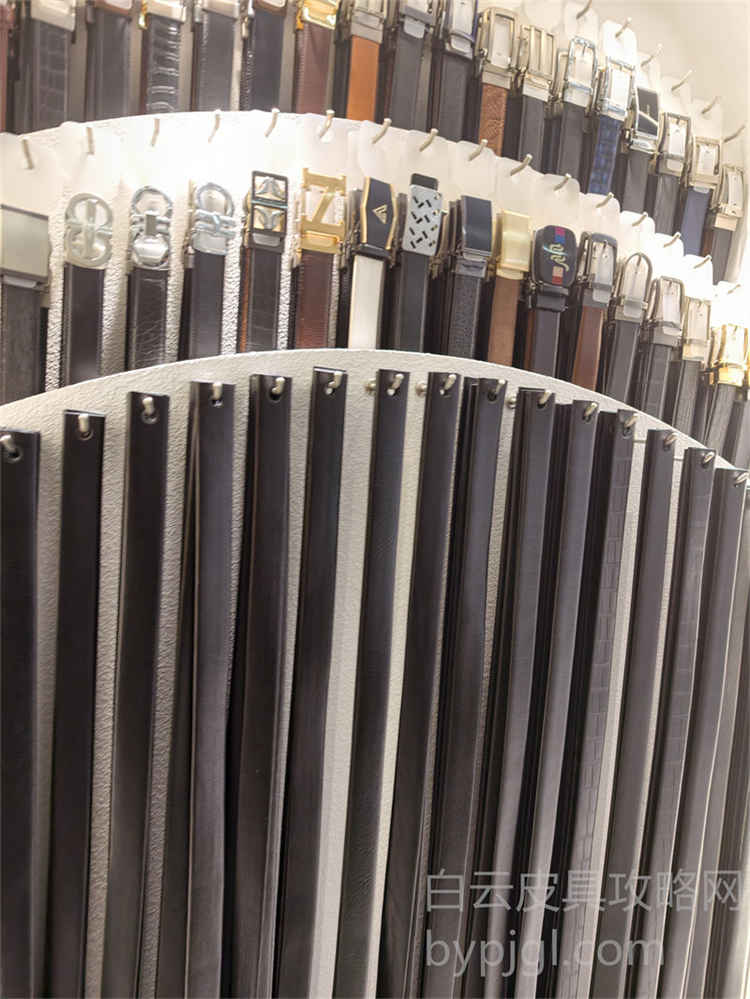
This is the most critical part of the process. Many buyers try to judge quality by looking at photos sent via WeChat. That is a fool's errand. You must touch the material. Run your fingers along the grain. Does it feel soft and supple, or does it feel stiff and plastic-like? In the high-end section of the market, the leather used is often sourced from the same tanneries as the major international brands. It smells distinctively rich, not chemically sharp. Check the hardware. Open the clasp. Listen to the sound. A good lock clicks firmly; a cheap one rattles or sticks.
Checking the Interior and Stitching
Flip the bag inside out. Look at the lining. Is it smooth? Are the seams straight? In our workshops, we pay attention to the thread count. If you see loose threads or uneven spacing, put it back on the shelf immediately. Also, check the pockets. Do they have reinforced stitching? Can they hold weight without tearing? These small details separate the mass-produced items from the premium selections. When I am helping a buyer, I ask them to bring a flashlight. Shadows reveal flaws that bright lights hide. We use this trick every single day to ensure nothing leaves our shop unless it passes our own strict standards.
Negotiating and Building Long-Term Relationships
once you find a piece you like, the conversation shifts to price and volume. Do not be afraid to negotiate, but do not be rude. We appreciate honesty. If you say you want to start small, we will respect that. However, if you claim you are buying for a huge chain but only take two pieces, we will know you are lying. Trust is the currency here. When you build trust with a stall owner, you gain access to samples that are not yet on display. These are the prototypes that haven't hit the shelves yet.
Understanding MOQs and Payment Terms
Every stall has different rules regarding Minimum Order Quantities (MOQ). Some require you to buy ten pieces of the same style to get the best price. Others are flexible if you mix styles. Be clear about what you need upfront. Regarding payment, cash is king for immediate deals, but bank transfers are standard for larger orders. Never send money to a personal account without a contract or a verified business license. In our experience, the safest route is to meet in person, inspect the goods, and then settle the balance after the shipment is /confirm/ied. This protects both parties and ensures a smooth transaction.
Avoiding Common Pitfalls and Staying Safe
There are always risks when traveling to a new place. One common mistake is falling for "too good to be true" prices. If a deal sounds perfect, it usually is. Another issue is the language barrier. While many owners speak some English, nuances can get lost. Bring a translator or use a reliable app, but also learn basic terms related to materials and construction. Finally, be aware of your surroundings. The market is crowded, and pickpockets exist. Keep your phone and wallet secure while you are busy examining zippers and handles.
The Value of Local Knowledge
My advice to anyone coming here is to hire a local guide if you are unsure. Not a tour guide, but someone who knows the trade. They can navigate the maze of alleys, explain the difference between Grade A and Grade B leather, and help you avoid stalls that sell fakes of fakes. Havin a trusted contact changes the entire dynamic of your trip. It turns a stressful shopping spree into a strategic sourcing mission. Remember, we are not just selling products; we are building relationships that last for years. Come with an open mind, a keen eye, and a willingness to learn the craft.

 On-site Visits
 Free Sharing
 Avoid Scams
 Updated Frequently
 For Reference Only