
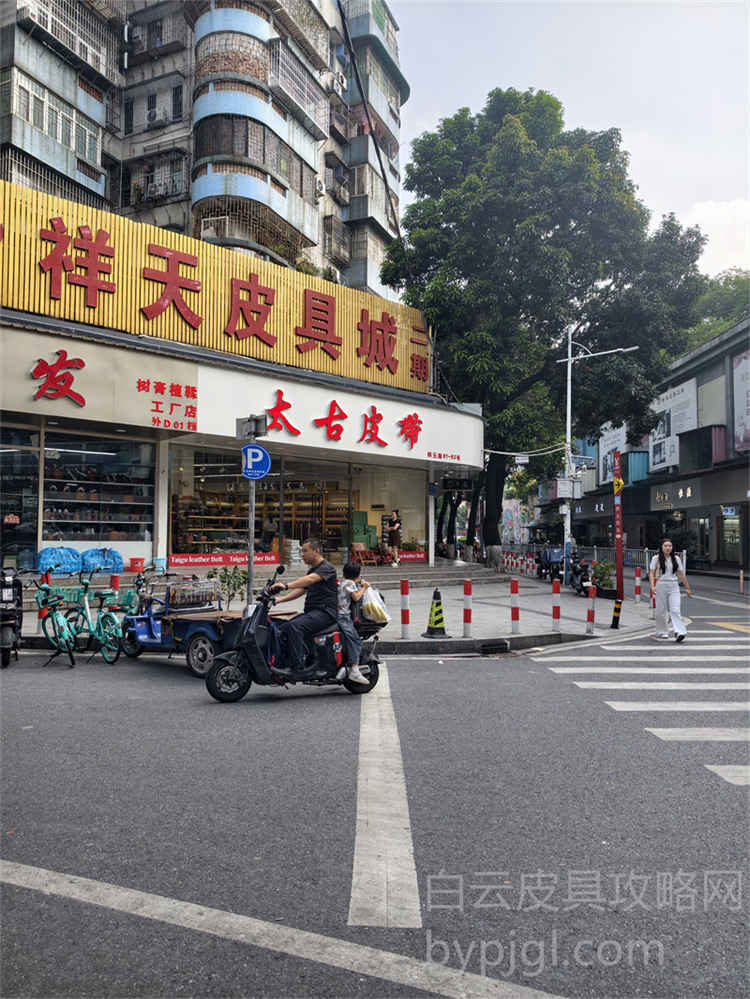
Walking the Floor: My Honest Guide to Sourcing in Baiyun
Welcome to the real deal. I've been standing behind this counter in Guangzhou for over twenty years, watching the dust settle and rise again with every new season. You might have heard rumors about "fake" bags or seen endless listings online claiming to be the best. Let me tell you something straight from the floor: if you want quality that actually holds up, you need to stop scrolling and start walking. The magic doesn't happen on a screen; it happens right here in the Baiyun district, wher the air smells like leather glue and fresh stitching thread.
I know you are worried about finding the right supplier without getting ripped off. That is exactly why I am sharing this with you. This isn't a sales pitch; it is my experience as a local owner who has seen thousands of buyers come and go. Some leave happy with perfect goods, others leave angry because they didn't know how to read the room. If you are planning a trip to source high-end leather goods, listen closely to what I have to say about navigating these markets.
The Real Layout of the Market District
Navigating the Concrete Jungle
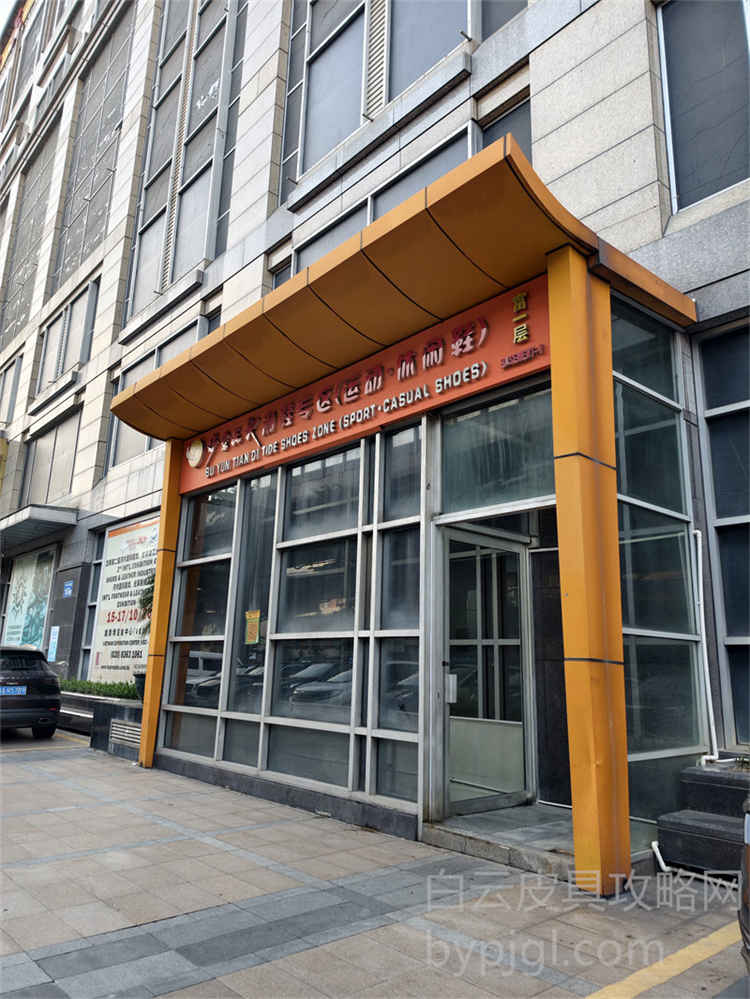
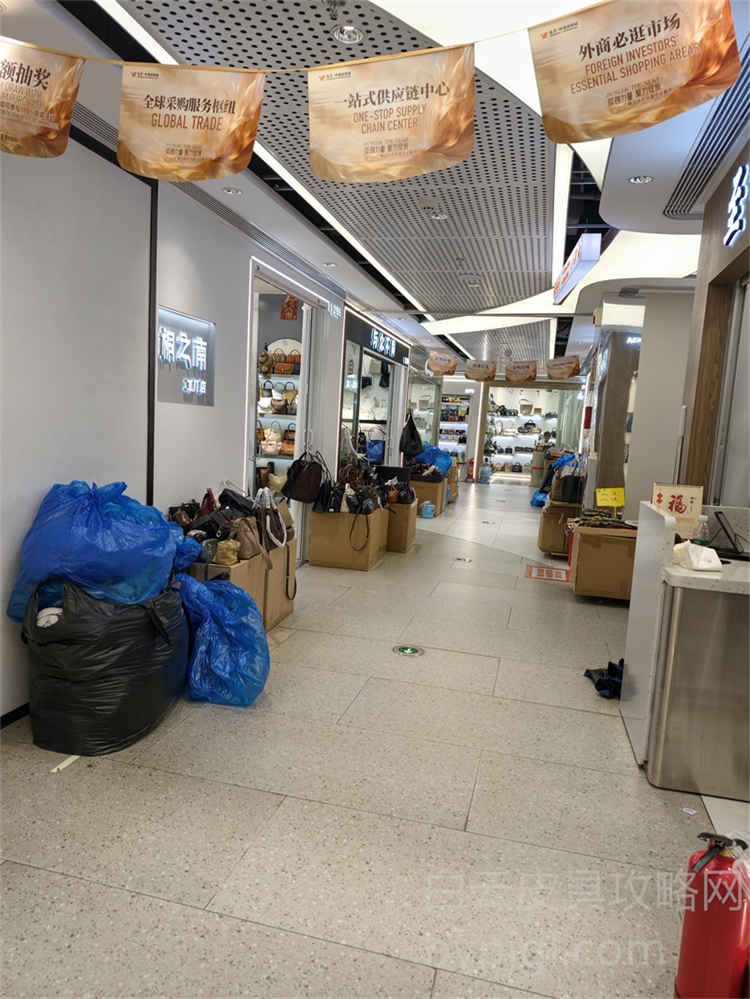
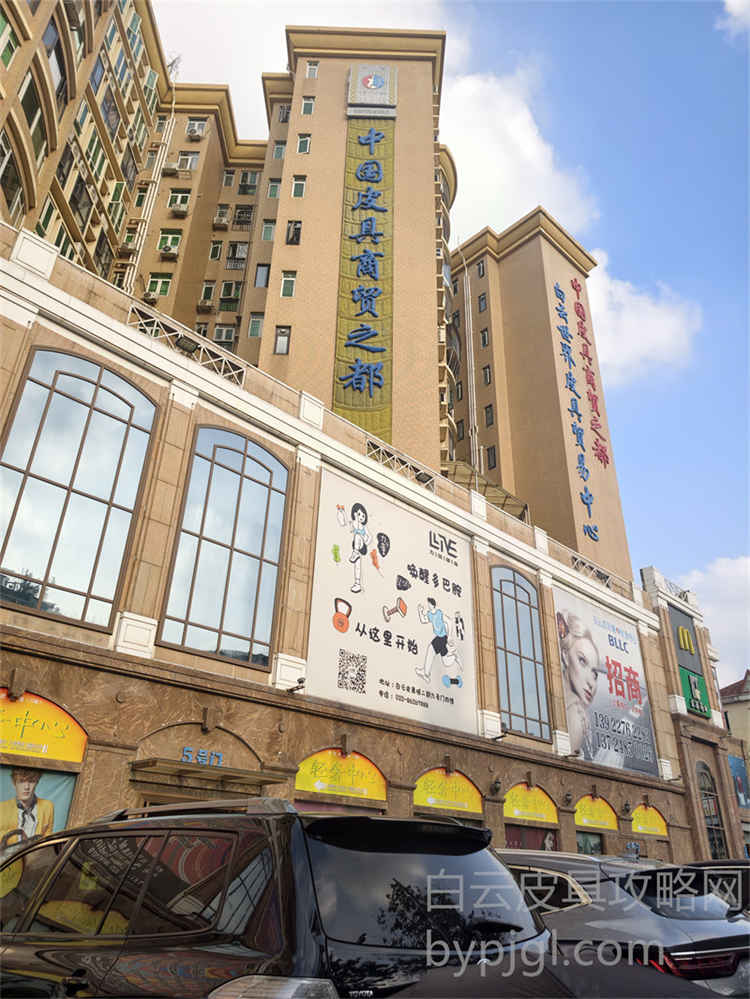
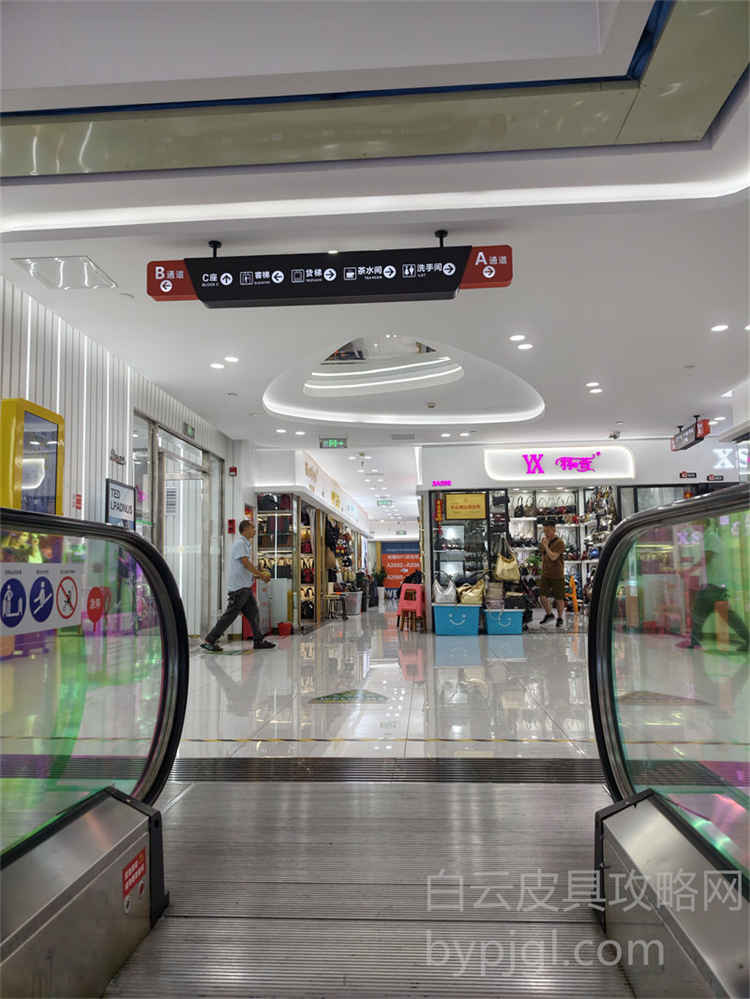
First things first, do not just show up at one building and expect to find everything. The Baiyun area is massive, a sprawling network of interconnected buildings that can easily swallow a whole day if you aren't prepared. When you arrive, head straight to the main hubs like the Baishiqiao area or the famous World Leather Trade Center. These are the heartbeats of the industry. You will see rows upon rows of shops, each one shouting out different styles, but only a few are actually worth your time.
Many tourists get lost trying to find specific stalls. My advice? Don't rely on Google Maps alone. once you are inside, look for the signs written in both English and Chinese. The most reputable suppliers usually have their own dedicated floors or prominent corners. If a shop looks like a small, cramped office with no display, walk away. We are talking about serious business here. You want to see the inventory, feel the materials, and talk to people who understand the craft, not just the transaction.
How to Spot Quality Before You Buy
Touch, Smell, and Stitch
When you approach a stall, ignore the flashy photos on the phone screens. Those can be edited, but the physical product cannot lie. In my shop, we always encourage customers to pick up the bag. Feel the weight. A good piece of leather has substance; it should feel cool and dense, not flimsy or paper-thin. Run your fingers over the surface. Is it smooth? Does it have that natural grain texture? Cheap imitations often feel plastic-like or overly uniform, lacking the character of genuine hides.
Next, check the stitching. This is wher the amateurs fail. Look at the spacing between the stitches. Are they even? Do they pull tight without distorting the leather? High-quality production uses heavy-duty thread that resists breaking. Also, inspect the hardware. Open the zippers, turn the clasps. They should move smoothly and sound solid, not rattling or feeling light as aluminum foil. If the metal feels cheap, the rest of the bag likely will too. Trust your senses more than any certificate a seller might try to hand you.
Asking the Right Questions
Communication is key when you are negotiating with a supplier. Do not be shy about asking questions. Ask them specifically about the material source. Wher did the leather come from? What kind of lining are they using? A confident seller will know the details immediately. If they hesitate or give vague answers like "it is very good," that is a red flag. We pride ourselves on transparency. Tell them exactly what you are looking for in terms of color, size, and finish. The better you describe your needs, the better they can match your expectations.
Also, ask about the production timeline. How long does it take to make a batch? Rushing often leads to mistakes. A professional workshop will give you a realistic timeframe rather than promising overnight delivery. Building a relationship with a supplier takes time, so treat them with respect. They are the ones who know the ins and outs of the factory floor better than anyone else.
Negotiating and Avoiding Common Pitfalls
The Art of the Deal
Let's talk money. Prices in Baiyun vary wildly depending on the quality tier. Do not expect to pay designer prices for top-tier goods, but also do not expect to buy premium leather for pennies. There is a middle ground wher the value lies. When you negotiate, focus on volume. If you are buying multiple pieces, you have leverage. Start by asking for a wholesale price, then work your way down based on the total order quantity. Never agree to a price before seeing the sample. Always request a pre-production sample if you are placing a large order.
One of the biggest mistakes I see foreign buyers make is paying 100% upfront without any protection. While many transactions are done via bank transfer or digital payment apps, it is safer to arrange a deposit and hold back a portion until the final inspection. This ensures the seller delivers what was promised. Another pitfall is ignoring shipping logistics. Make sure you clarify who handles the packaging and freight costs. Poor packaging can ruin a beautiful bag during transit, so insist on sturdy boxes and protective wrapping.
Building Long-Term Success in Guangzhou
From One-Time Buyer to Regular Partner
My goal is not just to sell you one bag today, but to build a partnership that lasts for years. The market changes fast, trends shift, and new materials emerge. By staying connected with us, you stay ahead of the curve. Come back often, visit our showroom, and let us updat you on the latest collections. We have clients who fly in from Europe and America every single month because they trust our consistency.
If you follow these steps—walking the floor, inspecting the goods carefully, asking the right questions, and negotiating fairly—you will find exactly what you are looking for. The Baiyun district is full of opportunity for those willing to put in the effort. It is a place of hard work, skill, and passion for leather craftsmanship. So, pack your bags, come to Guangzhou, and let's get to work creating something amazing together.

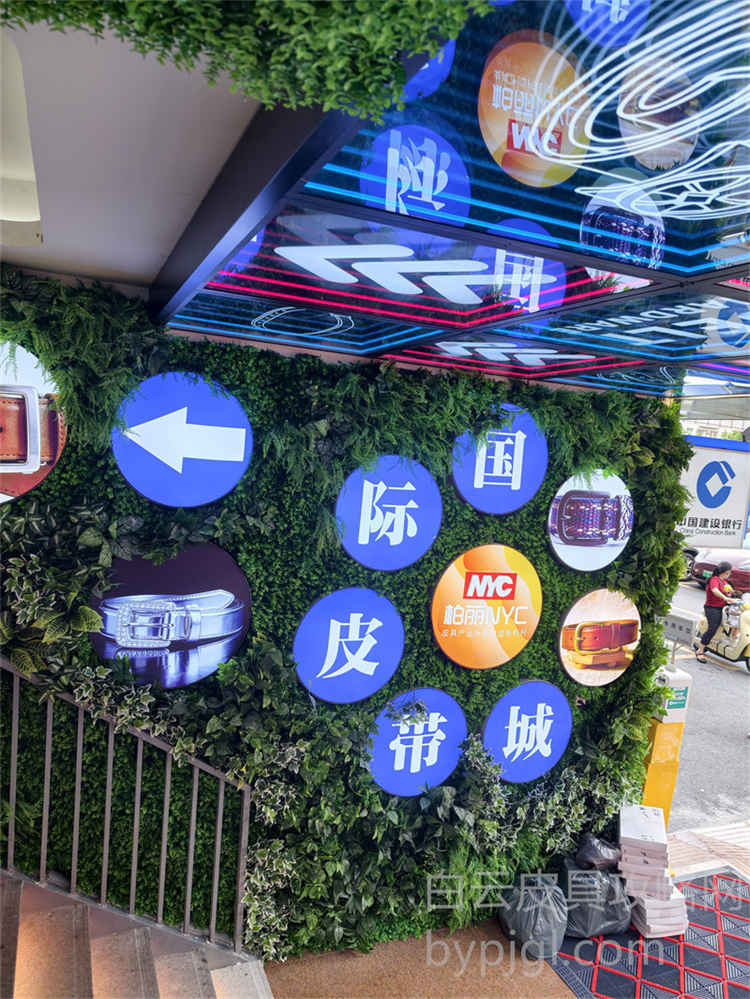
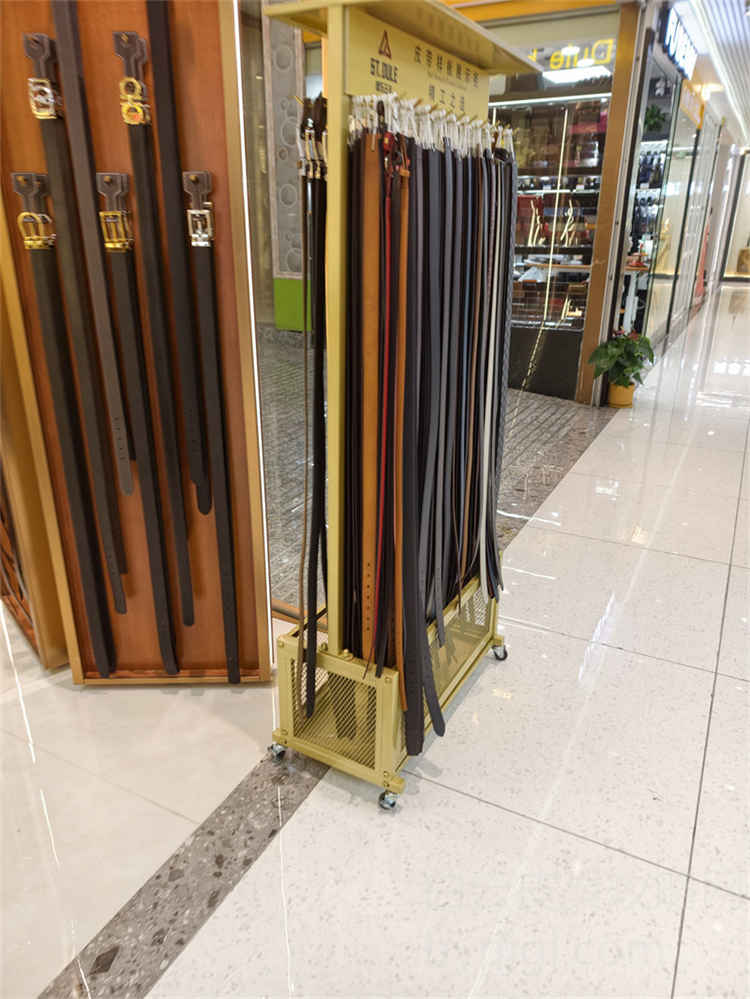
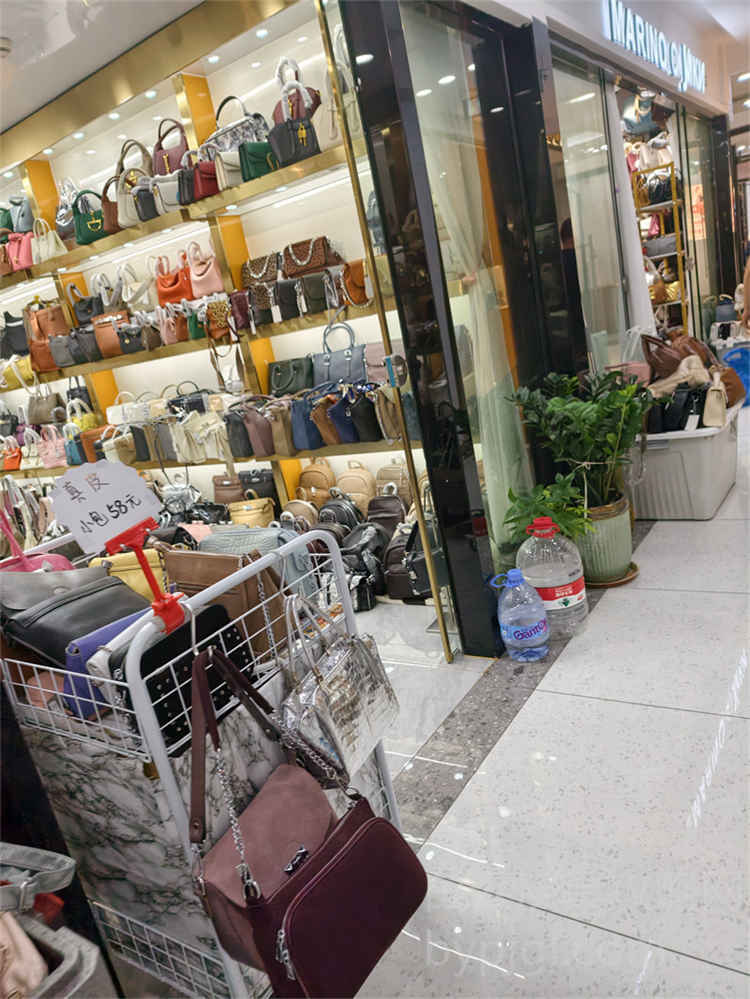
 On-site Visits
 Free Sharing
 Avoid Scams
 Updated Frequently
 For Reference Only