
Walking the Floors: A Veteran's Guide to Sourcing in Guangzhou
Welcome to the real deal. I've been standing behind my counter in the Baiyun Leather City for over fifteen years, watching the industry evolve from small workshops to a global powerhouse. If you are reading this, you are likely an overseas buyer tired of the endless online scams and the "too good to be true" listings that never arrive. You want to know what it actually takes to walk into these markets, find the right goods, and bring them home without getting ripped off. Let me tell you, there is no magic button. The secret lies in your boots hitting the pavement and your eyes learning to see what others miss.
The First Step: Leaving the Hotel and Finding the Gate
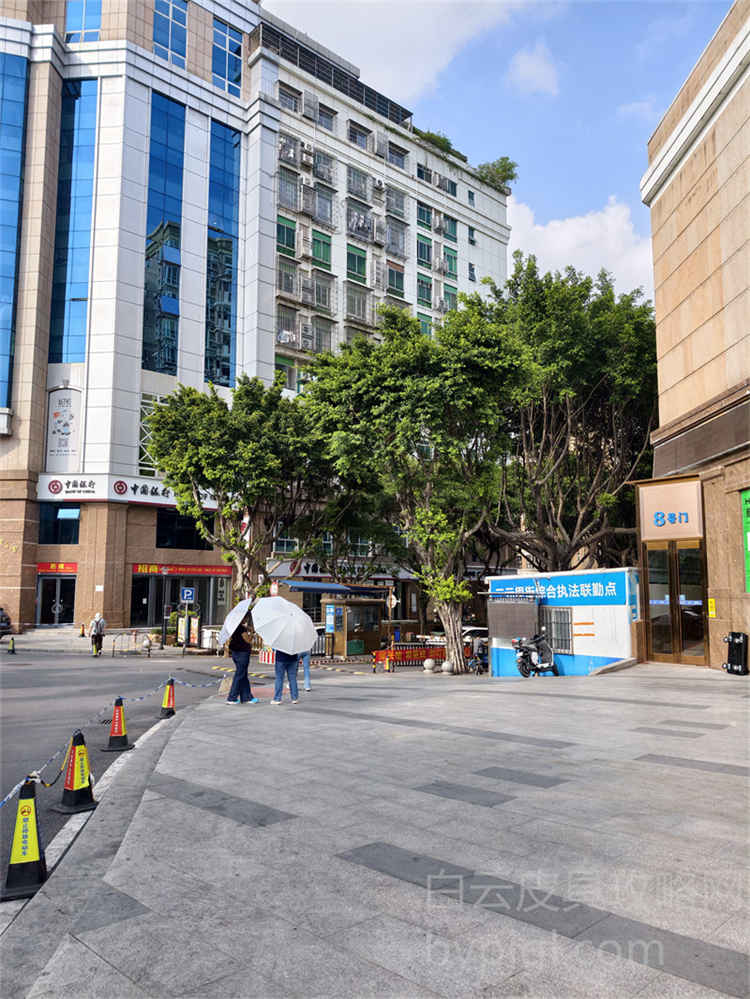
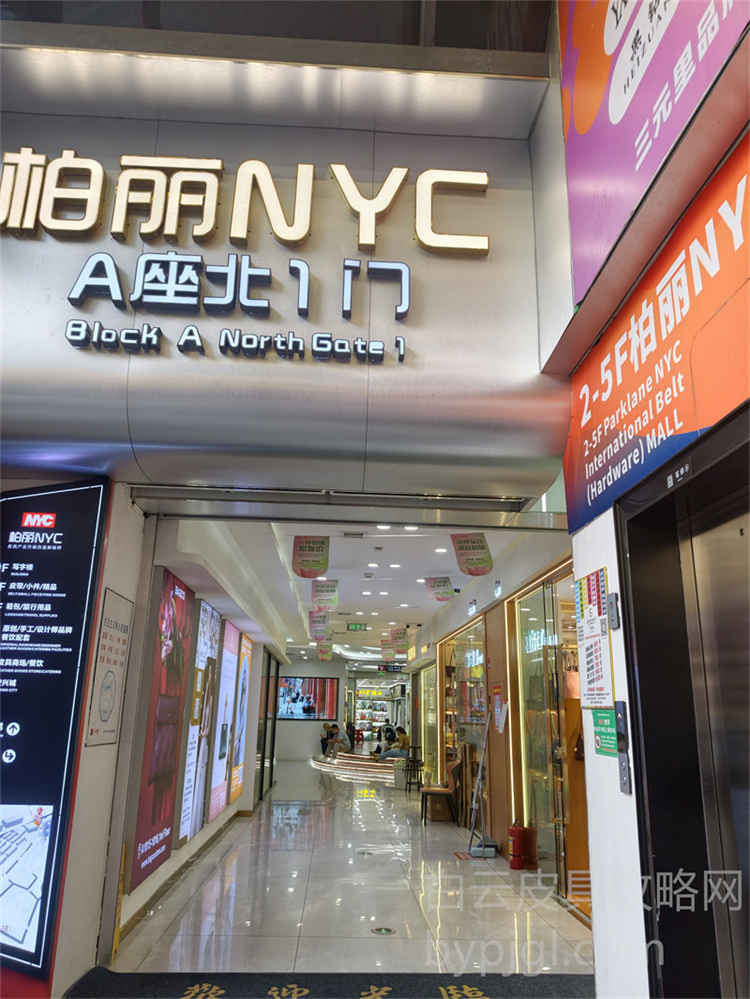
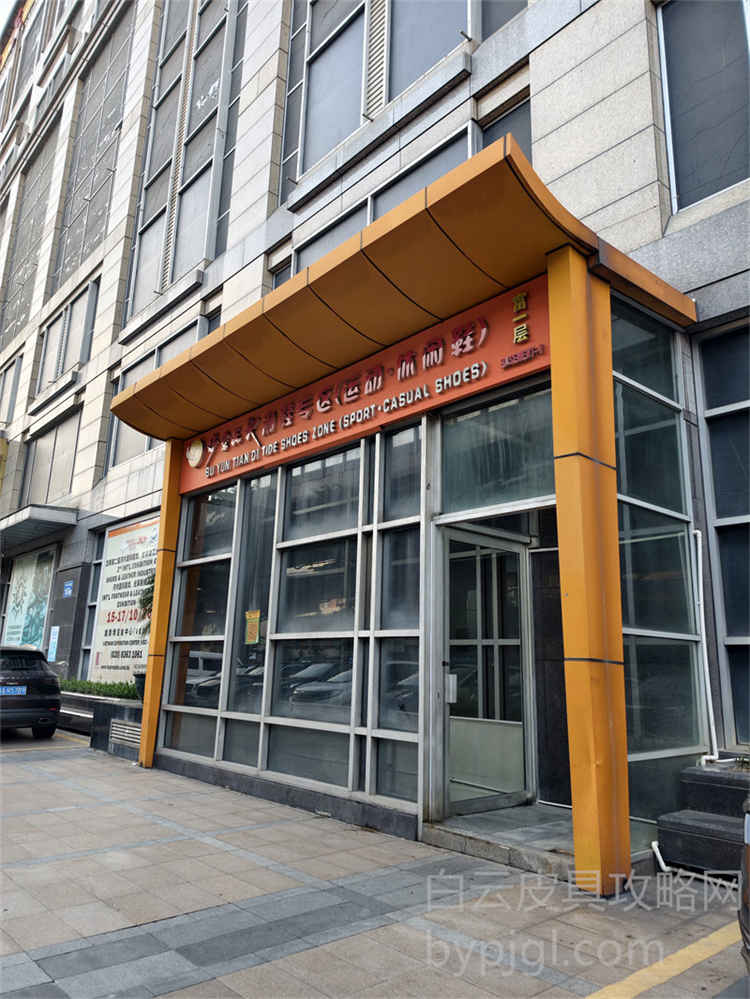
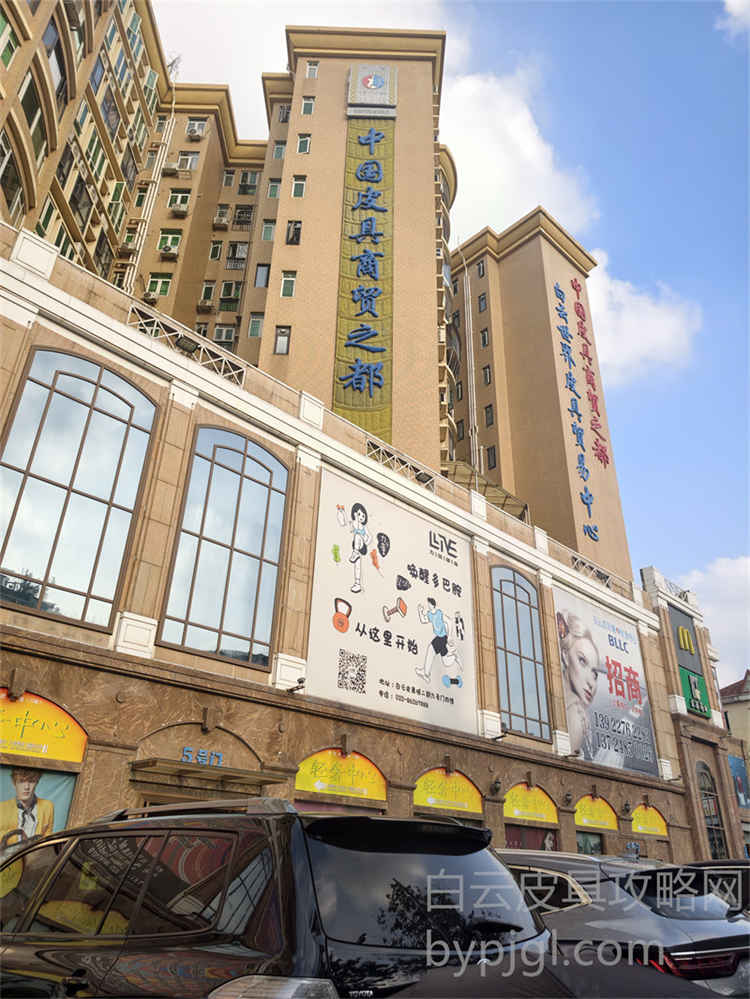
Most first-timers make the mistake of showing up at the main entrance expecting to find high-end stock immediately. That is not how we do business here. When you step out of your hotel and head toward the Baiyun district, you are entering a different world. The air smells like leather dust and strong coffee. Do not trust the touts on the street who promise you "VIP access" or "factory direct prices." They are usually just trying to lead you to a shop wher they get a kickback, and the quality inside is often mediocre. Go straight to the major complexes. Look for the buildings with the heavy steel doors and the constant flow of trucks loading pallets. That is wher the serious action happens.
Navigating the Maze: Which Building Holds Your Goods?
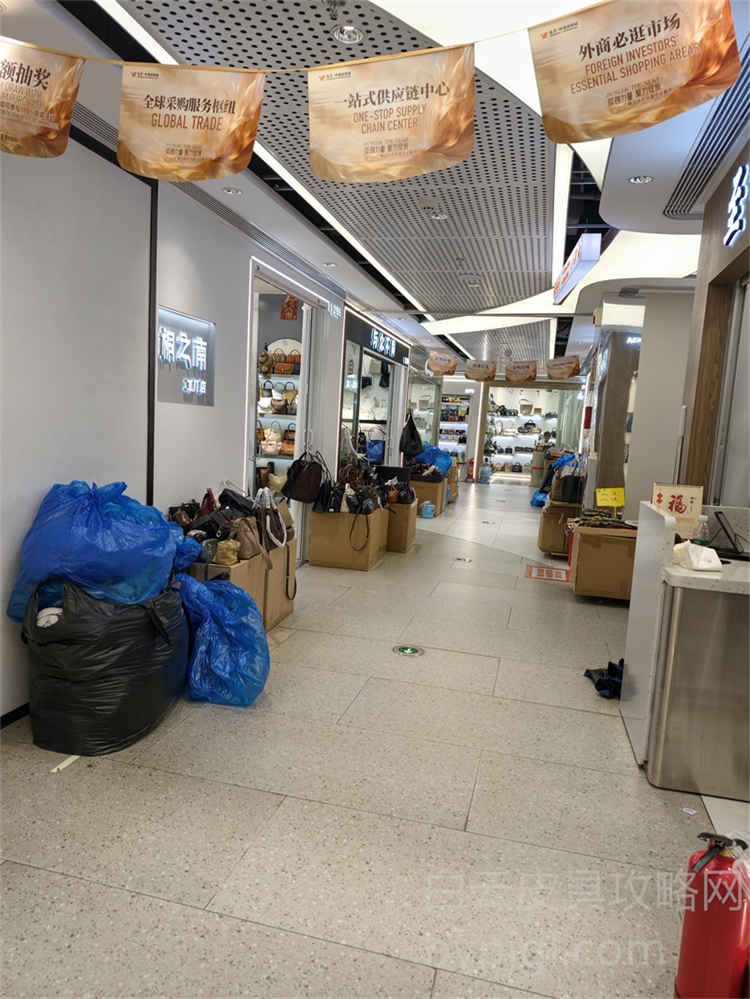
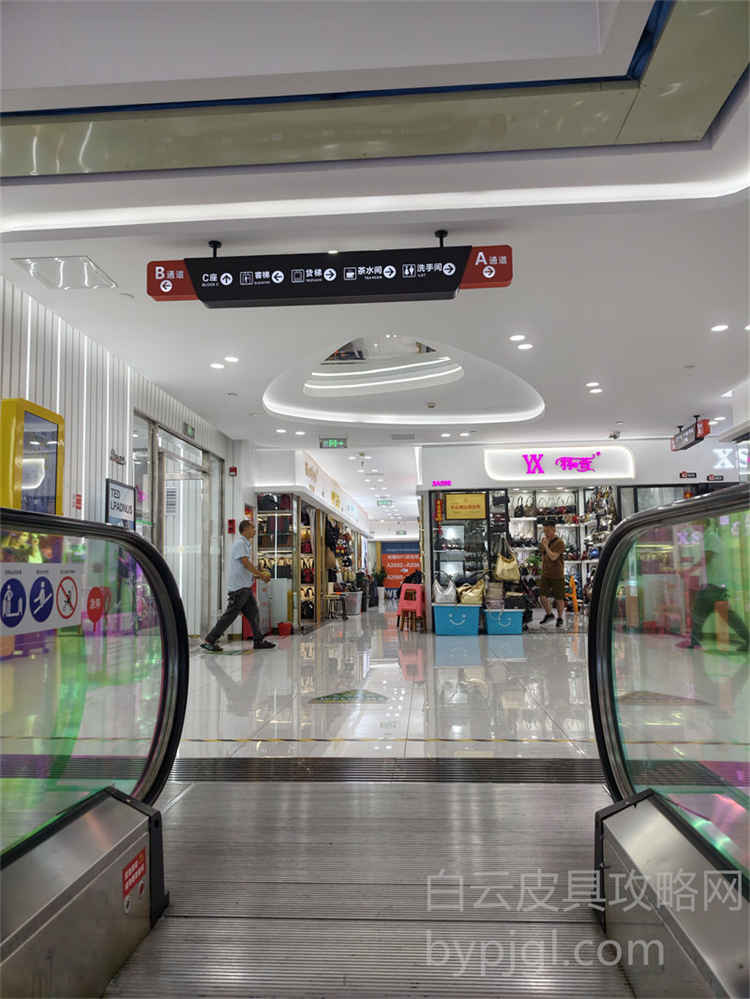
Guangzhou is not just one market; it is a sprawling ecosystem. Within the Baiyun area alone, there are dozens of buildings, each with its own specialty. Some floors are dedicated to low-cost fashion items, while others house the top-tier production lines. As a local owner, I can tell you that the best pieces are rarely displayed on the front counters. Those are for show, meant to catch the eye of casual browsers. To find the real gems, you need to ask for the "sample room" or the back office. This is wher the actual inventory lives. Walk through the corridors, ignore the flashy displays, and look for the shops with the busy staff and the stacks of boxes in the back. That is wher the volume comes from.
The Art of Selecion: What to Look For Before You Buy
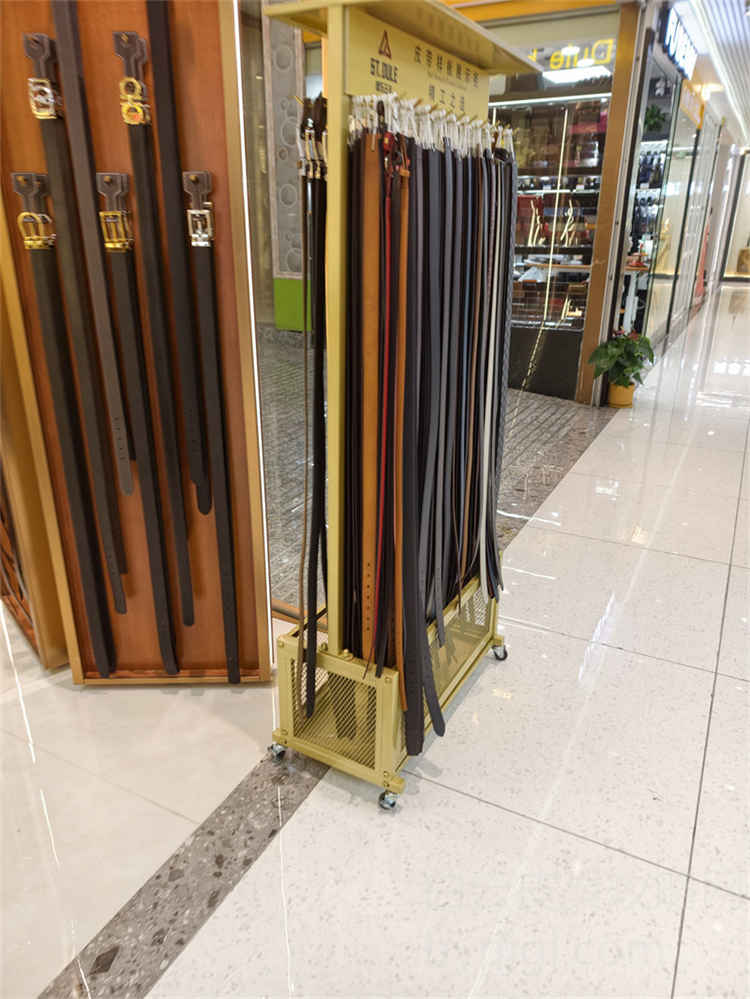
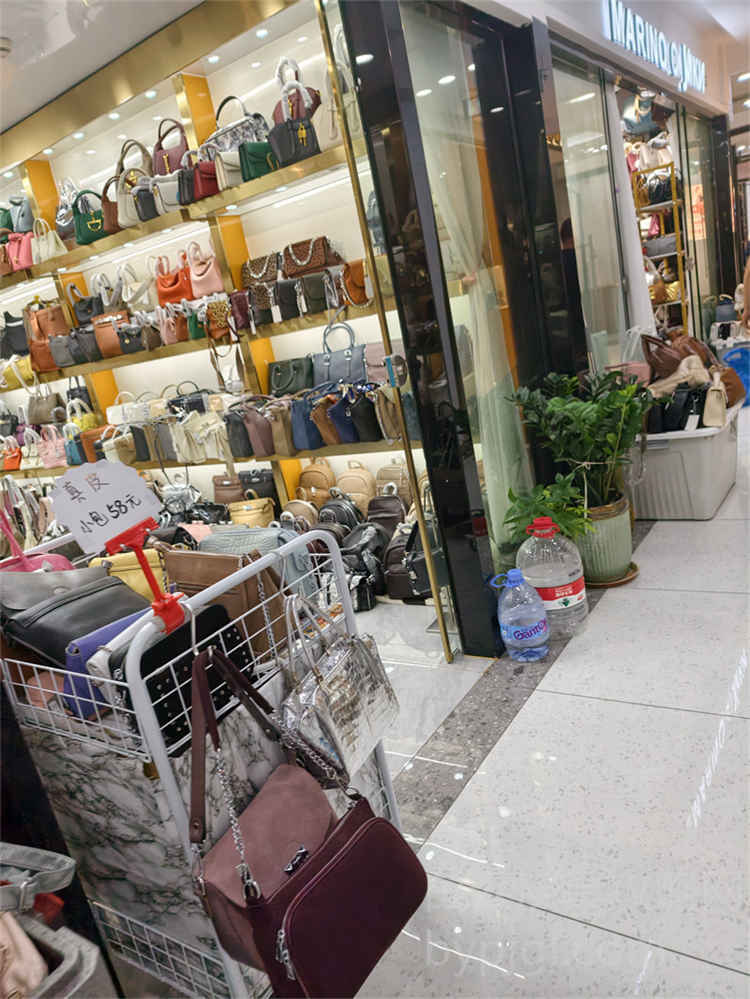
once you have found a promising stall, the real work begins. Many buyers focus too much on the logo or the overall shape, but in our trade, the devil is in the details. We call this the "craftsmanship check." When you pick up a bag, do not just look at it; feel it. Run your fingers along the stitching. Is it even? Does the thread pull when you tug gently? High-quality production uses waxed thread that resists fraying, wheras cheap versions use standard cotton that snaps easily.
Leather Quality: Smell and Touch Are Your Best Tools
You cannot judge leather by sight alone. In fact, some of the best materials look slightly imperfect because they are natural. Press your thumb into the surface. Good leather should bounce back quickly, leaving only a faint mark that disappears in seconds. Cheap synthetic materials will stay dented or feel plastic-like. Also, smell the bag. Real leather has a distinct, rich aroma. If it smells like chemicals or glue, put it down immediately. I have seen many buyers fall for bags that looked perfect from a distance but smelled terrible up close. Never skip the sniff test.
Hardware and Zippers: The Silent Indicators of Value
Let's talk about the metal parts. This is wher most fakes fail miserably. Pick up the zipper. Does it glide smoothly, or does it stick? High-end hardware is heavy and substantial. It should not feel hollow or light as a feather. Check the plating. Over time, cheap gold plating peels off, revealing the base metal underneath. Ask the vendor about the material. While we don't use brand names, we know the difference between solid brass and zinc alloy. Solid brass holds its shine and weight; zinc feels cheap and tarnishes fast. Inspect the clasps and buckles for any rough edges or uneven coloring.
Dealing with Vendors: Negotiation and Building Trust
Here is a truth that might surprise you: in Guangzhou, price is not the only factor. Relationship is everything. If you walk in acting like a tourist, asking for the lowest price immediately, you will get the tourist price. Instead, act like a partner. Ask questions about their production capacity, their lead times, and their return policies. Show that you understand the product. When you speak their language—literally and figuratively—they open up. They will show you samples that are not yet on the shelves, the ones reserved for regular clients.
The Sample Room Experience
When you enter the sample room, expect to wait. The vendors are busy packing orders for other clients. Be patient. once you are seated, explain exactly what you are looking for. Do not say "I want the best." Say "I need full-grain leather with reinforced stitching and heavy hardware." Specificity commands respect. If they offer you something that matches your criteria perfectly, do not hesitate to order a sample first. Yes, you pay a bit more for the sample, but it saves you from losing thousands on a bad bulk order. This is standard practice here. No reputable vendor will refuse a sample request if you are serious.
Negotiating Terms Without Losing Face
Negotiation in China is a dance, not a fight. Start by acknowledging the quality of the item before discussing the price. Compliment the craftsmanship. Then, mention your volume. If you are planning a large order, leverage that. Ask for a discount based on quantity, not just haggling over every dollar. Also, discuss payment terms carefully. Avoid paying 100% upfront unless you have a long-standing relationship. A split payment, perhaps 50% deposit and 50% upon inspection before shipping, is common and protects both parties. If a vendor refuses this, run. They are likely hiding something.
Final Checks and Shipping Logistics
Before you leave the market, do one final inspection. Count every item. Check the serial numbers or tags if applicable. Ensure the packaging is secure. In Guangzhou, logistics is a huge part of the game. There are countless freight forwarders operating out of the city. Do not just take the first one you see. Ask your vendor for recommendations, but verify them yourself. Look for companies that specialize in international shipping and have experience handling delicate goods like leather bags.
Avoiding the Pitfalls of Cross-Border Shipping
Customs regulations vary wildly depending on your country. Some places are strict about imports, while others are more lenient. Make sure your shipping partner knows the rules. Do not try to hide the value of the goods on the customs declaration; that is a recipe for seizure. Be honest about the description. Use terms like "leather accessories" or "fashion bags" rather than anything that might trigger alarms. Work with your vendor to ensure the packaging is discreet but professional. The goal is to get your goods safely to your door without unnecessary delays or fines.
Buying in Guangzhou is an adventure. It requires patience, observation, and a willingness to learn the ropes. But once you master the art of sourcing here, you will have access to products that rival anything you can find elsewher in the world. The key is to go in with your eyes open, trust your instincts, and build genuine connections with the people who make these goods. That is the only way to succeed in this dynamic market. Safe travels and happy hunting.

 On-site Visits
 Free Sharing
 Avoid Scams
 Updated Frequently
 For Reference Only