
Walking the Floors: My Real Talk on Sourcing Bags in Guangzhou
Welcome to my shop. I have been standing right here in the heart of Baiyun District for over fifteen years, watching the crowds come and go, from the first-time tourists with their cameras to seasoned buyers flying in just for a week of sourcing. If you are looking for "Guangzhou Aiyifu bag wholesale sources," you are asking the right question, but let me tell you something that no online guide will ever write down: the real magic happens when you step off the street and into the market.
Many overseas buyers think they can just Google a supplier and get the best deal. That is a myth. The supply chain here is too deep, too layered, and too fast-moving for that. When I talk about Aiyifu style bags, I am talking about a specific ecosystem of factories and showrooms that define what we call "trend-driven" leather goods. These aren't just generic bags; they are the styles that hit the streets of Shanghai, Tokyo, and New York within weeks of being designed. To find them, you need to know wher to look, who to talk to, and how to spot the difference between a factory floor sample and a mass-produced item.
The Pulse of Baiyun: Wher the Action Really Is
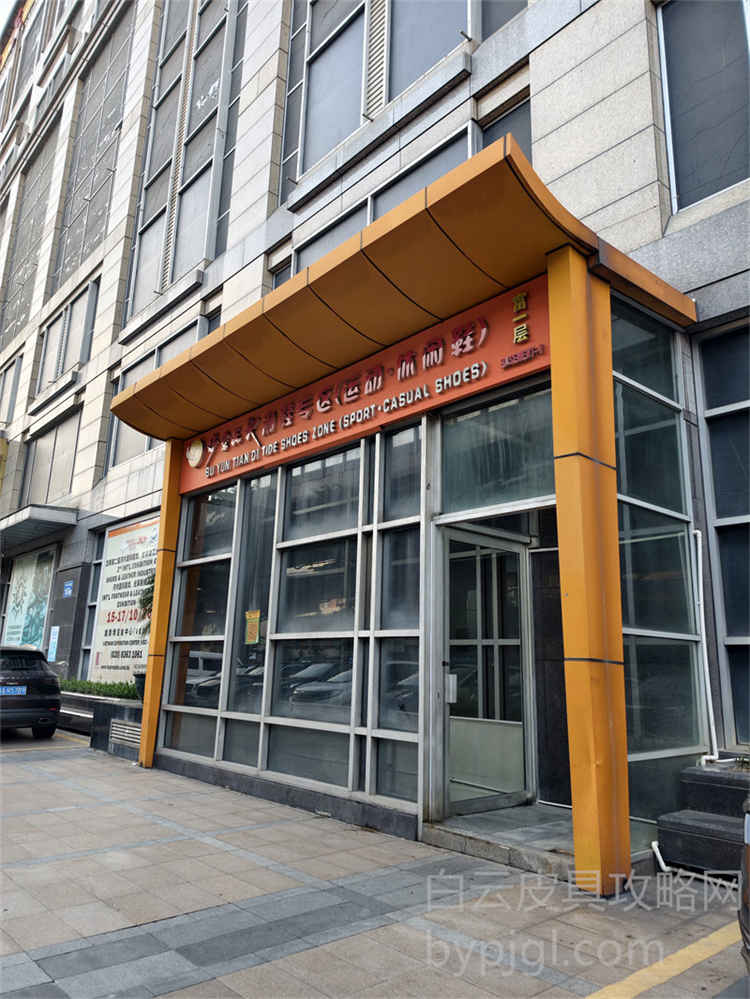
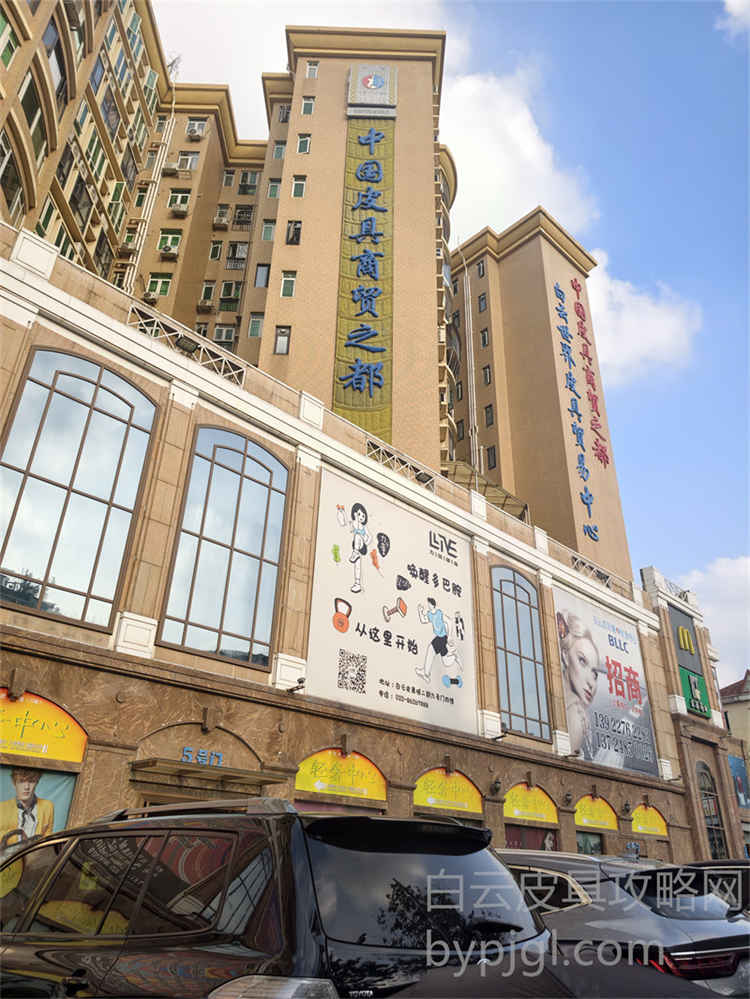
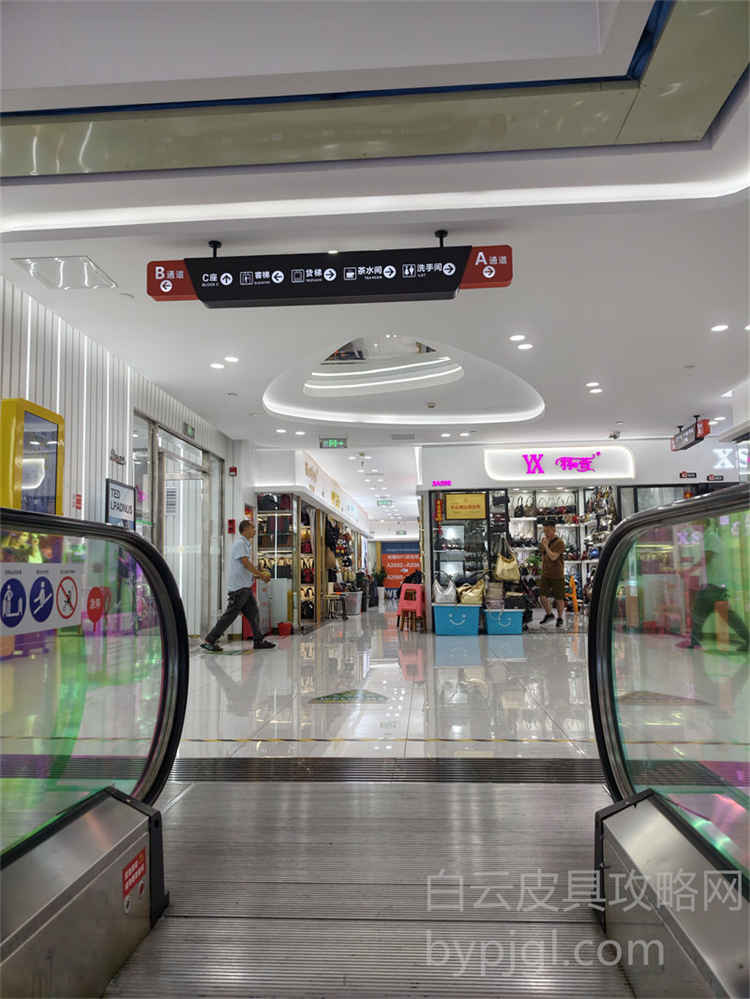
Let's start with the location. You cannot do this business without understanding the geography of Baiyun. There is the famous International Leather City, which is massive, but honestly, for the kind of trendy, affordable fashion bags that fit the Aiyifu profile, you need to dig deeper into the side alleys and the older buildings surrounding it. The big malls are great for seeing the latest trends, but the real volume deals happen in the smaller, less polished buildings nearby.
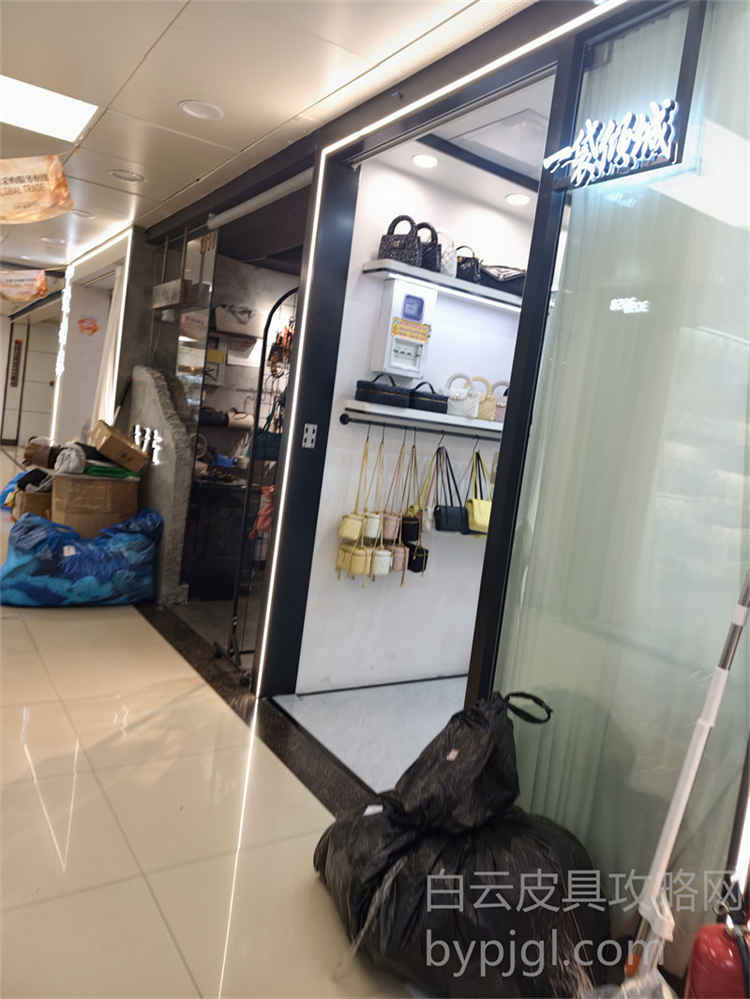
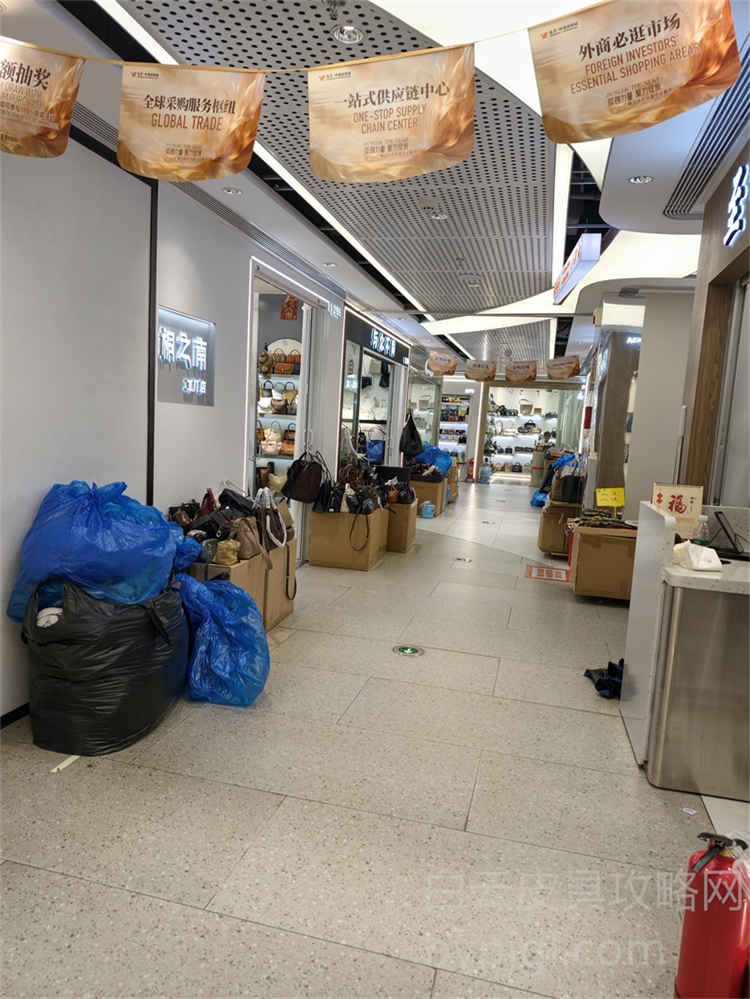
I remember a buyer last month who spent three days in the main mall only to be told by every stall owner that they were "out of stock." He was frustrated until he walked two blocks away to a building that looked like it hadn't been renovated since the nineties. Inside, the air conditioning wasn't working, the lights were flickering, but there were rows upon rows of finished bags waiting for pickup. That is wher the Aiyifu style inventory lives. It is not always in the shiny glass cases. Sometimes, it is stacked on plastic crates behind the counter. You have to be willing to walk the extra distance to find the actual source.
How to Spot the Real Goods vs. The Showroom Fluff
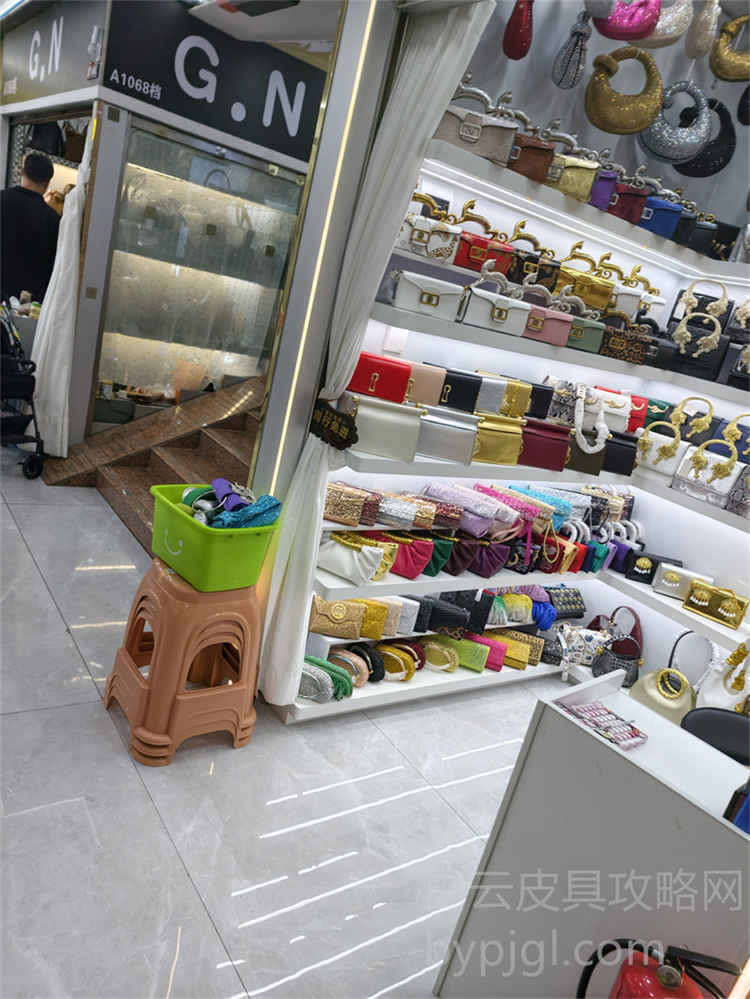
When you walk into a stall, the first thing you see is the display. Do not fall in love with the display. In this industry, the display is often made of perfect materials, while the stock sitting in the back might be slightly different. This is why I always tell my clients: ask to see the "production line samples." If the owner hesitates or says, "Oh, those are all sold out," move on. They are likely a middleman trying to resell your order at a markup.
A true factory-direct stall will have a stack of unfinished bags or a pile of raw materials right next to the counter. Look at the stitching. In the Aiyifu style, the stitching needs to be tight, even, and consistent. Run your fingers along the seams. If you feel loose threads or uneven tension, put it back. Also, check the hardware. Cheap zinc alloy plating will turn green or peel after a few months. Good hardware feels heavy, has a smooth finish, and the logo engraving is crisp, not blurry. I have seen so many buyers lose money because they didn't check the zipper pullers. YKK is standard, but sometimes local zippers work just as well if they are high quality. Ask the owner to open and close the bag twenty times. If it sticks, it is not ready for export.
Negotiating Like a Local: The Art of the Deal
once you have found the right stall and verified the quality, the negotiation begins. Do not be afraid to haggle, but do not be rude. Here, price is everything, but relationship is more important. If you treat the owner like a vending machine, you will get the worst price. If you treat them like a partner, you will get the best service.
Start by asking for their "best price for mixed styles." Most stalls have a minimum order quantity (MOQ), usually around 10 to 20 pieces per style. If you want to mix colors or designs, the MOQ might increase slightly, but the unit price dros. Be clear about your target price immediately. Don't play games. Say, "I am looking for 50 pieces total, 5 styles, and my budget is X dollars per piece." If they say no, ask what they can do to meet that number. Maybe they can offer a slightly different leather grade or a simpler lining. Flexibility is key.
Also, never pay the full amount upfront unless you have a long-standing relationship. For new buyers, a 30% deposit is standard, with the balance paid before shipment. Always insist on a detailed invoice that lists the style numbers, colors, quantities, and prices. This protects you if there is any dispute later. And remember, shipping costs are separate. Many owners will quote you the bag price only. Make sure you clarify who handles the freight forwarding. I recommend using a reliable forwarder in Guangzhou who knows how to consolidate shipments from multiple stalls. Trying to ship directly from one small stall can be a logistical nightmare.
Avoiding the Pitfalls: What I Wish I Knew Earlier
There are traps everywher in this market. One common mistake is falling for the "exclusive design" claim. Almost nothing is truly exclusive here. Styles circulate incredibly fast. If a stall owner tells you, "This is our unique patent design," smile and keep walking. By next week, five other stalls will have the exact same bag. The value here is in the speed of production and the consistency of quality, not in some mythical intellectual property.
Another pitfall is ignoring the seasonality. The market moves with the seasons. If you are buying summer bags in winter, you might find limited stock or outdated colors. Plan your trip according to the fashion calendar. Spring and Autumn are the busiest times for new collections. If you visit during Chinese New Year, most shops will be closed for weeks. Timing is everything.
Finally, trust your gut. If something feels off, if the owner is pushy, or if the bag looks too good to be true, it probably is. The leather might be fake, or the stitching might hide a defect. Take your time. Walk through ten stalls before making a decision. The best deals are not always the first ones you see. They are the ones you earn by doing your homework.
So, if you are planning your next trip to Guangzhou to source Aiyifu style bags, leave the internet behind for a moment. Put on comfortable shoes, bring a notebook, and head straight to Baiyun. Talk to the people behind the counters. Feel the leather. Test the zippers. Build a relationship. That is how you win in this game. The market is vast, chaotic, and beautiful, but it rewards those who are willing to get their hands dirty. Happy hunting.

 On-site Visits
 Free Sharing
 Avoid Scams
 Updated Frequently
 For Reference Only