
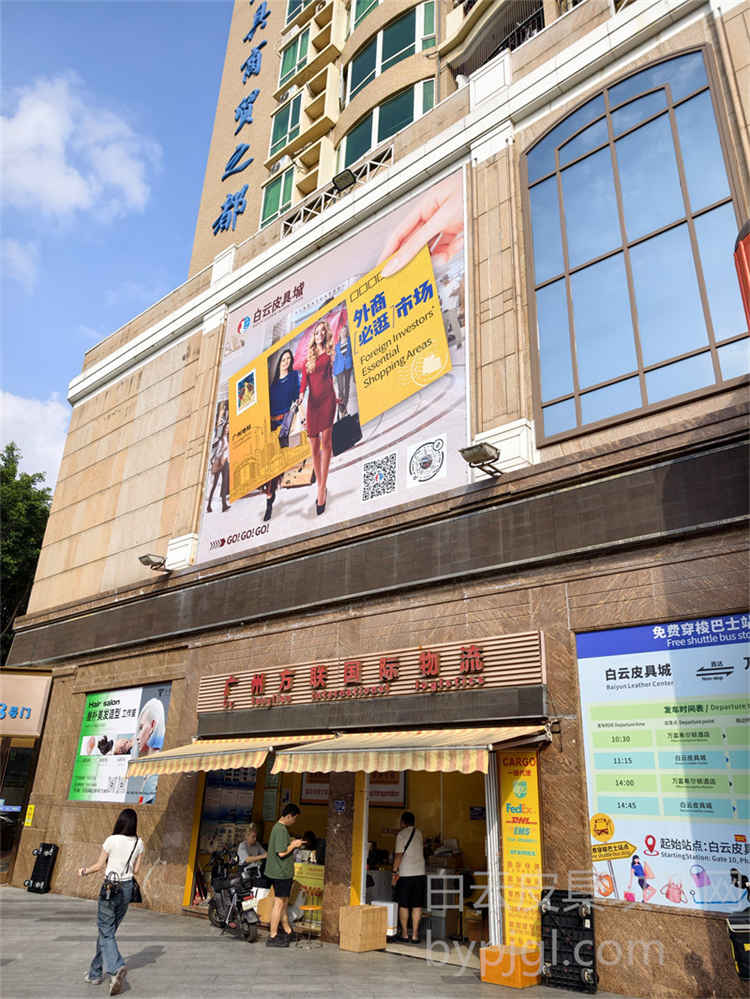
Why You Need to Walk the Floor: My 15 Years in Guangzhou Leather Markets
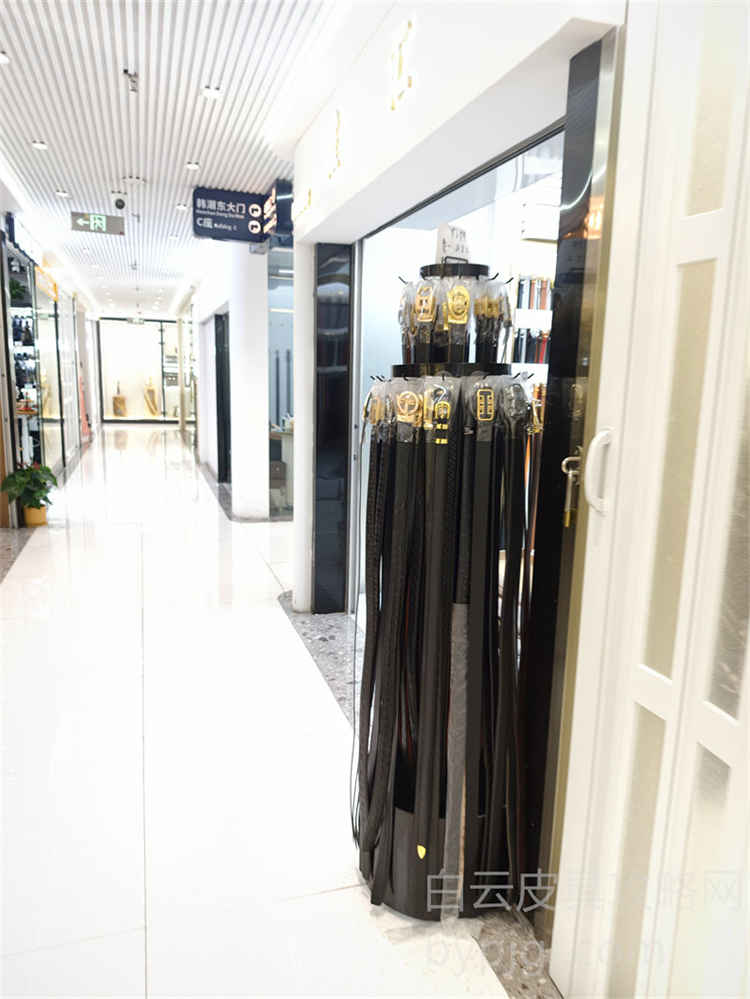
I've been standing behind this counter in Baiyun District for over a decade, watching thousands of foreign buyers come and go. Some leave with perfect stock, others walk away empty-handed or stuck with low-quality goods they can't sell. The biggest mistake overseas buyers make is thinking they can find the "source factory" just by searching online or asking a translator on WeChat. Let me tell you something straight from the floor: the real source isn't a website; it's the smell of leather dust, the noise of the elevators, and the specific stall number wher the boss knows your face.
If you want to buy bags directly from the source in Guangzhou, you have to be here physically. The digital gap is too wide. I see clients who spend weeks emailing suppliers only to receive photos that look nothing like the actual product. That's why I'm sharing my real experience. This isn't about marketing fluff; it's about how we actually do business in the heart of the world's leather capital.
Navigating the Labyrinth: Wher the Real Factories Hide
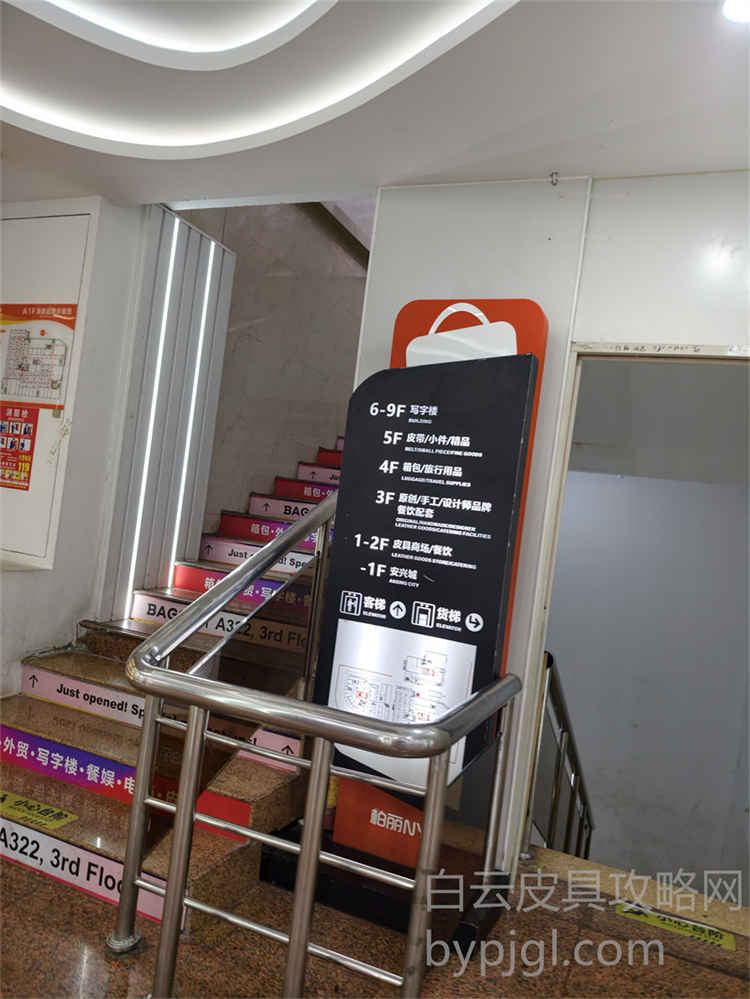
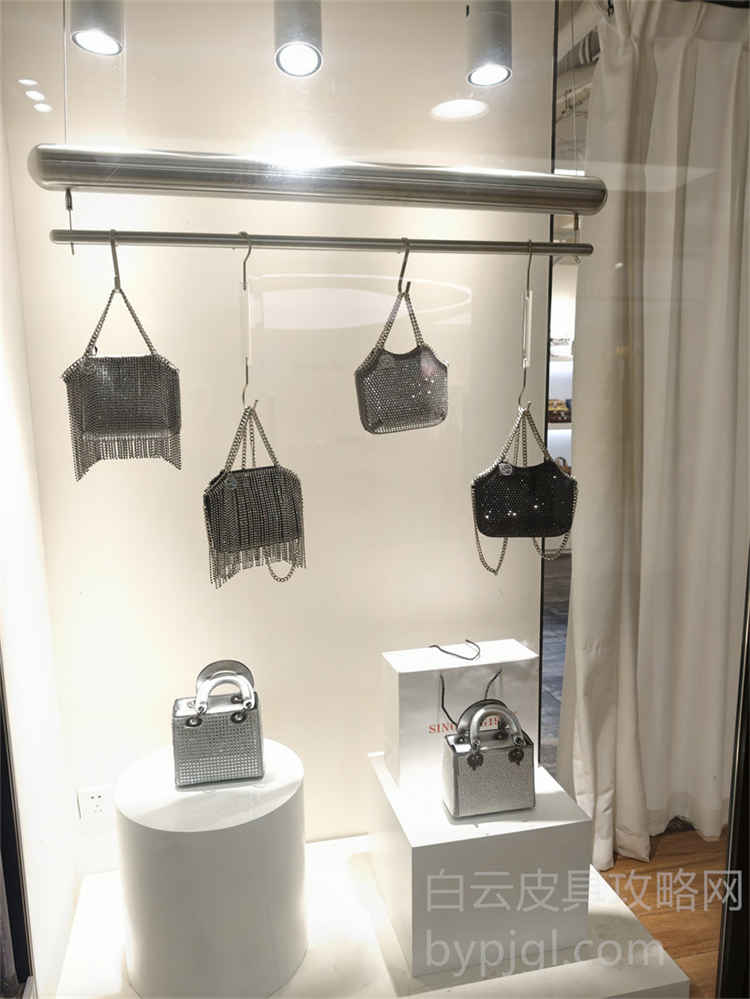
Most people think "Guangzhou Leather Market" means one big building. It doesn't. It's a sprawling ecosystem. If you are looking for high-end replicas or genuine luxury-style bags, you need to know exactly which building holds which tier of quality. Don't waste time wandering around random streets.
The Golden Triangle: Baima, Baishiqi, and Jiuxian
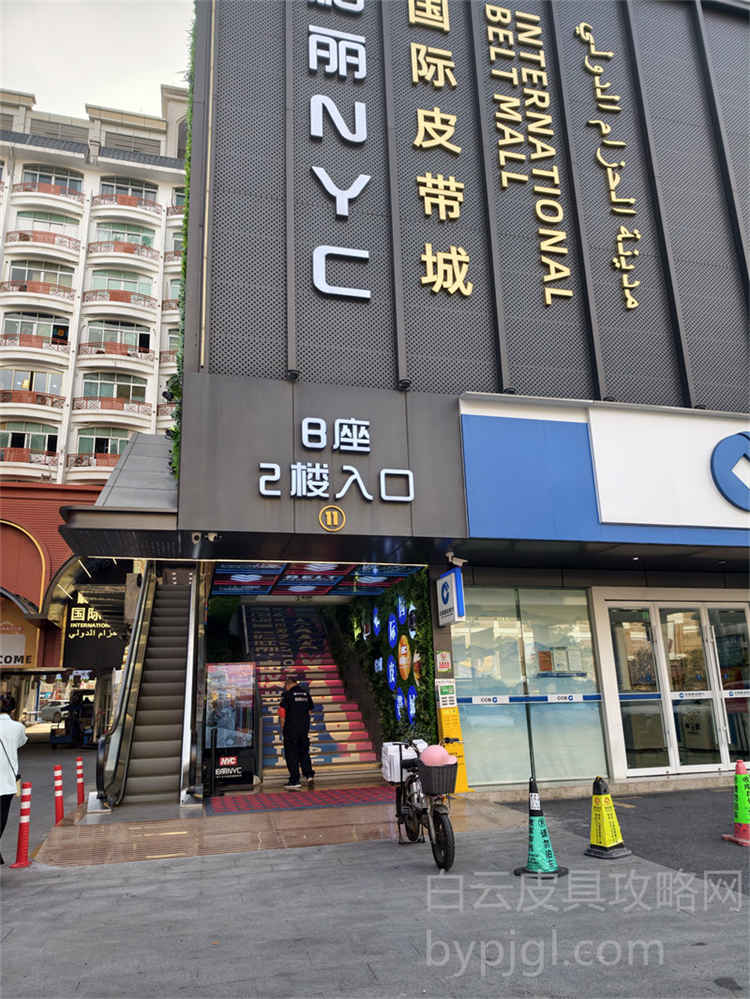
Let's start with the big three. The Baiyun International Leather City (Baiyun) is the most famous, but honestly, it's often filled with middlemen reselling to other middlemen. If you want the true source, you need to dig deeper into the side alleys and the older buildings nearby.
My personal recommendation for serious sourcing is the Jiuxian Leather Trading Center. Located right next to Baiyun, this place is wher the heavy hitters operate. I remember a client from Brazil last year who wanted to order 500 units of a specific tote bag. He went to Baiyun first, got quoted $45 per unit. Then he walked two blocks to Jiuxian, found the same design at Stall 3F-128, and got it for $32. Why? Because Jiuxian has more direct factory connections and fewer layers of resellers.
Another hidden gem is the Baishiqi Leather Plaza. While Baiyun is flashy, Baishiqi is wher the production happens. Many factories have their showrooms here. If you ask for the "factory price," you will get it here, provided you know how to talk to the staff. They aren't as polished as the salespeople in Baiyun, but they are the ones who actually cut the leather.
The Art of the Deal: How to Negotiate Like a Local
When you walk into a stall, don't act like a tourist. The moment you say "I am a buyer from America/Europe," the price goes up immediately. They know you don't know the market value. In my shop, I treat every visitor the same way I treat a local wholesaler: with skepticism until proven otherwise.
Reading the Room and Spotting Fake Sources
Here is a trick I use to spot fake sources. Ask them: "Do you have a factory license?" or "Can I visit your workshop tomorrow morning?" A true source factory owner will hesitate or give a vague answer if they are just a trader. But if they say, "Sure, take the elevator down to the basement, we are on the second floor of the industrial park," that's a good sign.
Also, look at the samples. If a stall claims to be a factory but all their bags are wrapped in plastic with no tags, or the stitching looks inconsistent even on the display models, run. Real factories show you the raw materials. Show me the leather grain, show me the hardware weight. If they can't explain the difference between PU and Togo leather, they aren't the source.
MOQ and Pricing Reality Check
Let's talk numbers. Overseas buyers often expect to buy 10 pieces at factory prices. That simply doesn't work in Guangzhou. The standard MOQ (Minimum Order Quantity) for a new design is usually 50 to 100 pieces. If you try to order 10, you will pay retail price, not wholesale.
However, there is a loophole. If you are willing to take an existing design (stock items), some stalls in Baiyun might let you buy 20 pieces. But for custom designs, you must commit to volume. Here is a real data comparison from my own ledger:
- Scenario A: Buying 50 units of a designer-style handbag from a generic stall in Baiyun. Price: $38/unit. Total: $1,900. Lead time: 7 days.
- Scenario B: Buying 200 units of the same design from a direct factory in Jiuxian. Price: $26/unit. Total: $5,200. Lead time: 15 days.
The math is clear. Even though Scenario B requires more upfront capital, the profit margin per unit increases significantly. Plus, the quality control is tighter because the factory owner cares about repeat orders, not just a quick flip.
Quality Control: The only Thing That Matters
You cannot rely on photos sent via WhatsApp. I've seen too many disasters wher the "gold hardware" arrived as cheap brass painted gold. When you are on the floor, you need to bring a small toolkit. A magnet to test the metal, a ruler to check dimensions, and a flashlight to inspect the stitching density.
Inspection Checklist for Every Bag
Before you pay the deposit, do this:
- Check the Zippers: Are they YKK or Riri? Cheap zippers break within months. If the seller says "custom zipper," ask for a sample of the puller.
- Inspect the Glue: Smell the inside. If it smells strong and chemical, the glue is cheap. High-quality bags use water-based glue that barely smells.
- Measure the Hardware Thickness: Use calipers. Thin plating peels off quickly. Real factories use thicker zinc alloy or stainless steel bases.
I once had a client who ordered 300 bags without checking the lining. When they arrived, the lining was tearing after two uses. He lost $4,000. If he had spent 10 minutes pulling the lining fabric in my shop, he would have caught it. Never skip the physical inspection.
Logistics and Shipping: Getting Your Goods Home
once you have your bags, the next challenge is shipping. Most stalls in Guangzhou don't handle international logistics themselves. They will recommend a forwarder, but be careful. Some forwarders charge hidden fees for fuel surcharges or customs clearance.
My advice is to hire a freight forwarder who specializes in China-to-Your-Country routes. Look for someone who offers "DDP" (Delivered Duty Paid) services so you don't get stuck paying taxes at your local port. Also, consolidate your shipments. If you buy from five different stalls, ask them to send everything to one warehouse in Guangzhou first. Then ship it all together. This saves you massive amounts on air freight costs.
Summary: Your Action Plan for Guangzhou Sourcing
To wrap this up, here is a quick checklist based on my years of experience. Follow this, and you will beat 90% of the competition.
| Step | Action Item | Key Location/Tip |
|---|---|---|
| 1 | Identify Target Quality | Avoid Baiyun main halls for high-end; go to Jiuxian or Baishiqi. |
| 2 | Verify Supplier | Ask for factory visit. Check for raw material samples. |
| 3 | Negotiate MOQ | Expect 50-100 units for custom designs. Accept higher unit cost for smaller runs. |
| 4 | Physical Inspection | Bring tools. Check zippers, glue, and stitching manually. |
| 5 | Shipping Strategy | Use DDP forwarders. Consolidate orders from multiple stalls. |
Guangzhou is a beast. It rewards those who are prepared, observant, and willing to put in the legwork. Don't trust the internet alone. Come to the floor, shake hands with the bosses, and build relationships. That is the only way to secure the best prices and the highest quality bags in the world. If you follow these steps, you won't just be a buyer; you'll be a partner in the supply chain.

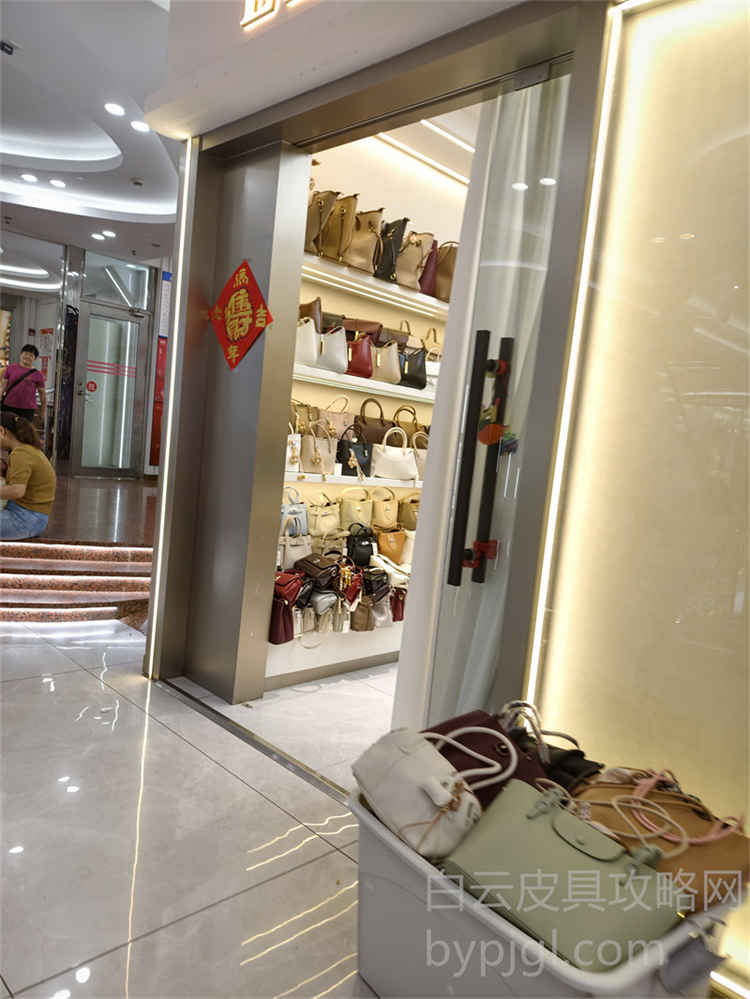
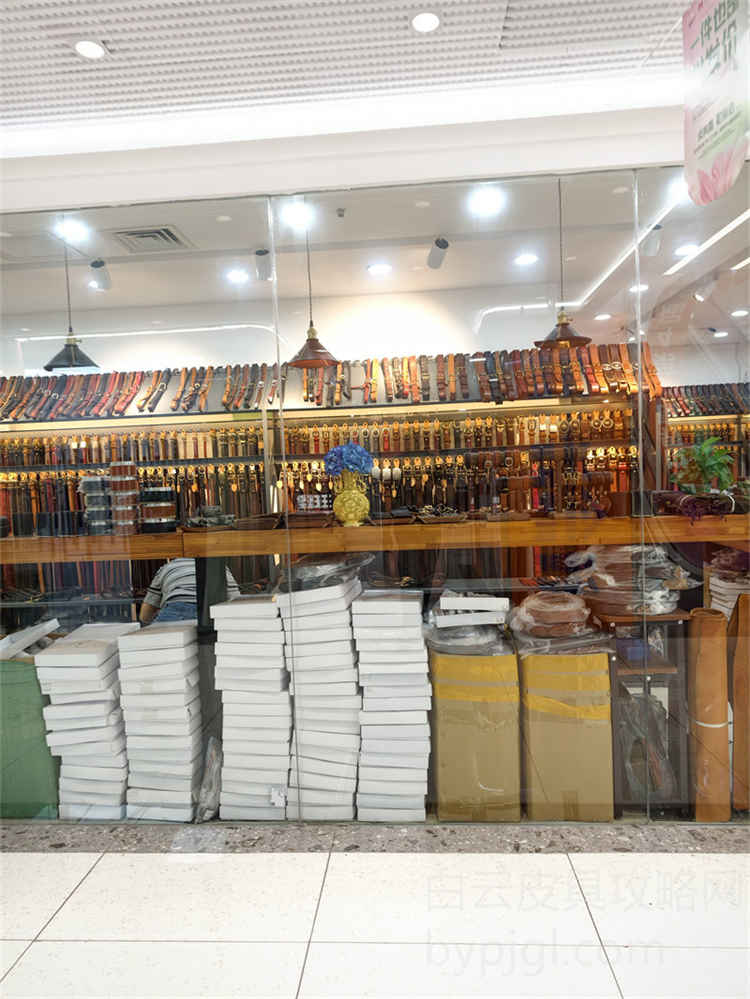
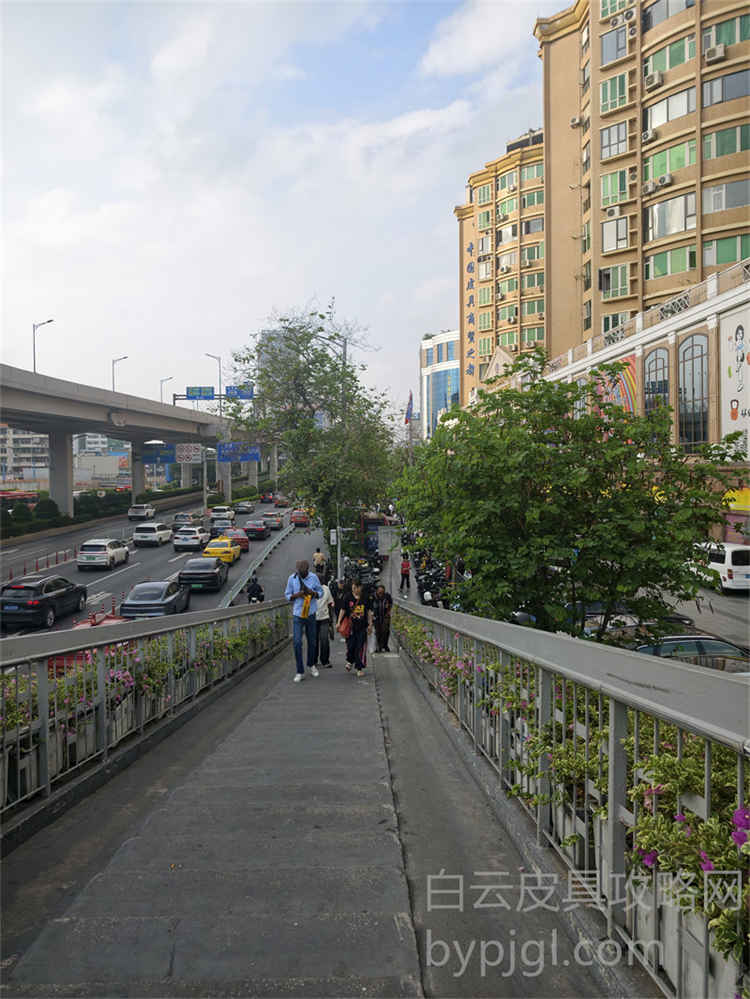
 On-site Visits
 Free Sharing
 Avoid Scams
 Updated Frequently
 For Reference Only