
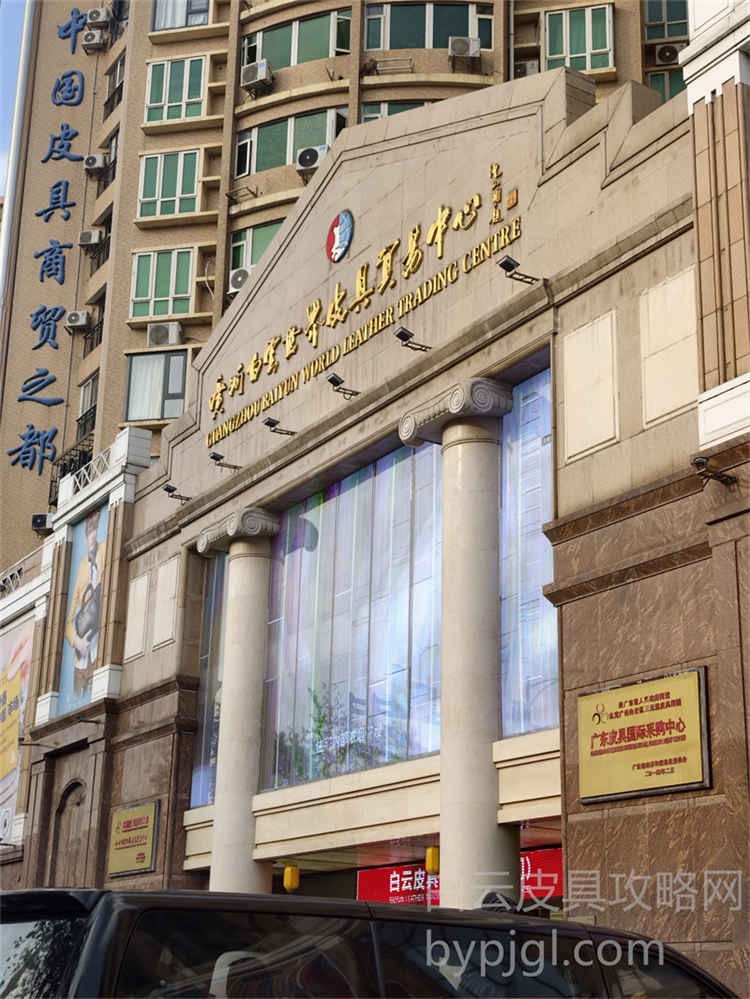
Walking the Floor: A Veteran's Guide to Sourcing in Guangzhou
Listen, I've been standing behind this counter in Baiyun since 1998. Before the internet took over, before "droshipping" was even a word in our vocabulary, we were just moving leather and stitching bags for wholesale buyers from all over the world. You come here looking for those specific high-end replicas, thinking you can just walk in, point at a shelf, and grab a deal. Let me tell you right now: that is exactly how you get ripped off or end up with garbage that smells like chemicals instead of Italian calfskin.
The market isn't what you see on TikTok or Instagram. Those videos show shiny, perfect bags in clean rooms. The reality? It's hot, humid, crowded, and loud. But if you know wher to look and who to talk to, you can find quality that rivals the real thing at a fraction of the cost. I'm not going to give you some generic SEO fluff about "global supply chains." I'm going to tell you exactly what happens when you step into the Pearl World Trade Center or the Qianxi Plaza, and how to navigate the unspoken rules of the trade.
Navigating the Maze: Wher the Real Goods Live
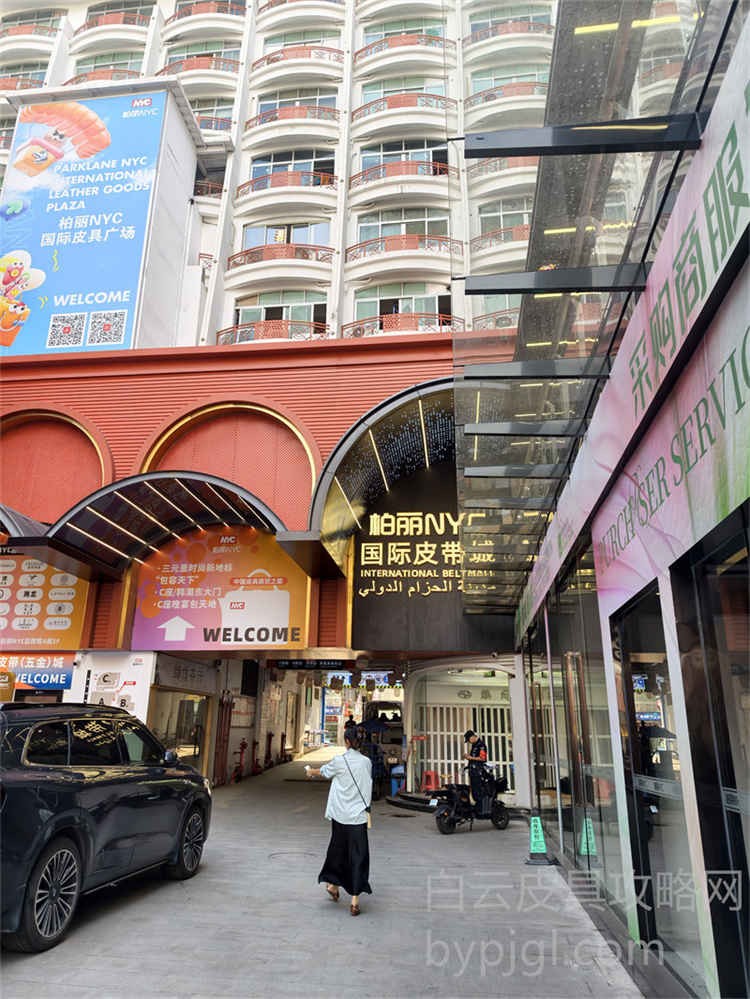
First things first, forget the tourist traps. If you go to the main entrance of Baiyun International Leather City expecting to find the top-tier stuff, you are walking straight into the trap. That area is filled with low-quality knockoffs meant for tourists who don't know better. The real action, the factories that actually have the molds and the skilled artisans, are tucked away in the back corridors or in the newer buildings like the World Trade Center (WTC).
The Hierarchy of Quality
You need to understand that "Guangzhou replica" is a spectrum, not a single product. We categorize them by grades. There is the "Market Grade," which is the cheap stuff you see in street stalls. Then there is the "Top Copy," which uses genuine leather and hardware that passes a basic inspection. Finally, there is the "Original Level" or "One-to-One," which is what serious buyers want. This tier requires a direct connection to the factory floor.
For example, if you are looking for a specific designer tote, do not ask for it at the front desk. Go to the third floor of WTC, specifically around aisle C. That is wher the heavy hitters operate. I remember a buyer last year who spent three days wandering the ground floor only to realize he was looking at $50 bags while the $400 ones were two floors up. He wasted his time because he didn't know the geography of the quality.
Meeting the Source: How to Talk to the Bosses
When you approach a stall, your demeanor matters more than your wallet. If you act like a tourist, they will treat you like one. They won't show you their best inventory. You need to speak the language of the trade. Don't say, "I want to buy a bag." Say, "I am looking for the latest batch of the 1:1 version, do you have the new hardware?"
Specific Recommendations: Who to Trust
I cannot stress enough that trust is built over years. However, based on my experience and what my network tells me, there are specific spots that consistently deliver. In the Qianxi Building, on the fourth floor, there is a stall called "Golden Eagle Leather." They specialize in structured handbags. Their owner, Uncle Li, has been in the business for thirty years. He doesn't talk much, but his work speaks. If you want a classic flap bag, go there. Ask for the "A-grade cowhide" specifically.
Another spot worth mentioning is in the World Trade Center, building B, second floor, near the elevator. The shop named "Elite Craft" focuses on the softer, slouchy styles. They use French calfskin imported directly from Tuscany. Their pricing is higher than the average stall, but the difference in texture is night and day. I've seen buyers return to Elite Craft six times because once they tried the real deal, they couldn't go back to the cheaper synthetic options.
Here is a quick comparison table of what you should expect versus what you might get elsewher:
| Feature | Average Street Stall | Recommended Factory Direct (e.g., Golden Eagle) |
|---|---|---|
| Leather Source | Faux leather or low-grade split leather | Genuine full-grain cowhide or calfskin |
| Hardware Weight | Lightweight zinc alloy, feels hollow | Heavy solid brass, plated with PVD gold |
| Stitching | Inconsistent, loose threads visible | Saddle stitch, 6-7 stitches per inch, waxed thread |
| Smell | Strong chemical odor | Pleasant natural leather scent |
The Inspection Process: What to Look For
once you have narrowed down your choices, you need to inspect the goods yourself. Never rely on photos sent via WhatsApp. Photos can be edited; the smell and the feel cannot. When you are holding the bag, check the alignment of the pattern. On high-end designs, the stripes or logos must match perfectly across seams. If you see a mismatch, put it back.
Check the hardware engraving. The font weight, the depth of the letters, and the spacing between characters are critical. Cheap copies often have shallow engravings that wear off after a few months. Also, open the zipper. Does it glide smoothly? High-quality YKK or Riri zippers are a sign of a serious manufacturer. If the zipper sticks, the whole bag is compromised.
I had a client once who bought a bag that looked perfect from the outside. Inside, the lining was glued poorly, and the dust bag was made of cheap polyester instead of cotton. He missed the internal details because he was too focused on the exterior logo. Always flip the bag inside out if possible. Check the serial number stamping. It should be crisp, not blurry.
Negotiation and Logistics: Getting Your Order Home
After you pick your items, the negotiation begins. Do not accept the first price quoted. In Guangzhou, the initial price is always inflated for foreigners. Start by offering 20% less and meet in the middle. Be polite but firm. If you are buying in bulk, say so immediately. Even if you are buying ten bags, you qualify for a wholesale discount.
Payment is another sensitive topic. Most reputable sellers will accept Alipay or WeChat Pay, but for international buyers, bank transfer or PayPal Friends & Family is common. Avoid using credit cards directly unless you are sure the seller is legitimate, as chargebacks can lead to immediate blacklisting. once payment is settled, discuss shipping. Do not let them ship via standard post without tracking. Use a reliable freight forwarder who specializes in China-to-world shipping. They handle customs clearance better than individual couriers.
Finally, remember that relationships matter. If you treat the stall owners with respect, bring them tea, and show genuine interest in their craft, they will prioritize your orders. They will hold the best stock for you and alert you when new batches arrive. This is the secret sauce that no online guide can teach you. It takes time, patience, and a willingness to learn the local culture.

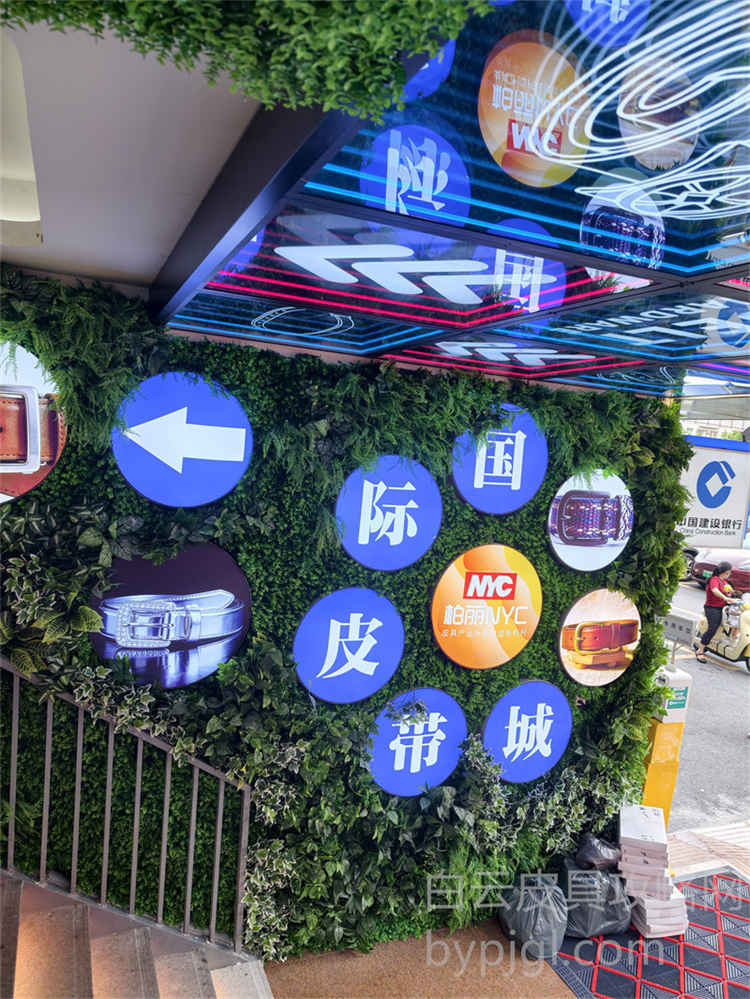
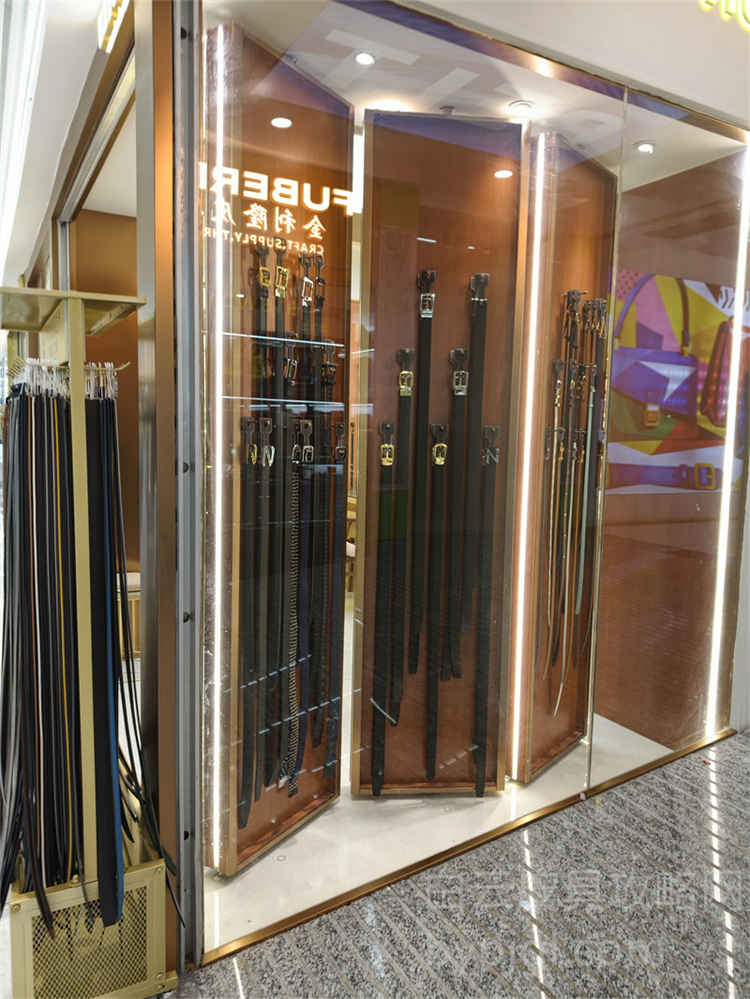
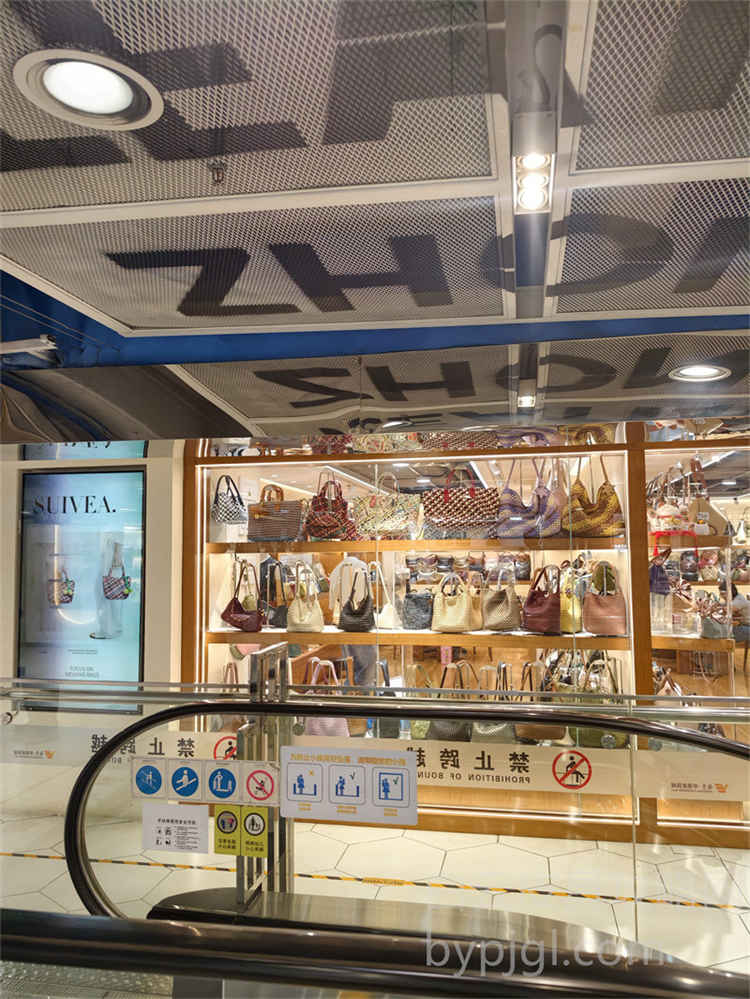
 On-site Visits
 Free Sharing
 Avoid Scams
 Updated Frequently
 For Reference Only