
Inside the Real World of Guangzhou Leather: A Veteran's Guide to Sourcing
I have been standing in the same spot at Baiyun Leather City for over fifteen years. While the internet is flooded with generic articles about "Guangzhou replica bags," most of them are written by people who have never touched a single piece of leather in this city. They talk about prices and quality as if it were a video game, but the reality on the ground is messy, loud, and incredibly nuanced. If you are an overseas buyer looking to source high-end replicas from Guangzhou, specifically targeting the so-called "top tier" goods, you need to stop reading blog posts and start understanding the ecosystem of the wholesale markets. This isn't about buying fake luxury; it is about navigating a complex supply chain wher quality varies wildly even within the same building.
The Myth of the "One-Stop Shop"
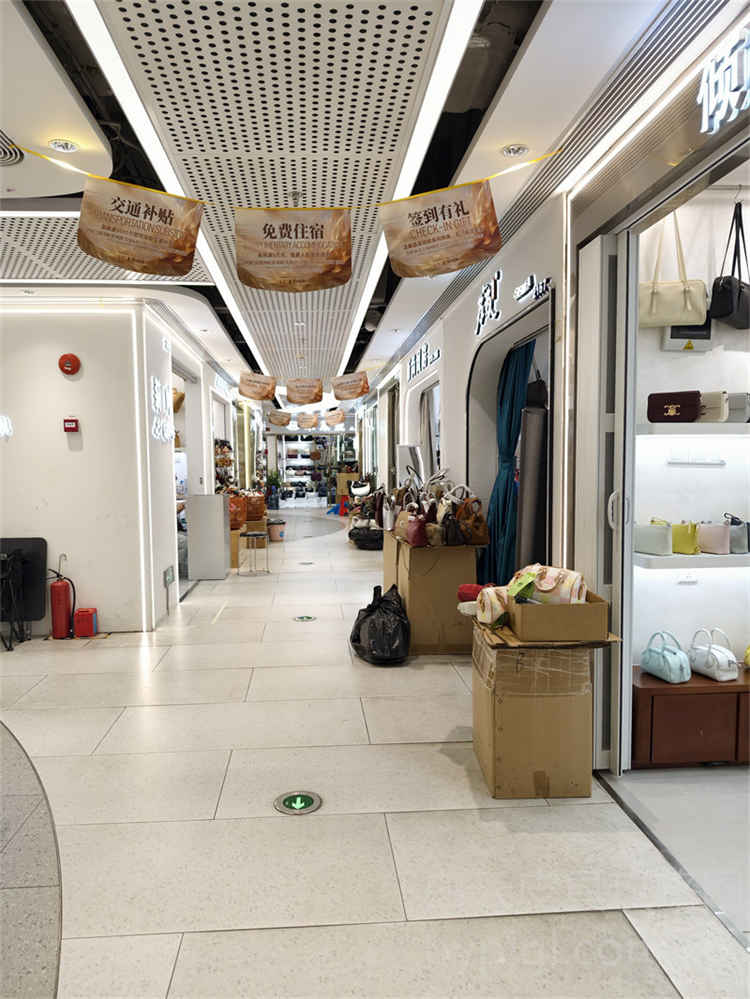
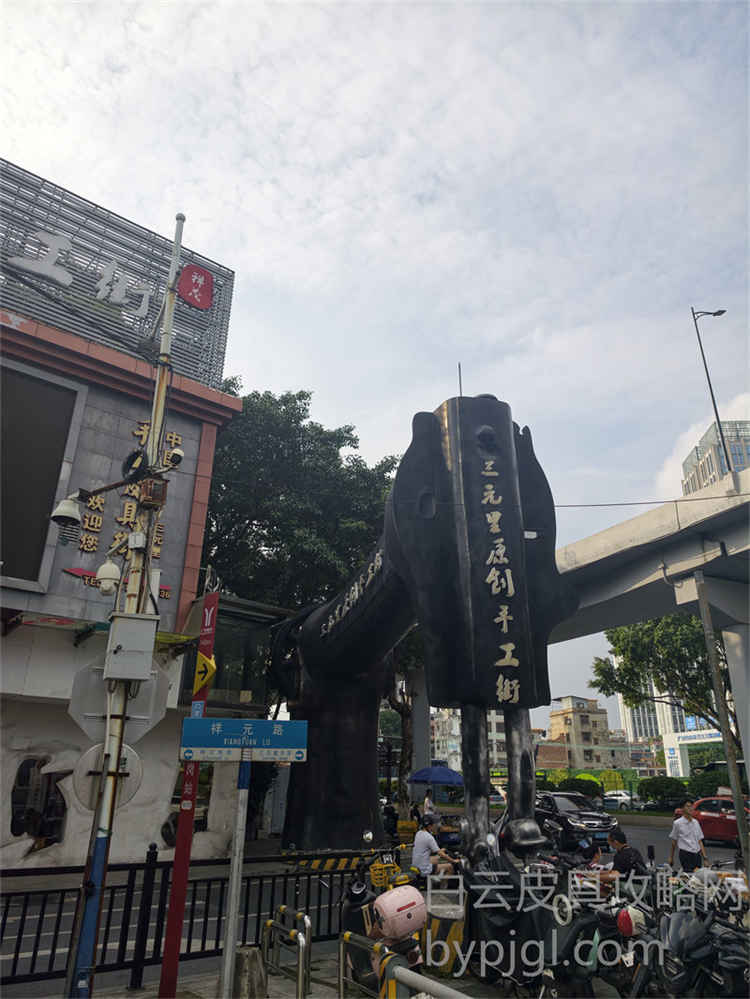
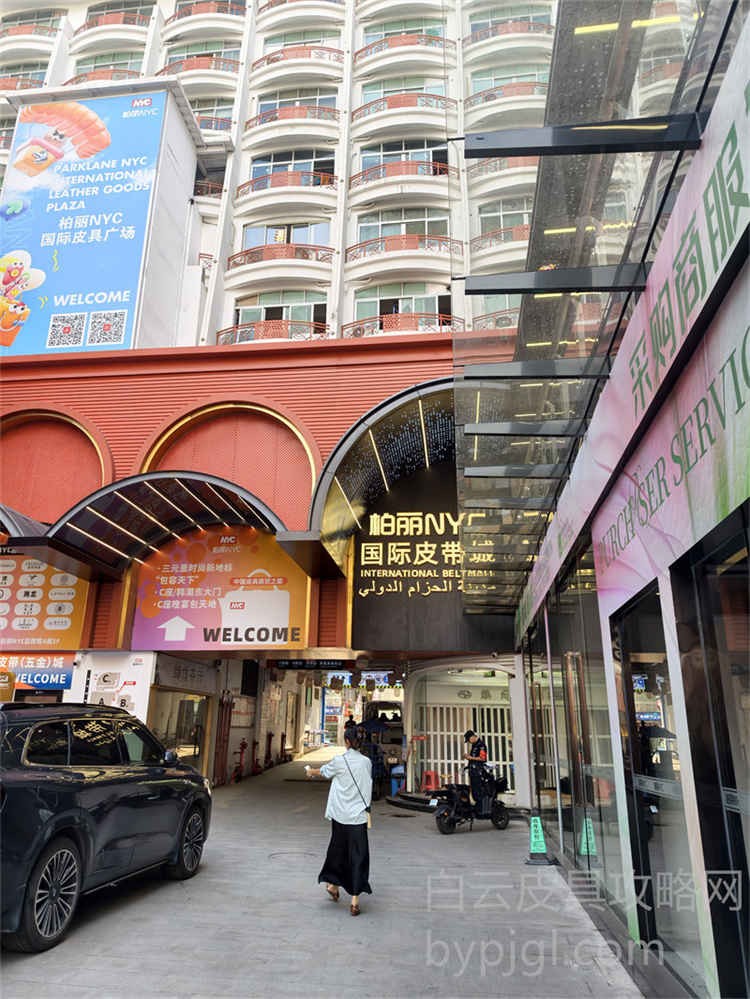
Many new buyers think they can walk into Baiyun Leather City, find one shop, and get everything they need. That is a rookie mistake. The market is not a department store; it is a fragmented network of factories and showrooms. When I tell my regular clients that the best "1:1" quality comes from specific floors in certain buildings, they often look skeptical. Let me break down the geography. The main hub is the Baiyun International Leather Trade Center, but the real action happens in the back alleys connecting to the nearby Shiqiao area. You will hear terms like "Guangzhou Baiyun leather goods market" thrown around constantly, but only those who know the layout can find the actual production lines.
Wher the Real Quality Lives: A Floor-by-Floor Breakdown
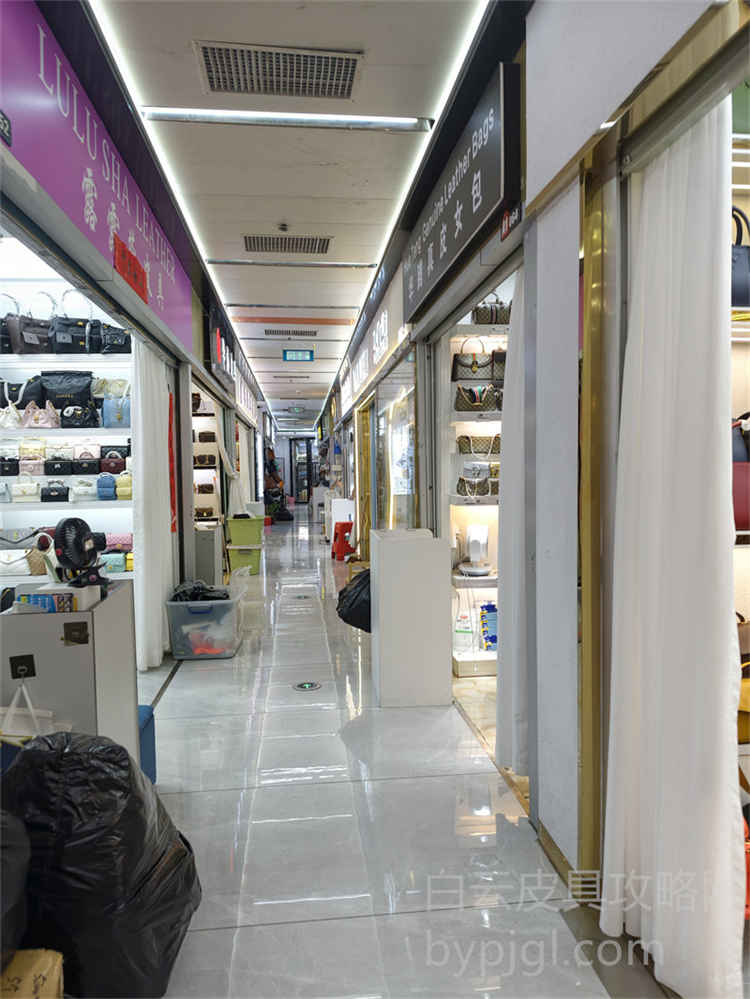
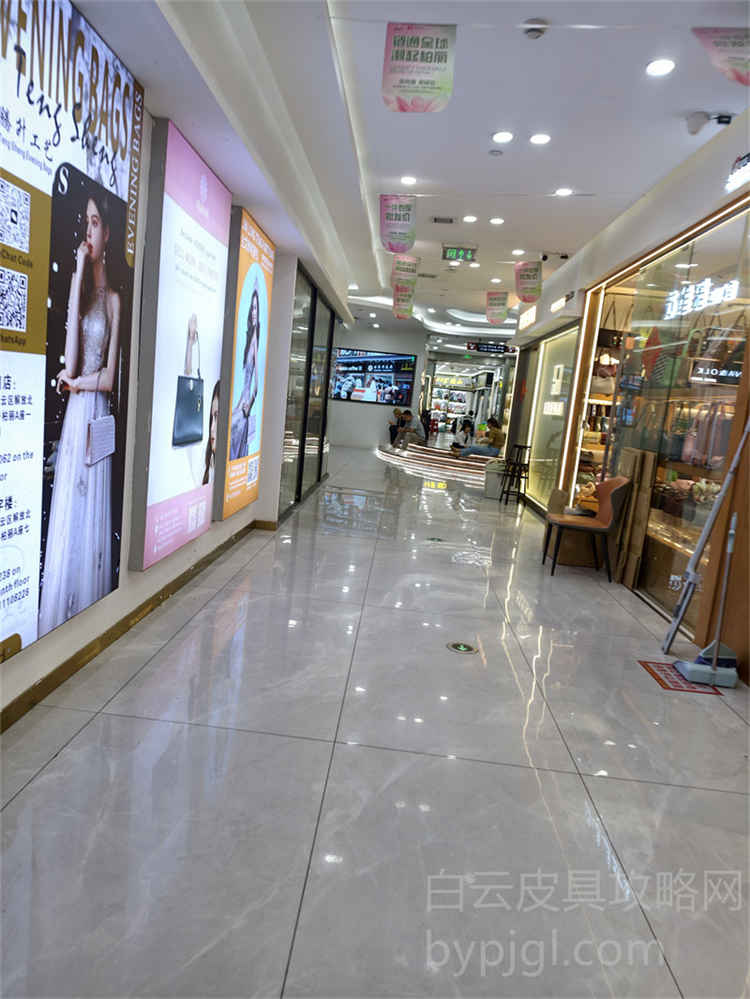
If you want to see what the industry calls "the highest grade," you cannot just browse the ground floor. The ground floor is full of tourists and low-quality stock meant for quick sales. The real sourcing happens on the upper levels of the Baiyun International Leather Trade Center, specifically floors 4 and 5. Here, the shops are smaller, less flashy, and the owners are usually factory managers themselves. For example, there is a well-known stall on the 4th floor, often referred to locally as "The Factory Direct Corner," though they don't put their factory name on the sign. This is wher you find the hardware that matches the original weight and feel. Another critical location is the small cluster of shops near the exit of the East Gate, leading towards the old textile district. These are the hidden gems wher the "original mold" versions are kept.
Understanding the Grading System: What Sellers Won't Tell You
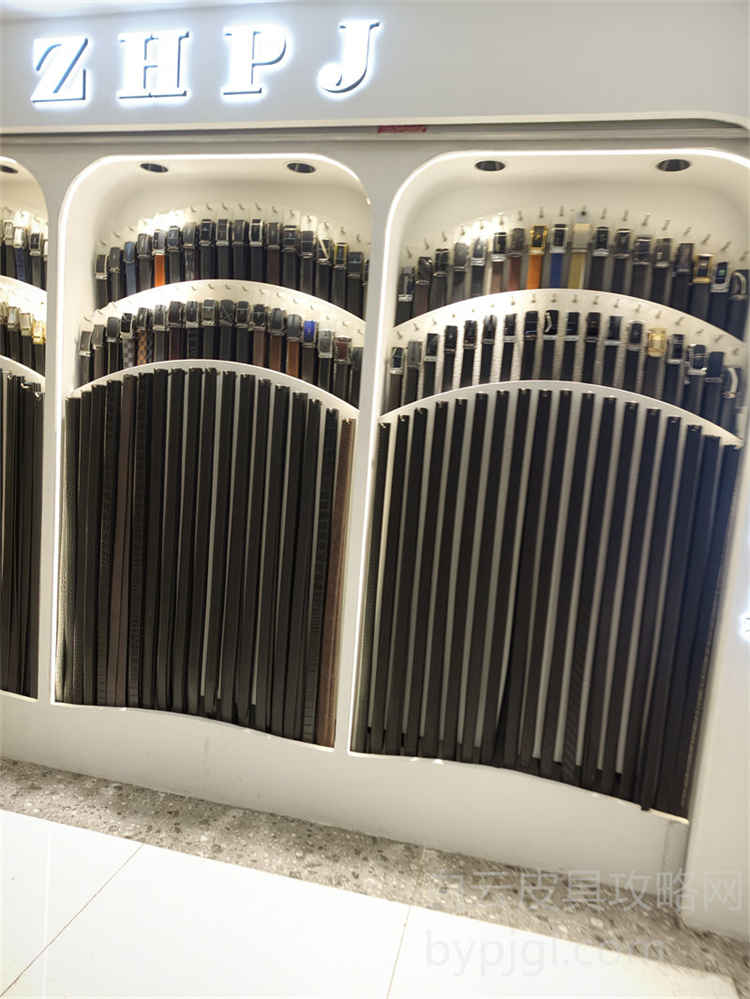
You will hear sellers use terms like "A grade," "B grade," or "Top Copy." In the West, these terms sound vague, but here in Guangzhou, they are precise codes. When I negotiate with a client, I explain that "A grade" usually means the leather is correct, but the stitching might be off by a millimeter. "Top Copy" or "Original Version" implies that the bag was made using the exact same molds, leather tanneries, and hardware suppliers as the luxury brand. However, even within "Top Copy," there is variance. I once had a client order 50 bags from a famous stall on the 5th floor, thinking they were all identical. Upon inspection, three bags had slightly different zipper pulls because the supplier ran out of the specific YKK batch. This is why physical inspection is non-negotiable.
The Art of Negotiation and Building Trust
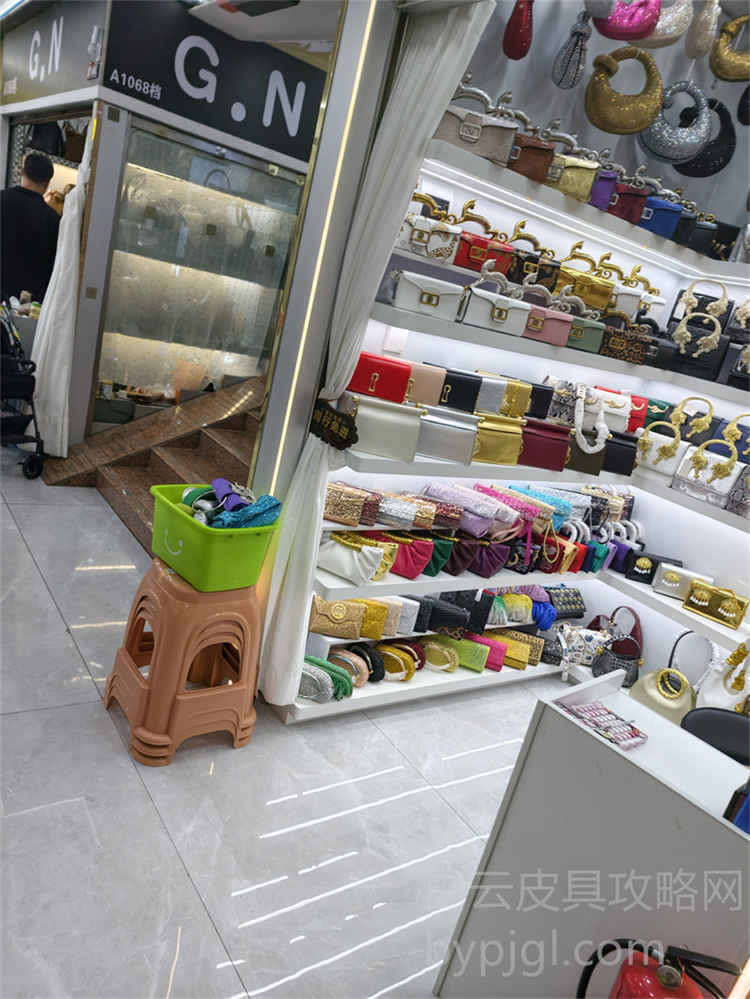
Negotiating in Guangzhou is not about haggling over pennies; it is about establishing a long-term relationship. If you walk in asking for the cheapest price, you will be sent to the bottom of the barrel. Instead, ask for the "factory price" for a bulk order. A typical scenario involves ordering 20 units. At a reputable stall like the one run by Uncle Li on the 3rd floor of the Baiyun center, he might quote $80 per bag for a standard order. But if you commit to 100 units, the price dros to $65, and he throws in free shipping insurance. The key is to show you know the product. Ask about the leather type—whether it is imported calfskin or domestic cowhide. If you can discuss the grain pattern and the smell of the glue, the seller knows you are serious and won't try to pass off lower quality goods.
Inspection Protocols: Avoiding the "Fake High-Quality" Trap
Before you pay a single cent, you must inspect the goods. I always advise my clients to bring a magnifying glass and a scale. The weight of the bag is a dead giveaway. A genuine luxury bag has a specific weight due to the hardware. If a "high copy" feels too light, the metal is likely zinc alloy instead of brass. Also, check the serial number card. In the past, these were easy to spot as fakes, but now, some stalls in the Baiyun market produce cards that match the font and texture perfectly. However, the stitching angle is harder to fake. Look at the slant of the thread. If it deviates from the original blueprint, reject it. I remember a time when a buyer accepted a shipment without checking the lining. The lining fabric was slightly thinner than the original, causing the bag to lose its shape after two weeks. That cost them thousands in returns.
Logistics and Shipping: Getting Your Goods Home Safely
once you have seleced your goods, the next challenge is shipping. Many buyers worry about customs seizures. The trick is to use a reliable freight forwarder who specializes in "duty-free" channels. Most stalls in Baiyun have a partnership with a courier service that handles the consolidation and packaging. They will remove the tags, repackage the bags in plain boxes, and declare the value as "leather accessories" rather than "luxury goods." It is crucial to work with a forwarder who has experience with US or EU customs. Do not let the seller handle the shipping directly unless they have a proven track record. I recommend using a third-party agent located in the Panyu district, just outside the main market, who consolidates orders from multiple stalls before sending them abroad.
Summary of Key Locations and Tips
| Location | Floor/Zone | Quality Tier | Best For |
|---|---|---|---|
| Baiyun International Leather Trade Center | Floors 4 & 5 | High (Top Copy) | Bulk orders, detailed inspection |
| East Gate Exit Area | Small Shops | Mixed (Hidden Gems) | Unique designs, direct factory contact |
| Ground Floor Showrooms | Main Aisle | Low to Medium | Tourist samples, quick buys |
| Panyu District Forwarders | Outside Market | Logistics Only | Consolidation, safe shipping |
In conclusion, sourcing from Guangzhou requires patience, knowledge, and a willingness to do the legwork. The "Guangzhou Baiyun leather goods market" is not a place for the faint-hearted, but for those who understand the nuances of the trade, it offers unparalleled access to high-quality goods. Remember, the best deals are not found online; they are found in person, shaking hands with the factory owner, and inspecting the leather under the bright lights of the showroom. If you follow these steps, you will avoid the pitfalls and build a sustainable business model based on real quality.

 On-site Visits
 Free Sharing
 Avoid Scams
 Updated Frequently
 For Reference Only