
Why I've Been Selling Bags in Guangzhou for 15 Years
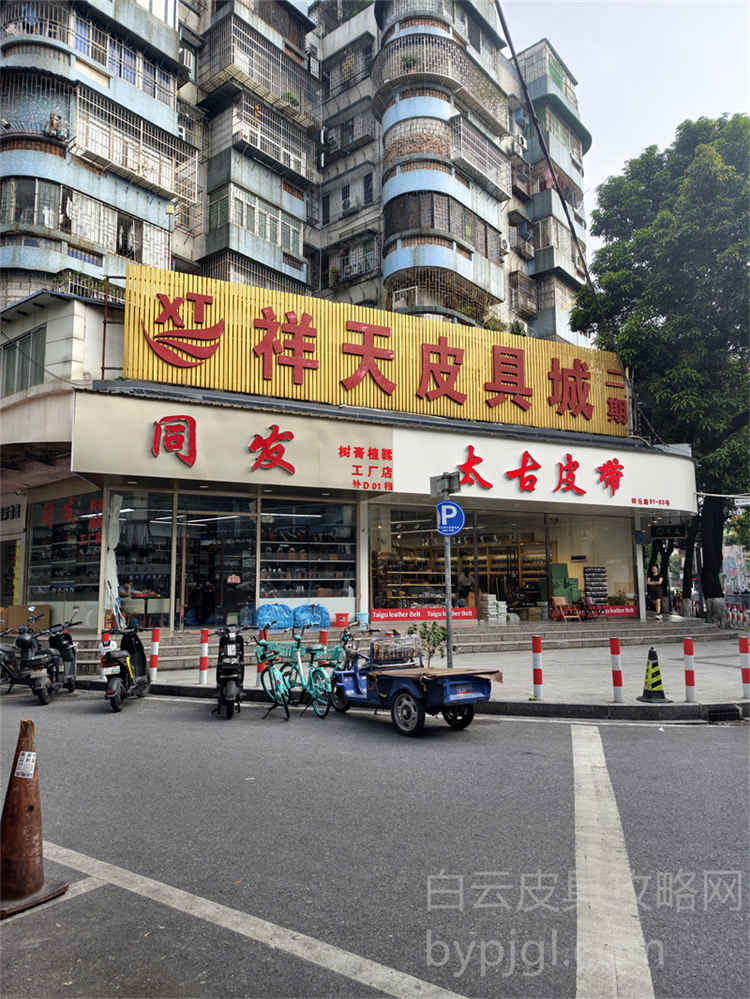
Welcome to my shop. If you are reading this, you probably heard about the "replica" market in Guangzhou and are wondering if it's real or just a scam. Let me tell you straight: I have been standing behind this counter in Baiyun since 2008. I have seen thousands of tourists walk through the doors, some looking for luxury brands, others looking for high-quality alternatives. The truth is, the industry here is not what Hollywood movies make it out to be. It is a complex ecosystem of leather sourcing, skilled artisans, and strict quality control. When people ask me about "Guangzhou replica bag wholesale," they often think it is all about cheap fakes. But after fifteen years, I can tell you that the top-tier production here rivals the actual luxury goods in terms of craftsmanship, even if the branding is different.
The Myth vs. Reality of the Market
Many overseas buyers come to Guangzhou expecting to find a warehouse full of fake Louis Vuitton bags sitting on shelves. That does not exist anymore. The police crackdowns over the last decade changed everything. Today, legitimate factories operate under the radar. They do not display brand logos openly. Instead, they show you the hardware, the stitching, and the leather grain. My advice? Stop looking for "fake" bags and start looking for "high-end custom" bags. The terminology matters because it changes how suppliers treat you. If you say you want a "copy," they might give you low-grade junk. If you ask for "top tier" or "original leather with custom hardware," we know you are serious.
Navigating Baiyun Leather City: A Local's Guide
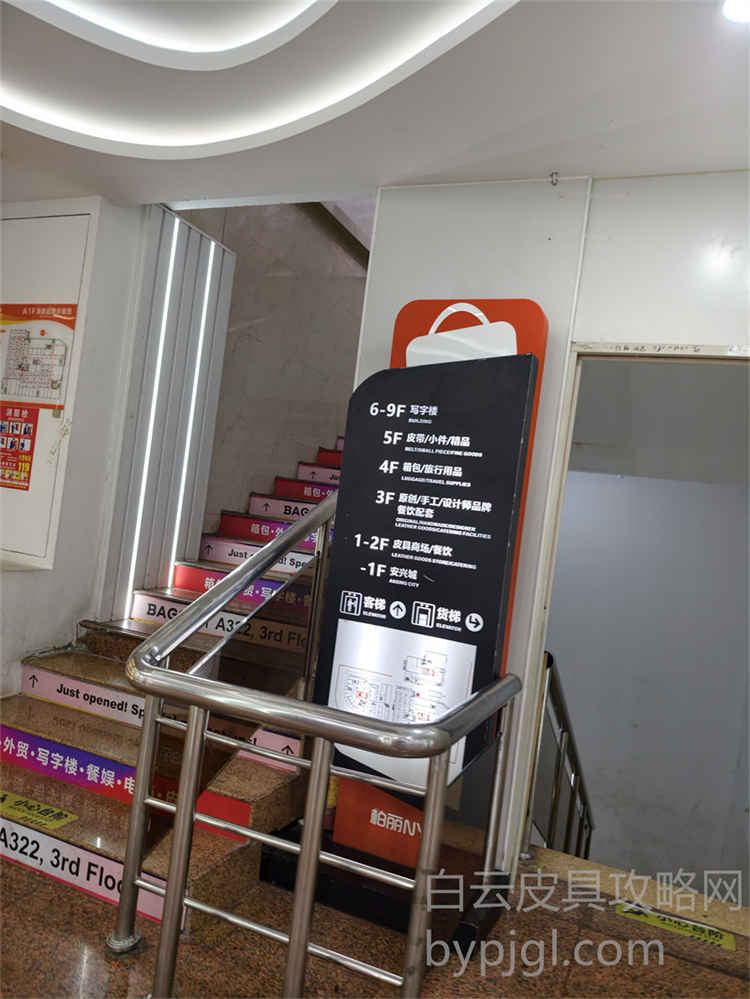
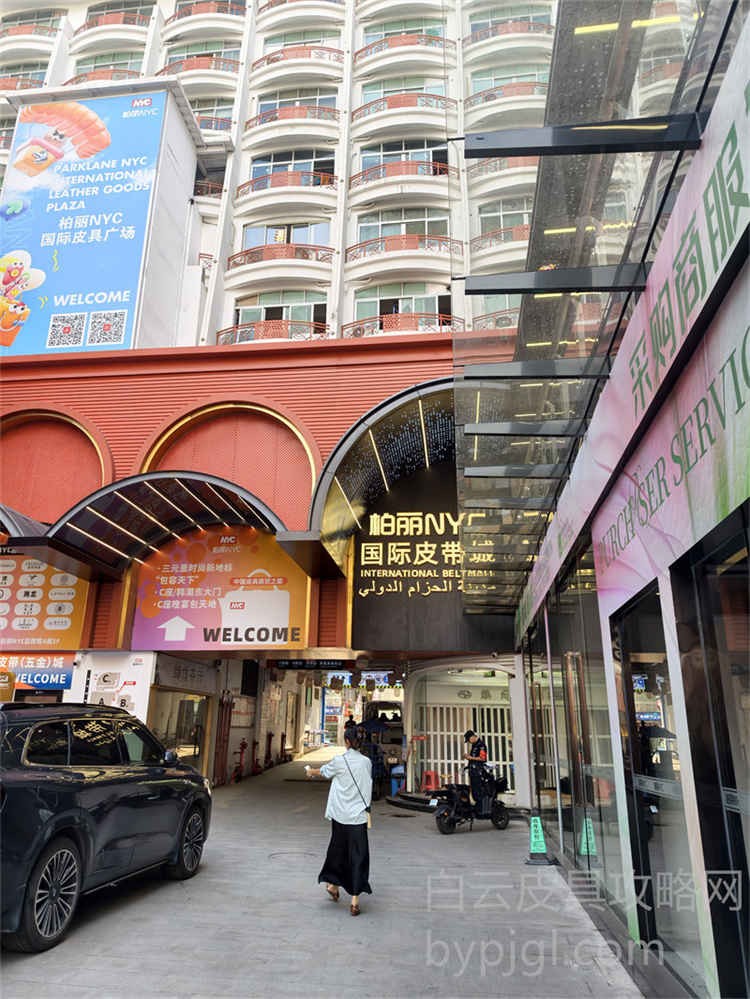
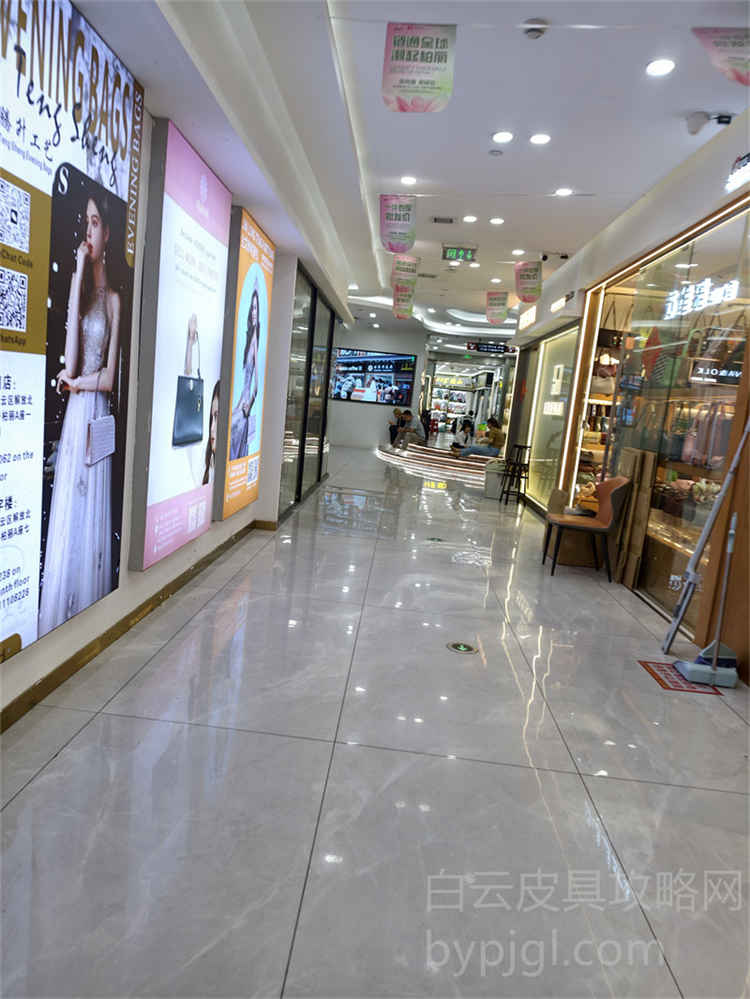
You cannot just walk into any building and expect good deals. The Baiyun area is massive, but the quality varies wildly from floor to floor. Most tourists get lost in the lower floors wher the tourist traps are. Let me give you the map that only locals know.
Wher to Find the Real Goods
If you want the best quality, head straight to the World Trade Center (WTC) and the nearby Shengda Building. These are the hubs for the highest grade production. Specifically, look for the shops on the 4th and 5th floors of the WTC. This is wher the factories that supply the European boutique stores operate. Do not waste time on the ground floor of the main Baiyun International Trade Center; those are mostly for mass-produced, lower-quality items meant for street vendors. I personally recommend visiting the shop at WTC, Floor 4, Unit 405. The owner there, Uncle Lin, has been making bags for twenty years. He does not use synthetic leather; he uses French calfskin imported directly from Italy. His pricing is higher than the average stall, but the durability is unmatched.
The Hidden Gem: Zhongtai Plaza
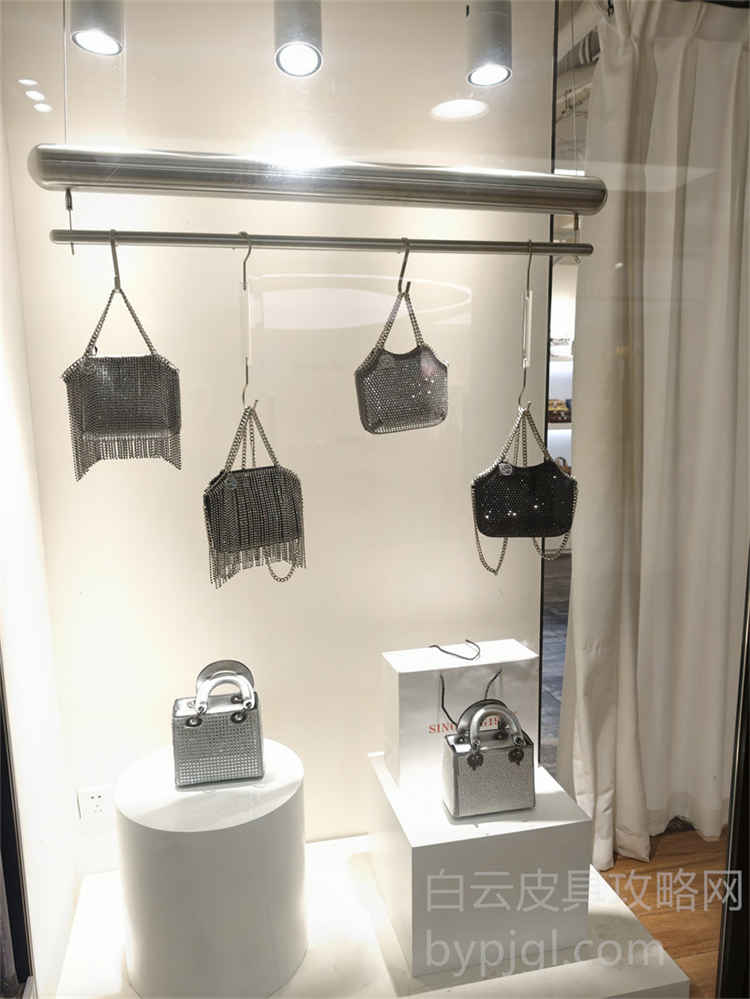
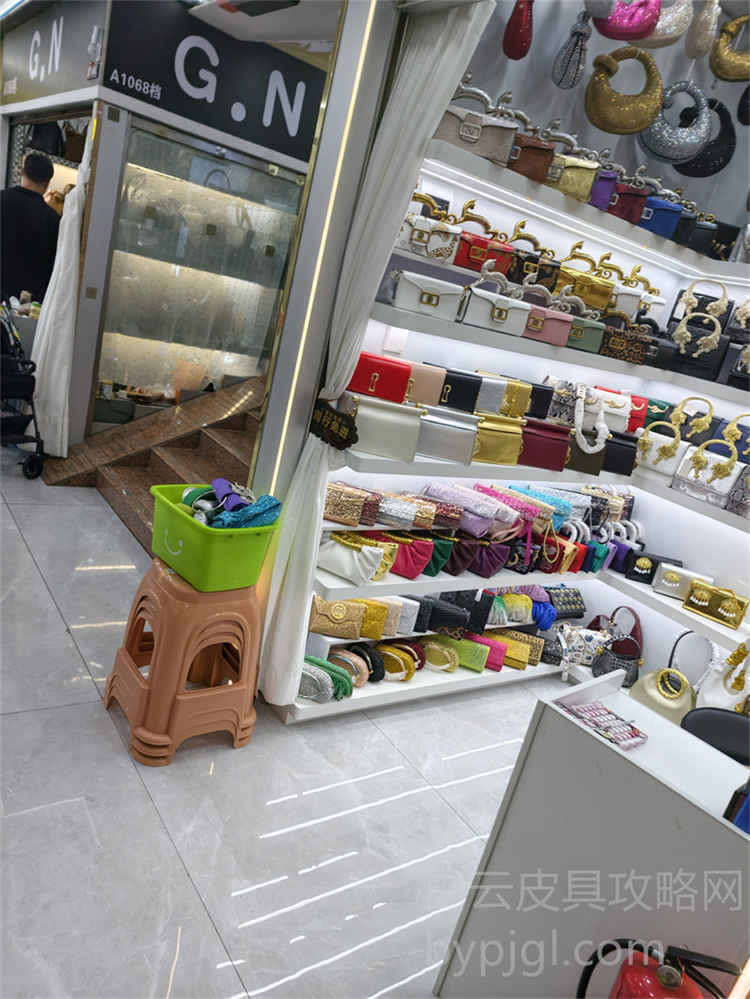
For those who want a mix of trendy styles and solid construction, Zhongtai Plaza is your next stop. It is located right across from the WTC. The layout is more chaotic, which means you need to be sharp. Look for the corridor leading to the back exit. There is a small cluster of stalls there that specialize in "ghost bags." These are bags made without any logo, designed for customers who want the silhouette of a famous brand but with their own initials stamped on the leather. One specific stall, number B-208, is run by a former designer from a major Parisian house. She knows exactly how to replicate the tension of the stitching on a classic flap bag. Her lead time is usually three weeks, but the result is worth the wait.
How to Inspect Quality Like a Pro
When you are standing in front of a stack of bags, how do you know if it is worth your money? I have seen buyers spend thousands on bags that fell apart after two months. Here is my checklist for inspecting quality before you pay a single cent.
Hardware and Stitching Analysis
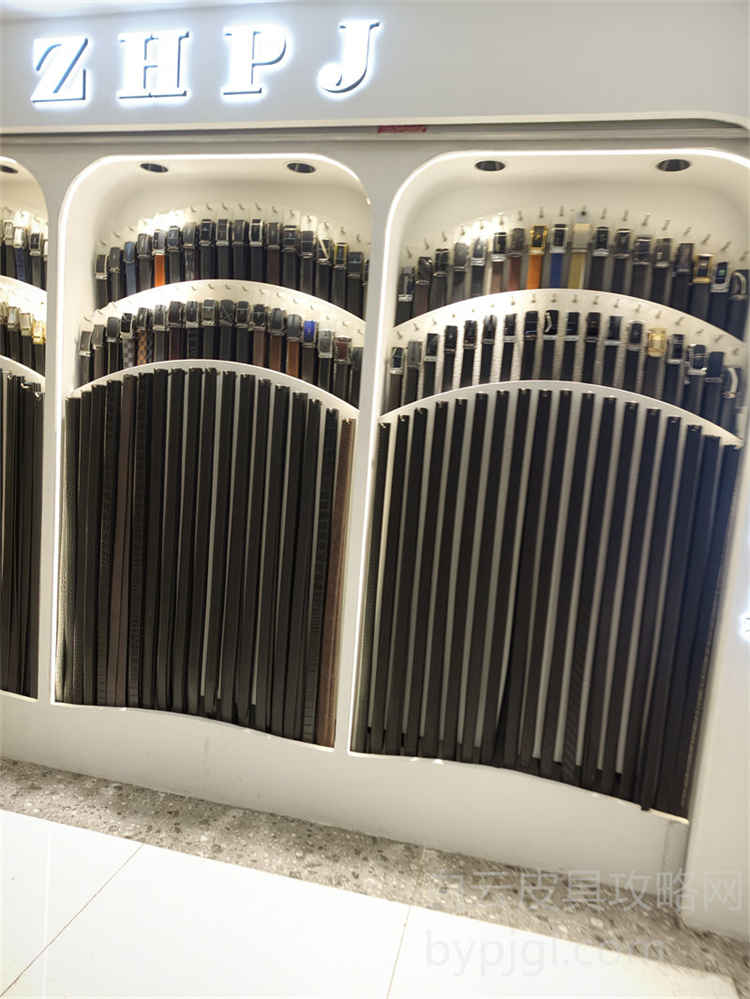
First, check the weight. High-quality hardware should feel heavy, not hollow. Cheap replicas use zinc alloy that feels light and flimsy. Run your finger along the zipper. It should glide smoothly without catching. Next, look at the stitching. In the luxury world, we count stitches per inch. A good bag will have consistent spacing, usually around 6 to 8 stitches per inch. If you see loose threads or uneven angles, put it down immediately. I once bought a batch of bags from a supplier who claimed they were "Grade A." When I inspected them under a magnifying glass, I found that the thread was slightly off-color compared to the leather. That is a red flag. Always bring a small flashlight to check the interior lining. The fabric should be tight, not wrinkled, and the pockets should be reinforced.
Leather Smell and Texture Test
This is the most critical step. Real leather smells distinctively earthy and rich. Synthetic leather smells like plastic or chemicals. Rub the leather between your fingers. It should feel soft but resilient. If it feels stiff or leaves a residue on your hand, it is likely coated PU leather. I remember a client who bought fifty bags from a stall near the entrance of the market. When she opened them at her hotel, the smell was so strong it made her sick. We had to return them all. Never buy based on photos alone. You must touch the material. Ask the seller to show you a scrap piece of the same leather used for the bag. Compare it to the finished product. If the color matches perfectly and the texture feels the same, you are on the right track.
Pricing Strategies and Negotiation Tactics
One of the biggest mistakes foreign buyers make is assuming the first price quoted is the final price. In Guangzhou, negotiation is an art form. However, do not try to negotiate too hard on the lowest end. If a bag costs $50 to make, no one will sell it to you for $20. The quality will suffer.
Understanding the Price Tiers
Let me break down the current market rates for a standard tote bag as of today. The "market grade" (low quality) ranges from $30 to $50. The "mid-tier" (good leather, decent hardware) is between $60 and $90. The "top tier" (original leather, gold-plated hardware, perfect stitching) starts at $120 and can go up to $200 depending on the complexity. If a seller quotes you $30 for a "top tier" bag, they are lying. They are trying to trick you into buying a low-quality item later. I always advise my clients to aim for the mid-to-high range. The difference in cost is minimal, but the difference in customer satisfaction is huge.
The Power of Volume and Relationships
If you are planning to buy more than ten pieces, you have leverage. Start by asking for a "sample price" for one unit. once you see the quality, ask for a "wholesale price" for a bulk order. I typically offer a 10% discount for orders over twenty units and 15% for orders over fifty. But here is the secret: build a relationship. Tell the seller you plan to come back next month. Many sellers will hold stock for you or prioritize your order because they know you are a repeat customer. Do not be a one-time buyer. Treat them like partners, and they will treat you like family.
Common Pitfalls to Avoid
Even with all this knowledge, things can go wrong. Here are the most common traps I have seen over the years.
The Shipping Scam
Never pay for shipping directly to your home address via Western Unio or direct bank transfer without a tracking number. Many scams happen when the seller claims the package was lost in transit. Always use a freight forwarder. I recommend using a company like SF Express or a specialized logistics agent who handles international shipments. They provide insurance and tracking. If you ship directly, you have no recourse if the package disappears. Also, be aware of customs regulations in your country. Declaring the value correctly is crucial to avoid seizure.
The Color Mismatch Issue
Lighting in the market can be deceptive. Fluorescent lights often make colors look brighter than they are. Always take the bag outside to natural sunlight before paying. I once saw a buyer purchase a bag that looked black in the shop but turned out to be dark blue in the sun. This caused a lot of headaches when they tried to resell it. Always verify the color in natural light. Ask the seller to send you a video call with the bag in daylight if you cannot visit in person.
Summary of Key Insights
To wrap up, sourcing from Guangzhou requires patience, knowledge, and a bit of street smarts. The market is vast, but the opportunities are endless if you know wher to look. Remember, the goal is not to find the cheapest bag, but the best value for your money. Focus on the quality of the leather, the precision of the stitching, and the reliability of the hardware. Build relationships with trusted sellers like Uncle Lin at WTC or the designer at Zhongtai Plaza. And always, always inspect the goods in person before paying.
| Market Area | Quality Level | Best For | Recommended Floor/Unit |
|---|---|---|---|
| World Trade Center (WTC) | Top Tier / Luxury Grade | High-end custom bags, original leather | Floor 4, Unit 405 (Uncle Lin) |
| Zhongtai Plaza | Mid to High Tier | Trendy styles, ghost bags, unique designs | Back Corridor, Stall B-208 |
| Baiyun International Trade Center | Low to Mid Tier | Budget-friendly, mass production | Avoid Ground Floor, check Upper Floors |
| Yiwu Market (Nearby) | Low Tier | Very cheap accessories, low quality | Not recommended for serious buyers |
By following these guidelines, you will navigate the Guangzhou leather market with confidence. Whether you are looking for a personal collection or starting a business, the key is to stay informed and trust your instincts. Happy shopping!

 On-site Visits
 Free Sharing
 Avoid Scams
 Updated Frequently
 For Reference Only