
Why the "White Cloud" Reputation is a Double-Edged Sword for Overseas Buyers
I've been standing behind this counter in Guangzhou Baiyun Leather City for over fifteen years. I've seen the crowds come and go, from the early days of bulk shipping to today's high-speed logistics. When you search for "Guangzhou Baiyun bag wholesale sources," you are likely drowning in a sea of generic advice that sounds like it was written by an algorithm, not someone who has actually smelled the leather dust and argued over payment terms at 6 AM. Let me tell you the truth: the reputation of Baiyun as the world's leather capital is real, but the path to finding genuine, profitable stock is littered with traps that will drain your budget if you aren't careful.
The biggest misconception overseas buyers have is thinking they can just walk into the market and find "factory direct" prices on Day One. The reality is that the market is a layered ecosystem. There are the showrooms on the ground floor catering to tourists, the mid-level wholesalers hiding in plain sight, and the true factory outlets located in the back alleys or specific buildings like the Zhongda Building. If you are looking for high-quality replicas or top-tier OEM goods, you need to know exactly wher to look. Most people get stuck in the main atrium of the International Trade Center (ITC), wher prices are inflated by 30% because the rent is astronomical. My advice? Skip the front row. Go straight to the upper floors or the side wings wher the serious B2B traders operate.
Navigating the Physical Market: A Local's Map to the Real Goods
Forget the Main Hall: Wher the Serious Action Happens
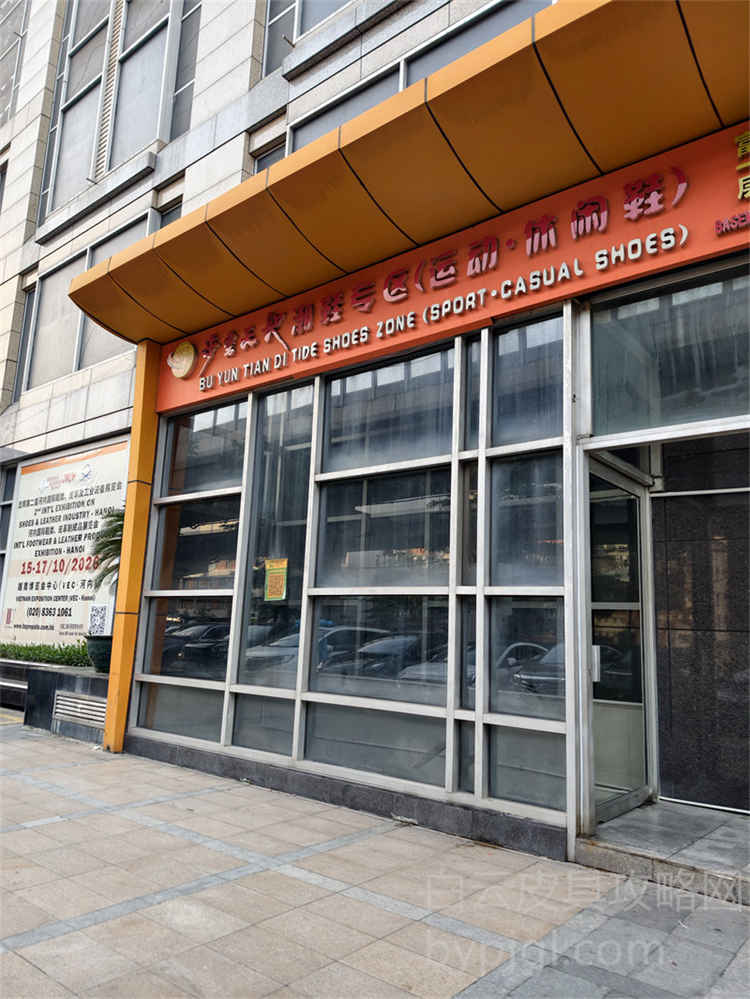
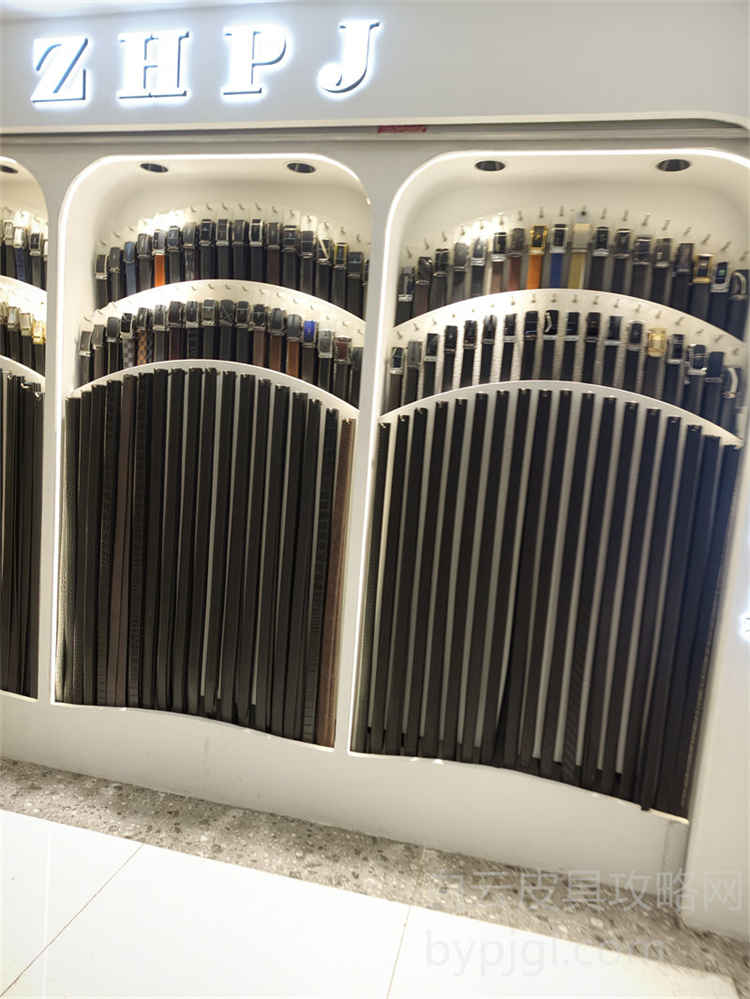
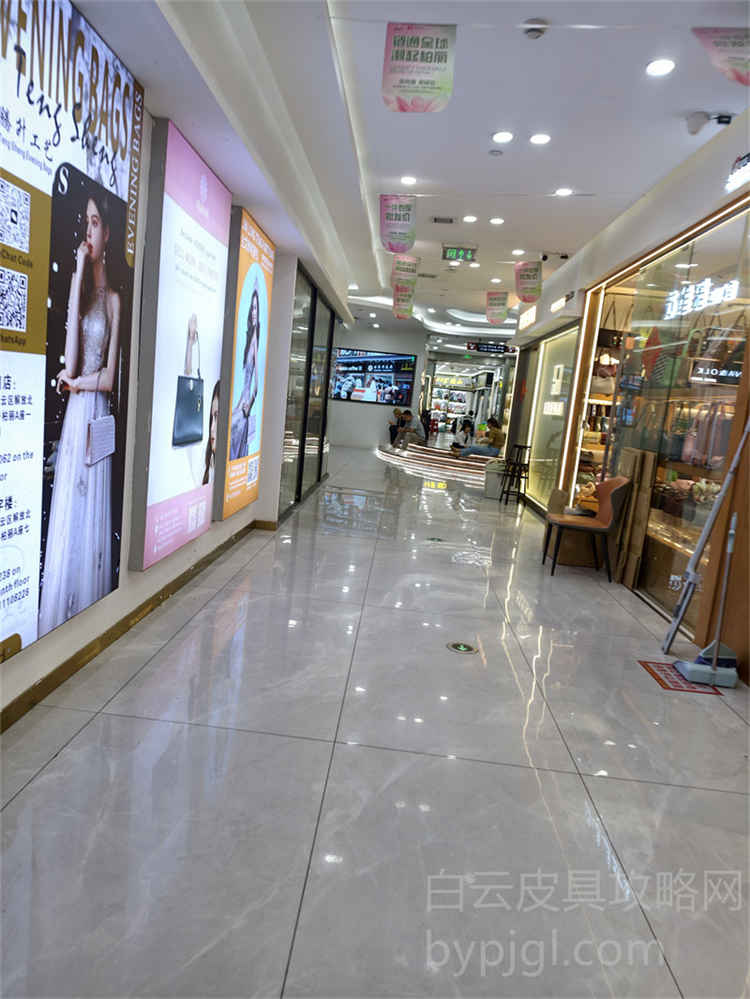
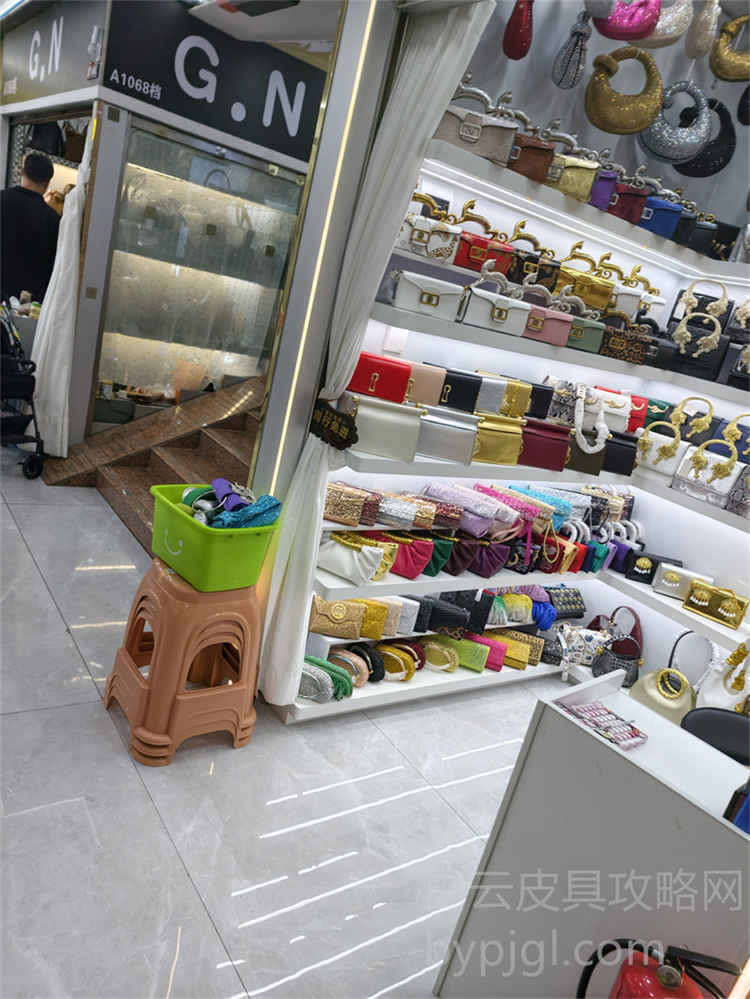
When I say "Baiyun Leather City," most people picture the massive glass building near the metro station. That place is great for buying one-off samples, but terrible for sourcing inventory. The real action happens in the surrounding blocks, specifically around the Qianjin Road area and the interior corridors of the World Trade Center. I remember a client from New York last month who spent three hours in the main hall only to be quoted $45 for a bag that he could have bought for $18 down the street. He didn't know that the "VIP rooms" on the third floor of the same building were often run by the same suppliers but with different pricing structures based on volume.
If you want to see the actual production quality, you need to visit the specialized buildings. For instance, the "Shengfeng Building" is notorious for havin higher-end materials, while the "Jingxiu Building" is more focused on fast-turnaround fashion bags. Don't be afraid to ask the security guards or the shop assistants which building houses the "big bosses." They might not give you the name immediately, but if you mention you are looking for "high-grade cowhide" or "Italian calfskin," their eyes will light up, and they will point you toward the right corridor. This is the kind of local intel you won't find on Google Maps.
The Art of the Deal: Negotiation Tactics That Actually Work
Let's talk about the numbers. In my experience, the first price a vendor gives you is never the final price. It's a test. If a stall owner quotes you $30 for a bag, do not accept it. Walk away. Seriously. Walking away is the most powerful tool you have. I've seen clients panic and pay the full price, only to realize later they paid double what they should have. The standard negotiation protocol here is to start at 40% of the asking price. Yes, forty percent. It sounds crazy, but it sets the tone. once you establish that you know the market value, they will meet you somewher in the middle.
Here is a real data point from my own ledger: Last week, a buyer wanted 50 units of a specific tote design. The initial quote was $22 per unit. After I stepped in, explained his volume potential, and pointed out minor stitching imperfections that needed fixing, we settled at $14.50. That is a 34% savings. But the trick isn't just haggling; it's showing you understand the product. Ask about the lining material, the type of zipper (YKK vs. generic), and the weight of the hardware. If you can discuss these technical details fluently, the vendor knows you aren't a tourist. They will respect you and offer better margins. Also, always ask for the "MOQ" (Minimum Order Quantity) flexibility. Many stalls claim they need 100 pieces, but if you bring cash or promise repeat orders, they will let you take 20 or even 10 to test the market.
Quality Control and Avoiding the "Ghost Factory" Trap
Distinguishing Between Grade A, Super Copy, and Scams
You will hear terms like "Grade A," "Super Copy," or "Original Quality" constantly. These are industry slang, not official standards. As a veteran, I can tell you that "Grade A" usually means the best available in that specific batch, not necessarily perfect. The term "Super Copy" is often used to justify higher prices for items that are visually identical to luxury brands but use lower-grade leather. Be very careful. I once saw a supplier sell "top tier" bags made from synthetic PU that looked like leather from a distance but cracked after two weeks of wear. The key is to touch the leather. Real leather smells distinctively earthy and warm; synthetic leather smells like chemicals or plastic. Run your fingers over the grain. If it feels too uniform or perfectly smooth, it's likely machine-stamped imitation.
Another common pitfall is the "ghost factory." Some vendors claim to have their own factory in the suburbs, but they are just middlemen renting space in a warehouse. To verify this, ask to see the production line or the raw material storage. If they refuse or say "it's closed today," move on. I recommend sticking to stalls that have been operating for at least five years. Check their business license and see if the address matches the physical location. Trust your gut. If a deal seems too good to be true, it usually is. The profit margin in this industry is thin enough that no honest seller would sell high-quality leather at rock-bottom prices without a catch.
Logistics and Shipping: Getting Your Goods Home Safely
Handling Customs and Freight Forwarders
once you have secured your goods, the next challenge is getting them out of China without losing them to customs. Many overseas buyers make the mistake of using the vendor's recommended courier. While convenient, these couriers often lack transparency and can get your shipment held up. Instead, hire your own freight forwarder who specializes in the Guangzhou-Baiyun route. They know the specific packing requirements for leather goods to avoid damage during transit. Leather is heavy and sensitive to humidity, so proper packaging is non-negotiable.
Also, be aware of the "DDP" (Delivered Duty Paid) vs. "FOB" (Free on Board) terms. If you are new to importing, DDP might seem easier, but you lose control over the final cost. FOB gives you more flexibility but requires you to handle customs clearance. I suggest starting with small shipments via air freight to test the waters before committing to sea freight. And always, always get a detailed invoice that lists the HS codes correctly. Mislabeling goods as "plastic bags" when they are leather is a surefire way to get seized. Work with your forwarder to ensure the paperwork matches the physical contents exactly.
Summary Table: Quick Reference for First-Time Buyers
| Factor | Common Mistake | Pro Tip from a Veteran |
|---|---|---|
| Location | Staying in the main atrium of ITC | Go to upper floors or side buildings like Shengfeng for better deals. |
| Pricing | Accepting the first quote | Start negotiations at 40% of the asking price; walk away if they don't budge. |
| Quality | Trusting visual appearance only | Smell the leather; check the lining and hardware weight; ask for raw material samples. |
| Shipping | Using vendor-recommended couriers | Hire your own specialized freight forwarder for better tracking and customs handling. |
| Trust | Believing "Factory Direct" claims blindly | Verify business licenses and ask to see the production area if possible. |
In conclusion, sourcing from Guangzhou Baiyun is an adventure that rewards patience and knowledge. It is not a place for impulse buys. Take your time, build relationships with the stall owners, and trust your instincts. The market is vast, and the opportunities are endless, but only for those who are willing to dig deeper than the surface. Remember, every successful order starts with a single step into the right alleyway. Good luck, and may your margins be high and your headaches low.


 On-site Visits
 Free Sharing
 Avoid Scams
 Updated Frequently
 For Reference Only