
Why Guangzhou Beats Alibaba for Your Next Bag Order
I've been standing behind the same counter in Baiyun since 1998. While I see young buyers scrolling through apps on their phones, looking for "Guangzhou bags Alibaba source," I have to tell you something that no algorithm will ever show you: the real magic happens when you step off the bus and into the humid air of the Baiyun Leather City complex. You can find thousands of listings online, but you cannot feel the leather grain, smell the glue quality, or negotiate a price based on eye contact until you are physically here. If you are an overseas buyer thinking about sourcing from China, stop relying solely on digital catalogs. The difference between a profitable order and a disaster is often found in the details only visible on the factory floor.
The Myth of the Perfect online Listing
When you search for suppliers on platforms like Alibaba, you get polished photos, perfect lighting, and promises of "factory direct prices." But let me be blunt: those images are often taken three years ago. A listing might say they make high-end luxury replicas, but when you actually visit the market, you realize that many of these "factories" are just middlemen renting space in the mall. They don't own the machines; they just buy from the workshop down the hall and mark up the price by 20%. In my experience, the best deals are never advertised on big international sites because the top-tier workshops in Guangzhou prefer word-of-mouth and repeat customers over chasing one-off foreign orders.
Navigating the Real Market: Baiyun Leather City Deep Dive
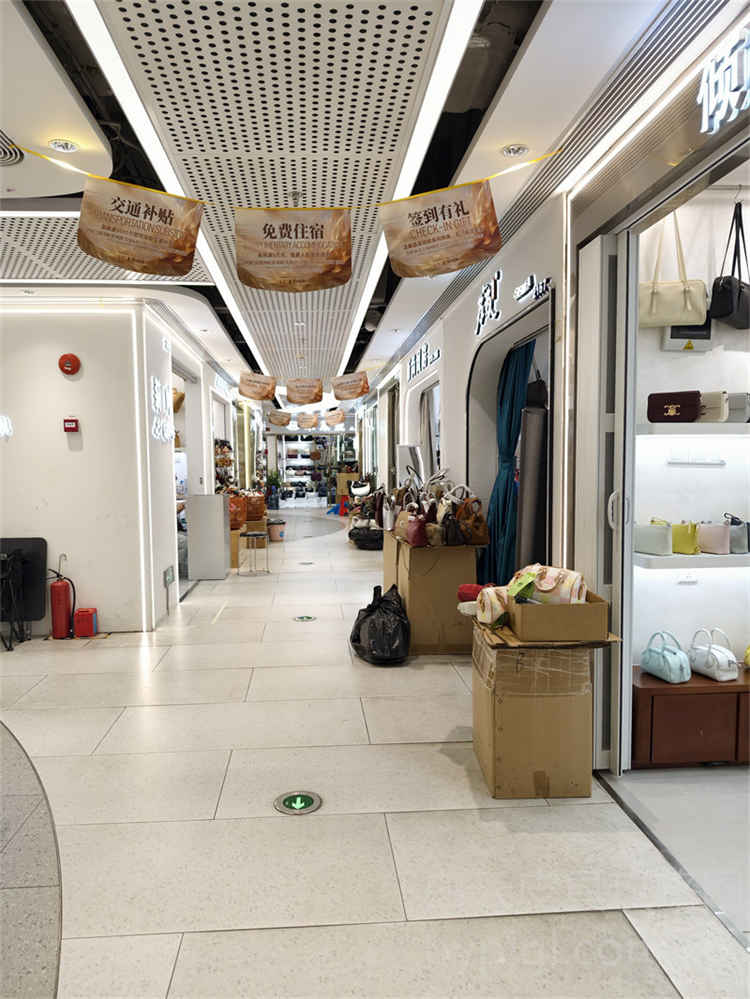
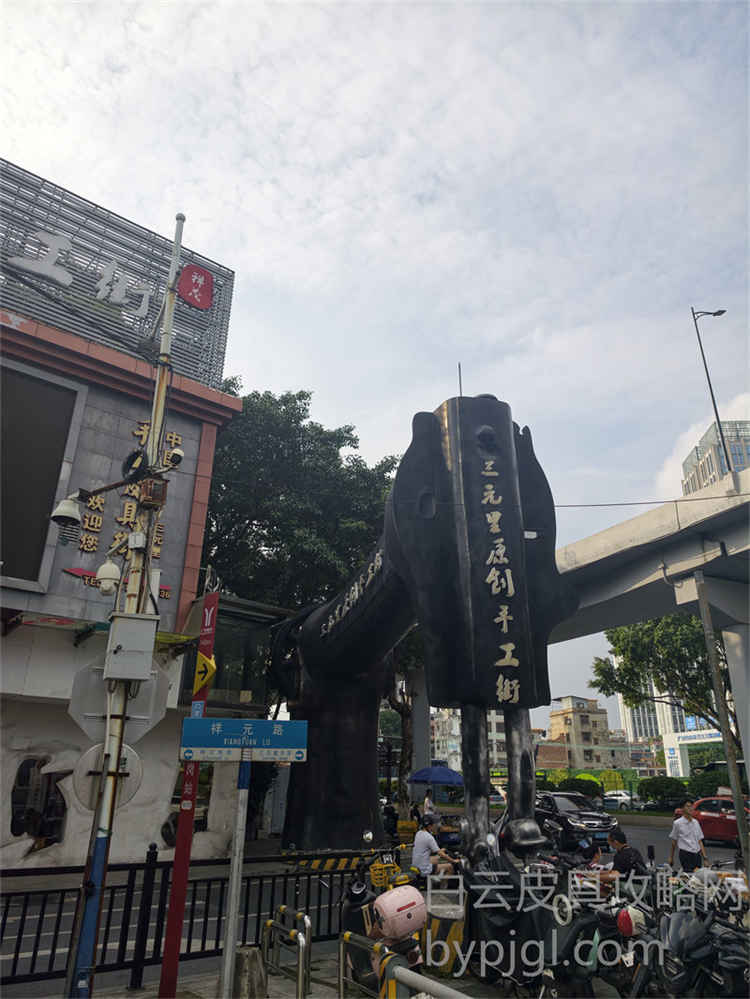
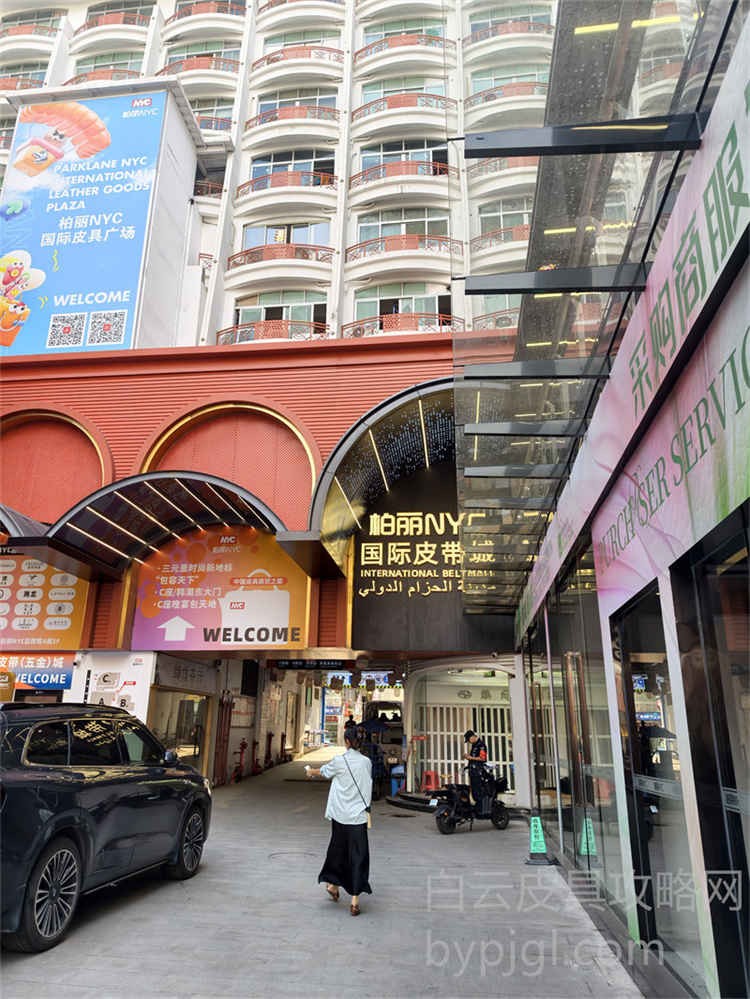
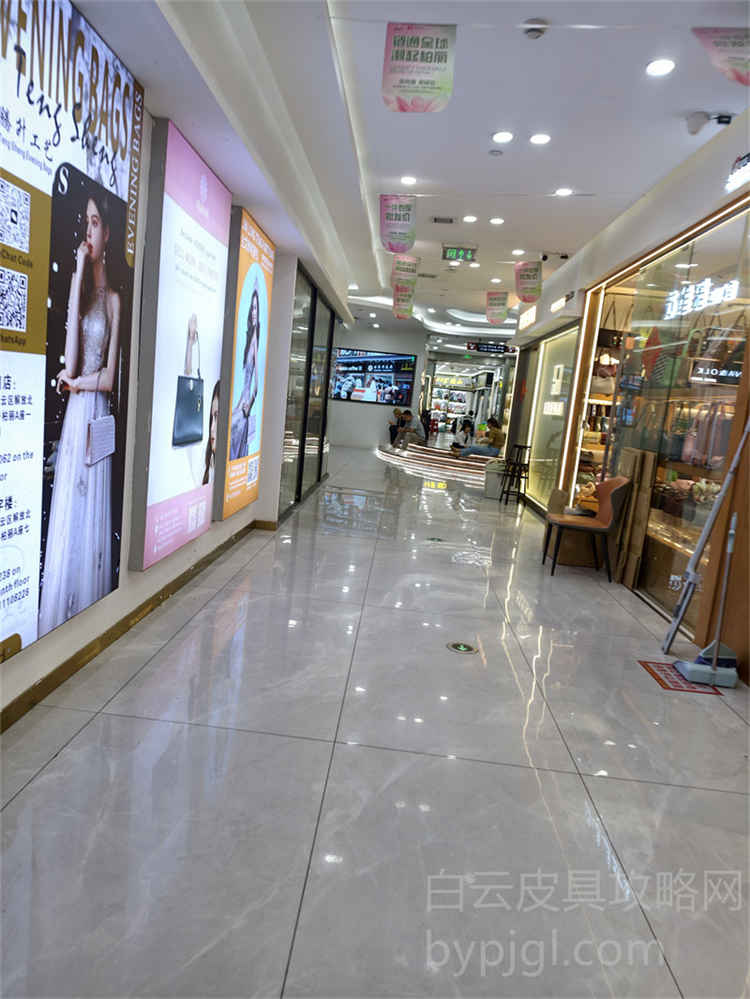
Let's talk about wher the action really is. When people ask about "Guangzhou Baiyun Leather City," they usually mean the massive cluster around Jiahe Wanggang. This isn't just one building; it's a maze of interconnected malls, each with its own personality and specialty. If you walk in blindly, you will get lost and overcharged. I've seen too many tourists pay double what locals pay because they didn't know which floor held the heavy hitters.
Floor-by-Floor Strategy for Serious Buyers
Here is my personal map for getting the best value. Start at the World Trade Center (WTC) if you want high-end craftsmanship. This is wher the factories that supply the biggest brands operate. You won't find cheap knockoffs here; you will find genuine calfskin, exotic leathers, and hardware that doesn't tarnish after a week. However, if you are looking for volume and trendy designs at competitive margins, head straight to the International Building (International Plaza). That place is chaotic, loud, and exactly wher you need to be for fast-moving fashion items.
Specific Stalls and Factories Worth Visiting
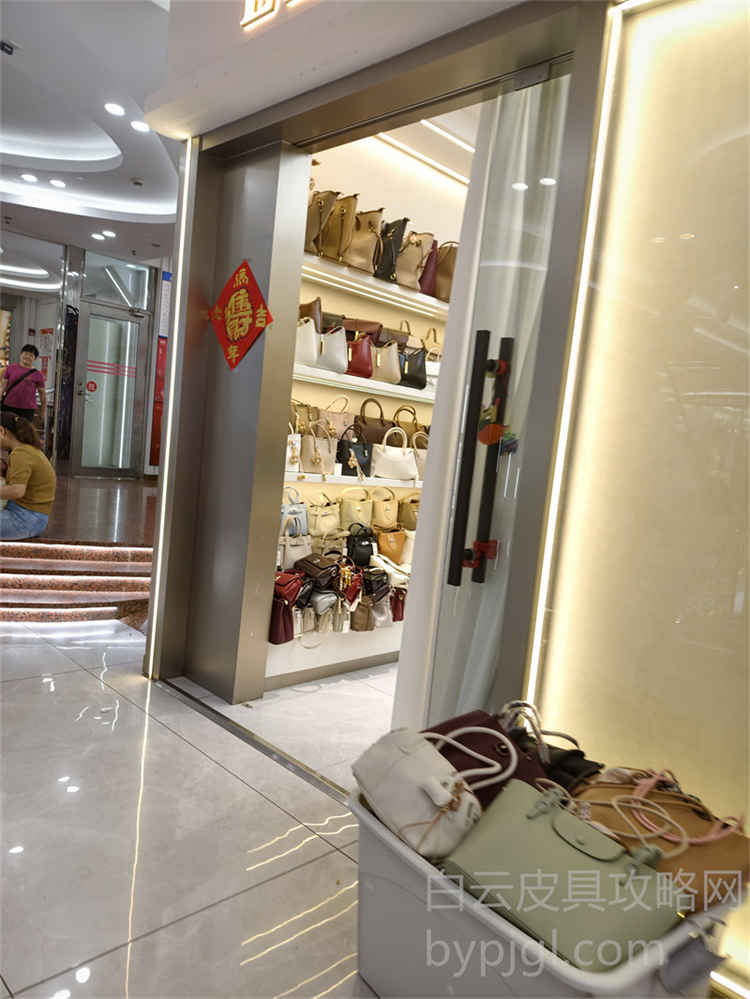
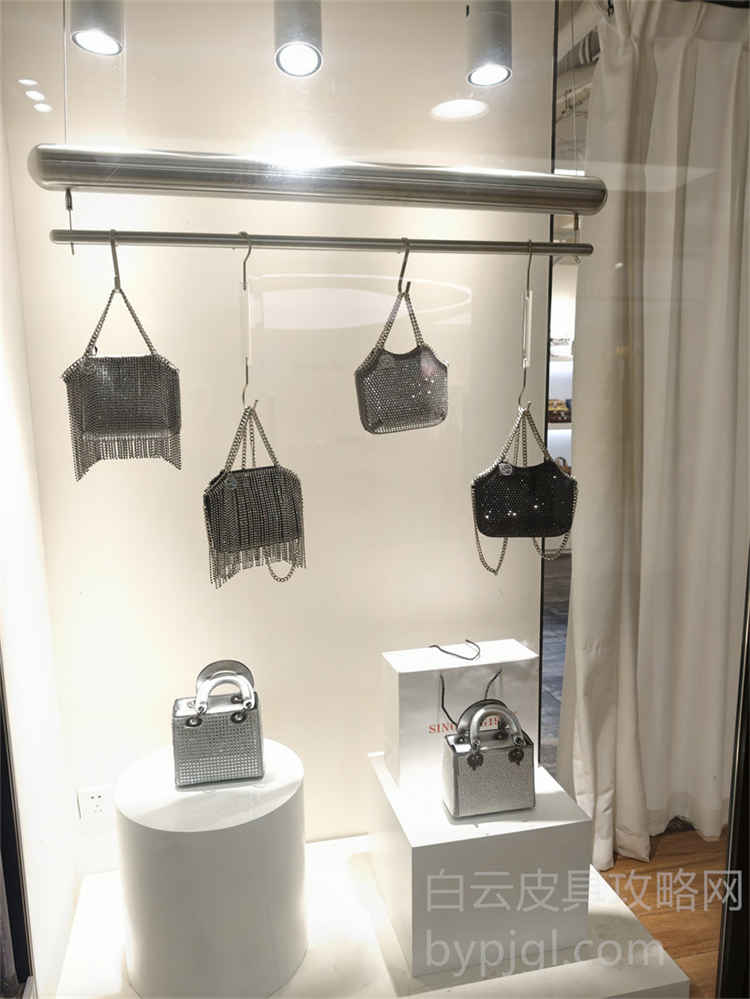
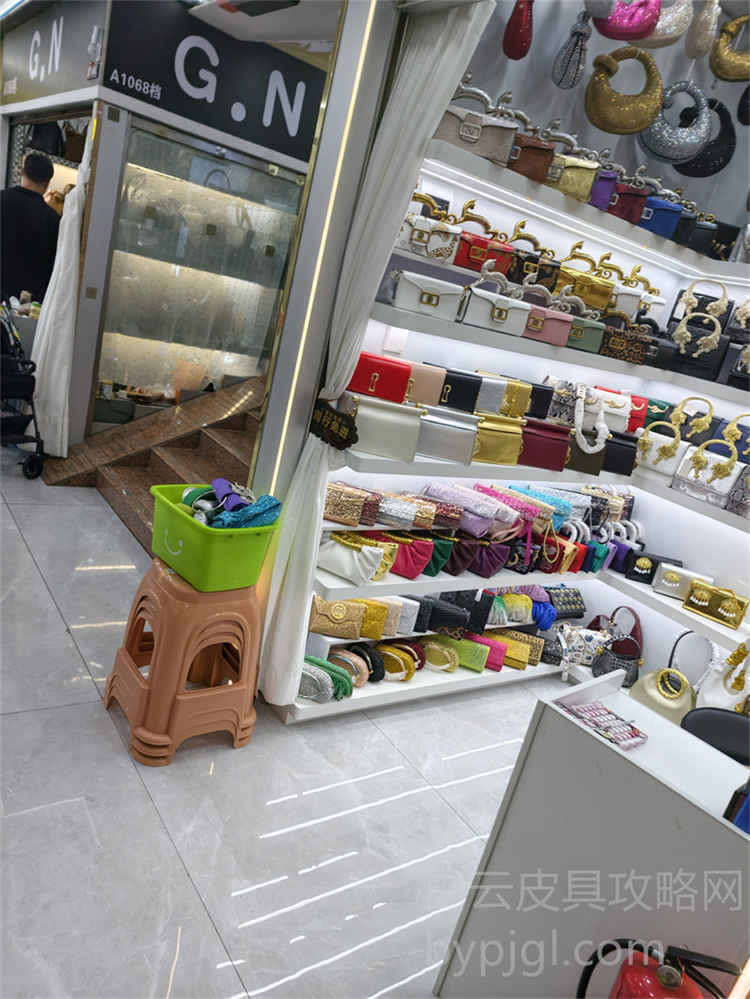
You asked for specific names? Good. Let's cut the fluff. In the International Building, go to the 4th floor. Look for the stall named "Golden Eagle Leather Goods" (Jin Yi Bao). They have been there for over fifteen years. Their owner, Uncle Li, speaks broken English but understands business perfectly. They specialize in tote bags and crossbody styles using PU and genuine leather blends. Their minimum order quantity (MOQ) starts at just 50 pieces, which is rare for this quality. Another hidden gem is "Shengda Factory Outlet" located in the basement level of the nearby Shengda Mall. They don't have a flashy sign, but they produce the exact same bags as the top stalls upstairs for 15% less because they cut out the middleman. If you are looking for luxury-style hardware, check out "Hongxing Hardware" on the ground floor of the WTC. They sell the chains and clasps separately, allowing you to customize your bags without paying for the whole assembly line markup.
The Art of Negotiation and Quality Control
once you find the right stall, the real work begins. Do not accept the first price quoted. In Guangzhou, the first number is always a test. If a vendor quotes $25 for a bag, they expect you to offer $15. My rule of thumb is to start negotiations at 60% of their asking price and meet in the middle. But remember, price isn't everything. I once saw a buyer save money on a bulk order only to receive bags with peeling paint and weak stitching. That cost them more in returns than they saved initially.
On-Site Inspection Checklist
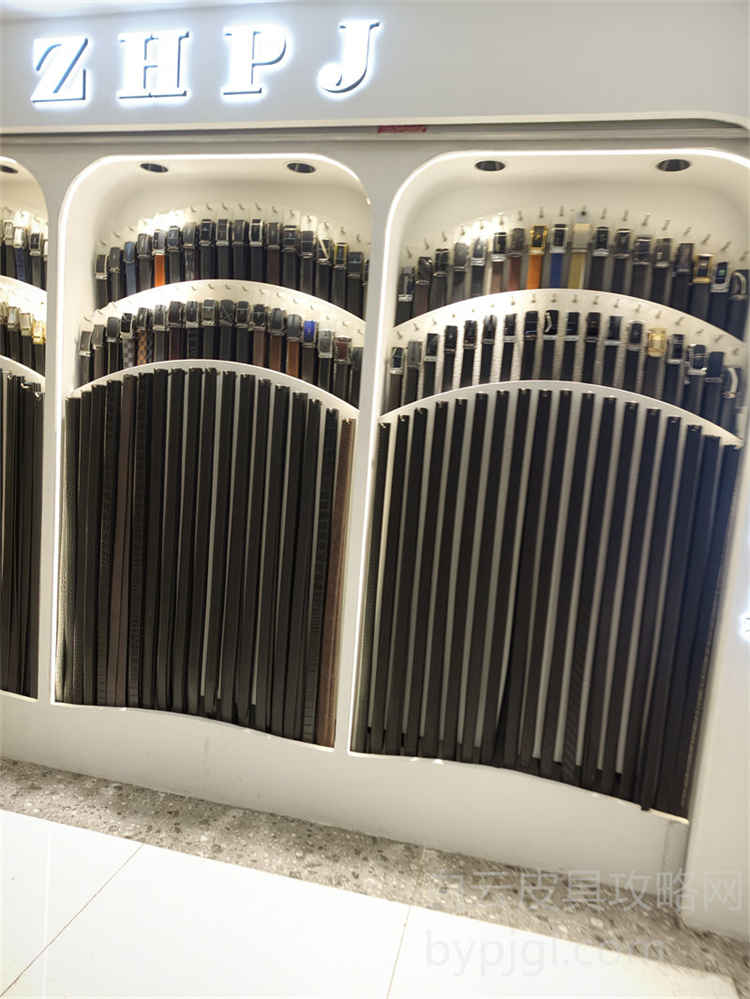
Before you sign any contract or pay a deposit, you must inspect the goods yourself. Here is what I look for: First, pull the zipper. Does it glide smoothly or catch? Second, tug on the handle attachment points. If the thread looks loose, walk away. Third, smell the lining. Cheap synthetic linings smell like chemicals and will ruin your brand reputation. Finally, ask to see their production line. If they refuse to show you the back room wher the sewing machines are humming, they are likely a trading company, not a manufacturer. At "Golden Eagle," for instance, they will happily take you to the back to show you the cutting process. That transparency builds trust.
Avoiding the Scams
There are traps everywher. One common scam involves "sample vs. bulk" discrepancies. The sample you approve might be perfect, but the mass production uses inferior materials. To avoid this, insist on a pre-production sample made from the actual batch materials before full manufacturing starts. Also, never transfer money via Western Unio or direct bank transfer without a trade assurance platform or a trusted third-party inspection service. I recommend using a local agent who knows the area if you are nervous about language barriers. They can verify the factory license and physical address for you.
Summary of Key Sourcing Locations
| Market Name | Best Floor | Specialty | Recommended Stall/Factory | MOQ Estimate |
|---|---|---|---|---|
| World Trade Center (WTC) | 3rd & 4th Floor | High-End Genuine Leather | Hongxing Hardware (Ground), Top Tier Custom Shops | 100+ Pieces |
| International Building | 4th Floor | Trendy Fashion Bags | Golden Eagle Leather Goods (Jin Yi Bao) | 50 Pieces |
| Shengda Mall | basement Level | Cost-Effective Production | Shengda Factory Outlet | 30 Pieces |
| Baiyun Wholesale Market | Various Floors | Low-Cost Accessories | Small Vendor Clusters | 10 Pieces |
Final Thoughts from an Old Shopkeeper
Buying bags from Guangzhou is an adventure. It requires patience, a sharp eye, and the willingness to get your hands dirty. The "Guangzhou Baiyun Leather City" ecosystem is vast, and while Alibaba offers convenience, it lacks the soul of the physical market. By visiting these specific locations, talking directly to owners like Uncle Li, and following my inspection checklist, you can secure货源 that is both high-quality and profitable. Don't just rely on the screen; come to the street, feel the leather, and build relationships that last. That is how you win in the global bag market.

 On-site Visits
 Free Sharing
 Avoid Scams
 Updated Frequently
 For Reference Only