
Walking the Floors: A Veteran's Guide to Sourcing in Guangzhou
I have been standing behind this counter in the Baiyun district for over fifteen years. While the internet has changed how we talk, it hasn't replacd the smell of leather or the sound of bargaining that happens on these concrete floors. If you are flying in from overseas looking to source high-end goods, let me tell you something straight: do not trust a website alone. The real value is found when you walk through the heavy metal doors of the wholesale markets here.
Many first-timers make the mistake of showing up with a shopping list and expecting to find everything in one shop. That is not how this works. The ecosystem here is built on specialization. You need to know which building houses the top-tier craftsmanship and which ones are just churning out low-quality junk. My advice? Start your day early, wear comfortable shoes, and be ready to touch, feel, and question everything.
Navigating the Market Landscape
The Hubs of High-End Production
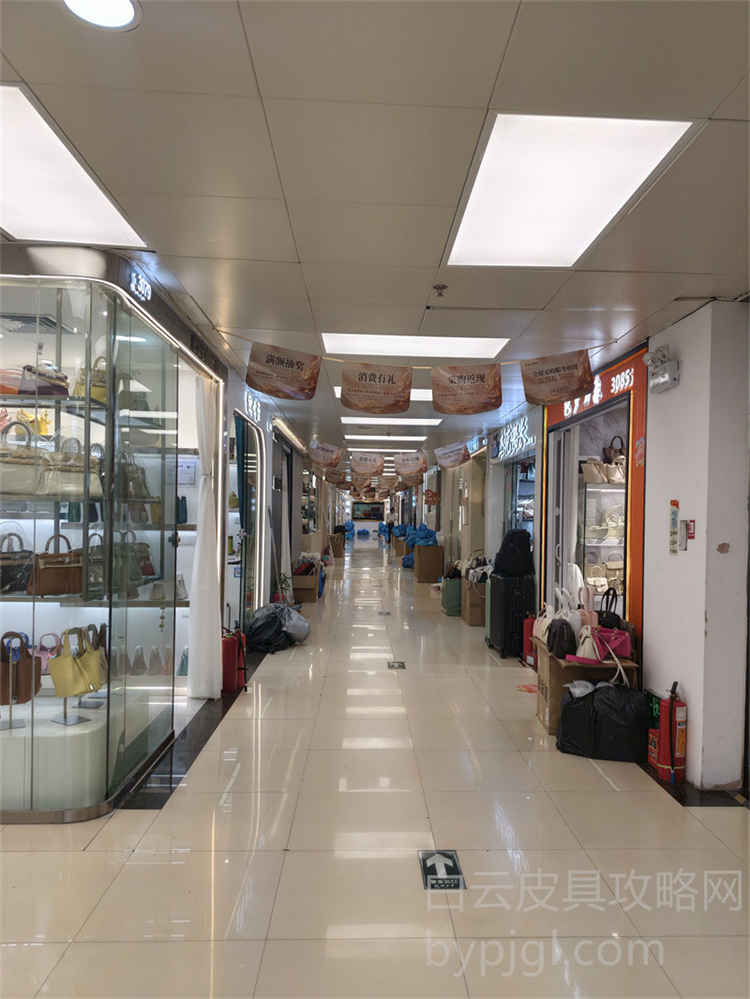
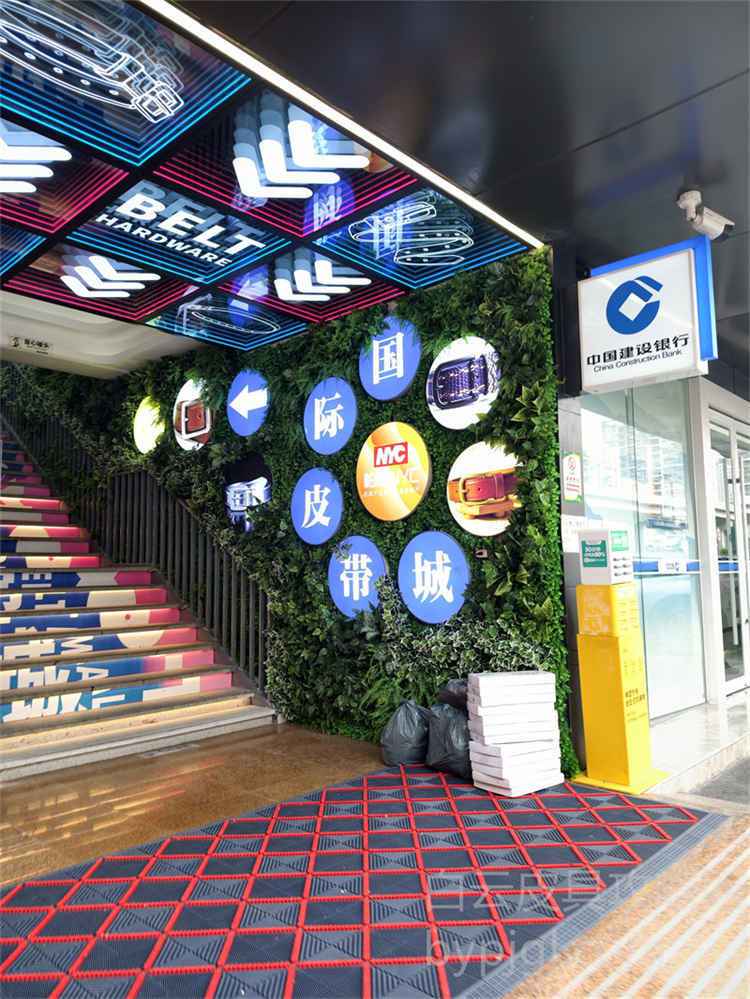
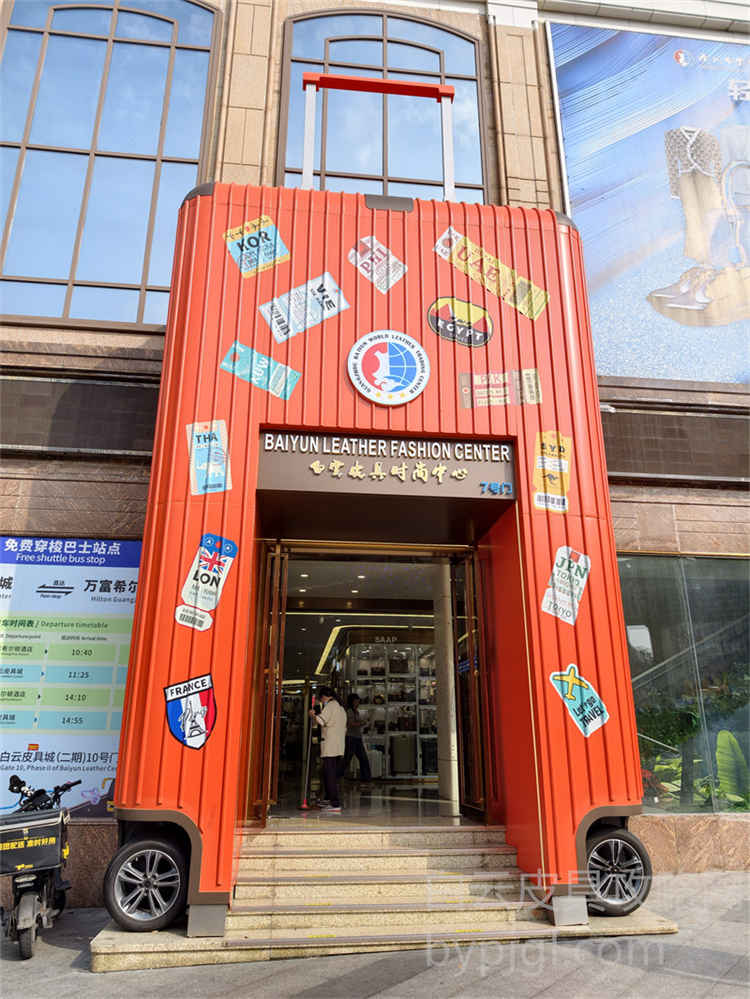
When people ask me wher to go, I always point them toward the main cluster around Jiahe Wanggang and the surrounding blocks. This area is wher the serious business happens. There are several large complexes here, each with its own reputation. Some buildings focus on mid-range items, while others, like the famous World Leather Trade Center, are known for pushing the boundaries of quality. You will see signs everywher, but ignore the flashy neon lights and look at the foot traffic. The best suppliers are often tucked away in the back corridors or on upper floors wher the rent is slightly lower but the inventory is far superior.
Understanding the Hierarchy of Quality
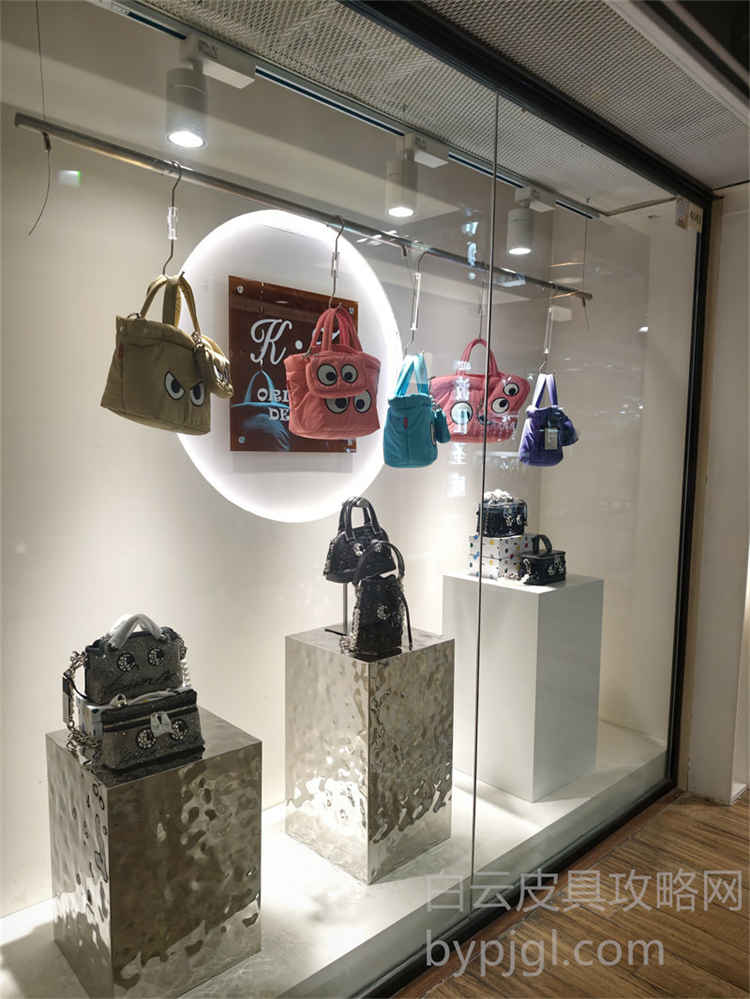
You cannot just walk in and ask for "the best." That phrase is too vague. In my experience, buyers who succeed here understand the subtle differences in materials and construction. We categorize our stock based on the grade of cowhide used, the precision of the stitching, and the hardware sourcing. There is a tier of production that uses genuine leather sourced from specific tanneries, paired with solid brass zippers that feel heavy and cold to the touch. Then there are the cheaper versions using synthetic blends. As a buyer, you must learn to distinguish between these grades by running your fingers along the grain and checking the weight of the bag. Do not settle for the first sample you see; ask to see the "top shelf" items.
The Art of Inspection and Verification
Touching and Testing the Product
once you find a stall that looks promising, the real work begins. I always tell my international clients to bring a magnifying glass if they can, though usually, a sharp eye is enough. Look at the stitching density. Are the stitches per inch consistent? Does the thread match the leather perfectly? Check the alignment of the pattern. In high-quality production, the logo placement and the symmetry of the design are critical. If the pattern cuts off awkwardly at the seam, that is a red flag. Also, inspect the interior lining. Cheap copies often use flimsy fabric that tears easily, wheras premium goods use durable canvas or soft leather linings that are stitched securely.
Hardware and Smell Test
Never underestimate the power of your nose. Good leather has a distinct, rich aroma. If the bag smells like chemicals or plastic, put it down immediately. The hardware is another telltale sign. Open and close the zippers multiple times. They should glide smoothly without catching. Tap the metal parts; they should sound solid, not hollow. Many suppliers here pride themselves on using custom-molded hardware that mimics the weight and finish of luxury brands without infringing on trademarks. Ask to see the raw materials before they are assembled. If the supplier hesitates to show you the uncut leather or the loose zippers, they might be hiding something.
Building Relationships and Closing Deals
Bargaining and Negotiation Tactics
Do not be afraid to negotiate. This is a culture of haggling. When I first started, I was shy about asking for a discount, but now I know that the price listed on the tag is rarely the final price. Start by offering a reasonable amount below their asking price and meet in the middle. However, remember that quality costs money. If you push too hard on price, you might end up with inferior goods. Be honest about your budget and your volume expectations. If you plan to buy in bulk, mention it early. Suppliers love steady orders and will often give you better rates or prioritize your production schedule if you commit to a larger quantity.
Logistics and Shipping Considerations
One of the biggest concerns for overseas buyers is shipping. Most of us here have relationships with freight forwarders who specialize in handling international shipments. We can pack your order securely to prevent damage during transit. Before you leave the market, confirm the packaging details. Ensure that each item is wrapped properly, perhaps with dust bags or protective covers, and that the boxes are sturdy. Discuss the shipping timeline clearly. Air freight is faster but more expensive, while sea freight is cost-effective for large orders but takes longer. Make sure you have all the necessary documentation prepared to avoid customs issues upon arrival in your country.
Avoiding Common Pitfalls
Scams and Fake Suppliers
The market is vast, and unfortunately, not everyone is trustworthy. Some stalls may claim to offer top-tier products but deliver mediocre ones once payment is made. Always verify the supplier's track record. Ask to see photos of previous shipments or visit other stalls recommended by local contacts. Avoid paying 100% upfront unless you have an established relationship. A deposit followed by a balance upon inspection is a safer standard practice. Trust your instincts. If a deal sounds too good to be true, it probably is.
Communication Barriers
Language can be a hurdle, but it is not insurmountable. Many of us speak basic English, and some have staff who are fluent. Bring a translator if you are unsure, or use translation apps on your phone. However, nothing beats face-to-face interaction. Pointing at samples, drawing diagrams, and using gestures often bridges the gap better than words. Build a rapport with the owner. Treat them with respect, and they will treat you well. Over time, you will develop a network of reliable partners who understand your specific needs and quality standards.


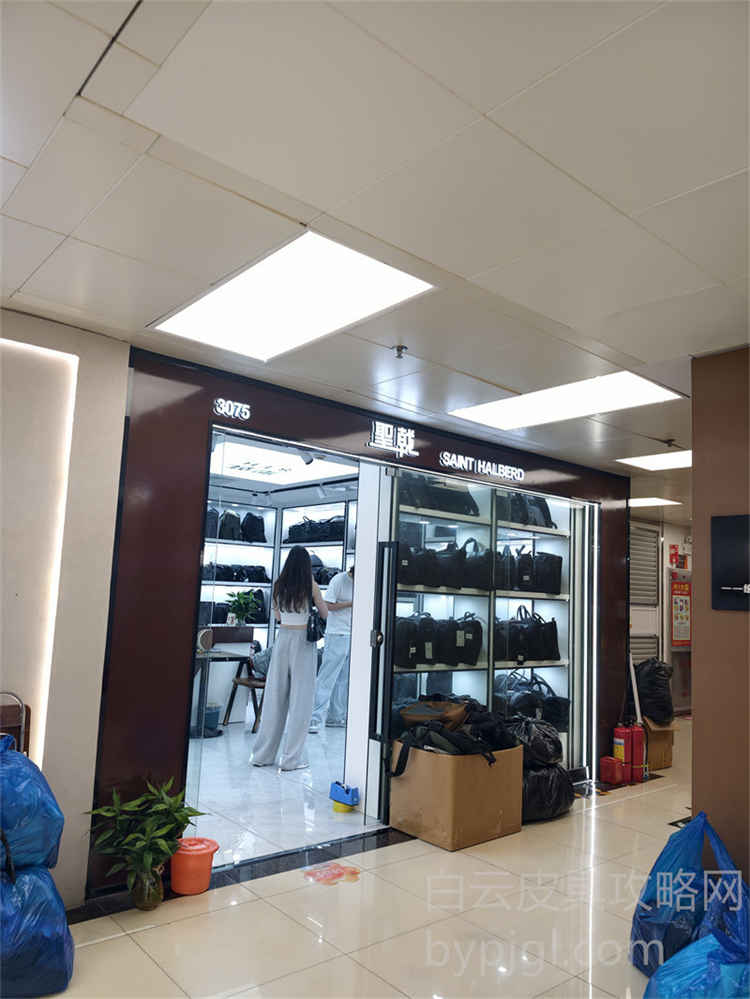

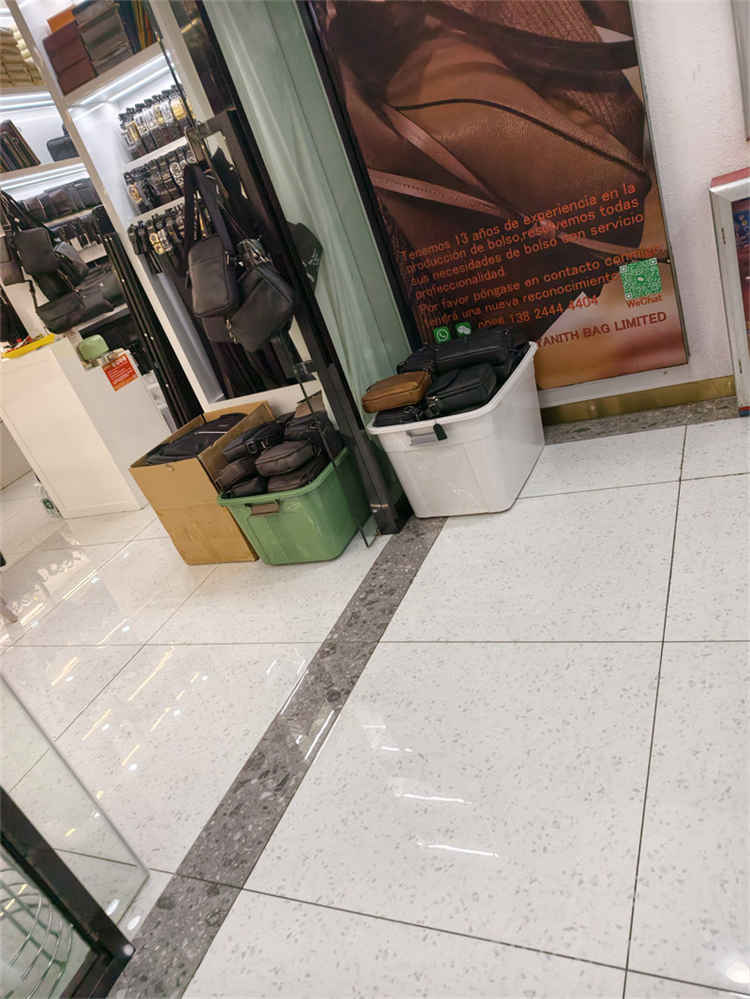
 On-site Visits
 Free Sharing
 Avoid Scams
 Updated Frequently
 For Reference Only