
Walking the Floor: My Honest Guide to Sourcing in Guangzhou
I have been standing behind a counter in Guangzhou for over twenty years. While many people ask me online wher they can find specific items, I prefer to talk about the real experience of walking the floor. If you are coming from overseas to source goods, do not just look for a map. You need to understand the rhythm of the markets. The city is huge, and the leather district is its beating heart. Most tourists get lost because they try to buy everything at once. My advice? Slow down, observe, and learn how the local trade actually works.
The Heart of the Leather District
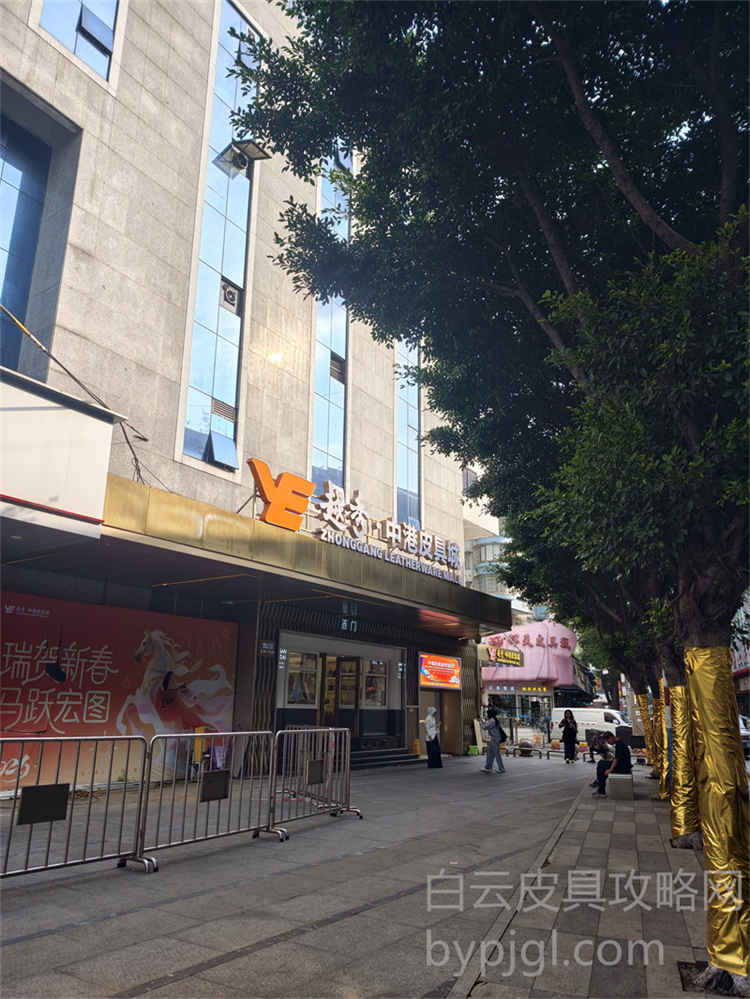
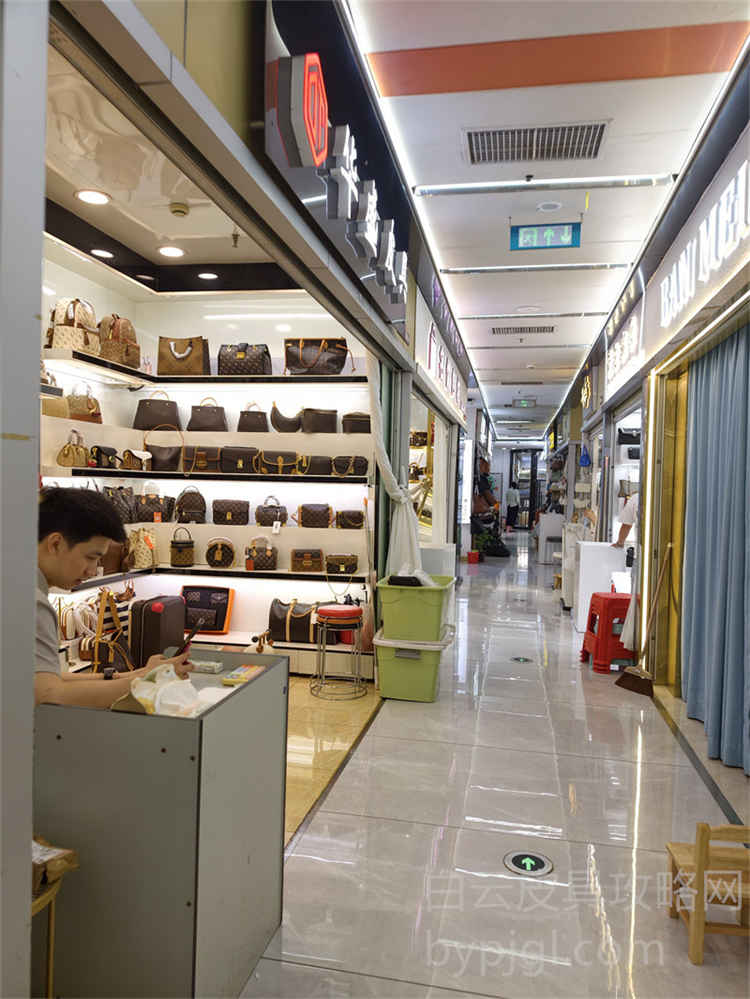
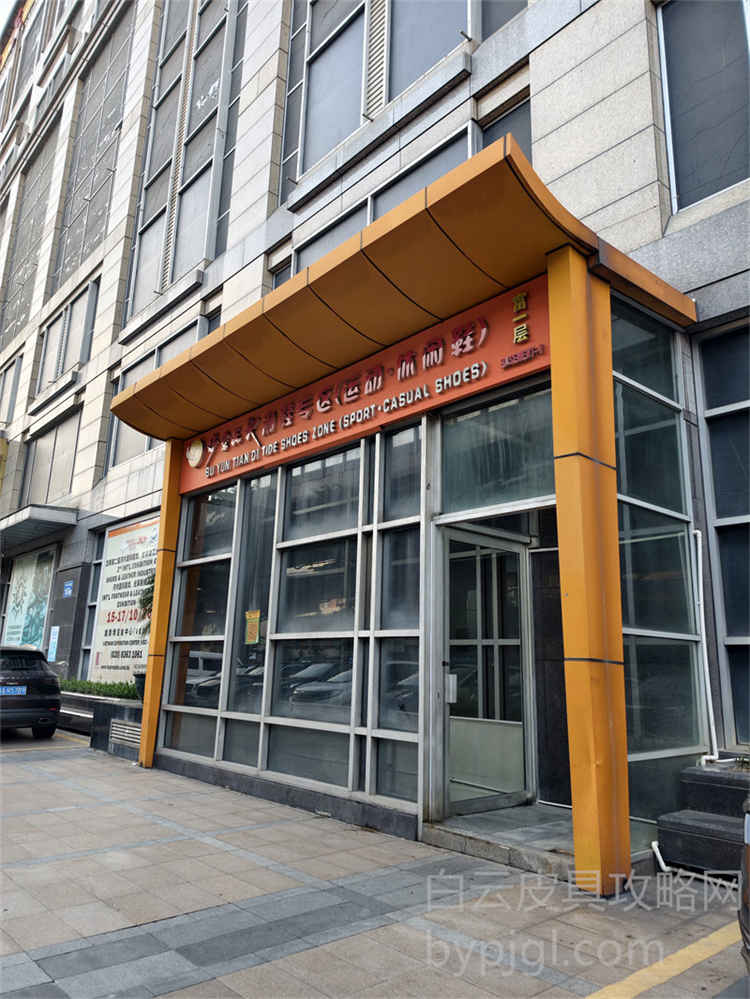
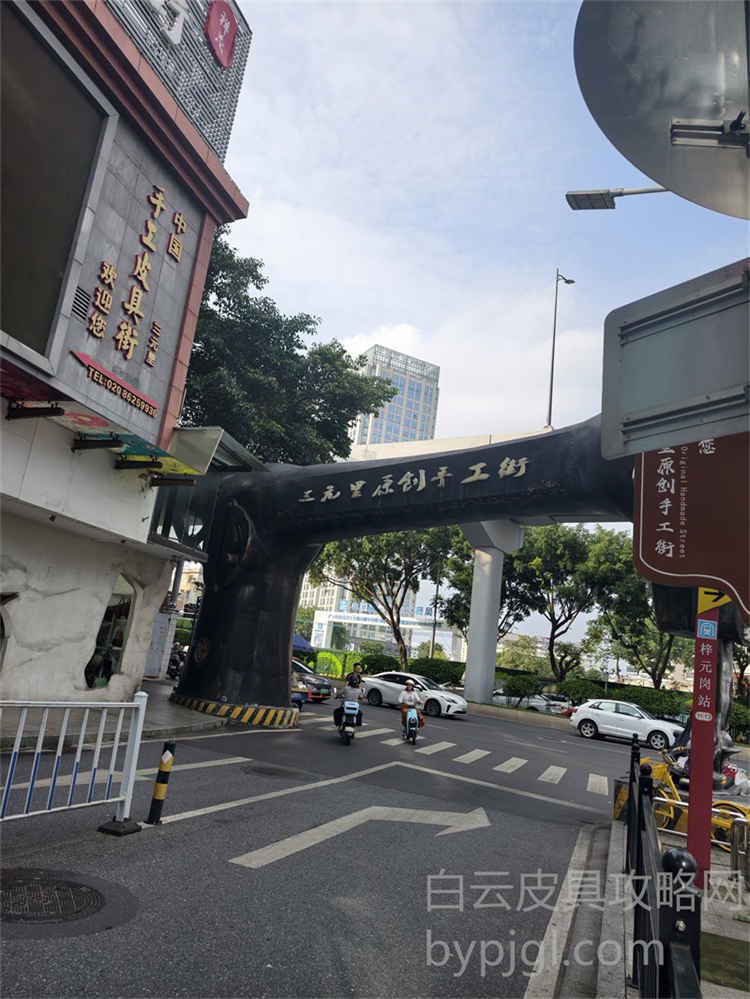
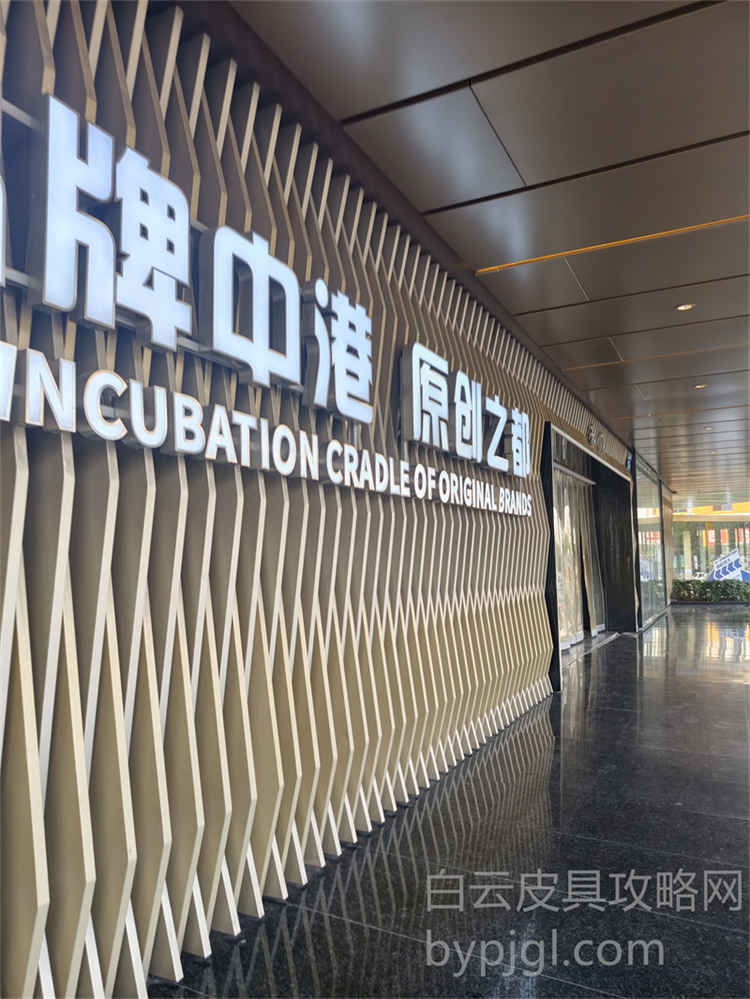
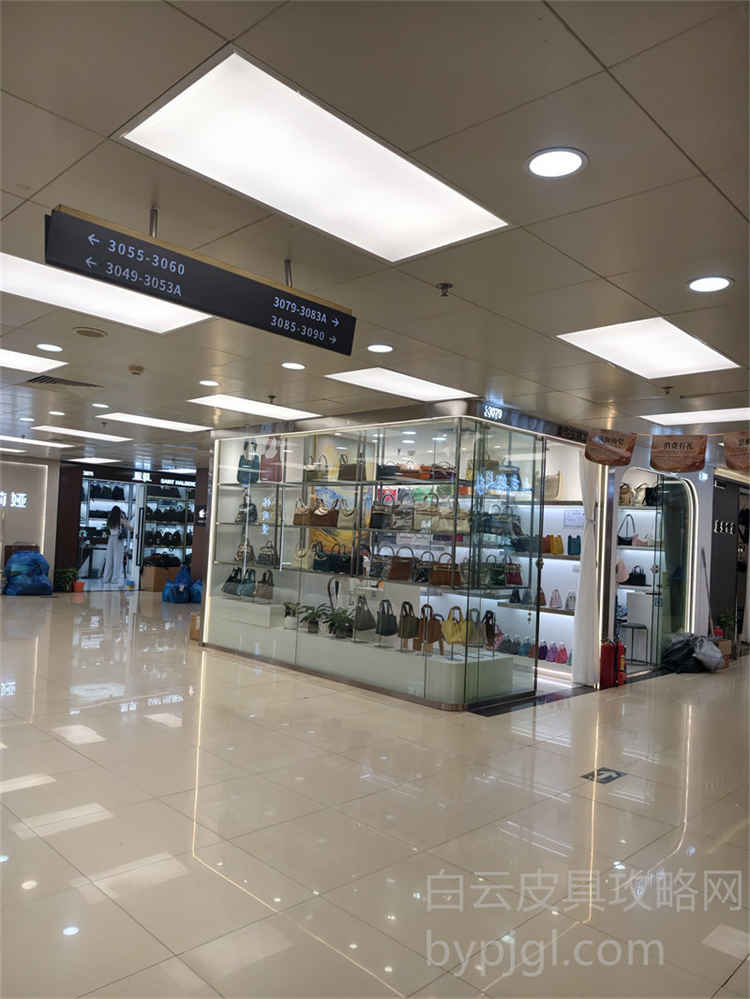
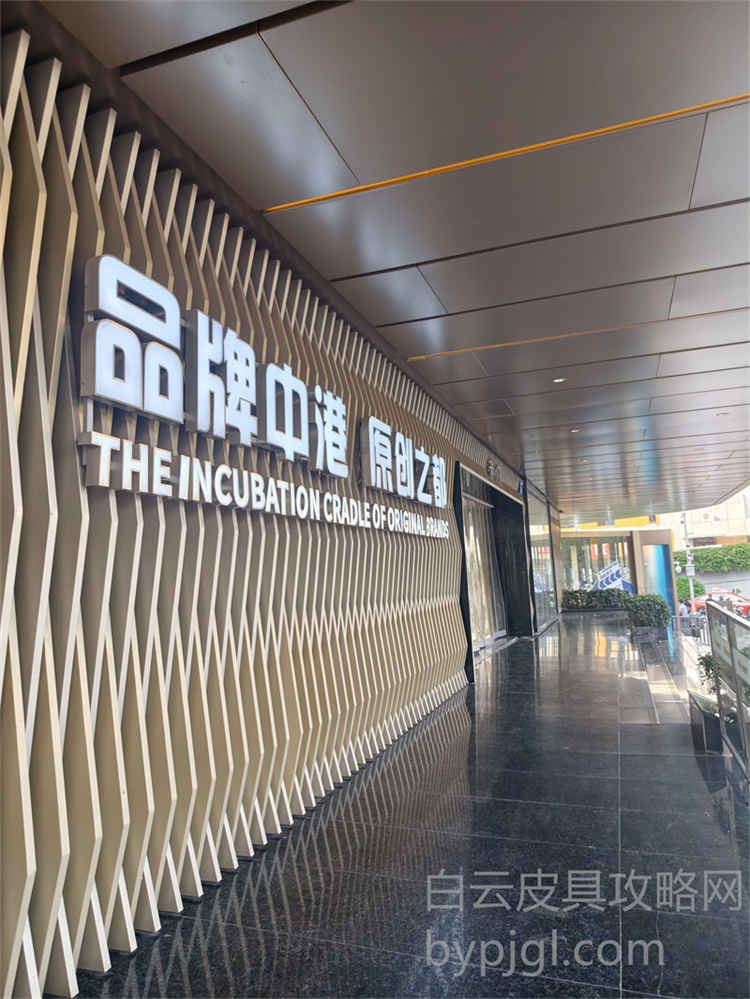
When you arrive in Guangzhou, your destination is Baiyun. This is not just one building; it is a massive ecosystem. The most famous spot is the Shide Plaza area. It is crowded, loud, and smells like fresh leather and glue. This is wher the action happens. Many foreigners think there is a secret underground market, but that is mostly a myth. The real goods are right here on the ground floor, hidden behind glass doors or in small offices upstairs. You will see signs everywher with names like "High Quality" or "Top Grade." Do not be fooled by the flashy neon lights. The quality varies wildly even within the same hallway.
Navigating the Markets Without Getting Scammed
One of the biggest mistakes new buyers make is asking for specific brand names directly. In this industry, we speak in codes. If you walk into a stall and say, "I want the blue bag with the gold logo," the owner might laugh or pretend not to understand. Instead, show them pictures on your phone. We call these "reference photos." once you show the photo, the conversation shifts to materials and craftsmanship. This is the first step in building trust. If you act too aggressive, they will charge you double. Be polite, smile, and treat them like partners, not customers.
Understanding the Hierarchy of Goods
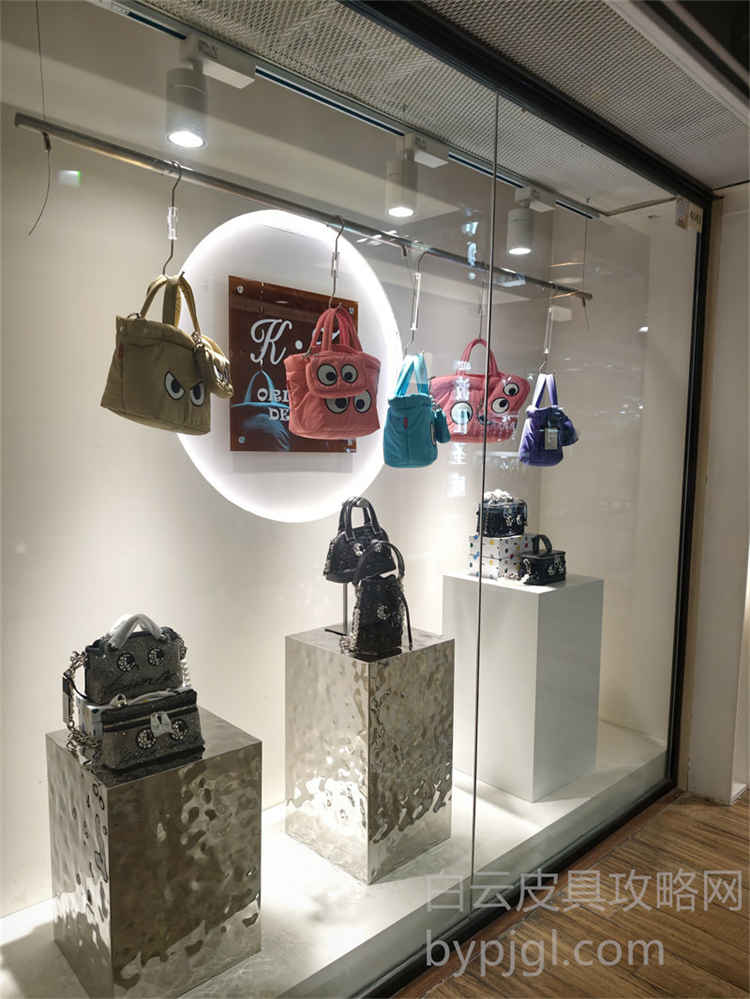
You will hear terms like "market grade" or "original standard." These are not official labels, but they tell you what to expect. The lowest tier is often sold openly on street stalls near the main entrance. These are cheap, made with synthetic materials, and the stitching is messy. As you move deeper into the buildings, specifically towards the upper floors of Shide Plaza or the newer complexes nearby, the quality improves. Here, you will find bags made with genuine cowhide, heavy hardware, and precise stitching. The price difference is significant. A bag that costs $50 downstairs might cost $150 upstairs, but the difference in durability is night and day. Always ask to feel the leather. Real leather breathes; fake leather feels plastic.
The Art of Negotiation and Building Relationships
Price is never fixed in Guangzhou. The number written on the tag is just a starting point. When I was younger, I learned that the first quote is always inflated. If a seller says $200, you should start negotiating around $80 or $90. They will push back, maybe offer $150. Then you meet in the middle. But remember, if you only care about the lowest price, you will get the worst product. Good sellers know their worth. If you pay a fair price, they will give you better service, faster shipping, and help you inspect the goods before you leave.
Dealing with Minimum Order Quantities
This is a common concern for international buyers. Many stalls claim they only sell wholesale, meaning you must buy ten pieces at once. However, the reality has changed. With the rise of individual entrepreneurs and small boutiques, many shops now accept mixed orders. You can buy one piece of style A, two of style B, and three of style C. Just be prepared to pay a slightly higher unit price than the bulk rate. Some owners might refuse single items entirely, so keep moving. There are hundreds of stalls in Baiyun. Find the ones that are friendly to small orders. Look for the younger staff; they are usually more flexible and willing to talk English.
Inspection and Logistics: Don't Leave Empty-Handed
once you agree on a price, do not just hand over the cash and walk away. You must inspect the item yourself. Check the zippers. Do they slide smoothly? Look at the stitching lines. Are they straight and consistent? Smell the interior lining. If it smells like chemicals, put it back. Also, check the dust bag and the authenticity card if they provide them. Even though we are talking about unbranded goods, attention to detail matters. A sloppy finish reflects poorly on your future business.
Shipping Your Purchases Home
After you have seleced your items, the next challenge is getting them out of China. Most stalls do not handle international shipping directly. They will recommend a freight forwarder. These agents are experts in packing and customs clearance. They will weigh your goods, pack them securely in cardboard boxes, and arrange air or sea freight. Air freight is fast but expensive; sea freight takes weeks but is cheaper for large volumes. Always ask the agent for a tracking number immediately. Never ship without insurance. The process is straightforward, but communication is key. Make sure the agent knows exactly what is inside the box to avoid customs issues in your country.
Final Thoughts from an Old Shopkeeper
Guangzhou is a place of opportunity, but it requires patience and street smarts. Do not rush. Spend a few days just walking through the corridors of Shide Plaza and the surrounding buildings. Talk to different owners. Taste the coffee in the small cafes between the stalls. The best deals are not found in guidebooks; they are found in conversations. When you build a relationship with a reliable supplier, you will come back year after year. That is how business is done here. Come with an open mind, respect the local culture, and you will leave with exactly what you need.

 On-site Visits
 Free Sharing
 Avoid Scams
 Updated Frequently
 For Reference Only