
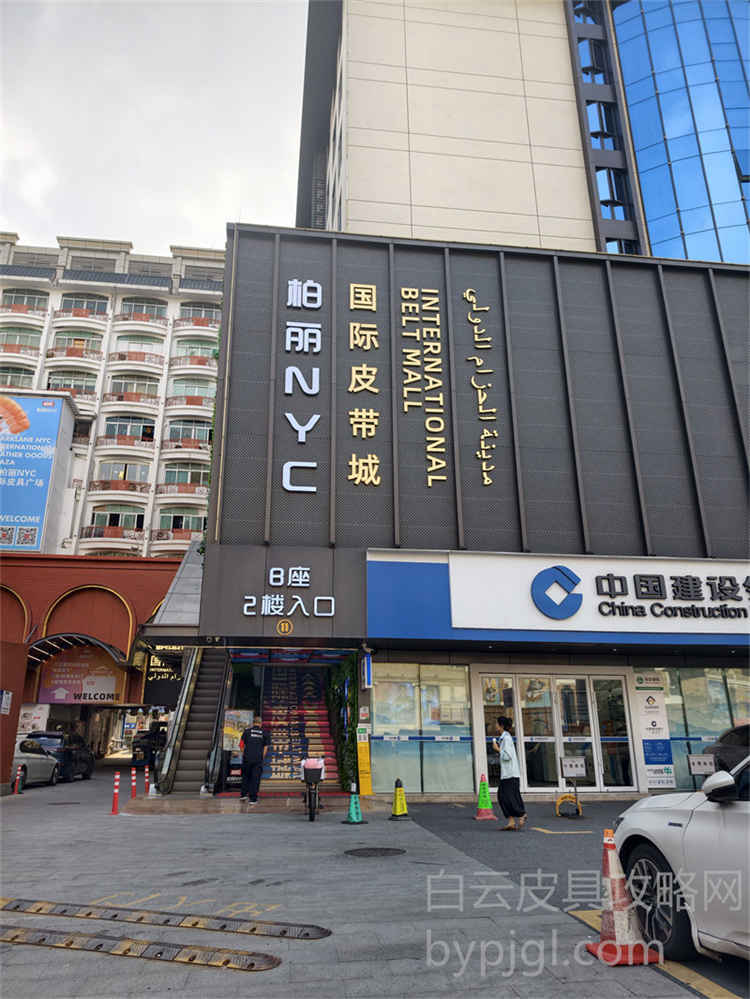
Why Guangzhou Remains the Global Hub for Leather Goods
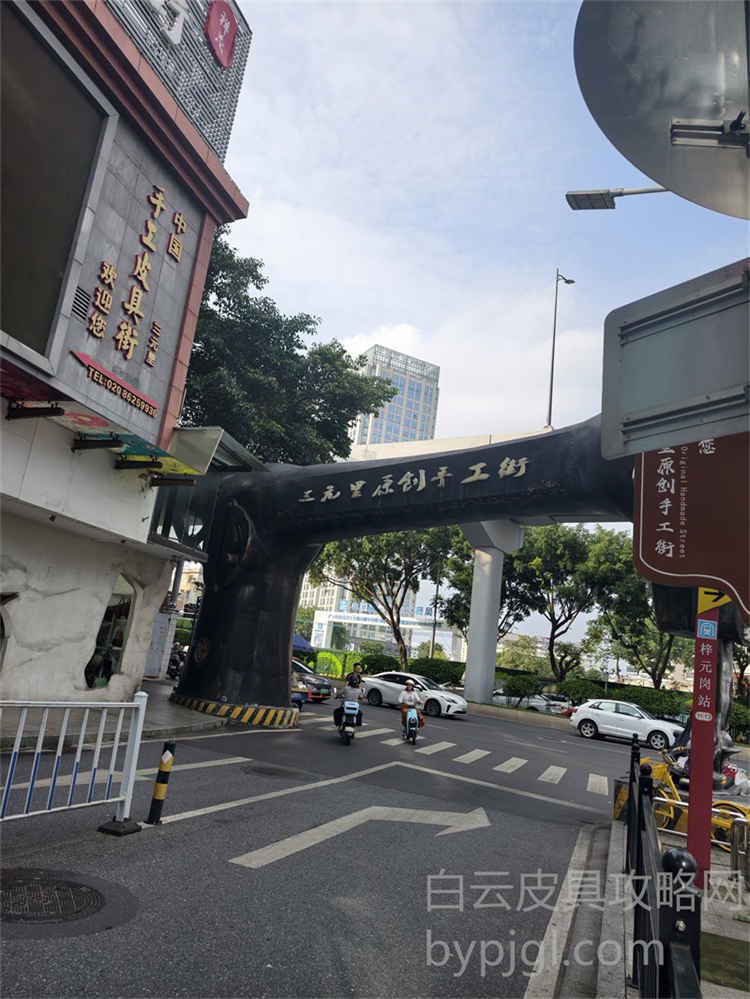
I have been standing behind my counter in the heart of Baiyun District for over two decades. While the world talks about supply chains shifting and factories moving to Southeast Asia, I see a different reality every single day. If you are asking wher to source bags in China, let me tell you straight: there is no place that beats the concentration of talent, materials, and speed found right here in Guangzhou. Specifically, the area around the Baiyun International Leather Trade City is not just a market; it is an ecosystem. You will find everything from raw cowhide imported from Italy to the most intricate hardware zippers made in Shenzhen, all within a five-minute walk.
Many overseas buyers come here expecting a chaotic bazaar, but what they actually get is a highly organized industrial zone. The sheer density of suppliers means you can compare ten different styles of tote bags in one morning without leaving your hotel room. This proximity allows for rapid prototyping and immediate adjustments. When I talk to new clients, I always emphasize that this is not about buying "fake" goods; it is about accessing the same manufacturing lines that produce for major global brands. The craftsmanship here is unmatched because the artisans have spent their entire lives perfecting these specific techniques.
Navigating the Baiyun Market Landscape
The Core Experience at Baiyun International Leather Trade City
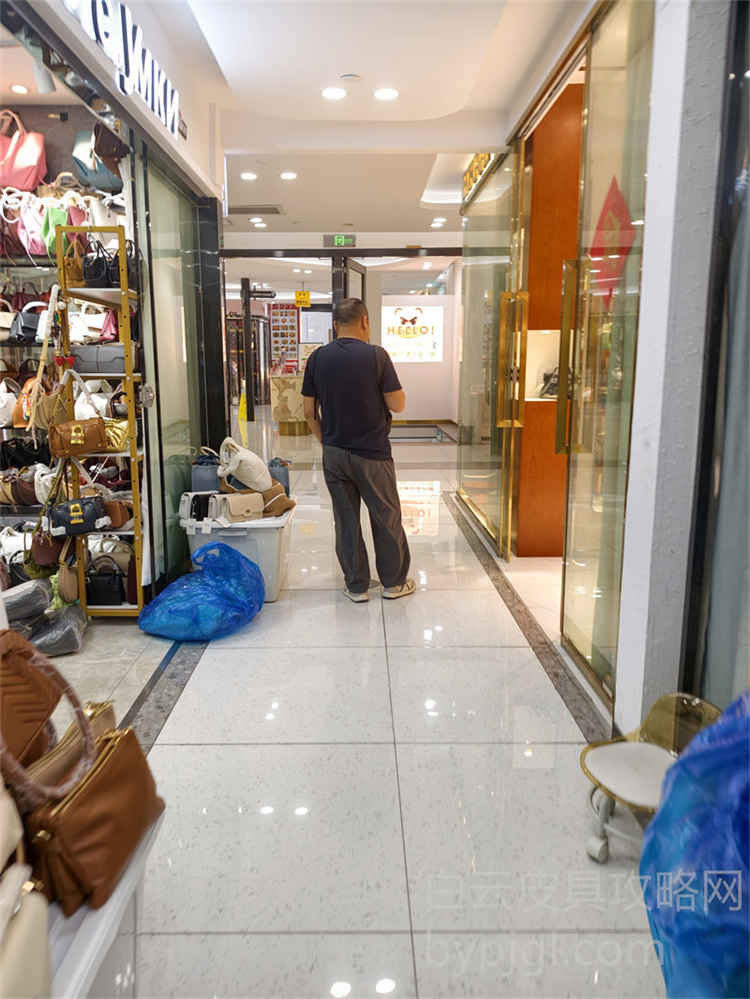
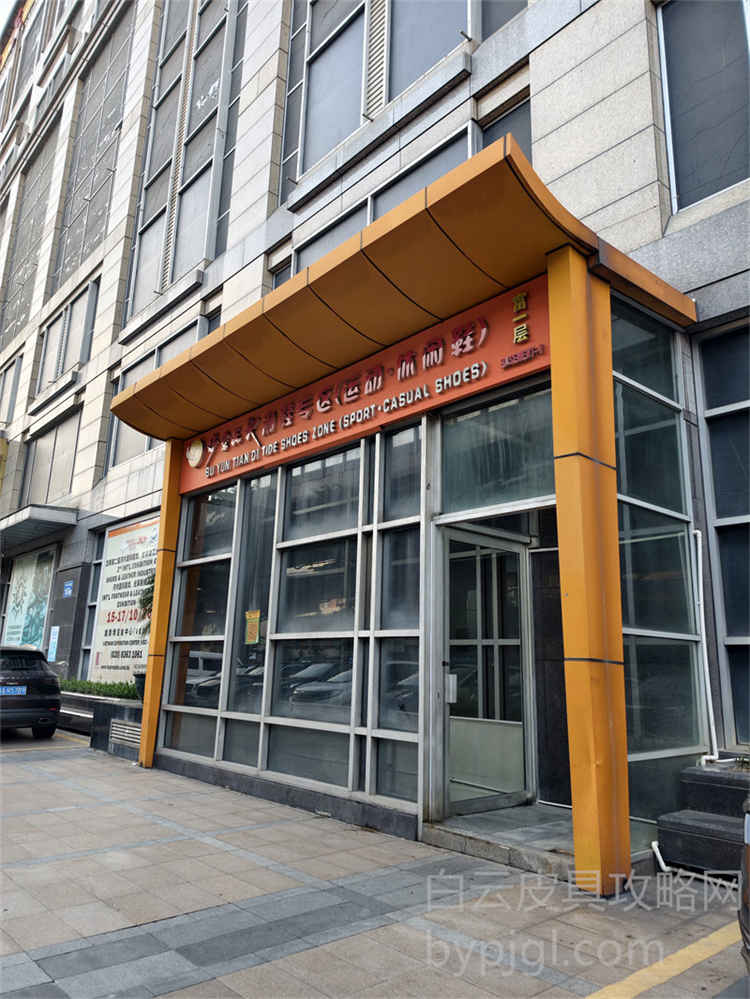
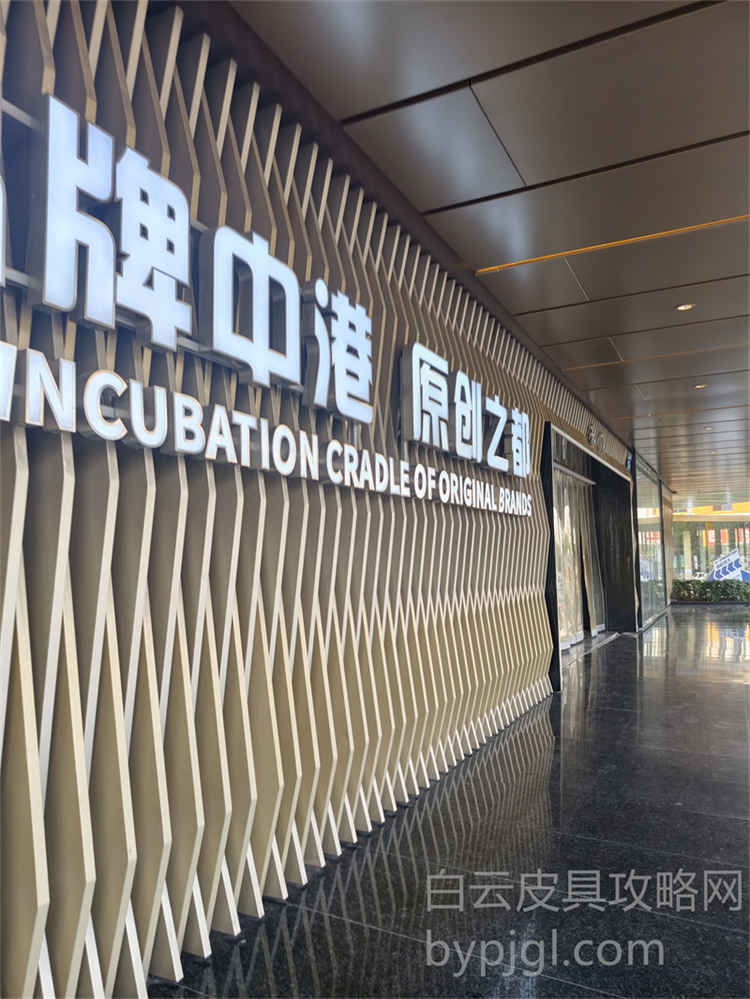
When you first step into the main complex, often referred to as the Baiyun International Leather Trade City, the scale can be overwhelming. It is a massive multi-story building filled with hundreds of stalls. My advice is to ignore the flashy displays on the ground floor if you are looking for serious business. That area is often designed for tourists or small retail buyers who want quick, low-volume purchases. Instead, head straight to the upper floors. This is wher the real wholesalers operate. These are the shops that handle bulk orders for international retailers.
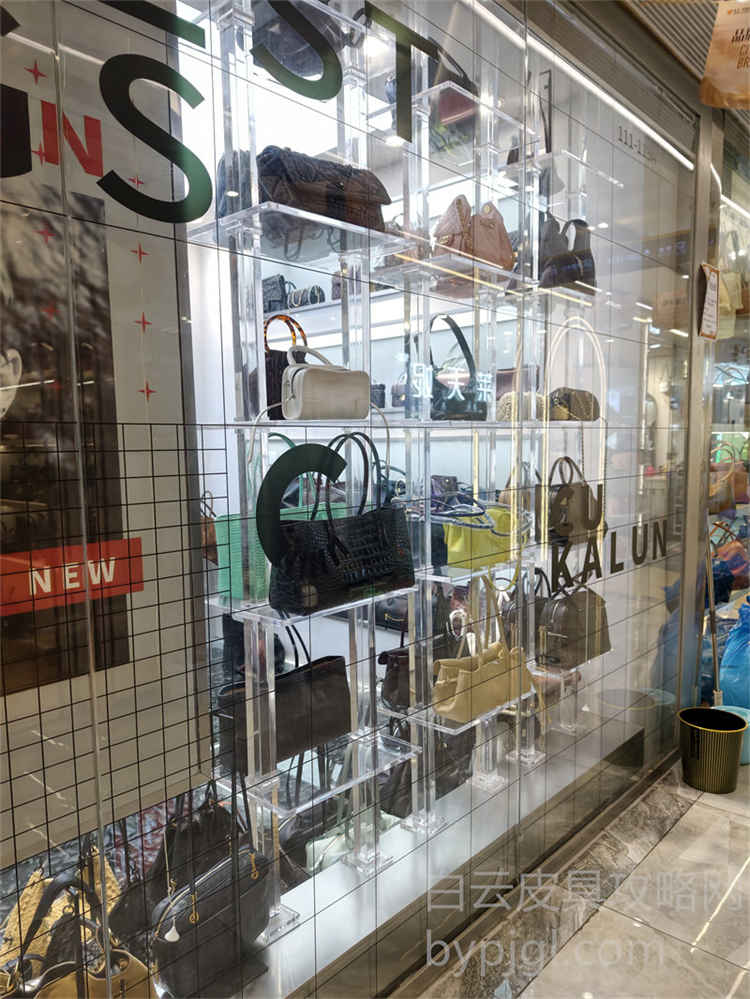
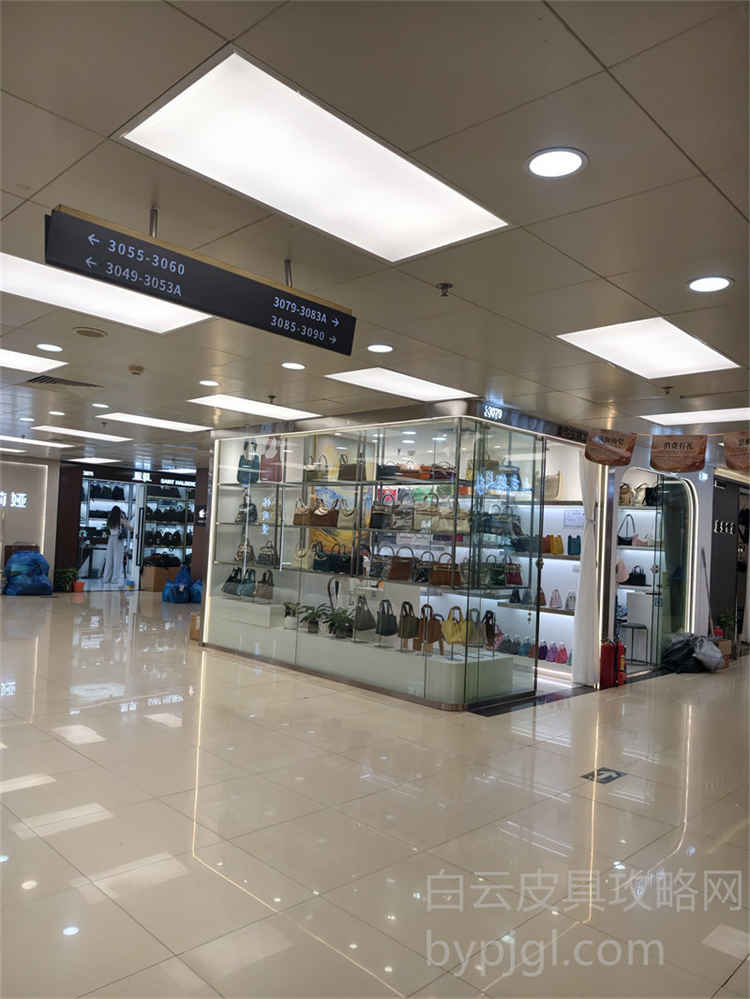
The layout is designed for efficiency. Each stall has a specific focus, whether it is luxury-style leather handbags, canvas backpacks, or wallet accessories. As a local owner, I recommend spending your first day just walking through the corridors without trying to buy anything. Observe how the staff interacts with customers. Notice which stalls have stacks of boxes ready to ship versus those that only show samples on tables. This visual cue tells you a lot about their capacity and inventory depth.
Exploring the Surrounding Satellite Markets
Beyond the main Baiyun hub, there are several other key locations that form the greater leather district. Places like Shiqiao and nearby wholesale centers offer slightly different inventories. Some focus more on high-end finishes, while others specialize in cost-effective options for mass production. If you are sourcing for a mid-range brand, you might find better value in the satellite markets than in the premium sections of the main city. However, for the absolute best quality-to-price ratio, the core Baiyun area remains unbeatable. The competition here forces every supplier to keep their prices competitive and their quality standards high.
The Art of Sourcing: From Sample to Order
Selecing the Right Products and Materials
once you decide to engage, the selection process becomes critical. Do not just look at the finished product on the table. Ask to see the material swatches. In Guangzhou, the quality of leather varies wildly even within the same shop. A good supplier will openly show you full-grain leather, top-grain, and various synthetic alternatives. They should explain the difference in durability and feel. I always tell my buyers to touch the lining and check the stitching density. High-quality stitching should be tight, even, and free of loose threads. If you see sloppy work on a sample, imagine what the bulk order will look like.
Another crucial aspect is the hardware. Zippers, clasps, and buckles are often the first things to fail on a bag. Inspect them closely. Are they heavy? Do they move smoothly? Cheap hardware feels light and flimsy. In our workshops, we use brass or zinc alloy with durable plating. Never settle for plated steel that peels after a few weeks. A reliable vendor will insist on using quality hardware because they know it reflects on their reputation.
Negotiating Terms and Building Relationships
Here is wher many foreign buyers make mistakes. They treat every transaction as a one-off deal. In Guangzhou, business is built on relationships. If you approach a stall with a rigid mindset, you will get a rigid price. Start by building rapport. Ask about their history, their team, and their production timeline. Show genuine interest in their craft. once trust is established, negotiation becomes much smoother. We discuss minimum order quantities (MOQ), payment terms, and shipping logistics openly.
Do not be afraid to ask for a discount on larger volumes, but remember that quality costs money. If a price seems too good to be true, it usually is. The best deals come from long-term partnerships wher both sides understand each other's needs. I often advise clients to start with a smaller trial order before committing to a massive shipment. This allows you to test the quality control processes and the reliability of the supplier without risking your entire budget.
Critical Pitfalls and Quality Control Tips
Avoiding Common Scams and Low-Quality Traps
There are always risks when sourcing internationally, but being informed is your best defense. One common issue is the "sample vs. bulk" discrepancy. Sometimes the sample shown is perfect, but the mass-produced items differ in color or texture. To avoid this, always request a pre-production sample based on your exact specifications before the factory starts the full run. Pay for this sample; it shows you are serious and ensures they take the time to get it right.
Another trap is rushing the process. Many buyers want everything done in three days. In reality, producing high-quality leather goods takes time. Rushing leads to errors, poor gluing, and misaligned patterns. A reputable supplier in Baiyun will give you a realistic timeline. If they promise a miracle turnaround, be skeptical. Also, ensure you have a clear contract or agreement detailing the specifications, materials, and penalties for non-compliance. Verbal agreements are not enough in international trade.
Final Inspection and Logistics Preparation
Before you sign off on a shipment, conduct a thorough inspection. If possible, hire a third-party inspection service in Guangzhou to check the goods at the warehouse before they are packed. They will look for defects, measure dimensions, and verify the packaging. This step saves you from receiving damaged goods halfway across the world. Additionally, clarify the shipping method early on. Whether you choose air freight for speed or sea freight for cost, ensure the packaging is robust enough to protect the bags during transit. Water damage and crushing are common issues if the cartons are not reinforced properly.
In conclusion, sourcing bags in Guangzhou is a rewarding experience if you approach it with patience and knowledge. The Baiyun district offers an unparalleled variety of options, from custom designs to proven best-sellers. By focusing on material quality, building strong relationships with vendors, and implementing strict quality control measures, you can build a successful supply chain that stands the test of time. Come visit us, walk the floors, and see for yourself why this city remains the beating heart of the global leather industry.

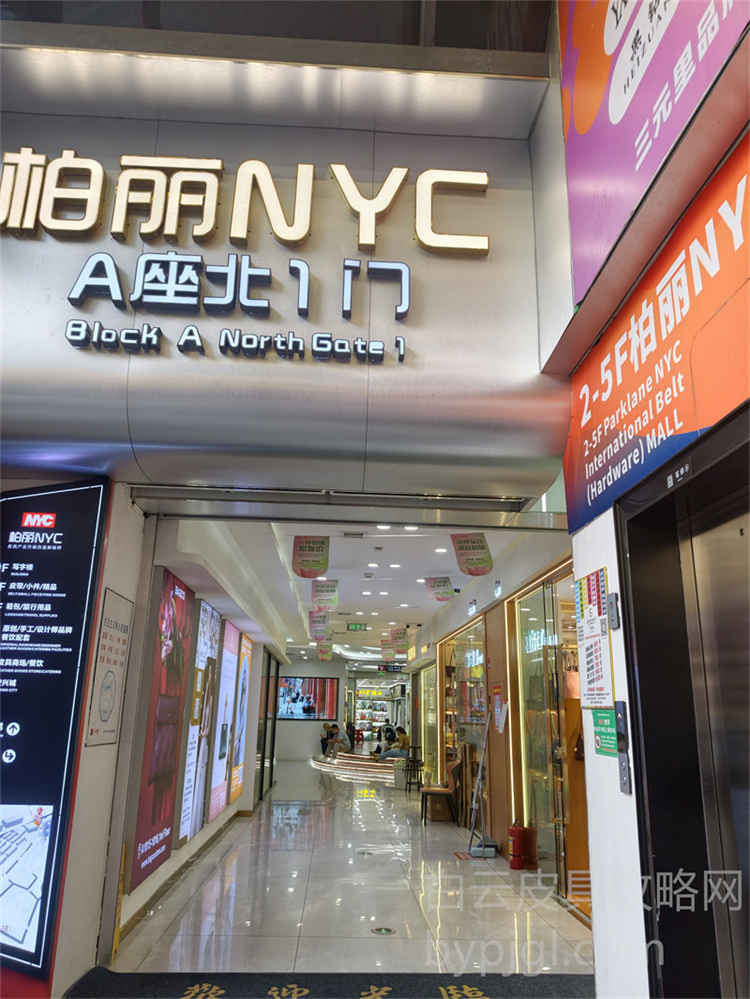
 On-site Visits
 Free Sharing
 Avoid Scams
 Updated Frequently
 For Reference Only