
Walking the Floors: My Real Talk on Sourcing from Guangzhou
Welcome to the jungle. If you are reading this, you probably think buying bags in Guangzhou is as simple as walking into a mall and picking one off the shelf. Let me tell you, after twenty years of standing behind my counter in Baiyun District, that is exactly how most tourists get burned. The real game isn't about finding a "store"; it is about understanding the ecosystem of the wholesale markets here. I have seen thousands of buyers come and go, some leaving with gold-plated deals and others leaving empty-handed or worse, stuck with trash they paid premium prices for. Today, I am going to skip the fluff and give you the raw, unfiltered truth about how to navigate these markets like a local who knows wher the bodies are buried.
The Myth of the Showroom
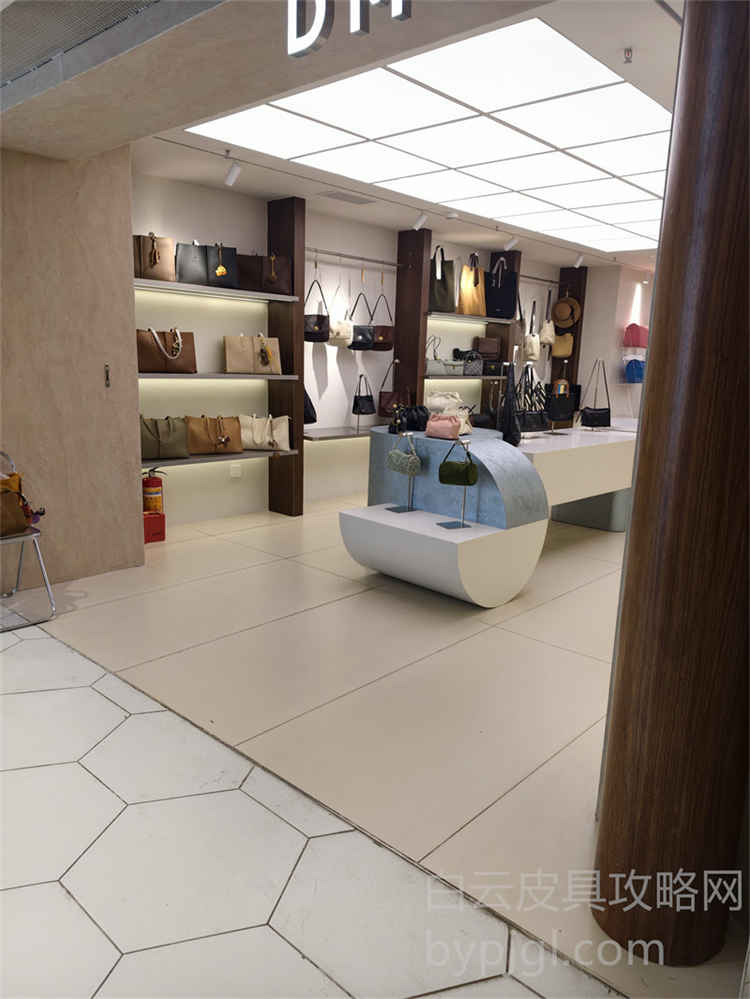
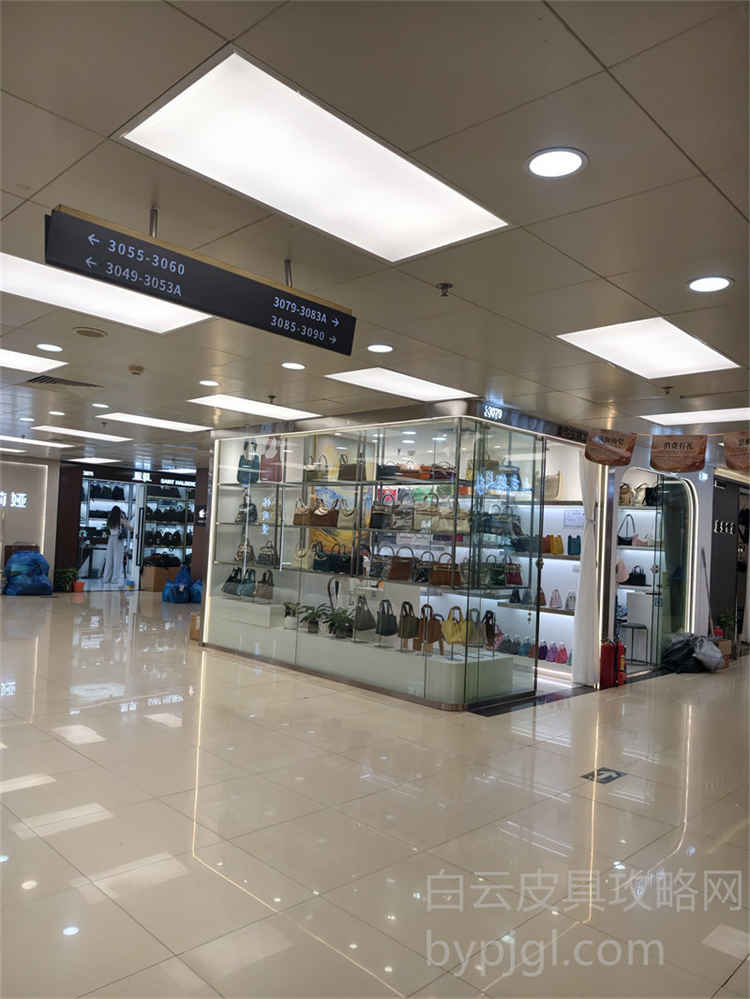
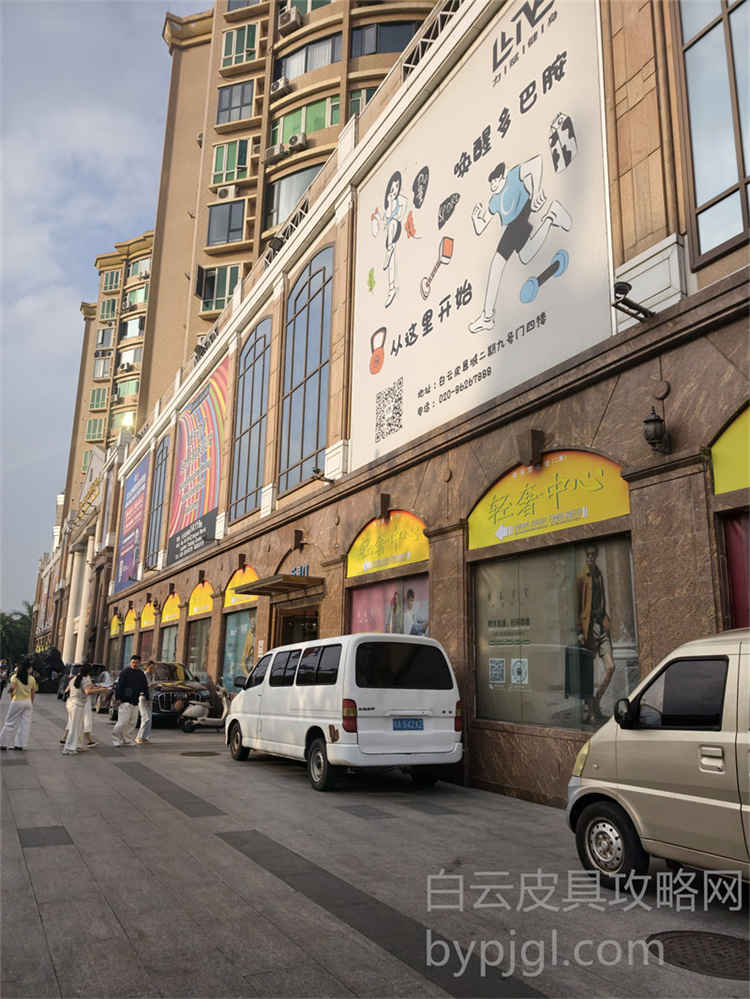
First things first, forget what you see on social media. Those glossy photos of endless rows of luxury goods? That is marketing. When you step into the main corridors of the Baiyun Leather City, you will see a chaotic mix of tourists, locals, and serious buyers. The ground floor is often filled with showrooms designed to look like high-end boutiques, but those are mostly for retail walk-ins or low-volume orders. If you want the real wholesale prices and the actual stock that moves fast, you need to go deeper. You need to find the back rooms, the offices tucked away on upper floors, or the smaller buildings nearby that don't even have a sign out front. This is wher the real action happens. Do not be afraid to ask for the manager or the person in charge of production. In this city, the person selling the bag might not be the one making it, and knowing that distinction saves you money.
Navigating the Market Layout and Finding the Right Spot
Guangzhou is massive, and the leather district alone spans several kilometers. Trying to cover everything in one day is a recipe for disaster. My advice is to pick your weapon and stick to it. The Baiyun Leather City is the big name, but there are other hubs like the Zhongda market and the smaller workshops in Shiling town that feed into the main supply chain. Each has its own vibe. Baiyun is polished but crowded; Shiling is grittier and more focused on pure manufacturing. If you are looking for specific styles, you need to know which building houses them. I usually start by scanning the displays on the lower levels to identify trends, then head straight up to the executive offices or the private rooms on the higher floors. That is wher the inventory is stored, not on the racks you see at the entrance.
Reading the Room Before You Speak
When you enter a stall, do not just stare at the bags. Look at the people. Are they rushing around with phones glued to their ears? That means business is booming, and they might not have time for a long negotiation. Are they sitting calmly, sipping tea, and chatting? That is your green light. They are waiting for serious inquiries. Notice the quality of the display. If the bags are dusty, the zippers are rusted, or the stitching looks sloppy even on the "best" items, move on. A good supplier takes pride in their presentation because they know their product speaks for itself. Also, pay attention to the language. If the staff only speaks basic English and seems confused when you ask technical questions about leather grades or hardware, they are likely middlemen reselling someone else's work. You want to talk to the source.
The Art of Selection and Quality Verification
This is wher most buyers fail. They fall in love with the shape and ignore the details. In Guangzhou, the difference between a $50 bag and a $500 bag is often invisible to the naked eye unless you know what to look for. Never accept a photo on a phone screen as proof of quality. Insist on seeing the physical item. Run your fingers over the leather. Is it soft and grainy, or does it feel like plastic? Check the smell. Good leather smells distinctively organic; cheap synthetic materials smell like chemicals or glue. Look at the lining. Does it match the exterior color perfectly? Are the seams straight and tight? Pull on the handles gently. If they wobble or feel loose, the structural integrity is compromised. Hardware is another critical point. Tap the metal parts. Do they sound hollow or solid? Heavy, cold metal is a good sign. Light, tinny metal usually indicates poor plating that will peel off after a few weeks.
Asking the Right Questions
Do not just say "Is this good?" Ask specific questions that show you know your stuff. Ask about the type of cowhide used. Is it full-grain, top-grain, or corrected grain? Ask about the hardware coating process. Is it PVD plated or just painted? These terms matter. A confident supplier will answer without hesitation. If they hesitate or change the subject, they are hiding something. Also, ask about the production timeline. If they promise you can take 100 units tomorrow, run. Real production takes time. A reputable factory will give you a realistic schedule based on their current workload. Rushing usually leads to cutting corners, and you do not want to end up with a shipment that falls apart before it even leaves the port.
Negotiation Tactics and Avoiding Common Pitfalls
Negotiation in Guangzhou is an art form, but it is also a dance. Do not start by screaming the lowest price you can imagine. That insults the seller and kills the deal immediately. Start by asking for their best price for a bulk order. Listen to their number, then pause. Silence is powerful. Let them fill the void. Often, they will drop the price themselves to keep you interested. once you agree on a unit price, discuss the minimum order quantity (MOQ). Many stalls have a high MOQ for custom designs, but for existing stock, they might be flexible. Always clarify if the price includes packaging. Sometimes the base price is low, but the boxes, dust bags, and tags cost extra. Get everything in writing, even if it is just a WeChat message summary. Do not trust verbal promises alone.
The Deposit Trap and Payment Security
Here is the biggest warning I can give you: never transfer 100% of the payment upfront without a contract or a verified escrow service. There are many stories of buyers sending money and then getting ghosted. A standard practice is to pay a deposit, say 30%, to secure the order, and then pay the balance upon inspection before shipping. If they refuse this, walk away. It is a red flag. Also, be wary of suppliers who push you to use personal bank accounts instead of company accounts. While common in small trades, it offers no legal protection. Use platforms that offer buyer protection if possible. Finally, always inspect the goods before they leave the warehouse. If you cannot travel to Guangzhou yourself, hire a trusted third-party inspector. Paying a small fee for a professional check is cheaper than losing thousands on a bad shipment. Trust, but verify. That is the golden rule of doing business in Baiyun.

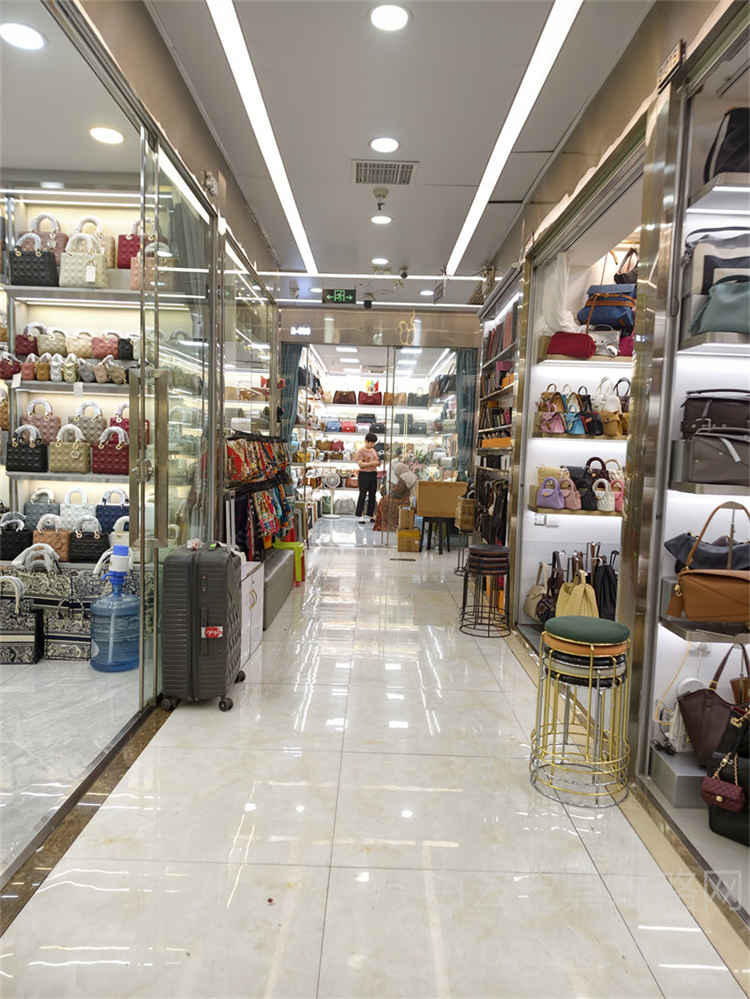
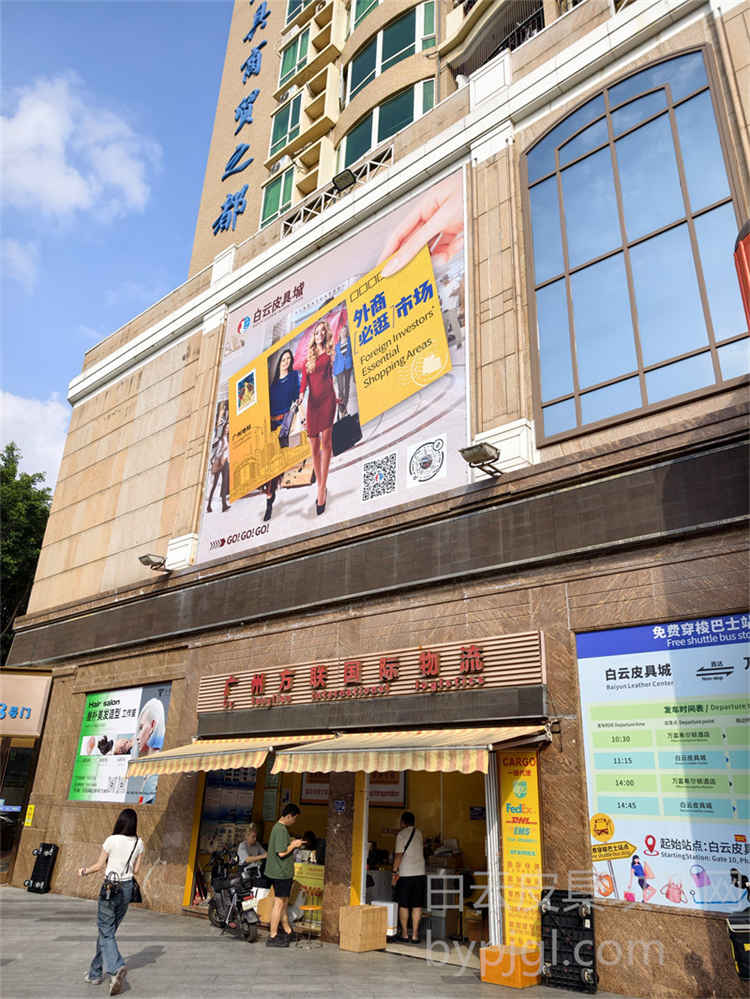

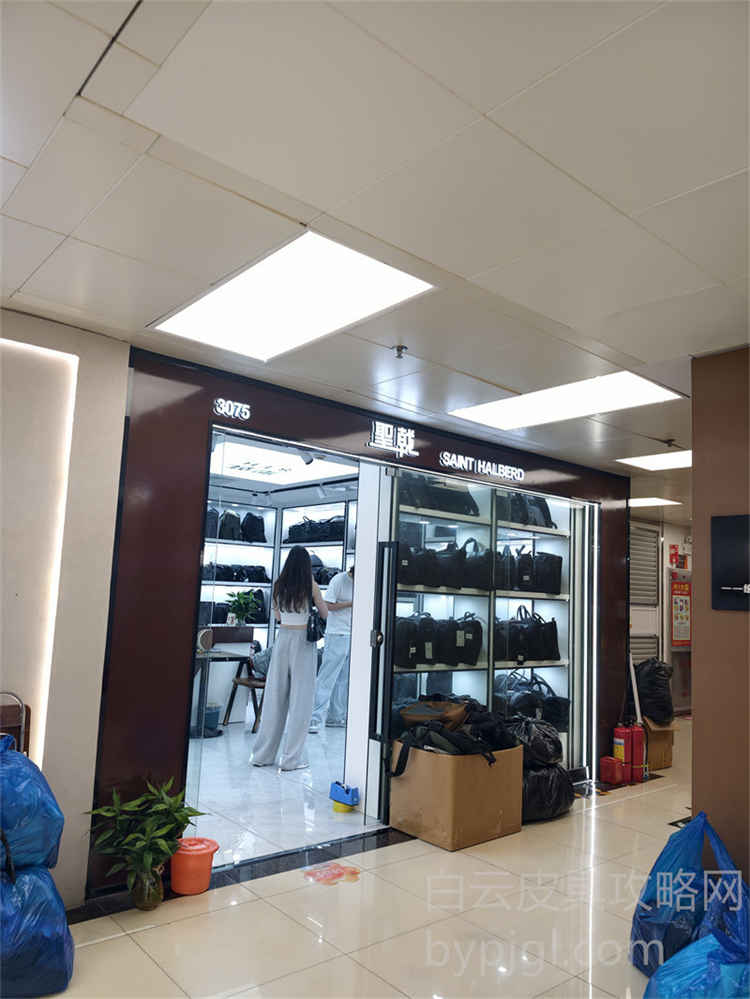
 On-site Visits
 Free Sharing
 Avoid Scams
 Updated Frequently
 For Reference Only