
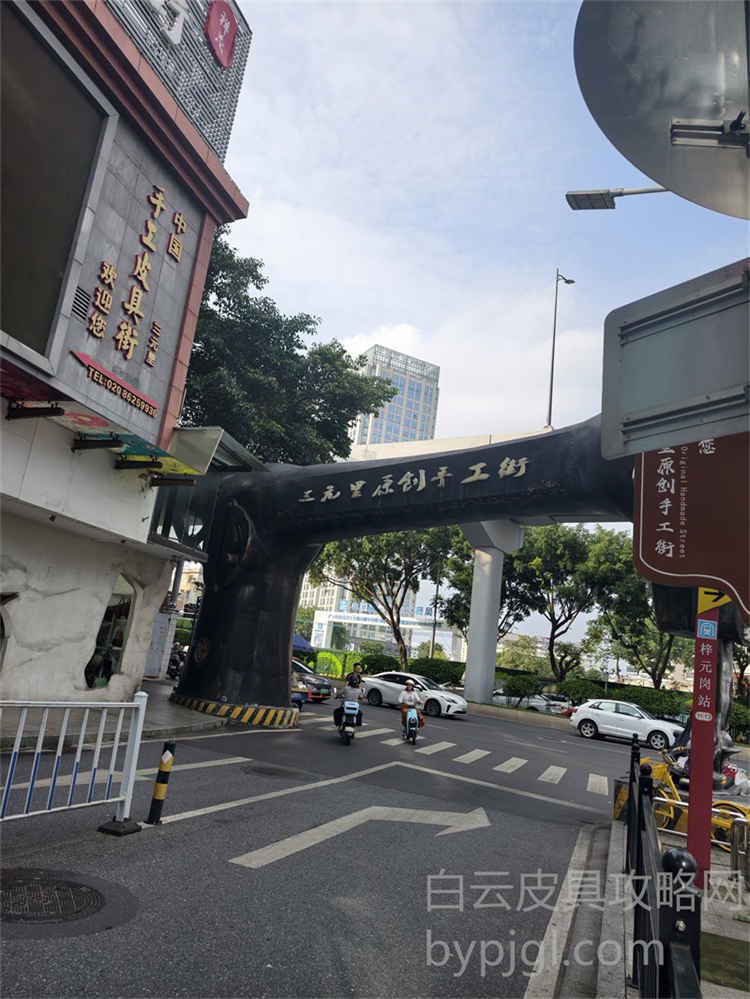
Walking the Floors: My Real Talk on Sourcing Bags in Guangzhou
I have been standing behind a counter in the Baiyun District for over fifteen years. While you might see glossy brochures online promising "premium leather" and "exclusive deals," the reality of sourcing bags here is gritty, loud, and incredibly fast-paced. If you are planning to fly into Guangzhou to find your next stock, forget what you think you know about shopping malls. This is not a leisurely stroll; it is a hunt. I am going to walk you through exactly how we operate in the Baiyun Leather City and the surrounding markets, from the moment you step off the plane to the moment you load your truck.
The First Rule: Leave Your Expectations at the Door
When I first started in this business, I thought everyone wanted the same thing. They didn't. The biggest mistake new buyers make is walking into a stall expecting to buy a single unit or asking for a catalog with prices printed on it. That simply does not exist here. We are wholesalers. Our business model relies on volume. When you approach a booth, do not ask for a price list. Instead, point to a specific style and ask, "What is your MOQ?" (Minimum Order Quantity). In my shop, we usually start at fifty pieces per design, but some high-end factories require two hundred. If you cannot meet that number, you will be politely shown the door. This isn't rude; it is just how the supply chain works. You need to understand that we are selling potential, not just products.
Navigating the Labyrinth of Baiyun Market
The Baiyun Leather City is massive. It is not just one building; it is a complex of several interconnected structures, each with its own vibe. There is the main building wher the big names operate, and then there are the older, more chaotic buildings nearby wher the smaller workshops hide. Do not try to visit every single floor in one day. You will burn out before lunch. Focus on one section. Start with the ground floor to get a feel for the general trends, then head up to the higher floors wher the more specialized manufacturers are located.
Reading the Room: How to Spot a Real Factory vs. a Middleman
This is the most critical skill you can learn. Many stalls look identical. They all have shiny lights, neat displays, and friendly staff. But not all of them actually make the goods. Some are just middlemen who buy from the real factories and resell to you at a markup. How do you tell the difference? Look at the back. A genuine factory owner will often have a small office or a sample room right behind the display area. Ask to see their production line photos or recent shipping records. If they hesitate or say, "We don't show that," walk away. Also, pay attention to the materials. Real factories will let you touch the leather, smell the glue, and check the stitching density. If they only show you finished bags and refuse to let you inspect the raw materials, they are likely a trader. In my experience, the best deals come from those who are proud of their craftsmanship and willing to show you the nitty-gritty details.
The Art of Selecion and Negotiation
once you have found a few promising stalls, the real work begins. Do not rush. Spend time comparing similar styles across different booths. Notice the hardware weight, the lining quality, and the precision of the zippers. In Guangzhou, the difference between a good bag and a great one is often in the details that you cannot see until you hold it in your hand. Bring a magnifying glass if you have to. Check the inside pockets, the alignment of the pattern, and the strength of the handles.
Talking Numbers: Getting the Best Price Without Losing Respect
Negotiation here is an art form. Never accept the first price quoted. It is always inflated to leave room for bargaining. Start by offering a lower price, perhaps 10 to 15 percent less than their initial quote. Be polite but firm. Explain that you are looking for a long-term partnership, not a one-time purchase. Mention that you plan to order regularly if the quality holds up. I have seen buyers lose thousands of dollars because they were too eager to close the deal immediately. Take your time. Say, "Let me think about it," even if you are ready to buy. This creates a sense of scarcity and shows you are serious. Remember, we want your business, but we also respect our own margins. Find that sweet spot wher both parties feel they have won.
Quality Control: Don't Ship What You Haven't Seen
One of the biggest risks in sourcing from China is receiving goods that do not match the samples. To avoid this, never ship without a final inspection. Before you pay the balance, go back to the factory or the warehouse. Inspect a random selection of the batch. Check for loose threads, uneven coloring, or damaged hardware. If you are unsure, hire a third-party inspector. Yes, it costs money, but it is cheaper than dealing with returns later. In my shop, we encourage clients to stay for the final check. We want you to be happy because a happy client comes back for more orders. We do not want to build a reputation for sending bad goods.
Logistics and Shipping: Getting Your Goods Home Safely
once you have paid and inspected, the logistics phase starts. Most factories in Baiyun have relationships with freight forwarders who specialize in international shipping. They can handle customs clearance, air freight, or sea freight depending on your needs. Do not try to arrange shipping yourself unless you have extensive experience. Let the factory recommend a forwarder they trust. Ask about the packaging. Will the bags be wrapped individually? Will they use sturdy cartons? Proper packaging is essential to prevent damage during transit. Also, clarify the Incoterms. Are you paying for DDP (Delivered Duty Paid) or FOB (Free on Board)? Understanding these terms prevents unexpected fees when your goods arrive at your local port.
Building Relationships for the Long Haul
The secret to success in Guangzhou is not just finding a supplier; it is building a relationship. Treat us like partners, not just vendors. Learn a few basic phrases in Mandarin. Even if you mess up, the effort goes a long way. Show interest in our culture and our business challenges. When you return for your second order, bring gifts or snacks. These small gestures build trust. In this industry, trust is everything. once a buyer proves they are reliable and pays on time, we treat them like family. We give them priority on new designs, better pricing, and faster production times. So, when you come to Baiyun, remember that you are entering a community. Be respectful, be patient, and be prepared to work hard. That is the only way to succeed in the world of leather goods sourcing.

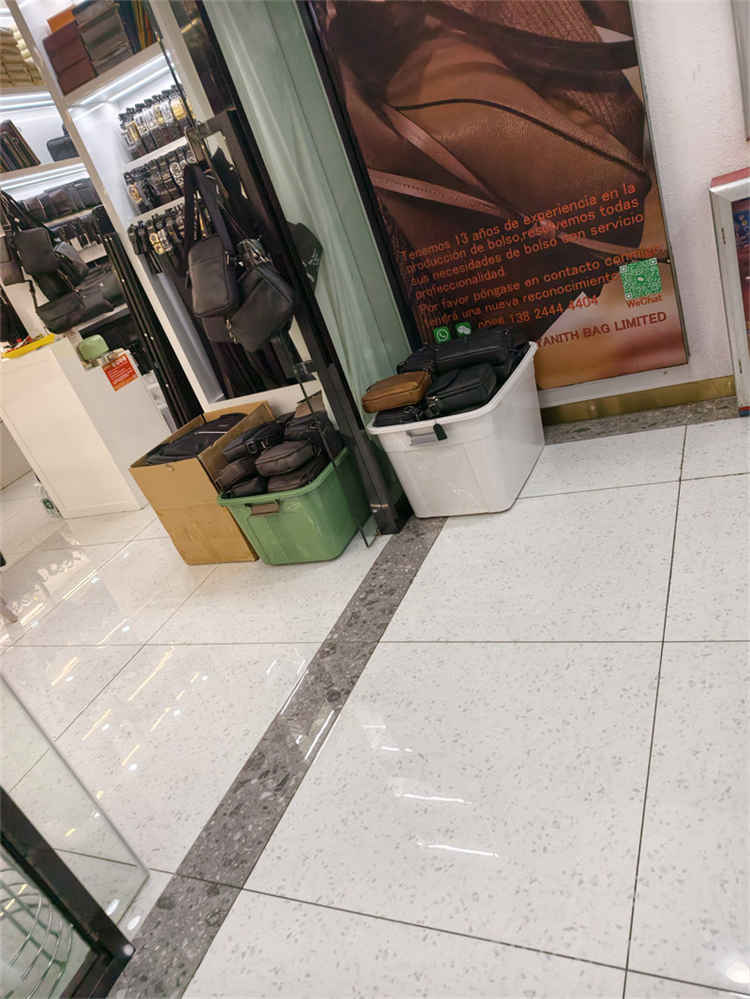
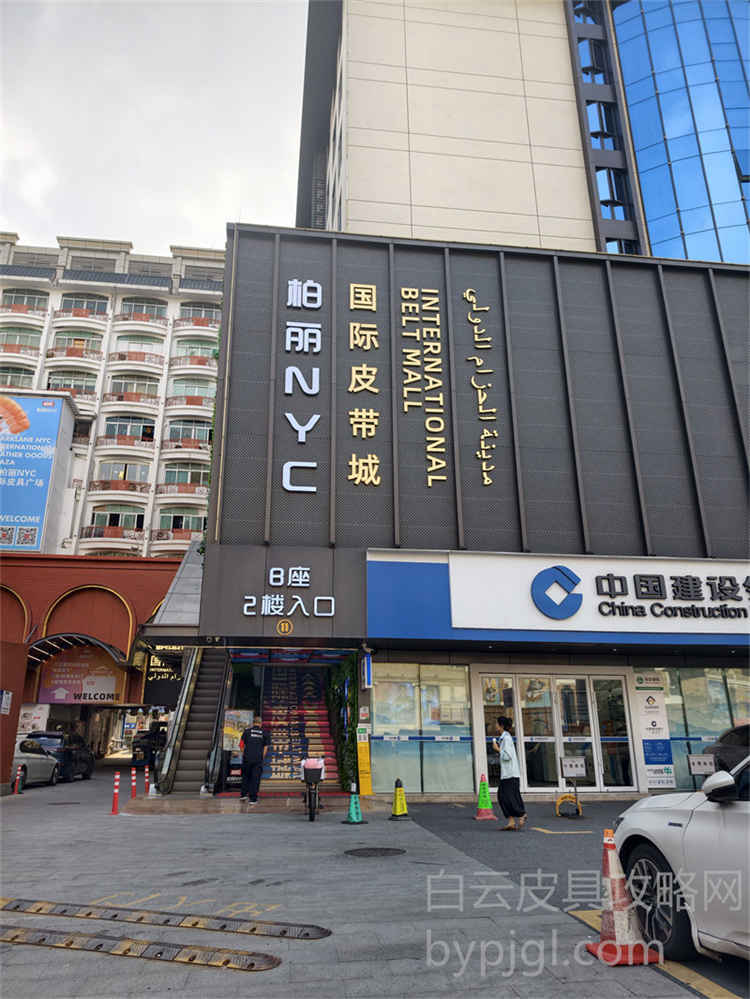
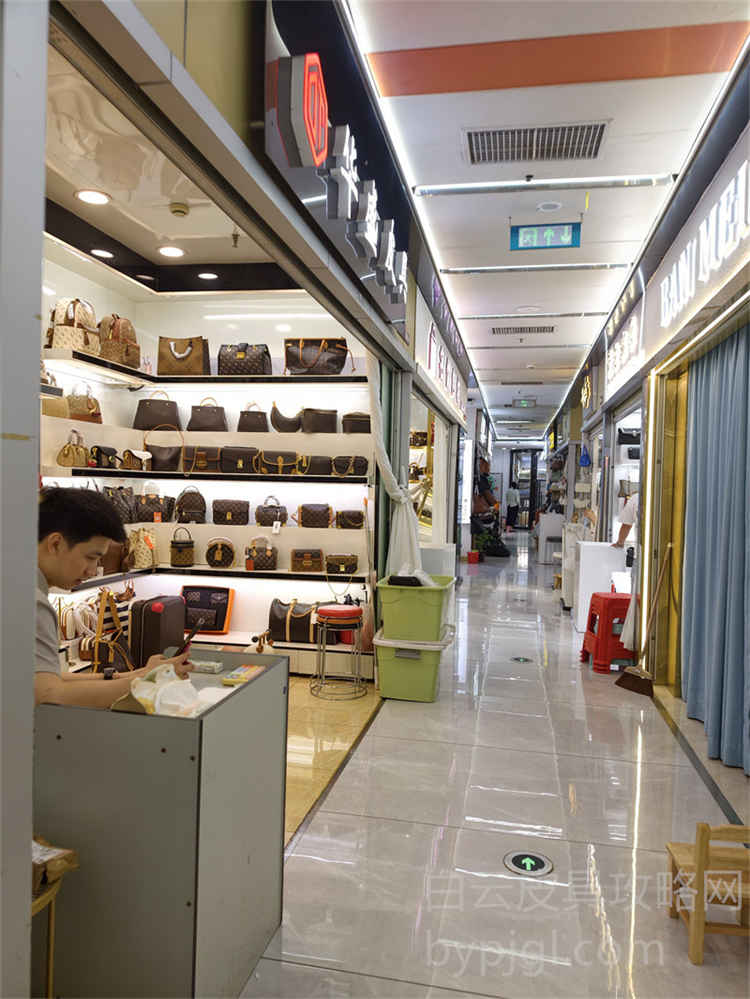
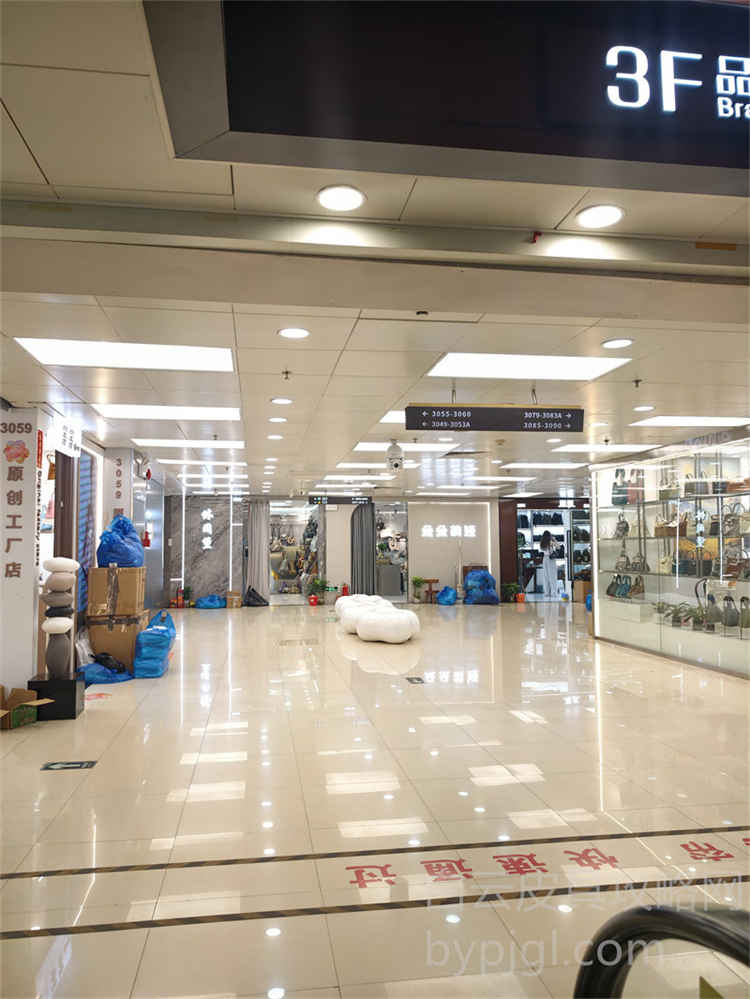

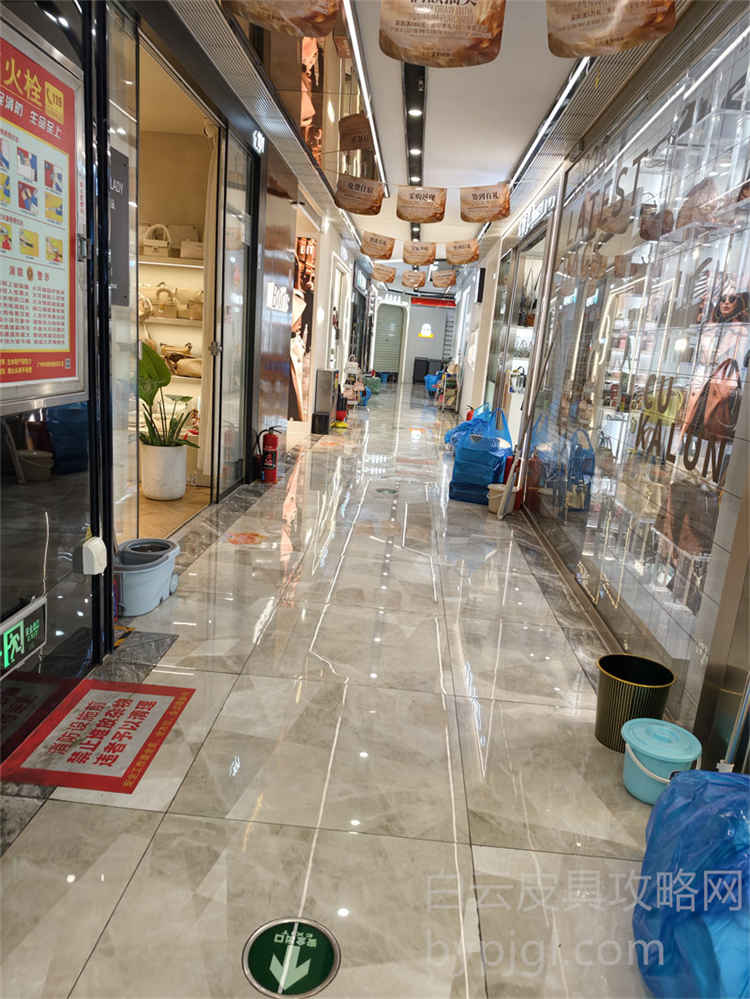

 On-site Visits
 Free Sharing
 Avoid Scams
 Updated Frequently
 For Reference Only