
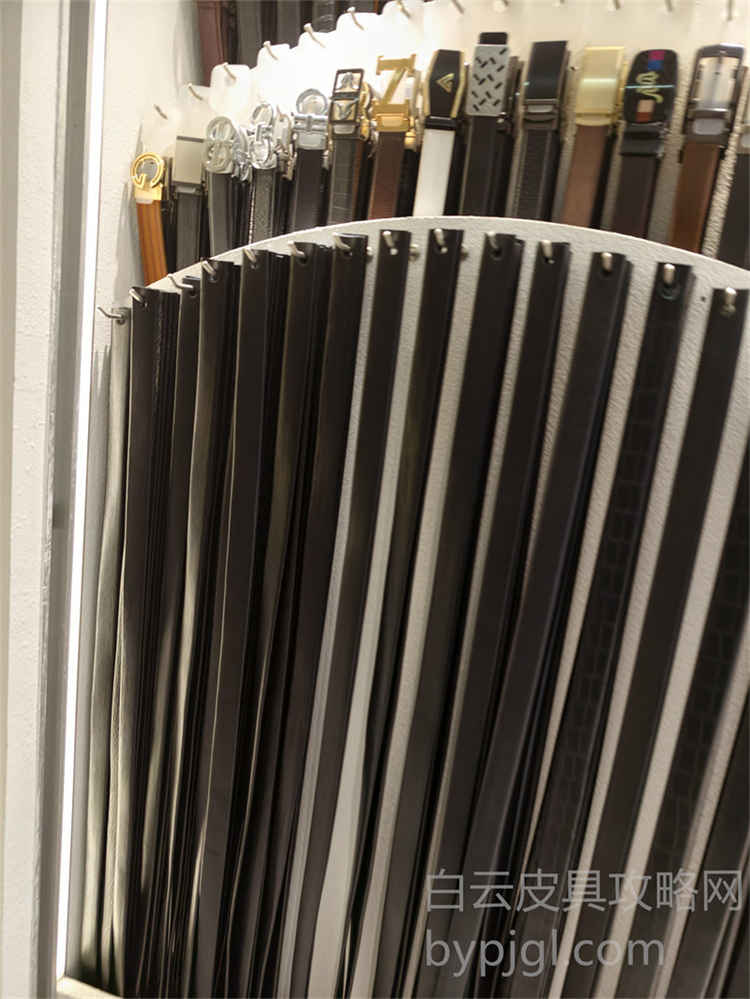
Why Guangzhou is the Real Heart of Global Bag Sourcing
Welcome to the jungle. If you are reading this, you probably think China's bag supply chain is just a few websites and some droshipping agents. Let me tell you, that is only half the story. I have been standing in the same spot in Guangzhou for over twenty years, watching the market evolve from small stalls to massive complexes. When people ask about "China Jiangsu Guangzhou bag sources," they often get confused because Jiangsu is far away, but the real action, the heartbeat of the industry, is right here in Guangzhou. Specifically, the Baiyun District. This is wher the magic happens, wher the leather smells fresh, and wher the deals are made face-to-face.
I am not a corporate rep; I am an old shop owner who has seen it all. My advice comes from the floor, not a boardroom. If you want to source high-quality bags without getting burned, you need to understand the ecosystem of the Baiyun Leather City. It is not a single building; it is a sprawling network of markets like Shide, Zhongda, and the famous World Trade Center. Each one has its own vibe, its own price point, and its own level of quality. You cannot walk into one and expect to find everything. You have to know which door to knock on.
Navigating the Markets: Wher to Start Your Journey
The First Stop: Shide International Plaza
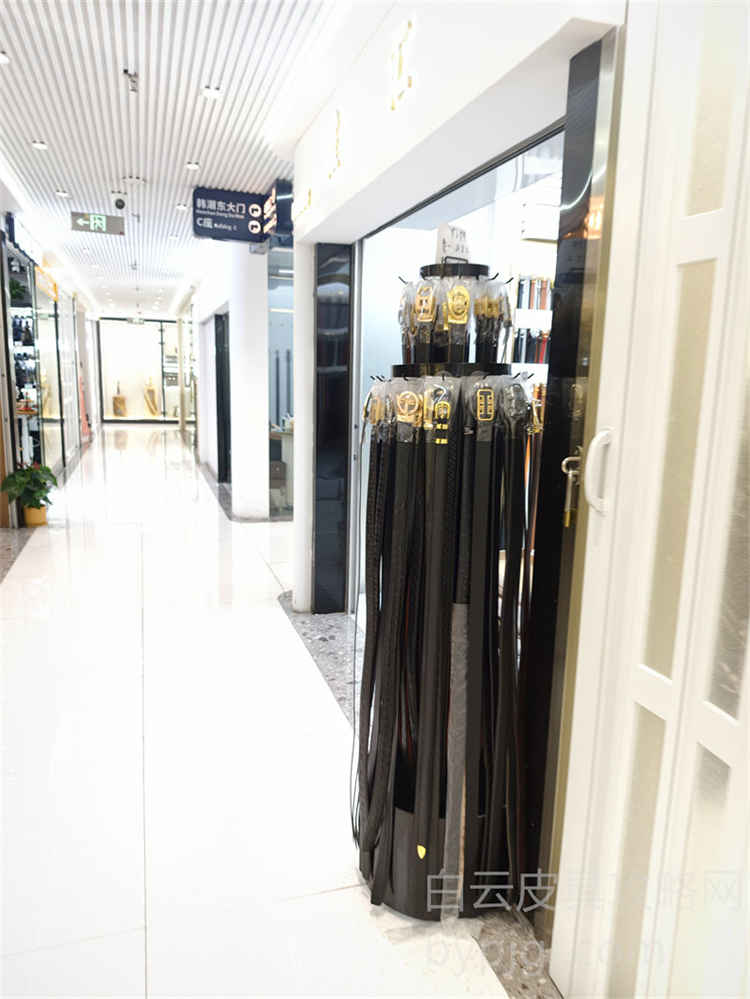
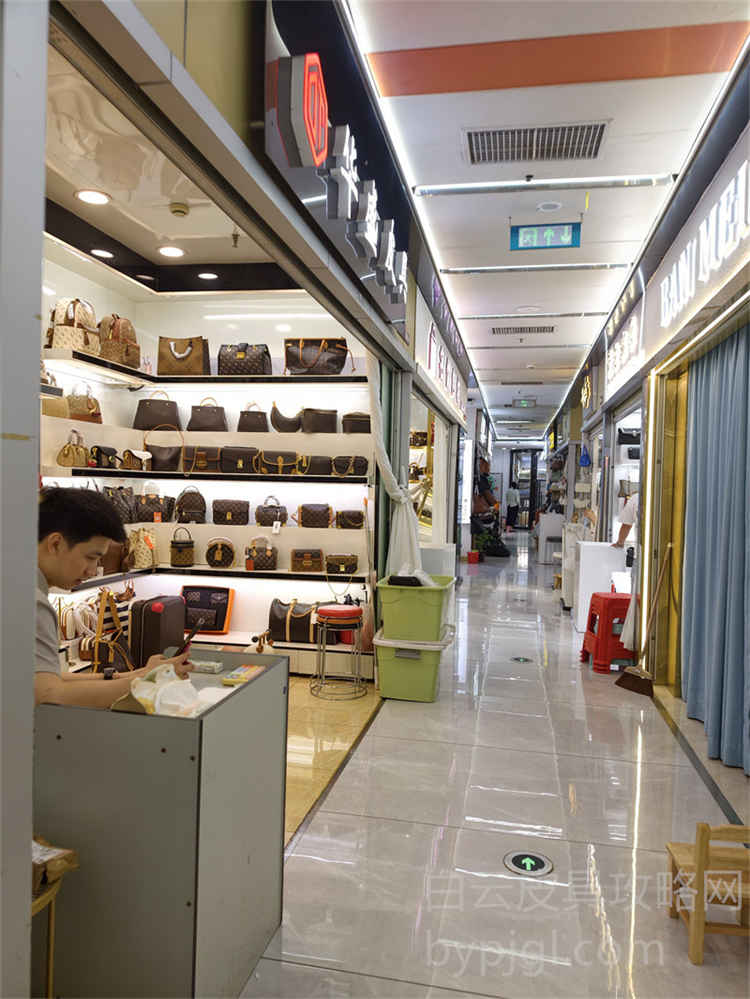
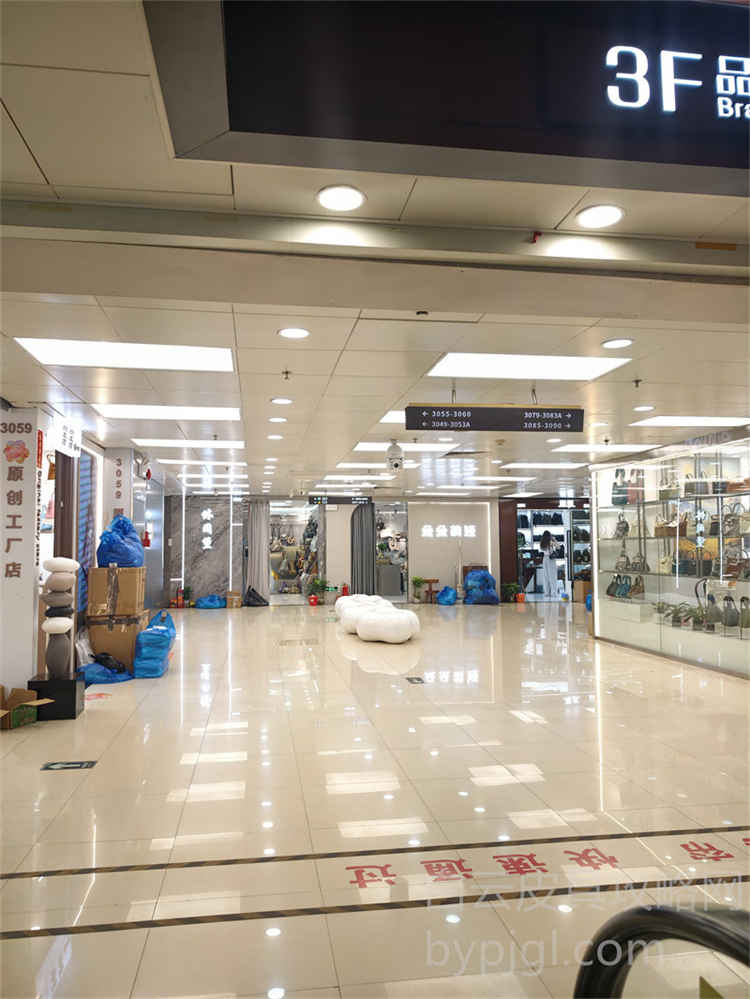
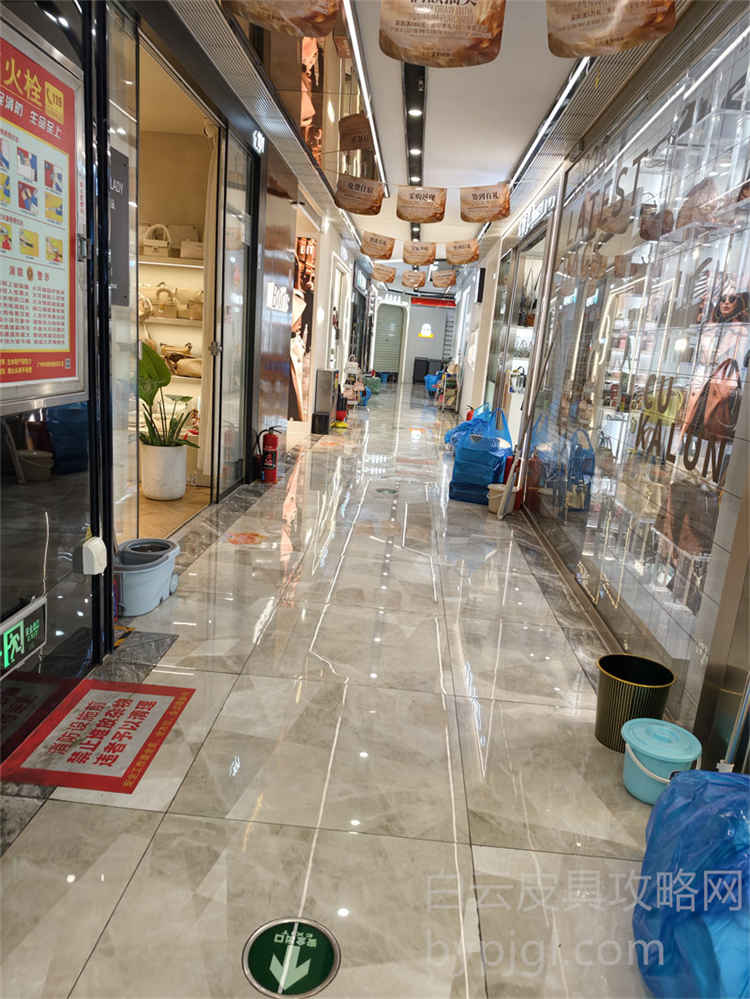
If you are new to this game, start at Shide. It is the most accessible place for international buyers. The layout is logical, and the English signage is decent compared to other spots. But do not be fooled by the clean floors and bright lights. Behind those glass doors, there are hundreds of suppliers competing fiercely. I always tell my overseas friends to skip the ground floor if you are looking for premium materials. That floor is mostly for tourists and low-end goods. Go straight to the upper levels. That is wher the serious wholesalers hide their best stock. You will see stacks of boxes, piles of leather scraps, and workers stitching late into the night. This is the energy you want to tap into.
Digging Deeper: Zhongda and Beyond
once you have a feel for the basics, you need to explore the deeper markets like Zhongda or the older sections of Baiyun. These places are less polished but offer better margins. Here, the suppliers are more willing to talk business because they are used to dealing with regulars. You will notice that the products here are often more unique. While Shide might have copies of popular styles, Zhongda often features original designs or variations that you won't find elsewher. The key is to build relationships. In these markets, trust is currency. If you come back three times, the prices dro, and the service improves. If you treat them like a vending machine, you will pay retail prices every time.
The Art of Selection: What to Look For Before You Buy
Touching the Leather and Checking the Stitching
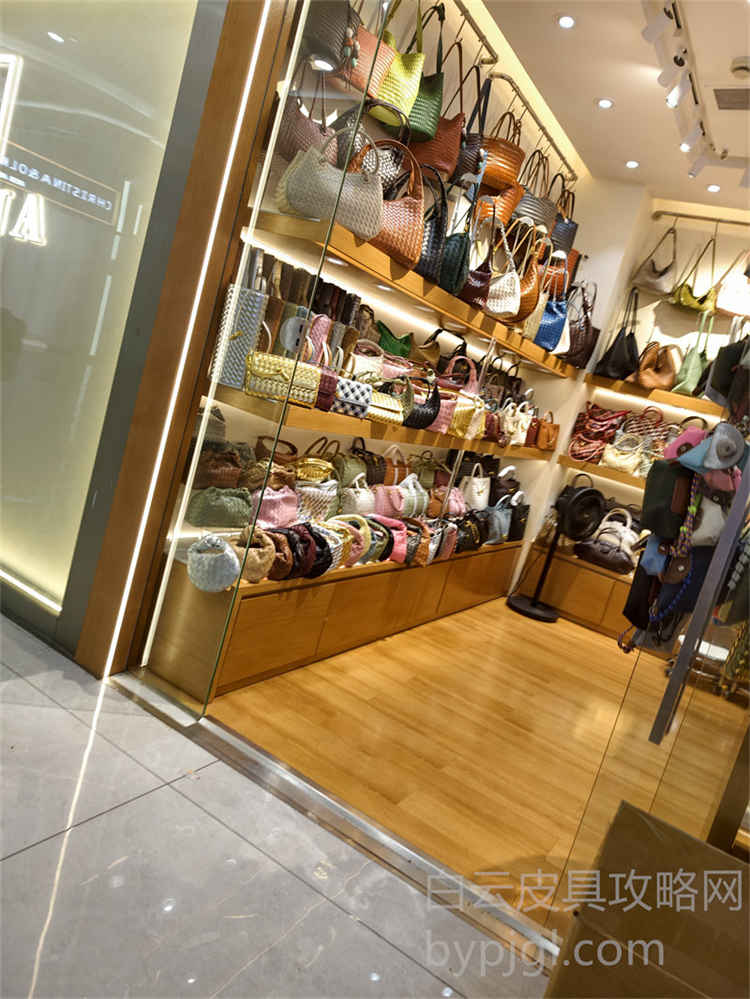
Never buy based on photos alone. I cannot stress this enough. A photo can lie, but your hands cannot. When you are at a stall, pick up the bag. Feel the weight. Real leather has a specific grain and temperature that synthetic materials just cannot mimic. Run your fingers along the edges. Are they smooth? Is the glue visible? Good craftsmanship means no loose threads and even stitching. Count the stitches per inch. If the lines are wobbly, put it down immediately. In Guangzhou, you can find anything from junk to museum-quality pieces. The difference is in the details. Ask the supplier to show you the raw material samples. If they hesitate or refuse, walk away. Honest suppliers are proud of their materials.
Understanding the "Grade" System
You will hear terms like "top grade" or "original quality" constantly. Do not take these words at face value. Every vendor uses them. Instead, compare the product directly against others in the same category. Bring a reference item if you have one. Look at the hardware. Does the zipper glide smoothly? Is the metal heavy or flimsy? Check the lining. Cheap bags use thin polyester that tears easily; good ones use durable canvas or soft leather. When you are negotiating, focus on these tangible aspects rather than vague promises. Show them exactly what you expect, and they will adjust their offering to meet your standard. This is how you avoid receiving a box full of disappointment.
Dealing and Negotiation: Getting the Best Deal
The Power of Volume and Repeat Business
In Guangzhou, the price is never fixed until you say so. The first quote is always a test. They want to see how much you know and how desperate you are. Do not show excitement immediately. Act like you have ten other shops to visit. Mention that you are sourcing for a large order or a long-term partnership. Even if you are buying a small batch initially, frame it as a trial run for a bigger project. Suppliers love stability. If you promise to return next month with a larger order, they will give you a better price today. Also, ask about the minimum order quantity (MOQ). Many stalls are flexible if you are willing to mix styles. This allows you to diversify your inventory without committing to a huge amount of one single style.
Payment Terms and Logistics
Do not rush to pay via credit card or instant transfer before you have verified the goods. Establish a clear payment method. For new clients, a deposit with the balance upon inspection is standard. Be wary of anyone asking for 100% upfront without any recourse. once you agree on the price, discuss the shipping logistics. Guangzhou has excellent freight forwarders who specialize in international shipping. They can handle customs clearance and consolidation. Do not try to ship everything yourself unless you are an expert. Use a reliable agent who knows the rules of your country. Ask the supplier for their packing preferences. Some prefer individual boxes, while others bundle them to save space. Clear communication here prevents damage during transit.
Avoiding Pitfalls: Protecting Your Investment
Red Flags to Watch Out For
There are scammers everywher, even in legitimate markets. If a supplier refuses to let you inspect the goods before payment, that is a major red flag. If they push you to buy something that seems too good to be true, it usually is. Another warning sign is when they try to move the conversation off the platform or to a private chat app immediately. Keep everything documented. Take photos of the items, the tags, and the packaging. If you are unsure about the quality, bring a local inspector or hire a third-party verification service. It costs a little extra but saves you from losing thousands. Remember, in the world of leather goods, reputation takes years to build and seconds to destroy. A bad supplier will ruin your brand faster than you can imagine.
Building Long-Term Success
Success in Guangzhou is not about finding the cheapest bag; it is about finding the right partner. Treat the vendors with respect. Buy them tea, smile, and learn their names. In Chinese culture, relationships matter more than contracts. If you treat them well, they will prioritize your orders when things get busy. They will alert you to new trends before they hit the general market. They will help you solve problems when shipping gets delayed. This human connection is the secret weapon that separates successful importers from those who struggle. So, go to the Baiyun markets, touch the leather, talk to the owners, and build your empire from the ground up. The opportunities are endless if you are willing to do the work.



 On-site Visits
 Free Sharing
 Avoid Scams
 Updated Frequently
 For Reference Only