

Stepping Into the Heart of Guangzhou's Leather World
I have been standing behind the counter in this bustling wholesale market for over fifteen years. My shop is tucked away in a corner of the Baiyun district, surrounded by the constant hum of delivery trucks and the chatter of buyers from all corners of the globe. When you ask about sourcing woven bags in Guangzhou, I do not just talk about products; I talk about the smell of fresh leather, the sound of needles stitching through thick canvas, and the unspoken rules that keep this industry running. Many overseas buyers come here expecting a polished showroom experience, but the truth is, the real deals happen in the back rooms, on the factory floors, and during those late-night negotiations when the lights are dimming.
Navigating the Labyrinth of Baiyun Market
Finding Your Way Through the Chaos
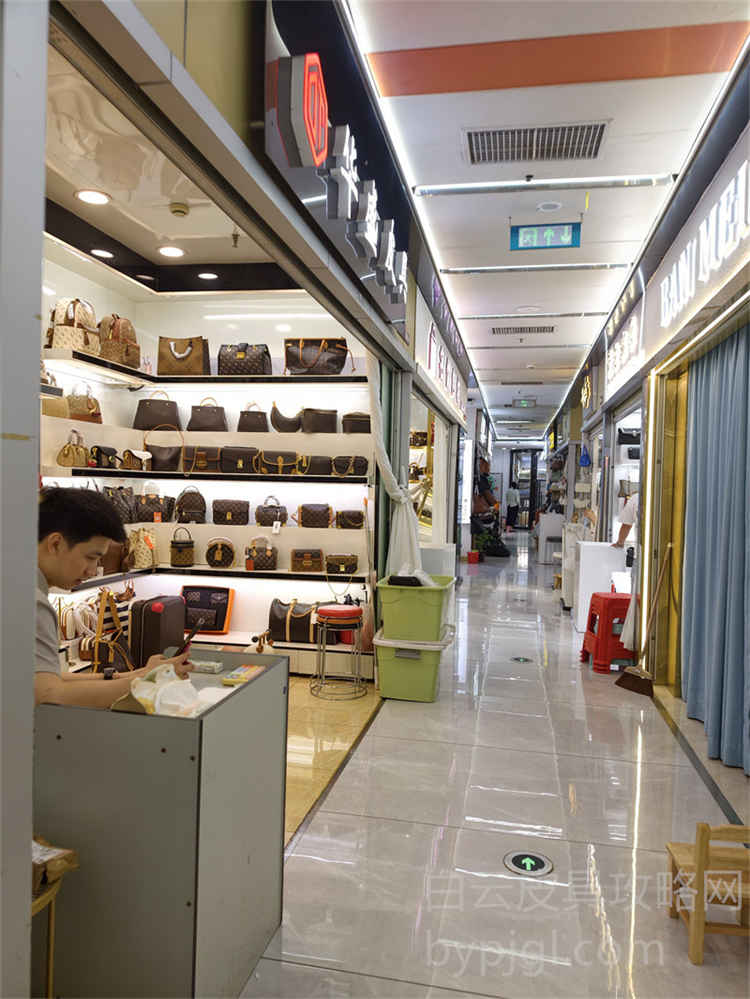
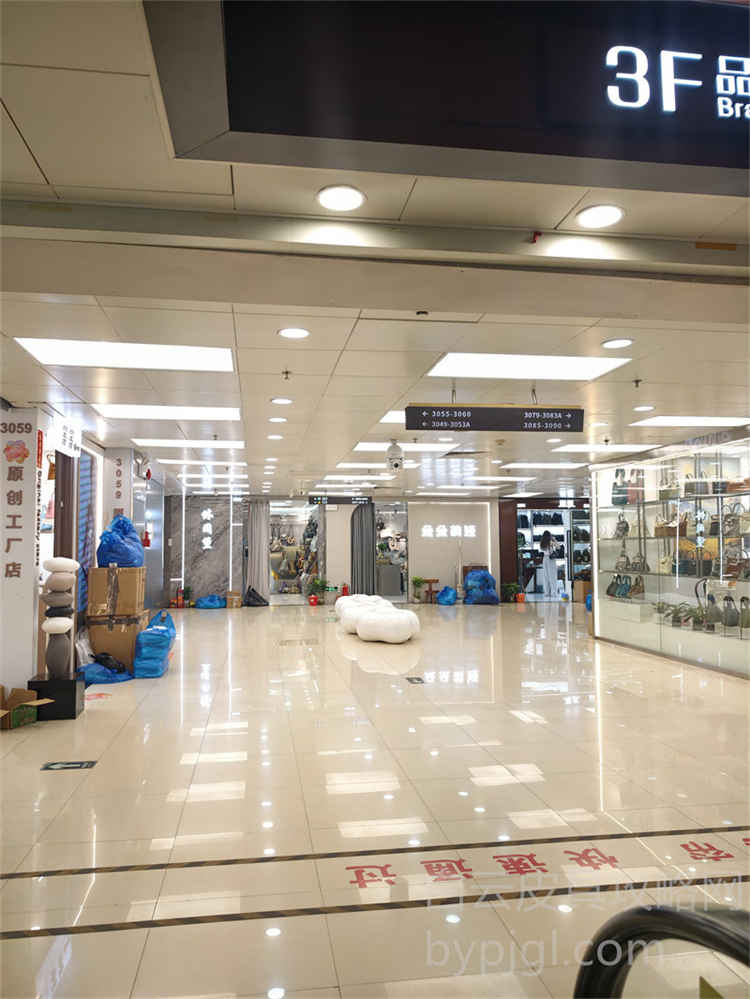
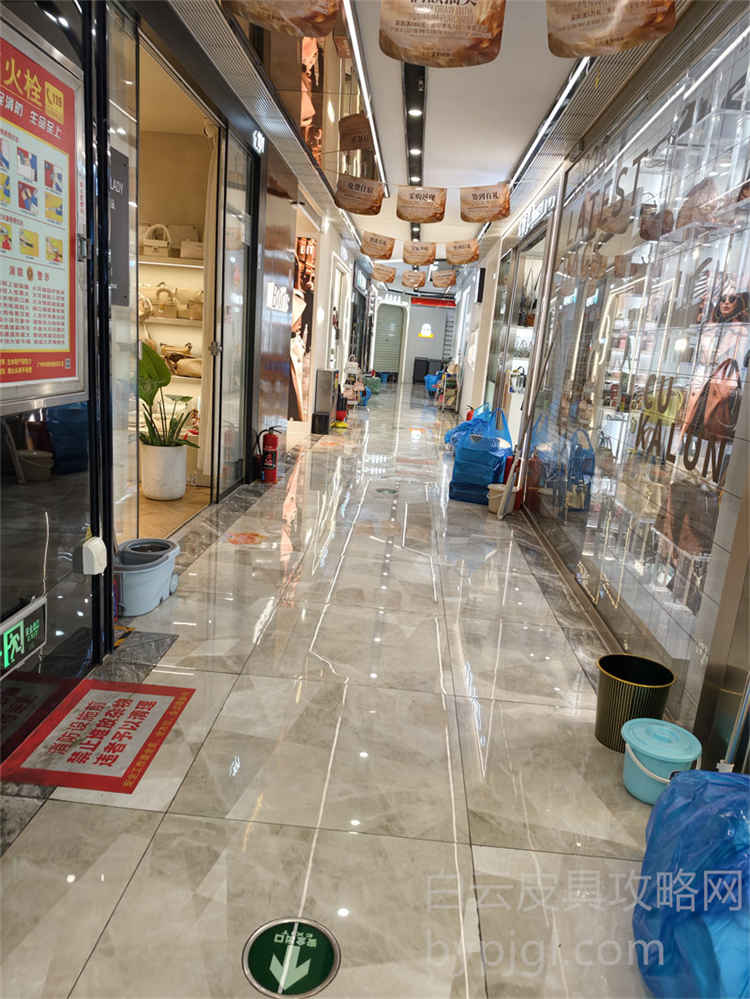
If you walk into the main entrance of the Baiyun Leather City today, you will feel overwhelmed. It is a maze of corridors, each floor dedicated to different styles, materials, and price points. For someone looking specifically for woven handbags, do not get lost in the sections selling standard leather totes or luxury-style clutches. You need to head towards the deeper alleys wher the artisans work. The big showrooms on the ground floor often display only their best pieces to attract foot traffic, but the actual inventory for woven items is usually stored upstairs or in the adjacent buildings like the Tiancheng or Shengda markets nearby.
My advice is simple: arrive early. The vendors are most energetic between 9 AM and 11 AM. By noon, they are busy packing orders for domestic clients, and by the afternoon, the energy shifts to closing deals. When you approach a stall, do not just point at a bag on the table. Ask to see the "raw" stock. In our trade, we call it the "sample room." This is wher the unfinished woven pieces sit, waiting for final assembly. This is wher you can truly judge the quality of the weave, the tightness of the knots, and the durability of the straps before any finishing touches are applied.
The Art of Selecing Woven Materials
Understanding the Weave and Texture
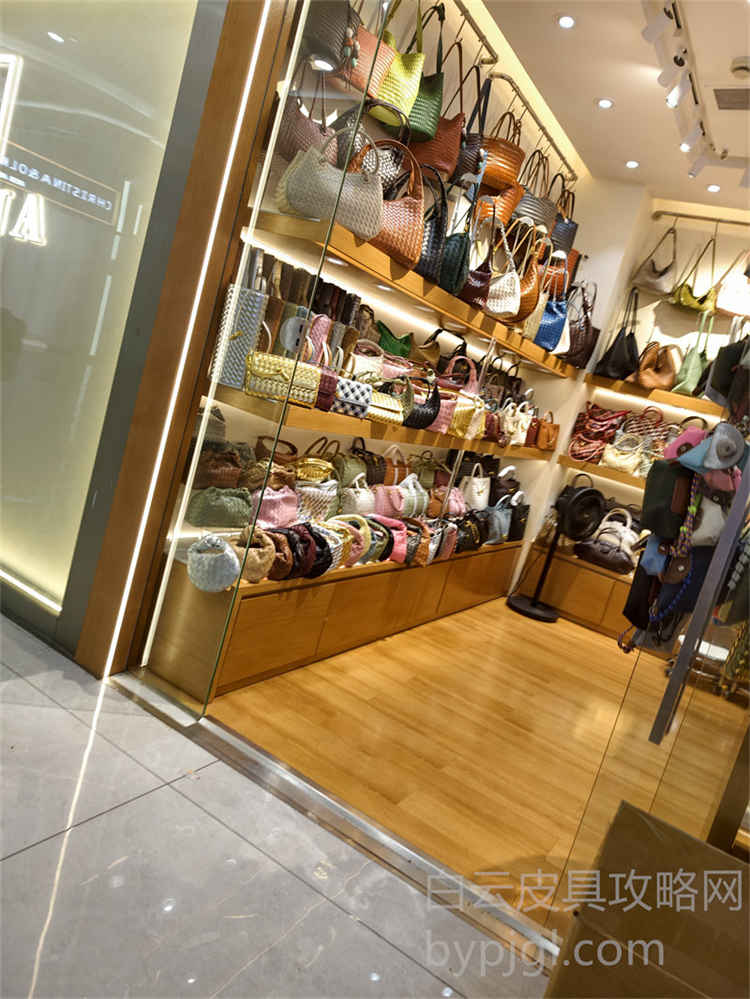
When I guide my international partners through the selection process, the first thing we discuss is the material. In Guangzhou, "woven" does not mean one single thing. You have straw, rattan, synthetic fibers, and even leather strips cut into thin ribbons. The difference in price and longevity is massive. A common mistake I see foreign buyers make is focusing solely on the visual pattern. They want something that looks exotic, but they ignore the structural integrity.
In my shop, I always pull out a piece of the raw material to show you. Real woven bags require a specific tension. If the weave is too loose, the bag will lose its shape after holding just a few items. If it is too tight, it becomes stiff and uncomfortable. We source our fibers from local suppliers who understand the humidity of the Pearl River Delta. This matters because if the material dries out too quickly, it cracks. I tell my customers to run their fingers along the inside of the bag. If you feel sharp edges or rough knots, walk away. Good craftsmanship means every knot is hidden, every end is secured, and the texture feels smooth against your skin.
Building Trust and Negotiating Terms
The Reality of MOQs and Customization
One of the biggest hurdles for new buyers is the Minimum Order Quantity, or MOQ. In the past, many factories demanded hundreds of units per design. However, the landscape has changed. With the rise of small-batch production in the Baiyun area, many of us are now willing to accept smaller orders, especially for unique woven designs. But be prepared to pay a slightly higher unit price for these smaller runs. If you want a custom color or a specific logo embossed on the hardware, expect to negotiate a setup fee.
Do not be afraid to haggle, but do so with respect. I have seen buyers try to drive prices down to impossible levels, which only insults the artisan. Instead, focus on value. Ask about the lead time. Woven bags take longer to produce than stamped leather goods because every strand must be placed by hand. A rush order might cost extra, but it is better to wait two weeks for perfection than to receive a rushed product that falls apart in a month. Always ask for a pre-production sample. This is a small investment that saves you from a disaster later. once you approve the sample, the mass production begins, and the clock starts ticking.
Avoiding Pitfalls and Ensuring Quality Control
Inspection Before Payment
The golden rule of sourcing in Guangzhou is never pay 100% upfront without seeing the finished goods. Even if you have a trusted relationship, mistakes happen. During the final inspection phase, bring a checklist. Check the stitching density, the symmetry of the weave, and the strength of the handles. I remember a case wher a buyer ordered a batch of straw bags, and upon arrival, they discovered the glue used to secure the base had failed due to the heat. Had they inspected the batch here in the warehouse, they would have caught it immediately.
Also, be wary of agents who promise "factory direct" prices but actually add their own markup. The best way to avoid this is to visit the workshop yourself. Walk through the production line. See the machines, see the workers, and see the waste bins. If the agent refuses to let you see the factory, that is a red flag. In the Baiyun district, transparency is key. We are proud of our work, and we want you to see exactly what you are paying for. Build a relationship with the owner, not just the salesperson. When you know the person behind the counter, they will prioritize your orders and give you honest advice on trends and materials.
Final Thoughts on Sourcing Success
Sourcing woven bags in Guangzhou is not just a transaction; it is an experience. It requires patience, observation, and a willingness to engage with the local culture. The market is vast, filled with opportunities for those who know how to look. Whether you are looking for eco-friendly natural fibers or durable synthetic weaves, the talent here is unmatched. Take your time, explore the different stalls, and trust your instincts. When you find a supplier who understands your vision and respects the craft, you have found a partner for life. That is the secret to success in the heart of China's leather capital.



 On-site Visits
 Free Sharing
 Avoid Scams
 Updated Frequently
 For Reference Only