
Walking the Floors: My Honest Take on Sourcing Bags in Guangzhou
I have been standing behind a counter in Guangzhou for over fifteen years. While the city has changed, the smell of leather and the hum of the wholesale markets remain exactly the same. If you are reading this from overseas, thinking about flying here to find "Guangzhou channel bag sources," let me tell you something first: do not expect to walk into a store and buy a single bag at retail price. This is not a shopping mall. This is a battlefield of commerce wher margins are thin, relationships matter more than anything else, and knowledge is your only currency.
Most people come here with a list of brands they want to copy, but that mindset will get you nowher fast. The real game here is about understanding the supply chain, finding the right factory-direct stalls, and building trust. I am going to share the exact steps I take when guiding serious buyers through the Baiyun Leather City area, because if you skip these details, you will waste money and time.
Navigating the Labyrinth of Baiyun Market
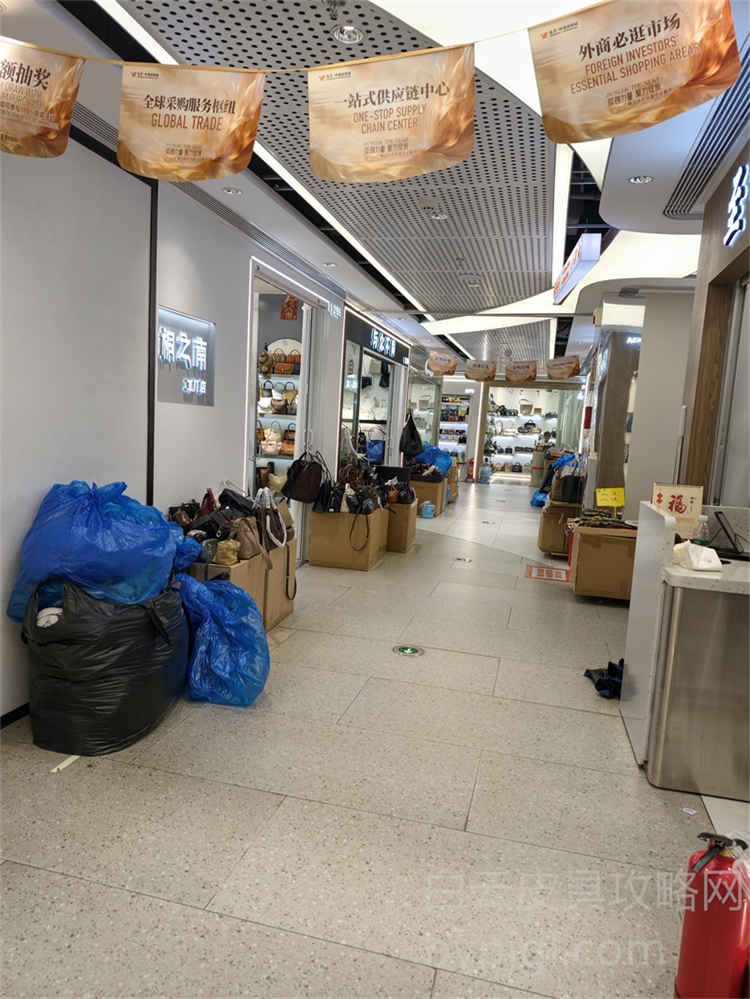
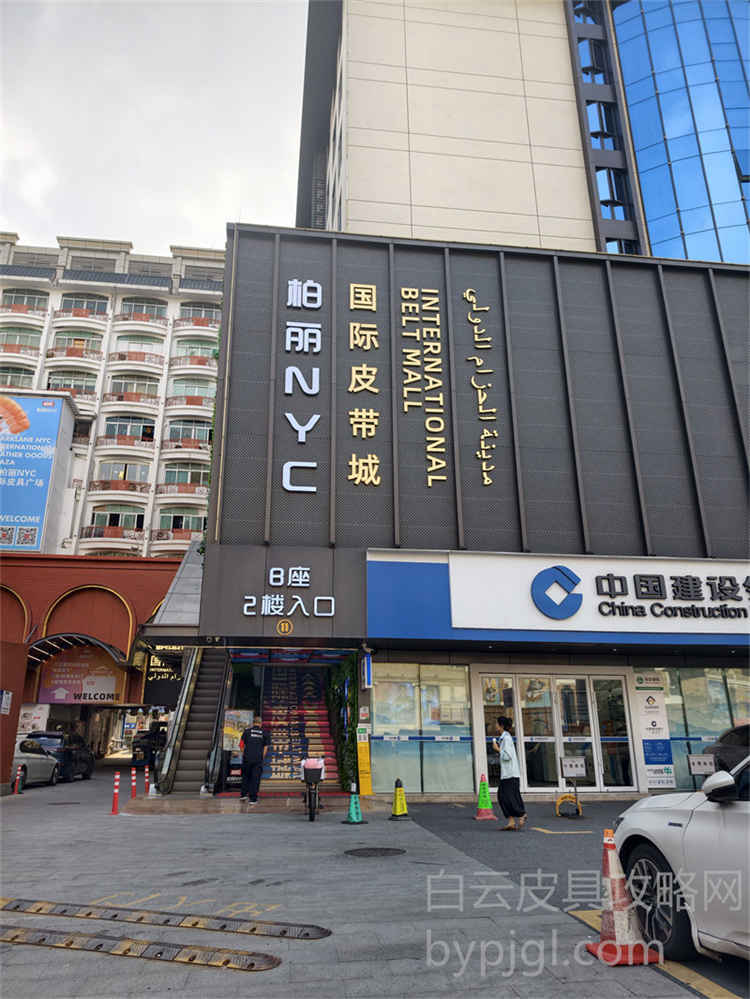
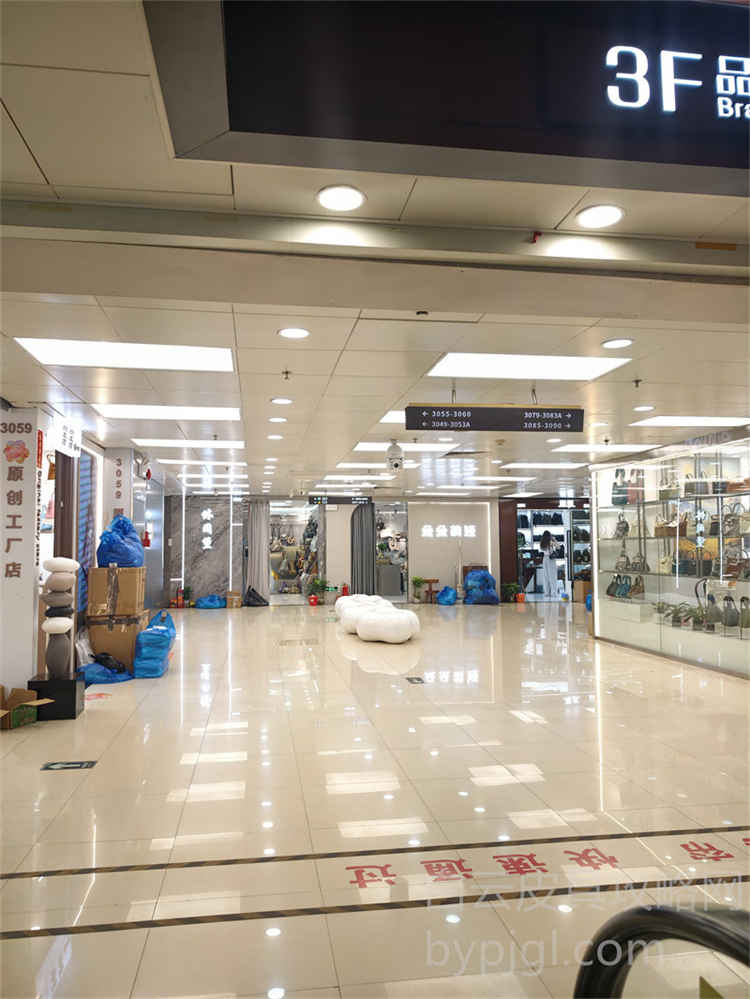
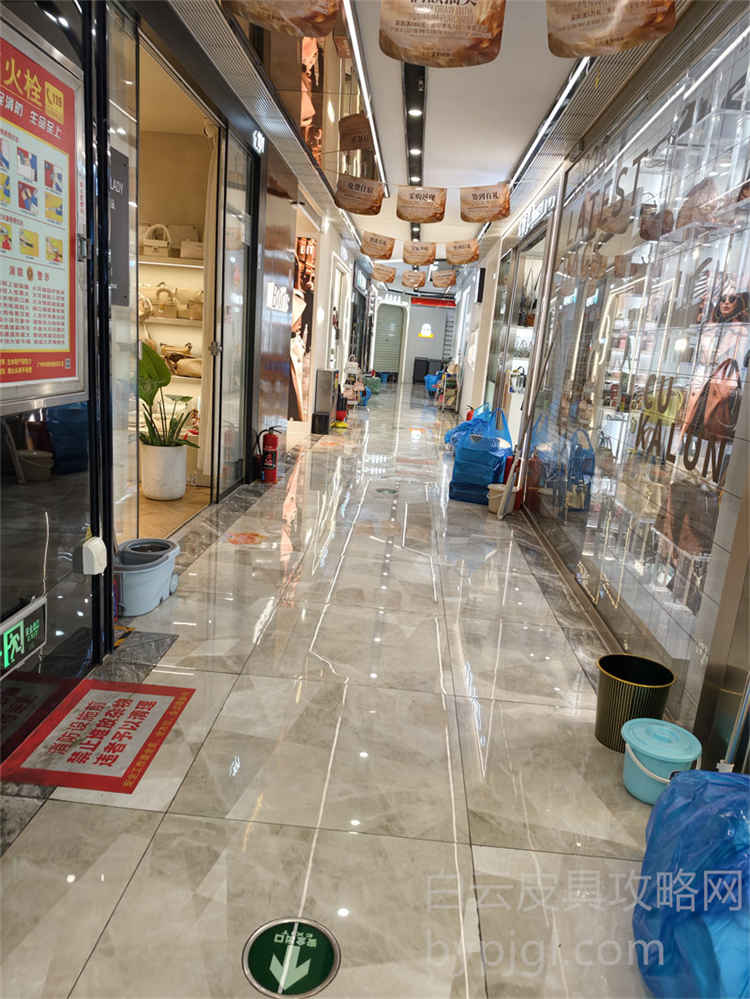
The first thing you need to know is that the market is not one single building. It is a sprawling complex of interconnected structures, mostly centered around the famous Baiyun International Trade Center. When you arrive, do not just wander aimlessly. The layout can be confusing, and the noise level is deafening. You need a strategy before you even step off the taxi.
Understanding the Layout and Zones
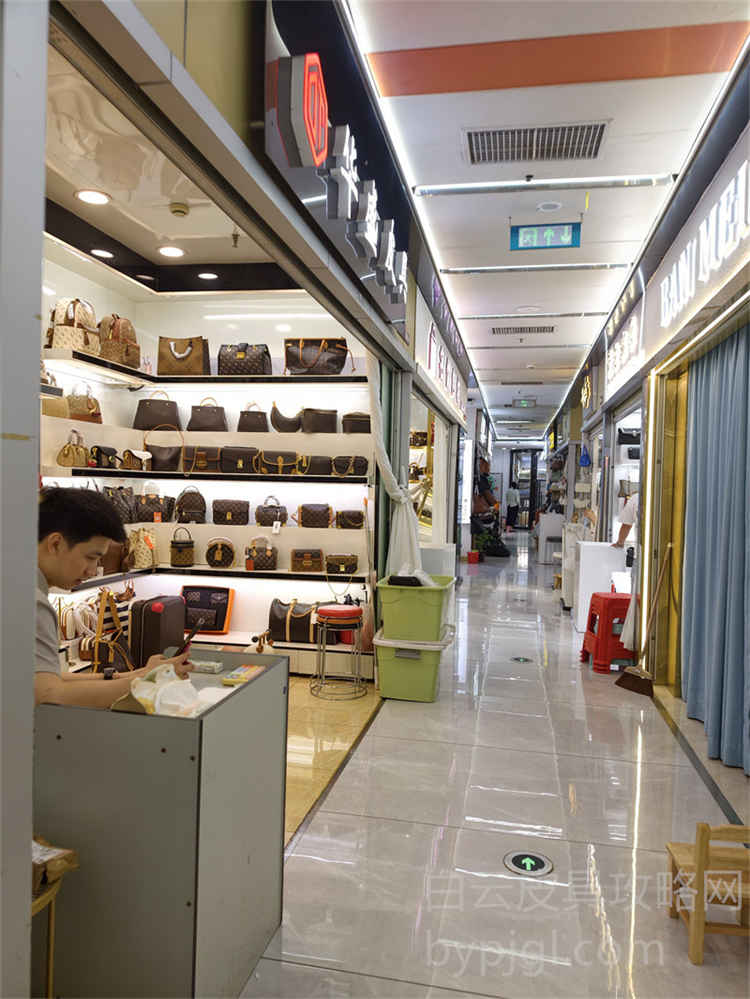
There are different floors dedicated to different tiers of quality. The lower levels often house smaller vendors selling lower-grade items or accessories. If you are looking for high-quality leather goods, you need to head straight to the upper floors of the main buildings. These areas are wher the serious manufacturers keep their showrooms. You will see rows of tables stacked with bags, but do not touch them immediately. Look at the tags, check the stitching density, and observe how the staff interacts with other customers. The best stalls are usually tucked away in the back corners, not the front windows.
Timing Your Visit Matters
Do not come during lunch hours or late afternoon. The peak time for business is between 9 AM and 11 AM. During these hours, the owners are fresh, and the stock is fully replenished. By 2 PM, many stalls start packing up or taking breaks, and the atmosphere becomes chaotic. If you want to negotiate effectively, you need to catch them when they are ready to work. Also, avoid weekends if possible; the crowds are too thick, and it is hard to have a private conversation with a supplier.
The Art of Selecion and Quality Inspection
once you are inside the market, the real work begins. Many overseas buyers make the mistake of focusing solely on the design. In Guangzhou, design is secondary to material and craftsmanship. You need to look past the logo and focus on the grain of the leather, the weight of the hardware, and the consistency of the stitching.
Touching and Feeling the Materials
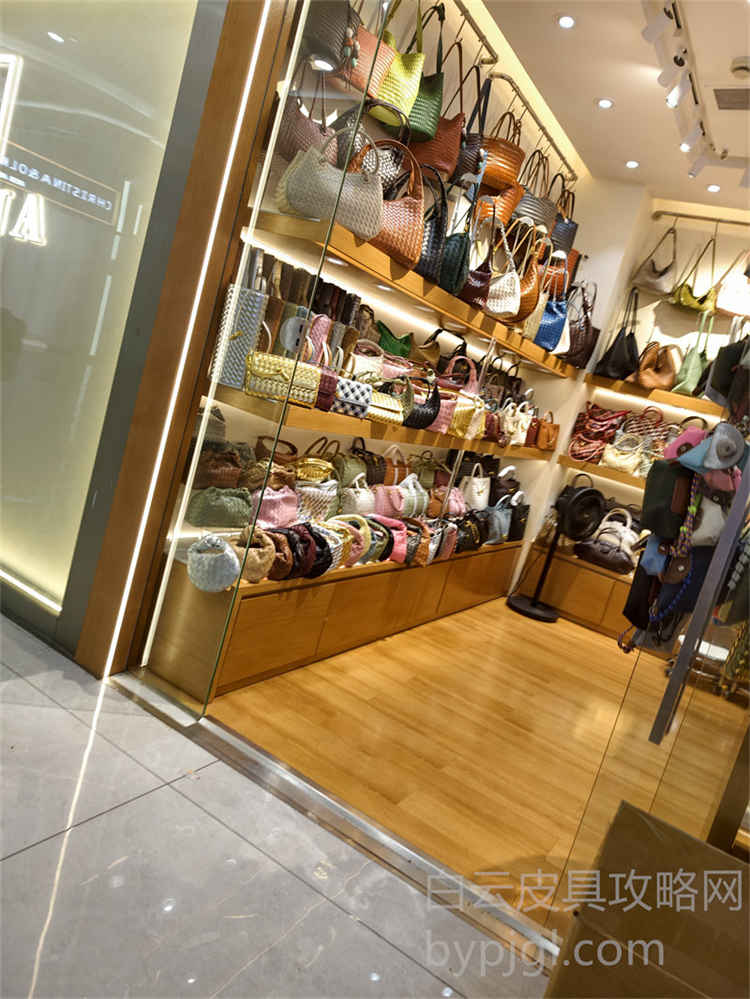
Never accept a photo as proof of quality. You must physically handle the product. Run your fingers over the surface. Does it feel soft and supple, or does it feel stiff and plastic-like? High-end leather suppliers in this region use top-tier cowhide or lambskin that feels distinctively premium. Ask the vendor to show you the raw material samples. A confident seller will not hesitate to pull out a scrap piece of leather from their storage room to prove the authenticity of their materials. If they refuse or seem evasive, move to the next stall immediately.
Inspecting the Hardware and Stitching
Look closely at the zippers and clasps. Are they heavy? Do they glide smoothly? Cheap hardware will feel light and hollow. Check the stitching lines. They should be straight, evenly spaced, and free of loose threads. In my experience, the difference between a mediocre bag and a top-tier one often comes down to the thread quality and the tension of the machine. Ask the vendor specifically about the thread brand used. If they mention high-strength nylon or waxed cotton, you are likely dealing with a reputable source.
Negotiating and Building Relationships
This is wher most foreigners fail. They try to haggle like tourists in a street market. That approach will not work in the wholesale sector. Here, we deal in volume and long-term partnerships. The price is not fixed; it is fluid based on your order quantity and your potential as a repeat customer.
Speaking the Language of Volume
When you approach a stall, do not ask for the price of one bag. Instead, ask for the price per unit for an order of fifty, then one hundred, then five hundred. Show them you understand the economics of bulk production. A good vendor will appreciate that you are thinking about scale. If you are a new buyer, be honest about your volume expectations. Do not lie and say you will order thousands if you only plan to buy a few dozen. Trust is built on transparency. once they see you are serious, they will offer you their best tier pricing.
Establishing a Long-Term Connection
Do not treat every transaction as a one-off. Add the owner's WeChat or phone number immediately. In China, business happens on messaging apps, not email. Send them photos of the bags you liked, discuss future designs, and ask about their production schedule. If you build a rapport, they will prioritize your orders, hold stock for you, and alert you to new arrivals before anyone else. This personal connection is the secret weapon of successful importers.
Avoiding Pitfalls and Ensuring Safety
Even with the best intentions, things can go wrong. There are scams, counterfeit traps, and logistical nightmares waiting for the unprepared. I have seen too many buyers lose money because they did not verify the details before paying.
Verifying the Source
Always visit the actual factory or warehouse if you are placing a large order. Some stalls are just middlemen who resell goods from other factories. While this is common, it adds a layer of cost and reduces your control over quality. Ask to see their production line or their inventory room. A genuine manufacturer will be proud to show you their operation. If they make excuses, find another partner.
Payment and Logistics Security
Never transfer money directly to a personal bank account without a contract. Use secure payment methods that offer buyer protection. For international transactions, ensure you have a clear agreement on shipping terms, insurance, and customs clearance. The logistics from Guangzhou to your country can be complex, so work with a freight forwarder who specializes in leather goods. They will help you navigate the paperwork and ensure your goods arrive safely. Remember, the cheapest shipping option is often the riskiest one.
Coming to Guangzhou to source bags is an adventure, but it requires preparation, patience, and a keen eye. The market is vast, and the opportunities are endless if you know how to navigate it. By following these steps and treating your suppliers with respect, you can build a sustainable business that thrives on quality and reliability. Good luck out there.



 On-site Visits
 Free Sharing
 Avoid Scams
 Updated Frequently
 For Reference Only