Why Guangzhou is Still the Heart of Microfiber Bag Sourcing
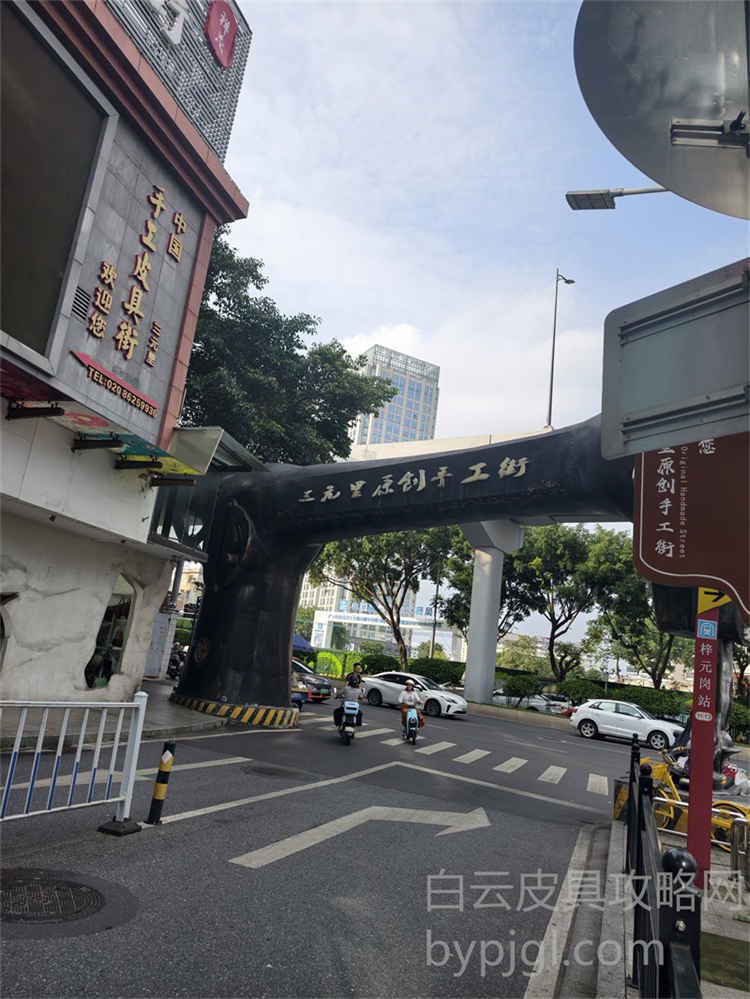
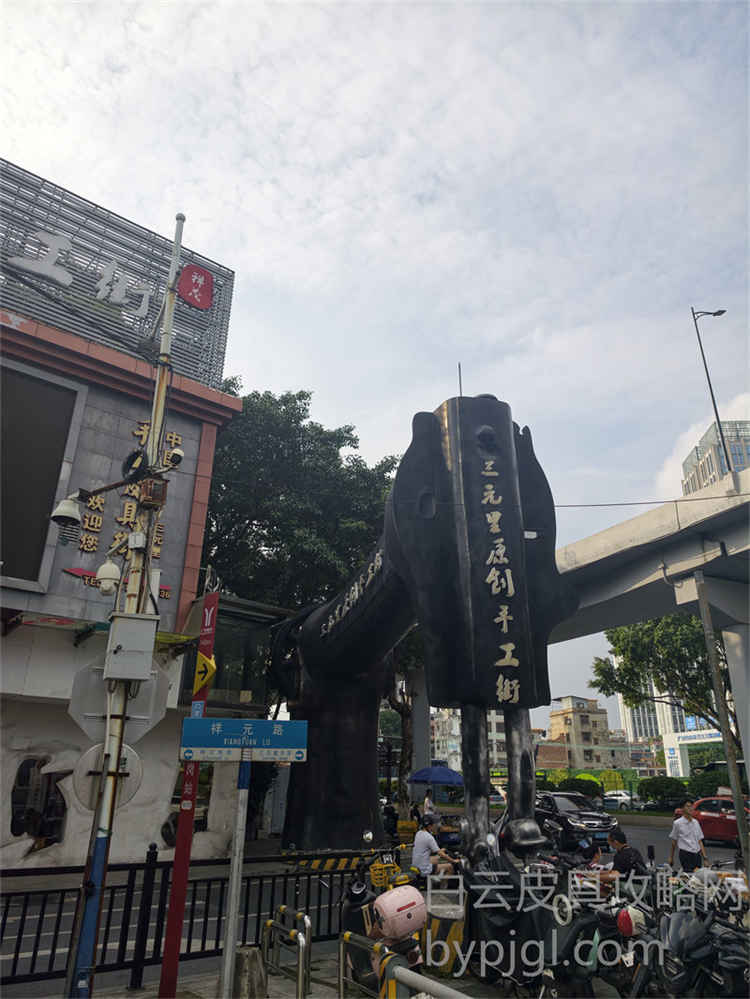
Listen, I've been standing behind my counter in Baiyun District for over twenty years. While everyone else is talking about factories moving to Vietnam or China's rising labor costs, the reality on the ground here is different. If you are looking for high-quality microfiber bags, there is simply no better place than this corner of Guangzhou. You might have heard rumors about "replica" markets, but let me set the record straight immediately: we are talking about legitimate manufacturing and sourcing for global brands, not shady operations. The term "Guangzhou Baiyun leather goods market" isn't just a buzzword; it is the epicenter where supply chains actually breathe.
I see so many overseas buyers walking into these massive complexes with a checklist from a website, expecting to find everything instantly. It doesn't work that way. The microfiber bag industry here is deep, complex, and incredibly competitive. When I tell you that I source my own stock from the same workshops down the hall, I mean it. This is where the real action happens. You need to understand that microfiber, often called suede or synthetic leather, has evolved far beyond cheap imitations. Today, we are producing materials that rival genuine leather in texture and durability, all while keeping costs manageable for your brand.
Navigating the Physical Market: More Than Just Walking In
The Layout of Baiyun and Where to Start
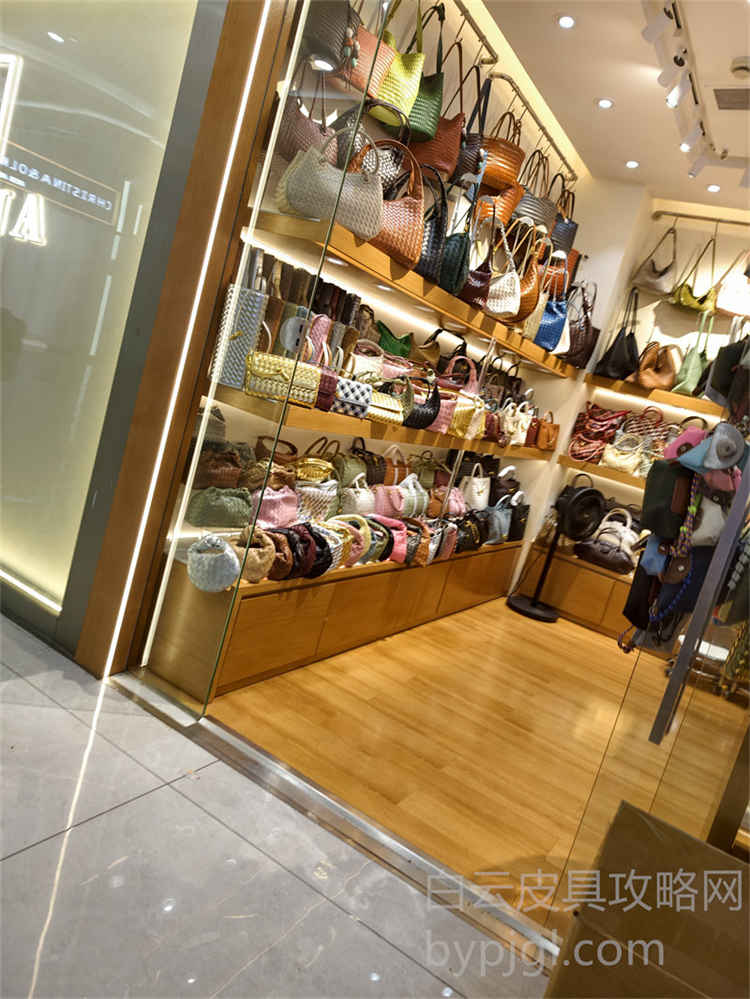
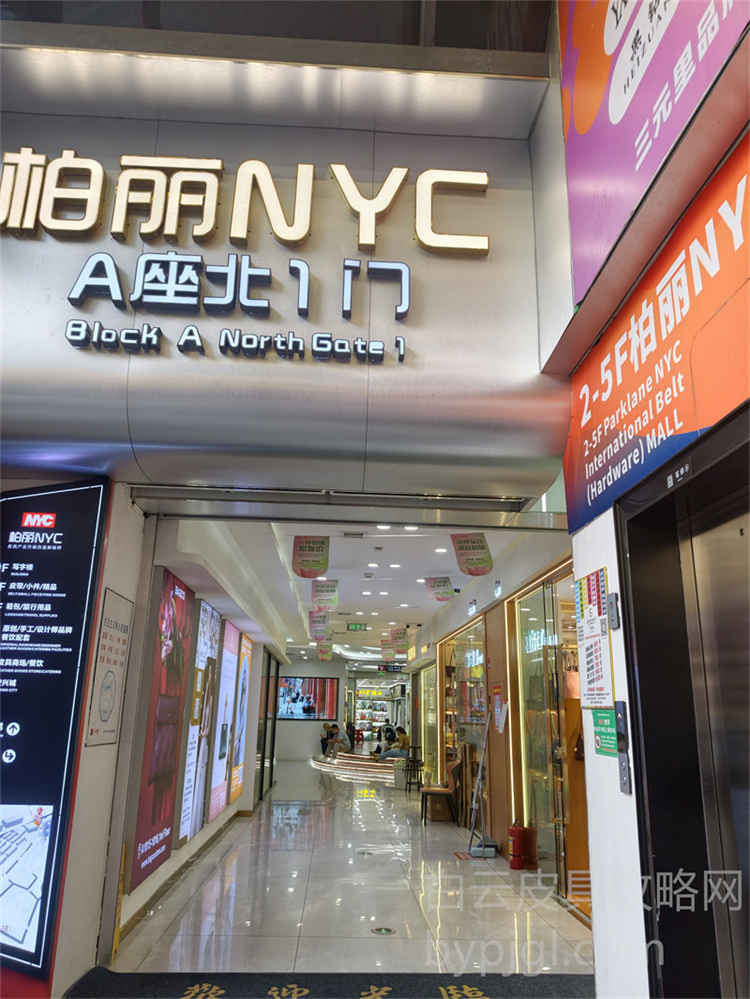
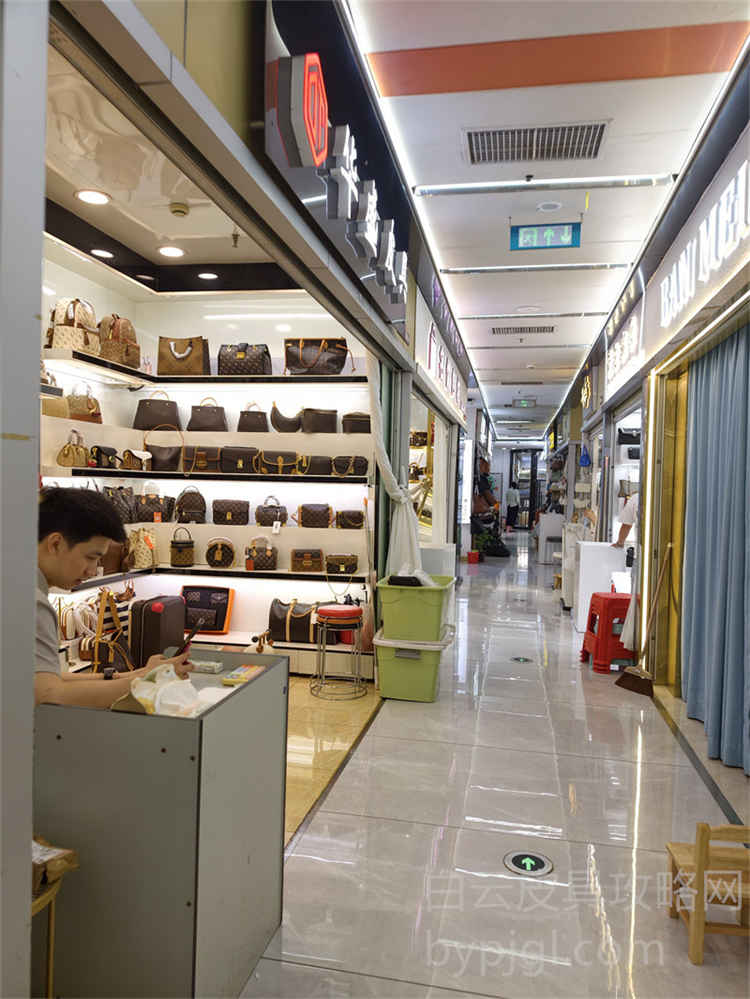
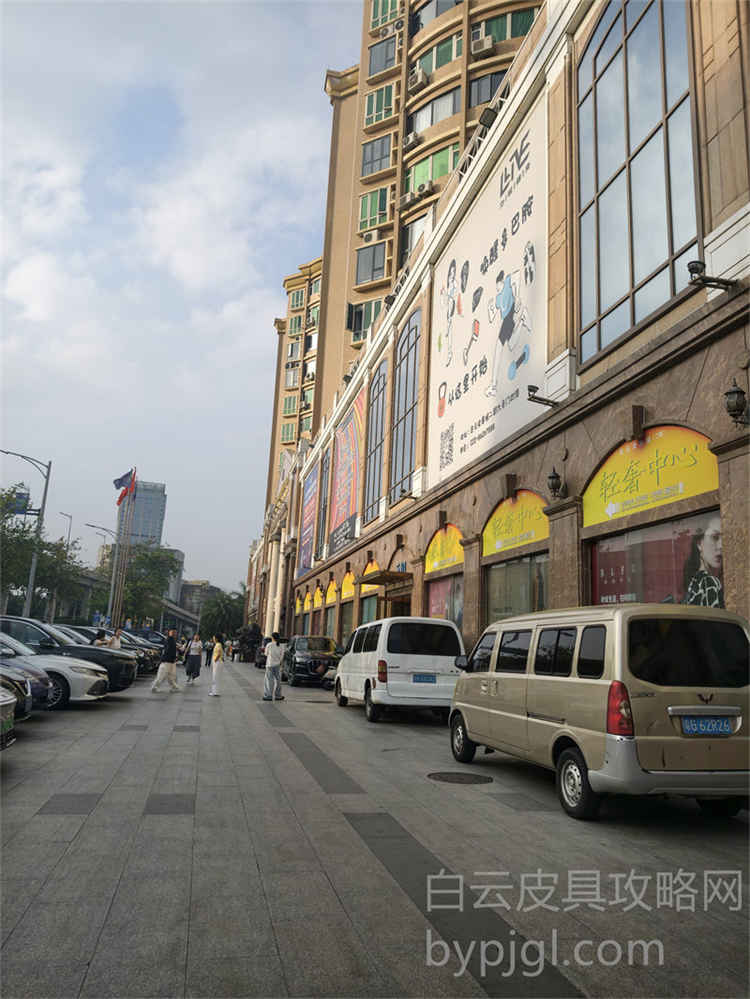
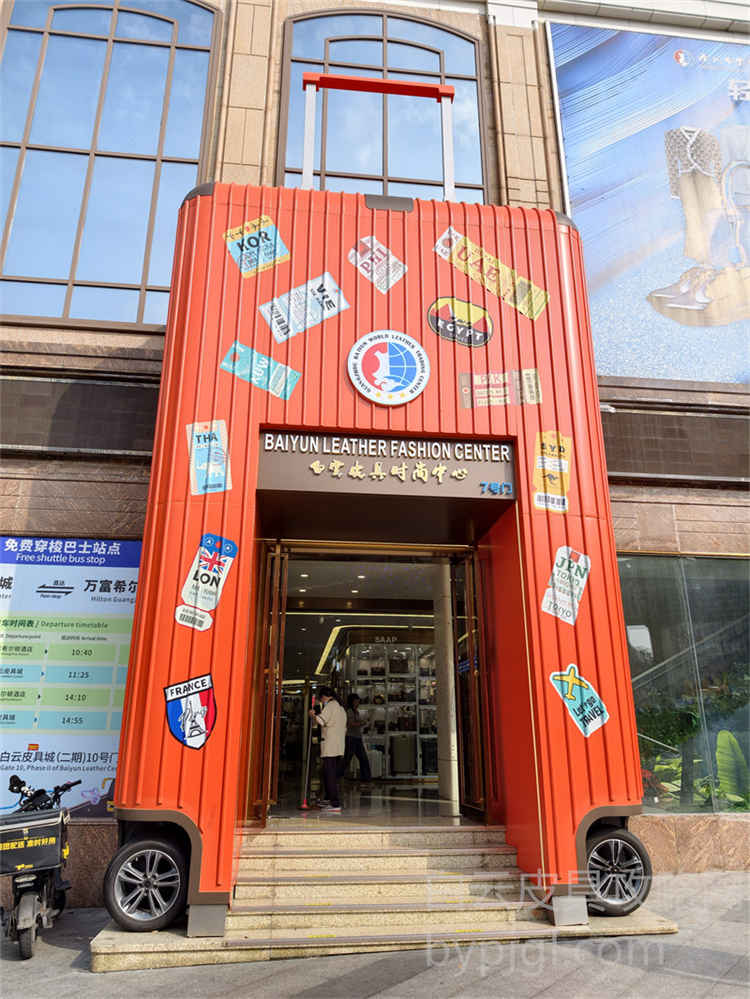
First things first, do not just wander aimlessly. The Baiyun Leather Goods City is a maze. There are several distinct buildings, each with its own vibe and specialization. Some floors cater to high-end luxury-style production, while others focus on mass-market fashion items. For microfiber bags specifically, you want to head towards the newer, more organized sections where the quality control is stricter. My advice? Arrive early, around 9 AM. That is when the suppliers are fresh, the lights are bright enough to inspect stitching, and they haven't started packing up their samples yet.
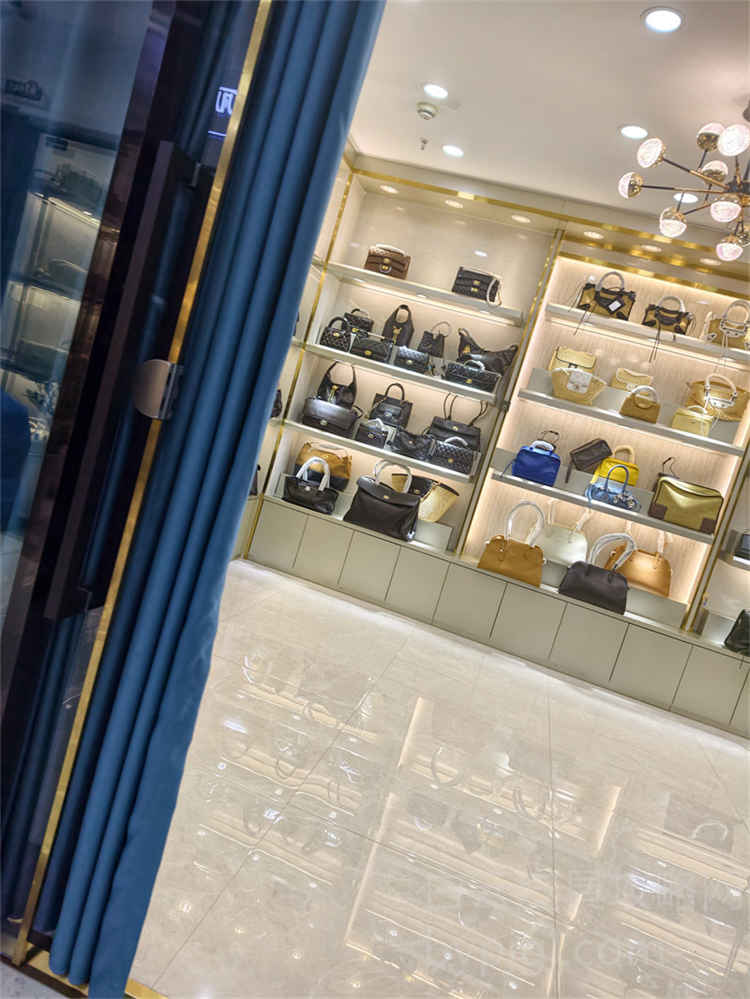
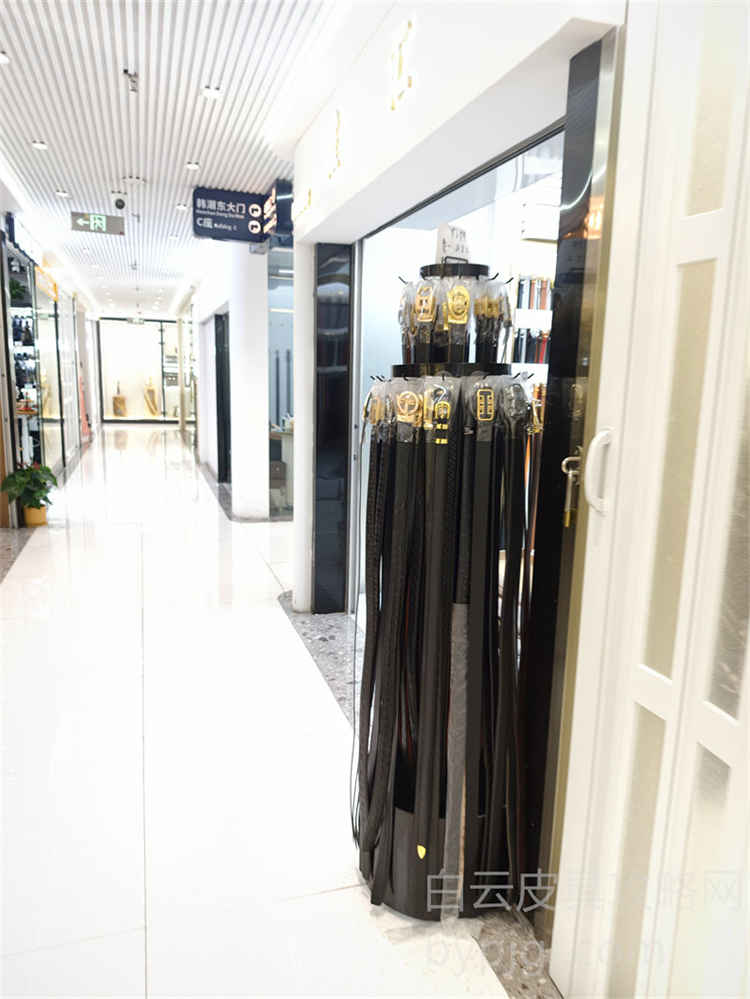
When you walk through the aisles, ignore the flashy displays at the front. Those are often just showpieces. Ask to see the "bulk stock" or the "production line samples." Most of the time, the real inventory is tucked away in the back rooms or on shelves behind the main counters. I remember a buyer last month who spent three hours looking at the front tables only to leave empty-handed because he didn't know to ask for the warehouse access. In this business, relationships open doors that brochures cannot.
Inspecting the Material: Touch, Smell, and Flex
Here is the secret sauce that separates a good supplier from a bad one: how they handle the microfiber. When you are physically here, you need to get your hands dirty. Run your fingers over the surface. High-grade microfiber should feel soft, consistent, and slightly warm to the touch, not cold and plastic-like. It should not peel easily when you rub it vigorously. We use specific weaving techniques that make the material breathable and resistant to water stains, which is crucial for modern handbags.
Do not rely on photos sent via WhatsApp or WeChat. Lighting can be manipulated, and colors can look completely different on a screen versus under the fluorescent lights of a Baiyun showroom. Always demand to see the raw material rolls if possible. A reputable factory will proudly show you the fabric bolts before cutting them. If they hesitate or say "it's all custom," run. That is usually a sign they are reselling someone else's goods rather than manufacturing directly. Trust me, I have seen too many buyers get burned by low-quality batches that cracked after a few months of use.
Building Relationships and Securing Your Order
The Art of Negotiation and MOQs
Let's talk numbers. One of the biggest hurdles for new international buyers is the Minimum Order Quantity (MOQ). In Guangzhou, traditional factories used to demand thousands of pieces per design. However, the landscape has shifted. Many smaller, agile workshops in Baiyun are now willing to accept lower MOQs, especially for microfiber products since the material is versatile and easy to dye. But don't expect to walk in and order fifty bags without building some rapport first.
Start by asking about their standard pricing tiers. Be honest about your volume expectations. If you are testing the market, frame it as a "trial order" with a promise of larger reorders if the quality meets your standards. I always tell my clients to bring a small gift or treat the supplier to a meal. It sounds old-fashioned, but in Chinese culture, sharing food builds trust faster than any contract. once they like you, they will prioritize your orders during peak seasons and give you better prices on materials.
Vetting the Factory Behind the Counter
Not every shop in the market owns a factory. Many are trading companies acting as middlemen. They add a markup and take a cut of your profit. How do you tell the difference? Ask direct questions about their production capacity. Do they have their own sewing lines? Can you visit the workshop? A genuine manufacturer will invite you to see the machines and the workers. If they keep saying "we are just a sales office," they are likely a middleman.
When you find a direct factory, verify their quality control process. Ask to see their defect rate records. A good supplier will admit that nothing is perfect but will explain how they catch errors before shipping. Look for their ISO certifications or any local industry awards. These details matter when you are scaling up. Also, discuss the lead times openly. Rushed jobs often lead to sloppy stitching and glue marks. Give them the time they need to do a proper job, and you will get a product that reflects well on your brand.
Avoiding Pitfalls and Ensuring Smooth Logistics
Payment Security and Contracts
Never, under any circumstances, send money via Western Union or personal bank transfers without a formal agreement. Even though we operate in a bustling physical market, the transactions must be documented. Use a secure payment gateway or a letter of credit for large orders. For smaller trial runs, a deposit followed by balance upon inspection is standard practice. I always recommend meeting halfway. Pay 30% upfront to start production and 70% after you have inspected the finished goods in our warehouse.
Make sure the contract specifies the exact color codes, dimensions, and hardware specifications. Microfiber comes in hundreds of shades, and a slight deviation in color can ruin an entire batch. Specify the type of zipper, the strength of the thread, and even the packaging requirements. Vague instructions lead to vague results. If you want your bags to look premium, your specs must be precise.
Shipping and Customs Considerations
once your order is ready, logistics become the next challenge. Guangzhou has excellent port access, but you need to choose the right freight forwarder. Don't just pick the cheapest option. You need someone who understands how to pack fragile leather goods properly to prevent crushing or scratching during transit. Ask your supplier for recommendations on reliable forwarders who have experience exporting to your specific country.
Be aware of customs regulations regarding synthetic leather products. Some countries have strict tariffs on certain types of materials. Make sure your supplier provides accurate HS codes and commercial invoices. A clean paper trail prevents your shipment from getting stuck at the border. Remember, the goal is to get your goods to your customers quickly and safely. A smooth supply chain is the backbone of any successful retail business.