Walking the Floors: My Real Talk on Sourcing from Guangzhou
I have been standing behind this counter in the Baiyun district for over twenty years. While you might see flashy ads online promising "top tier" goods, the reality of our trade is far more grounded. People often ask me how to find the best spots without getting scammed or wasting a week of their trip. Let me tell you, there is no magic button. It is all about being here, walking the floors, and knowing exactly what to look for when you step into the bustling corridors of the leather market.
The First Step: Leaving the Hotel and Heading to the Source
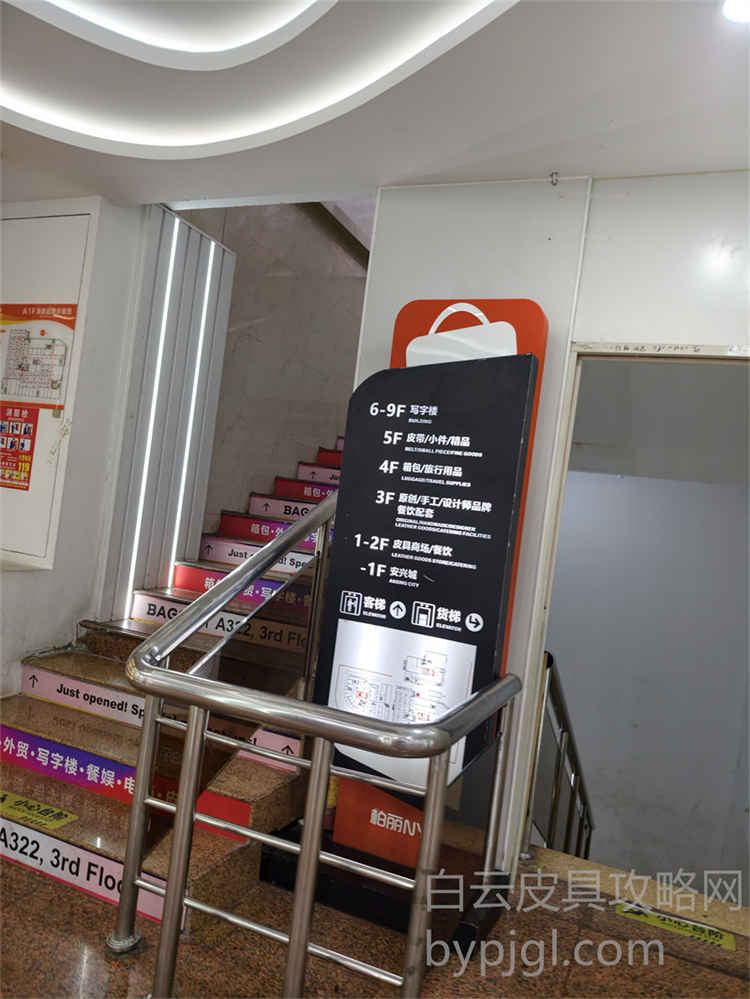
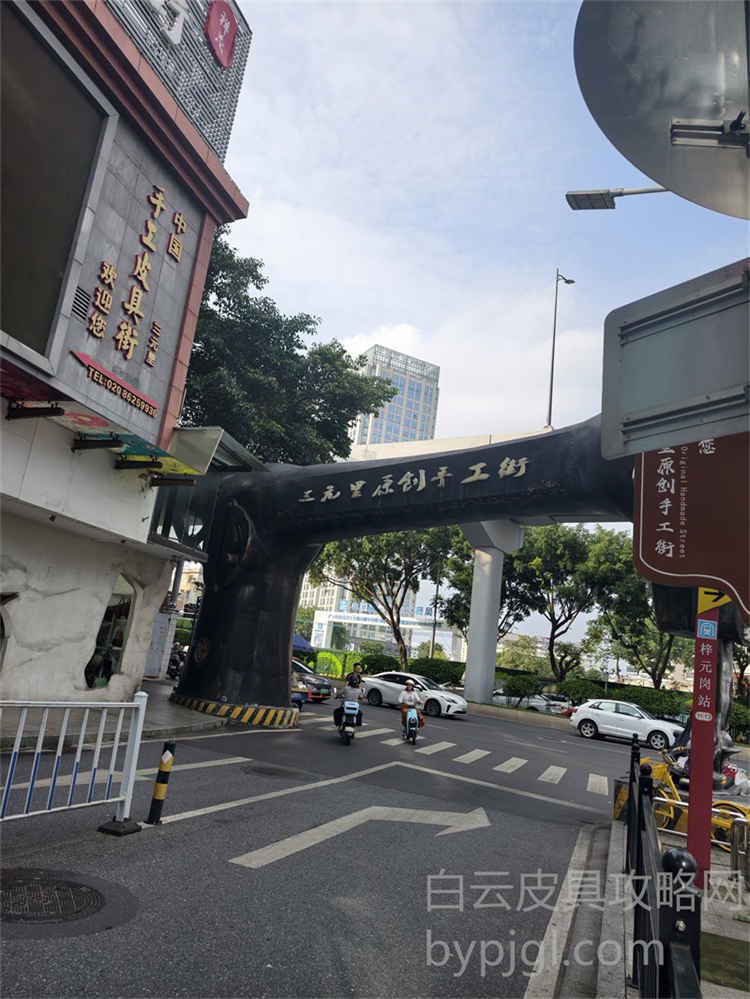
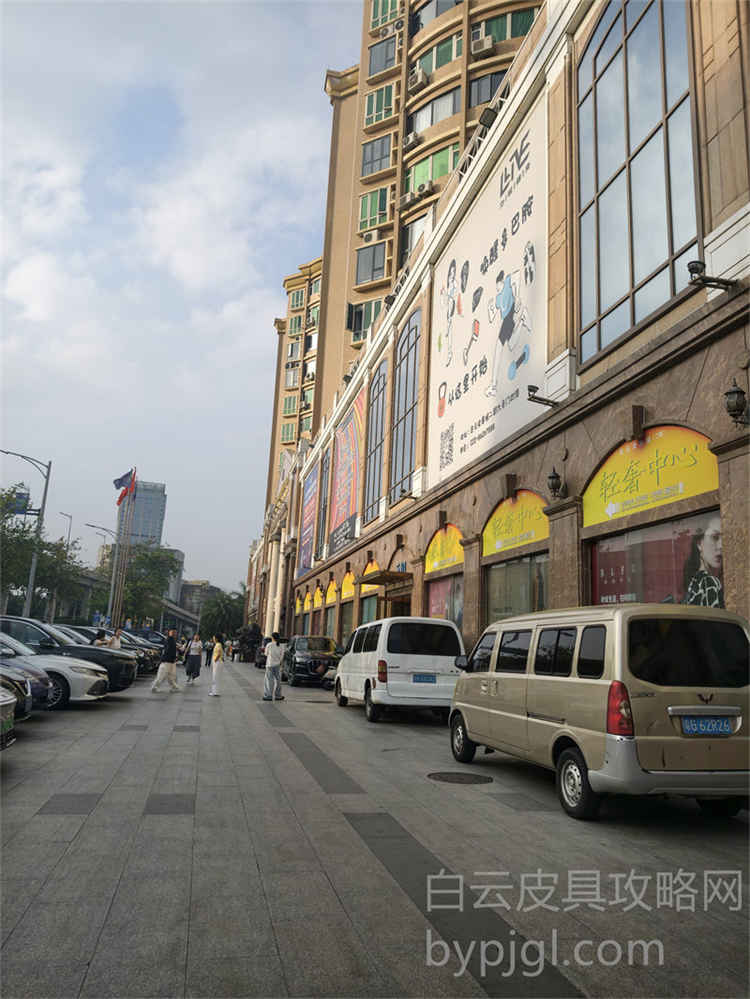
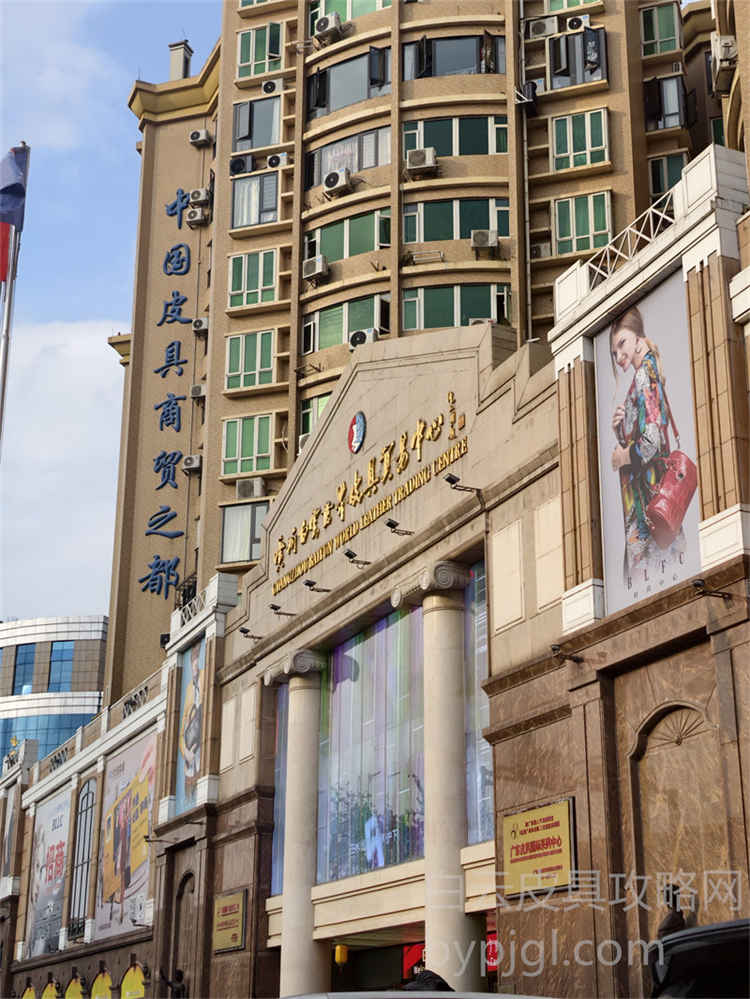
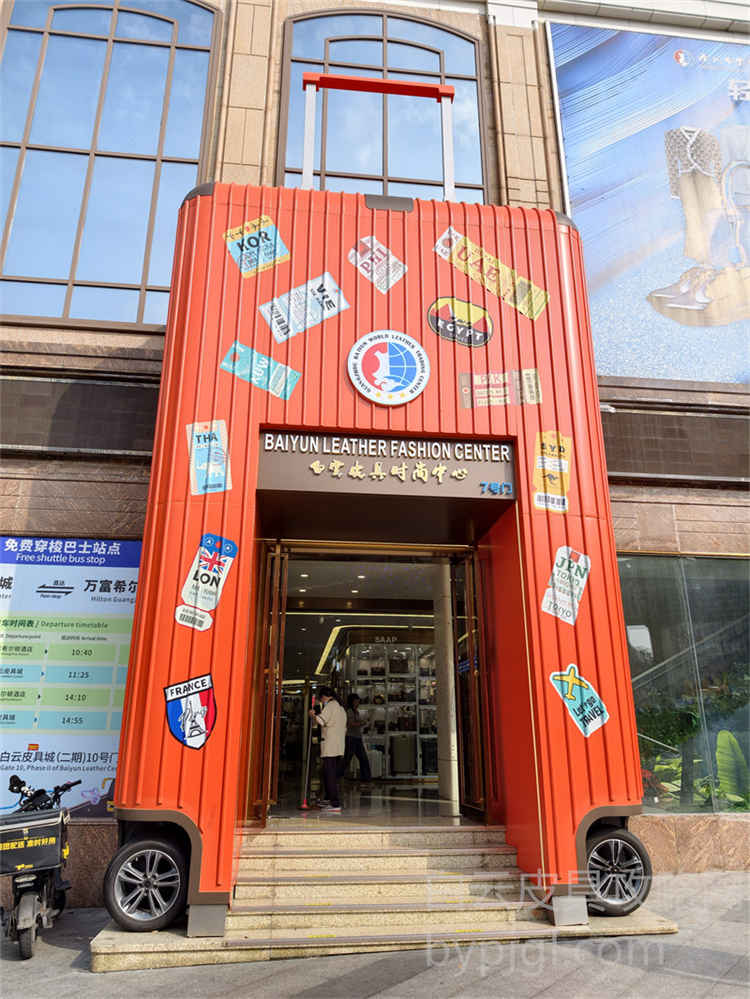
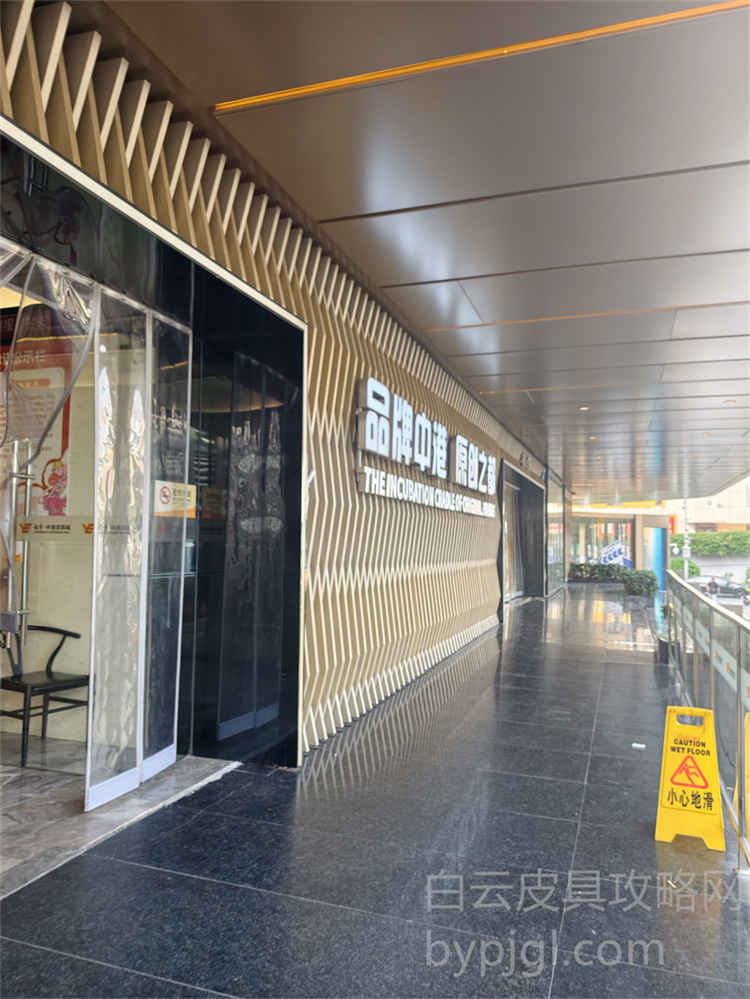
Most tourists make the mistake of staying in fancy hotels and trying to order everything via WeChat before they even arrive. That is a recipe for disappointment. You need to be physically present. The moment you land, head straight for the area around Yide Road and the main Baiyun complex. This is where the real action happens. When you walk through the glass doors, ignore the shiny displays at the front entrance; those are just for show. The serious business happens in the back alleys and on the upper floors where the air smells faintly of glue and fresh leather.
Navigating the Market Layout and Finding the Right Stall
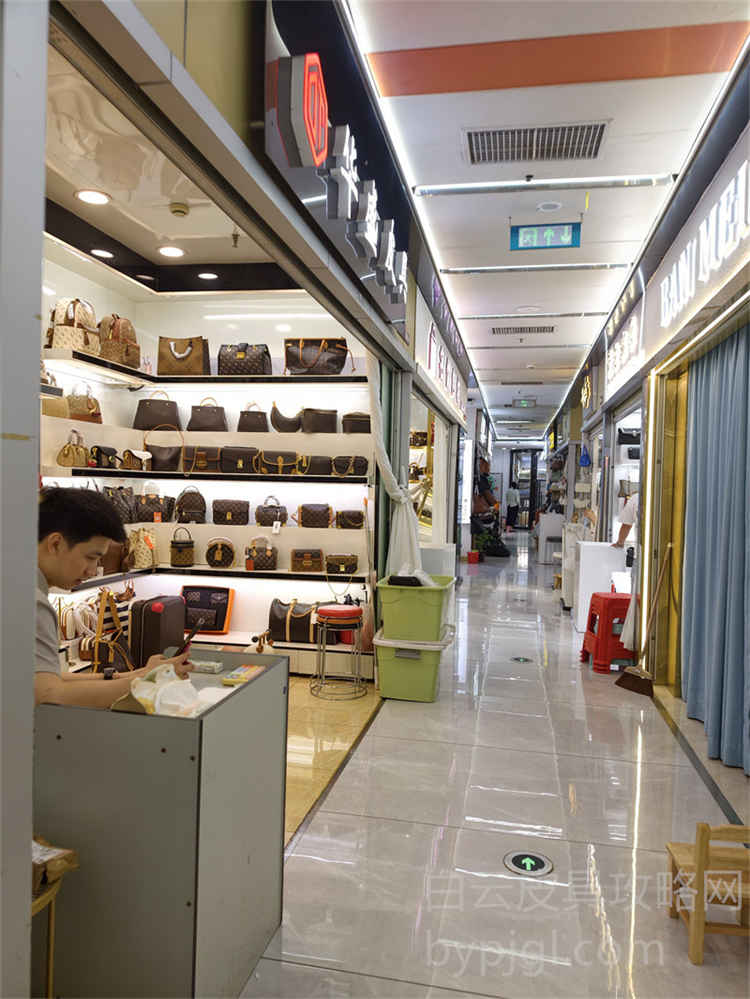
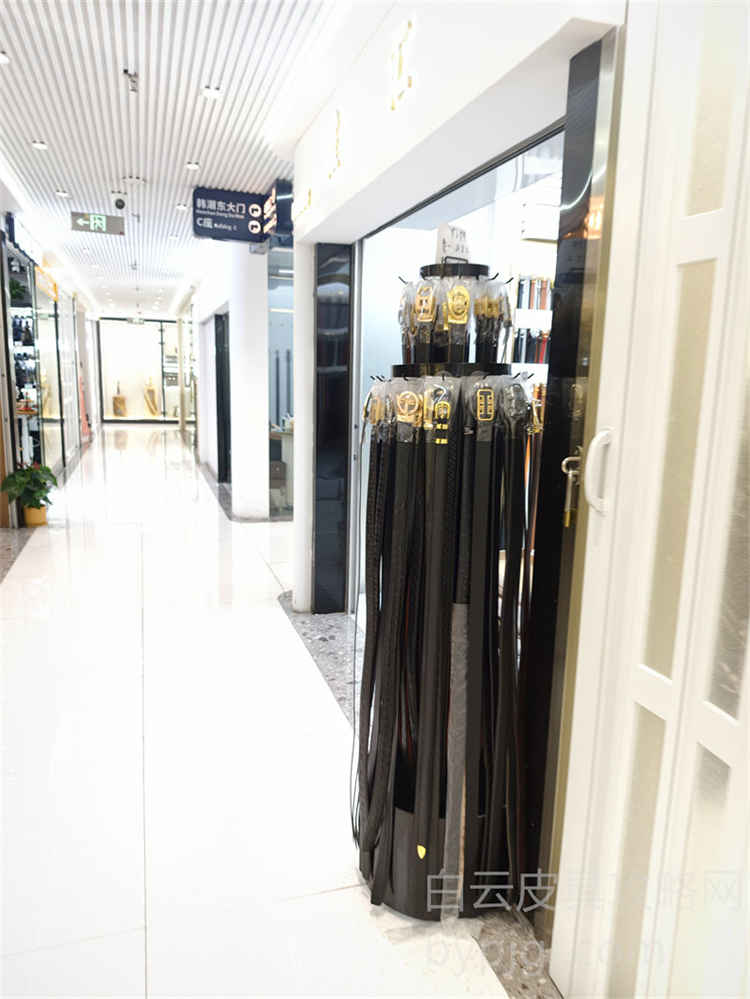
The layout can be confusing if you don't know what you are looking for. Do not get distracted by the loud music or the bright neon signs. Look for the stalls that look slightly worn but have stacks of high-quality materials neatly organized. These are usually the family-run shops that have been here since the early 2000s. They do not need to shout to attract customers because their regular clients come back year after year.
Reading the Room: How to Spot a Genuine Dealer
When you approach a stall, observe the owner's hands. If they are constantly polishing metal hardware or inspecting stitching with a magnifying glass, you have found someone who cares about the craft. Avoid the guys who just sit behind a laptop showing you pictures on a screen. In my experience, the best pieces are never fully finished until you touch them. A good dealer will pull out samples from under the counter, not just show you a catalog. They want you to feel the weight of the bag, the texture of the grain, and the smoothness of the zipper. If they hesitate to let you touch the product, walk away immediately.
The Art of Selection: What Matters Most in Quality
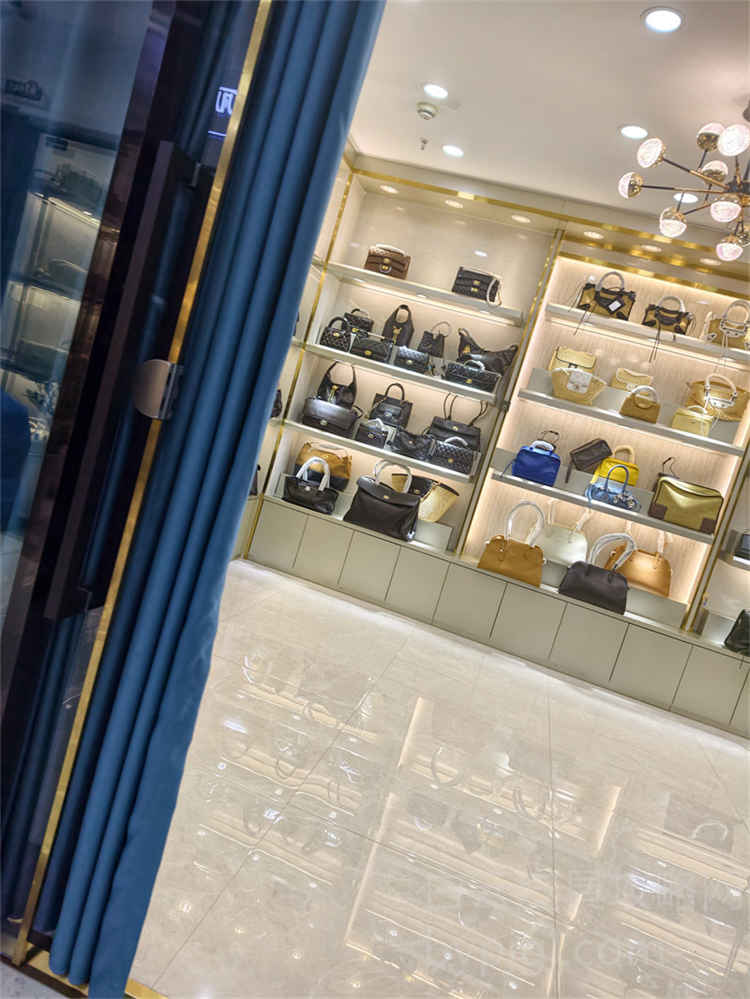
Many buyers focus too much on the logo or the shape. I always tell my international friends to forget the branding for a second and look at the construction. The leather should smell like leather, not chemicals. Run your fingers along the edges. Are they painted smoothly, or do you see rough lines? The stitching should be consistent, with no loose threads or uneven spacing. In our market, we call this "the finish." It is the difference between a piece that lasts five years and one that falls apart in five months.
Hardware and Lining: The Details That Sell the Bag
Check the zippers. High-end manufacturers use specific brands for their hardware that glide effortlessly. If the zipper sticks or feels cheap, the rest of the bag is likely compromised. Also, look inside. The lining fabric should be tight and durable, not flimsy. In the Baiyun market, you will find stalls that specialize in specific types of leather, like calfskin or lambskin. Ask to see different batches. Sometimes, a new shipment arrives with better quality control than the previous one. Being flexible allows you to grab the best lot available.
Talking Business: Negotiation and Building Trust
Do not be afraid to talk. In China, negotiation is an art form, but it must be done respectfully. Start by asking about the price per unit for bulk orders. If you are buying just one or two pieces, expect to pay a bit more, but if you are building a stock, the prices drop significantly. I have seen many foreigners try to haggle aggressively, which only makes the seller defensive. Instead, build a relationship. Tell them you are planning to return next season. When they know you are a long-term partner, they will give you access to their best inventory first.
Payment and Logistics: Getting Your Goods Home Safely
once you agree on a deal, discuss the shipping method carefully. Many sellers offer direct shipping to your country, but I always recommend using a reliable freight forwarder based in Guangzhou. They know the customs regulations better and can consolidate multiple orders from different stalls into one package. This saves you money on shipping fees and reduces the risk of your goods getting stuck at the border. Never send money directly to a personal bank account without a contract or a verified payment gateway. Trust is earned through transactions, not promises.
Avoiding Common Pitfalls and Staying Safe
The biggest mistake buyers make is rushing. Take your time to visit at least three or four different markets in the area. Compare the same style across different stalls. You will notice that while some look identical from a distance, the details vary wildly. Another common trap is falling for "exclusive" deals offered by strangers on the street. only deal with people inside the official market buildings. They have licenses, physical addresses, and a reputation to protect.
Final Thoughts on the Buying Experience
Coming to Guangzhou is not just about buying a bag; it is about understanding the supply chain. You see the raw materials, the cutting machines, and the skilled artisans working late into the night. This transparency gives you confidence in what you are purchasing. Whether you are sourcing for a boutique or for personal use, the key is to be patient, observant, and willing to learn the local language of quality. The Baiyun district is vast, but with the right mindset, you will find exactly what you need without any headaches.