Why the Real Goods Are Still in Guangzhou, Not on Your Screen
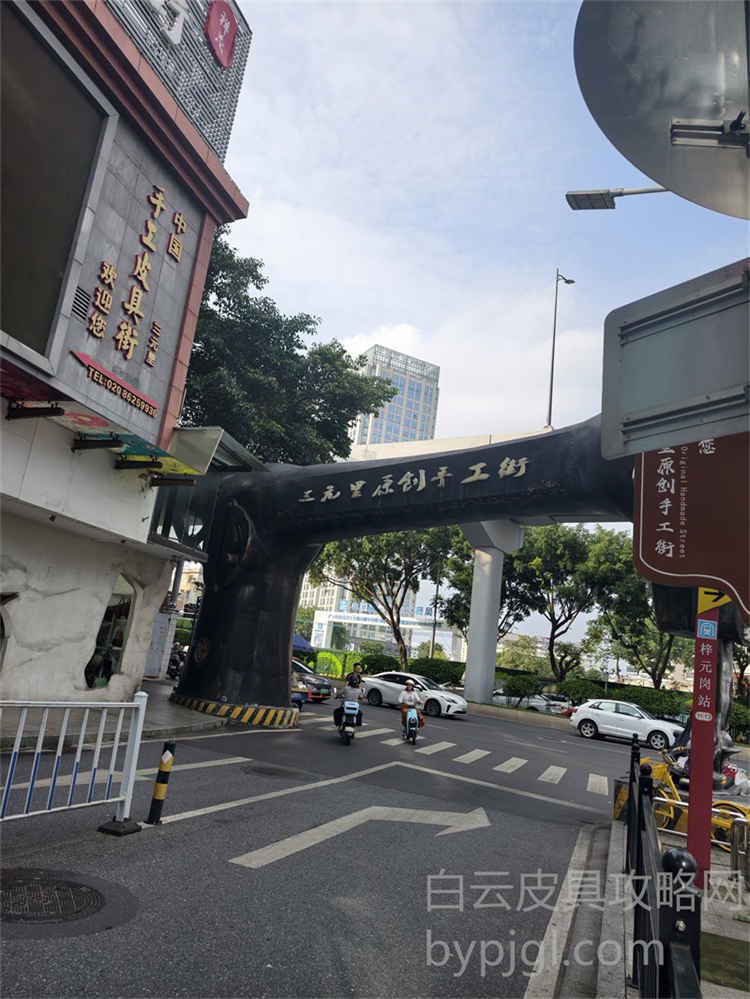
I've been standing behind this counter in the Baiyun District for over twenty years. While you are scrolling through apps looking for "Guangzhou Taobao brand bag sources," I am watching the sun rise over the chaotic streets of Shiqiao and the endless flow of trucks unloading leather rolls at dawn. Let me tell you something that most online guides won't admit: the real story isn't found in a digital listing. It is found in the dust, the noise, and the smell of high-quality cowhide that fills the air here.
You might think you can just order from a website and get the same deal. But if you want to understand the true supply chain, you need to be here. The market has evolved. The days of selling cheap junk are fading, replaced by factories that actually care about craftsmanship. When you walk into the major wholesale hubs, you aren't just buying bags; you are accessing a network of artisans who have spent decades perfecting their trade. This is where the magic happens, far away from the sterile photos on your computer screen.
Navigating the Physical Market: More Than Just Walking Aisles
The Layout and the Hidden Gems
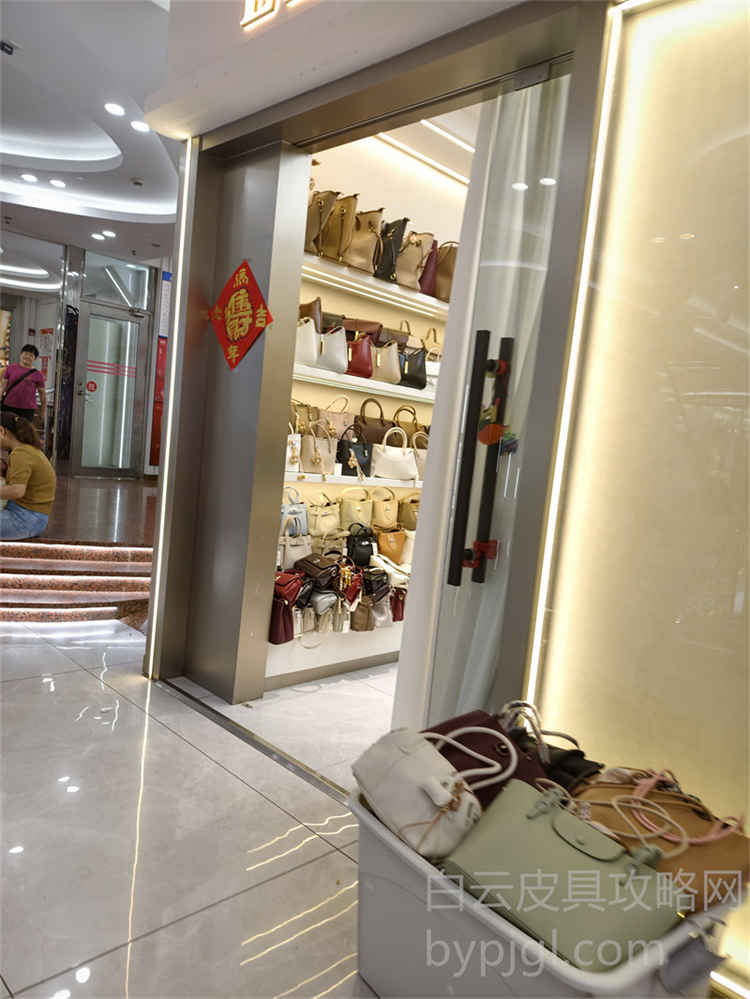
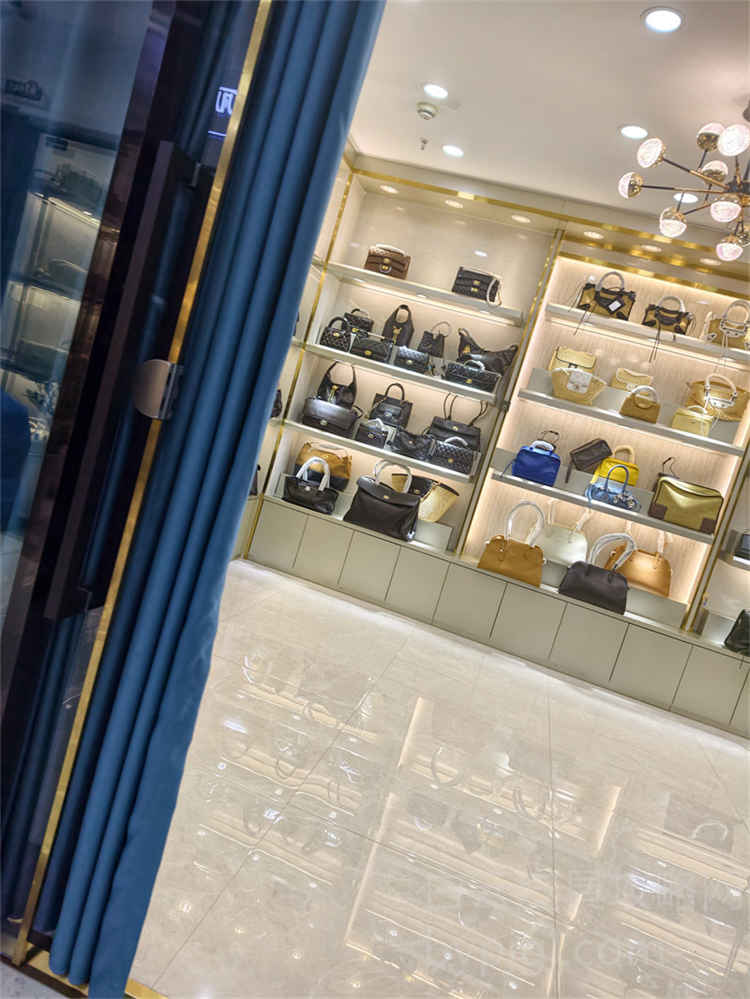
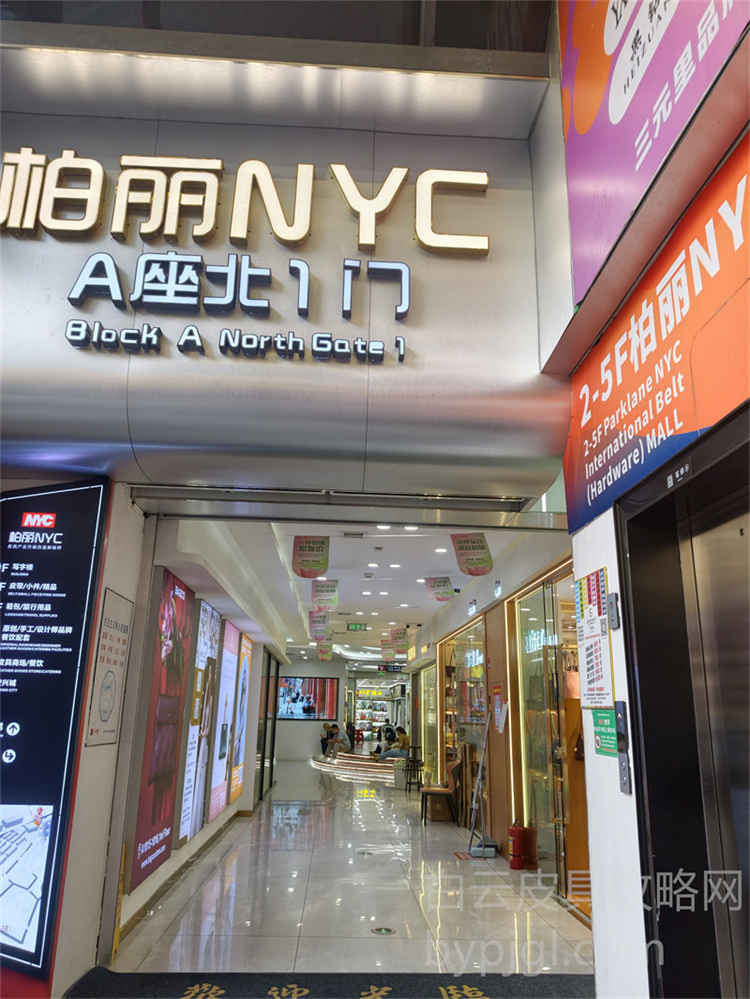
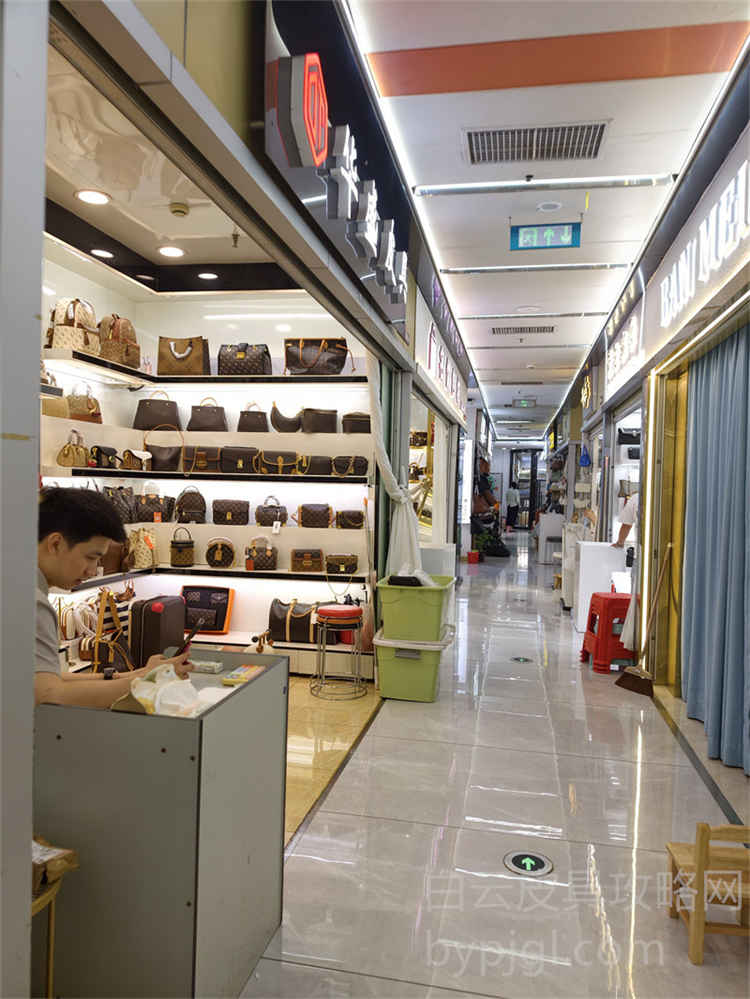
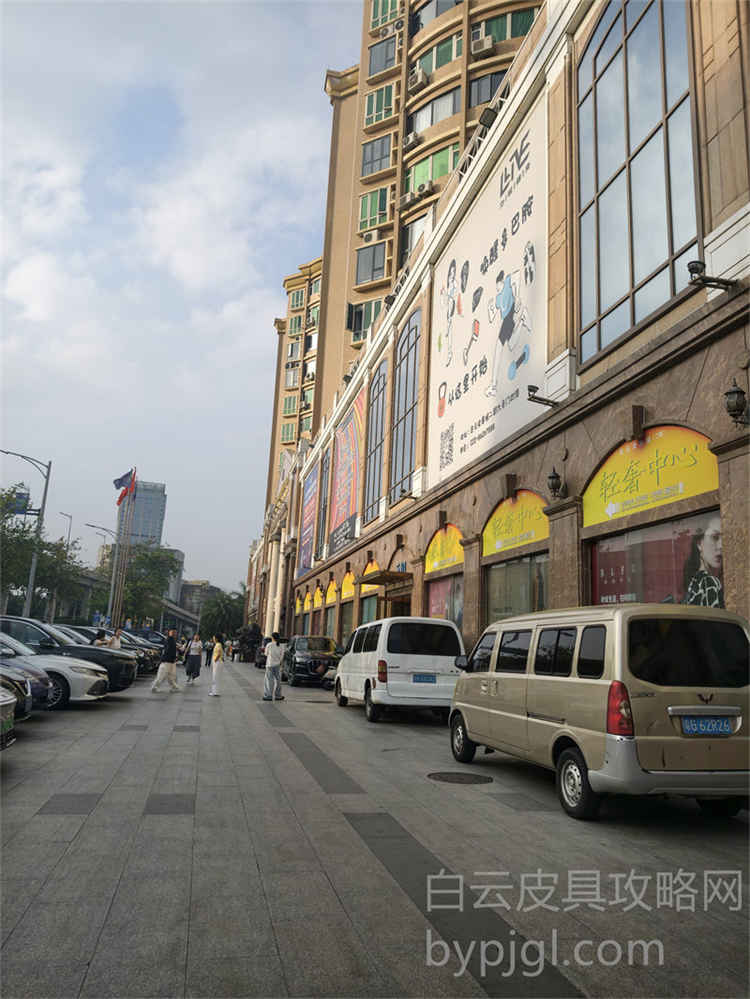
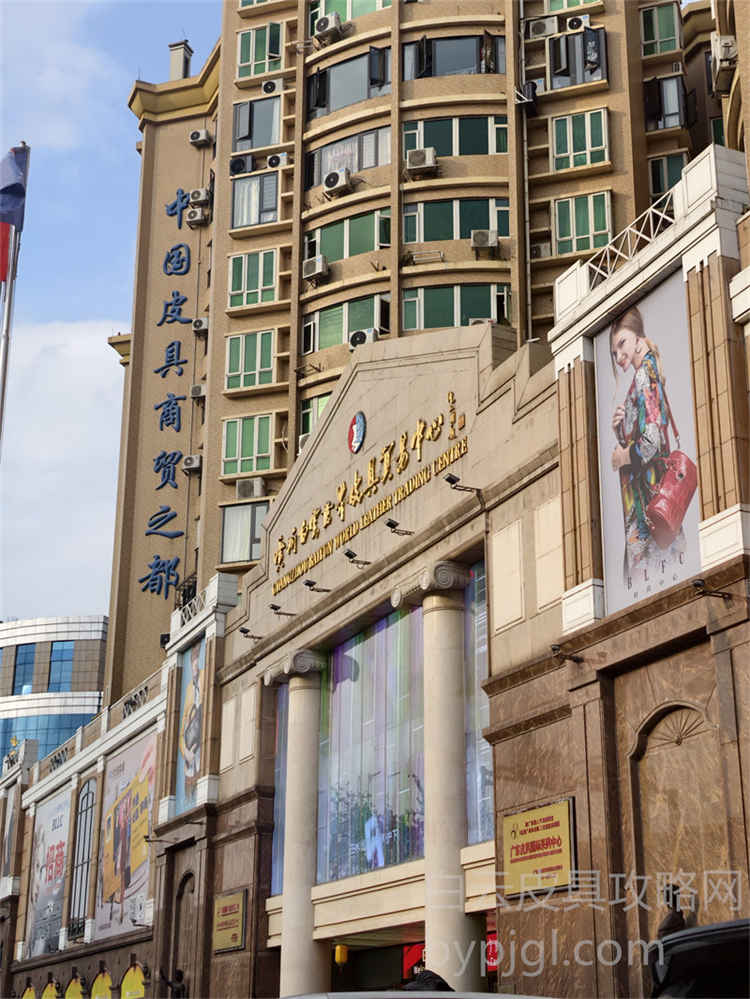
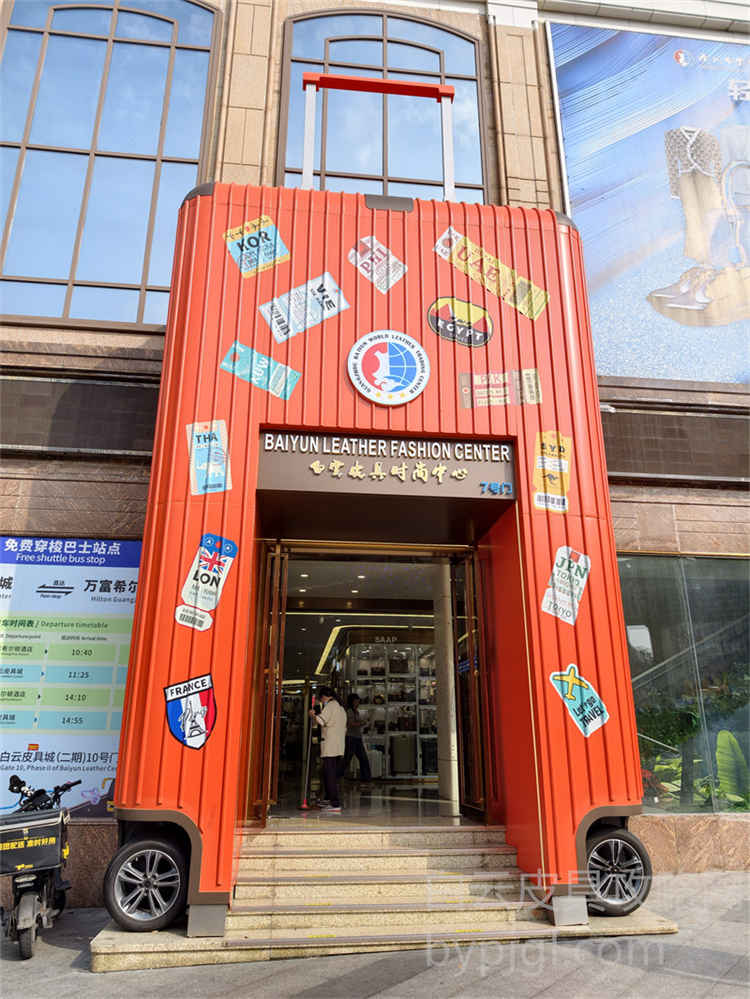
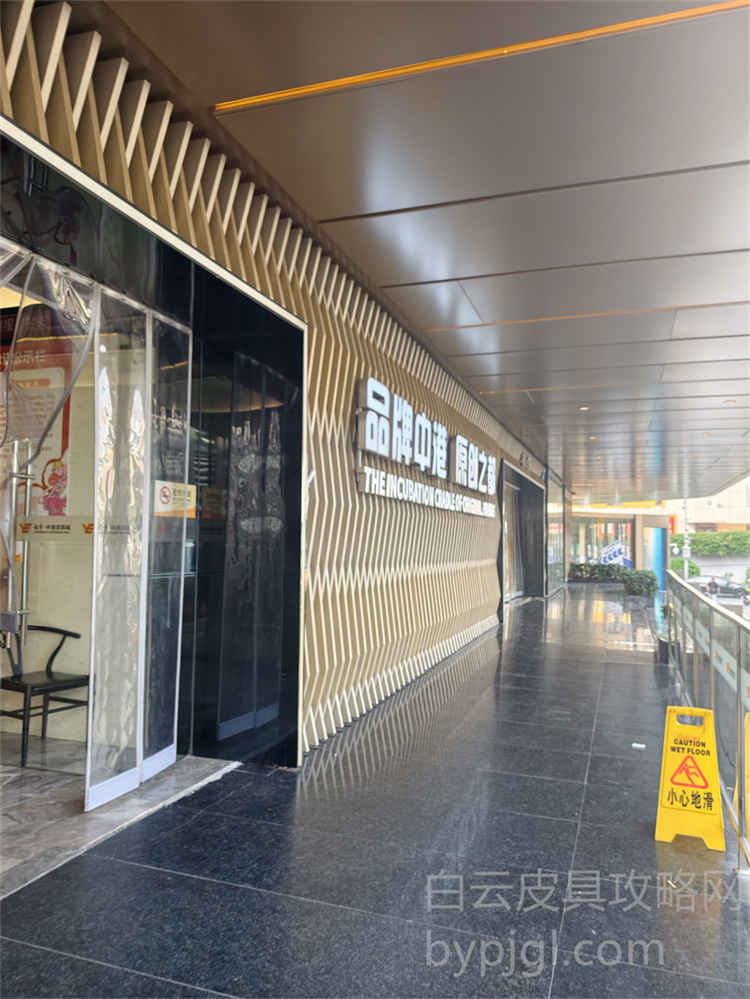
First things first, don't expect everything to be labeled clearly. The layout of these markets is designed for speed and volume, not for tourists. If you are looking for top-tier goods, avoid the ground floor stalls that scream for attention with bright neon signs. The real inventory, the pieces that match international standards without any compromise, is often tucked away on the upper floors or in the back corridors of buildings like the Baoma Plaza or the World Leather Trade Center.
I remember when I started, we had to memorize every corridor. Now, I guide my regular clients through the maze. You need to know which building houses the best stitching and which one specializes in hardware. The "Taobao" connection is strong here, but it's not what you think. Many of the biggest online sellers source directly from these very shops. They buy in bulk, photograph the items, and ship them out. By coming here yourself, you cut out the middleman. You see the raw material before it becomes a finished product.
Reading the Room: How to Spot the Quality
When you approach a stall, do not ask for "designer copies." That phrase will get you ignored or worse, shown a low-quality sample. Instead, talk about materials. Ask about the type of leather, the weight of the zipper, and the thread count. In Guangzhou, quality is measured in details. Look at the edge painting. Is it smooth? Does it chip easily? Check the lining. Is it tight? Does it feel like fabric or paper?
I always tell my buyers to touch the leather. Real leather breathes; synthetic materials feel cold and plastic-like. Even within the same price range, there is a massive difference between a factory that uses full-grain hide and one that uses corrected grain. If you are serious about sourcing, bring a magnifying glass. Inspect the stitching lines. Are they even? Do they pull? A good stall owner will appreciate your knowledge and show you their premium stock immediately. They know that a discerning eye means a long-term partner.
The Art of Negotiation and Building Trust
From First Greeting to Final Deal
Walking into a shop in Baiyun is different from ordering online. Here, relationships matter more than anything else. Start with a simple greeting. Don't rush to the price tag. Ask about the production cycle. How long does it take to make a batch? What is the minimum order quantity? These questions signal that you are a professional buyer, not a casual shopper.
Negotiation is an art form here. Prices are rarely fixed. If you show interest in a specific style, the owner might offer you a discount based on your volume. But be careful. If the price seems too good to be true, it usually is. We have seen too many buyers get burned by fake promises. Always ask to see the actual stock, not just a photo. If they hesitate, move on. There are hundreds of other stalls waiting to serve you.
Logistics and Shipping Realities
once you have selected your goods, the next challenge is getting them out of China. Most of us here have established relationships with freight forwarders who specialize in shipping to the US, Europe, and beyond. They handle customs clearance, consolidation, and last-mile delivery. You don't need to worry about the paperwork if you trust the right people.
However, timing is crucial. During peak seasons, like before Chinese New Year or major shopping festivals, shipping times can stretch. Plan ahead. Also, consider the packaging. High-end goods require sturdy boxes and protective wrapping to survive the journey. I always advise my clients to inspect the packing before the truck leaves. A small scratch during transit can ruin the entire shipment. Work with your supplier to ensure the bags are wrapped properly and labeled correctly for your destination country.
Avoiding Pitfalls: What Every Buyer Must Know
The Trap of Low-Quality Samples
One of the biggest mistakes new buyers make is falling for the "sample" trap. Some vendors will show you a perfect piece, then send you a inferior version in the bulk order. To avoid this, insist on seeing multiple units of the same style. Ask to compare the hardware from different batches. If the color varies slightly, that is a red flag. Consistency is key in mass production.
Another common issue is the "rush job." If you demand a huge order in a very short time, the quality will suffer. Factories here are efficient, but they still need time to craft each item properly. Respect the production timeline. If you need a specific design quickly, be prepared to pay a premium for overtime labor. It is better to wait two extra weeks and get a perfect product than to rush and receive defective goods.
Building Long-Term Partnerships
Finally, treat these suppliers as partners, not just vendors. Visit them regularly. Bring gifts or snacks. Show genuine interest in their business. In Guangzhou, word of mouth travels fast. If you are known as a fair and reliable buyer, you will get priority treatment. You will get access to new designs before anyone else. You will get better prices. This is the secret that no algorithm can teach you.
The landscape of leather goods in Guangzhou is vibrant and constantly changing. From the bustling streets of Shiqiao to the quiet corners of the wholesale markets, there is a treasure trove waiting for those willing to dig deep. Don't rely solely on online searches. Come here, see the leather, feel the texture, and talk to the people who make these bags. That is the only way to truly understand the value of "Guangzhou Baiyun leather goods" and secure the best source for your business.