Walking the Floors: My Honest Take on Sourcing in Guangzhou
I have been standing behind this counter in the Baiyun district for over fifteen years. While the internet tells you everything about "China Guangzhou A version bag sources," nothing beats the smell of leather, the noise of the crowds, and the actual handshake deal that happens face-to-face. If you are planning to fly here to buy bags, forget what you read on generic blogs. Let me walk you through exactly how we operate in the real market, away from the tourist traps.
The First Rule: Leave Your Expectations at Home
When I first started, many overseas buyers walked into my shop expecting a specific brand name to be stamped on every bag. They would ask for "the top quality" immediately. I always tell them to stop right there. In our world, we do not talk about copying famous logos. We talk about craftsmanship, materials, and design integrity. The moment you mention a luxury brand name, the conversation ends, or worse, you get quoted a price that is three times higher because they think you are a tourist looking for a fake. Instead, focus on the construction. Ask about the type of cowhide, the stitching density, and the hardware weight. This shifts the dynamic from a shady transaction to a professional sourcing discussion.
Navigating the Baiyun Leather City Maze
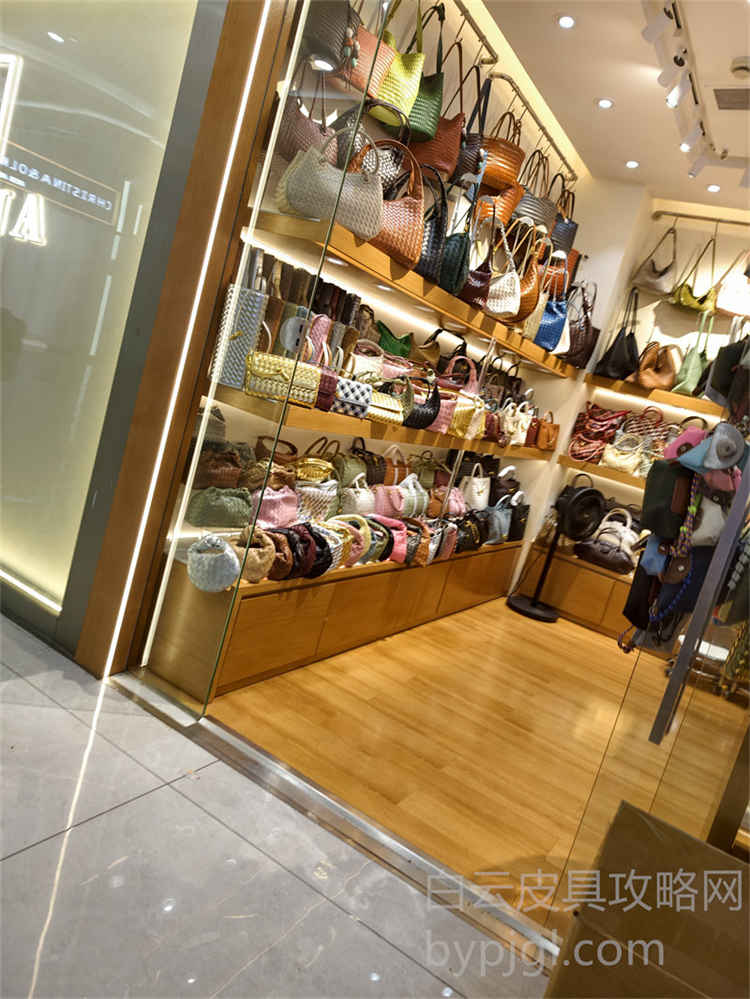
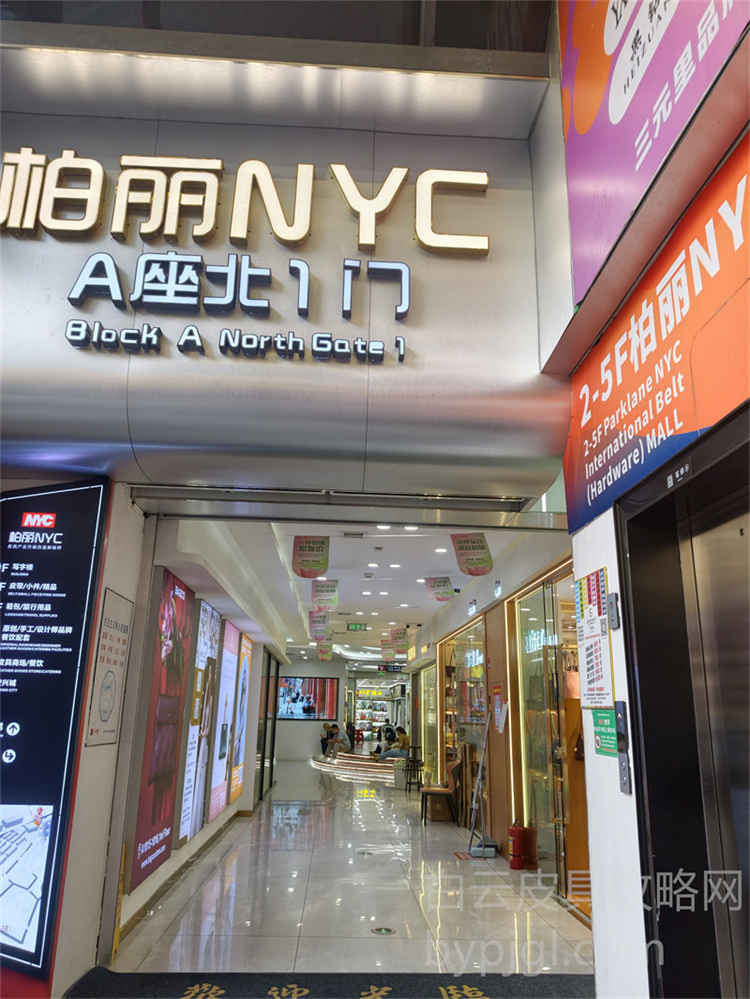
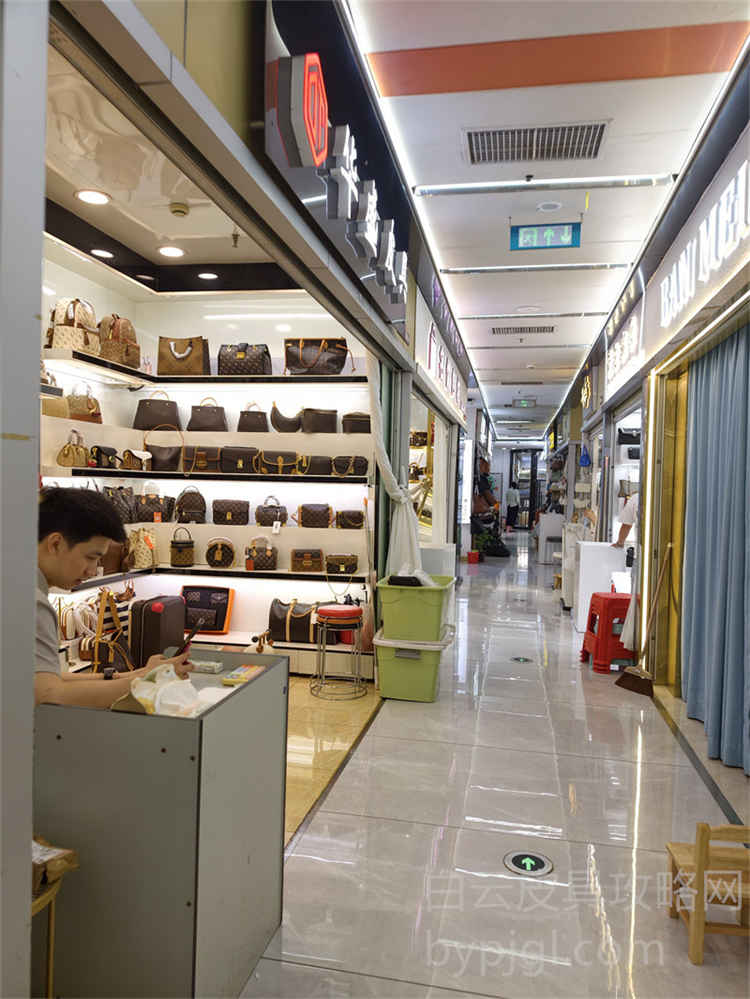
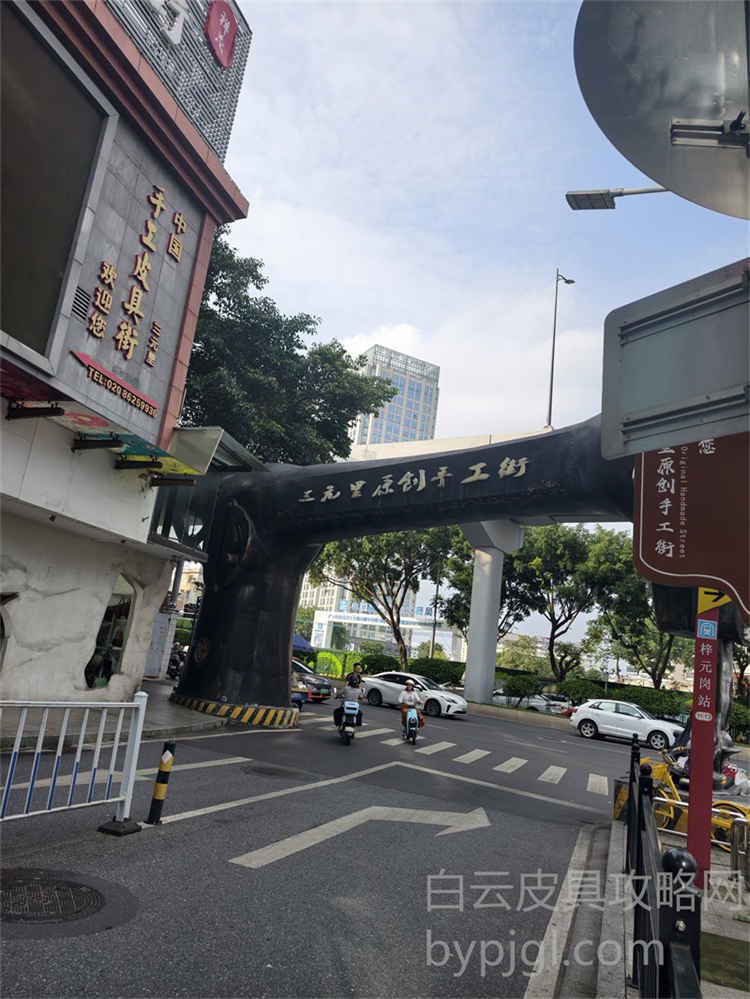
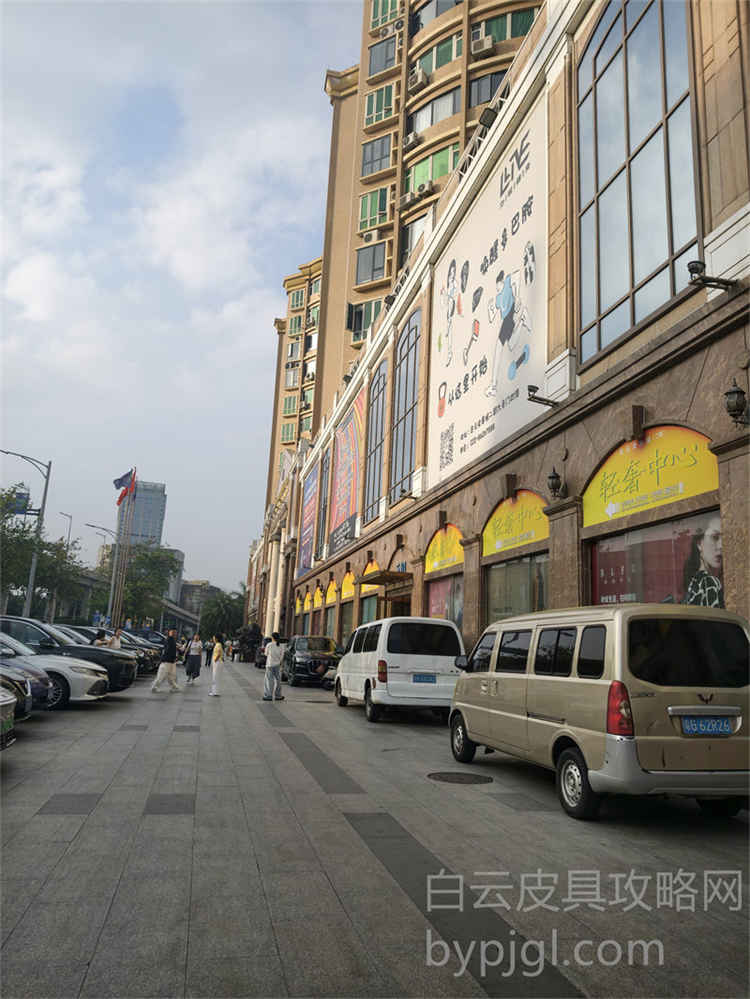
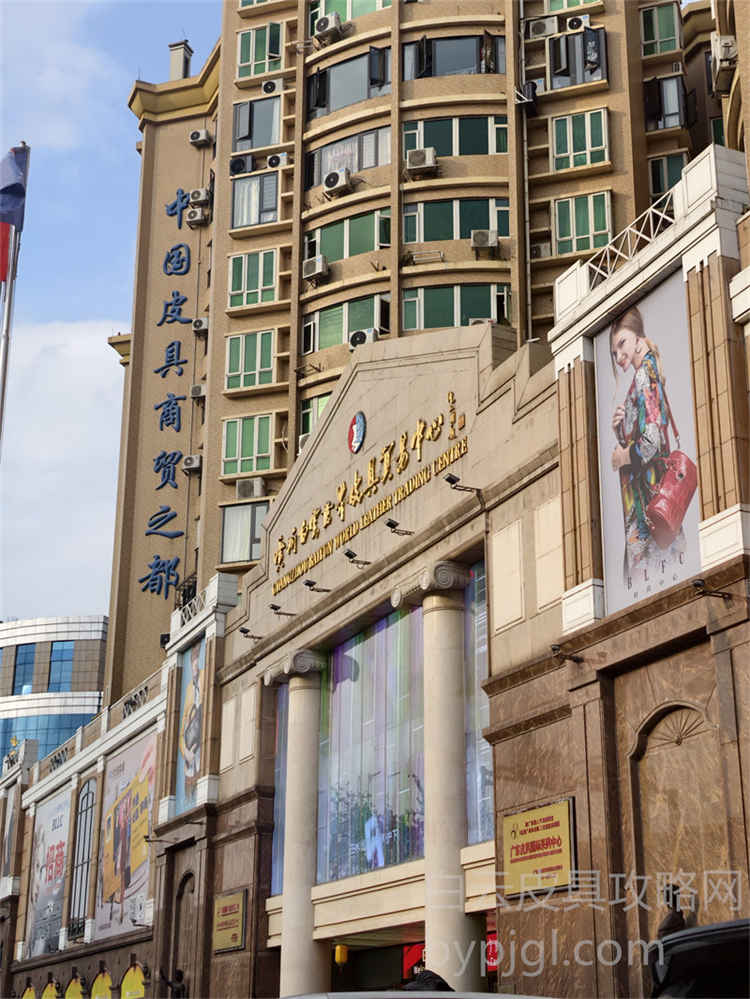
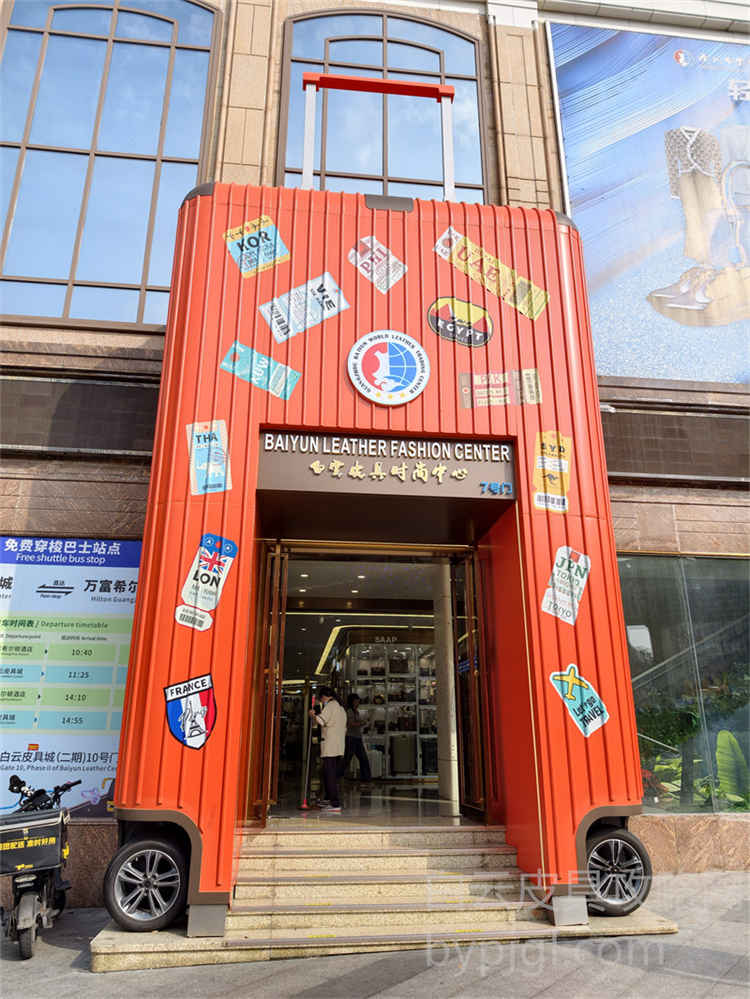
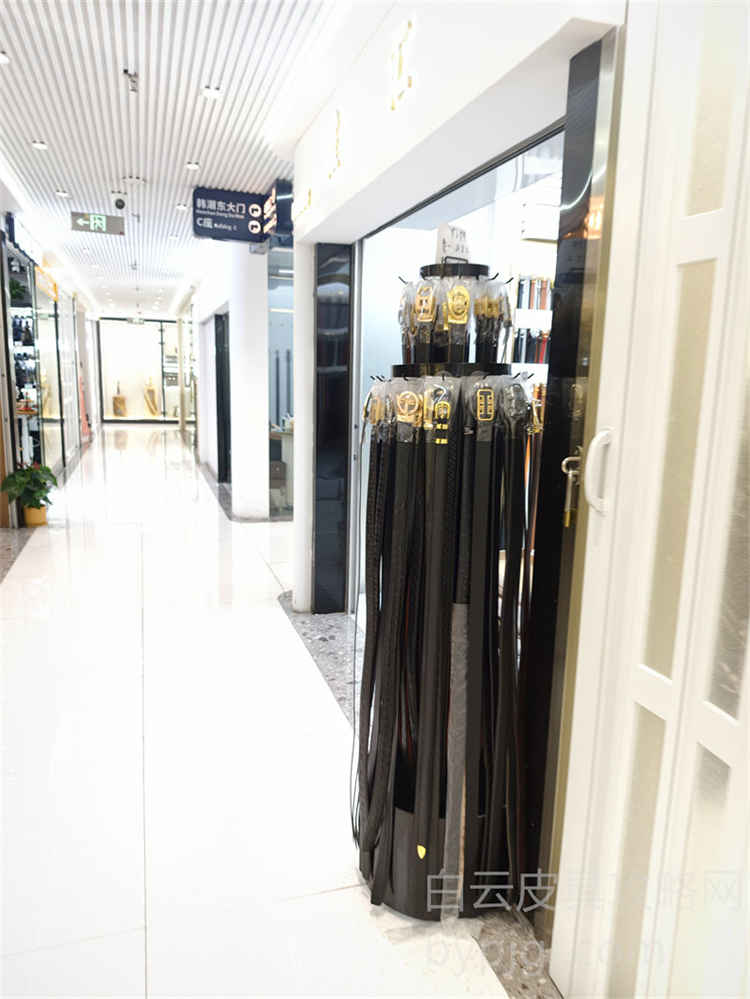
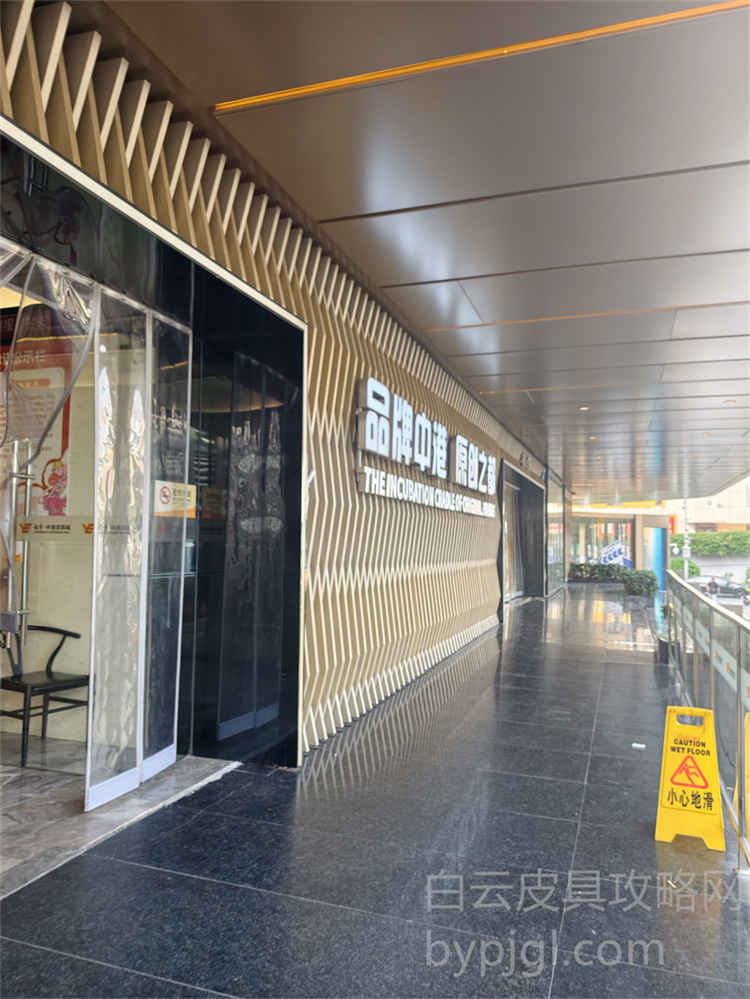
Guangzhou Baiyun Leather City is massive. It is not just one building; it is a sprawling complex with dozens of interconnected structures. If you arrive without a plan, you will get lost within an hour. The ground floor is often filled with lower-end goods and tourists. To find the real "A grade" sources, you need to head straight to the upper floors, specifically the third and fourth levels where the serious wholesalers operate. These are the people who supply the boutiques across Asia and Europe. Do not be afraid to walk past the flashy displays. The best deals are usually tucked away in the back rooms or the less crowded aisles.
How to Spot Quality Without Getting Scammed
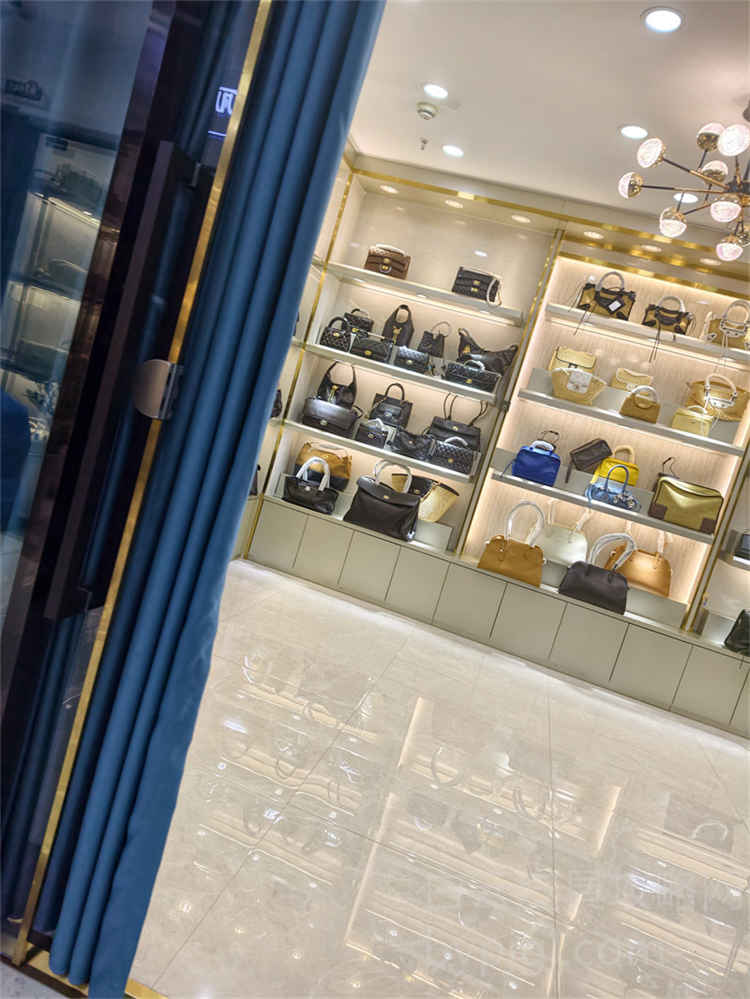
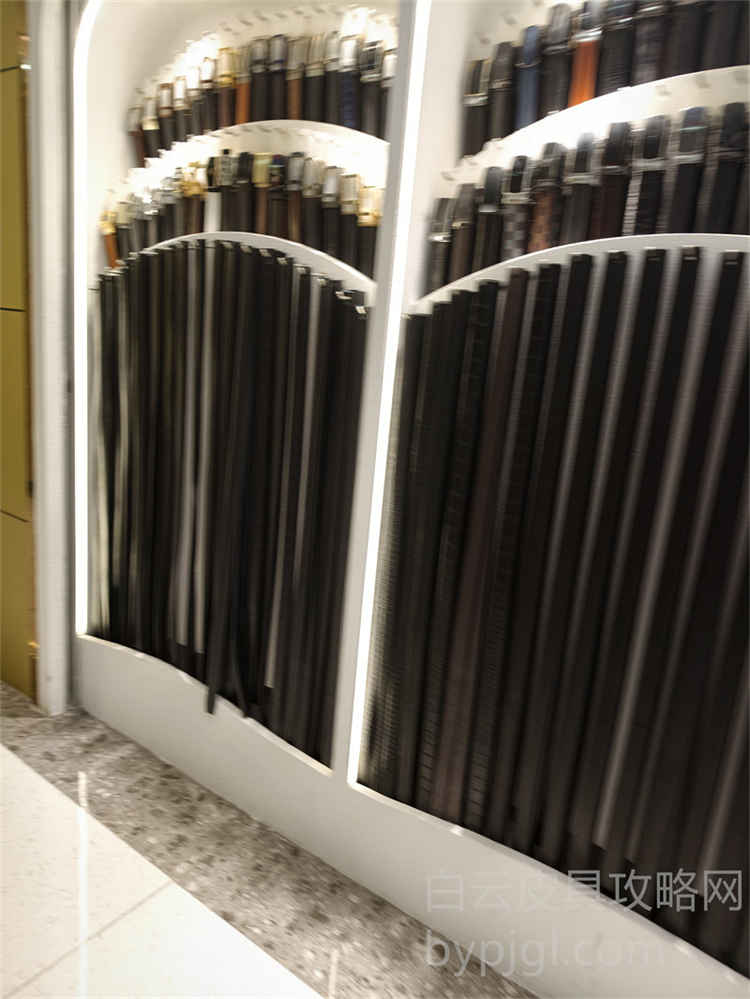
Let's talk about the product itself. When you are standing in front of a stack of handbags, how do you know if it is worth your money? First, check the lining. Cheap bags use thin polyester that tears easily. High-quality versions use thick cotton or silk blends that feel substantial. Second, look at the zippers. Are they smooth? Do they have a solid weight to them? Third, inspect the edges. In our trade, we call this edge painting. If the paint is uneven or peeling, walk away. A good supplier will show you the raw material before they even start sewing. They want you to see the grain of the leather. If they hide the material, they are hiding something.
The Art of Negotiation and Building Relationships
In Guangzhou, price is never fixed until you shake hands. But you cannot just demand a discount. You need to build a relationship. Start by asking questions about their production cycle. How long does it take to make a batch? What is their return policy if the quality doesn't match the sample? When you show genuine interest in their business process, they treat you like a partner, not a customer. once trust is established, the prices drop significantly. Many of my regular clients come back every season because we have a mutual understanding. They know I won't sell them junk, and I know they pay on time. This is the secret sauce of the Baiyun market.
Logistics and Shipping: Getting Your Goods Home Safely
once you have selected your items, the next challenge is getting them out of China without losing your mind. Most small shops in Baiyun do not handle international shipping directly. They rely on freight forwarders located right next door. These guys are experts in consolidating packages. You can bring your bags to their office, and they will pack them securely, removing any tags that might cause customs issues abroad. Always ask for a video of the packing process. This ensures that no damage occurs during transit and that the quantity matches your order.
Avoiding the Common Pitfalls
There are several traps that catch new buyers off guard. One common mistake is paying too much upfront. Never transfer 100% of the payment before seeing the final goods. A standard practice is to pay a deposit to reserve the stock and the balance upon inspection. Another pitfall is ignoring the lead time. Just because a bag looks good today does not mean it is ready to ship tomorrow. Production delays are common during peak seasons. Always add a buffer week to your timeline. Finally, be wary of suppliers who promise "overnight delivery" to anywhere in the world. That is a lie. Real logistics takes time, especially when dealing with customs clearance.
Why Physical Presence Matters More Than Ever
With the rise of e-commerce, many people think they can source everything online. While platforms exist, they lack the nuance of physical inspection. You cannot feel the texture of the leather through a screen. You cannot hear the sound of the zipper closing. You cannot see the subtle variations in color that only appear under natural light. By coming to Guangzhou Baiyun, you eliminate the risk of receiving a product that looks different from the photos. You can touch, smell, and test every single item before you commit. This level of control is impossible to replicate remotely.
Final Thoughts from the Front Line
Sourcing in Guangzhou is an adventure. It requires patience, observation, and a willingness to learn the local language of trade. The market is vibrant, chaotic, and incredibly rewarding for those who know how to navigate it. Whether you are looking for high-end leather goods or unique designs, the opportunities here are endless. Just remember to keep your eyes open, trust your instincts, and build relationships based on honesty. The "A version" label is just a starting point; the real value lies in the quality and the partnership you forge with the local merchants. Come prepared, stay curious, and you will leave with more than just bags—you will leave with knowledge that lasts a lifetime.